County of Silasia
-
Posts
27 -
Joined
-
Last visited
Content Type
Profiles
Personas
Wiki
Rules
War
Systems
Safety
Player Conduct
Roleplay Leadership Guidelines
- Roleplay Leadership Guidelines
- Roleplay Leadership Guidelines Comments
- Roleplay Leadership Guidelines Reviews
Forums
Everything posted by County of Silasia
-
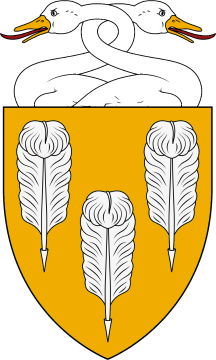
“Dobriniz iv Pasluga” THE OPENING OF 3rd of The Deep Cold, 641 A.A. Penned by Lord Oswald Andrik Kingsley, Master of Coin It is with great fanfare that the Fair Table does announce the completion of the Merchant’s Hall, dubbed the Marjoria Hall, which is set to serve as a hub for all commerce and transactions in the Greater Silasian Region. Under the careful custodianship of the Master of Coin, merchants who operate in the Marjoria Hall shall be guaranteed fair dealings and protections. THIS HALL INCLUDES; MERCHANT SHOPS & STALLS Inside the hall, one will find a collection of fine shops and open merchant stalls that sell items from around the continent of Azuras. Shops have limited availability and may be purchased by contacting a steward or the Master of Coin. AUCTION HALL Located on the second floor of the building is now an auction hall wherein goods of rarity, bounty, and renown will be bid upon by voice and coin. Any who wish to sell at the auctions are to submit a written letter to the Master of Coin prior to announced auctions. PERSONAL VAULTS For the safeguarding of precious holding or common storage, Marjoria Hall also provides Personal Vaults. These guarded and highly-secure vaults allow merchants or commoners to store any goods they require for a reasonable price. All who enter are bound by the statutes of trade set forth by the Master of Coin and the Count and Countess of Silasia. Let no fraud take root, no blade be drawn, and no bargain be broken within these walls. TO CELEBRATE; EVENTS UPON OPENING DATE To mark and commemorate the grand unveiling of Marjoria Hall, the County of Silasia, in collaboration with the Houses of Silasia, hereby announces the convening of the First Marjoria Auction. This event shall be held in Horen’s Calling of 644 A.A.. Throughout the proceedings, spirits and delicacies shall be provided for the pleasure and refreshment of all honored guests in attendance. AUCTION ITEMS FOSSILIZED SUBTERRANEAN REPTILE - An fossil artifact found deep in the grounds of Aevos. SHADOWFIRE GEMSTONE - A dark, unique gemstone that emits a shifting light that looks like fire beneath its surface. GRYPHON BONES & FEATHER - The bones and feather of the mythic Gryphon. LIGHTSTONE - A golden gem capable of containing light and holy power. LAVENDER SERENITY RING - An elegant ring enchanted with a fire spell. AZHL GLAIVE - A glaive of blackened Azhl. HARBINGER’S BOOTS - A pair of thanhic alloy boots, once worn by the dreaded Harbingers of Setherien. RUBY, THE DOLL - A living doll, ready to help its owner. Other items include a collection of potions, weapons, and trinkets crafted by the houses of Silasia. Signed, The Right Honourable, Nuvilta Svajone Blaxton-Whitewood, Countess of Silasia, Baroness of Blackwell, Lilenburg & Swan’s Keep, Lady of Sterhal Matriarch of House Whitewood & Blaktonite Dynasty Protector of Silasians, Watcher of the Birch, Imperial High Emissary His Lordship, Kajus Joren Whitewood, Count of Silasia, Imperial Court Smith His Lordship, Oswald Andrik Kingsley Burgraf of Konigravn, Master of Coin Patriarch of House Kingsley [!] Official Seal of The Fair Cabinet





-
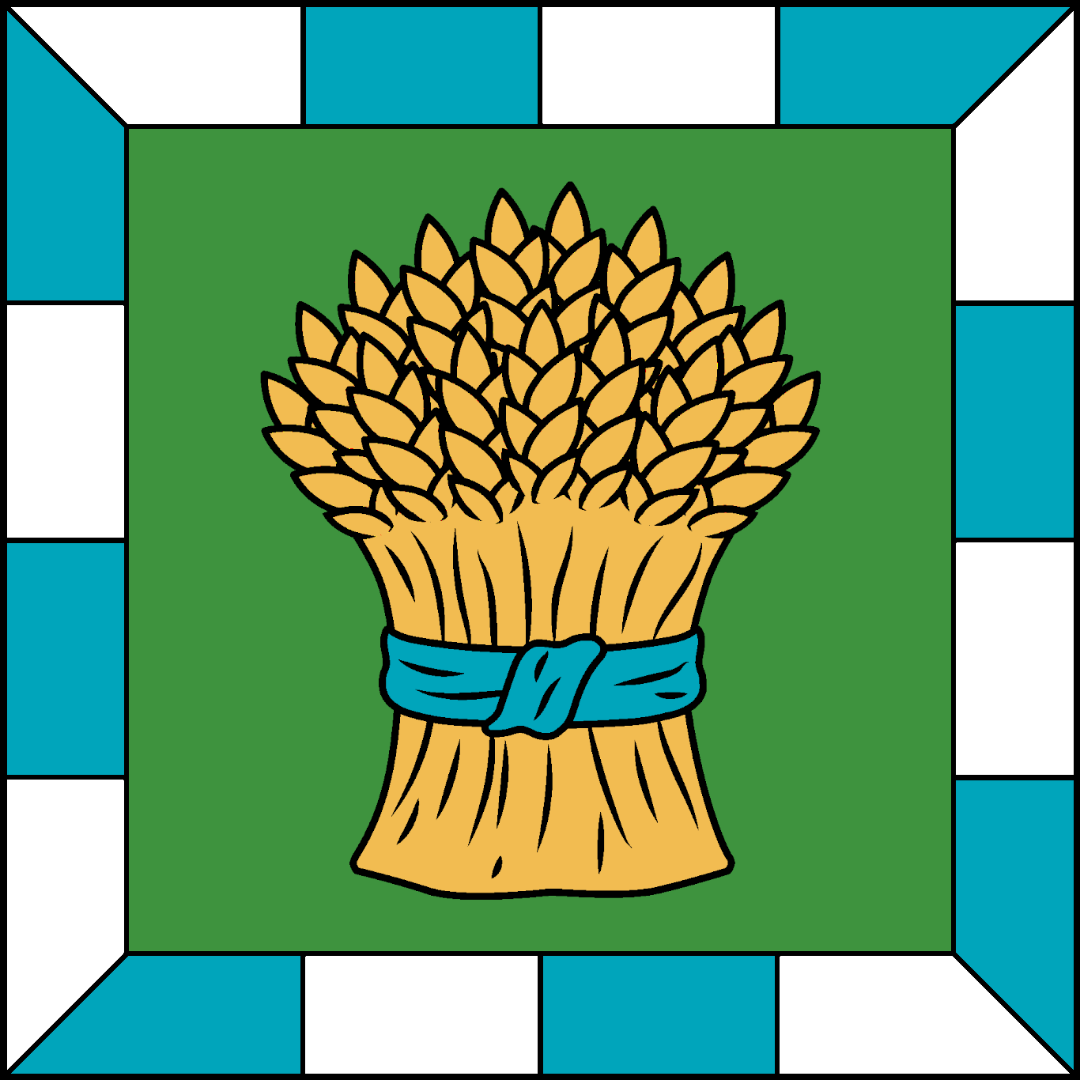
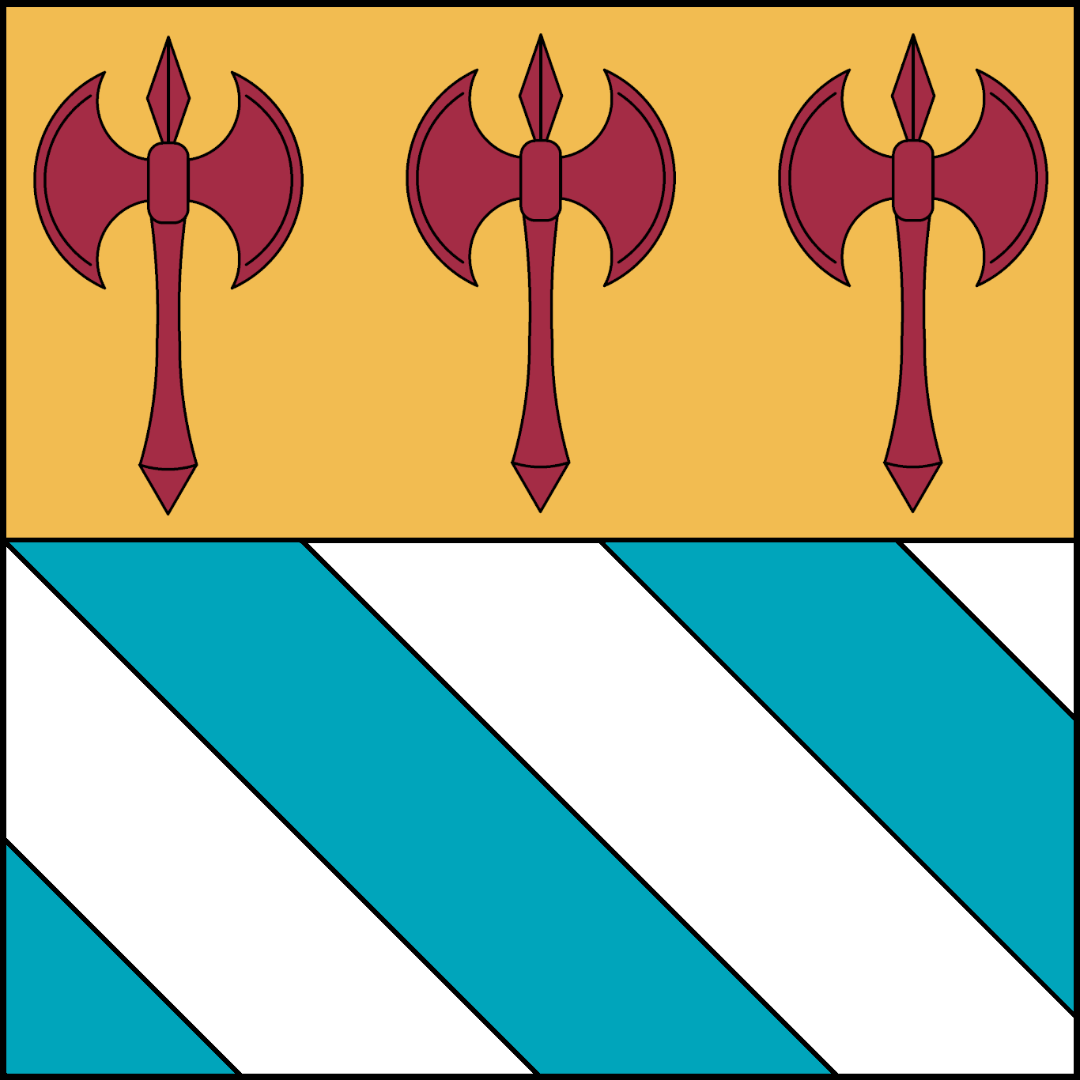
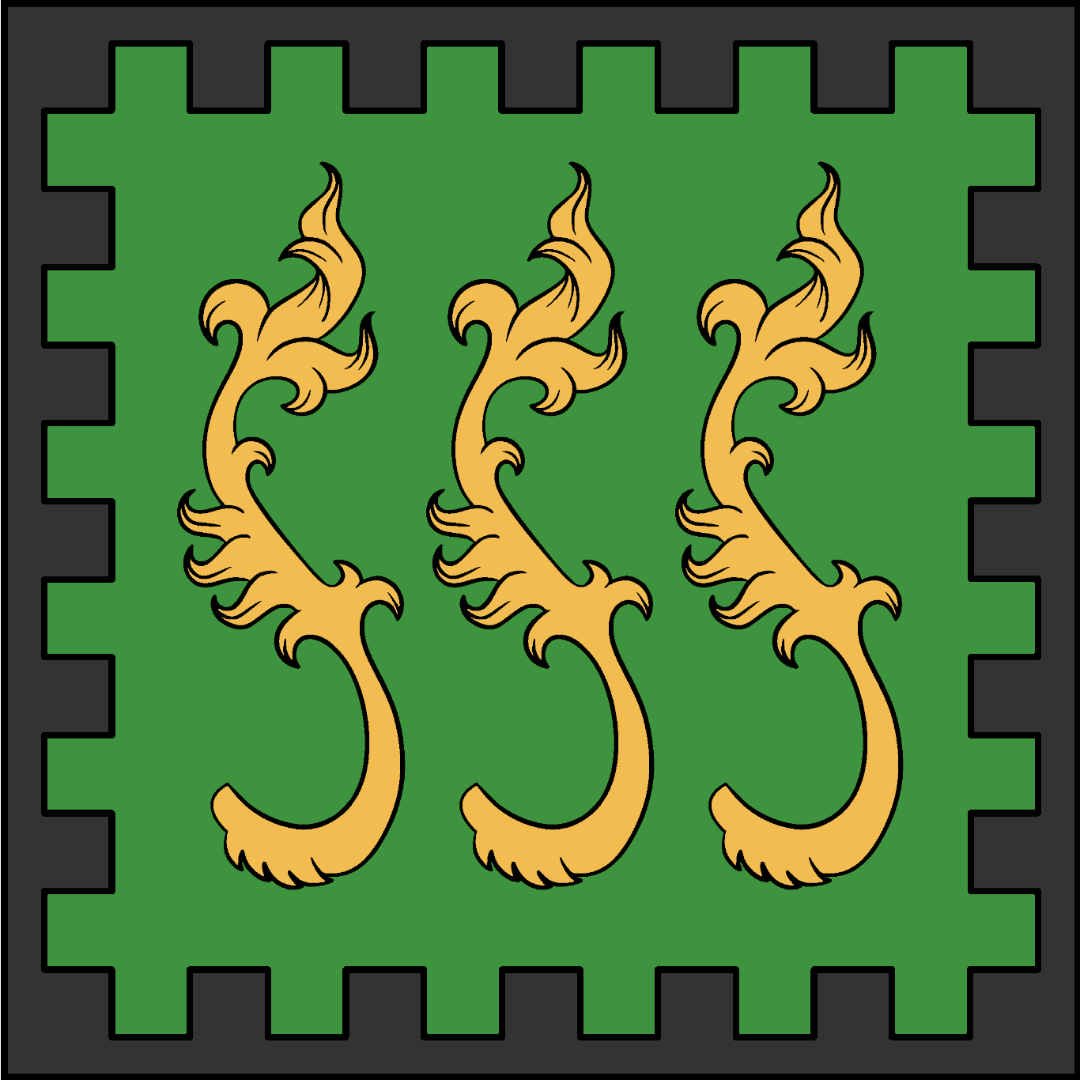
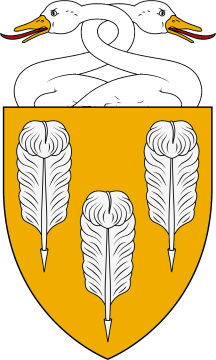
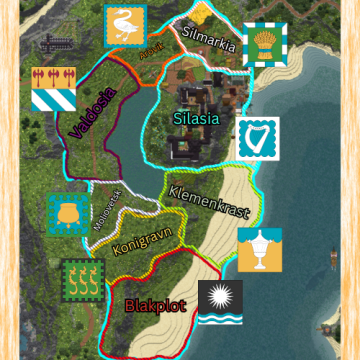
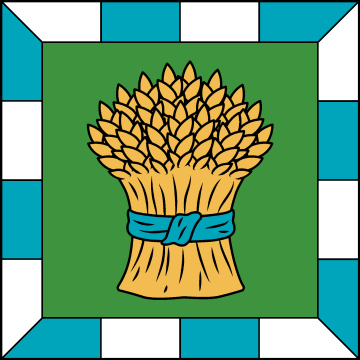
“Dobriniz iv Pasluga” THE DIVISION OF 7th Harren’s Folly, 642 A.A Issued by: The Fair Cabinet With the expansion of the population of Berzynstadt and the surrounding areas, The Comital House of Whitewood and the Fair Cabinet are now tasked with the duty to manage the settling of the Greater Silasian Basin and shoreline, as well as to develop sustainable primary and secondary industries. The division of the land into provinces is for the purposes of more effective administration and as such servants of the Comital House may be appointed to develop the land in a managerial capacity. THE GREATER SILASIAN BASIN AND ITS PROVINCES VE PROVINCIJA OV SILASIA AND ITS BADGE The urban province of Silasia encompasses the fortified city of Berzynstadt, the farms of Berzynstadt, the Berzyn meadfields and birch grove, as well as Port Blackwell. The majority of the population of the County of Silasia resides here. The industries of this province are farming, brewing, lumber, smithing, fishing, trade and book-making. VE PROVINCIJA OV SILMARKIA AND ITS BADGE Silmarkia comprises farmhouses with farming plots and flowerfield, the residents of Silmarkia are typically those of low-Silasian culture, or Silmarkian. Silmarkia is the eastern-most province that travelers from other imperial territories pass through to enter Silasia. The industries of this province are farming, herb gathering, orchardry, flower farming and other associated industries. VE PROVINCIJA OV AROVIK AND ITS BADGE Arovik is in the intermediary zone that connects the eastern provinces to the western provinces. It is bordered by mountains to the north and lake Tesion to the south. It is named in honour of the second Grand Duchess of Silasia, Arowyn I. Currently the province is underdeveloped though potential industries have been identified. Industries that are set to be developed in this province are mining, farming, horticulture and aquaculture. Otherwise due its proximity it can be developed into another residential hub. VE PROVINCIJA OV VALDOSIA AND ITS BADGE The second largest, Valdosia, is very open with sloped fields, this allows for independent grazers to herd their sheep on the hills though largely this region is highly underdeveloped. To expand the Silasian lumber industry and turn the Greater Silasian Basin more suitable for Silasians, forestation projects are planned here. Potential industries in this province could be lumber, mining, grazing. VE PROVINCIJA OV MOLIOVETSK AND ITS BADGE This minor region is categorised by large clay deposits found by the banks of Lake Tesion, resulting in many potters coming here to gather it and transport it back to Berzynstadt to be processed into ceramic goods. However, this transportation is inefficient and the region is to be developed further. The single industry in Moliovetsk is clay-gathering. VE PROVINCIJA OV KONIGRAVN AND ITS BADGE Konigravn, or King’s Flat in common, is a flat field bordered by hills and a cliff, making it one of the better places in Silasia for agriculture. As such currently it has been mandated that settlers in this province develop high value crops such as cotton and tobacco. The industries in this region comprise entirely of agricultural production. VE PROVINCIJA OV KLEMENKRAST AND ITS BADGE Clemen’s Corner, named after High Pontiff Clement III, ancestor to House Whitewood, lies divided between a grassy plain at the cliff base, and the eastern shore of Silasia. Klemenkrast lacks transportation infrastructure, making access and development challenging. Crabbers and saltmakers primarily operate in this province. VE PROVINCIJA OV BLAKPLOT AND ITS BADGE The largest province of Silasia, Blakplot suffers from the same issues as Klemenkrast. Yet its size and geographic position presents significant opportunities. With careful development, it could be transformed into another port or a hub for the naval operations of Silasia. At present, Blakplot lacks established industries. However, it holds strong potential for growth in fisheries, maritime trade, and coastal defence infrastructure. Signed, The Right Honourable, Nuvilta Svajone Blaxton-Whitewood, Countess of Silasia, Baroness of Blackwell, Lilenburg & Swan’s Keep, Lady of Sterhal Matriarch of House Whitewood & Blaktonite Dynasty Protector of Silasians, Watcher of the Birch, Imperial High Emissary His Lordship, Kajus Joren Whitewood, Count of Silasia, Imperial Court Smith Lord, Oswald Andrik Kingsley Burgraf of Konigravn, Master of Coin of Silasia [!] Official Seal of The Fair Cabinet











-
“Dobriniz iv Pasluga” APPOINTMENTS TO 13th of Dragon’s Roar, 641 A.A Since the ancient days of Aevos, the lands of Silasia have been ruled by the House of Whitewood. However, it was the wisdom of our forefathers to govern not by their lonesome but to form a table of advisors composed from the most prominent individuals of the realm, for the effective governance of their people. Now, with the rise of the Silasian demesne and people the Comital House of Whitewood deems it once more to reform this ancient council, the Fair Cabinet. MASTER OF COIN His Lordship, Oswald Andrik Kingsley THEIR DUTIES SHALL BE ❁ To collect the taxes owed to the House of Whitewood and store them safely; ❁ To safeguard Silasian economic interests; ❁ To conduct surveys and censuses of the Silasian people; ❁ To conduct market research and reports; ❁To develop economic ties and ventures; ❁ Etc. KAPITAN OF THE D.S.G Vladrik Lothar Kovachev THEIR DUTIES SHALL BE ❁ To lead and command the Druzhina of Svyatys Gerod (Brotherhood of St. Gerard); ❁ To enforce the Countess’ word as law; ❁ To defend the peoples of Silasia; ❁ To enforce the Code of Conduct amongst the Druzhina; ❁ Etc. MASTER OF TOMES Symon Morris Stafyr THEIR DUTIES SHALL BE ❁To record all official missives promulgated from Silasia; ❁ To maintain the archives of Silasia; ❁ To copy, and reprint books; ❁ To assist with the scribing of official missives; ❁ Etc. MASTER OF PROVISIONS Osbert Fidejus THEIR DUTIES SHALL BE ❁ To sow and harvest the lands of Silasia; ❁ To procure needed resources for the maintenance of Silasia; ❁ To lead the Silasian’s Worker Guild; ❁ Etc. MISTRESS OF REVELS Symone Erika Stafyr THEIR DUTIES SHALL BE ❁ To promote Silasian culture; ❁ To organise festivities of the land; ❁ To enforce Silasian customs; ❁ Etc. Signed, The Right Honourable, Nuvilta Svajone Blaxton-Whitewood, Countess of Silasia, Baroness of Blackwell, Lilenburg & Swan’s Keep, Lady of Sterhal Matriarch of House Whitewood & Blaktonite Dynasty Protector of Silasians, Watcher of the Birch, Imperial High Emissary His Lordship, Kajus Joren Whitewood, Count of Silasia, Imperial Court Smith [!] Official Seal of The Fair Cabinet






-
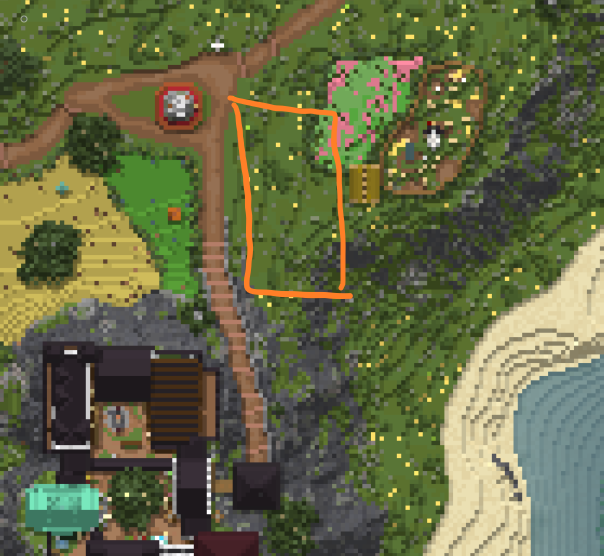
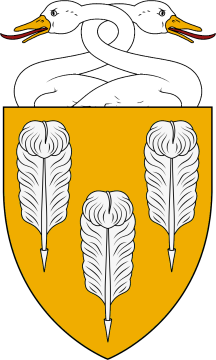
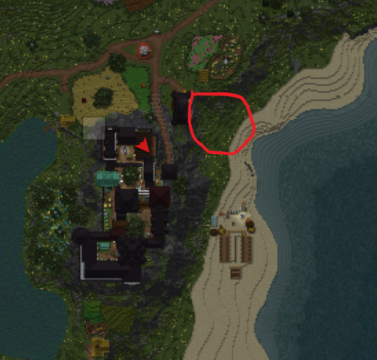
WHITEWOOD PORT LANDLEASE 10th of Dragon's Roar, 632 A.A Let it be known to all who shall read or hear these presents, on this day a binding contract is made between: I. The Right Honourable, Count of Silasia Arturas Miklos Whitewood, hereafter named the Grantor; And II. The enterprise, known as Silasia Siegeworks, represented in person by its heads, Miss Lilibet Amador and Mister Ulric, hereafter named the Lessee. Both parties, of sound mind and with witnesses present, agree to the following articles. ARTICLE I - LAND I.A The Grantor does hereby lease unto the Lessee a parcel of ground, situated east of the inclined path to Berzynstadt, south of the sheep farms on the sand. I.B The lessee shall develop the land into a port in conjunction and with oversight from the grantor. I.C A portion of the port and the natural land next to it will be granted to the lessee for their necessary operations, such as but not limited to: engineering, boatmaking, alchemy, herbology, etc. With necessary outbuildings also to the lessee’s trade. I.D Alongside this construction, a pathway will be made to the Silasian coast that is to remain unimpeded. I.E The construction of additional facilities will require approval from the Count. I.F While leased, members of the enterprise shall be given the rights and dignities of Silasian citizens. ARTICLE II - TAX II.A In exchange for said land, the Lessee shall yearly pay unto the Grantor a 40 Mina tax. II.B The Lessee will also supply the siege equipment or other engineering projects to the Grantor’s Household when reasonably demanded. ARTICLE III - SUCCESSION III.A The Lessee may pass this lease to a successor only within their enterprise, with the Grantor’s written assent. III.B The Grantor’s heirs shall honor this covenant for its full term. III.C The Lease shall last for a duration of 20 years. III.D The Lease may be terminated upon the failure of meeting the articles and terms established. Signed, The Right Honourable, Arturas Miklos Blaxton-Whitewood, Count of Silasia, Baron of Blackwell, Lilenburg & Swan’s Keep, Lord of Sterhal Patriarch of House Whitewood & Blaktonite Dynasty Protector of Silasians, Watcher of the Birch Her Ladyship, Nuvilta Svajone Whitewood, Heiress to the County of Silasia His Lordship, Kajus Joren Whitewood, Lilibet Ameliya Amador Ulric of Silasia [!] Official Seal of House Whitewood




-
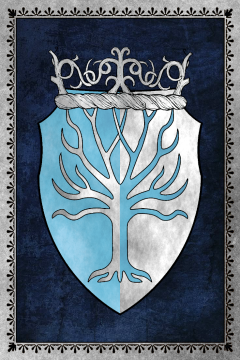
WHITEWOOD-KINGSLEY LANDLEASE 10th of Aurelian’s Glory, 628 A.A Let it be known to all who shall read or hear these presents, on this day a binding contract is made between: I. The Right Honourable, Count of Silasia Arturas Miklos Whitewood, hereafter named the Grantor; And II. The merchants company, known as the Kingsley Company, represented in person by its Chairman, Mister Oswald Kingsley, hereafter named the Lessee. Both parties, of sound mind and with witnesses present, agree to the following articles. ARTICLE I - LAND I.A The Grantor does hereby lease unto the Lessee a parcel of ground, situated between the inclined path to Berzynstadt, the sheep farms and cliff behind it. I.B Said land shall be used solely for the construction and operation of a brewery and the day to day operations of the Kingsley Company, with outbuildings necessary for brewing, drying, storing, and distributing ale, beer, and allied spirits. I.C Alongside this construction, a pathway will be made to the Silasian coast that is to remain unimpeded. I.D The construction of additional facilities will require approval from the Count. I.E While leased, members of the Kingsley company shall be given the rights and dignities of Silasian citizens. ARTICLE II - RENT II.A In exchange for said land, the Lessee shall yearly pay unto the Grantor 40 Mina II.B The Lessee will also supply the alcoholic produced to the Grantor’s Household and domain at a rate of 3 casks a year or when demanded for comital obligations. II.C Should the Empire impose any excise on drink, the Lessee and Grantor will amend the contract after discussion of the bearing of the new duty. ARTICLE III - SUCCESSION III.A The Lessee may pass this lease to a successor only within the Kingsley Company, with the Grantor’s written assent. III.B The Grantor’s heirs shall honor this covenant for its full term. III.C The Lease shall last for a duration of 20 years. III.D The Lease may be terminated upon the failure of meeting the articles and terms established. Signed, The Right Honourable, Arturas Miklos Blaxton-Whitewood, Count of Silasia, Baron of Blackwell, Lilenburg & Swan’s Keep, Lord of Sterhal Patriarch of House Whitewood & Blaktonite Dynasty Protector of Silasians, Watcher of the Birch Her Ladyship, Nuvilta Svajone Whitewood, Heiress to the County of Silasia Mister, Oswald Kingsley Chairman of the Kingsley Company [!] Official Seal of House Whitewood




-
RECOGNITION OF THE SILASIAN OAK 2nd SUN’S SMILE, 2046 I.T The roots of the fatherland have long been torn out from the soil and scattered to the wind, but for as long as a single seedling remains buried, the forest will never be destroyed. THE OAKEN CADET Let it be known that the Comital House of Whitewood, in accordance with the ancient customs and venerable statutes of the Blaktoknite Dynasty, hereby recognises House Ąžuolas, as founded by Ser Leif Elio Whitewood, as a rightful cadet branch of House Whitewood and thus part of the Blaktonite Dynasty. The House of Ąžuolas, of Silasian origin and culture, derives its name for the Silasian word for Oak. Springing from Silasian soil and tradition, they stand as a symbol of strength and longevity, as the steadfast Oak does. By the old laws of the fatherland, they are entitled to Arms upon the Silasian escutcheon, a living testament to their descent from Whitewood blood. May their boughs flourish as the oak of their name, and their deeds bring honor to the Whitewood lineage for generations to come. THE MEMBERS OF HOUSE ĄŽUOLAS Patriarch Ser Leif Elio Ąžuolas, 2012 I.T Matriarch Circe de Senna, 2017 I.T With the formation of the cadet branch, the Issue of the House Ąžuolas may decide whether to take on the matrilineal name of their Mother, or the patrilineal name of Ser Leif. Issue: Melinoë Sofija Ąžuolas, 2040 I.T Neia Ąžuolas, 2041 I.T (Ad.) Silas Leif Malachi Ąžuolas, 2045 Edgar Ledicort de Senna, 2038 I.T (Ad.) Lynette Amelia de Senna, 2043 Eloise Josette Ophelia de Senna 2043 Josephine Alexandra de Senna, 2043 Signed, The Right Honourable, Arturas Miklos Blaxton-Whitewood, Count of Silasia, Baron of Blackwell, Lilenburg & Swan’s Keep Patriarch of House Whitewood & Blaktonite Dynasty Protector of Silasians, Watcher of the Birch Her Ladyship, Nuvilta Svajone Whitewood, Heir-Apparent to the County of Silasia Ser Leif Elio Ąžuolas, Patriarch of House Ąžuolas Circe de Senna, Matriarch of House Ąžuolas Silas Leif Malachi Ąžuolas, Heir of House Ąžuolas [!] Official Seal of House Whitewood







-
OBNOVYN DJEN DAY OF RENEWAL FESTIVAL Issued by The County of Silasia 11TH of HARREN’S FOLLEY, 2042 I.T Silasians honoring God’s gift of Nature. By the blessing of Providence, the people of Silasia once more have returned to the Garden of God. Let the labors of field and forge be set aside to celebrate the renewal of Silasian spirit and culture, honoring our heritage, and rejoicing in God’s creation. This year, a Festival of Obnovyn Djen is held in honor of the Imperial Summons to the Heirs, welcoming them and their pedigree as honored guests among us. As Silasians gather in celebration of their revival as a people and culture, so too do they extend their hospitality, that bonds of kinship may grow strong as the birch. MARKETS Stalls of the People — Merchants, farmers, and craftsmen shall display their wares. Arkasan Making — In homage to our most renowned tradition, guests are invited to partake in making customary Silasian Flower crowns for oneself, or another. CONTESTS Each contest shall carry a prize of two-hundred mina, bestowed upon the victor in honor of their prowess and goodly spirit. The Art of Archery — An art mastered by many Silasians, the archery contest will be a test of patience, precision, and harmony with the land. The victor will be the archer whose arrow strikes truest. King of the Hill — A test of strength and endurance, wherein brave souls strive for mastery of the mound. He who holds the crown of the hill when the dust has settled shall be hailed as champion. Token Scavenger Hunt — A game of wit and quickness, where hidden tokens lie scattered about the grounds. He who gathers the sacred tokens shall claim the victor’s purse. LOCATION AND TIME The Obnovyn Djen Festival shall be shall commence by the market of Silasia, 2043 I.T on the Month of Horen’s Calling [OOC: This wednesday 6pm est] Signed, The Right Honourable, Arturas Miklos Blaxton-Whitewood, Count of Silasia, Baron of Blackwell, Lilenburg & Swan’s Keep Patriarch of House Whitewood & Blaktonite Dynasty Protector of Silasians, Watcher of the Birch Her Ladyship, Nuvilta Svajone Whitewood, Heir-Apparent of Silasia [!] Official Seal of House Whitewood
-
THE SILASIAN CULTURE NATURA ET VERITAS In the words of the Silasian Folk 2041 I.T IDENTITY AND HISTORY GENERAL DESCRIPTION The Silasian people trace their lineage to Jorenic ancestry, with their forebears originating from those of Karosgrad. From said ancestors did they inherit a hearty demeanor, most amongst them basking in the pleasantries of everyday life and of robust makings. Even with such joys, you will often find the life of a Silasian to be one of labor, with long days committed to strenuous forms of work; lumber handling, hunting, etcetera. Such laboring tends to bolster unique features amongst those of Silasia, with taller statures and tanner complexions present, traits which are often complimented by darker stocks and eyes of blue or green. Although present, blonde hair, along with brown eyes, is a rarity in comparison. "Silasian" as a term refers to the ethnic group settled within the Barony of Silasia, derived from the Flexian root Silas, meaning forest. This usage originated within the predecessor settlement of the Silasian peoples, the Grand Duchy of Silasia, based in the great birch forest of Aevos. SILASIAN IDENTITY FOREST FOLK The Silasians are uniquely able to adapt to any woodland environment, having spent generations living in tall forests along with experience living in both tundra and jungle environments during their migration. This has allowed the Silasian to be very tolerant to varying temperatures, as well as living off forest land rather easily, be it from hunting or gathering.. However, Silasians often struggle to adapt to plain, open environments as their cultural knowledge and techniques are mainly adapted for niche forestland. Thus large scale agriculture is a stumbling point in their current environment. IN GOD’S GARDEN As per the book of Provenance, it is stated that God created the world and animals first, before the first man and woman. Thus Silasian’s conceptualise the world, as the garden of God, It is through this worldview that Silasians come to respect and treat the natural word as holy, that as creations of God themselves they must tend to God’s Garden, and not exploit it. This mind set is tempered by the Epistle to the Elves, that chastises the worship of the world rather than God. While the world is divine in its nature, by virtue of being a creation of God, it is not God itself. LIBERTY BY COMMUNITY Among Silasians, it is understood that liberty is not something that is granted by rulers, but a value rather safeguarded by the collective people. For leaders can fail, be conquered and are not infallible, it is up to the community to maintain their way of life. In addition to this, it is understood that freedom is not the absence of laws or a ruler, but it’s the presence of justice, so that people are free to live in accordance to the liberties granted by the community and that justice can be granted to those whose liberties are diminished. The rule of law is not seen as an abstract sacred, but as a tool to be wielded to ensure justice. PURITY FROM TRUTH Honesty is one of the highest virtues amongst Silasians, to act intentionally dishonest is to act as the Deceiver. This ideal was popularised by the verse of Saint Julia casting out the Denier from the camps of Horen. While Silasians are a communal people, this does not mean they protect their own should this virtue be violated. It is the duty of the community to enforce accountability should dishonesty be revealed. Purity, in general, is considered to be a virtuous trait by Silasians due to its association with Exalted Owyn, with the founding patriarch of Silasia being an Owynist. This value continues to be maintained, even with the transition away from Owynism. REMEMBRANCE The past, no matter how distant, must be kept in the memory of Silasians, for the past contains great lessons in both triumph and tragedy. And it is from these lessons that the decisions of Silasians are informed, to bring about prosperity and rectitude. Silasian keep history through oral tradition, sharing stories with each other of the old days, even those of old realms. Many celebrations and practices have been popularised in remembrance of history. LOCATION AND GEOGRAPHY Once these people thrived in the great birch forest, the Aetherwald, located in the Silent Valley of Aevos. Their nation was the Grand Duchy of Silasia. However after a terrible war, the Silasian people migrated to the southern and hazardous Jungles of Beleth, split between the realms of Balian and Haelun’or, though this was understood culturally to be a temporary settlement until the Silasians could regain enough strength and standing to move to a more hospitable environment. Now, the Silasian people have been reunited together in the rolling hills of the lowlands in the Empire of Man, reestablishing their holdings as a vassal upon the plains of a unique region of the world known as the Divide. HISTORY The history of Silasia is one defined by perseverance, identity, and survival against overwhelming odds. Its founding is credited to a single man–Ser Sterling Whitewood– who rose from the lowest rungs of society to lay the foundation for an enduring culture. EARLY FOUNDATIONS Ser Sterling was born into poverty after House Amador fell from nobility in Almaris, leaving him without title or opportunity. In Haense, a realm that heavily favored bloodlines and noble birth, Sterling sought the opportunity to utilize his skill and talent, thus setting forth a path that would shape not only his fate, but that of countless others. Journeying to Barrowton, he entered the service of Numendil, becoming squire to its first Lord Marshal. His exemplary service earned him knighthood under the first king of Numendil, Uther Pendraic, a pivotal moment that marked the beginning of his ascent. His first legacy began not on the battlefield, but on the island of Failor which he colonized and formed the first refugee camp, in the name of the Kingdom of Haense. Sanctuary was offered to those displaced by war and strife. Though it was a modest effort, this act of leadership– building something from nothing in an unforgiving land– marked the earliest ideological roots of Silasia: refuge, unity, and resilience. CONFLICT AND CRUSADE Discrimination against his daughter within Haense forced Sterling to make a painful decision: sever ties with the kingdom he once loyally served. In doing so, he bought land from the Halflings– starting the first settlement of the Grand Duchy to be - The Marchdom of Lotusgrad. The Marchdom quickly grew into a bustling community, welcoming disenfranchised and ambitious alike. Minor and noble houses, craftsmen, and settlers poured in, drawn by the vision of a new society with limitless possibilities and unconstrained by old-world hierarchies. Despite their progress, peace proved temporary. A necromancer, seeing opportunity in the rising settlement, launched a violent campaign against Lotusgrad. This culminated in the declaration of the Silver Crusade, recognized by Pontiff Caius Primus. Lotusgrad and allied forces triumphed against the necrotic forces, earning the realm both spiritual recognition and political relevance. This marked a critical shift– The Marchdom was no longer simply a refuge; it had become a power. Following the Silver Crusade, The Marchdom of Lotusgrad declared independence. Its sovereignty was affirmed by the Church, and Ser Sterling Whitewood was coronated as a Prince of Canondom, forming The Grand Duchy of Silasia and solidifying its place among the canonist realms. WAR AND DISSOLUTION Diplomatic success followed as treaties were signed by the newly formed Grand Duchy. Most notably, a treaty was signed with Vikela which dragged it into a war against the Rexdom of Lurak. With Vikela’s loss, The Grand Duchy of Silasia, surrendered contested lands near Caruost, believing it a necessary sacrifice to preserve peace. A defensive pact was struck with the orcs, but this alliance quickly proved fragile. The orcs violated the agreement by launching a war against the halflings, disregarding the terms and putting the entire region in jeopardy. Simultaneously, a necromantic plague seeped into Silasia’s borders, causing panic and isolation. Silasia’s borders were closed, mercenaries were hired, and fortifications were constructed. The situation was escalated by the Church, with the declaring of the struggle as a crusade, drawing in Numendil and other Canonist nations. This campaign left the halflings defenseless, thus leading to their fall. With the deaths of Ser Sterling, and his successor Grand Duchess Arowyn Whitewood, leadership of the Grand Duchy passed to Arturas Miklos Whitewood. It was under his leadership that the Grand Duchy of Silasia was dissolved to allow his people the chance to escape further suffering and avoid further war. REBIRTH IN THE EMPIRE For many years, Silasia existed in diaspora– its people scattered but not broken. Following the Canonist Church’s victory over the Kingdom of Hanseti-Ruska and Covenant, an opportunity to unite his people once more arose for Arturas. With the acceptance under King Tiberius I of the newly formed Kingdom of Burgundy, Arturas re-established the Silasian people and secured a new place to call home. There, the Whitewoods regained noble status and restored Silasia as a Barony. Though Silasia no longer exists as a Grand Duchy, it carries the legacy of its past– one rooted in honor, sacrifice, and resilience. Though the borders have changed, the soul of Silasia endures in its people, traditions, values, and its unyielding belief in a better future. ECONOMY AGRICULTURE Traditionally the Silasian people have been hunter gatherers, bartering for agricultural products with the Halflings. These days, Silasians have adopted the development of small produce gardens around their homes, growing hardy vegetables such as leeks, turnips, garlics and potatoes. Wheat and barley are grown in larger communal farms, with fruit trees being planted around their holdings as well for public harvest. The preferred trees being birch, cherry and walnut trees. ANIMAL HUSBANDRY Horses are beloved by the Silasian people, and many varieties have been bred to serve different functions: warfare, labour, travel, etc. Due to the bonds people have with their horses, horsemeat is rarely consumed. Swine is mainly raised for meat, as it is a relatively low maintenance and easy animal to handle in comparison to large bovine. HUNTING AND GATHERING Hunting and gathering are the primary sources of food and wealth for Silasian people, being experts in such. Foraged wild rye is the primary source for bread and alcoholic beverages. Seasonally, in the end of the spring months some Silasians travel north to take advantage of annual seal migrations, bringing back vast amounts of seal meat and fur. A practice taught to them by tundra-lander migrants. INDUSTRY The Silasians prioritize the crafting of goods for themselves, relying on material self sustainability. Whatever else that is produced in excess is usually sold to travelling traders, few industries are actively exported apart from horses. Traditionally, wooden crafts, leatherworking and beekeeping are the primary industries in trade. These industries are very prosperous due to the natural abundance of leather from sustained hunting, wild beehives to provide good apiaries and proficiency with wood. While bartering is common, the standard unit for trade in the Grand Duchy of Silasia were silver coins. While historically not having a large industry of sheep for herding and textiles, the little amount of raw textiles imported or harvested were turned into tapestries. Due to the scarcity of the raw materials, tapestries are considered prestigious and luxurious items. ETHNICITIES OF SILASIA REGIONAL DIFFERENCES While the bulk of Silasians prefer living on flat forest land, the lands of Silasia have always encompassed a variety of terrain, both historically and currently. As such a few Silasians settle along mountainsides. These mountainous Silasians tend to be of Waldenic origin, and while not greatly distinct in appearance, they do tend to focus more on more advanced industries such as alcohol production and herding. Famously, the Barony of Tyre, the seat of House Falkner was renowned for its sheep herding and dog breeding. However with the limited space sheep herding still remained an expensive industry, with textiles being used for aforementioned tapestries, rather than garments production. Other mountainous Silasians were tasked to settle on the mountains to serve as defensive locations for Silasians. New to the Silasian people are the open fields, which are best suited for large scale agriculture. This has in turn created a new variety of Silasians within their population. These “Low Silasians”, in reference to the lowlands they live in, occupy themselves with farming, cattle herding and cheese production. SUBCULTURES Among the first settlers of the Marian people in Silasia, which then evolved into Silasians, there were Waldenian families which migrated from the Kingdom of Aaun such as the House of Falkner and other families from Aevos like Starling. These Waldenian-Silasians are simply called Valdosian. While originally the word was a Silasian pronunciation of Waldenian, it slowly evolved over time to mean specifically those Silasians with Waldenian heritage. The traditions brought to Silasia by the Valdosians remain a big part of overall Silasian culture such as the weaving of tapestries and the brewing of mead, as well as a strong linguistic influence upon the Silasian dialect. With the acquisition of large farmlands, a need for working hands has invited people to settle and work in the fields. While various people have arrived, notable are those of Wyrtmark-Kabestanni origin, blending in with the local culture to create a hybrid one. The Kabersians or Silmarkians, depending on who you ask, are a small subculture which occupies the open fields. While at their core being Silasian, they are notable for their fervent supernatural beliefs, diligence and communal ethos. CULTURAL CREATIONS ARCHITECTURE Amongst the commoners and peasantry, houses are made typically of logs, on a raised bed of stacked stone, to prevent degradation by insects. For further protection against pests and the elements, these log houses are then painted with a white wash. These houses typically are roofed with thatch. For lords and gentry, residences are usually built tall with 3 or 4 floors, the upper floors being half-timbered. Roofs are high sloped and are typically shingled or covered in painted wooden panels. Military fortifications are entirely made of stone, also painted with whitewash. It is common to have large murals painted on some walls to decorate, with Castle Swankeep of Lotusgrad being the prime example of this, with murals of flowers and birds. Towers and donjons are typically round, with high sloped roofes and ramparts with half-timbered extensions on them. Another common tower type are half-towers, square structures in walls that resemble full towers on the exterior, but are either empty on the interior or have a residence built into them. ART SILAS KERAMIKOS Among Silasians, always being near bodies of water, one of the primary artistic forms of expressions is pottery, due to ample supply of clay. Silasian pots have flat bottoms, and are decorated with impressions, either from leaves, ropes or special tools. Ceremonial earthenware is usually depicted with scenes of people, who bear relevance to the ceremony in question; i.e saints upon pots of holy oil. LYZKARVEN Another common form of artistic expression is the practice of carving figures in the trunks of trees. Upon living trees, these carvings are usually small, a face or a small animal. Dead trees, or stumps remaining after lumberwork, are repurposed to serve as canvases for large artistic carvings. Originally, this tradition came about from bored foresters, carving into trunks to kill time, eventually one’s artistic ability became a point of pride and competition. BAKOLI STILJUS The Bakoli Stiljus refers to the practice of decorating with beadst and wearing beaded jewelry. This can range from beaded necklaces of wood, polished semi-precious gemstones like agate, and most precious of all, amber. SYMBOLISM RATANYS TREJSTIN - THE ROUND TRINITY A common symbol found amongst Silasia are three animals looped around in a circle, connected or overlapping. The Round Trinity represents continuation and the circle of life and death, though specific meaning is dependent on the animal - the most common being fish, birds, and hares. Fish, used commonly among fisherfolk, are symbols of provision and restraint. When the Silasians moved to lands rich with rivers and lakes, they had to learn the art of fishing. Through hardship and experience, they came to understand the dangers of overfishing and the necessity of balance. Because of this lesson, the Round Trinity depicting fish was adopted to represent the cycle of give and take. It is the cycle of taking only what is needed, waiting with patience, and trusting a returned bounty. Over time, it has become a symbol of moderation in all things, including life itself– patience and restraint often yields greater rewards than greed. Birds represent freedom of the soul and safe travels. During their displacement, Silasians would don this Trejstin as a symbol of their freedom and migration to a safer home. The three birds represent the cycle of using observation and vigilance to develop foresight and have safe passage, whether taken literally or metaphorically. Over the years, the symbol has become more common among hunters, shepherds, and scouts who watch the behavior of birds closely for signs of change– when they flee the forest, a storm is near. Hares– creatures that reproduce often and quickly replenish– represent the cycle of birth, survival, and then rebirth. They are used as symbols of protection for expecting mothers and young children, and often given as a gift to newly married couples as a token of luck for fertility and the continuation of their lineage. Other less common variations seen include wolves, representing bonds of groups like the Druzhina, or knotted snakes, referencing the mystical and arcane. MEDOS GODAN - THE TREE OF GOD Beyond the practical importance of trees and forests in Silasian culture, the concept of the Medos Godan is instead spiritually important. It is in the very first paragraph of the Scroll of Virtue that states God’s fruit, the fruit of Virtue, never rots. Thus the Medos Godan, is that which bears the fruit of Virtue. A tree that never wilts and produces the fruit in all seasons, it serves as a metaphor of God’s will and protection. ŽVILJAS LOTOS - THE ILLUSTRIOUS LOTUS A popular flower among the Silasian people is the lotus. While the flower is most commonly found in white or shades of pink, finding a lotus of the rare shade of violet, or especially blue, is seen as a sacred omen. A Žviljas Lotos, Illustrious Lotus, is said to only bloom after times of great hardship– representing purity without pride and divine clarity untouched by corruption. Unlike common flowers, the illustrious lotus is not harvested, picked, or pressed; to do so with selfish intent is believed to wither it instantly. Children born when the flower blooms are thought to carry spiritual insight, sacred potential, or to be destined for great leadership. Those seen as truly righteous, like Nobles or clergy, may don an Illustrious Lotus on ceremonial robes or clothing to signify incorruptible rule or divine favor. ZERESKINIS MEDOS - THE RENDED TREE. A tree that has been slashed, violently torn apart, or split in half is not only a sign of a fracture, but of a cursed division. Unlike the notion of peacefully splitting ways, the Zereskinis Medos is a symbol of a violent and irreparable division. Finding these trees near a village may foretell civil unrest, festering hatred, or familial bloodshed. The greatest act of hatred or violence is giving the symbol of Zereskinis Medos to one’s enemy. FRAKTIS ROG - THE BROKEN HORN A symbol of weakness, unsuccessful hunts, insanity. Often nailed to the doors of those who are discovered to be darkspawn or social pariah - signifying their dishonor and exile. When found in nature, they are thought to show a bad hunt or that the person who found them will go insane, or a sigh of Ibleesian presence. LIFE & FAMILY FAMILY The original founding families of the March of Lotusgrad were those distanced from the mainlines of their Houses, leaving them without opportunity or influence. Over time as these original families grew and founded their own houses, it became customary to live with extended family together in one home to have unity and a communal ethos. The ability to have such large families is aided by the extended families’ support. Child care is at the ready whether it be by an older sibling, parent, aunt or cousin. In the modern era under the empire, Silasians have slowly come to conform to standard familial customs, with typical House politics and other such trappings. Though Silasian extended families can still be found under one roof, or living next door to one another. A significant difference between Silasian Houses and others is that Silasians are much more open to meritocratic inheritance. As a result of this, matriarchal households are not uncommon either. This tendency towards meritocracy is a product of the culture of the original forest settlers, as the fate of a family could not be squandered on someone unworthy. This mindset has persisted throughout the tumultuous history of Silasia as a means of survival. CHILDREN Silasian children are quickly granted responsibility in their household. This includes helping around with chores, or performing simple work such as gathering food, looking after siblings and so on. As a child gets older, they accompany their guardians into their profession, whether it be hunting, foresting, pottery, etc. It is often expected that the young will continue the profession of their forebearers. Due to a tendency for a meritocratic inheritance, resources for educating and raising children are shared in an equitous manner between children, rather than pouring all resources into the eldest child. ADULTHOOD A Silasian reaches maturity on their 18th nameday, upon which they receive a flower crown that represents their profession during their coming of age ceremony. Adulthood is not just a stage of age, but it is a stage of maturity, responsibility, and self awareness. While children are formally recognized as adults at 18, true adulthood is understood through one’s actions and mindset. When one carries the values and beliefs of Silasia, bearing their responsibility and expectation to contribute to their family and community, they are considered a true adult. Adults are the leaders of the community. They are the first looked to for answers and direction. They are expected to provide for the people, serving as hunters, gatherers, guards, and administrators. ELDERS Elders in Silasia are held in high regard, treated with deep respect for their wisdom and experience gathered through years of survival, labor, and leadership. It is understood amongst Silasians that their way of life takes a toll on one’s body. For this reason, aging is not seen as a decline, but as a transition from physical contribution to spiritual and communal guidance. While younger adults often take on the roles of active leaders and decision-makers, elders remain deeply involved as advisors and preservers of tradition. It is not believed that elders are inherently wiser, nor that they should be the sole voices followed– rather it is understood that many elders hold valuable, lived knowledge that compliments the fresh ideas and adaptability of younger generations. Elders are still expected to earn their respect. Due to the self-reliance value of Silasians, it is common for able-bodied elders to continue their crafts and professions, however, they are never expected to participate in the strenuous tasks like hunting, foraging, and defense. Those who do are given the same respect as those who are entrusted with less strenuous roles. Regardless, all elders take the role of the keepers of heritage, serving as the thread between the past and future. RITES SILAS ZOHRON - FOREST FUNERAL The Silas Zohron is a traditional funerary rite, involving the burying the deceased under a tree. While originally a tradition inherited by the Whitewoods from the Amador dynasty, the practice spread amongst the Silasians, taking on more religious meaning. The Scrolls teach that Iblees will raise an army of dead in the end times, thus to prevent this the Silas Zohron allows for the body to be degraded over time, while having a functional purpose of nourishing the forest. The concept underlying this rite is similar to Owynist cremation, which was later the preferred ritual with the Silasian conversion to Owynism under High Pontiff Caius I. Later Owynism fell out of favour with the Silasians, so the Silas Zohron was repopularised. MARRIAGE AND COURTSHIP VE DVEZIK As is common in many cultures across Aevos, the one who wishes to court must duel one of their future partner’s guardians. Depending on the relationship between families, this duel may be a light hearted play or a genuine battle. However it is considered an incredible taboo or a Zereskinis Medos to kill or cause crippling harm to another in a duel. ARKASAN The Arkasan is a traditional Silasian flowercrown, given by one to another as in lieu of a traditional engagement ring. Should one be accepted, the receiver is meant to weave one in return. Arkansans are meant to reflect one’s feelings towards the other, as well as demonstrate an understanding of the other through Silasian flower language. The Arkasan is then formally put on one another at the wedding ceremony, and it is expected that the couple continues to wear the flower crown frequently, either as a daily accessory or on special occasions. HOSPITALITY Though Silasians are a private and reserved people, hospitality remains a quiet but unwavering virtue, promulgated by the original Waldenian settlers of Silasia. Outsiders arriving in a Silasian town are typically offered food and drink– often warm herbal teas or mead– and a place to rest, even if conversation is kept minimal. Generosity is shown through action, and guests are protected and cared for while present in Silasian communities. Within their own communities, Silasians are deeply united; no one is left in need as neighbors offer help freely and often without compensation. Hospitality is not treated as a grand gesture, but as a shared duty– simple and honest. SOCIETY NAMES It is typical for Prostojau, or ‘simple folk’ to only have a first name. Then if necessary an additional indicator of one’s origin or profession if two share the same name. On occasion, a surname can be granted to individuals or families by the ruler of Silasia as a sign of honour and recognition. An example of this being Silasian soldiers of common origin receiving surnames at the end of military campaigns. However for Silasians of a higher status, it is typical to have two names and a surname. The following are the most common Silasian names, but not all of them. MALE NAMES FEMALE NAMES SOCIAL CLASS Silasian society is generally structured into three classes: the common, gentry, and noble; Prostojau, Boyar and Evys in Silasian. These separations are generally soft with the primary difference between these being economic. However in the days of an independent Silasia, nobility was granted based on contributions by families to Silasia, which is not different than elsewhere, however the families who were granted nobility did not come from long noble lineages, but instead were ennobled commoners. As such, social mobility is an important value of Silasian culture. Regardless of class, all Silasians are expected to contribute to the success of the community, pulling their weight. Thus, due to this communal ethos, it is not uncommon for the different classes to gather together. This was taken to an extreme with important discussions of the Silasian state being open to all Silasians, however currently there is more emphasis on adhering to typical social strata as part of imperial influence. Silasian nobles however make it a point of pride to still converse freely and work with their people together as a community. LANGUAGE DIALECT The Silasian dialect is a unique linguistic tapestry that reflects the heritage of its founding families. Drawing heavily from both Waldenian and New Marian, the dialect emerged organically from the cultural synthesis of Silasia’s people. Later as Silasia became more established, Flexio was injected into the language through a trend amongst the Edvyr class, as learning the ancient language became a sign of sophistication and piety especially with the spread of Owynism in Silasia. As such names and a few linguistic influences were mingled into it, and that still remains long after. While not officially recognized as a separate language, Silasian speech is often distinct enough to be recognized by outsiders: a distinct frequency of ‘sh’ and ‘ch’ sounds in names, an elongated ‘yuh’ sound (represented as j), as well as a difficulty in pronouncing ‘th’ sounds, resulting in the original marian ‘the’ being common in the dialect. Some common Silasian phrases are: Good Morning - dobryz ustol Good Day - Dobrzyn djen Goodnight - Dobryz nakt Friend - Cym (chym) Hello/Hi - Zdravje/Zdrav Goodbye- Auvider Be safe - Vysev Yes - Ai No - Naen Pleased to meet you - Prazinis to meet vy Please - Prazim Thank you - Aksos You're welcome - Prašos (prashos) Welcome! - Vilkomen Sorry - Tzam
-
HORSE SALE 8th of Godfrey’s Triumph, 2037 I.T BARONIAL BARGAINS BUY YOUR AMAZING, SUPERFAST HORSES AT SILASIA. FOR 30 MINA The horses are of fine Silasian stock, bred to the maximum speed an equine could possibly achieve. And in the name of consumer interest, the purchase of a horse includes a saddle! THE LOCATION The Baronial Bargains store can be found at the Market Square in Silasia. (Red stall, 1883 21 -505) BUY NOW BEFORE THEY ARE SOLD OUT. WHO KNOWS THEN THE NEXT RESTOCK WILL BE?! [!] Official Seal of House Whitewood
-
SILASZBOR OV 2035 22ND HOREN’S CALLING, 2035 I.T You are hereby invited to convene for the Silaszbor of 2035 I.T., the honored assembly of our people. Let your grievances be aired, voices be heard, and futures be planned. All are to gather beneath the banners of Swanholt Keep to discuss the matters that guide our Barony forward. AGENDA The following is the current planned agenda for the meeting: Opening Address State of the Barony Decrees, Proposals & Proclamations Citizen Proposals and Open Floor Discussion Adjournment LOCATION AND TIME The Silzaszbor shall be held in the throneroom of Swanholt Keep on Sun’s Smile of 2035 I.T [OOC: This sunday 4pm est] Signed, The Right Honourable, Arturas Miklos Blaxton-Whitewood, Baron of Silasia, Patriarch of House Whitewood, Protector of Silasians, Watcher of the Birch Lady, Nuvilta Svajonė Whitewood [!] Official Seal of House Whitewood
-
SILASZBOR OV 2028 9TH GODFREY’S TRIUMPH, 2028 I.T The beacons of Silasia, once extinguished, are now relit. Time and tragedy had cast our realm into slumber, banners torn down and stones scattered. But our spirit endured, and now we raise our flags once more and build our homes again. As spring brings life and rejuvenation after the cold of winter, so too do we rise along with nature. The Barony of Silasia calls forth all citizens to gather for the first Town Hall Assembly, Silaszbor; A convening where the future of our people shall be discussed, and the voice of every Silasian shall be given the honor of hearing. Citizens are encouraged to bring any questions, concerns, or suggestions to share with the Baron and his advisors. AGENDA OF THE FIRST ASSEMBLY The following is the current planned agenda for the meeting: Baron Arturas Whitewood’s Opening Address A warm welcome and words on Silasia’s rebirth and purpose. State of the Barony Current affairs of the Barony Upcoming Projects and Initiatives Opening of the Orphanage Guard Recruitment Citizen Proposals and Open Floor Discussion A chance to voice suggestions, concerns, and new ideas. Adjournment LOCATION AND TIME The Silzaszbor shall be held at the Dancing Duke Tavern on 2028 I.T Sun’s Smile. [OOC: This sunday 4pm est] Signed, The Right Honourable, Arturas Miklos Blaxton-Whitewood, Baron of Silasia, Patriarch of House Whitewood, Protector of Silasians, Watcher of the Birch Lady, Nuvilta Svajonė Whitewood [!] Official Seal of House Whitewood
-
Music ISSUED BY: THE GRAND DUCHESS ON: Owyn’s Light, 198 S.A FOR THE REALM With the martyrdom of our beloved Grand Duke, a sorrow has gripped the hearts of our people more stinging than the necrotic plague spread across our lands. However, the principles of Honour and Oath Keeping that Ser Sterling passed on are alive and well. No matter what catastrophe or how many perish, the enduring values of our people persist. And we are rendered duty-bound to uphold them. For such reasons, Grand Duchy shall uphold his title of PROTECTOR OF THE WEEFOLK, and come to the aid of Dunfarthing. For anything else, would be considered shameful, traitorous, oathbreaking, and a violation of the Silasian Treaty of Independence. The Grand Duchy would not be here today if it were not for the support of Dunfarthing. Upon questioning as to why the Grand Duchy of Silasia takes action against their uruk allies in the Mandate, it is because the conditions listed under the articles were not met. Never was Silasia informed of the Khanate’s intentions, nor was there a reasonable discussion. Thus with the Mandate not being summoned or called, we can only conclude that it is a conflict outside The Mandate’s internal state of affairs. Especially so, with the Urukim marching through the closed borders of Silasia being a direct threat to the well-being of the people, by spreading the necrotic plague. With the Urukim honour-bound to hunt down the remnants of Vikel, so too we are honour-bound to defend those who allowed us to establish our way of life. [!] Attached are the relevant Articles from the Mandate. The VAGARYS, KOMMANDAS AND INZINIER regiments are hereby deployed to the Defense of Barnsley, to be commanded by Ser Stephen, Baron of Ibellin, His Lordship, Odrin Falkner and His Lordship, Lothair Falkner respectively. The Grand Duchy of Silasia also answers the call of the Church to wage crusade upon the heretical city-state of Hokhmath. The power obsessed beliefs of Hokhmathi are entirely contrary to the Epistle of Magi. The ignorance of the teachings of the Epistle, both secular and theological is the fundamental step to voidal destruction. The Prince, Arturas Miklos shall command the DRAGUNAS regiment, and lead them to Hyspia to march alongside their rally, serving as the guard for her Royal Highness Xiomara I. In the end, no matter the peril we Silasian people face, our goals and actions are simple. WE EITHER FIGHT FOR OUR BELIEFS OR DIE STANDING FOR THEM Signed, Her Serene Highness, Arowyn Scarlet Whitewood, Grand Duchess of Silasia, Marquesse of Lotusgrad, Baroness of Lilenburg, Blackwell and Swan’s Keep, Lady of the Peaks, Protector of the Weefolk. Lothair of Silasia, Arch-Delegate of the Sylvan Grand Duchy
-
DETESTER OMNIA MALUM DEFY ALL EVIL REPORT 195 S.A Tobias’ Bounty, the Most Argent Order mobilised twenty men to sail into the waters north of the mangrove swamps of Aevos. The platoon was commanded by the Grand Duke and Man-at-Arms Stephen Starling. The squad was organised in response to a missive by the Kh’at’or clan, of the Shuul race. With the intent to trade and gain information about the race, and potential naval technologies, the Grand Duke assembled the platoon. The M.A.O.T arrived at a sunken stone fort, interwoven with dead coral, that was sunk into an otherwise vibrant coral reef. The area was filled with other combatants, that we assume had prior contact with the Shuul, judging by familiarity. With diving masks the Platoon sank into the entrance of the keep to make audience with the Shuul chieftain. However not soon after this, did a rival band of shuul, wielding magic, froze everyone and cursed the Kh’at’or chief, before leaving and launching an invasion upon the keep. The combined forces of the motley crew of combatants were enough to hold out against what can only be described as ‘Crab Knights’ until Shuul reinforcements came. The platoon suffered no damage, with it being reported that the Grand Duke slew 2 Crab Knights. After the conflict, the platoon returned home. ANALYSIS The band of magic assassin Shuul, henceforth referred to as Dark Shuul, have declared their intent to war or cause conflict with dwellers of the land. This is due to perceived violations of Shuul religion since the Kh’at’or clan were bestowing ‘blessings’ on terrestrial people. It is in the Grand Duchy’s interest to secure its waterways to prevent disruption from these Dark Shuul, as well as ensure the survival of the Kh’at’or clan to improve surface-to-aquatic relations, and potentially establish resource trade. Further missions are to be carried out to this end. Full mobilisation is to be discussed amongst the Knights and privy council.
-
Treaty of Birch and Palm Penned, 5th of Sun’s Smile, 193 of the Second Age 7th of Veronica’s Strength, 115 D.R. By the Sovereign State of Hyspia and the Grand Duchy of Silasia Diplomatic Agreements: Article I: Sovereignty a) Signatories recognise the co-signatory’s right to rule over the territory within their domains, and recognize their legitimate successors according to native laws. b) Signatories will acknowledge no legitimacy to internal actions undermining the co-signatory. Article II: Extradition a) Signatories agree that criminals fleeing from justice in the territory of the co-signatory will be returned to their custody, regardless of citizenship b) Signatories agree that individuals who commit crimes in the territory of the co-signatory will be held in local cells, while immediate contact is made between the respective sovereigns or their diplomatic council. Article III: Declaration of Friendship a) Co-signatories make it known that the signatures hereafter penned, acknowledge a state of friendship that exists between the Hyspian and Silasian sovereignties, inspired by their shared devotion to the virtue of Godan. b) Co-signatories agree to engage in the practice of Open Borders on land and waterways; not restricting access to the co-signatory for trade or travel. Martial Agreements: Article I: Non-Aggression a) Signatories will not enter pacts intent on martial aggression against the co-signatory, its borders, or its individuals. Article II: Joint-Training of Troops a) Signatories will occasionally establish times for the gathering and training of their military forces. Article III: Mutual Defense a) Signatories will act with force to defend the sovereignty and territory of the co-signatory, if such is aggressed upon. b) Signatories will act with force to suppress rebellions and coups formed against the legitimate government of the co-signatory. Economic Agreements: Article I: Free Trade a) Signatories will provide a trade stall, to be managed by the economic council of the co-signatory, free of tax for the duration of the Treaty. Article II: Resource Exchange a) Sovereigns of co-signatories will approve the organization of resources traded in bulk to one another. b) Sovereigns of co-signatories will approve the access of certain individuals to each other’s mines. Article III: Construction a) Sovereigns of co-signatories will aid each other in the matters of city and fortification constructions. Cultural Agreements: Article I: Maritime Interest a) Signatories will advise each other on the best practices in production of a port on their respective bodies of water. b) Signatories agree to exchange dock one ship of trade at the port of the co-signatory. These ships will be stocked with goods from merchant guilds of the captains’ choice. Article II: Court Envoys a) Signatories pledge to send mutual court envoys from their diplomatic office to track and attend respective events and meetings. Agreements of Duration: Article I: Standard Duration a) Let these above articles be in effect for a period of twenty years after signatures are hereafter penned. Signed, Her Royal Highness, Xiomara I, Sovereign of Hyspia, Duchess of Pacazu, Baroness of Arenisca, Del’mar, Monterro and Campagnon, Lady of La Dorada, Lady of Niseep, Gereon’s Hold and Ciudad de Plata, Protector of the Hyspian People, Protector of the Farfolk, Matriarch of House de Pelear, etcetera. His Serene Highness, Ser Sterling Blaxton-Whitewood, Grand Duke of Silasia, Marquis of Lotusgrad, Baron Lilenburg and Swan’s Keep, Lord of the Peaks, Protector of the Weefolk. Her Highness, Arowyn Scarlet Whitewood Princess Regent of Silasia, Baroness of Blackwell
-
The Grand Duchy of Silasia is proud to announce a new merchant district by the gates to Lotusgrad. This district offers generous prices for spacious stores and wagons in a beautiful environment. With many visitors coming to Silasia from the main road and the silver road of Aaun, commerce is sure to prosper. RATES Shop Houses (165 blocks of floor space): 40 Mina - Freelance Merchants 30 Mina - Partnered Merchants Stalls 25 Mina - Freelance Merchants 15 Mina - Partnered Merchants Carts 20 Mina - Freelance Merchants 10 Mina -Partnered Merchants Handcarts 10 Mina - Freelance Merchants 5 Mina - Partnered Merchants NO DOWNPAYMENTS GENERAL The Silasian Merchants Guild is an association of artisanal and merchant guilds headquartered in Silasia. Guilds partnered with the SMG receive benefits such as reduced taxes, international merchant opportunities, increased yield at auctions, protection by guards, etc. Most importantly, members of the SMG can elect a representative Guild Master to petition the government to consider the interests of the Merchants. In exchange for these benefits, the Grand Duchy may request commissions from merchants or contributions to auctions. MEMBERSHIP To join the Silasian Merchants Guild as an independent merchant or guild, one must have a headquarters or residence in Silasia, or establish a trade contract with the government. Merchants who wish to work in the Merchant District may negotiate for custom buildings, expansions or other elements with the government as well, allowing a high degree of freedom to the merchant. CONTACT Contact the Mistress of Coin, Marjorie Falkner (ImpracticalMagic), or the Grand Duke for more information and to join. [!] Paintings of the district are attached to the missive.
-
ISSUED BY: THE GRAND DUKE ON: 9th, Sigismund's End, 191 S.A With the Grand Duke going on a holy pilgrimage to ensure his spiritual and physical wellbeing, the Grand Duchy of Silasia hereby enters into a regency, with the Heir to Silasia, Baroness Arowyn Scarlet Whitewood presiding over it as regent. With this, she is hereby granted full administrative and executive power, equal to that of the Grand Duke in his absence. Signed, His Serene Highness, Ser Sterling Blaxton-Whitewood, Grand Duke of Silasia, Marquis of Lotusgrad, Baron of Lilenburg and Swan’s Keep, Lord of the Peaks, Protector of the Weefolk. Her Highness, Arowyn Scarlet Whitewood Regent of Silasia, Baroness of Blackwell.
-
The people of the Silasian forest pride themselves in their horses, with many breeds being present in the Duchy of Brabant. From battle-ready steed to a strong working companion, the Ardau of Silasia come in many different varieties. BERZATERIS ARDAU The Berzateris Ardau, or Birchknight Horse, is aptly named such due to the colouration of its pelt and its purpose. The Birchknight is has a faint, off-white pelt, that is dotted with messy black spots, making it blend in remarkably against the birch trees of Silasia. This breed is primarily bred by the Ducal House of Whitewood. This line descends from the horses used in the Aevos Coalition war, ensuring the toughness, and affinity for riding into battle. They have been bred to have strong hindquarters, allowing them to sprint better. The personality of the Berzateris can be described as quiet and aloof. They do not react to sudden crashes or bangs, but they still require war training and conditioning. MONAKYS WARMBLOOD ARDAU The Monk Warmblood is an all rounder horse, used by the common man in brabant. They’re name comes from the fact that these horses are a popular breed amongst the local clergy for work in monasteries and travel. Also, the cloak of a monk normally blends in against the pelt of this breed. The Monakys Warmblood tend to have friendly and inquisitive personalities, excited to sniff and inspect new things making them good companion horses, but difficult to train as they get easily distracted. DUINYS ARDAU The Duinys is a strong breed of draught horse, bred to haul stone from quarries during the period of construction of the Duchy. Their name is derived from the lake, Loch Duin, along which these horses pulled carts of stone along. The Duinys are docile horses, making them very easy to work with. Their pelts can range from pearl white, to a creamy colour. Their beauty is contrasted by the heavy labour they do.
-
DETESTER OMNIA MALUM DEFY ALL EVIL ♫ INTRODUCTION The Most Argent Order of the Titan, or most simply the Order of St. Humbert, is the primary defence of the Brabantian people. The order fashions itself, its goals and ethics from the simple edict of ‘Defy All Evil,’ which itself is derived from maxims of St. Humbert, the ‘Titan’ of the faith. The M.A.O.T was founded by the Duke of Brabant, Ser Sterling Whitewood, and carries many traditions from the battles and sieges that shaped the realms from Almaris to Aevos. Following the principles of chivalry, the commanding corps of the Most Argent Order is comprised of Knights, with the order headed by the Knight Marshal, though supreme command of the order is in the hands of the Duke. THE ARGENT AXIOMS The three Argent Axioms are the codes of conduct by which all Ordermen must adhere, they are the following: CHIVALRY The Knights of the Order are bound to be chivalrous by their oaths, though all Ordermen in each rank must act in a chivalric manner regardless of their status: i.e maintaining the faith, being loyal, generous, respectful, etc. TEMPERANCE Excessive greed, or unchecked desire, is what leads to the corruption of one’s moral fibre. A member of the Most Argent Order must be able to revel and aspire without indulging in excess resisting the urge to engage in gluttony and covetry, of either material or mental indulgence PIETY Ordermen swear first their oath to God; Armed men are without trust otherwise. To give aid when called, and to wring no evil, gives glory to the good and just. While mens’ slights pass like the wind and the rain; insult to the duty of faith serves as an assault on the Order itself. HIERARCHY THE SILVER TABLE The Silver Table is the commanding structure of the M.A.O.T, and is comprised of the Duke, the Knight Marshal, the Great Knights and common Knights. The Table serves as the Order’s war council and has the special ability to advise the Duke of Brabant on matters of war. Those who sit on the Silver Table are granted the rank of Boyar. Those granted the rank of Great Knights and above are deemed ‘landed Boyar’. DUKE The supreme command over the order rests with the Duke or Duchess of Brabant. It is the duty of the Liege Lord to ride with their troops, and for their people to defend them in turn. KNIGHT MARSHAL | RITERIS MARSHAL The Knight Marshal is the head of the order. They are the most experienced knight serving on the Silver Table and maintain a great deal of authority. Balancing the ‘perk’ of this prestige, the Knight Marshall also retains an equal amount of responsibility; That is, they are charged with raising new knights, leading the Argent Militia, and so on. GREAT KNIGHT | GREAT RITERIS The Great Knight is the second in command of the order, considered the most elite and most honourable followers of the Argent Axioms. As Great Knights, they are officers of the order and are granted towers for their residence. KNIGHT | RITERIS To become a Knight of the Most Argent Order is a great accomplishment, for one has to pass their knightly trials and must be assessed to be an exemplary person. Knights are granted monikers and personalised arms, in addition to other benefits. THE ARGENT MILITIA The Argent Militia comprises the non-commanding corps of the Silver Order and consists of citizenry who have been trained to serve and march with discipline. HIGH SWORD - VYS-GLADAS Vys-Gladau are the highest-ranking members of the Militia, having served through several battles, having proved their loyalty and prowess. For their service, Vys-Gladau are granted first-rights to fairgroomed horses of the Brabant Pasture. SOLDIER - SOLDAT Soldiers make up the bulk of the Order, having experienced combat alongside their fellows, having discipline instilled within them as a foundation for future advancement. RECRUIT - PRIMA Recruits are fresh joinees of the order, eager to test their mettle. They are tasked with basic duties, learning from martial drills, and furthering their careers in service to the order. Recruits who are sufficiently trained begin a process of trials; testing at some times their skill and resolve. OTHER RANKS ORACLE - ORAKULYS The Oracle is responsible for maintaining a relationship with God in order to bring a reverent spirit to the troops of Brabant. In addition to this, they tend to the Tree of Trials, from which they administer trials to soldiers and knights to test their faith and integrity. SQUIRE Members of the order who are moved by a heavy spirit of God and desire for duty may make their condition known to the Ducal Court. Once a knight has been selected for mentorship, the former and the latter shall begin the long process of knightly education. AUXILIARY Auxiliaries are (1) non-enlisted citizens partaking in military actions alongside the soldiery, or (2) soldiers sent by allies to aid forces, or those hired by coin. Auxiliaries unsuited for all standard combat are assigned roles in medicine, logistics, advisory, and companionship, as well as envoys and interpreters. OATHS Ritteris are required to swear the oath below, which has been adapted from the code that established the Knight Errant’s code by Ser Uther Pendraic. 1. Thou shalt love God and maintain His Church 2. Thou shalt serve the liege lord in valour and faith 3. Thou shalt protect the weak and defenceless 4. Thou shalt give succour to widows and orphans 5. Thou shalt not act cruelly and rudely 6. Thou shalt maintain honour of fellow knights 7. Thou shalt eschew unfairness, meanness and deceit 8. Thou shalt at all times speak the truth 9. Thou shalt respect the honour and dignity of all 10. Thou shalt never refuse challenge from a peer. Vys-Gladau are required to swear the Oath of Officers as laid out in the Scroll of Oaths. TRIALS Ritteris, apart from their extensive education, must also prove themselves worthy of following the chivalric code by undergoing several trials. These trials are determined by the oracle, using the Tree of Trials. REGIMENTS VAGARYS REGIMENT The Vagarys Regiment, or the Roamers comprise of experience horseback warriors and archers. They provide both the scouting for the military as well as conventional cavalry support. DRAGUNAS REGIMENT The Dragunas serve as heavy lancers and light shock troops, often used as rapid-response units. They must be trained to fight on foot as well. INZINIER REGIMENT The Engineers are tasked with the maintenance of defensive structures, construction of camps, and setting up of traps. KOMMANDAS REGIMENT Elite warriors who have an almost intuitive strategic know-how of the battlefield are placed into the Commander Regiment, with their primary duty being giving orders and decimating the enemy. ENLIST Contact the acting Marshall, Isana (Bloody_Russian) or The Duke (_RoyalCrafter_) regarding enlistment.
-
🎵 Forests of birch hold up the sky, Like marble pillars carved by God The soil is strong and nectar sweet, How can the yeoman not be awed. Silasia, No longer, Shall I roam. Silasia, For you are My true home. THE UNDISTURBED GROVE The Silasian forest, the great sea of birch in the east of Aevos. Serene wind blows through the canopy, the rustling leaves let the sunlight reach the forest floor below in a shimmer. The forest had been untouched for eons, remnained still and quiet within the centre of the Silent Valley, between the jungle plateau’s of the south, and the Karunele mountains. The land is fertile and plentiful, a cradle of civilization, and it held such one, with only stranded pillars of marble hidden in the fields and underbrush to mark its existence. A NEW CIVILIZATION The forest, untouched for unknown eons, is now home to people from all corners of the realm who have come in search of peace and serenity, and have now united together under one banner. The houses and walls of man are as much integrated into the Silasia forest as the burrows and nests. Not to bend the forest, nor conquer, nor exploit it, but to live in it. OOC: Thank you to @Smolfor the screenshots.
-
Treaty of Winding Woods Penned, Year 184 of the Second Age By the Queendom of Vikela and Duchy of Brabant Diplomatic Agreements: Article I: Sovereignty a) Signatories recognise the co-signatory’s right to rule over the territory within their domains, and recognize their legitimate successors according to native laws. b) Signatories will acknowledge no legitimacy to internal actions undermining the co-signatory. Article II: Land Claims a) Signatories acknowledge the current land as well as regional claims outlined by the attached map. Article III: Extradition a) Signatories agree that criminals fleeing from justice in the territory of the co-signatory will be returned to their custody, regardless of citizenship b) Signatories agree that individuals who commit crimes in the territory of the co-signatory will be held in local cells, while immediate contact is made between the respective sovereigns or their diplomatic council. Martial Agreements: Article I: Non-Aggression a) Signatories will not enter pacts intent on martial aggression against the co-signatory, its borders, or its individuals. b) When visiting either signatories’ territories, citizens are expected to abide by the laws and customs of the co-signatory. c) Should an issue or conflict arise which breaches this or any other article herein, co-signatories agree to handle the matter via diplomatic channels of either the respective sovereigns, or their diplomatic council. Article II: Mutual Defense a) Signatories will act with force to defend the sovereignty and territory of the co-signatory, if such is aggressed upon. b) Signatories will act with force to suppress rebellions and coups formed against the legitimate government of the co-signatory. Economic Agreements: Article I: Free Trade a) Signatories will provide a trade stall, to be managed by the economic council of the co-signatory, free of tax for the duration of the Treaty. Objective Agreements: Article I: Pilgrimage logistics a) Considering the proximity of the signatory territories to the center of Godan’s faith; The Brabantine Court Architect shall be tasked with assisting the design and construction of a canonist church in a designated region of Vikela territory. b) The aforementioned construction shall be undertaken at the permission of the Vikela government, but at no expense to the same. c) At the completion of the church, Father Anton of Brabant will bless the property of the Church and it’s location, invoking the protection of GOD over it and any visitors which pass by. Agreements of Duration: Article I: Particular Duration a) Let these above articles be in effect for a period of 2 years after signatures are hereafter penned. b) After the above mentioned period, the agreements above shall be re-discussed and extended for a period of 15 years. [!] A map is attached Signed, His Grace, Ser Sterling Blaxton-Whitewood, Duke of Brabant, Marquis of Lotusgrad, Reeve of Blackwell, Lilenburg and Swan’s Keep, Lord of the Peaks, Protector of the Weefolk. SOVRÈN MAJESTÉ, Reine Medea Amaranta Viola De Astrea, The Queen of Vikela, La Violetta Lothair of Landen, Arch-Delegate of Brabant Minstie of Foreign’enten
-
ISSUED BY: THE DUKE ON: 6th, Sun’s Smile, 184 S.A The Fair Cabinet of the Sylvan Duchy of Brabant is proud to announce the following infrastructural improvements that have been implemented in Brabant. THE SILVER ROAD OF ST. TOBIAS The Duchy is happy to announce the completion of the Silver Road of St. Tobias, connecting the capitals of Aaun and Brabant, for ease of travel for trade and pilgrimage. The Duchy of Brabant gives special thanks to the House of De Rosius for their significant aid in the construction of the road [!] Attachement of the route. SWAN’S KEEP As many citizens would have noticed, the old Swan’s keep has been entirely demolished and redeveloped into a proper bastion for the people. We are delighted to open its gates, and for everyone to come, and see it. The original Swan’s Keep was a small defensive fortress built for a modest family. As the Sylvan Duchy of Brabant expanded, the keep became the heart of the growing duchy. Its walls are painted with cultural art, inviting the people and travellers to marvel at it. [!] Attachement of the painted walls of Swan's Keep MARKETS Market stalls and carts have been set up all around Brabant, now open to local and foreign merchants alike to claim. Prospective traders can inquire with the Mistress of Coin, Marjorie Falkner, about renting a property. Full shop buildings and a market square are planned for the near future. Signed, His Grace, Ser Sterling Blaxton-Whitewood, Duke of Brabant, Marquis of Lotusgrad, Reeve of Blackwell, Lilenburg and Swan’s Keep, Lord of the Peaks, Protector of the Weefolk. Florian Leroux, Scribe to the Swan’s Court.
-
ISSUED BY: THE DUKE OF BRABANT ON: 3rd, Horen's Calling, 183 To aid the Order of St. Jude in their operations in maintaining the safety of the realm, the Sylvan Duchy of Brabant shall donate 300 mina, (30 Brabantine Monetas) to fund the final stages of construction of their fort and resupplying provisions. In addition to this, the Sylvan Duchy shall donate 10 of its horses, with saddles, to the Order of St. Jude. Signed, His Grace, Ser Sterling Blaxton-Whitewood, Duke of Brabant, Marquis of Lotusgrad, Reeve of Blackwell, Lilenburg and Swan’s Keep, Lord of the Peaks, Protector of the Weefolk.
-
Battle Brothers: Balian-Brabantine Pact Penned, Year 183 of the Second Age By the Kingdom of Balian and The Duchy of Brabant As ratified by the Kingdom of Balian & the Duchy of Brabant in the year 183 S.A. | 112 B.A. DEFINITIONS. THE SIGNATORIES shall henceforth signify the Kingdom of Balian and the Duchy of Brabant. HEAD OF STATE shall henceforth signify either the Sovereign of Balian or Sovereign of Brabant. Diplomatic Agreements: Article I: Sovereignty a) Signatories recognise the co-signatory’s right to rule over the territory within their domains (outlined by the attached map); and recognize the legitimate successors to rulership according to native laws. b) Signatories will acknowledge no legitimacy to political actions undermining the independence of the co-signatory. Article II: Declaration of Friendship a) Co-signatories make it known that the signatures hereafter penned, acknowledge a state of friendship that exists between the Balianite and Brabantine sovereignties, inspired by their shared devotion to the virtue of Godan. b) Co-signatories agree to engage in the practice of Open Borders on land and waterways; not restricting access to the co-signatory for trade or travel. c) Co-signatories will endeavor to complete a statue commemorating the Siege of Drusco at a location proximate to the Brabantine court. Article III: Diplomatic Endeavours a) The co-signatories thusly agree to adhere to promote the Diplomatic Privileges. These are as follows; (1) inviolability of official documents, or property belonging to the co-signatory state (2) diplomatic immunity of designated diplomats, and (3) assurance of good faith during cooperative endeavors between states. b) Any violation of these above granted privileges, by dignitaries of the co-signatory states, will be considered hostile activity. c) The Co-Signatories thusly adhere to promote the principle of ‘diplomacy-first’; whereas hostile actions be taken between the signatories, will first and foremost be resolved through discourse between the sovereignty of issue, and the designated diplomats before mentioned Martial Agreements: Article I: Non-Aggression a) Signatories will not enter (or having entered, will not sustain) any compact intent on military aggression against the co-signatory state, its borders, or its individuals. Article II: Mutual Defense a) Signatories will act with force to defend the sovereignty and territory of the co-signatory, if such is aggressed upon. b) Signatories will act with force to suppress rebellions and coups formed against the legitimate government of the co-signatory. Economic Agreements: Article I: Free Trade a) Signatories will enable the management of a tax-free shop within the primary market of the co-signatory. b) Upon the completion of logistical infrastructure, the signatories endeavor to temporarily exchange ships of trade between harbors of the co-signatory’s primary port. Agreements of Duration: Article I: Standard Duration a) Let these above articles be in effect for a period of 10 years after signatures are hereafter penned. [!] Attached is a map Signed, Her Royal Majesty, Sybille I, by the Grace of GOD, Queen of Balian, Princess of Providence, Duchess of Helena, Reutov, Sunholdt and Lorraine, Countess of Pompourelia and Kositz, Viscountess of Eflen and Anatis, Baroness of Renzfeld, Brucca, Valens, Malenos, Montcoure and Ciavola, Lady of Portoregne, Atrus and Monterosa, Warden of La Costa Rubinissima, Protector of the Heartlanders and the South, etcetera His Grace, Ser Sterling Blaxton-Whitewood, Duke of Brabant, Marquis of Lotusgrad, Reeve of Blackwell, Lilenburg and Swan’s Keep, Lord of the Peaks, Protector of the Weefolk. Lothair of Brabant, Arch Delegate of Brabant
-
ISSUED BY: THE MISTRESS OF COIN ON: 24th, Tobias' Bounty, 183 S.A The Sylvan Duchy of Brabant on this day introduces a reform of currency with the renovations to the Swan’s Keep. Listed below will be the currency, and its description. In addition, there will be a conversion ratio to Mina. ½ Moneta A small silver coin that is 0.4 inches in diameter, with a ridged edge. A lotus flower, encircled by a birch wreath is engraved on the head side of the coin. The tail side of the coin has the value ½ minted on it. This coin is equal to 5 mina. 1 Moneta A silver coin that is 0.8 inches in diameter, with a ridged edge. The head side of the coin portrays an engraving of a valiant Brabantine Knight on horseback. The tail side of the coin has the value 1 minted on it. This coin is equal to 10 mina. 2 Moneta A silver coin that is 1 inch in diameter, with a ridged edge. The head of the coin portrays a lake with a tower in the middle. If one were to press their finger upon the coin they would feel the waves on the coin. The tail side has a swan with outstretched wings, and around its neck is a flower crown. On the chest of the swan is the value of 2 minted upon it. This coin is equal to 20 mina. 10 Moneta A silver coin that is 1.3 inch in diameter, with a ridged edge. The head of the coin portrays a profile view of Duke, Ser Sterling I. The tail of the coin portrays a knight stabbing a demon that has the value of 10 minted upon it. This coin is equal to 100 mina. Signed, His Grace, Ser Sterling Blaxton-Whitewood, Duke of Brabant, Marquis of Lotusgrad, Reeve of Blackwell, Lilenburg and Swan’s Keep, Lord of the Peaks, Protector of the Weefolk. Her Ladyship, Marjorie Falkner, Mistress of Coin Florian Leroux, Scribe to the Swan’s Court
-
Brabantine - Halfling Agreement Penned, Year 183 of the Second Age By the The Shire of Dunwen and The Duchy of Brabant Diplomatic Agreements: Article I: Sovereignty a) Signatories recognise the co-signatory’s right to rule over the territory within their domains, and recognize their legitimate successors according to native laws. b) Signatories will acknowledge no legitimacy to internal actions undermining the co-signatory. Article II: Declaration of Friendship a) Co-signatories make it known to the descendants of Aevos that there exists between them a justified state of friendship, inspired by the love of Godan. b) Co-signatories agree to engage in the practice of Open Borders on land and water; never restricting access to the co-signatory for trade or travel. c) Co-signatories will engage in the practice of hosting combined events Martial Agreements: Article I: Non-Aggression a) Signatories agree to not enter pacts intent on martial aggression against the co-signatory, its borders, or its individuals. Article II: Mutual Defense a) Uses of force against either signatory will be considered an armed attack upon both territories. Economic Agreements: Article I: Free Trade a) Signatories will provide a trade stall, to be managed by the economic council of the co-signatory, free of tax for the duration of the Treaty. Article II: Resource Access a) Mines of resource in the territories of each signatory shall have access provided to chosen councillors of the co-signatory. b) Access to resource harvests during certain seasons may be restricted according to local necessity, so long as communication is given ahead of time. Territorial Agreement: Article I: Land. a) The Shire of Dunwen agrees to cede the territories in blue to the Duchy of Brabant Article II: Claims a) The signatories shall acknowledge the respective claims of each territory marked in blue for Brabant, and in yellow for the Shire. Agreements of Duration: Article I: Standard Duration a) Let these above articles be in effect for an indefinite amount of years from the date signatures are hereafter penned. b) Upon the death of either signatory, let this agreement be null and void, to be affirmed again by the successive head-of-state or left defunct. Signed, Thain Rolando Applefoot Thain of Dunwen, Head of the Applefoot Familyline, Blood Son of the First Thain, The Scarred Elder, Realmholder of Dunfarthing His Grace, Ser Sterling Blaxton-Whitewood, Duke of Brabant, Marquis of Lotusgrad, Reeve of Blackwell, Lilenburg and Swan’s Keep, Lord of the Peaks, Protector of the Weefolk. Her Ladyship Grace, Arowyn Scarlett Whitewood, Heiress of Brabant. Lothair of Brabant, Arch Delegate of Brabant