-min.png.4d490f936177d837ff021028c2982874.png)
The Court of Roses
-
Posts
6 -
Joined
-
Last visited
Content Type
Profiles
Personas
Wiki
Rules
War
Systems
Safety
Player Conduct
Roleplay Leadership Guidelines
- Roleplay Leadership Guidelines
- Roleplay Leadership Guidelines Comments
- Roleplay Leadership Guidelines Reviews
Forums
Everything posted by The Court of Roses
-
THE COURT OF ROSES THE act of celebration arrives in many forms; the arts, the play and the activity. Often, there is a prelude to the act, the scheduling of a venue, the penning of invitations, and it is with this missive today that the second installment of the etiquette of Beleth shall be published and established henceforth. THE SCHEDULED LOCATION The use of a location may depend upon a few factors; your status, your financials, and another's permission. There is that of the private and public location, alongside considering the owners of each. Public locations are something anyone may use, regardless of the factors above, save for the occasional exception. The exception to the rule is an employed location, namely buildings such as the tavern or shop locations. These require permission of the owner or head before usage. Private locations are something of a trickier aspect, from government-owned to ruled by the nobility. A general rule of thumb to follow is that one may use their lands, the nobility within their keep, the commonfolk within their household. The palace, too, comes under this jurisdiction. The royal family may use it freely, and anyone wishing to make use of it must make a petition and be granted permission by the Crown. With granted permission and a scheduled location, you are halfway there in your preparations for your upcoming celebration. LETTER WRITING AND THE INVITATION The art of letter writing is not only for that of celebrations and may be used in all walks of life. Nonetheless, we shall touch briefly on how to go about it. Tone and word choice must be kept in mind, as inflection is not always quite gotten across on parchment. THE LAYOUT OF A LETTER The layout of a letter is based entirely on whether it is a formal or informal letter, alongside that of the topic you wish to touch on. SALUTATIONS In any letter, the first part seen is the salutations, of which may contain the names of both parties or only that of the recipient. Below is an example: “To the Most Honorable Count and Countess of Nautica,” This, above, is an example of a formal letter - One where the sender is of higher ranking then the recipient and the sender has not spoken to or sent a letter to the recipient previously. If the sender in question instead wished to flatter the County, even if they had not met them previously, it would be written in a way such as this, allowing for a petition based subject instead: “To the righteous and the Most Honorable Count and Countess Helfgott of Nautica, naval-fairers and crown-favored, greetings-” While there are a total of four introductions, with invitations, it is better to keep them short, sweet and concise. Informal invitations are used when the sender knows the recipient particularly well, and often reads as ‘Lord Aviel’ or ‘Dear Lady Selyne’, always denoting that of honorifics. ON NARRATION Some may wish to speak on their personal life, or ask of the recipients before getting into the invitation portion. This shall be covered in another installment, for this is entirely on the content of the invitation. It is important for the invitation to be easily understood, clear and concise. Four factors must be understood by the end of reading such; who sent it and who is invited, what exactly is the celebration, if there is a theme and dresscode, and the time and location of the celebration to take place. Below is an example of the contents spoken of: “To the Most Honorable Count and Countess of Nautica, It brings the Gwendolen Palace the utmost joy to extend a formal invitation to an upcoming celebration towards your household. A private luncheon shall take place, followed by a promenade within the rose gardens. Encouraged are vibrant colorings and fabrics, to match our surroundings, and to prepare to be hosted overnight. The noble apartments are stocked, allowing for a time of revelry while the youth enjoy the gardens. This shall take place within a few Saints day time, upon the fourth hour. We look forward to seeing you and your household. GODbless, Her Royal Highness, Angelika Morgause, Princess-Royal of Beleth and Eicheria, Duchess of Southspire and Countess of Gwendolen.” This assured all factors were included for a formal invitation, while based on that of a more private event. The following example shall be on the same invitation, but in an informal manner. “Dear Lady Selyne, A luncheon shall take place in the Gwendolen Palace within a few Saints days time, upon the fourth hour. It is for all ages but only between our two families, and meant to be an overnight affair. I pray we may enjoy a time of revelry, dressed as colorfully as the roses of the gardens. Your Friend, Princess Angelika Morgause.” This forgoes lengthy titles and honorifics, while all the while respecting the sender and recipient alike have them. It is worded as more of a casual invite, for a time of fun and to take a day off, versus the first example. ON CONCLUSIONS Considered primarily as the last part of the letter, this is when the sender may state goodbyes, express well-wishes, or reiterate important matters. Following conclusions are that of signatures and a date, so as to show that the letter is authentic. To further ensure authenticity, as one wishes to prevent the potential of letter forgery, the letter upon its conclusion shall be folded and stamped with wax, before the personal or familial seal of the sender - based on the intent of the letter - is imprinted into the wax. The wax seal is of great importance, as it is a way of showing identity and proving just who has sent the letter; signed signature or not. HOSPITALITY AND DINING ETIQUTTE Dining and hospitality tend to veer into celebration specific territory. One would not wish for their guest to get lost before ever arriving, or to sit a King at the back of the feast hall, afterall. THE HOSPITALITY OF CELEBRATIONS The section of hospitality touches briefly on a few matters, namely to be heralded, the giving of gifts and traveling methods. One thing to keep in mind is to greet and thank your host alike, a sign of politeness and good manners. The recipient of the invitation must be able to travel to your scheduled location without growing entirely lost. This can be achieved in a few ways, whether by delivery of a map for their driver, the hiring of drivers of your own to lead the way or signage and colorful balloons to allow the recipient ease of finding the location. Upon arrival, at times their name may be heralded and their entry announced, depending on status and the type of celebration taking place. No matter the event, royalty must always be heralded, announcing their entry for all of those in attendance. Specific celebrations one may see all, or the particular few are heralded, are familial debuts, invitation-only celebrations or the once per generation Social Season. In that of the receiving and giving of gifts, it is common that in the celebration of namedays and familial debuts that a gift is given to the individual. The same, as well, seen in the opening of a new home or business. At times, even, a gift is received and given alike, in the form of party favors. On the other hand, party favors are a common thing in other celebrations, seen in feasts, hunts and parties. DINING ETIQUETTE Dining etiquette often is based on the particular event, as the details can range depending on whether it is a dinner between households or a feast for the nobility. Where one may sit is based on status, those of higher-ranking seated closest to the front. They are served third, the first being the ruling head, this being firstly the Royal family if in attendance, followed by foreign dignitaries, before the rest are served in descending status. In the special case of there being a guest of honor, no matter the status, they jump ahead and are served after that of the Royal household. A seat for a Royal, a foreign dignitary and that of a guest of honor must be one of importance. Sitting them towards the back, when invited to the celebrations, is seen as a sign of severe disrespect. Upon beginning, it is common for an opening speech and prayer to be had, before the cuisine ever comes out. Juice and wine are poured, and you speak with your seat companions as you enjoy your meal. Speaking loudly, arguing and shouting is heavily frowned upon and may get you escorted henceforth out of the celebrations. The throwing of food and causing a scene may do the same. Bards and musicians play within the music gallery, allowing for an evening of merriment, while servantry sees to your plates, seeing you sated and full by the end of the night. SIGNED, HER ROYAL HIGHNESS, Angelika Morgause, Princess-Royal of Beleth and Eicharia, Duchess of Southspire and Countess of Gwendolen




-
THE COURT OF ROSES IT is within any civilized society that you would find societal norms, courtly etiquette and due respect. Such may vary wildly, from nation to culture, and yet all hold one thing in common: Civility. What shall be catalogued first is the honorifics of our home, the etiquette to be expanded on in further editions. ON HONORIFICS From Serf to Royal, there is a way to refer to your fellow man. It showcases civility and knowledge, even in times of war. Within an Empire, the ruling monarch and their spouse is referred to as His/Her Imperial Majesty. Their children and siblings are commonly known as His/Her Imperial Highness. Within a Kingdom, the ruling monarch and their spouse is referred to as His/Her Royal Majesty. Their children and siblings are commonly known as His/Her Royal Highness, save for the heir, in which is known as His/Her Serene Highness. On rare occasions, when granted by the church, the titles above may become His/Her Apostolic Majesty. In one specific instance, the Belthian Federation, more commonly known as Beleth, there exists a Diarchal structure of ruling, in which the Diarchs will each be respectively styled His/Her Royal Majesty, with their families following the same conventions as Kingdoms; however, should both Diarchs be present, the most senior Diarch shall be referred to first in any address, and the Diarchs shall be referred to with the addition of their regional identifier. For example, “His/Her Royal Majesty of the East”. --- If we are to look at history, we would learn that these titles above are not the only form of royalty. There is that of the Princess-Royal, commonly overseeing the courts, and often granted the title of Duchy of the capital of her nation. Uncommonly, though in existence, is the equal in which is the Prince-Royal, often granted a martial title under a Marchdom. They are separate to the Crown-heir entirely. There are nations in which celebrate the non main-line, a lower form of royalty in which they have royal perks but to a lesser degree than their main-line cousins. They are often known as His/Her Highness. Principalities and Archduchies are similar, in which the title-holder is known as His/Her Serene Highness or His/Her Royal Highness, often depending upon preference. Their heir taking the secondary title, and further children taking on His/Her Highness. --- Grand Margrave and Grand Margravines are referred to as His/Her Serenity, the highest title one can earn before venturing into Royal territory. Their children are known as His/Her Lordship, but in some cases, the heir may be known as a lesser honorific, namely Your Grace. Dukes and Duchesses are referred to as His/Her Grace. Their children are known as His/Her Lordship, but in some cases, the heir may be known as a lesser honorific, namely The Most Honorable. A Marchdom, Margrave and Margravine, are referred to as His/Her Grace. Their children are known as His/Her Lordship, but in some cases, the heir may be known as a lesser honorific, namely The Most Honorable. A Palatinate, in which the Serene Count and Countess are acknowledged as His/Her Serene Lordship. Their children are known as His/Her Lordship, but in some cases, the heir may be known as a lesser honorific, namely The Most Honorable. Within a County, the Count and Countess are known as the Most Honorable. Their children are known as His/Her Lordship, but in some cases, the heir may be known as a lesser honorific, namely The Right Honorable. Within a Viscounty, the Viscount and Viscountess are known as The Right Honorable. Their children are known as His/Her Lordship, but in some cases, the heir may be known as a lesser honorific, namely The Honorable. Within a Barony, the Baron and Baroness are known as the Honorable. Their children are known as His/Her Lordship, alongside their heir. --- Baronetcies, a Baronet and Baronetess, take on the styling of His/Her Lordship. Their children take on common titling, namely Mister and Miss, while their heir boasts the styling of their parents as His/Her Lordship. Landed Knighthoods, namely the Gentry, are known as Ser/Sir and Dame, depending upon their region. They may also take on the styling of His/Her Lordship. Their children take on common titling, namely Mister and Miss. Last but not least are those of the commonhood, referred to as Mister and Miss. FORMALLY, INFORMALLY AND IN WRITING Below details the varying ways, in short form, that you may address the titles above. Commonry Mister/Miss [Name] of [Region] Government His/Her Excellency - Your Excellency His/Her Excellency, [Name], [Title] Landed Knighthoods Sir/Dame - His/Her Lordship The Knight of [Title] Sir/Dame [Name] of [Title] All children are known as Mister and Miss. Baronetcies His/Her Lordship Baronet/Baronetess of [Title] My Lord/My Lady - Lord/Lady [Title] or [Surname] Baronet/Baronetess [Title] Children are known as Mister and Miss, and the heir as His/Her Lordship. Baronial Titles His/Her Lordship Baron/Baroness of [Title] My Lord/My Lady - Lord/Lady [Title] or [Surname] Baron/Baroness [Name] All children are known as His/Her Lordship. Viscomital Titles The Honorable Lord/Lady Viscounty/Viscountess of [Title] My Lord/My Lady - Lord/Lady [Title] or [Surname] Viscount/Viscountess [Surname] All children are known as His/Her Lord/Ladyship. Comital Titles The Right Honorable Lord/Lady Count/Countess of [Title] My Lord/My Lady - Lord/Lady [Title] or [Surname] Count/Countess [Surname] Children are known as His/Her Lord/Ladyship, and the heir as the Honorable. Palitanates The Serene Lord/Lady - Your Serene Lordship/Ladyship Serene Count/Countess [Surname] My Lord/My Lady - Lord/Lady [Title] or [Last Name] - My Lord/Lady Palatine - Lord/Lady Palatine [Title] or [Surname] Palatine [Title] or [Surname] Children are known as His/Her Lord/Ladyship and the heir as the Right Honorable. Margraviates His/Her Grace - Your Grace Margrave/Margravine [Surname] My Lord/My Lady - Lord/Lady [Title] or [Surname] - My Lord/Lady Paramount - Lord/Lady Paramount [Title] or [Surname] Children are known as His/Her Lord/Ladyship and the heir as the Right Honorable. Duchies His/Her Grace - Your Grace Duke/Duchess [Title] or [Surname] My Lord/My Lady - Lord/Lady [Title] or [Surname] Children are known as His/Her Lord/Ladyship and the heir as the Right Honorable. Grand Marches His/Her Serenity - Your Serenity Grand Margrave/Margravine [Surname] - Grand Lord/Lady [Title] or [Surname] My Lord/My Lady - Lord/Lady [Title] or [Surname] Children are known as His/Her Lord/Ladyship and the heir as the Right Honorable. Principalities and Archduchies His/Her Royal Highness - His/Her Serene Highness - Your Royal Highness - Your Serene Highness Prince/Princess [Surname] - Archduke/Archduchess [Surname] Your Highness [Title] or [Surname] Children are known as His/Her Highness and the heir and Princess/Prince-Royal as His/Her Royal Highness. Diarchies His/Her Royal Majesty - Your Royal Majesty Lord/Lady Diarch [Title] Your Majesty [Title] Children are known as His/Her Royal Highness, the heir as His/Her Serene Highness and the Princess/Prince-Royal as His/Her Royal Highness. Kingdoms His/Her Royal Majesty - Your Royal Majesty King/Queen [Title] Your Majesty [Title] Children are known as His/Her Royal Highness, the heir as His/Her Serene Highness and the Princess/Prince-Royal as His/Her Royal Highness. Empires His/Her Imperial Majesty Emperor/Empress [Title] Your Majesty [Title] All children are known as His/Her Imperial Highness. SIGNED, HER ROYAL HIGHNESS, Angelika Morgause, Princess-Royal of Beleth and Eicharia, Duchess of Southspire and Countess of Gwendolen




-
THE COURT OF ROSES THE recent completion of the capital of Southspire within the Beleth Confederation has seen the construction of a palace to host the royal household and court within. A palace; the palace, is the heart of any city, any Kingdom. It is with this the sanctification of the Gwendolen Palace is announced, a ceremony in which it opens up for the first time. The Rise of the Gates The gates are raised and the doors are opened, allowing light and air to flow through. Entryways shall be salted, a symbol of preventing the entry of dark beings to the palace. The Flames of the Hearth Upon entering the castle fully, the first candle is lit, and the flames are stoked within the kitchens, casting warmth and cheer amongst the halls. The Breaking of Bread The breaking of bread is a bond as old as time, and this shall be no different. A meal shall be shared by those in attendance, solidifying the role of the Gwendolen Palace in society, the heart of it all. Attendance is by invitation only. SIGNED, HER ROYAL HIGHNESS, Angelika Morgause, Princess-Royal of Beleth and Eicharia, Duchess of Southspire and Countess of Gwendolen





-
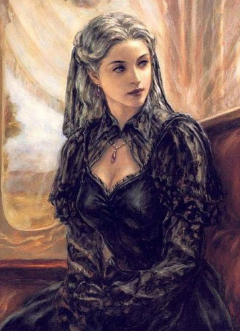
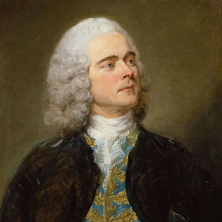
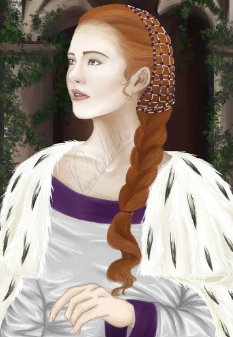
THE COURT OF ROSES AFTER a series of interviews, it pleases the courts to announce the following appointments to the staff. We witness their actions to come eagerly, as our people are risen up. Lady Chamberlain Her Ladyship, Alexandria Roa, Lady Chamberlain of the Court of Roses Lord Seneschal His Lordship, Alessandro Roa, Lord Seneschal of the Court of Roses Court Envoy The Most Honorable, Selyne Amador, Countess of Nautica and Court Envoy of the Court of Roses SIGNED, HER ROYAL HIGHNESS, Angelika Morgause, Princess-Royal of Beleth and Eicharia, Duchess of Southspire and Countess of Gwendolen



-
THE COURT OF ROSES First and foremost, the Court Envoy is the representative of the Belethian Court to the rest of Azuras; whereas he or she is not a member of the diplomatic office, the Court Envoy will perform similar functions to that apparatus on behalf of the Belethian Crown. The following are considerations and clarifications for such a position. Domestic Responsibilities There are many tasks across the known world which may include the meddling hand of the Court Envoy. The closest to home, however, are the most impactful. The Court Envoy is tasked with reconciling the festivities and amusements hosted by the crown, and those hosted by it’s vassal territories. To ensure that the schedules of these aforesaid affairs do not conflict and detract from eachother - while securing confidence in a consistent flow of them, is a difficult endeavor, set aside for those of exceptional communication and coordination skills. The second, but not-less-important of these local tasks is the delivery of important messages directly to noble peers of the realm, wherever they may be. Whether an urgent missive from Royal hands, or a summons to an equally pressing gathering, the Envoy ought to be capable of locating and contacting those necessary for the proper operation of the Diarch’s Court. External Responsibilities Just as social life is critical within borders, good-will across nations is necessary for the best standard of good will in diplomacy. The Rose Court sees fit to send representatives outside of the realm, for the purpose of representing itself to foreign courts. These visits are neither few, nor far between; The Court Envoy will be tasked with displaying Belethian social standards abroad, and if possible, the arrangement of cross-cultural festivities with the courts of friends and allies. Access and Privileges With such critical processes under the purview of the Court Envoy, he or she is invested by the Crown with access to these following privileges: (1) Two (2) Standard issue Royal Equestrian Mounts, for speed and security in travels across the realm and beyond. (2) One (1) Seal of the Crown, granting un-questioned access to vassal holdings and territories as if representing a Royal Diarch himself. (3) The administrative right to one (1) Deputy-Envoy, entrusted with the assistance of completing the various tasks and for personal accompaniment during long travels. (4) Immediate classification as an Ambassador of the Realm, entrusted with communication with foreign counter-parts in limited circumstances. SIGNED, HIS SERENE HIGHNESS, Simon Peter, Crown-Prince of Beleth and Eicheria, Prince of Huntshill HER ROYAL HIGHNESS, Angelika Morgause, Princess-Royal of Beleth and Eicharia, Duchess of Southspire and Countess of Gwendolen




-
THE COURT OF ROSES IT is with the nearing completion of the Belethian capital of Southspire and my appointment to Princess-royal that this missive is penned and published. The Court of Roses is to form in the City of Stars, a picturesque portrait detailing our home. The Palace of Gwendolen shall be raised, forming a beacon to call upon courtiers and staff. THE PALACE HIEARCHY The palace hierarchy is an ever-changing entity which allows for the courts to function as it needs. The royal household is at the top, following their own structure, in which the Diarch-consort, Princess-royal and on the occasion, Princess-dowager work closely together. The Lord Chamberlain Overseer of the Court of Roses, the position traditionally acts as the head of the courts outside that of the royal household. They assure the court is lively with festivities and celebrations, and work closely with the other positions, stepping in to fill temporary vacancies as needed. Due to the demands of the role, it is one held only by the nobility. The Lady Seneschal Overseer of all that is within the purview of culture and history. This position is for documenting all aspects of court life, whether on the fashions of our people, or the history of our Confederation. Beneath them are an office of Scribes and Historians, working under the Seneschal's direction. Due to the demands of the role, it is one held only by the nobility. The Chatelaine Overseer of the servantry, the position traditionally assures the day-to-day tasks of the palace are completed. The stocking of the pantries, cleanliness of the halls and the staffing of the courts are all paramount for the palace to function as intended. Due to the demands of the role, it is one held only by a commoner. THE UNDER OFFICES Listed below are the roles that fall beneath the positions listed above. While not an extensive list, as the office grows and shrinks at will, it allows for a better idea as to what is available. Master of the Hunt This position is overseer of the animals within the palace, alongside the hunts which take place. While under the Lord Chamberlain’s office, they work closely as well with the Chatelaine in ensuring the pantries are stocked with quality meat. Master of the Wardrobe Overseer of the royal regalia, and the fashions of the Confederation, their position is one that demands an attention to detail and attire. Under the Lady Seneschal’s office, they work closely with them to ensure everything is properly documented. Host of Ceremonies Under the Lord Chamberlain’s office, the Host of Ceremonies is a role that is not kept to one individual. Their position allows for the planning and hosting of events, alongside the creation of missives for festivities from the palace. Court Scribe Much like the role above, the position of Court Scribe is not kept to one individual. Scribes work directly under the Lady Seneschal’s office, putting quill to parchment. This is seen in historical detailings, important missives and court transcripts. Palatial Ward The Wards of the palace are traditionally children of the nobility of which are taught and tutored on the varying offices and etiquette. They can choose to focus their attention beneath a specific office, and upon coming-of-age, be granted an official role within the courts. THE SERVANTRY The lower-end of the palace hierarchy but just as paramount as the rest. Those of the servantry see to the day-to-day tasks that keep the palace functioning as needed. Lords and Ladies-in-Waiting While Lords and Ladies-in-Waiting for the royal household are under the Servantry category, they fall higher in the palace hierarchy. Considered below the Chatelaine and equal to a Master of the Under Offices, they work for the royal household, handling errands and varying tasks as seems fit. Due to the demands of this role, only those of noble birth may take it on. Court Herald The Court Herald is a position in which announces important proclamations directly from the Crown, the entrance of royalty within a room and assures courtiers are up to date on the palatial happenings. Handmaids and Cupbearers Of lesser distinction, handmaids and cupbearers take on the tasks and errands of the palace. They serve in festivities, and do what is asked of them in pursuit of palatial cleanliness and upkeep. A role only for those of commoner status. The Servantry Further roles within the servantry are under the purview of the Chatelaine. Whether palace gardeners, butlery, or otherwise. SIGNED, HER ROYAL HIGHNESS, Angelika Morgause, Princess-Royal of Belethia and Eicharia, Duchess of Southspire and Countess of Gwendolen





-min.thumb.png.f3c0f348bd353a3ba889459142f4f59a.png)