Archipelego
-
Posts
1362 -
Joined
-
Last visited
Content Type
Profiles
Personas
Wiki
Rules
War
Systems
Safety
Player Conduct
Roleplay Leadership Guidelines
- Roleplay Leadership Guidelines
- Roleplay Leadership Guidelines Comments
- Roleplay Leadership Guidelines Reviews
Forums
Everything posted by Archipelego
-
kill him bro itll make good rp for the people who still care. give me a time and stab him, it sounds good
-
i almost couldnt gather the energy to make this damn post ive been on this awful server for 7 years. as is tradition, you are permitted to Ask Me Anything
-
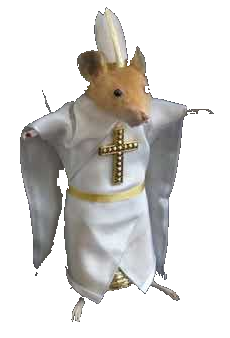
origin: At a hospital in Greece, 10-year-old Michael Morbius welcomes his surrogate brother Lucien, whom he renames Milo; they bond over their shared blood illness and desire to be "normal". Their adoptive father and hospital director Nicholas arranges for Morbius to attend medical school in New York while he focuses on caring for Milo. 25 years later, Morbius publicly declines a Nobel Prize for his work with synthetic blood. His colleague Martine Bancroft discovers he has secretly captured dozens of vampire bats from Costa Rica in the hope of splicing their genes with his own to cure his condition. After informing Milo of his planned illegal experiment, Morbius receives funding from him to outfit a private mercenary vessel in international waters with his equipment. While the cure works, it transforms Morbius into a vampire, who kills and drains the crew of their blood after they attack him out of fear. Once his bloodlust subsides and he regains his senses, a horrified Morbius erases all CCTV footage of his experiment before contacting the authorities and jumping overboard. Morbius returns to New York and discovers he now has superhuman strength, speed, reflexes, and echolocation, with his vampire bats treating him as a bat. He subsists on his synthetic blood until it gradually ceases to satisfy his needs. FBI agents Simon Stroud and Al Rodriguez investigate Morbius' victims and deduce his involvement. Milo learns that Morbius is cured, but becomes furious when Morbius refuses to cure him as well. While checking on a hospitalized Bancroft, Morbius finds a dead nurse, drained of her blood. Believing he was responsible, he attempts to escape before being cornered and arrested. In prison, he is visited by Milo, who offers to use his wealth to free him. Upon realizing Milo took his cure and killed the nurse, Morbius escapes to confront him. An unrepentant Milo confesses to his bloodlust-induced crime and urges Morbius to embrace his powers as he has. Unwilling to hurt his brother, Morbius flees. Morbius meets Bancroft to explain what Milo has done before acquiring a new lab and developing an antibody against vampirism to stop and kill Milo; he also plans to use it on himself since he will become unable to resist his bloodlust. Stroud and Rodriguez find footage of one of Milo's attacks and, believing Morbius' vampirism to be spreading, release it to the media. Nicholas recognizes Milo and pleads with him to stop. Angered by Nicholas' perceived preference for Morbius, Milo wounds and forces him to call Morbius, who watches Nicholas die while Milo attacks Bancroft. Morbius returns to Bancroft, but she dies in his arms and he drinks her blood. Morbius confronts Milo and summons an army of bats to restrain him and inject the antibody. Milo dies and Morbius flies off with the bats, mourning his loved ones and embracing his identity as a vampire. Unbeknownst to him, Bancroft is revived as a vampire herself elsewhere, having ingested a drop of Morbius' blood whilst he was feeding on her. lore idea: morbians are living vampires. they are unkillable morbheads . abiliites: morbians can fly. they are super strong. they can echolocate. redflines: none credits: michael morbius himself
-
Kasfer rants and raves to a rapt audience of unmoving pumpkins, completely unaware of the turning of time outside of his delusions. But for a moment, a half breath, he frowns.
-
🤕
-
😵 😄
-
😏
-
😎
-
🥳 🤯
-
😊 😃
-
🤠 😇
-
😳 ☺️
-
The Mortal Fears Egregores of Thought Est timor — Fear Few things are felt so acutely to mortals as fear. It cuts through and affects other emotions, tainting them with strands of terror. In many ways, fear is the natural state of mortals and, unlike other emotions, has a direct influence on the soul. Fear actively inflames and agitates the souls of descendants, manifesting itself in the thoughts and nightmares of the mortal realm’s inhabitants. These thoughts of fear are harmless on their own, but together result in the phenomena known as an egregore, outlined here. These egregores were manifested out of nothing, the result of a fractured, ancient power held within the mortal consciousness. Man felt fear, and thus, man created fear. It took centuries, but over time, descendants incidentally created these egregores known as the Mortal Fears. — The Shape of Terror The Mortal Fears (also known as the Fears, Egregores, or Avatars) are simple, thought-form entities that were born from the fearful thoughts of mortals. They exist so long as fear exists, and they choose to spread fear as that is all that they are. When the mortals are gone, so will the Fears be. They have taken many forms throughout the years. Many names, mantles, and titles. Yet, behind all such ploys are the same faces of the Fears, ultimately after only more fear to manifest themselves further. The Fears are largely mindless and mechanical, with no true understanding of mortals or their society. There is only one thing that the Fears understand, and that is sheer, gut-clenching terror. This leads to strange, warped creations and machinations from these Avatars of fear, tormenting descendants with malformed and impossible constructions of the world based solely on fear. They are driven not by any internal malice, but simply to fuel and grow what they are further. They reside nowhere except in and between the thoughts of man, with no true form beyond the vestigial horrors of man’s consciousness. Occasionally, they can exert control over some distant location, warping it and sometimes the inhabitants of the area to its perception of the world. This often results in horrible, destitute locations that do not follow normal laws of reality, instead obeying the internal, mental law of fear. By terrorizing mortals, the Fears cultivate more of themselves. The true extent of what they can do is largely unknown, though they almost never interact with the world directly. They have no capability for such, instead corrupting the natural world and mortal occupants to do their work for them. It is not unheard of for mortals to fall for their ploys of power and feasts of fear, these people becoming Serfs of the Fear that has chosen them. This traditionally comes with some small boons, though the cost tends to be great. Serfs are, while mortal, relegated entirely to the role of an ET creature/character, intended to operate as an extension of one of the Mortal Fears. In times of antiquity, the Avatars were more distant, weaker and malformed children of a younger race. But the time has passed and the beings have matured, the fear of every living descendant giving them shape, form, and thought. They influence the world however they can, quietly festering and feasting. — The Avatars These ten Avatars of Fear have taken many names, faces, and titles over the years. Historic worship has been rare, but occasional cults have arisen. Below the surface, however, they are far from divine. They are all grinding machines of terror, and each takes on the mantle of some deep-seated, integral fear to the mortal experience. It is this fear that makes up what they are and the actions they take. ● The Drowned Rusalka, Nuckelavee, He Who Waits In The Depths The Drowned is among the more influential and powerful Fears. An unfathomable horror of the depths, Nuckelavee has beguiled and wormed its way to a position of memory and prominence. It is because of this, and the fear that constantly feeds it, that it can be considered the strongest of the Fears. Commonly known as Rusalka or Nuckelavee, this Avatar stands as a monument to that which is inconceivable below the depths. Life and structures entirely alien to mortals, horrible wretched creatures that will never see the light of day, and of inescapable suffocating death. Given that the fear of the ocean and what lurks in it is a common one, Rusalka remains quite influential even as its active involvement fades. Primarily feeding on those far out at sea or occasionally those on some miserable, damp coast, The Drowned has easy pickings. Many encounters with sea monsters and horrendous black water floods are directly caused by The Drowned, and there is little to no limit on what Nuckelavee seems capable of doing to create fear in his territory of the sea. Locations of power for Nuckelavee are always in the ocean or on the coast, and can take the form of swampy, black flood waters or incredibly dangerous patches of the sea. Deep below the ocean, the true domain of Rusalka is more extensive, however mortals tend to interact with only the surface of these vast realms and the intrusive force of dangerous sea creatures and rising waters. Serfs of Nuckelavee tend to be drowned individuals, with no heartbeat or life beyond their own animation and awareness. They are dead bodies, full of water and brine and often with extra aquatic appendages, that carry out additional action in locations of power to bring about terror. ● The Entombed Antrum, Eternal Depths, He Who Lures And Traps The Entombed is a simple, slow, and methodical Avatar. It is the fear of burial, of being trapped deep below the surface in tight dark spaces that Antrum pursues. Above all else, The Entombed seeks out those who feel claustrophobia particularly keenly. It rarely births creatures to serve it or to stalk the ground above, instead laying in wait to trap those who may wander into its clutches. Deep dark caverns, tight earth-packed crevices, and twisting slick ravines are the territory of Antrum. Locations of power for The Entombed are virtually always caverns and caves. These locations seem innocent enough on the surface, almost mundane. The entries appear as if they were typically safe places to explore, but cave-ins are often and the deeper you go the more twisting and unnatural the caverns grow. Many travelers become lost in locations of power for Antrum, individuals trapped below the surface in dark, tight caves with no exit. The Entombed feeds on these fears up until the point that these individuals eventually perish. Serfs of The Entombed are smooth, fleshy things with nubbed limbs and tiny eyes. They are twisted into a lesser form almost reminiscent of that of a worm, pitiful creatures to squirm and crawl through the endless tunnels of Antrum’s domain. ● The Intruder Noppera-bō, Lazarice, The Near Man The Intruder is a powerful and active Avatar, though largely unknown. In days of antiquity, The Intruder and his creations were known as Lazarice. To the easterners, the children of Lazarice are known as Noppera-bō, faceless men and part of its mythos. Beyond these general labels however, there is no true name or identity to The Intruder. It is the fear of the unknown and the unknowable that feeds Lazarice, and as such it and its creatures retain anonymity in all things. Twisting, mutilated forms that are almost mortal. Strange buildings with proportions that do not fit within the bounds of reality. A stranger, knocking on your door and asking in a toneless voice if you would like to come play. All of these things and more fall under the domain of The Intruder, a near-mortal Avatar that takes particular pleasure in terrorizing simpler minds such as children and fools. Large-scale or group encounters with The Intruder are rare, as it tends to target individuals personally. Impersonating loved ones but with hollowed eyes, whispering pleas from long dead relatives, etc. Locations of power for The Intruder tend to be sporadic and varied. From abandoned structures, to extremely populated cities, the only unifying thread is the fact that these locations are always uncomfortable or require some sort of social pressure. Whether it is a massive party or an abandoned schoolhouse, both put an individual mortal out of their comfort zone. It is in these strange zones that make individuals uncomfortable that Lazarice makes its domain. Serfs of Lazarice become anonymous and faceless. Creatures of sporadic fits of emotion and prone to wearing masks, they represent the social aspect of fear and misunderstanding that The Intruder seeks and feeds upon. ● The Boundless Ex Altiora, Apol, The Endless Plunge The Boundless is an Avatar of the fear of falling, of the endless plunge. Among the lesser known of the Mortal Fears, Apol is still prolific in the fear it garners. It revels in the depth of the fall, the churning feeling in one's gut as the ground grows nearer. Virtually every encounter with The Boundless is a fall in some sense, and the more prevalent the fear of heights, the better. Twisted, winged creatures with beaks of human bone and flesh tend to be the creatures of choice for Apol, things that will pick up and carry high some unsuspecting mortal, dropping them and leaving them to plunge (often to their death) from some unfathomable height. The Boundless seems to target and prefer victims who have some existing fear of heights, sometimes outright ignoring those with a lesser fear for such drops. Those with little fear of heights, particularly those who may even enjoy that sensation of falling, tend to be key candidates for Serfdom. Locations of power for Ex Altiora are mountain tops and cliff faces. These domains are always precipices from which mortals may fall. The twisted, winged creatures of Apol tend to congregate in these locations, ready to prey on unsuspecting climbers and travelers. While in these locations influenced by Apol, the distance can be warped and stretched to an extreme extent to create impossibly long falls. Serfs of Apol largely retain their humanoid structure, but become taller, more pale, and gain sharper features. They lose virtually all interest in day to day life, becoming obsessed with great heights and the sensation of vertigo. They may lure others into the domain of Apol, and on occasion cause falls for their Lord. They have some small immunity to falls, their boon from the Avatar they serve. ● The Passing Mortim, Death, The Inevitable Fate The Passing is perhaps the most silent of all the Avatars. The Passing creates very little ruckus, festering and feeding on those who feel the largest dread of all: inevitability. Everyone knows that they will die, one day, but those with a more direct certainty; a man trapped in a cave dying of thirst and hunger, a woman wandering a desert with no water or food for miles, the slow creep of gradual illness and cancers. These things are the domain of The Passing, which passively feeds on the decay and inevitable dying of mortals. It is not the death that The Passing feeds on. Rather, it is the fear of that death, the fear of that massive inevitability. The creatures and Serfs of Death are eternal, an ironic counterpart to the business of The Passing. Decayed yet everlasting creatures of bones, shadows, and taut flesh. They often act as the only direct implements of The Passing, occasionally culling those who pester or try and direct The Passing to do as they wish. Any mortal who attempts such is most often quickly dispatched by these grim-faced entities, and most end up being raised to join them in their endless vigil. On occasion, Mortim and its servants have been known to interact with the necromancers of the realm, usually in conflict and in a struggle to own death in the mortal realm. Locations of power for Mortim are places reminiscent of death and destruction. Graveyards, shipwrecks, burned villages, and any other location of mass death and disaster. It is from these locations, like spores, that Mortim will extend its influence and interact with the world around it to cause more death and strife. Serfs of Death are often unwilling and unwitting, those that attempt to intone the power of Death to make themselves immortal. Death will grant this wish, but by binding the mortal to themselves as their creature and their Serf. The creatures of Mortim and the Serfs of Mortim are one in the same, tall and bony skeletal things that seek to bring more death to the realm. ● The Dark Nox, Belial, He Who Is Comfort The Dark is an eternal, strong fear. Most people to some degree have a fear of the darkness, and Belial makes full use of that. Many encounters of true black darkness where there should be none can be traced back to Belial, luring in unwary travelers and keeping them lost in its shadows forever. Though none of the Mortal Fears are inherently malicious, Belial perhaps seems the most actively so, often personally targeting and harassing individuals to an extreme. At the height of her strength, Arun’asna made active use of Belial to harass mortals and spread pain and darkness through the realm. It was during this time that Belial was the most active its ever been, and when it began to gain its almost malignant streak, something that was previously not present. It can be assumed that it was the influence of Arun’asna that gave Belial such spite. Locations of power for Nox are places that would already be somewhat dark and unseeable. Deep forests, overhangs, and caves. These locations, while naturally dark, will gain an intense and extensive darkness that no light can penetrate. Serfs and creatures of Belial are weak, lithe entities who lurk in shadow and drag in the unwary. Although retaining most of their mortal features, they become pale and slight creatures of The Dark. In return however, they are granted the boon of true sight in all darkness. ● The Flesh The Sculptor, Atasaiah, The Perfect One The Flesh is a being with no sanctity for the mortal form. This is the fear of being hacked up, bled out, and restructured. Cannibalism, horrible flesh sculpting, and amalgams of bone and soft sinew. The Flesh is perhaps the most aggressive of the Mortal Fears, seeking to antagonize and dismember mortals for their fear. It creates abominations of limbs and bones of all shapes and sizes, some alive and some stillborn. The strange mix of mortal and animalistic ideas make up what Atasaiah does. Creatures of Atasaiah will often prowl locations of power for the Avatar, grabbing and cruelly dismembering mortals and using their parts for other abominations. Such creatures have been given the moniker of ‘skinwalker’ in specific parts of folklore. Locations of power for The Flesh are usually battlefields or other locations of mass death and flesh, places where the many ruined bodies can be harvested and used for the creation of many varied abominations. These locations, already horrible, will be made much worse by the influence of The Sculptor. Serfs of Atasaiah often partake in cannibalism and typically lose regard for their own bodies, sculpting and ruining them in some twisted pursuit of what they see as bodily ‘perfection’. Although granted the boon of Uruk level strength, Serfs of The Flesh are miserable and putrid creatures with virtually no hint of mortality left to them. ● The Hunt Gwyn Ap Nudd, Venari, He Who Scratches And Claws The Hunt seeks one of the simplest, most natural fears to mortals: the fear of being prey, of being hunted and sought out. The Hunt will, paradoxically, almost seem to let its prey slip from the grasping claws of its Serfs and creatures, only to prolong the chase and create more dread in the heart of its prey. The creatures in service to Venari are incredibly fast and incredibly strong, and it is rare for a mortal to survive an encounter with The Hunt. On occasion however, The Hunt will underestimate its prey. It may be possible to escape, should Gwyn Ap Nudd allow you to slip free to continue the chase. Creatures of Venari are animalistic and fierce, but never anything natural. False abominations reminiscent of bears and wolves, yet never looking exactly like either. They may exhibit any number of unnatural and strange qualities. From human eyes, hair, pale skin, and far too many teeth. Locations of power for Gwyn Ap Nudd tend to be unsafe and wild locations. Deep forest, the jungle, and sometimes even the back alley streets of some crime infested town. Anywhere unsafe and where hunting can begin, Venari may stake its claim. It will exert an influence over these areas, twisting those in it to hunt or be hunted for its amusement and hunger. To The Hunt, there are two kinds of mortals: those who hunt and those who are hunted. The majority fall into the latter category, but on the occasion that Venari finds an individual who is a hunter, they may become a Serf. Serfs of Gwyn Ap Nudd are fierce and animalistic, physiology twisted into animalistic and false caricatures of the beasts of the wilderness, things to instill fear in other mortals. They will largely lose their own perception of the world, learning to focus on one thing only: the hunt. ● The Corruption Penual, Desecration, The Cloying Rot The Corruption is a foul, odorful thing. Historically known as “Poison”, Penual takes the idea of warping and twisting the mortal realm to fulfill its hunger to its natural extreme, actively creating and releasing sicknesses and infections throughout the world. Plagues which have infected entire towns, fungal infections that create massive growths, horrible clouds of insects where there should be none. Where Penual goes, only plague and ruin follows. While not the most active of the Avatars of fear, when it does choose to interact with the world, it does so in insidious and incredibly dangerous ways. The creatures of The Corruption tend to be insects, either massive and bloated or small and in massive numbers. Large swarms of mosquitoes and giant bloated flies are two more common examples, though there seems to be no true limit to the horror capable of being created by The Corruption. Locations of power for Penual are often places that are sick to begin with. Dark cloying swamps and towns suffering from illness are common locations for Penual’s influence. Even as bad as things may naturally be in these locations, Penual will worsen them considerably until virtually every surface and living thing is covered in fungus, infection, and parasites. On the rare occasion that The Cloying Rot wishes to be more subtle, it will make use of its Serfs. The Serfs of The Corruption, though immune to growing weaker from sickness, are covered in horrendous painful lesions and are infected to the bone with no shortage of illnesses. Should these poor souls stop serving The Corruption, they will quickly succumb to the many infections that have made their home in their body. ● The Sightseer Oculus, Everlasting Sentinel, The Endless Stare The Sightseer is perhaps the most passive of the Mortal Fears, but in this way, it is also among the most insidious. Its many eyes, metaphorical and physical, wish only to watch all things. Should something draw its attention, by walking through a location of power for Oculus or by interacting with the Mortal Fears in some other fashion, it will turn its wretched gaze towards that thing. An individual seen by the Everlasting Sentinel will gain the constant, never abating sense of being watched. They will see eyes and patterns of eyes where there are none, and be woken up in the middle of the night by the sensation of someone standing over them. Yet, there will always be no one. This sensation will last anywhere from a number of months to the full life of the individual, depending on how much the Sightseer wishes to see them and own them. The creatures of the Sightseer are silent, but covered in a near infinitude of eyes. They float silently in the few domains where Oculus makes its influence particularly known, seeing and knowing all around it but never acting. These things have no interest in attacking or pursuing, only seeing and knowing. Locations of power for Oculus tend to be places of education and learning. Archives, collections of information, and places where history is recorded. Its influence in these places will be more subtle, however. Oculus will only make itself particularly known in isolated and lonely locations, such as abandoned libraries or ruined temples where it can observe without interruption. Such locations of power will have a never fading sense of being watched, so long as Oculus retains its interest in such locations. The Serfs of the Everlasting Sentinel will be observed by it forever, the sensation of observation never leaving them. While never outright harming an individual, many people are eventually driven to rash action or self harm by the never ceasing presence of Oculus. Serfs of Oculus will be granted some small ability to see and know things that Oculus wishes to grant them, in small bits and pieces of knowledge in order to ensure their servitude. This information can be quite clear or extremely obscure and incomprehensible. — Locations of Power Locations of power are spots on the mortal realm where different Avatars have twisted the landscape to reflect the nightmarish dreamstate they wish to instill in mortals. These locations break the laws of reality and twist the world in any number of impossible ways. These locations will always benefit the fear of the Avatar in question, such as an unnaturally dark cave with shadows that almost seem to choke you for The Dark. Joint domains are not unheard of, such as a location of both twisted arms of The Flesh and corrupt sickness of The Corruption however, you’ll never find more than two Avatars in one domain. Locations of power are intended to be created and used as event sites. It is at these places that any real interaction with the Mortal Fears can happen, and even that through proxy. Locations of power can be created, destroyed, or changed through adequate roleplay in approved ST events. — Serfdom Serfdom is subservience to an Avatar, a truly wretched state for a mortal to find themselves in. They will be bent to the will of their Avatar, with barely any self control when it comes to fulfilling the tasks of their Fear. This could be dragging people, including their own loved ones, into a location of power for their Avatar to feed on. This could also be any number of other states or things. Serfdom is an umbrella term for becoming a mortal servant for an Avatar, and what that means varies from Fear to Fear. ‘Serfdom’ can be considered event magic, and can only be exercised by ET playing event characters for the sake of doing events surrounding the Mortal Fears. Some Serfs will undergo great physical change, such as a Serf of The Flesh or The Corruption. Other Serfs will largely retain their physical appearance with minor changes, such as a Serf of The Dark growing lithe, weak, and pale. It is up to the ET in question the exact parameters of Serfdom, but it should be considered at maximum at ‘feat’ magic level, and nothing more. Each Fear has the most basic framework for how Serfs should function, and if you roleplay Serfs in an event you are expected to follow those guidelines in good faith. — Purpose This is my second Mortal Fears submission, and I hope to fix the narrative and written errors featured in the previous one. I still firmly believe that the idea of the Mortal Fears works, but it would operate better if worked into existing lore, and fleshed out the world. As such, it is instead a list of egregores, those that embody common fears made manifest. This piece is intended to be an ST resource, four event purposes and future lore pieces. — Citation https://www.lordofthecraft.net/forums/topic/193166-✓-world-lore-the-power-of-thought/ https://www.lordofthecraft.net/forums/topic/203800-✗-world-lore-the-mortal-fears/?tab=comments#comment-1854681 Written by Archipelego. No small amount of ideas taken and adapted from The Magnus Archives. Grammar critique by Nivndil.
-
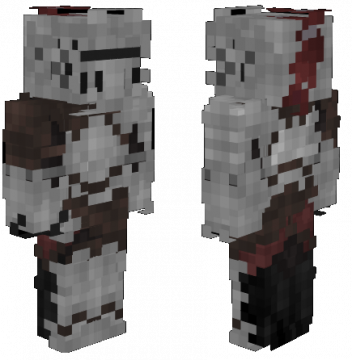
Welcome to the Order of the Prosaic Terram et Pugnus "Where Might Meets The Mundane" The Prosaic Order is a collection of individuals, who have all taken the same creeds and values that they choose to uphold. These are every day individuals, who train in simple and pure ways to become the best at one individual task. Each is skilled in their own way, whether that be in fighting with a shovel, cooking, or shielding others from harm. The Order of the Prosaic welcomes all who choose to become the best versions of themselves, perfect a skill, and follow our beliefs. ⟗ Each member of the Prosaic Order is granted a title upon reaching esteemed Erranthood, based on their individual skillset. One versed in fighting with a shovel may be granted the title of Soot Knight, for instance, or Chef Knight if they are a grand chef. This title is a moniker of respect, establishing their unique and respected position within the Prosaic Order. ⟗ The Prosaic Order upholds certain Creeds, beliefs that must be learned and followed if one is to be become an Errant Knight of the Prosaic Order. 1 - Do No Evil The first Creed is to never bring unnecessary grief onto others, and to uphold morality in all things. 2 - Defer in Regard The second Creed is to uphold the respect for your peers in the Order of the Prosaic, and be willing to defer to or cooperate with them in order to achieve your task. 3 - Prestige is Honor The third Creed is to uphold the honor of the Prosaic Order, to proudly be who you are and embody the organization you represent. Do honorable deeds, and represent the Order of the Prosaic well. 4 - Perfect Thyself The fourth Creed is to be the best version of yourself that you can be, and perfect the skill that makes you a member of the Prosaic Order. Whether that's cooking, working with your blade or choice, or anything else. Learn to be who you need to be, and perfect that skill. ⟗ To become a member of the Prosaic Order, one must become a Squire under a Knight. This process is individual and personal, and each Knight is encouraged to only have one Squire at a time. Over the course of a few elven weeks, an individual is taught each of the four Creeds, and given a different task or duty in order to show comprehension. Once this criteria has been reached, and the Squire has proved competent at some skill worthy of a title, the Squire can be granted their Knighthood. ⟗ The Prosaic Order, in honor of it's homespun roots, do not operate with a ruler. Instead, it is a democratic and freeform organization. A Knight's Caucus can be called, summoning all available Knights to a meeting place at a specified time. At this Caucus, an Orator is chosen by democratic vote to carry out the majority of the speech and to carry along topics. At the Caucus, any Knight who attends is capable of giving one vote, and all votes are equal. Any decisions that must be made are made this way, in person, and represent the will of the majority. ⟗ Roles Knight Errant - A fully graduated, title granted member of the Order of the Prosaic. Capable of fighting and/or defense. Capable of voting during a Caucus. Banneret - A fully graduated, title granted member of the Order of the Prosaic. Not known for skilled fighting ability, and has some ability they are known for outside of fighting such as cooking or diplomacy. Capable of voting during a Caucus. Squire - A Knight in training, incapable of voting during a Caucus. ⟗ Appearance The official armor of the Prosaic Order is variations on the following suit: ⟗ Join the Order of the Prosaic If you wish to join our Order, please send a reply letter or come find me, Angelo the Soot Knight. If you send a return letter, please include the following information: Name: Age: Origin: Why you wish to join: Where you wish to meet: (Username): (Discord): ((P.S. return letters can come in the form of comments posted on this thread.)) Signed, Angelo the Soot Knight

-
[✗] [CA Race Lore] - Cimmerian, The Canker of Shadowrambling
Archipelego replied to Archipelego's topic in Denied Lore
wasnt my intention but i GUESS yeah dont get me wrong i love the tortuous **** i was going for with my shade submission a year ago, but i was told under no uncertain terms that i wouldnt be able to get that piece passed. just trying something different -
[✗] [CA Race Lore] - Cimmerian, The Canker of Shadowrambling
Archipelego replied to Archipelego's topic in Denied Lore
thanks its also literally the exact same formatting i did with confessors, just a better color scheme -
Cimmerian The Canker of Shadowrambling ✵ The Eloquent Antiquity The tapestry of time stretches on, with fibers of years woven into a fabric of eons. In such times, ancient blights are forgotten instead of healed, and antiquated destruction is built over instead of repaired. That which is truly ancient cannot always be easily washed away, however, not forever. Bubbles of what once was will emerge, bringing the taint of the past into modern nights. Ancient ideas, societies, and creatures cannot remain buried in the tapestry of time forever. The Cimmerians, also known as the Shadowramblers, are an ancient creation, a foul and largely forgotten concoction crafted by the hand of Iblees during the great war. Terrors in the night, Cimmerians ransacked villages and took lives. Even as vast hordes of undead marched for Iblees, the Cimmerians both led and lagged, sowing misery and chaos wherever they went. Cimmerians are creatures of absolute darkness and self-serving malevolence, capable of the more delicate art of corruption and manipulation that the mighty undead was not. Hosting some similarities in appearance and nature to the parasites of Rancor, Cimmerians were willfully created by Iblees as silent and malicious soldiers. Not quite people, yet not quite animal or undead, Cimmerians were created by the willful corruption of descendant bodies, creating a patchwork soul bound in darkness. This almost parasitic form of birth, this corruption of purity, inherently sets all Cimmerians against ideas of light, mortal morality, and duty. Such corruption allowed a newborn Cimmerian to, of their own accord, instantly begin striking out against the pure descendants, and their world of light. However, Cimmerians are self-centered above all else, and would otherwise prove impossible to control. So, woven into the complex nature of the foul magic that makes up their Ibleesian being, Cimmerians are bound to their promises and to Iblees. Whenever a Cimmerian was birthed and granted their umbral form, they would be mentally assaulted by a fragment of Iblees, binding them, restraining them. It was through this bond to the Arch-Daemon that Iblees controlled the Cimmerians, granting them orders and ensuring that they proved a productive force during the war. However, with the fall of Iblees came the fall of the Cimmerians. The number of new Cimmerians fell as Iblees’s influence waned and the Cimmerians began to fall into disordered individuality. Those who remained were struck down by a mixture of warriors of the light and unfortunate contact with sunlight or flame. The Cimmerians, once feared terrors in the dark of night, became creatures of myth and horror stories. Then, as centuries passed, even those myths and stories became lost, until the once infamous Cimmerians fell into grand obscurity. Yet, nothing remains hidden forever. A few clever and capable Cimmerians hid away in the annals of history, following in the path of destruction left behind by descendants or moving to different places entirely. In these places, the handful of remaining Cimmerians simmered and waited in their immortal impatience. Only now, in these modern nights, do Cimmerians walk the nights with descendants once again. Unlike in antiquity, however, these Cimmerians are fractured. Individualists and self-centered, their bond to the distant and weakened Iblees has left them without his protection or power. These nights, Cimmerians operate in service of themselves and their own malevolent needs, without the unifying force of the Ibleesian army. Few even remember that time, save the few truly ancient entities that stalked those Aegisian nights. ✵ A Dichotomy of Darkness Shadowramblers are creatures of absolute darkness, created through the complex and corrupting arcanery of Iblees himself. As can best be described, this is done by taking the pure potential energy of a descendant soul and warping it, twisting it inwards into a consuming force. This creates a form of pure Ibleesian shadow, similar in many ways to pure abyssal darkness or the manifested shadow of Rancor. Cimmerians are made entirely of this Ibleesian shadow, usually in an ethereal and near-gaseous state of rising and flowing. Except when actively using an ability that causes them to gain a physical state, this ethereal darkness is the form taken by all Cimmerians. Cimmerians are created from a descendant soul that is wholly corrupted, and as such Cimmerians exhibit a few traits found in descendants. It is because of this that Cimmerians can speak, and are capable of learning languages the same as any cognizant individual. Additionally, Cimmerians carry a generally humanoid form, with a defined head, as well as often a torso and arms, though the manifestation of legs is often negated in favor of a cloud of Ibleesian darkness. Beyond general structure, however, Shadowramblers do not gain any traits from the soul they are born from. For instance, whether the original soul was an elf, orc, dwarf, or halfling doesn’t matter. All Cimmerians display the same general humanoid structure, the undefined appearance of the individual before it is split into elf, orc, or human. For simplicity's sake, the face of the Cimmerian most resembles an elf or human, though neither of these truly define the alien and incomplete nature of their shifting features. Additionally, Cimmerians do not display sex and are all naturally asexual and relatively androgynous creatures. Cimmerians may display certain surface-level characteristics of femininity or masculinity in their face and build should they choose, but these are just phenotypical traits on what is otherwise an asexual, agender, ethereal being. A Cimmerian that goes by the moniker “Jack of Shadows" may call himself he, and have a masculine face structure, but Jack would be as naturally sexless as any other Shadowrambler. Cimmerians cannot FTB. Although often in an immaterial or mist-like form, this does not give Cimmerians the ability to break any server mechanics, fly, or phase through matter. Shadowramblers do not have to eat or drink. They subsist off of the fear, agony, and misery around them, leading them to cause it to sustain themselves and bring themselves a feeling of strength and fullness. It is this innate hunger and drive for misery that makes all Cimmerians enemies of good virtue, and why they made such excellent soldiers to Iblees. This is not a feeding mechanic, however. A Cimmerian is not mechanically measured on the amount of suffering they cause, nor will they suffer a mechanical drawback for not causing agony in x amount of time. It is simply an inclination that IRP serves as the primary drive for all Cimmerians. Cimmerians host a strange, metaphysical form of shadow and mist. In this way, while many things such as normal blades will simply phase through them, other things will not. For instance, Shadowramblers are capable of making physical contact with one another, often resulting in brawls or killings among one another. Additionally, Kani users are capable of making contact with the body of a Cimmerian similar to how they might a spectre. Cimmerians do host a descendant soul, but one that has been corrupted and split to such an extent that it is no longer useful in the same way. Cimmerians cannot learn any magic, whether it’s deity, voidal, dark, or any other kind. Additionally, Cimmerians cannot learn alchemy or Kani. Functionally, Cimmerians should be treated as if they do not have magic slots at all as there is nothing they can learn. An exception can be made if a piece ever states that a Cimmerian can learn the magic the piece is about, so long as it gives valid reasoning for why an ethereal shadow being would be capable of learning and practicing it. In the same vein, Cimmerians are immune to malflame, curses, corruption, or anything that would otherwise affect their body and soul. Malflame, Mystic hexes, or Witch Doctors cannot harm the soul of the Cimmerian, as it is so far corrupted as to be something virtually different entirely. The only magical sources that can harm a Cimmerian are from those with magic that can purify corruption, such as paladins and clerics. Cimmerians are very receptive and reactive to contact to any holy magic, and the Xan-imbued blade or arrow of a Paladin will tear through a Cimmerian as if they are butter. The physiology of a Cimmerian is ethereal, but there are a few things that can cut into a Cimmerian as if they do physically exist. In this case, Cimmerians do have a “body,” and take damage like any other individual. Sources that can harm the bodies of Cimmerians include holy magics, direct contact with flame, and direct sunlight. A normal blade will cut through a Cimmerian as if they are mere essence, but a Xan-infused blade will cut through a Cimmerian as if they are made of flesh. Direct contact with flame will burn through them wherever contact is made, creating huge and devastating wounds in their shadowed being that take significant time to heal, but the fire won’t spread throughout them as they are but a shadow. Direct sunlight will similarly cut through a Cimmerian, but can in a matter of a second or less completely erase whatever part of the body is exposed. Entire body parts can be eviscerated by the sun, and should something vital such as the head or chest of the Cimmerian be put under the sunlight, they will rapidly melt to nothing. All Cimmerians are made of black and grey shadow, but each also has a singular aura color that runs in thin streaks through their bodies and in their eyes. Such colors are varied but must be dark or otherwise sickly, i.e. purple, dark red, pale yellow, pale green, etc. Usually, these colors are only a few thin streaks throughout their bodies and in their eyespots. However, when casting or using an active ability, this color flares up in their eyes and bodies to a visible extent, existing less as light and more as colored darkness. This operates as a form of aura and a form of tell. The body of the Shadowrambler has a normal height range between 4'5" and 6'0". When not making use of Waxing, this is the normal height of the Cimmerian. In all ways, the Cimmerian appears as a fully grown but otherwise indistinct adult individual in their ethereal and shifting features. The strength of every Cimmerian is that of a typical human knight; strong, but well within the realm of mortal possibility. Shadowramblers can and will regenerate from any wound, including missing limbs and body parts. To kill a Cimmerian, they must be decapitated or otherwise eviscerated entirely by a force that can do so. They won’t bleed out, but they will spill Ibleesian shadow like liquid from wounds taken. Missing limbs and huge gaping wounds will recover over the course of an OOC week, moderate wounds or missing fingers will recover over three OOC days, and minor wounds or scrapes will recover over one OOC day. Should a Cimmerian die, they are in a state of a soft-PK and must be revived by other Shadowramblers or risk what is essentially a permanent death. More can be found on this in the relevant section on abilities. ✵ Acumen & Turn of Mind Shadowramblers are creatures that exist outside the purview of the world of light, and as such host dark, alien minds. They exude distaste and hatred for things that are nominally considered good, holy, warm, and light. Mortal life is contrary to their very being, yet they are birthed from it and require the misery of mortals to subsist. This dependency on that which they hate often causes much hidden self-loathing or outlasting anger from many Shadowramblers, simultaneously viewing themselves as both a superior being and a massacred, ruined soul. This dichotomy is present in virtually all Cimmerians, even the oldest who walked in the darkness of Aegis. Cimmerians, although often aggressive, hateful, and malevolent, are also incredibly crafty and manipulative. Each hosts descendant-level intelligence, with a tendency towards understanding motives, beliefs, and ways of discussing. In this way, virtually all Cimmerians are silver-tongued, and their ability to lie, gaslight, and manipulate is one of their greatest strengths. They will gladly suck up to, “befriend,” or otherwise assist a mortal should it mean achieving some sort of personal gain or objective. This is often done as a means of entering a bond and achieving their full strength, only to turn on the once-bonded mortal as soon as the task is complete. Having to feast upon the fear, misery, and agony of mortals as a sort of metaphysical sustenance leads to a superiority complex in many Shadowramblers. Additionally, many Cimmerians personally delight in the fear and rage they cause among mortals. Many will take names for themselves, such as “Jack of Shadows,” or “Penumbra Mary" primarily to garner a reputation of fear and renown to their name. This is often unwise, as descendants are more than capable of killing a Cimmerian. However, the superiority complex of a Shadowrambler often causes them to underestimate mortals, and above all else, they cherish gained reputation, infamy, and the ability to further strike fear. Cimmerians are selfish individualists through and through, prioritizing their varied desires over any sense of unity among one another. However, this does not mean that the Shadowramblers are incapable of working together. Should it be for joint benefit, most would gladly assist a fellow Cimmerian. Should the benefits not be shared, however, very few if any Cimmerians would ever participate in such a selfless deed. Such behavior is leftover from the time of Iblees, the unruly nature of the Cimmerians bond to Iblees’s iron will and bond. In the nights since the fracturing of the bond, Cimmerians have rarely if ever operated as a united front. ✵ Of Blood and Bond In modern nights, Cimmerians have had a part ripped from themselves by the weakening of Iblees’s bond. This leaves them weak and in a lesser state without his power and direction, requiring a Cimmerian to seek the bond of another if they are gain even a modicum of the power they have lost. In this way, Cimmerians will often seek to make pacts, known as bonds, with mortals. By doing so, Cimmerians are granted the full scope of the power that remains to them, though even that is nowhere near what ancient Cimmerians had once been capable of under the bond of Iblees. But the might of a mortal is enough, granting them strength and abilities they are unable to make use of by themselves. Bonds are created through the Cimmerian ability known as Accord, a simple ritual of shaking hands and verbal agreement. Upon the completion of the Accord, a bond is created and must be carried out. More details on the process of Accord can be found in the below section on abilities. However, this comes with the notion of a two-way bond. Cimmerians are incapable of breaking their bond or their wording of the bond, a failsafe created originally by Iblees to ensure loyalty. Once a bond has been agreed to by both parties, the Cimmerian must fulfill their end of the bargain. Until that time, the Shadowrambler is incapable of directly harming the mortal they are bonded to and are bound to the mortal in several key ways. This is a vulnerability, meaning that many bonds are often temporary arrangements in times of crisis for the continued survival of both mortal and Cimmerian. Additionally, the mortal can call the Cimmerian from anywhere, dragging them, possibly kicking and screaming to the mortal’s location. “Permanent” or long-term bonds are discouraged, as few Cimmerian would ever be willing to take such a blatant vulnerability. Bonds that become impossible to fulfill are possible and create a problem for any Cimmerian. Should it become impossible to fulfill a bond, then the Cimmerian is functionally permanently bound to the mortal until the mortal dies or the bond becomes possible once again. In this way, Shadowramblers must be careful of entering such impossible bonds. Given that a Cimmerian is incapable of harming a mortal they are bonded to, permanent bonds are problematic. Should the mortal wish, they could easily drag the Cimmerian to a holy mage to be destroyed. As such, any Cimmerian trapped in a permanent bond will likely work at all active moments to either find a way to make the bond possible or kill the mortal they are bonded to. Only by fulfilling the bond or by the death of the mortal will the bond be erased and will grant the Cimmerian freedom. Any death by a mortal, even one that is not a PK, is a valid reason to terminate a bond. Though incapable of directly harming the mortal they are bonded to, a Cimmerian could manipulate another into killing them, figure out a way to trap and crush the mortal in a cave, or any other roundabout manner of circumventing their nature. After the termination of a bond, a Cimmerian has one OOC day during which they retain their higher being and increased abilities. Once 24 hours are up exactly, however, the abilities of the Cimmerian once again weaken, a feeling of deflation and weakness in any Cimmerian. ✵ Might of the Umbra Shadowramblers are host to many abilities, thanks to their nature of shadow and darkness. These are a mix of inherent or passive traits as well as more active abilities akin to spells. These are also split into Lesser and Greater abilities. Lesser abilities can be used at any time by a Cimmerian, but Greater abilities can only be used when bonded or for 24 hours after the end of a bond. Beckoning Lesser | Active | Noncombative & Combative Beckoning, a leftover of Iblees's ability to call his Cimmerian soldiers is an ability granted to a mortal that a Cimmerian bonds to, allowing them to call the Cimmerian from anywhere so long as they are alive and somewhere on the same plane of existence. This is as a result of the thin soul link between the bonded Shadowrambler and the mortal. Both parties can always feel the link so long as the bond remains, like a thin strand or fiber stretching out of their being. The mortal is capable of pulling upon this strand, inexorably drawing the Cimmerian to them despite what the Cimmerian wants. To resist the Beckoning once called for is impossible. The Cimmerian will be forced to run, drag themselves, or otherwise bring themselves to the location of the mortal they are bonded to. Upon entering direct eyesight or equivalent sense of the mortal in question, the pulling force of the Beckoning stops, and the Cimmerian can relax. The Beckoning does not allow a Cimmerian to know where the mortal is, and vice versa. It in no way tells the Cimmerian where the mortal is, but instead is just a summoning, that the presence of the Cimmerian is required. ♦ Darksight Lesser | Passive | Noncombative Shadowramblers host no true eyes, yet are capable of sight as a result of the two streaks of colored shadow that represent eyes upon their twisted visage. These pinpricks allow for Cimmerians to have functionally normal descendant sight, with the distinction of additional night vision. Cimmerians can see in any and all darkness, including magical ones, capable of distinguishing all details within as if they were in clear daylight. Given the Cimmerian weakness of light, flashes of bright lights can and will burn the vision of a Cimmerian, stripping them of their ability to see for a full emote round as their vision recovers. Direct sunlight does not count as a source of flashing bright light, and this weakness is intended to reflect upon sudden events as a sudden burst of flame or some other blast of holy light. ♦ Shadow Dancing Lesser | Active | Noncombative The artistically named ‘Shadow Dancing’ is more aptly considered the act of shadow manipulation. It is a simple art but has near-infinite depth and complexity for a Cimmerian who takes the time to delve into learning the art in a very precise manner. The art relies upon some sort of shadow or darkness. The darker a place may be, the more effective and widespread Shadow Dancing can be. To a Shadowrambler, it is the same as moving an arm, or batting an eyelid; it is a metaphysical muscle to be flexed, tied to the dark, Ibleesian nature of their soul. The Cimmerian can manipulate the shadows within a ten-block radius of their person. The shapes, forms, and figures made manifest through Shadow Dancing are immaterial, figments. By nature, the shadow does not exist physically. As such, any shadow manipulated by a Cimmerian is also intangible, simply a dark visual. This manifest shadow can range from the classic ‘shadow’ being cast against a surface to summoned black mists, to what visually looks like flowing, black oil. All are immaterial, however, existing only as a figment, a visual. Lighting such up would cause it to retreat to the remaining shadow, before dissipating altogether. It is worth noting that shadow can invade into that which is lit up, such as the edges of a campfire, or between the lit-up streets of a town. Particularly bright light, however, can resist encroaching shadows. Additionally, this shadow can’t be within one meter of a light source. The closer such a shadow is to a light source, the weaker and less visible it is before dissipating entirely to the point of no longer being there. The creeping darkness will spread around that which is bright, but it cannot invade close enough to override the light itself. All manner of intricate visuals can be made with this art. Cast shadows of animals or faces, silent and immaterial, flowing dark, oily liquid across the ground, a rising black mist that does not substantially affect vision, and pretty much anything else under the sun. It is the freeform manipulation of shadow. ♦ Waxing Lesser | Active | Noncombative & Combative Waxing is the augmentation of the self, allowing Cimmerians to alter their height and posture relative to what the environment allows. A Cimmerian in a vast space of darkness and shadow could stretch up to seven feet in height, gaining the appearance of muscles and might to match. Or the Cimmerian in a relatively small shadow could shrink themselves into a more childlike yet still ethereal form, at three feet tall to fit within the small shadow. The Cimmerian is limited, however, by the availability of darkness and shadow. This size adjustment can only be done in a place with darkness to accommodate it. A well-lit room leaves little space for Waxing. Waxing is a noncombative ability and can be done for effect, to intimidate, to socially disarm, or otherwise manipulate others. This can also be done to shrink into remaining shadow, to prevent loss of limb or life from an encroaching light source. However, this will be immediately reverted upon contact with a force capable of harming a Cimmerian, such as a holy weapon, fire, or sunlight. Additionally, the strength of the Cimmerian does not increase or decrease, remaining that of the typical human knight. ♦ The Fouling Lesser | Active | Noncombative The only individuals capable of creating Cimmerians are Iblees himself and other Shadowramblers. The process begins by acquiring several descendant body parts. Two arms, two legs, a torso, and a head. These can be from the same player character or different characters. This body can be real or fabricated to create a Shadowrambler. Should a player character be used, then the character should be killed and an FTB should be used if dismembering the body to avoid extreme unpleasantry. If a player character is used, then it is recommended that you give that player the option to play the new Cimmerian. Accepting such an offer functionally makes the process a PK death for the character in question, and as such the Fouling requires OOC consent. Once the descendant parts are acquired and consent (if necessary) has been gained, the Fouling can begin. This can be done by one Cimmerian, though more can participate for ritual and cultural effect, so long as there is a defined leader. The leader of the Fouling must have been a Cimmerian for at least three months, and have an accepted Cimmerian CA as well as a TA in Shadowrambling. A TA can be created after being a Cimmerian for three months. Additionally, this can only be done once per month per leading Cimmerian. The Fouling begins by the Cimmerian(s) involved summoning darkness through Shadow Dancing, surrounding and consuming the body in a dense, opaque blackness. The shadows then worm their way through the ears, nose, and eyes of the individual, tearing their mortal matter asunder and dismantling the remnant soul energy within the corpse. This continues for some minutes until the body has been completely consumed with shadow and no physical mortal matter remains. Then, from the metaphysical embers of soul energy and Ibleesian darkness, a man-sized, grown Cimmerian emerges, with a developed mind yet with little knowledge beyond hatred. At this point, a CA for the new Cimmerian should be created. Should a new Cimmerian be successfully created and the CA accepted, the leading Cimmerian is responsible (unless otherwise stated on the application) for teaching the new Cimmerian player all of the abilities and otherwise how to interact with the server as a Shadowrambler. Failure to do so is failure to teach properly. ♦ Resurrection Lesser & Greater | Active | Noncombative Once a Cimmerian suffers a death, they are in a state of soft-PK. They are stuck in this semi-death until resurrected by their fellow Cimmerians. Given the individualistic nature of the Shadowramblers, this is often done to accrue debts and favors from one another. Cimmerians are capable of discovering that one of their own is dead when attempting to Inveigle with them, and finding that the resonating connection falls on deaf ears. Such a blankness is reason enough to commit Resurrection. Resurrection can be done either by two unbonded, lesser Cimmerians or by one bonded, greater Cimmerian. Additionally, Resurrection can only be done outside of combat. The individual both doing the Resurrection and the one being resurrected must be Cimmerians. The Cimmerians doing the Resurrection must know that their peer is dead, but this can be easily gleaned by attempting and failing Inveigling. This process is not supervised by ST, but all standards and redlines must be followed in good faith. If they are not, it is simple enough to figure out that these extra death rules are not being followed. Additionally, all normal mechanical player death rules apply to Cimmerians on top of these. The process of Resurrection is relatively simple. The two unbonded Cimmerians, or the one bonded Cimmerian depending on the circumstances, manifest the might of their Shadow Dancing. In an area of great darkness and out of combat, they focus on the dead Cimmerian they wish to resurrect. Then they manifest an inanimate figure of pure blackness, of mist, flowing blackness, or pure dark. After many long moments of this silent manifestation, the summoned dark figure will suddenly come to life with the awareness and features of the once-dead Shadowrambler. From this point, the Cimmerian can be considered fully revived and active in the world once again. ♦ Accord Lesser | Active | Noncombative The act of forging a bond with a mortal is an essential component of the skillset of the Shadowramblers. In doing so, they gain the full breadth of their abilities and potential. However, in doing so, they are pacted to the mortal in question and more vulnerable than ever. More details on bonds can be found above in its own section. The act of making a bond is known as Accord. Accord is like the signing of a verbal agreement. It begins with a Cimmerian manifesting with Shadow Dancing a dense, dark hand of intense Ibleesian shadow. Then, the Cimmerian or mortal must out loud state the full terms of the bond, and offer the hand to shake. The Cimmerian or mortal must verbally agree and consent to the bond in an explicit fashion, and shake the other’s hand. For the purpose of the Accord, the Cimmerian's hand temporarily becomes physical, with the feel of cold glass instead of flesh. As soon as the shake is done, the bond is sealed and the Cimmerian enters their Greater state. Additionally, the mortal gains the ability to use Beckoning, and will constantly feel the slightly invasive presence of the Shadowrambler in their mind through Inveigle. ♦ The Ibleesian Umbra Lesser | Active | Noncombative & Combative Given the metaphysical and immaterial nature of the Shadowramblers, a Cimmerian will often be in need of the ability to manipulate physical objects. Cimmerians have the ability to condense and harden the shadows they are manipulating into temporary physical objects. These shadows are always cold and metallic to the touch, a uniformly smooth and cold texture like glass, with a pure black construction that absorbs the light around it. This ability has much versatility, both in noncombative roleplay situations and in combative ones. Noncombative Ibleesian Umbra and Combative Ibleesian Umbra are treated under two different sets of rules, elaborated upon below. Noncombative Ibleesian Umbra cannot be used in combat, or for summoning combative items such as weapons. Noncombative Ibleesian Umbra is intended for summoning small and noncombative items, such as lockpicks, walking canes, hats, and virtually all manner of harmless items. However, if the item is intended for or is being used to harm, it cannot be manifested with Noncombative Ibleesian Umbra. Additionally, these objects must be “simple” day-to-day objects, with no fancy machinery, delicate parts, keys, or any other “specific” items able to be manifested. This version of Ibleesian Umbra takes two emotes. The first emote has black essence collecting in the air around the palms of the Cimmerian. The second emote has this black essence converging inward into shadow that condenses into the shape of a simple object. The Cimmerian can only have three Noncombative Ibleesian Umbra manifestations at a time, and they disintegrate after exiting a five-block range around the Shadowrambler. Should any combat begin or should the Cimmerian take damage, all manifested objects will instantly demanifest. Combative Ibleesian Umbra can be used in combat for the intended purpose of summoning weapons. The limitations of this are hard metallic weapons, such as swords or spears. Nothing pliable such as a bo staff, bow, or any other wood-based weapon can be summoned. Assuming the weapon exists in some real form, and fits within or nearly within the vague dimensions of a longsword, it can be summoned using Combative Ibleesian Umbra. This version of Ibleesian Umbra takes three emotes. The first emote has black essence collecting in the air around the palms of the Cimmerian. The second emote has this black essence forming into shadow around the Cimmerian. The third emote has these shadows then converge into the finalized shape of the weapon that the Shadowrambler wishes to mimic. The Cimmerian can only have one Combative Ibleesian Umbra manifestation at a time, and it disintegrates after exiting a five-block range around the Cimmerian. A Cimmerian cannot use both combative and noncombative Ibleesian Umbra simultaneously. ♦ Benight Lesser | Active | Nocombative & Combative Though weak to the might of flame and light, Shadowramblers are also capable of striking back against weaker bastions of warmth. With a flourish and a visible tell, small light sources can be extinguished by the will of a Cimmerian. This includes candles and lanterns, as well as torches. Larger light sources such as campfires or bonfires, cannot be extinguished. Additionally, arcane or holy light cannot be affected by Benight, only mundane sources of light. Utilizing Benight takes two emotes. The first emote is the activation of the aura and tell of the Cimmerian. Then, the second emote is a flux of semi-transparent shadow, in a wave or stream, that exudes from them and makes contact with whatever candle, lantern, or torch that they are targeting. Then, assuming it makes contact, the light source goes out and should be temporarily mechanically taken down if at all possible to fulfill a sense of darkness. If interrupted between the first and second emote, or should there be a significant light source such as a campfire in the way, then the flux of shadow will be halted in its tracks and the Benighting will fail. ♦ Inveigle Lesser | Active | Noncombative & Combative Manipulation is one of the key arts of the Cimmerians, and more than that, communication is often a requirement for their continued existence. To this means exists the ability to Inveigle, or otherwise transfer minute thoughts and whispers. This can be done with other Cimmerians as a form of simple long-distance communication, as well as with a mortal that a Cimmerian may be bonded to. Mechanically, this operates only as an alternative to birding. Aesthetically, however, it is quite different, and a necessity, given how little Cimmerians can interact with the material plane. Inveigling is a three emote process, and begins with an aura & tell emote. The second emote involves the manifestation of a sphere of absolute blackness, whether that comes in the form of condensed mist, a mimicry of black flame, or serene black oil. The Cimmerian should then focus on exactly what they want the message to say. The message should be simple, and no more than three sentences. The third emote involves the dispersion, bursting, or otherwise fading of the manifested shadow, disappearing into the air or earth. Then, assuming the target is online and on the same dimensional plane as the original Cimmerian, the message can be delivered. The target, whether it is another Cimmerian or a mortal that a Cimmerian is bonded to, receives the message a few minutes later. It rises into their brain like a whisper, growing in strength into a complete, invasive thought that almost leaves an afterimage in their mind. For about a second as the message is received, a mortal’s irises will turn black, and a Cimmerian will suddenly flare with a brief increase in shadow as they receive the thought. ♦ Sovereign Lesser & Greater | Active | Noncombative Sovereign is the ability for a Cimmerian to create their small domain of darkness, a patch of absolute clinging shadow that is metaphysically connected to the Cimmerian in question. This is to serve the purpose of a layer or nest, and a Cimmerian player can merge into the shadows and disappear into the cold nothing when logging off. However, otherwise, the location serves simply as a kind of nest, respite from a world of life. Traditionally, these domains are created in dark places such as abandoned buildings or caves. Domains created by a Cimmerian cannot be interacted with, other than aesthetically, except when logging on or off. Additionally, they cannot be interacted with unless the Cimmerian in question is online and able to roleplay the interaction. Should one interact with a domain and try to destroy it (through sunlight, fire, or holy weaponry), the domain would rapidly disappear and collapse inwards. Domains are 5x5 patches of shadow, but a bonded, Greater Cimmerian can create a domain up to 7x7. It is recommended to represent these areas through dark blocks such as wool or concrete. ♦ Daystalk Greater | Passive | Nocombative & Combative One of the greatest banes of the Shadowramblers is sunlight. It burns them through in a moment, splitting their Ibleesian miasma as if it were nothing. It is only through gaining a bond and a greater status that a Cimmerian can circumvent this grand weakness. This comes with its caveats but is a great boon for any Shadowrambler that enters a bond. Upon gaining the greater abilities available to those Cimmerians who are bonded, a Shadowrambler gains the ability to tentatively move through direct sunlight. It is uncomfortable, hard to focus, and weakens them significantly. However, it can be done, and without accruing physical damage. When a Cimmerian uses Daystalk, which is used whenever they walk into sunlight, they are functionally reverted to their lesser state and can make use of no other greater abilities. Additionally, they will find a building sense of fatigue and panic that longer they spend in the sun. This means that while travel is certainly viable, prolonged time spent in the sun is still far from ideal. ♦ Troth Greater | Active | Noncombative & Combative Cimmerians belong to the darkness, to the shadows. In this way, they can melt back into places of dark and shadow, skipping between them in a fashion akin to the idea of teleportation. This ability can only be done if there is an accompanying patch of a shadow nearby for the Cimmerian to “teleport” to, within a ten-block range. Should there not be a second shadow receptacle, Troth cannot be used. When used noncombatively, Troth can be used somewhat freely as a means of getting around and interacting with the world. However, in a combative scenario, Troth can only be used once per encounter by a Shadowrambler. This process takes three emotes. The first emote, the entire body of the Cimmerian begins to be surrounded by a dense black essence, the form of the Shadowrambler sinking away into the darkness behind them and seemingly disappearing. The second emote, the Cimmerian can move unseen to the second patch of shadow, within a ten-block range. The third emote the Cimmerian reforms, reversing the process as it steps out of the shadow, shaking off the black essence surrounding it. In this third emote, nothing else can be done by the Shadowrambler. ♦ Might Manifest Greater | Active | Noncombative & Combative Cimmerians are often stuck in an immaterial form, vapor and mist of sickly darkness. However, their greatest ability, a leftover from the glorious days of Iblees’s reign, allows them to physically walk the realm as the embodiment of Iblees’s will. This ability Might Manifest, is a temporary and exhausting action that condenses the metaphysical body of the Cimmerian into a physical, hard thing. They gain substantial weight approximate to their height and gain an inexpressive body of hard, smooth black akin to glass. The skin of the Cimmerian while they are in this state chips easily, but takes much force to break, akin to some strong glass. A strong hit with a sword could chip off half of a forearm, the missing piece rapidly falling off and dispersing into black mist. A huge war hammer could very well remove an entire limb at once, or a heavy shield bash fractures a chest or head. Ultimately, the body of the Cimmerian is relatively easy to dismantle. The Cimmerian can be more easily killed in this form, as destroying their chest or head is possible with traditional physical weapons in this state. However, a Cimmerian is also capable of making full use of their physical strength in this state, hence the trade-off of might. Should the Cimmerian survive and end the transformation, whatever parts they lost will be lost as well when they return to their immaterial lesser form, requiring the usual amount of time to regenerate those lost wounds. Cimmerians do not experience physical exhaustion nor do they have to worry about stamina, but while using Might Manifest they will move slower and clunkier, their fastest run akin to a light jog and their swings slower than most mortals. Might Manifest can only be used once per three OOC days, and those three days are spent in a dreary state of sluggish exhaustion should the Cimmerian survive the attempt. Might Manifest lasts for one combat encounter, or otherwise for ten narrative minutes. ✵ Purpose LotC is often in need of fresh ideas, taking content from old and outdated concepts and applying them to something new. That is what I’ve done here, taking inspiration from certain media I’ve been enjoying and applying it to a wholly new piece intended for LotC. Cimmerians are intended to serve a directly antagonistic, yet manipulative and coercing player force that doesn’t serve so much as a physically imposing threat but a subversive one. Given how easy it is to die as a Cimmerian, and the semi-permanent nature of their death, Cimmerian players are intended to roll with the punches and acknowledge that their character is intended for the enjoyment of the server. This perspective that holds back no punches and allows for dynamic, community-played creature villains is something very crucial, I believe. ✵ Citation Written by Archipelego Second Citadel Shadowshifters Real life fae concepts Caligen lore Shade lore
-
[✗] [World Lore]- Brynnestine (Revised)
Archipelego replied to FlareGunCalamity's topic in Denied Lore
first (i think its good lore) -
[✗] [Magic Lore] - Confessors: The Hallowed Progeny
Archipelego replied to Archipelego's topic in Denied Lore
Yes I'm reading it at the moment. Im glad ar least one other person saw it -
[✗] [Magic Lore] - Confessors: The Hallowed Progeny
Archipelego replied to Archipelego's topic in Denied Lore
:) God help us all -
[✗] [Magic Lore] - Confessors: The Hallowed Progeny
Archipelego replied to Archipelego's topic in Denied Lore
ty -
[✗] [Magic Lore] - Confessors: The Hallowed Progeny
Archipelego replied to Archipelego's topic in Denied Lore
-
[✗] [Magic Lore] - Confessors: The Hallowed Progeny
Archipelego replied to Archipelego's topic in Denied Lore
-
Confessors The Hallowed Progeny ♚ `̷̧̻͘͝?̸̠̑͝ͅ.̴̱́̓?̶̥̹̂̇͒,̷̠́̈͠͝>̶̮̟̑̅̃̽?̴̡̞̤̼̿~̵̡̛̛̭͚͛͆"̴͇͖̣͕̽;̷̬̮̒̑"̴̡͇̩͎̿̅ To salvage.+̴̟̖̌͊̈́-̶̨͇̫͇͠}̵̬̓͊[̷̢̻̀:̴̼̗̲͌͂̕̕.̷̭̣͕͙̇̇/̴̬̾̄"̵̙̟̇:̷̛̤̓̈́̀}̴̪͈͙͗̈́͐͛͜{̴͚̉͐́'̸͚̮͆;̴̠̲̤̞͂̿̍~̵̲͈͐͑̀̾`̸̢̛̤̖͖͘͠ -̴̼͖̒͊̚=̶̥̱͒͑̃ͅ-̵̣̣̈̐͠=̵̪͕̘̰̃-̸͖̣̟̭̏]̴͈͓͍̾̎̆͜[̵͕̊͋ͅ`̷̧̝͔̈̀]̵̘̎[̸̠͗ͅ`̸̳̦̩̮̉͆̈́=̵̦̖̺̜̈́̅̕ To restore.+̴̟̖̌͊̈́-̶̨͇̫͇͠}̵̬̓͊[̷̢̻̀:̴̼̗̲͌͂̕̕.̷̭̣͕͙̇̇/̴̬̾̄"̵̙̟̇:̷̛̤̓̈́̀}̴̪͈͙͗̈́͐͛͜{̴͚̉͐́'̸͚̮͆;̴̠̲̤̞͂̿̍~̵̲͈͐͑̀̾`̸̢̛̤̖͖͘͠ That which will be will not be what once was.-̴̼͖̒͊̚=̶̥̱͒͑̃ͅ-̵̣̣̈̐͠=̵̪͕̘̰̃-̸͖̣̟̭̏]̴͈͓͍̾̎̆͜[̵͕̊͋ͅ`̷̧̝͔̈̀]̵̘̎[̸̠͗ͅ`̸̳̦̩̮̉͆̈́=̵̦̖̺̜̈́̅̕ ~̷̰̯̊̈\̷̹͙͍̾̇̄̍}̷̨̣̝̐̄͝[̷̲̳̮̪̉̌+̷̡̞̐̐̈͠_̸͓͂̔̾̈́~̴̛̳̱͋.̶̛̛͕̱̋̌/̵̬͈̕͘:̴̜͇͓̪̓̔͝͝'̵͎̲̍͠:̸̧͇̰̤̆̉͆͠ The portrait was incomplete, effigies of corruption walking amongst the divine.`̷̧̻͘͝?̸̠̑͝ͅ.̴̱́̓?̶̥̹̂̇͒,̷̠́̈͠͝>̶̮̟̑̅̃̽?̴̡̞̤̼̿ +̴̟̖̌͊̈́-̶̨͇̫͇͠}̵̬̓͊[̷̢̻̀:̴̼̗̲͌͂̕̕.̷̭̣͕͙̇̇/̴̬̾̄"̵̙̟̇:̷̛̤̓̈́̀}̴̪͈͙͗̈́͐͛͜{̴͚̉͐́'̸͚̮͆;̴̠̲̤̞͂̿̍~̵̲͈͐͑̀̾`̸̢̛̤̖͖͘͠It was never complete.-̴̼͖̒͊̚=̶̥̱͒͑̃ͅ-̵̣̣̈̐͠=̵̪͕̘̰̃-̸͖̣̟̭̏]̴͈͓͍̾̎̆͜[̵͕̊͋ͅ`̷̧̝͔̈̀]̵̘̎[̸̠͗ͅ`̸̳̦̩̮̉͆̈́=̵̦̖̺̜̈́̅̕ -̴̼͖̒͊̚=̶̥̱͒͑̃ͅ-̵̣̣̈̐͠=̵̪͕̘̰̃-̸͖̣̟̭̏]̴͈͓͍̾̎̆͜[̵͕̊͋ͅ`̷̧̝͔̈̀]̵̘̎[̸̠͗ͅ`̸̳̦̩̮̉͆̈́=̵̦̖̺̜̈́̅̕ That which is new shall be granted wholeness.+̴̟̖̌͊̈́-̶̨͇̫͇͠}̵̬̓͊[̷̢̻̀:̴̼̗̲͌͂̕̕.̷̭̣͕͙̇̇/̴̬̾̄"̵̙̟̇:̷̛̤̓̈́̀}̴̪͈͙͗̈́͐͛͜{̴͚̉͐́'̸͚̮͆;̴̠̲̤̞͂̿̍~̵̲͈͐͑̀̾`̸̢̛̤̖͖͘͠ ~̷̰̯̊̈\̷̹͙͍̾̇̄̍}̷̨̣̝̐̄͝[̷̲̳̮̪̉̌+̷̡̞̐̐̈͠_̸͓͂̔̾̈́~̴̛̳̱͋.̶̛̛͕̱̋̌/̵̬͈̕͘:̴̜͇͓̪̓̔͝͝'̵͎̲̍͠:̸̧͇̰̤̆̉͆͠ I shall take what is needed to complete my grand work.~̷̰̯̊̈\̷̹͙͍̾̇̄̍}̷̨̣̝̐̄͝[̷̲̳̮̪̉̌+̷̡̞̐̐̈͠_̸͓͂̔̾̈́~̴̛̳̱͋.̶̛̛͕̱̋̌/̵̬͈̕͘:̴̜͇͓̪̓̔͝͝'̵͎̲̍͠:̸̧͇̰̤̆̉͆͠ -̴̼͖̒͊̚=̶̥̱͒͑̃ͅ-̵̣̣̈̐͠=̵̪͕̘̰̃-̸͖̣̟̭̏]̴͈͓͍̾̎̆͜[̵͕̊͋ͅ`̷̧̝͔̈̀]̵̘̎[̸̠͗ͅ`̸̳̦̩̮̉͆̈́=̵̦̖̺̜̈́̅̕ Touched by the insignia of another,`̷̧̻͘͝?̸̠̑͝ͅ.̴̱́̓?̶̥̹̂̇͒,̷̠́̈͠͝>̶̮̟̑̅̃̽?̴̡̞̤̼̿~̵̡̛̛̭͚͛͆"̴͇͖̣͕̽;̷̬̮̒̑"̴̡͇̩͎̿̅ `̷̧̻͘͝?̸̠̑͝ͅ.̴̱́̓?̶̥̹̂̇͒,̷̠́̈͠͝>̶̮̟̑̅̃̽?̴̡̞̤̼̿~̵̡̛̛̭͚͛͆"̴͇͖̣͕̽;̷̬̮̒̑"̴̡͇̩͎̿̅ they shall bear my crest and heed my name.]̵͎̑̈̚{̵̢̀̑͊̅|̵͉͖̗̎͆/̶͉̑̎̋̉.̴̯͕̳̊̎͑'̶̟͉͠:̸̡̺̝̋]̴̡͍̌ͅ\̸̡̗̹͈͆̊́͛[̴̢̹͉̬̌̐̀_̷̖̊͠=̴̧͓̞̓͑̀̈ͅ_̷̤͐̃̀ `̷̧̻͘͝?̸̠̑͝ͅ.̴̱́̓?̶̥̹̂̇͒,̷̠́̈͠͝>̶̮̟̑̅̃̽?̴̡̞̤̼̿~̵̡̛̛̭͚͛͆"̴͇͖̣͕̽;̷̬̮̒̑"̴̡͇̩͎̿̅ Now, the portrait is complete.-̴̼͖̒͊̚=̶̥̱͒͑̃ͅ-̵̣̣̈̐͠=̵̪͕̘̰̃-̸͖̣̟̭̏]̴͈͓͍̾̎̆͜[̵͕̊͋ͅ`̷̧̝͔̈̀]̵̘̎[̸̠͗ͅ`̸̳̦̩̮̉͆̈́=̵̦̖̺̜̈́̅̕ ]̵͎̑̈̚{̵̢̀̑͊̅|̵͉͖̗̎͆/̶͉̑̎̋̉.̴̯͕̳̊̎͑'̶̟͉͠:̸̡̺̝̋]̴̡͍̌ͅ\̸̡̗̹͈͆̊́͛[̴̢̹͉̬̌̐̀_̷̖̊͠=̴̧͓̞̓͑̀̈ͅ_̷̤͐̃̀Now, we begin.-̴̼͖̒͊̚=̶̥̱͒͑̃ͅ-̵̣̣̈̐͠=̵̪͕̘̰̃-̸͖̣̟̭̏]̴͈͓͍̾̎̆͜[̵͕̊͋ͅ`̷̧̝͔̈̀]̵̘̎[̸̠͗ͅ`̸̳̦̩̮̉͆̈́=̵̦̖̺̜̈́̅̕ Integration of Divinity The forces of purity have always stood as a bulwark against the natural state of the universe: a constant degradation. It is entropy, a simple force that breaks down all things. All things are eventually broken by the passage of time, but it is rather the loss of integrity that betrays purity. To remain steadfast, even as you go quietly into that good night, is the true way to stand against the corruptive force of darkness. To wither is mortal. To settle is divine. This is not to say that change is bad. Change itself stands as a counterpoint to entropy, the only way one can save themselves from falling apart into something incorrigible. To change, as contradictory as it seems, is often the only way to subsist as a unique and whole being. Whether it is fighting for survival, changing your opinions, or something much more cosmic, change is a force of that which is good and pure. It can be said simply as such: Purity comes in the form of necessary change. It is this idea that would lead to a completely new definition of a holy descendant, one blessed by a burgeoning, twisting ideology of purity. Tahariae exists as a manifestation of purity, seeking to see it wrought onto the mortal plane, to correct existence to be a pure thing. This pursuit, sought through the clerics of old, proved fruitless. Some caveat was missing, some fatal flaw in the idea of instilling Tahariae’s pure might. So, in pursuit of true purity, change was brought and forged into the world. Aeriel stands often in opposition to Tahariae, a fact that remains unchanged. Yet, as the weakened Archaengul crouched over her realm, Tahariae sought a small modicum of her power, taken without consent. This small spark of Aeriel’s purity of the soul completed the connection of Tahariae, leaving Aeriel largely helpless to prevent the use of her power in such a fashion. As such, a new kind of servant was created, bearing the Agrestal Connection: the eternal, warm flow of Tahariae’s power with a chaotic variable of Aeriel’s spark. These servants of purity are known as Confessors, the Hallowed Progeny. Tahariae, the Father, maintains the connection of the Hallowed Progeny and brings most of their boons. Strength, independence, and clarity are traits of Tahariae, fulfilling his divine and pure connection of the soul. This is a restraining force, representing the organizational tendencies of the Confessors. Aeriel, the Mother, brings a spark of compassion and bounty to the Hallowed Progeny. This is a chaotic variable, and leads to the relatively unstable condition of the Agrestal Connection. This is what truly completes the Confessor’s power, however, creating a servant in pursuit of true purity in both war and in compassion. These two aengudaemons, as opposed as they might be, are both essential to the continued existence of their Hallowed Progeny. The Confessor is a descendant of the utmost standard of purity, the absolutism of Tahariae met with sudden bursts of compassionate morality. The influence of Tahariae and Aeriel will clash often, creating the unique physiological and psychological state of the Hallowed Progeny. However, this fighting is required, too, for a creature of true change and true purity. ♚ Table of Contents The Agrestal Connection Physiology & Traits Psychology & Mental State The Vows of Purity Euphony & Disunion Exhaustion & Augmentation Cantrips & Blessings Charms & Solemnities Tier Progression Purpose Citation ♚ The Agrestal Connection A Confessor (Known as Hallowed Progeny) hosts a unique element to their aengudaemonic connection; the subtle, isolated influence of a second aengudaemon. The spark of Aeriel creates a strange and never before seen connection. It is still a single connection, tied to Tahariae, but with a funnel of power granted from that which has been stolen from Aeriel. The Confessor is completed with this spark, the influence of both aengudaemons occupying their minds, bodies, and souls. This unique connection is known as the Agrestal Connection. The Agrestal Connection has many strange quirks and requirements, active detriments that must be made up for via the tools and options available to a Confessor. However, this comes with some added benefits as well, such as the united front of purity in both the body and soul. The Agrestal Connection comes with some protection from both the Mother and Father patrons. Aeriel, with her spark of purity, protects the souls of Hallowed Progeny. Confessors are immune to Naztherak idols, but not malflame, nor the curse of a malice that may be imbued in it. Confessors are also immune to the maledictions of shamans and the hexes of mystics, but not to the plagues of a Necromancer. Confessors cannot gain any other connection to a deity (No Druidism, Paladinism, Shamanism, etc), they may not learn voidal magic, and they cannot become hexed or cursed. Additionally, Confessors can not learn any sort of dark magic. This includes necromancy, mysticism, blood magic, or anything else under the consensus of what is dark. Confessors can also not become any sort of creature such as a Machine Spirit, Tree Lord, Wight, or anything else. Tahariae also enacts his will unto the Confessors, pouring his focus into guarding the purity of the body. Confessors cannot take on an afflicted symbiote, catch natural diseases, or become intoxicated or poisoned through mundane means. A necromancer can still cause a Confessor to suffer from horrific necrosis, and an enchanted drink can still get a Confessor drunk. However, the natural occurrence of these things does not affect the body of the Confessor. Given the peculiarities and strain of the Agrestal Connection, the general priority that becoming a Confessor is supposed to take, and the scope of the abilities, Hallowed Progeny is a 3 slot magic. Additionally, there are many restrictions listed above for what other things a Confessor can learn. Alchemy, Kani, Animii, Shunting, and other activities that do not affect the body or soul can be learned and practiced. ♚ Physiology & Traits A Confessor is subject to several physical changes due to the effects of the Agrestal Connection on the body. These are relatively minor things but are present in most Confessors. First, universal to all Confessors, those with the Agrestal Connection are limited in their physical strength. Every Confessor, given the strain of the Agrestal Connection and their intended combative role, can only maintain the average strength level of their race. While not weak, any individual that actively improves their strength like a warrior or soldier would be able to outclass a Confessor in a contest of pure strength. This would not prevent a Confessor from wearing armor or utilizing melee weapons but would make them less versatile and effective when using such things compared to a warrior. Additionally, there are other reasons that a Confessor would not want to use a great deal of armor, outlined below in the relevant section. Additionally, there are some minor secondary characteristics that a Confessor may gain throughout their progression of Hallowed Progeny. The recommended progression of these traits can be found in the section Tier Progression. As a Confessor’s connection strengthens, they may find their eye color changing. This is an optional trait but is common among Confessors. A Confessor’s eyes may either turn to dark, cobalt blue to reflect the influence of Aeriel or to light, shining silver to reflect the influence of Tahariae. The silver of Tahariae is more common, yet some Confessors may feel the influence of Aeriel’s spark particularly strongly. The transformation to either of these is a permanent trait gained by the Confessor unless they become disconnected and is a permanent replacement of their previous eye color. A Confessor also cannot switch between these two and must stick with whatever choice they make if they choose one of these two eye colors at all. Additionally, many Confessors find their hair changing color as well. While not a mandatory or enforced thing, most Confessors their hair slowly turns to a pure white or silver color that reaches its conclusion by the time they reach tier 5. This is in no way a required thing for a Confessor, and they can still maintain their original hair color, but it is recommended for a Confessor to have at least one or both traits of eye color or hair color. The tell or tells of a Confessor vary greatly. However, the coloration is always silver, white, blue, or somewhere in-between. The exact tell a Confessor wishes to use may vary from ability to ability, but it is recommended to have some consistency. Whether it’s a light tether when connecting to another to heal them or glowing eyes when using a Cantrip, a Confessor must have a visible magical tell. ♚ Psychology & Mental State The influence of Tahariae and the spark of Aeriel can be felt within every Confessor, a subtle tug of war within their mind. Within each Confessor is the capacity for empathy and selflessness tied with the capacity for anger and righteousness. The righteous rage and restraint of Tahariae battles endlessly with the small, vocal influence of Aeriel advocating for compassion and love. This creates a strange dichotomy within each and every Confessor, the two distinct and conflicting aenguls pulling the Confessor in two different directions. This means that a Confessor’s behavior can sometimes change on a dime or seem erratic as a Confessor feels an equally strong pull for two very distinct reactions to a situation. This will never completely define a Confessor or the extent of what they’re capable of but is a constant pull within each Confessor. A Confessor can, over their tier progression, nurture or suppress Aeriel’s influence into being weaker or stronger within themself. Tahariae’s side cannot be manipulated in this way, given how it is the warmth and purity of Tahariae that maintains the greater portion of the Agrestal Connection. However, no matter how much the voice of Aeriel may be suppressed, it will never fully leave, an enduring, smoldering ember of compassion. The two will always fight a conflict within a Confessor, drawing them in both directions simultaneously. This is why you may see the most compassionate Confessors suddenly seem stiff or callous and the most furious Confessors suddenly seem kind and caring. Ultimately, how a Confessor acts is up to them. However, there is this constant dichotomy, this constant tug of war, going on within their mind and soul. By the time a Confessor’s power is at its full strength, the general state of Aeriel’s influence has stabilized to reflect the behavior and actions of the Confessor; more compassionate, or more righteous. This may be how a Confessor OOCly chooses what eye color change they want, depending on if they want to be more or less Aeriel-minded. ♚ The Vows of Purity Tahariae controls and directs his Confessors through a set of ideals known as the Vows of Purity. Though dictated by Tahariae, these Vows each have an element of Aeriel within them to reflect the inflamed nature of the Agrestal Connection. Each of the three Vows is a promise made by the Confessor to uphold for themselves and in their interactions with others. Vows must be taken when progressing as a Confessor. The Vow of Duty must be taken up upon connection. The Vow of Peace must be chosen upon advancing to Tier 3, and then the Vow of Temperance must be chosen upon reaching Tier 5. When a Vow is broken, a Confessor is knocked down to where they would be when they took their previous Vow. A Tier 5 Confessor that breaks the Vow of Temperance would be knocked down to Tier 3, and a Tier 3 that breaks the Vow of Peace would be knocked down to Tier 1. Given how these Vows are built on top of each other, a Tier 5 Confessor who breaks the Vow of Peace would also be knocked down to Tier 1. The Vow, once broken, must be done once again, and it takes the Confessor one week from reaffirming their Vow to regain the tier they had lost. Abilities do not have to be learned again, but a week must be taken to regain each tier. For instance, a Tier 5 that was knocked down to a Tier 3 must take two weeks to reach Tier 5 again. Breaking the Vow of Duty qualifies a Confessor for disconnection and cannot be renewed, elaborated upon in the below section on Connection & Disconnection. The Vows are as follows. Vow of Duty: All Confessors, whether they are tier 1 or tier 5, uphold the Vow of Duty. It is the first Vow that a Confessor agrees to, and is an essential part of the connection process. It makes up the core of the duties of the Confessors and serves as the primary directive of Confessor culture. The Vow of Duty is the only Vow that cannot be renewed if broken. The Vow of Duty is as follows: "Under the eyes of mine Mother and Father above, would that this vow be held true, 'lest I abandon mine covenants and post. I am charged to pursue Purity unblemished in all quarters, and never shall I sully myself through dealings of the unhallowed. Naught of mortal dealings will ever eclipse this duty mine, and never will the blade of treachery be raised against mine kindred. Let this promise be held true, from now, until the end of days." Vow of Peace: The Vow of Peace is an essential aspect of being a Confessor. It manages values of peace and pacifism that are essential to being a Confessor. The Vow of Peace is as follows: "Under the eyes of mine Mother and Father above, would that this vow be held true, 'lest I abandon mine covenants and post. I am charged to pursue Peace in all quarters, and never shall I harm another without great necessity. Never shall I initiate violence, yet I shall give no quarter to those who prove they wish to harm the fellowship of the Hallowed Progeny. The foul and corrupt creatures of this world I can slay, yet even to they I shall naught bring unnecessary cruelty. Let this promise be held true, from now, until the end of days." Vow of Temperance: The Vow of Temperance is another cornerstone of Confessor life. It enforces values of honesty and moderation within every Confessor. The Vow of Temperance is as follows: "Under the eyes of mine Mother and Father above, would that this vow be held true, 'lest I abandon mine covenants and post. I am charged to pursue Temperance in all quarters, and never shall I reduce myself to meaningless bellows of insult or groundless accusations. The traps and failings of mortal society shall never befall me, and I shall hold both myself and others in high regard. Let this promise be held true, from now, until the end of days." ♚ Euphony & Disunion It is through the Solemnity of Euphony and Disunion that a Confessor is connected or disconnected from their magic. They are opposites, with Euphony representing the discordant harmony of the Agrestal Connection and Disunion representing the stripping of it. Both of these Solemnities are only available to a tier 5 Confessor with a TA. They do not need to be recorded anywhere, but you should absolutely learn how to do both of these things. If you do not, then you should not roleplay them. This will be enforced. Euphony Euphony is a beautiful, harmonious thing. By drawing on the power of Tahariae with the compassionate spark of Aeriel, a new student can be imbued with the Agrestal Connection. This process requires two Confessors, with at least one being T5 and holding a TA. The other Confessor must be at least T3 but does not need to be holding a TA. One Confessor draws upon the spark of compassion instilled into them by Aeriel and grants it to the student. The other Confessor draws upon the reserves of strength granted to them by Tahariae and simultaneously pours the light into the student. These two forces, with the dominant force of Tahariae, twist and bend together into a single band of light; pure silver light, with a streak of blue running through it. Before the process can properly begin, the prospective Confessor must make the Vow of Duty, promising to uphold their duty, witnessed by the two Confessors doing the Euphony. After this is done, the Solemnity can begin. After the two Confessors begin channeling, two manifestations of light emerge from their bodies: from the one channeling Tahariae, it is a silver tether of warm light. From the one channeling Aeriel, it is a single shimmering spark of deep cobalt blue. These two forces, Tahariae’s light dominant, wrap around each other and twist into a single force. Tahariae’s silver light gains a single streak of blue that runs through it, the spark of Aeriel that completes the Agrestal Connection. Then, with a sudden movement, the tethers shoot down into the chest of the targeted student. The one undergoing the Euphony will then be lifted off the ground, as if gravity no longer applied to them, with their chest thrust out towards the heavens. The intense energy tether continues spreading throughout their body, temporarily turning their veins, eyes, and hair a blue-ish silver. The Agrestal Connection is a unique, fickle thing. The process can occasionally go unexpectedly as the expectations and desires of two aengudaemons fight within a single connection. At this point in the Euphony, the prospective student should roll 1d20. This determines how drastic the effects of the Euphony are on their wellbeing. 1 - The prospective Confessor is rendered unconscious and is weak in the body for one full elven day, needing to take time to recover. The Euphony, while successful, proves to be a very painful experience. The pain ceases upon the conclusion of the Solemnity, however. 2-10 - The prospective Confessor remains conscious, but will collapse to the ground upon the conclusion of the Euphony with the breath stolen from their lungs and their limbs weak. They would take a full narrative hour to recover from this experience, and the Euphony itself would prove to be a somewhat painful ordeal, an ache deep in their chest that fades after the Solemnity. 11-19 - The prospective Confessor retains full awareness, and may only stumble a bit upon the conclusion of the Euphony. There is no pain, only a vaguely dazed sensation. The Euphony itself is pleasant in its own alien sort of way, the student feeling the conflict of both compassion and righteousness from the Agrestal Connection. 20 - The prospective Confessor retains full consciousness and control, feeling no pain or exhaustion from the procedure. They prove to be well suited towards the Euphony and embrace it within their soul easily. At this point, they fall to the ground and land perfectly on their feet, and are capable of walking, talking, and experiencing the world as normal. Throughout the Euphony, they feel the disjointed, yet whole nature of the Agrestal Connection. At this point, the student has become a tier 1 Confessor and should make their MA. No magic or physical changes should happen until the MA is accepted. Gradually, should the Confessor wish, the possible physiological changes can begin to happen as they increase in tier. By tier 5, these changes should be in full effect. . . . Disunion The Disunion is the dark mirror to the Euphony and is an essential function of maintaining a divine order. The Disunion is the process of stripping the Agrestal Connection from a Confessor, removing the divine presence of Aeriel & Tahariae from their souls. This leaves a person broken and depressed and is reserved for only the most extreme circumstances. For this reason, the Disunion can only be used on one who has broken the Vow of Duty. Should it be tried on any others, it shall not work and will fail utterly. The process begins much the same, with two Confessors. Unlike Euphony, Disunion requires two T5 Confessors with a TA. The two will begin the grim task, calling upon their deities. One calls upon the spark of Aeriel to remove itself suddenly from the unstable Agrestal Connection. The other calls upon Tahariae to strip the Confessor of the greater part of the connection, made of his influence. These two are pulled out of the chest of the Confessor, leaving them screaming even as they are pulled into the air in a mockery of the pure Euphony. The tether of light splits as it leaves their chest, once more pure silver with a separate spark of manifested blue energy. These two forces disperse into the air. After several minutes of this sobbing agony, the magic of the Agrestal Connection has fled the Confessor entirely, leaving them gaunt, pale, tired, and hollow inside. At this point, the Hallowed Progeny MA (and TA if applicable) should be stripped from the player, being moved to denied. Over the course of an elven year, the features they might have gained from being a Confessor (eye color, hair color) will fade away and return to their original color. ♚ Exhaustion & Augmentation The Agrestal Connection is a unique and difficult thing, with heavy restrictions and specific requirements to be used well. This comes in two things that every Confessor needs to know of and use to their advantage: Exhaustion & Augmentation. Exhaustion Like all magic users, Confessors become tired as they use their abilities. Mechanically, Confessors have a simple spell slot system. However, the amount of spells a Confessor can use is limited, with a T5 Confessor only having 5 spell slots. This limitation can be overcome, however, by taking on wounds. As a Confessor casts and exceeds their limit, the Agrestal Connection within them grows more unruly and the power they control begins to lash out. This culminates in thin, non-life-threatening lacerations on the skin of a Confessor that grow more intense the more they push their power. A Confessor can take up to 5 wounds before going unconscious, and each additional wound causes them to grow more exhausted and makes concentrating more difficult. A Confessor gains a spell slot with each tier, up to 5. It is recommended that a Confessor keep track of their number of spell slots, and be aware that when they reach 5 they must stop casting spells or begin taking on wounds. The number of wounds taken on for casting a spell is the same as the number of spell slots, i.e. casting a 3 slot spell would cause 3 wounds if the Confessor was out of spell slots. If a Confessor had 1 spell slot left and used a 3 slot spell, then it would carry over and the Confessor would gain 2 wounds. Wounds exude a visible energy, that is the color of the Confessor’s aura (either blue, silver, or white). It exists as a form of light that seems to pour out of the wounds. It is purely an aesthetic effect meant to symbolize the unbalanced Agrestal Connection, and a Confessor will bleed as normal. The use of spell slots makes a Confessor tired but does not mechanically hinder them. However, once spell slots are used, a full 12 hours are needed for them to regenerate. Wounds stack until they are fully healed, i.e. a Confessor with one wound from an encounter an hour ago would start with 1 wound already. Given that wounds are surface level, it is a somewhat trivial matter to allow them a 12 hour period to heal. Strangely, the healing abilities of Confessors do not work on these exhaustion wounds caused by the Agrestal Connection, nor do the healing abilities of alchemy or other magics. Gaining the first wound is a minor inconvenience. The Confessor feels the pain of it, but it is manageable and superficial. There is likely no blood. Gaining the second wound is a distraction. The Confessor is still able to cast, but they would be compelled to tense up, wince, or otherwise express the pain as their flesh rips. There is a trickle of blood. Gaining the third wound is a major distraction. The Confessor may have a hard time focusing on a target, may have blurred vision, and is experiencing a significant amount of pain. The blood from this wound should be significant. Gaining the fourth wound is dangerous. The Confessor’s movement becomes limited to two blocks per emote, and they are incapable of dodging all but the most extreme attacks. They are close to becoming unconscious and are barely staying on their feet. The bleeding from these wounds should be extreme and the cut should be painful. Gaining the fifth wound renders a Confessor unconscious. The Confessor blacks out immediately after casting their spell, requiring a full elven day to recover their strength and wake once again. In this time, their now drastic wounds must be treated lest they bleed out. Dying from this is not considered a suicide unless the Confessor specifically wishes it to be; there is every reason your fellows would help you once you go unconscious. . . . Augmentation The Agrestal Connection is a fickle thing and it struggles to express its full strength without assistance. Luckily, the Hallowed Progeny have found a way to extrapolate the strength of their connection to its full potential through the use of augmentation. Augmentation is the use of fibers charmed by a Confessor when making clothing that allows for them to make outfits and articles of clothing that work as a conduit of their power. Without an augmented outfit, a Confessor’s power is capped at that of a Tier 3, including both spell slot limitation and ability limitation. However, with an augmented outfit a Tier 4 or Tier 5 Confessor can reach their full strength. It must be cloth, soft leather, or a similar soft and pliable substance to be conducive to augmentation. Armor, whether it’s hard leather, chain, plate, or any other kind does not work with augmentation. Additionally, armor can not be worn over or under augmented clothing as it serves to interfere with the Agrestal Connection and utterly negates the benefits of wearing augmented clothing. This clothing could be a one-piece dress, robes, tunic and trousers, or many other things. Just the majority of what a person is wearing, i.e. torso and legs, needs to be one or more pieces of augmented clothing. Shoulder pads, jewelry, gloves, socks, shoes, etc. do not need to be augmented. Traditionally, all Confessors that follow the establishment own an augmented white dress or set of robes. This is the traditional color of purity, and Confessors are expected to wear this white clothing for official functions. This is merely cultural, however, and other colors and types of clothing can be augmented so long as they follow the above restrictions. Augmented clothing is expected to be represented with an ST signed item, and the roleplay is expected to follow the process laid out in the Charms & Solemnities section. As well as having an ST signed item, the Confessor should be wearing the relevant article of clothing as their MC skin as well. Without both of these things, a Confessor can not make use of augmentation. ♚ Cantrips & Blessings The arsenal of a Confessor is split into two categories: Cantrips & Blessings. Cantrips are simple, defensive combat abilities. Blessings are a Confessor’s specialty, being abilities of enhancement, augmentation of another, healing, and more. Cantrips Confessors have five Cantrips available to them. They are as follows. Lock - Combative (T1) 1 Spell slot A Confessor can cast Lock on a target, causing their body to momentarily lock up and become unresponsive. By reaching out with the spark of Aeriel within the Agrestal Connection, a Confessor can subtly manipulate the soul of their target into momentarily causing their locomotive functions to cease. This can cause someone to freeze mid-swing, fall over if running, stumble if walking, or drop something if held loosely. Beyond temporarily locking them in place and causing some mild muscular pain, this ability does not harm the target. The target is locked for one full emote round, after which full locomotive response returns in its entirety. This is done over two emotes, one for connection and one for casting. This Cantrip requires Line of Sight. Fann paused, pressing her hands together and standing with good posture. After a moment’s pause, her eyes come to light with a cobalt glow as interweaving tethers of blue energy begin to manifest around the woman’s clasped hands. [!] The man that was raising his sword to attack Fann would find his body freezing suddenly, body clenched. It was as if every muscle in his body were held very tight, and the man was suspended momentarily with his sword only half raised. The effect would last only for one emote round. Blur - Combative (T2) 2 Spell slots A Confessor can cast Blur on a target, causing their vision to temporarily blur into a mess of colors and vague shapes. By reaching out with the spark of Aeriel within the Agrestal Connection, a Confessor can subtly manipulate the soul of their target to cause their eyes to go out of focus and become hazy. This can cause someone to become distracted, lose sight of a target, miss an arrow shot, or otherwise have their visual ability hampered with. The effect of Blur lasts for two full emote rounds, and full ordinary vision returns at the end of the second emote. This is done over two emotes, one for connection and one for casting. This Cantrip requires Line of Sight. Fann paused, pressing her hands together and standing with good posture. After a moment’s pause, her eyes come to light with a cobalt glow as interweaving tethers of blue energy begin to manifest around the woman’s clasped hands. [!] The man that was raising his bow towards Fann would find his vision suddenly clouding, to such a significant extent that he could only make out the general colors and shapes around him. Any arrow shot made in this state would surely miss, lest a target did not move. The effect would last for two full emote rounds and would be gone by the end of the second emote. Lethargy - Combative (T3) 2 Spell slots A Confessor can cast Lethargy on a target, causing their strength to leave them and causing them to become temporarily weak. By reaching out with the spark of Aeriel within the Agrestal Connection, a Confessor can subtly manipulate the soul of their target to cause their muscles to grow temporarily weak. The target becomes as strong as a ten-year-old, capable of only lifting a gallon of milk with every ounce of strength in their body. This can cause a target to drop something heavy, cause the swing of their weapon to do very little, make their armor feel incredibly heavy, or make them incapable of pulling back a bowstring. The effects of Lethargy lasts for two full emote rounds, and full ordinary strength would return at the end of the second emote. This is done over two emotes, one for connection and one for casting. This Cantrip requires Line of Sight. Fann paused, pressing her hands together and standing with good posture. After a moment’s pause, her eyes come to light with a cobalt glow as interweaving tethers of blue energy begin to manifest around the woman’s clasped hands. [!] The man that was holding the heavy safe would find his strength draining quickly, to such an extreme extent that he could no longer carry the heavy metal box and was forced to let it drop. This feeling of weakness was akin to the strength of a child and would last for two full emotes. Push - Combative (T4) 3 Spell slots A Confessor can cast Push on a target, causing someone grappling or holding them to be pushed back with intense fierceness. By reaching out with the tether of Tahariae within the Agrestal Connection, a Confessor can cause their connection to push out suddenly. This has little effect on the Confessor themselves, but anyone within a one block range of the Confessor would be met with a sudden and intense concussive force. This can cause a target to be pushed back up to 3 blocks, lose their grip on a Confessor, or suffer minor concussive trauma. The effects of Push take place over one emote and have no lasting effect beyond pushing someone away from the Confessor who casts it. However, possible minor injuries may be sustained. This is done over two emotes, one for connection and one for casting. This Cantrip requires Line of Sight. Fann paused, pressing her hands together and standing with good posture. After a moment’s pause, her eyes come to light with a cobalt glow as interweaving tethers of blue energy begin to manifest around the woman’s clasped hands. [!] The man that was attempting to grapple Fann suddenly found himself subject to an outward pushing force, thunder without sound. It was concussive, knocking the man back several meters from the Confessor and causing him to become dizzy. Orison - Combative (T5) 3 Spell slots Orison is the final Cantrip available to a Confessor and is a remnant of the old power of the clerics of Tahariae. By reaching out with the tether of Tahariae within the Agrestal Connection, a Confessor can manifest a condensed ball of silver light. This ball of light is roughly the size of a basketball and is extremely bright. It can be given one simple direction (straight ahead, down, one of the cardinal directions, somewhere in between) so long as it’s in a straight line. The ball of light then travels with roughly the speed of an arrow towards its destination. Whether it makes contact with a person or object, the Orison explodes with silver light and a concussive force. A direct hit can break a bone at the point of contact and otherwise causes ringing in the ears, eye floaters, and general concussive wounds such as bruises. Orison takes place over three emotes, one for connection and two for casting. This Cantrip requires Line of Sight. Fann paused, pressing her hands together and standing with good posture. After a moment’s pause, her eyes come to light with a cobalt glow as interweaving tethers of blue energy begin to manifest around the woman’s clasped hands. [!] Above the woman’s clasped hands and web of blue light, silver light begins to manifest. It seems to be coming from everywhere and nowhere, coalescing above Fann’s hands. This eventually forms a silver ball, both made of and exuding a great deal of light. It almost hurts to look at. [!] The ball of light then speeds off in a straight line, heading directly towards the unarmored man that was charging towards Fann. Should the Orison make contact, the man would find himself stopped in his tracks. Given that he is unarmored, it may break or fracture a bone at the point of contact, and would otherwise leave his eyes watering and ears ringing. The point of contact and the surrounding area would develop a nasty bruise. . . . Blessings Blessings are the true strengths of Confessors, allowing them to help others and bolster their allies. The Blessings are as follows. Sacral Flame - Noncombative (T1) 1 spell slot The Sacral Flame is a modern incarnation of the once-powerful Soulfire, yet much more regimented and moderate under the Agrestal Connection. A Confessor can, using both parts of the Agrestal Connection, manifest an arcane flame of blue, silver, white, or blue-silver coloration. This flame functions like a mage light, and while the Confessor can keep it in the air or otherwise move it, this flame can not be used as a weapon to harm others. Even a dark or spectral creature (Abyssal creatures, liches, corrupt dragonkin, frost witches, inferi, wight, phantoms, Boggarts, etc.) touching the flame would feel mildly uncomfortable, and other descendants feel nothing at all beyond a general sense of deific warmth. The Sacral Flame works to ward off darkness, fog, and miasma. Of arcane creation, the Sacral Flame completely nullifies eldritch darkness or blankets of fog cast by others. While not outwardly dispersing these things, the effects become naught and they become semi-transparent, allowing those within the radius of the Sacral Flame immunity to these effects. Otherwise, the Sacral Flame only works as a very effective, very bright light. Additionally, a Confessor can cast Sacral Flame with the use of a specifically charmed implement. A staff, a torch, a lantern, et cetera. Something charmed with Sacral Flame allows for a Confessor to conjure the ability on or in the implement without the need to use a spell slot, allowing Sacral Flame to function as a free spell. Sacral Flame takes two emotes to cast, one for connection and one for casting. The range of the effect of Sacral Flame is five blocks. The Sacral Flame is considered to be on the same block as the Confessor, as it must be something they hold or something that is directly next to them. Implements must be held by a Confessor to be used, and can not be used by non-Confessors. Fann paused, pressing her hands together and standing with good posture. After a moment’s pause, her eyes come to light with a cobalt glow as interweaving tethers of blue energy begin to manifest around the woman’s clasped hands. [!] Above her hands, a ball of light begins to manifest. A serene yet bright thing, it takes on a blue glow that emanates light outwards. The encroaching unnatural darkness would find it had no effect within a five block radius of the Sacral Light, the darkness fading into a translucent mist and its effects nullified. Aeriel’s Spark - Noncombative (T2) 2 spell slots Aeriel’s Spark is among the most essential functions carried out by a Confessor and is a Blessing used to heal others. This allows a Confessor to easily set bones, knit flesh, repair damaged veins and blood vessels, heal burns, and otherwise restore a target. This act favors the compassionate flicker of Aeriel within the Agrestal Connection. Anything besides serious internal damage, missing limbs, or mental complications (brain damage, internal bleeding, failing organs, a missing arm, eyes) can be healed this way. Additionally, this can only heal active or fresh wounds. A Confessor can not heal wounds more than an elven day old, and no chronic wound such as liver failure or cancer. Wounds healed by Confessors in this fashion will gain a silver sheen over the scar tissue. Should the wound be small enough that the scar tissue fades and goes away, so does the silver sheen. However, large wounds with more permanent scar tissue retain the silver-effect for longer. Areas that are covered by this silver sheen cannot be healed again by a Confessor, as they lose the ability of the Confessor to manipulate that part of the soul blueprint. This means that small wounds and cuts will lose their silver sheen quickly (24 OOC hours), while a moderately sized wound like a large cut or minor burn will lose the silver sheen slower (1 OOC week), while the largest wounds such as missing fingers and third-degree burns will take much longer (1 OOC month). Aeriel’s Spark takes four emotes to cast, one for connection and three for casting. This can only be done on one target at a time, and the regulations for what determines a small, moderate, and large wound are listed in the redlines below. There is a more sophisticated version of Aeriel’s Spark, explained below in the section on Solemnities. Fann paused, pressing her hands together and sitting with good posture. After a moment’s pause, her eyes come to light with a cobalt glow as interweaving tethers of blue energy begin to manifest around the woman’s clasped hands. [!] A tether of blue light emerges from the woman’s hands, growing and stretching out. It extends effortlessly through the air, before slowly spiraling downwards and making contact with the chest of the wounded man next to her. The man had a deep gouge in his left arm, tearing through tendons and leaving the arm lame and vulnerable. [!] The man would feel a subtle sense of surprise as a feeling of warmth and love flows through his body. It feels as if something invasive, but not unpleasant, is traveling through to his left arm. When the sensation reaches the location of the wound, a web of cobalt blue light begins to emerge from the edges of the wound, knitting it shut and beginning to pull it shut. This creates a certain, itching sensation that continues throughout the rest of the process. The man can feel this happening on internal layers as well, tendons and muscles being knitted back together. [!] Soon, the web of light has pulled itself together, hiding it beneath his skin. In its place, the surface of the freshly healed skin has taken on a silver sheen that is entirely the same as normal flesh beyond being somewhat reflective. Fann sits back, breathing heavily and rolling her shoulders. Touch of Divinity - Noncombative (T3) 2 spell slots A Confessor can imbue a portion of their own power and their own protection into another, allowing them a temporary form of the same immunity that a Confessor enjoys. This does not come with the protection of the body (i.e. from poisons) that a Confessor has, but does have the effect of giving the target an immunity to Naztherak idols, shaman maledictions, and mystic hexes. This can be used to augment one’s allies, work as a temporary solution to a curse that is affecting them, or to allow said individual to be capable of disposing of a dangerous artifact by themselves. The target of Touch of Divinity gains an immunity to Naztehrak idols, shaman maledictions, and mystic hexes which lasts for 24 OOC hours. After the fact, the target cannot benefit from the effects of Touch of Divinity for a full OOC week. This protection functions the same as a Confessor, but only has the protection of the soul and is without the protection of the body from toxins that a Confessor enjoys. The target will also experience a general sensation of warmth and love yet also internal conflict, the small remnant of the Agrestal Connection that touched them when they were being blessed with Touch of Divinity. Touch of Divinity takes four emotes to cast, one for connection and three for casting. Only one target can be done at a time, and if you wish to do the Blessing on another target you must cast it again. Touch of Divinity does not give any of the other aspects of being a Confessor, exclusively just the soul protection against hexes, curses, and similar malicious effects. Fann paused, pressing her hands together and sitting with good posture. After a moment’s pause, her eyes come to light with a cobalt glow as interweaving tethers of blue energy begin to manifest around the woman’s clasped hands. [!] A slowly gathering collection of cobalt mist begins to congregate around the hands of the woman, a small shimmering field of twinkling energy. This energy grows and grows, enveloping both of the woman’s hands. [!] Then, the mists stop growing. With a flourish of her hands, the mist seems to surge forward, engulfing the young man who stood before Fann. It seemed to twist and curl around him, taking up his vision and his senses. [!] The mists suddenly sink into his skin, absorbing into the young man and granting him a sense of warmth and love from the two aenguls of Aeriel and Tahariae. For the next 24 elven hours, the young man would be immune to hexes and curses. Aengul Fire - Combative (T4) 3 spell slots Aengul Fire is a leftover of the Ascended of old and allows one to coat their blade and the blades of their allies in pure white flame. This flame is entirely harmless to the touch, and only pleasantly warm. However, any dark or spectral creature (Abyssal creatures, liches, corrupt dragonkin, frost witches, inferi, wight, phantoms, Boggarts, etc.) will experience extreme, searing pain. The flame does not burn them, but the casting of it on a weapon allows for one to swing their weapon through the flesh of dark creatures as if it were butter. This allows them to cut and dice such creatures with frightening ease. For spectral creatures that could not be cut by default, this allows them to make concussive contact and harm such creatures. Aengul Fire takes three emotes to cast, and can be cast on three currently equipped, in-use blades. A Confessor can cast it on their own blade, but it may prove more effective to do so on their allies. Additionally, the three currently held blades and their holders must be within 5 blocks of the Confessor in question. Fann paused, pressing her hands together and sitting with good posture. After a moment’s pause, her eyes come to light with a cobalt glow as interweaving tethers of blue energy begin to manifest around the woman’s clasped hands. [!] A sudden and intense white flame suddenly lights, directly above the woman’s hands. Fann, concentrating heavily, cast her arm out with a flourish. [!] The white Aengul’s flame went with it, flying out in three directions to land on the swords of her allies. The swords of her three allies seem to absorb the white flame, and even as the flame disperses, the three blades become covered in a brilliant white, licking flame. Final Oblation - Combative (T5) A Confessor can give the full breadth of their existence towards preserving their allies, restoring any and all wounds of those they wish to heal within a 5 block radius. However, this will kill the Confessor in what is considered a PK death. This is a way for a Confessor to grant their allies a second wind, at the expense of their own life and wellbeing. This is an irrevocable clause, a permanent sacrifice. This consumes the Confessor in Aengul Fire, exuding their essence all around them in a bright light. Final Oblation has no spell slot requirements, and will simply take every spell slot a Confessor has remaining, whether it is 1 or 5 and 5 wounds. Either way, the effect will be the same, and the Confessor will be PK’d at the conclusion of the spell. Final Oblation takes four emotes, one connection emote and three to cast. Fann paused, pressing her hands together and sitting with good posture. After a moment’s pause, her eyes come to light with a cobalt glow as interweaving tethers of blue energy begin to manifest around the woman’s clasped hands [!] A bright white fire begins to manifest on the woman, a gasp coming to her lips as the white Aengul Fire begins to spread across her body. [!] The woman begins to sob softly, seemingly something she can’t control as the Aengul Fire consumes her body entirely. Bright cracks of silver and blue begin to split the woman apart, as her essence begins to spread and coat those within a five block radius of her. [!] With a bright flash, the woman is consumed entirely, rendered into a pile of white and silver ashes on the ground. Yet her essence remains, imbuing itself into those around her that she wished it to. Those chosen would find every wound on their body, no matter how grievous, healed and repaired near instantaneously. Additionally, their exhaustion would be virtually gone. It was as if they had just entered this encounter, without the wounds and exhaustion they had received. ♚ Charms & Solemnities Beyond the most basic functions of a Confessor’s abilities (Cantrips & Blessings), there are other supplements that a Confessor can do in order to maximize their potential and to function as a community. This comes in two forms: Charms, which are a form of enchantments, and Solemnities, which are rituals and rites. Charms Charms, which are created via the act of “charming” an object, are simple enchantments and effects that a Confessor can give an object. The objects charmed by a Confessor are jewelry, gems, or other items of widely accepted beauty or lustre. Anything charmed by a Confessor must feature a precious metal such as silver or gold, or at the very least have a semi-precious gemstone. The exceptions to this are Sacral Flame, which can be done on implements, and Augmentation, which can be done on clothing. Sacral Flame - Noncombative (T1) Charming an object with Sacral Flame allows for a Confessor to cast the spell exactly as outlined above in Blessings. However, an implement charmed with Sacral Flame causes the spell to be isolated on or in the implement. For instance, a lantern would allow for the flame to manifest inside of it, or a staff could allow the flame to manifest on top of it. The benefit of charming an object with Sacral Flame is that it negates the spell slot cost, allowing a Confessor to cast Sacral Flame without spending the required 1 spell slot. Objects that can be charmed with Sacral Flame include lanterns, staffs & staves, torches, candles, and other forms of lighting device. If you are unsure if something would be valid, ask the lore holder or the ST. The actual charming process is freeform, so long as the object is valid and a Confessor does the roleplay while doing a visible tell. An object charmed with Sacral Flame requires an ST signed item to be used. Fann knelt next to the lantern, clasping her hands together and closing her eyes. As her eyes open, they begin to exude an intense cobalt blue light. She turns her palms upward, as interweaving tethers of blue light begin to manifest and create a web. [!] With a gesture, Fann motions her hands out. The web of pure light floats through the air, landing over the lantern. With a slight hum of energy, the web begins to bind to and connect itself to the lantern. [!] Over the course of several seconds, the web of light seems to become absorbed by the lantern, fully sinking into it and disappearing. The lantern has now become a Sacral Flame Lantern. Augmentation - Noncombative (T3) Charming a piece of clothing or multiple pieces of clothing with augmentation allows a Confessor to achieve their maximum tier potential. The exact details of how augmentation works can be found in an above section titled Exhaustion & Augmentation. Without augmented clothing, a Confessor’s power is capped at Tier 3. With it, a Confessor of Tier 4 or Tier 5 can access the full span of their abilities. Augmentation can only be done on clothing. This can be one piece, two piece, etc. However, to get the benefits of augmentation, the majority of what a person is wearing (i.e. torso and legs) must be augmented. Further redlines and clarifications can be found in the above section on augmentation. The actual charming process is freeform, so long as the object is valid and a Confessor does the roleplay while doing a visible tell. Clothing charmed with augmentation requires an ST signed item to be used, as well as a relevant and equivalent MC skin. Fann knelt next to the folded up white dress, clasping her hands together and closing her eyes. As her eyes open, they begin to exude an intense cobalt blue light. She turns her palms upward, as interweaving tethers of blue light begin to manifest and create a web. [!] With a gesture, Fann motions her hands out. The web of pure light floats through the air, landing over the dress. With a slight hum of energy, the web begins to bind to and connect itself to the dress. [!] Over the course of several seconds, the web of light seems to become absorbed by the dress, fully sinking into it and disappearing. The dress has now become augmented. Tithing - Noncombative (T3) Charming a piece of jewelry with Tithing allows Confessors to communicate with each other over distances, the jewelry bearing a small modicum of the soul energy of a Confessor. By wearing or holding such jewelry, Confessors can send small and simple messages to one another telepathically. This is, mechanically, an alternative to birding. No full conversations can be had, and only brief messages a few sentences long can be exchanged. Mechanically, this functions exactly like birding, and follows all of the server’s rules on exchanging messages this way. An object charmed with Tithing must be a piece of jewelry, made of gold or silver or featuring a semi-precious gemstone. Bracelets or necklaces are the most common jewelry used. The actual charming process is freeform, so long as the object is valid and a Confessor does the roleplay while doing a visible tell. An object charmed with Tithing does not require an ST sign. However, an item should still be made. Fann sat in a chair next to a bracelet on the table, clasping her hands together and closing her eyes. As her eyes open, they begin to exude an intense cobalt blue light. She turns her palms upward, as interweaving tethers of blue light begin to manifest and create a web. [!] With a gesture, Fann motions her hands out. The web of pure light floats through the air, landing over the bracelet. With a slight hum of energy, the web begins to bind to and connect itself to the bracelet. [!] Over the course of several seconds, the web of light seems to become absorbed by the bracelet, fully sinking into it and disappearing. The bracelet is now charmed with Tithing. Ward - Noncombative (T4) Charming an object with Ward turns the object into what is considered a ward. A ward is a piece of jewelry that has been enchanted to protect a non-Confessor from one specific force of corruption. This must be chosen during the creation process, and clearly labelled on the ward item. Possible protection includes Naztherak idols (but not malflame itself, nor the malice it may carry), shaman maledictions, or hystic hexes. An individual could be protected from hystic hexes, but still suffer the effects of a Naztherak idol. The ward only protects against one specific source of corruption, which must be clearly defined. Additionally, an individual cannot stack wards; only one can be worn or active at a time, and wearing more than one causes them to cancel each other out. Possible ward items include pieces of jewelry, made of gold or silver or featuring a semi-precious gemstone. Bracelets or necklaces are the most common jewelry used. The actual charming process is freeform, so long as the object is valid and a Confessor does the roleplay while doing a visible tell. An object charmed with Ward requires an ST signed item to be used. Fann sat in a chair next to a necklace on the table, clasping her hands together and closing her eyes. As her eyes open, they begin to exude an intense cobalt blue light. She turns her palms upward, as interweaving tethers of blue light begin to manifest and create a web. [!] With a gesture, Fann motions her hands out. The web of pure light floats through the air, landing over the necklace. With a slight hum of energy, the web begins to bind to and connect itself to the necklace. [!] Over the course of several seconds, the web of light seems to become absorbed by the necklace, fully sinking into it and disappearing. The necklace is now charmed with Ward, and will protect any wearer against mystic hexes. Memorandum - Noncombative (T5) An object charmed with Memorandum allows a Confessor to instill a story into an object. This is like a memory, except it is something entirely forged by a Confessor and could very well be fabricated or unrealistic. It is intended as a storytelling tool, an alternative to writing books. A Confessor’s palace could have a library full of gold and silver memorandums, which can be touched to grant the target something that is part story, part vision. A memorandum must be made of gold or silver, or some sort of metal featuring semi-precious gemstones. It could be a golden plaque, a silver handle, a locket, a ring, etc. It is recommended that the memorandum by a physical object in the world be marked with a sign that could take an individual to a forum post or google doc where they can read what story is connected to the memorandum. Memorandums are intended to function as a book alternative and cultural storytelling method for Confessors. The contents of a memorandum are as trustworthy as the words or claims of a Confessor, and is purely a created story intended to grant others the same experience. Memorandums do not require ST oversight or signage. Fann sat on the ground next to the golden plaque, clasping her hands together and closing her eyes. As her eyes open, they begin to exude an intense cobalt blue light. She turns her palms upward, as interweaving tethers of blue light begin to manifest and create a web. [!] With a gesture, Fann motions her hands out. The web of pure light floats through the air, landing over the plaque. With a slight hum of energy, the web begins to bind to and connect itself to the plaque [!] Over the course of several seconds, the web of light seems to become absorbed by the plaque, fully sinking into it and disappearing. The plaque is now a memorandum, and will tell a specific predetermined story to those who touch it. . . . Solemnities Solemnities are rituals and rites that Confessors can do that function as necessary and beneficial aspects of a magical, religious order. The Solemnities are as follows. Euphony - Noncombative (T5) Euphony is the process of granting others the Agrestal Connection, and it is considered a Solemnity. Given how Euphony & Disunion are clearly defined above in their own section, they will not be repeated here. Euphony is considered a Tier 5 Solemnity, but that only means that one of the two Confessors need to be Tier 5. The other one that is simply participating and not leading the Solemnity need only be Tier 3. Disunion - Noncombative (T5) Disunion is the process of removing the Agrestal Connection from others, and is considered a Solemnity. Given how Euphony & Disunion are clearly defined above in their own section, they will not be repeated here. Euphony is considered a Tier 5 Solemnity, and both participating Confessors need to be Tier 5 in order to disconnect someone. Asseverate - Noncombative (T5) Asseverate is a method by which a Confessor can take on new Vows as they progress in tier, as well as how a Confessor who has broken a Vow can renew it. This is a simple process that requires only one other Confessor. This Confessor should be the teacher marked on the Confessor’s MA, but another TA holder can be used if proven to be necessary. The process begins with the Confessor in question bowing their head and connecting to their magic, doing a connection emote. Their teacher should then also do a connection emote, and tell the student to repeat after them. After the teacher says the Vow in question, the student then needs to repeat the Vow verbatim. After this, the teacher can reach out with their connection (via mist, a light tether, etc.) and touch the student. The rest of the details and aesthetic are freeform, but the end result is that the Confessor can now progress through the next part of the magic. At this point, such a thing should be marked on the Confessor’s MA. The Vow of Duty comes first, and is part of Euphony. Then comes the Vow of Peace to reach Tier 3, and finally the Vow of Temperance to reach Tier 5. When a Confessor has broken a Vow and had their power limited, they must undergo Asseverate to renew their broken Vow. Further details on the subject can be found in the section The Vows of Purity. In case of a Confessor with no teacher breaking a Vow, such as a Tier 5 Confessor, any other Tier 5 TA holder can be the one to help them renew the Vow. Aeriel’s Light - Noncombative (T5) Aeriel’s Light is a more advanced form of Aeriel’s Spark. Three Confessors can work together, under the cover of moonlight to heal an individual. Unlike Aeriel’s Spark, Aeriel’s Light can heal all things except death. Those near death, those with torn out bowels, etc. can all be healed. So long as an individual is still alive breathing, they can be healed with Aeriel’s Light. The three Confessors kneel or stand around the injured individual, and begin casting as they would with Aeriel’s Spark. However, instead of casting directly onto the target, the three merge their casting into one vast weaving web of light or mist, that is then lowered onto the injured individual. Almost immediately, silver flesh will begin to knit over wounds and repair the body. Chronic illnesses, cancers, cut open intestines, and any other illness that is not psychological or otherwise mental will rapidly begin to heal. Unlike Aeriel’s Spark, wounds healed by Aeriel’s Light will never lose their silver sheen. They will remain silver and shining for the rest of a person’s life, and those wounds can never be healed by a Confessor again. Additionally, participating in Aeriel’s Light will fully drain a Confessor’s spell slots for 3 OOC days, or 72 hours. That means that if a Confessor wishes to cast, they will immediately start taking on wounds until their spell slots regenerate. Absolution - Noncombative (T5) Absolution allows a group of Confessors to purify a corrupted being or object. The amount of Confessors required varies depending on the size of the being. This allows unnatural and dark corruption to be purged, purifying a being. This only works on beings that can be purified; a shade can be purified, but a darkstalker cannot. There is nothing for a darkstalker to become if purified, as the darkstalker is all that they are. A shade, however, can be reverted back to their pre-corruption state. The following are things that can be purified by Absolution: Corcitură, Shades (If ever applicable), corrupted Azdrazi & corrupted Dragonkin, Silit Thralls, general/event curses, and cursed items (Ilzakarn circuit or the curse of a poltergeist). The minimum number of Confessors for Absolution is 2, but can go up to 10. A small being or object (a halfling, cursed idol, etc) can be purified by two Confessors. A person-sized being, i.e. a corrupt Azdrazi, can be purified by three Confessors. A large being, i.e. a cursed orc, can be purified by five Confessors. A massive being, i.e. a drake, might be able to be purified by ten Confessors, at event and ST discretion. They could also require more depending on the target. Anything larger than a drake might be able to be purified, if following event standards and with all criteria met. The target must be restrained. For something such as a corrupt Azdrazi, very strong restraints are recommended. If the target leaves the circle of Confessors, the purging will fail. It must be a noncombative event. The three or more Confessors kneel or stand around the corrupt individual, and begin with casting emotes. However, instead of casting directly onto the target, the three merge their casting into one vast weaving web of light or mist, that is then lowered onto the corrupt individual. The magic hums, and then hisses, and sinks into the skin of the corrupt individual. A great deal of discomfort and pain follows, before whatever corruption that was in their soul is washed away. After the corruption fades, they are filled with a sense of warmth and cleanliness. Upon participating in Absolution, a Confessor’s spell slots will be fully drained for 3 OOC days, or 72 hours. That means that if a Confessor wishes to cast, they will immediately start taking on wounds until their spell slots regenerate. ♚ Tier Progression Confessors progress through the 5 tiers of their magic over a 5 OOC month period, unlocking different abilities as they go. Tier 1 is achieved upon Euphony and the acceptance of the MA. Tier 2 is reached after one full month after the acceptance of the MA and continued lessons. Tier 3 is reached after an additional 1 month with continued lessons, for a total of 2 months. Tier 4 is reached after another additional month with continued lessons, for a total of 3 months. Tier 5 can be achieved with another two months and continued lessons, for a total of 5 months. ♚ Purpose Holy magic has become a rare thing on LotC. Primarily, the torch has been carried by the Paladins of Xan, a holy warrior archetype. The once prevalent magic of the Ascended of Aeriel and the Clerics of Tahariae has been missing from the server for a substantial amount of time. This is due in no small part to how inherently similar the two magics were: casting magics from aenguls of purity. Clerics and Ascended always occupied parts of the same territory, even if the semantics were different. Yet the removal of both has left the entirety of that niche bereft, leaving Paladins as the only holy and divine magic to carry the torch. Hallowed Progeny, sponsored by Tahariae yet influenced by Aeriel, manages to neatly solve this issue. Influenced by both Clerics and Ascended, the Confessors serve to walk a path of both parts of purity: both the body and the soul. Thus the niche is neatly filled for largely noncombative holy roleplay, without oversaturating it with two different kinds as in the past. This also leaves Paladins to their own niche, that of a combative physical warrior. Additionally, Hallowed Progeny serves to address the condition and facets of a modern LotC, something that dated ideas such as Ascended or Clerics could not have done without significant overhaul. By taking the best of both and creating something altogether different, a new and prosperous holy magic can be established on LotC for the first time in years. ♚ Citation
-
lotta effort for a shitpost