The Aster Hall
-
Posts
11 -
Joined
-
Last visited
Reputation
229 Brilliant
6 Followers



Recent Profile Visitors
1349 profile views


.thumb.gif.0f1dd309a9a47c7cbed49cb63d1b09a2.gif)
-
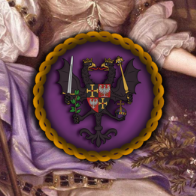 DEBUTANTES & BACHELORS OF THE ASTERCALIA TEMPORE PENNED 6 SIGISMUND’S END 1866 Itemized underneath are the recorded debutantes that are permitted to participate in the Astercalia Tempore of 1866 by Her Imperial Majesty, Anastasia I. The order of said debutantes inked upon this salient missive is to determine the intransigent sequence of how each courtier is to debut. This disposition is finalized, denoting that no change of order is feasible unless a letter is penned directly to HIM Empress Anastasia I or HE Lady Governess Odessa MacPherson. Any imprudent actions or defiance of Astercalia regulations will result in a substantial sanction. Furthermore, said courtier will be expelled from attending the rest of the festivities and face advanced consequences. It is to be noted that those under the age of majority, that being eighteen, cannot participate in courtship yet are allowed to debut if fourteen and above. THE DEBUTANTES PRINCESS ANNA ULYSSA THE IMPERIAL HOUSE OF FURNESTOCK YEAR OF BIRTH; 1845 PRINCESS LORENA THEODOSIA THE IMPERIAL HOUSE OF FURNESTOCK YEAR OF BIRTH; 1851 PRINCESS VIVIENNE ANASTASIE THE ROYAL HOUSE OF ASHFORD DE SAVOIE YEAR OF BIRTH; 1847 LADY LUCIA ANNUNZIATA THE DUCAL HOUSE OF AZOR YEAR OF BIRTH; 1846 LADY LOUISE MARGUERITE THE ROYAL HOUSE OF ASHFORD DE SAVOIE YEAR OF BIRTH; 1848 LADY KATERINA ANGELIKA THE BARONIAL HOUSE OF SARKOZY YEAR OF BIRTH; 1843 LADY OCTAVIA ELEANOR THE BARONIAL HOUSE OF SARKOZY YEAR OF BIRTH; 1848 LADY AMADEA ULYSSA THE BARONIAL HOUSE OF CARRINGTON YEAR OF BIRTH; 1846 LADY HELOISE THERESE THE BARONIAL HOUSE OF HALCOURT YEAR OF BIRTH; 1844 MISS FABLE AS SPONSORED BY THE ASTER COUNCIL YEAR OF BIRTH; 1860 MISS CATRIN HOFMANN AS SPONSORED BY THE LATE COUNTESS VANDERFALL YEAR OF BIRTH; 1848 MISS ROSE OBEDIA AS SPONSORED BY HIM EMPRESS ANASTASIA I YEAR OF BIRTH; 1850 MISS KEISHARA DAYSTAR AS SPONSORED BY SIR SOLOMON OBEDIA YEAR OF BIRTH; 1843 MISS ESME LUTHIER AS SPONSORED BY THE BARONY OF ROSIUS YEAR OF BIRTH; 1848 MISS ISABELLA BENNETT AS SPONSORED BY THE VISCOUNTY OF VUILLERMOZ YEAR OF BIRTH; 1846 MISS ADDISON BENNETT AS SPONSORED BY THE VISCOUNTY OF VUILLERMOZ YEAR OF BIRTH; 1844 MISS LYNETTE BENNETT AS SPONSORED BY THE VISCOUNTY OF VUILLERMOZ YEAR OF BIRTH; 1846 MISS EMBER MUNNEL AS SPONSORED BY SIR JARAD MUNNEL YEAR OF BIRTH; 1848 THE BACHELORS PRINCE PETER AUGUSTUS THE IMPERIAL HOUSE OF FURNESTOCK YEAR OF BIRTH; 1842 PRINCE JAMES MAXIMILIAN THE IMPERIAL HOUSE OF FURNESTOCK YEAR OF BIRTH; 1844 PRINCE FREDERICK CHARLES THE IMPERIAL HOUSE OF FURNESTOCK YEAR OF BIRTH; 1847 LORD JOHN AURELIAN THE IMPERIAL HOUSE OF HUNTSHILL YEAR OF BIRTH; 1844 LORD KASIMIRO ALEKSEY THE DUCAL HOUSE OF RUTHERN YEAR OF BIRTH; 1848 LORD WILLIAM LUCIAN THE DUCAL HOUSE OF D’ARKENT YEAR OF BIRTH; 1844 LORD VIKTOR ERIK THE DUCAL HOUSE OF RUTHERN YEAR OF BIRTH; 1847 LORD HADRIAN THE MARCHER HOUSE OF VAN AERT YEAR OF BIRTH; 1849 LORD YVES FYODOROVICH THE COMITAL HOUSE OF CARRION YEAR OF BIRTH; 1849 LORD LEDICORT JOHAN THE VISCOMITAL HOUSE OF VUILLER YEAR OF BIRTH; 1849 LORD DRASUS OLIVIER THE VISCOMITAL HOUSE OF VUILLER YEAR OF BIRTH; 1849 LORD CAROLUS THE BARONIAL HOUSE OF DE VILAIN YEAR OF BIRTH; 1844 LORD ANTON VARON THE BARONIAL HOUSE OF DRASKOVIC YEAR OF BIRTH; 1847 LORD ABREM THE BARONIAL HOUSE OF DRASKOVIC YEAR OF BIRTH; 1845 MISTER EVANDER AS SPONSORED BY HIM EMPRESS ANASTASIA I YEAR OF BIRTH; 1848 MISTER ANTONIUS CAROLUS AS SPONSORED BY THE ASTER COUNCIL YEAR OF BIRTH; 1845 SIGNED, HER IMPERIAL MAJESTY, Anastasia I, Holy Orenian Empress, forever August, Queen of Renatus, Curon, Kaedrin, Salvus, and Seventis, Grand Duchess of Ves, Duchess of Helena, Novellen, Furnestock, Adria, and Lorraine, Baroness of Renzfeld, Protector of the Heartlanders, Orenian Highlanders, and Farfolk, etcetera HER IMPERIAL HIGHNESS, Catherine Anastasia of Oren, Princess Imperial, Duchess of Westmark, Baroness consort of Pompourelia HER EXCELLENCY, Odessa MacPherson, Lady Governess of the Aster Court HER IMPERIAL HIGHNESS, Princess Vivienne Anastasie Ashford de Savoie, Countess consort of Mardon, Imperial Intermediary of the Aster Court THE RIGHT HONOURABLE, Diana Valentina Vuiller, Viscountess consort of Vuillermoz, Lady Harmony of the Aster Court THE HONOURABLE, Valyris Wynasul, High Magus of the Arcanic Court of the Empress, Court Mage of the Aster Court THE HONOURABLE, Dame Helena Augusta Basrid, Lady Concierge of the Aster Court
 -
ON THE IMPERIAL PRESENCE A GENERAL GUIDE TO THE REGAL RULES OF BEHAVIOR BEFORE THE IMPERIAL CROWN AND IMPERIAL ROYALTY -=- FRAMEWORK As seen fit to re-establish norms and sanctions when in the presence of imperial royalty, the Aster Court has worked under the guidance of HIM Emperor Philip III and HIM Empress Anastasia I to present a guide on behavior before these royal individuals. This guide is to be used as reference and assistance for various circumstances and occasions in which one may need when interacting with the emperor, empress, imperial princes, and imperial princesses. THE IMPERIAL CROWN The Imperial Crown, furthermore the reigning sovereign(s) of the empire, must always be given the following respects; 1. All must rise, if seated, upon the entrance of the Emperor/Empress until otherwise told to be seated (by gesture or by word). 1a. It is commonplace for people to remove their caps upon the approach of the sovereign. 1b. In the event of a dinner, or other seated event with the Imperial Crown, all must sit when the monarch sits (after rising upon their entrance). All must rise when the monarch rises before departure. 2. All must bow, or curtsy, when directly approaching the Emperor/Empress. A nod is unacceptable. Bows and curtsies are also required when the Emperor/Empress passes by. 2a. One should never show their back to the Emperor/Empress. 3. Address the Emperor/Empress as “Your Imperial Majesty” at the beginning and end of a conversation. This may be followed by “my liege.” Addressments such as “sir” or “ma’am” may also be acceptable. 4. All must rise, if seated, upon the exit of the Emperor/Empress until otherwise told to be seated (by gesture or by word). The following general rules must always be kept in mind; 1. It is strictly prohibited for any person, regardless of ranking, to touch the Emperor/Empress. 2. No one may address the Emperor/Empress by a nickname, or anything beyond their formal addressments, without direct permission from the Imperial Crown to do so at the given time. 3. Modesty in fashion must be maintained particularly in the presence of the Emperor/Empress. This is a general rule, however, for the entirety of the imperial court. 4. Do not ‘speak back’ to the Emperor/Empress, especially without given permission to do so. To define, this means replying in a rude, often quick manner. CONSORTS; IMPERIAL PRINCES AND PRINCESSES The Imperial Consort The Imperial Consort must always be given the following respects; 1. All must bow, or curtsy, when directly approaching the Imperial Consort. A nod is unacceptable. Bows and curtsies are required when the Imperial Consort passes by. 2. Address the Imperial Consort as “Your Imperial Majesty” at the beginning and end of a conversation. This is to be followed by “sir” or “ma’am.” The following general rules must always be kept in mind; 1. It is strictly prohibited for any person, regardless of ranking, to touch the Imperial Consort. 2. No one may call the Imperial Consort by a nickname, or anything beyond their formal addressments, without direct permission from the Imperial Consort to do so at the given time. 3. Modesty in fashion must be maintained particularly in the presence of the Imperial Consort. Imperial Princes and Princesses Imperial princes and princesses must always be given the following respects; 1. All must bow, or curtsy, when directly approaching an imperial prince and princess. A nod is acceptable in this situation in place of a bow or curtsy. 2. Address the imperial princes and princesses as “Your Imperial Highness” at the beginning and end of a conversation. This is to be followed by “sir” or “ma’am.” The following general rules must always be kept in mind; 1. It is strictly prohibited for any person, regardless of ranking, to touch imperial princes or princesses. 2. No one may call imperial princes or princesses by a nickname, or anything beyond their formal addressments, without direct permission from imperial princes or princesses to do so at the given time. 3. Modesty in fashion must be maintained particularly in the presence of imperial princes and princesses. HER IMPERIAL MAJESTY, Anastasia I, Holy Orenian Empress, forever August, Queen of Renatus, Curon, Kaedrin, Salvus, and Seventis, Grand Duchess of Ves, Duchess of Helena, Novellen, Furnestock, Adria, and Lorraine, Baroness of Renzfeld, Protector of the Heartlanders, Orenian Highlanders, and Farfolk, etcetera HER IMPERIAL HIGHNESS, Catherine Anastasia of Furnestock, Princess Imperial of the Holy Orenian Empire, Duchess of Westmark HER EXCELLENCY, Odessa MacPherson, Lady Chamberlain of the Aster Court
-
DEBUTANTES & BACHELORS OF THE ASTERCALIA TEMPORE PENNED 7TH OF TOBIAS’ BOUNTY, 1855 Itemized underneath are the recorded debutantes that are permitted to participate in the Astercalia Tempore of 1856 by Her Imperial Majesty, Anastasia I. The order of said debutantes inked upon this salient missive is to determine the intransigent sequence of how each courtier is to debut. This disposition is finalized, denoting that no change of order is feasible. Any imprudent actions or defiance of Astercalia regulations will result in a substantial sanction. Furthermore, said courtier will be expelled from attending the rest of the festivities and face advanced consequences. THE DEBUTANTES PRINCESS CATHERINE ANASTASIA THE IMPERIAL HOUSE OF FURNESTOCK YEAR OF BIRTH; 1838 LADY LAURENTINA MARIGOLD THE DUCAL HOUSE OF HELVETS YEAR OF BIRTH; 1842 LADY ANNE JOSEPHINE THE DUCAL HOUSE OF D’ARKENT YEAR OF BIRTH; 1836 LADY VALÉRIE ANTOINETTE THE DUCAL HOUSE OF AZOR YEAR OF BIRTH; 1830 LADY ANALIESE JULIANA THE DUCAL HOUSE OF AZOR YEAR OF BIRTH; 1837 LADY MADELINE ROSE THE DUCAL HOUSE OF AZOR YEAR OF BIRTH; 1832 LADY CATHERINE MARIE THE COMITAL HOUSE OF NOVELLEN-HUNTSHILL YEAR OF BIRTH; 1842 LADY ANNABELLE AUGUSTA THE COMITAL HOUSE OF NOVELLEN-HUNTSHILL YEAR OF BIRTH; 1840 LADY GEORGIANA MARIA THE COMITAL HOUSE OF NOVELLEN-ALDERSBERG YEAR OF BIRTH; 1837 LADY ELISABETH HELAINE THE COMITAL HOUSE OF NOVELLEN-ALDERSBERG YEAR OF BIRTH; 1837 LADY ELOISE HELEN THE COMITAL HOUSE OF O’ROURKE YEAR OF BIRTH; 1831 COUNTESS AMADIE MARLÉNE THE COMITAL HOUSE OF PRUVIA YEAR OF BIRTH; 1836 LADY ANASTASIE THÉRÈSE THE COMITAL HOUSE OF PRUVIA YEAR OF BIRTH; 1839 LADY SOPHIE CLÉMÉNTINE THE COMITAL HOUSE OF PRUVIA YEAR OF BIRTH; 1842 LADY IOANNA ELISHEVA THE VISCOMITAL HOUSE OF BASRID YEAR OF BIRTH; 1842 LADY THÉA HELAINE THE BARONIAL HOUSE OF HALCOURT YEAR OF BIRTH; 1840 LADY CORALINE ANTONIA THE BARONIAL HOUSE OF CARRINGTON-D’ARKENT YEAR OF BIRTH; 1840 LADY BIANCA MARIYA THE BARONIAL HOUSE OF SARKOZY-POMPOURELIA YEAR OF BIRTH; 1838 LADY PHILIPPA HENRIETTA THE BARONIAL HOUSE OF SARKOZY-POMPOURELIA YEAR OF BIRTH; 1836 LADY ELSPAITH CAITRIN SPONSORED BY THE ROYAL HOUSE OF SAVOIE YEAR OF BIRTH; 1842 MISS CLAIRESSA SPONSORED BY THE BARONIAL HOUSE OF HALCOURT YEAR OF BIRTH; 1839 MISS GIUSEPPINA SPONSORED BY THE BARONIAL HOUSE OF CARRINGTON-D'ARKENT YEAR OF BIRTH; 1842 LADY CHLOE GISELLE THE BARONIAL HOUSE OF ROSIUS YEAR OF BIRTH; 1838 LADY ELARA SYLVIE THE BARONIAL HOUSE OF ROSIUS YEAR OF BIRTH; 1840 THE BACHELORS PRINCE PETER AUGUSTUS THE IMPERIAL HOUSE OF FURNESTOCK YEAR OF BIRTH; 1842 DUKE PETER AUGUSTUS THE DUCAL HOUSE OF SUNHOLDT YEAR OF BIRTH; 1835 LORD EDMUND LEDICORT THE DUCAL HOUSE OF AZOR YEAR OF BIRTH; 1835 LORD RICHARD LEOPOLD THE DUCAL HOUSE OF AZOR YEAR OF BIRTH; 1835 LORD EDWARD CLEMENT THE COMITAL HOUSE OF NOVELLEN-ALDERSBERG YEAR OF BIRTH; 1829 LORD KRISTOFER JOHAN THE VISCOMITAL HOUSE OF VUILLER YEAR OF BIRTH; 1838 MISTER LUCIEN HARALD THE VISCOMITAL HOUSE OF VUILLER YEAR OF BIRTH; 1842 MISTER JOHAN THE VISCOMITAL HOUSE OF VUILLER YEAR OF BIRTH; 1842 MISTER JACQUES CLAUDE THE BARONIAL HOUSE OF HALCOURT YEAR OF BIRTH; 1841 LORD LEITSIEG LEOFRIC THOROMIR THE BARONIAL HOUSE OF ARICHSDORF YEAR OF BIRTH; 1841 LORD JOSEPH CLEMENT THE BARONIAL HOUSE OF SARKOZY-POMPOURELIA YEAR OF BIRTH; 1837 LORD CONSTANZ AUGUSTE THE BARONIAL HOUSE OF SARKOZY-POMPOURELIA YEAR OF BIRTH; 1840 LORD PETER VICTOR THE BARONIAL HOUSE OF SARKOZY-POMPOURELIA YEAR OF BIRTH; 1841 MISTER CESAR ALEJANDRO THE HOUSE OF KOMNENOS YEAR OF BIRTH; 1837 MISTER HENRI TOURAINE SPONSORED BY THE COMITAL HOUSE OF PRUVIA YEAR OF BIRTH; 1839 MISTER TYLOS SPONSORED BY THE VISCOMITAL HOUSE OF BASRID YEAR OF BIRTH; 1838 MISTER WILLIAM SPONSORED BY THE BARONIAL HOUSE OF CARRINGTON-D'ARKENT YEAR OF BIRTH; 1834 MISTER GIULIANO VITELLI SPONSORED BY THE VISCOMITAL HOUSE OF GALBRAITH YEAR OF BIRTH; 1840 SIGNED, HER IMPERIAL MAJESTY, Anastasia I, Holy Orenian Empress, forever August, Queen of Renatus, Curon, Kaedrin, Salvus, and Seventis, Grand Duchess of Ves, Duchess of Helena, Novellen, Furnestock, Adria, and Lorraine, Baroness of Renzfeld, Protector of the Heartlanders, Orenian Highlanders, and Farfolk, etcetera HER EXCELLENCY, Odessa MacPherson, Lady Chamberlain of the Aster Court HER IMPERIAL HIGHNESS, Princess Amelia Margaret of Renzfeld, Countess of Vanderfall HER HIGHNESS, Adeline Lorena Helvets-Rochefort Ashford de Savoie, Princess of Savoy, Lady Liason of the Aster Court THE HONOURABLE, Evangéline Marie Lucille Halcourt, Baroness of Artois, Lady Concierge of the Aster Court HER LADYSHIP, Anne Josephine d'Arkent, Lady Revels of the Aster Court
-
THE ASTER COURT OF THE HOLY ORENIAN EMPIRE -=- FRAMEWORK The newly-formed Aster Court of the Holy Orenian Empire stands as the center of all noble affairs and ongoings and acts as a bridge between the nobility amongst each other and the imperial family. In this new era under Emperor Philip III, the court’s role is more vital than ever for peers and any who wish to rise within the realm. THE ASTER COUNCIL Empress consort of the Holy Orenian Empire - HIH Anastasya Victoria of Kositz [Eryane] As the head of the court, the Empress consort serves as an administrative position overseeing all court matters and the Aster Council. These responsibilities may shift and vary with the assistance of other managerial positions on the council. Imperial advisors, or advisors of the Empress, may be chosen upon request [Advisors: Lady Anna d’Arkent, lillyeveans]. Lady Chamberlain - Miss Odessa MacPherson [Tillicent] The Lord Chamberlain, or Lady Chamberlain, is the second-in-command to the Empress and head of all imperial family matters. They also maintain responsibilities regarding the imperial family’s interactions with nobility and the Orenian populace. Responsibilities of the Lord Chamberlain extend from beyond events, including how one should conduct themselves before the imperial family and correcting mishaps of courtiers who do not go about such correctly. They are simultaneously entrusted with enacting the vision of the court. Regarding events, the Lord Chamberlain is entrusted to host imperial family dinners (private, public, or with specific noble families), imperial funerals, arranging imperial weddings, ceremonial events, and more. Positions within the Office of the Chamberlain Note: These positions are not on the council, and instead under the jurisdiction of the officeholder. Imperial Governess - Miss Nesta Adrianna [Junoix] Court Physician - Mister Najar Yar [Charlesdingus_] Court Physician - Miss Margosha Ostrovich [Bonito_] Keeper of the Crown Jewels - Miss Vespira of Komnenos [PrincessSnowie] Imperial Intermediary - HH Princess Vivienne of Savoy [Spicii] The Court Liaison is the head of all wide-scale and public events of the empire that pertain to the entire populace, as well as the head of communication between imperial and international organizations, institutions, and nations for the Aster Court. They hold responsibilities for the court’s city-wide events, pertaining to the entire populace, often working side by side with the Lord Chamberlain and Lord Revels. For events alongside foreign nations (allied or not), the Court Liaison is in charge of arranging these revelries between courts and maintaining relations with courtiers from other nations. Positions within the Office of the Imperial Intermediary Note: These positions are not on the council, but instead under the jurisdiction of the officeholder. Lord Revels - Lord Richard of Azor [Cubicitas] Lady Concierge - TH Lady Ioanna Elisheva of Basrid [sunflowerist] The Lady Concierge, or Lord Concierge, manages the palace in and of itself and often works hand in hand with other council members when doing so. They are allotted responsibilities towards the keys of the palace, management of servantry, and the integration of new courtiers and nobility into the Aster Court. They are the most vital in informing courtiers of etiquette standards and may be in charge of court education. Positions within the Office of the Concierge Note: These positions are not on the council, but instead under the jurisdiction of the officeholder. Mistress of the Wardrobe - HE Lady Gracia Valentina [imMonaaaah] Mistress of Etiquette - Lady Anastasie of Pruvia [veganwalmart] Assistant of the Wardrobe - Lady Coraline of Arkent [melpomenne] Assistant of Etiquette - Lady Cosette Eleanor of Falstaff [ncarr] Assistant of Etiquette - HIH Princess Anna of Furnestock [amyselia] Court Alchemist - Mister Tylos [BobBox] Additional Councilors: Princess Amelia of Novellen Princess Christina of Novellen COURT FASHION Women of the Court Women of the court have donned veils through many different ages of the Empire's past. In an attempt to return to the pious nature of the Empire, ladies will once again don veils or some form of hair covering at all times. Furthermore, a lady should adorn herself with some form of a cross, typically a Lorraine necklace. A lady of upper nobility may wear multiple heirlooms from her family or even custom jewelry within the court, but those of lower nobility and common birth would opt for more simplicity, typically limiting themselves to a select few heirlooms or commonly bought jewels. Additionally, dressing above one’s station would be highly frowned upon. Men of the Court Unlike ages past, the men of court no longer don wigs, the wearing of such being unheard of within Aster Hall. Instead, the lords of court prefered to grow their hair out to a medium or long length, frequently accompanied by well kempt facial hair such as sideburns or a mustache. The attire of courtly men would differ greatly from the suits of the Augustine, with detailed articles of clothing growing in popularity. COURT ETIQUETTE Etiquette in the Aster Court is pivotal; how a noble conducts oneself in the presence of other nobles and the Imperial family shall dictate the perception and representation of oneself in court. While the expectations of etiquette are to be taught and managed by the Lady Concierge, the While the expectations of etiquette are to be taught and managed by the Lady Concierge, we recommend that the courtiers of Aster Hall follow these basic rules to avoid embarrassment and ruin within the court. General Etiquette ♔ Courtier must respect their superiors within court at all times and address them by their proper titles when conversing [See Titles & Addressment]. ♔ Controversial topics are to be avoided, including politics or gossip of any kind. ♔ A respectful demeanor, particularly how one carries themselves, must be maintained at court. ♔ Courtiers of the palace are prohibited from wearing any diadem, crown, circlet, or tiara if they are not members of the imperial family. The only exception to this is during wedding ceremonies or a debutante, where the daughters of dukes and counts may wear tiaras and sons of dukes and counts may wear circlets. In the Imperial Presence ♔ Courtiers must not touch the Emperor, Empress, or the immediate family of the Emperor (brothers, sisters, and children). ♔ Those of the court must avoid turning their backs on the imperial family, as it is seen as disrespectful. ♔ Avoid the use of nicknames regarding or referring to the imperial family outside of private settings unless otherwise permitted. ♔ Courtiers must curtsy or bow at the beginning and end of the conversation. Titles & Addressment ♔ Emperor: “Your Imperial Majesty” in introduction; followed by “Your Majesty” ♔ Empress: “Your Imperial Majesty” in introduction; followed by “Your Majesty” ♔ Imperial Prince: “Your Imperial Highness” in introduction; followed by “Your Highness” or "Prince [name]" ♔ Imperial Princess: “Your Imperial Highness” in introduction; followed by “Your Highness” or "Princess [name] ♔ Duke: “Your Grace” or “Duke [title or name]” in introduction, followed by "Lord [name]" ♔ Duchess: “Your Grace” or “Duchess [title or name]” in introduction, followed by "Lady [name]" ♔ Count: “Right Honorable [title or name]” or “Count [title or name]” in introduction, followed by “Lord [name]” ♔ Countess: “Right Honorable [title or name]” or “Countess [title or name]” in introduction, followed by “Lady [name]” ♔ Children of Dukes / Duchesses, Counts / Countesses are to be addressed as “Lady [name]” or “Lord [name]” ♔ Viscount: “Right Honorable [title or name]” or “Viscount [title or name]” in introduction, followed by “Lord [name]” ♔ Viscountess: “Right Honorable [title or name]” or “Viscountess [title or name]” in introduction, followed by “Lady [name]” ♔ Baron: “Honorable [title or name]” or “Baron [title or name]” in introduction, followed by “Lord [name]” ♔ Baroness: “Honorable [title or name]” or “Baroness [title or name]” in introduction, followed by or “Lady [name]” ♔ Children of Barons / Baronesses, Viscounts / Viscountesses are to be addressed as “Lady [name]” or “Lord [name]” HER IMPERIAL MAJESTY, Anastasya Victoria of Kositz, Empress consort of the Holy Orenian Empire, Duchess consort of Furnestock HER EXCELLENCY, Odessa MacPherson, Lady Chamberlain of the Aster Court
-
An Amendment to the Etiquette of Imperial Court
The Aster Hall posted a topic in The Kingdom of Oren
AMENDMENT; Greetings The senior members of the Imperial Family must be treated with the upmost respect, for they are a bridge between the Augustine's loyal courtiers and the Emperor himself. Prior to the beautiful art of conversation may commence with one of these family members they must be greeted properly, as seen in a missive released by the palace prior: Ⅰ. Should the Emperor, or a member of his direct family, enter the room after you, you must stand from your seat and remain standing until they have chosen to sit. Ⅱ. You must always curtsy before your Emperor or any member of the Imperial Family. Ⅲ. Should the Emperor, Empress, or a Prince or Princess of the Blood be in a room before you enter you're to curtsy and greet them simply by their honorific. Ⅳ. When interacting with a member of the Imperial Family in a formal setting one must always remember to not initiate conversation, and only greet with their honorific and a curtsy. Simply await their initiation of conversation. -
IMPERIAL COURT DIRECTORY As penned and maintained by HIH The Duchess of Furnstock, HE The Governess of the Augustine Palace, and the Courtiers of the Augustine Palace ETIQUETTE DIRECTORY d’Arkent, Maisie. Augustine: Ladies in Waiting. Providence, 1834. [LINK] d’Arkent, Maisie. Augustine Court Etiquette. Providence, 1830. [LINK] d’Arkent, Maisie. Proper Tiara and Sash Etiquette. Providence, 1833. [LINK] d’Arkent, Mary and Milena Carrion-Tuvyic. Fashion Reforms in the Imperial Court. Providence, 1822. [LINK] ADMINISTRATIVE FIGURES OF THE IMPERIAL COURT Her Excellency, The Lady Governor of the Augustine Palace, Lady Mary Othaman neé d’Arkent [ncarrr] The Right Hon. The Majordomo of the Augustine, Lady Laurene Henriette Basrid neé Savoie [Alexievna] The Right Hon. The Governess-Secretary, Miss Anna d'Arkent [lillyeveans] IMPERIAL HOUSEHOLD The Imperial Throne His Imperial Majesty, The Holy Orenian Emperor, Philip II [TangoIsPointless] HIH Prince Philip Aurelian, The Duke of Adria [Parodies_] HIH Princess Josephine Augusta, The Duchess of Crestfall [VIROS] HIH Princess Anne Caroline, The Duchess of Auvergne [Fieee] HIH Prince Robert Francis, The Count of Temesch [Nectorist] HIH Princess Helena Augusta, The Countess-Consort of Temesch [Axeluu] The Adria Household His Imperial Highness, The Duke of Adria, Prince Philip Aurelian [Parodies_] Her Imperial Highness, The Duchess of Adria, Princess Charlotte of Aldersberg [MunaZaldrizoti] HIH Prince Philip Amadeus of Adria, The Duke of Furnestock (d. 1844) HIH Prince John Casimir of Adria HIH Prince George Maximilian of Adria, Count of Huntshill [FredrickTeufel] HIH Lady Isabella Maria, Countess-Consort of Huntshill [MapleSunflower] HIH Princess Amelia Margaret of Adria (Missing) HIH Princess Christina Augusta of Adria (d. 1834) Lady Anna 'Molina' Elizaveta of Dobrov Lady Josephine Aleksandra of Drobrov The Furnestock Household HIH Prince Philip Amadeus of Adria, The Duke of Furnestock (d. 1844) HIH Princess Anastasia of Kositz, The Duchess of Furnestock HIH Princess Catherine Anastasia of Furnestock HIH Princess Julia Amadea of Furnestock HIH Prince Peter Augustus of Furnestock HIH Princess Victoria Augusta of Furnestock HIH Prince James Maximilian of Furnestock HIH Princess Anna Ulyssa of Furnestock *NOTE: Highlighted is the immediate line of succession following HIM Philip II. The above list consists of the imperial lines, particularly the heads thereof, which have been seen in recent decades. Children of imperial princesses are excluded from the above list. Missing or deceased have been removed for ease of access for those browsing the Imperial Court Directory (however, this does not exclude these persons or lines from the imperial household). BASIC NOBLE ADDRESSMENT As written and drafted by HE The Governess of Augustine Palace Mary of Carrington and HIH Princess Amelia of Renzfeld Emperor: “Your Imperial Majesty” in introduction; followed by “my lord” or “sir” Empress: “Your Imperial Majesty” in introduction; followed by “my lady” or “ma’am” Imperial Prince: “Your Imperial Highness” in introduction; followed by “my lord” or “sir” Imperial Princess: “Your Imperial Highness” in introduction; followed by “my lady” or “ma’am” Duke: “Your Grace” or “Duke [title or name]” in introduction, followed by “sir” Duchess: “Your Grace” or “Duchess [title or name]” in introduction, followed by “ma’am” Count: “Right Honorable [title or name]” or “Count [title or name]” in introduction, followed by “sir” or “Lord [name]” Countess: “Right Honorable [title or name]” or “Countess [title or name]” in introduction, followed by “ma’am” or “Lady [name]” Viscount: “Right Honorable [title or name]” or “Viscount [title or name]” in introduction, followed by “sir” or “Lord [name]” Viscountess: “Right Honorable [title or name]” or “Viscountess [title or name]” in introduction, followed by “ma’am” or “Lady [name]” Baron: “Right Honorable [title or name]” or “Baron [title or name]” in introduction, followed by “sir” or “Lord [name]” Baroness: “Right Honorable [title or name]” or “Baroness [title or name]” in introduction, followed by “ma’am” or “Lady [name]” *Children of Dukes / Duchesses, Counts / Countesses are to be addressed as “Lady [name]” or “Lord [name]” *Children of Viscounts / Viscountesses, Barons / Baronesses are to be addressed as “Miss [name]” or “Mister [name]” THE HOLY SCROLLS As per request of the administration of the Augustine Palace, it is highly recommended that all lords and ladies of the imperial court read the Holy Scrolls. [LINK]
-
Augustine: Ladies in Waiting A gather of Ladies in waiting preforming before a dinner, 1834 A N N O D O M I N I 1834 Penned by: TH Maisie Adelheid d’Arkent Table of contents Introduction Who can be or have a lady-in-waiting Expected behavior of a lady-in-waiting The process of becoming one The Ladies Introduction The lady’s in waiting of the Augustine Court work as personal assistants to the Empress, Princess, or high ranking noblewoman who live within the walls of the palace. They are not quite servants, but more considered ‘noble companions’ who, by their status and nobility, could better advise a woman of high station. Being one is a dignified job that comes with many perks. Not only will the lady be lifted through the courts based on which royal or titled lady she serves, but she will reside in the palace. If the woman is underaged, she shall be offered and help with procuring proper dresses and tutoring from Lady Maisie. Who can be or have a lady-in-waiting Many young ladies do not know they can put their education to work to serve under the princesses of the empire - and some princesses do not even know they can have ladies to attend and help them. This section is dedicated to sorting out who can be or have a lady in waiting. The rules are quite simple ───── Any lady of noble birth within the land of the Oreniean Empire can be a lady in waiting. Empresses and Princesses by blood or marriage can all have ladies in waiting. The recommended amount for each of these ladies changes among the age and what they require in their day to day routine. Although three tends to be a good amount. Expected behavior of a lady-in-waiting All ladies in waiting are expected to strictly follow the Augustine Etiquette booklet as well as the manners assigned by the lady they serve. All ladies require different manners or skills from the ladies they surround themselves with. The best advice we can give you is to be fluid and well versed in many topics. ───── You are is expected to move to Providence, preferably the Augustine, to serve their lady. If the lady they are assigned to or chosen by does not live in Augustine, they are then expected to move to wherever their lady finds the most convenient. You are forevermore your princesses companion, and should act as if she were your top priority. You will most likely manage the princesses social life, correspondences, and help her entertain guests that she may host. Lastly, you shall be asked to help your princess dress, bathe, and keep clean. Maids are usually about to help with the more down and dirty details, but you as a lady in waiting will help clasp jewelry, brush hair, etc. Although, here is some extra skills, etiquette, etc. to keep in mind; Proper dresses. The ability to play a musical instrument, whether that be singing to piano is up to you. You should know a variety of dances performed by the Upper Class. You should be able to entertain a crowd or dinner upon being asked to do so. Reading is an important skill for this job and you must be proficient in it. Knowing how to sew. This is for if your lady needs a quick fix to a dress. The Process of becoming one Becoming a lady in waiting is a simple process, all you must do is letter Lady Maisie d’Arkent with whom you desire to be a lady for and your skills. Once the letter is sent, Lady Maisie d’Arkent shall return with a letter of her own with the exact details of your job and if you were accepted to not. Then a meeting with be set up between you and the lady you desire to serve or the lady you were assigned under. ───── As an Empress or Princess of the Imperial Household, you have the ability to request whomever you desire to be your lady. If not requested, one will be assigned. If you are not a noble lady, but are still interested in becoming a Lady-In-Waiting, exceptions can be made if you are requested by one of the princesses. Ladies ───── HIH, Charlotte Augusta of Aldersberg, Duchess-consort of Adria, Countess-consort of Renzfield Laurène Henriette Ashford de Savoie Applications Open HIH, Josephine Augusta of Oren, Princess Imperial & Duchess of Crestfall, Duchess-consort of Sunholdt Applications Open HIH, Princess Anne Caroline of Oren, Duchess of Auvergne, Viscountess-consort of Provins Vespira Lilianne de Selm Navanya Novikov Safiya Oma Basrid HIH, Holy Dame Helena Augusta of Susa, Countess-Consort of Temesch Eirene Maria Elisheva Basrid Amaliya Anna Petra Ruthern HSH, Princess Alice of Temesch Gracia Valentina Falcone HIH Juliya of Susa, The Princess Geroge of Aldersberg Louisa Christina Galbraith Alexandra Helene d'Arkent Katherina Helene Marie Galbraith Signed by; The Honorable, Lady Maisie of Sunholdt Lead Lady-In-Waiting Her Excellency, Lady Mary Casimira of Carrington Governess of the Augustine
-
Proper Tiara and Sash Etiquette The Countess Renzfeld, donning the Alstion Tiara c. 1810 A N N O D O M I N I 1833 Penned by: TH Maisie Adelheid d’Arkent Table of Contents Introduction Who Wears Tiaras? Imperial Family Brides Married Titled Ladies Debutantes The Golden Rules for Tiaras Who Wears Sashes? Imperial Family Heirlooms Military The Golden Rules Introduction We all wish we were princesses, but it doesn’t mean we can or should impersonate one. Tiaras and sashes are expensive touches of glamour for most and when worn, it is essential to wear them with proper etiquette. Without knowing who can wear them and the rules of wearing them, you risk yourself looking ill-mannered in society and shamed! This article will outline the exact rules to clear up any recent confusion upon these rules. A tiara is a more generic, overarching term for several different head-dresses, including diadems, circlets, bandeau, kokoshnik, aigrette, and coronet. While some of these headdresses are appropriate for ladies of all noble blood to wear, but diadems and circlets are not. Sashes are ribbon-type fabric draped across the wearer’s dress. They accompany a membership into the Imperial family of the Holy Orenian Empire and are worn by those within the family or given to them by the blood of the family. Who Wears Tiaras? Imperial Family The Imperial family ladies have the right to wear tiaras from the family’s collection at any age unlike other ladies of noble birth. It is customary for these princesses to have a collection and have tiaras made for their fifth birthday, sixteenth, and wedding day. Brides On a bride’s wedding day, if the family posses a tiara to pass down to the bride, a bride may don one. It isn’t traditional for brides to have a tiara made for their wedding day unless they are marrying into the Imperial family. After wearing the tiara, the bride should return it to her family and it should not be worn by the bride again. Married Titled Ladies Counts and Dukes whose family owns tiaras may bestow them to their wives for their wives to wear at formal events. It is ill-mannered for a married woman to wear a tiara from her own family once she is married. It is also ill-bred for a woman who is not married to a Count or higher to wear a tiara and should a woman choose to do so, they should be shamed. Debutantes County and Duchys have the right to allow their young girls to wear tiaras on their debut. This is only for the formal debut and should be taken off for the balls after. The tiara should be returned to the family after being worn for the next ladies from said family to wear such. The Golden Rules for Tiaras Tiaras should never be worn during the daytime unless you are from the royal family. This is because diamonds and jewels should not have to compete with the sun. A good time to start wearing them is around five in the afternoon or after dark After being gifted a tiara, you ought to get the velvet lining of it changed to your hair color before the formal event you must wear it at. The wearer should abide by the following procedure to get the correct position: place the thumb on the middle of the chin and the index finger in the gap between eyebrows, then simply move the fingers up until the thumb ends up where the index finger was, and that is where the base of the tiara must sit. The tiara should be worn during weddings, white-tie dinners, and balls if you are not a member of the royal family. Who Wears Sashes? Imperial Family Much like Tiaras, the Imperial family reserves the right to wear sashes. It is customary for them to wear them during formal events. This includes imperials who have married in or by blood. Heirlooms If a lady is gifted a sash to wear from her noble family for a ball or debut, she shall be allowed to wear it. Although, it is ill-bred to not return the sash to the family after the lady has used it. It is also advised to not accept such an heirloom if you are a lady of lower nobility. Military Some formal military uniforms come with sashes and are welcome to be worn and recognized by the Imperial Courts. This is because they earned their sashes through battle. The Golden Rules for Sashes Sashes are worn at white tie dinners and balls if you are not a member of the royal family. If worn outside of such events, you will be asked to take it off if seen in the Augustine Court with it. Sashes are worn from the right shoulder to the left hip. Secure with a brooch on the right shoulder. Sometimes you may move the securing of said brooch to the left hip or even behind, but a brooch is necessary to keep a sash on. Wear a sash at events in your own country, it is improper to wear a sash to an event outside of our empire. Signed by; The Honorable, Lady Maisie of Sunholdt Tutor of the Arts in the Augustine Her Excellency, Lady Mary Casimira of Carrington Governess of the Augustine
-
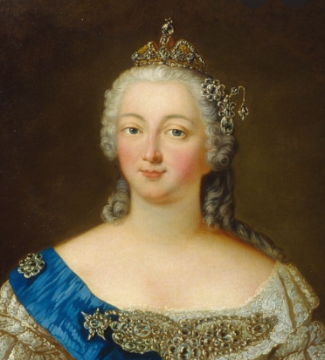
The Palace heads send out a small letter to the head maid- contents as following. To the esteemed Rosary, Our thanks and appreciation are outreached to you and your unwavering dedication and love for the job you do. Surely, without your light and constant diligence- our wonderful palace would not work as efficiently as it does! Keep up the good work, The Imperial Heads of Court
-
CULTURES of the IMPERIAL COURT -=- -=- An overview and summary TABLE OF CONTENTS I. Introduction II. Petrine III. Autre-Lothringen IV. Rhenyari V. Imperial Raev VI. The Imperial Court Today INTRODUCTION Four extremes encompass the nobility of the courts of the Holy Orenian Empire, between which most prominent figures can be classified. Most famous in modern society are the various mixtures of Petrine and Autre-Savoyard that pervade the courts of Oren, dominating fashion and social circles - but most numerous are the Imperial Raev, who often carry their traditions much longer than other cultures, and by the numbers it is the Rhenyari that have made the greatest contributions to the Empire. Each form an important aspect of court life and its heritage; any participant in the Imperial courts is expected to have an understanding of all of them. PETRINE The ancient nobility of the Holy Orenian Empire - blood of Orenian Saints and Emperors, Kings and Queens, Generals and Pontiffs. The greatest conquerors, and the most infamous leaders - little more is needed to introduce the heritage of these rulers of Men. A portrait of HIM Empress Anne I, done by the imagination of court artisan Claire Marie Elmpool c. 1827 Brief History In the ashes of Helena after the War of Two Emperors, the newly-crowned Peter III saw the opportunity to rebuild Oren to a new ideal. By his guidance, statesmanship flourished over Neo-Renatian militancy, and decorum and contribution was lauded over Old Imperial levy politics. His successors, both by blood and to his legacy, are an attestation to that. Cultural Stylings When speaking to a traditional Petrine woman or man, remembering proper etiquette and addressments should be on the forefront of one’s mind. They are proper, to put it nicely; cold, stiff and self-absorbed, to be more frank. Easily offended but not easily impressed, they are often considered the most dangerous of the court extremes to stand against; in just the same way, however, they are representatives of the most noble aspects of the Empire. The Petrine have a natural pride in their Empire, though they may not directly say it, they will look upon you less as a member of society and more as a foreign insect if you do not agree. Most satisfy themselves with the simpler, more refined fineries such as a properly aged steak, bitter red wines, and demure jewels - very much unlike their Savoyard compatriots. Recent Figures of Note HIM, Emperor Peter III [Alterazhog] HIM, Empress Anne I [DreamInSpace] HIH, Prince Philip Augustus of Crestfall [TangoIsPointless] HIH, (Pretty) Princess Helen Antonia [edelos] AUTRE-LOTHRINGEN The Savoyards, Auvergnat, Lotharingians and the groups that preceded them ruled by tradition and noblesse oblige. Today, they lead not only in the ways of the past, but have been the chief contributors of the Empire’s modern cultural revolution - in high society, Savoyard fashion, food and drink, and etiquette reign supreme. A Modern Savoyard woman in classical adornments painted by the budding artist Claire Maire Elmpool c. 1824 Brief History Savoyard history in the current court is hard to pinpoint but most link it to the Auvergnat way of living as seen in families like Halcourt with the Baroness Adalene de Motte and the de Savoie kin with help from Claude Élisabeth and her sisters Laurène Henriette and Eugénie Cécile. Cultural Stylings The Savoyard culture has morphed and changed through the years, but the current extreme is inherently aristocratic. With loves of extravagant jewelry, pastries and sweetened wine, and wildly intricate dresses, they pursue enjoyment through the finer things in life. These can also be found in activities such as exotic dining, foreign entertainment, and long conversations. Consequently, they are also known for being in the know of all the court mishaps. Unlike their Petrine opposite, these courtiers can be found throwing lavishly decorated balls over long, formal banquets. Recent Figures of Note Olivier Renault Ashford de Savoie [Lionbileti] The Madames de Savoie [amyselia, Alexievna_, sunflowerist] Blanche Thérèse, Duchess-consort of Cathalon [ShannonLeigh] Louise Antoinette Halcourt [Pompadour_] RHENYARI Culturally rich, infamously bureaucratic statesmen brought the Rhenyari into the spotlight in the beginning of the current Empire, as Basridine politicians dragged Oren forward from Pertinaxi feudalism into its modern, national form. Easily the youngest of the court cultures, the Rhenyari have more than compensated for their generational youth with proud service - iconic artists and singers, the greatest Archchancellor - Rhen influence has grown exponentially compared to just one hundred years ago. A Rhenyari woman relaxing, painted from the imagination of Claire Marie Elmpool c. 1819 Brief History Whilst the history of the Rhenyari is still being explored by a young Isa Basrid due to it’s recent arrival in Oren, it is considered to be a storied culture that was first noted among the Orenians due to the exploits of St. Lorethos, and later made prominent by the Basrids of Helena. The Rhenyari are an Orenian people of mixed Farfolk and Highlander descent. They are renowned in the empire for their heroes that have been instrumental in building the modern Oren state and army, as well as their cultural affinity towards sorcery, stargazing, and adventure. Cultural Stylings Rhenyari culture is one of strong-moral and spirituality, a shared trait among the three sub-cultures that make the broader Rhen basket. Collectively, the Rhenyari people are regarded with varying reputations of hot-bloodedness, vitality and scholarship. While some Rhen-folk do not don cultural garb in their everyday lives, most are identifiable by their notably darker complexion and accented speech - as well as their famous greeting, “Eiso”. Recent Figures of Note Arch-Chancellor Simon Basrid [dibbo9] Sir Jahan, Count of Susa [Romboo] Victoria Clementine Kaphro [venclair] Anthony Alexios Basrid [Bobbox] Justice Basil Basrid [MCVDK] IMPERIAL RAEV Present in Oren since the First Empire, and rulers of its Second and Fourth iterations, the Imperial Raev and Neumarian returnees make up the quiet majority of lettered nobility. Some still have branches in Hanseti-Ruska - most still abide by the ancient traditions of their homeland, speak Neumarian or with a Ruskan accent, and prefer more personal time with their families rather than the large, impersonal affairs of the palace. A portrait of a Raev courtier with her simple jewelry box, painted by the imagination of Claire Marie Elmpool c. 1823 Brief History While Raev has been an important culture for centuries, the Imperial Raev we know now was introduced when the Counts Erik Ruthern and Erik Othaman left the Kingdom of Haense and vassalized under the Holy Orenian Empire just before the Independence of Haeseni. With the Tuvyic Carrions similarly returning to Oren, a modern revitalization of the minority ethnicity has increased its number to a near-majority among the Orenian nobility. Cultural Stylings Mixing the historic vision of Raevir and Neumarian, that of rustic homesteads, militant men, and brooding attitudes with the influences of the Petrine elite of the Empire, some of the more violent, individualist traditions of the Haeseni were cast off - replaced with martial confidence and a greater emphasis on familial duty. As such, and especially considering their inherent traditions, Imperial Raev are among the easiest of the extremes to spot. The men of this culture pride themselves on being some of the best forces in the Imperial State Army, while the women can surely be spotted as some of the strongest willed ladies the court has to offer. Recent Figures of Note Count Erik Ruthern of Kostiz [Ave_imperium] Count Erik Othaman of Valles [grnappa] Count Sigismund Tuvyic of Dobrov [Nectorist] Leopoldine of Roussard [fieee] THE IMPERIAL COURT TODAY The four extremes mentioned collectively form the base of Orenian culture - but the Imperial Court that was recently introduced by HIH Princess Amadea Ulyssa is a new culture in its own right. Drawing inspiration from each, the majority of social circles are staffed not by the radical subcultures of the Imperial Court, but by the moderate, brighter form propagated by HIH Amadea Ulyssa. A portrait of the wickedly beautiful Princess Amadea, done by the talented Claire Marie Elmpool c. 1827 Brief History The modern movement founded by the Countess of Renzfeld, the current Imperial Court is a complex blend of Petrine and Autre-Savoyard. Whilst some older-fashioned members of the Imperial Family have kept to their traditional Petrine roots, the myriad influences of Autre-Savoyard culture that have been woven into the current generation has made the court a perfect place for wigs and intricate adornments alike. Cultural Stylings The Augustine Palace today is filled with a bustling sort of warmth. With the Social Season that was put in place by the Princess Imperial, Elizabeth Anne and her close ally in court, Governess Anna Henrietta of Provins, the current court system is the most active one seen in decades, as it has drifted further and further away from the cold elite image of the traditional Petrine and became far more personable to the wider world, even among noble circles. With dances, afternoon tea, gossiping of the latest news and the frequent dinners among the nobility and cherished working class - the younger generation of the Imperial Family has transformed their court into a place anyone can find themselves - or imagine finding themselves - enjoying the finer things in life. Figures of Note HIM, Emperor John Charles [zombieman999] HIH, Amadea Ulyssa, Countess of Renzfeld [Ivorey] HIH, Amelia Margaret of Renzfeld [libertyybelle] Lady Maude Fitzpeter [clonky] Natalie Beaumont [Kholibrii] IN NOMINE DEI, THE IMPERIAL ARTS AND CULTURE DEPARTMENT