┌─────────────── ∘°❉°∘ ───────────────┐
LI-GUO
李國
└─────────────── °∘❉∘° ───────────────┘
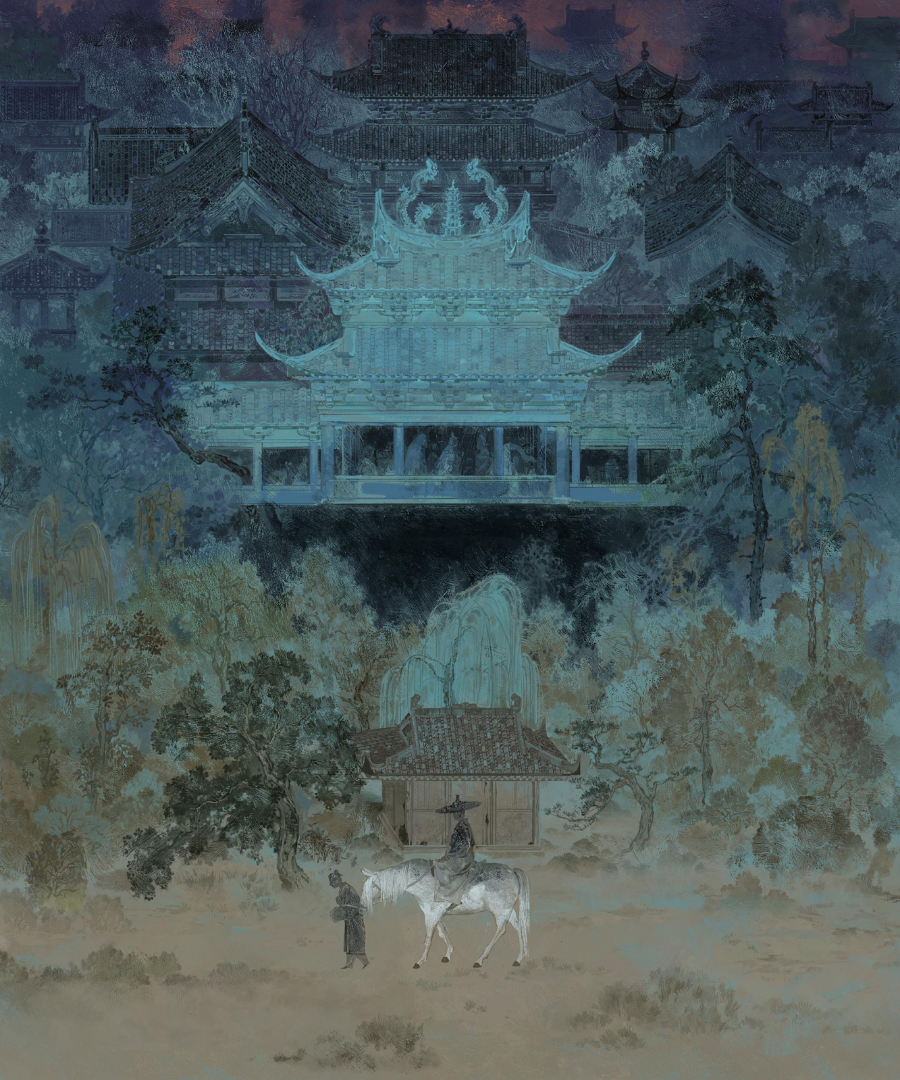
[painted by Yuqing Sheng]
INTRO
Through conquest and expansion, the Li-Ren established themselves in a region they named Li-Guo, known to foreigners as the Cathant. Although many diverse subcultures and ethnicities now reside in this land, their identity is unified by a shared, rich history, language, and cultural heritage.
INHABITANTS
APPEARANCE
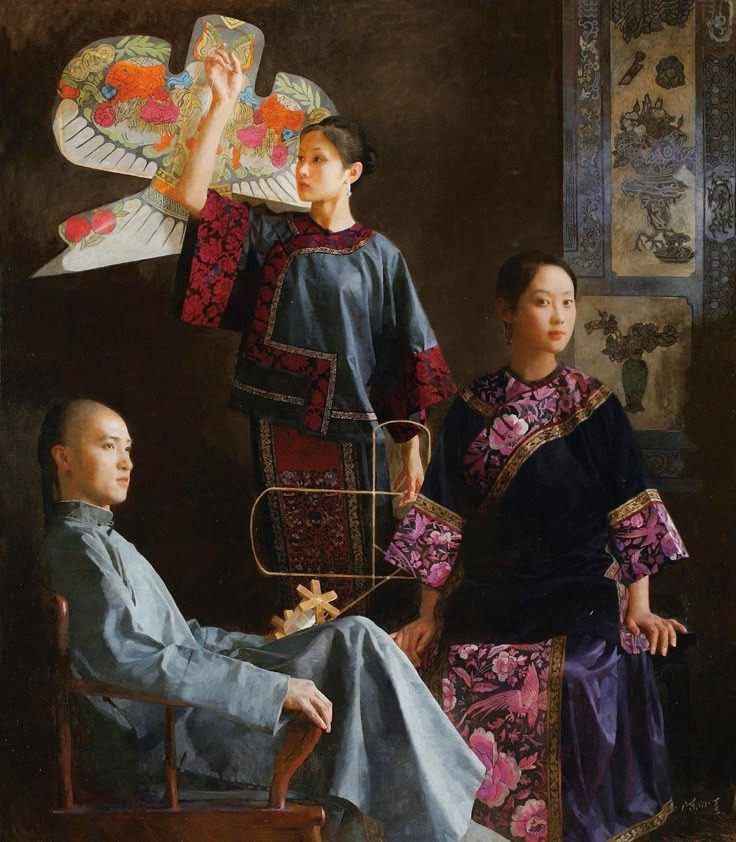
[painted by Chen Yanning]
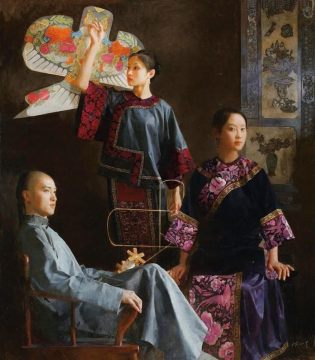
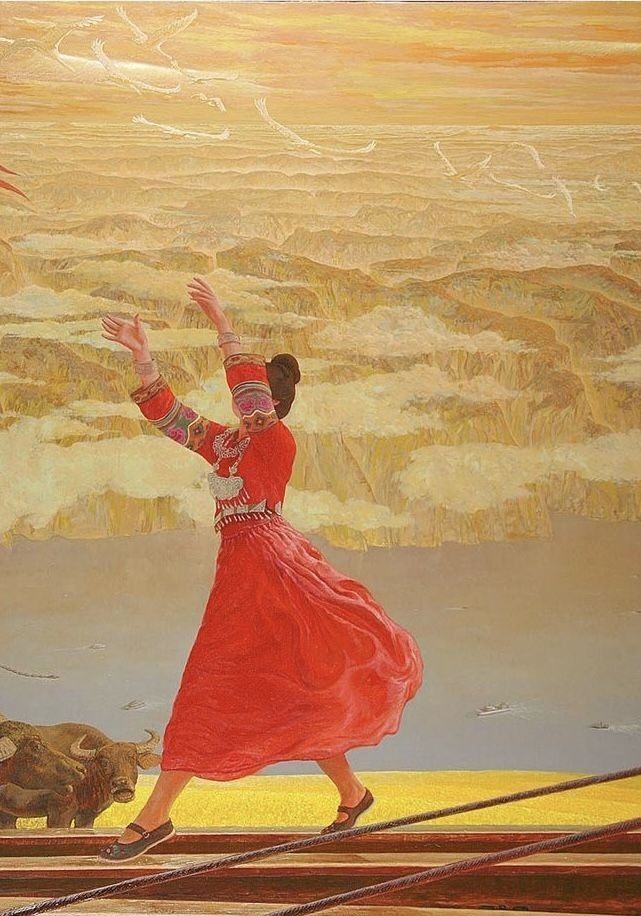
THE LI-REN PEOPLE are Farfolk humans with pale olive to tawny brown skin, straight dark hair, and dark eyes. There are but a few differing races in the land, such as wood elves and Hou-zi, who only exist in remnants on the outskirts of Li-Guo’s provinces in isolated communities where they govern themselves. They do not share the Li-Ren appearance or fashion but may adopt similar cultural values and practices. Moreover, while half-elves could exist from Li-Ren humans, they are rare due to how incredibly sparse elven populations are, who were made scarce following the conquest of Aeldin. As they are less fertile than humans, it is highly uncommon to see a family of them.
ETHNIC GROUPS
In Li-Guo, banners are powerful symbols of ethnic heritage, representing the distinct groups that inhabit the region. While the Li-Ren people share a unified writing system and language, their speech varies by dialect across different groups, as do their practices and traditions. Each banner is further divided into clans, a social structure that emerged over two centuries ago with the rise of Li-Guo’s current ruling class.
THE HUANG account for the majority of the Li-Ren populace. They are largely populated in the centermost region of the nation, building cities and large hubs to support their high populations. Used to their courtly way of life, they conduct themselves with regality and superiority.
THE JIANGNAN are settled along the northeast coasts, their cities a hub of trade and cultural exchange. They are extremely innovative and shrewd, with many taking careers as merchants, inventors, or business owners.
THE HANJUE can be found in the northwestern tundra, steppe, and mountains. Their lands are cold and unforgiving, and thus they have adopted a firm and indomitable spirit to survive. They are renowned archers and horseback riders.
THE XIYU live in the southwestern deserts of the region, split between the windswept ergs and summit of a long-extinct volcano. They are spirited and carefree, so enamored with the cultures around them that they adopt some of their practices as their own. They love poetry, music, and a number of creative pursuits.
THE YEYU are native to the southeastern subtropics and islands. A pious and virtuous people, they display about as much regality as the Huang, though with a little more humility. While promoting a culture based around spirituality and self-reflection, they enjoy more scholarly pursuits.
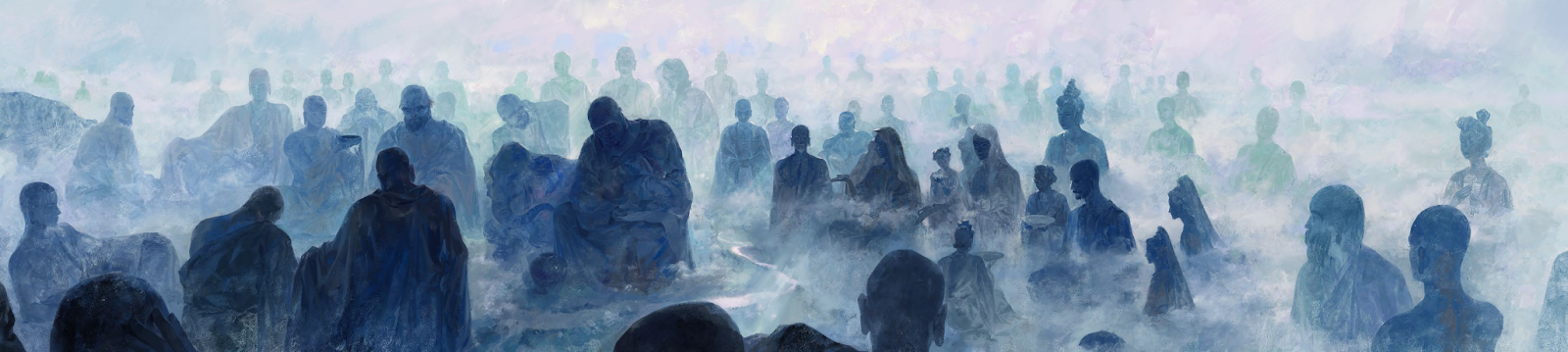
[painted by Yuqing Sheng]
RELIGION
The three most common religious practices for many Li-Ren are Dharma, Tzaoism, and Shidoism. However, the majority of the populace in Li-Guo practice Tzaoism.
The ultimate goal of a Tzaoist is to cultivate the mind and achieve balance within their soul’s energy. Thus, leading to “ascension” into a higher state of being, detached from worldly ties. Tzaoism has become the primary religion in Li-Guo as it offers a means to distance themselves from the Hou-Zi teachings previously imposed upon them. Furthermore, it adds legitimacy to their new rule. The creation story in Li-Ren culture differs slightly from what the descendants may know, yet it retains familiar elements.
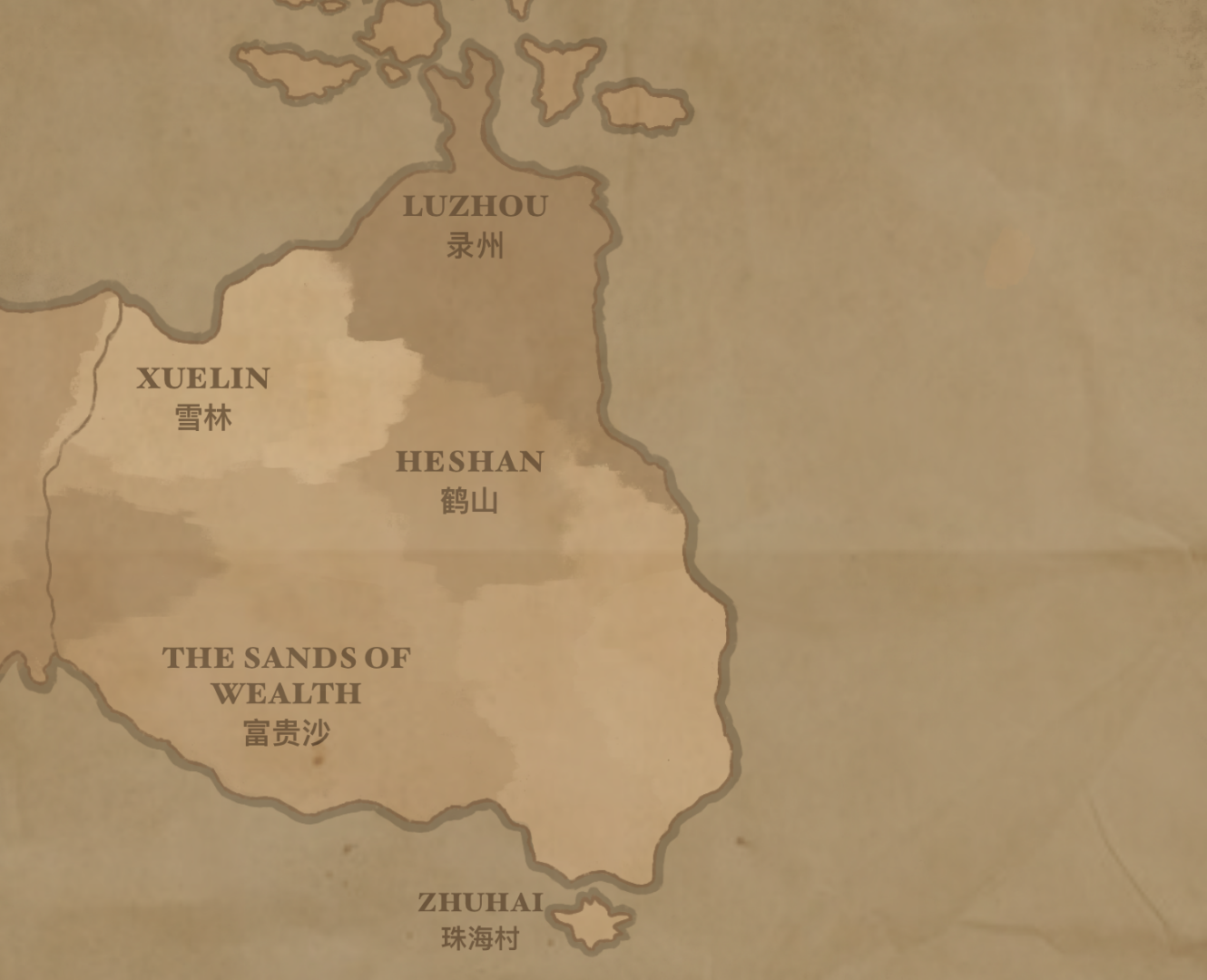
[A comprehensive map of Li-Guo ]
REGIONS
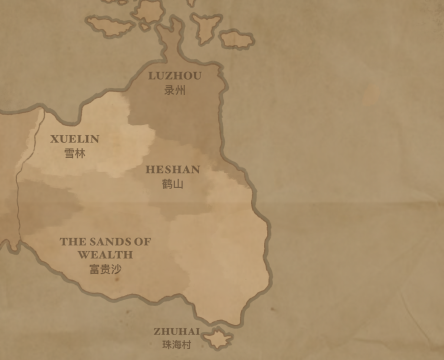
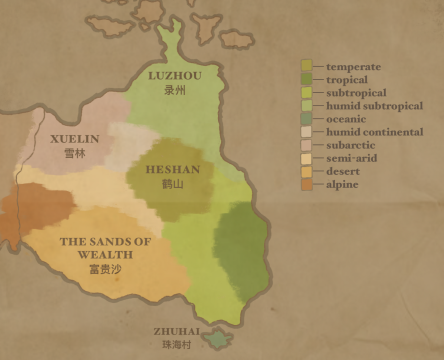
Li-Guo is a vast realm, extending from the Huang-he river to the borders of Zhou. Its diverse geography creates a wide range of climates, from arid deserts to lush valleys. These environments shape fauna, local customs, architecture, and lifestyles, making each Li-Ren culture as distinct as the land they inhabit.
[painted by Yuqing Sheng]
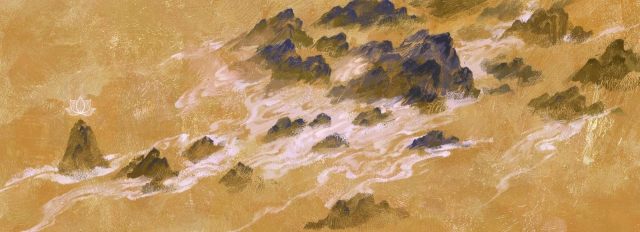
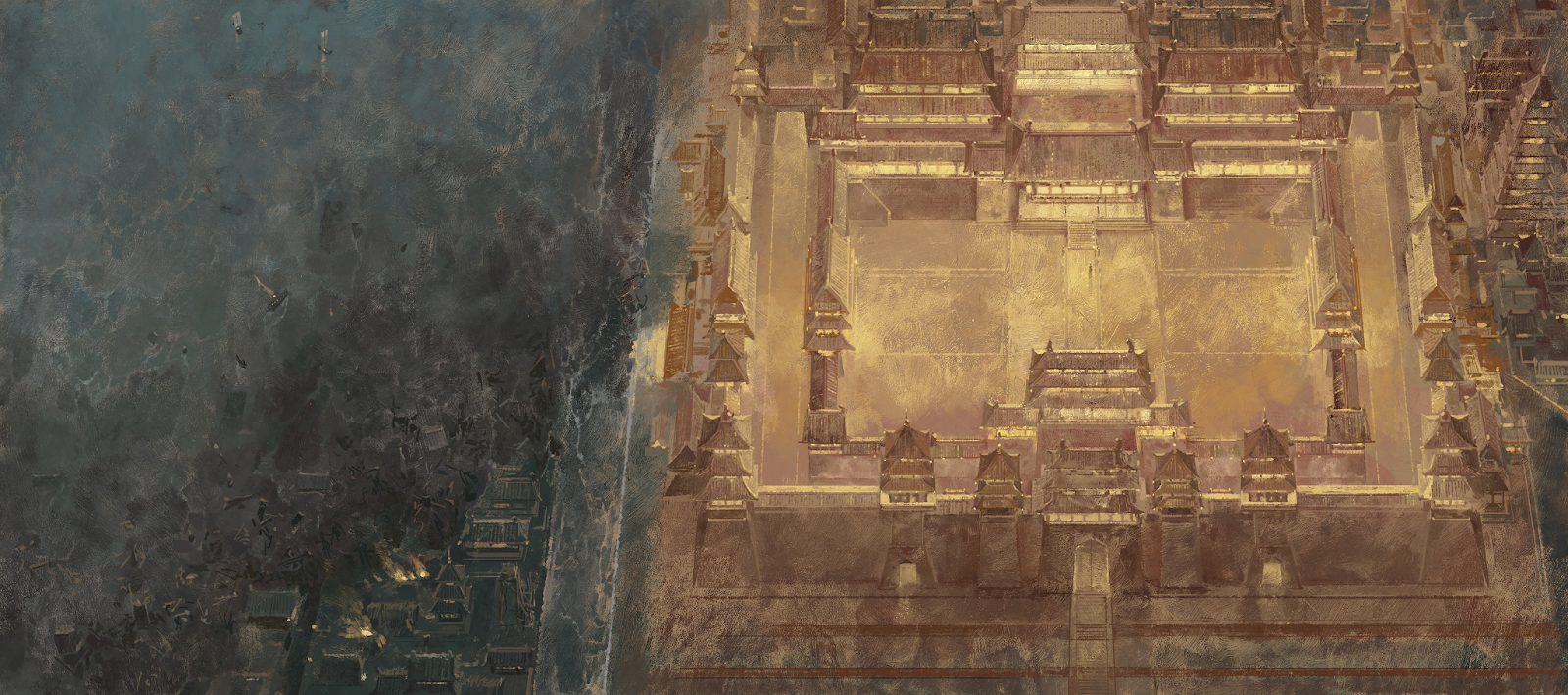
鹤山 HESHAN, THE IMPERIAL CITY
Heshan, meaning “Mountain Crane,” rests atop one of Li-Guo’s grand peaks. The settlement sits between twin cliffs, their craggy forms stretching outward like wings of a bird in flight. The city located at the heart of the realm is divided into four tiered levels, each housing a distinct social rank. At the summit lies the Gate to Heaven, a level reserved exclusively for the Imperial Family and the Emperor, who is considered the untouchable Son of Heaven. Heshan’s central location and accessible roads make it the capital, though the surrounding regions are wild and treacherous due to extreme weather, rugged terrain, and dangerous wildlife.
[painted by Xiangming Zeng]
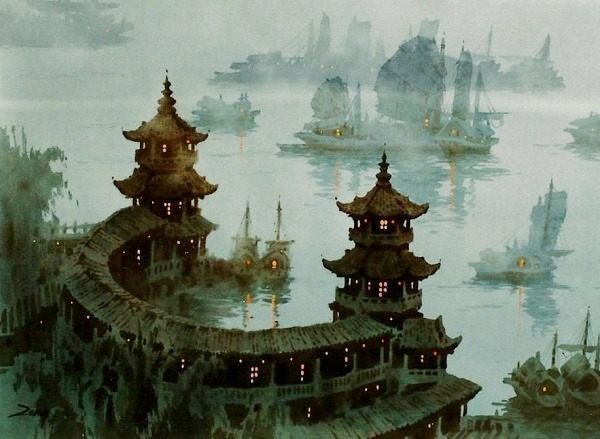
渌州 LUZHOU, THE PRINCE’S PALACE
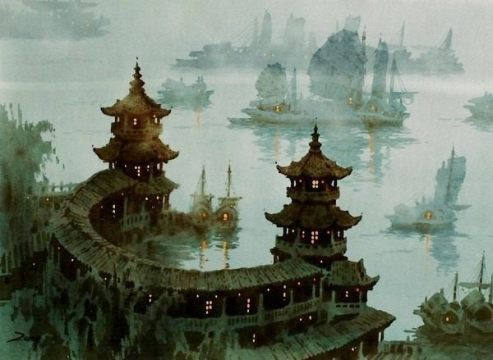
At the northeastern tip of Li-Guo, not far from Heshan, lies a bustling port city that trades with the surrounding nations of Won, Oyashima, Huibei, and the Zhou Republic. The markets of Luzhou attract traders from across Ai-Zhou, and the local culture is heavily merchant-driven along the coast. However, reaching the city is no easy feat. Travelers from the mainland must navigate a vast, treacherous swamp. While locals easily traverse it, outsiders risk getting lost for succumbing to the dangerous waters and its creatures.
[painted by Xiangming Zeng]
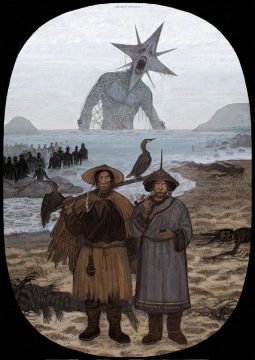
雪林 XUELIN, THE UNFORGIVING TUNDRA
Xuelin lies deep within the frost-kissed forests of northern Li-Guo, where towering pines encircle the city. Known for its harsh, unyielding winters and brief, two-month summers, this cold climate has only been mastered by the Hanjue. Their clans live in tribal villages along the mountainous border between Li-Guo and Zhou. Beyond these villages lies a perilous icy tundra, filled with jagged ice spires, fragile frozen lakes, and dangerous snow monsters.
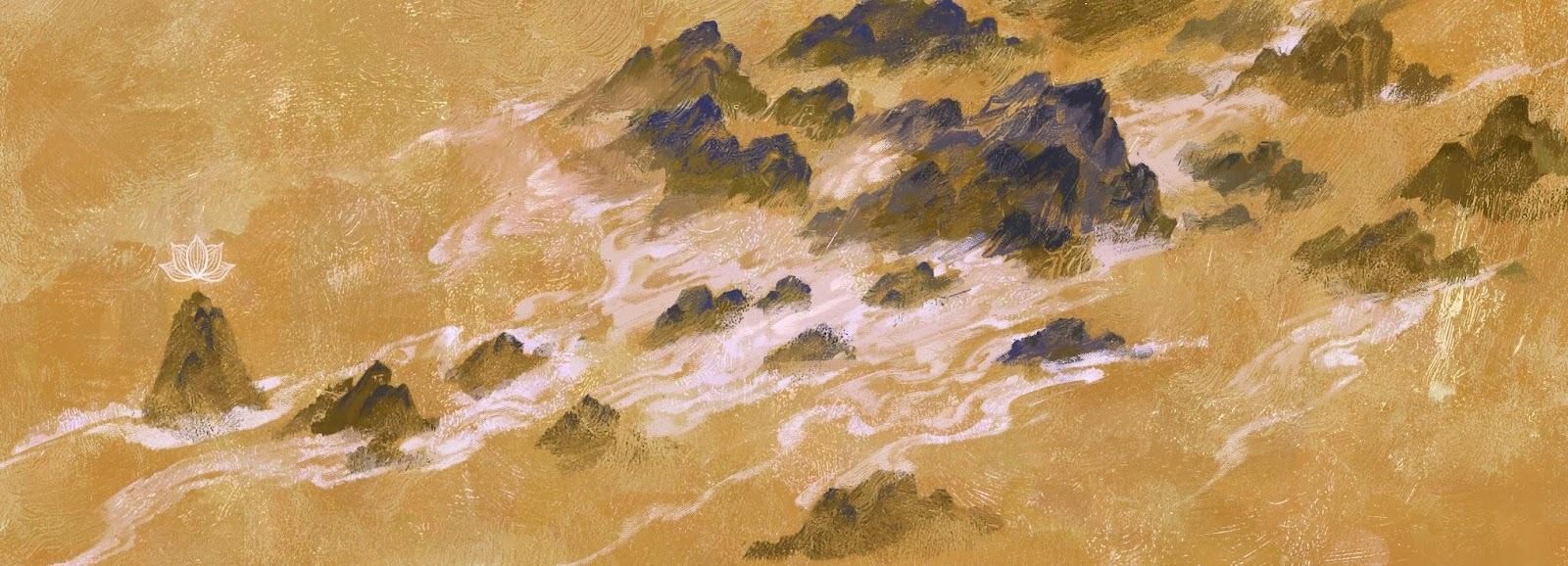
富贵沙 FU GUI-SHA, SANDS OF WEALTH
In the heart of the Fu Gui-sha desert, known in the common tongue as the “Sands of Wealth”, the sister cities stand as symbols of resilience and ingenuity. Over generations, human innovation has turned this once-barren sea of sand into thriving oases.
The easternmost city, Shen-tian Hen (沈天恨, or “Heaven’s Envy” in common), is perched within the summit of an extinct volcano, high above the scorching sands below. After desert storms, the crater fills with water, forming a seasonal lake that reflects the heavens—a vital source of fresh water for its inhabitants. The city flourishes thanks to the nutrient-rich volcanic soil and sophisticated irrigation system, allowing the Xiyu to thrive in one of Ai-Zhou’s harshest environments.
The second city, Mo Jian (莫見, or “Mirage” in common), lies directly on the desert stands, sustained by an intricate network of underground canals that draw fresh water from deep springs. The Sands of Wealth, covering the southernmost quarter of Li-Guo, is the hottest region. These two cities survive through engineering and natural adaptation.
Beyond these two cities, the vast desert remains largely untamed. Much of its expanse is still unexplored, and the scorching sands hold countless mysteries. Myths abound from delirious travelers who claim to have seen mirages of lost civilizations, wandering spirits, and strange creatures. Beneath its endless dunes, the Sands of Wealth holds much to discover.
珠海村 ZHUHAI, THE PEARL ON THE SEA
Zhuhai-cun, meaning “Pearl Sea Village,” lies southeast of the desert on a misty island at the edge of the sea. Unlike Luzhou, it is not a port city. Only a quarter of Zhuhai is visible above ground, with the rest of it submerged beneath the water and protected by reinforced metallic walls. The city is a spiritual center deeply rooted in Tzaoism, drawing monks and pilgrims from across the land. Many make the arduous journey through harsh climates to prove their dedication and seek spiritual balance. The city is unique in its social structure, as families are not raised in the traditional sense; instead, they live communally, treating one another as a single family. Leadership is provided by spiritual elders rather than a king. Zhuhai is home to two grand temples: one perched in the valley above the ocean city and another within its depths
.
WILDLIFE AND CREATURES
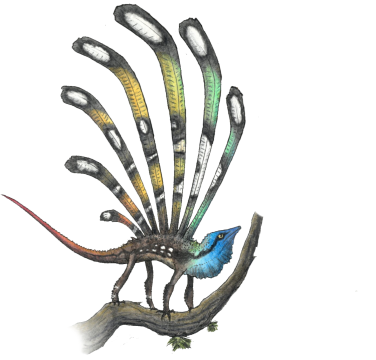
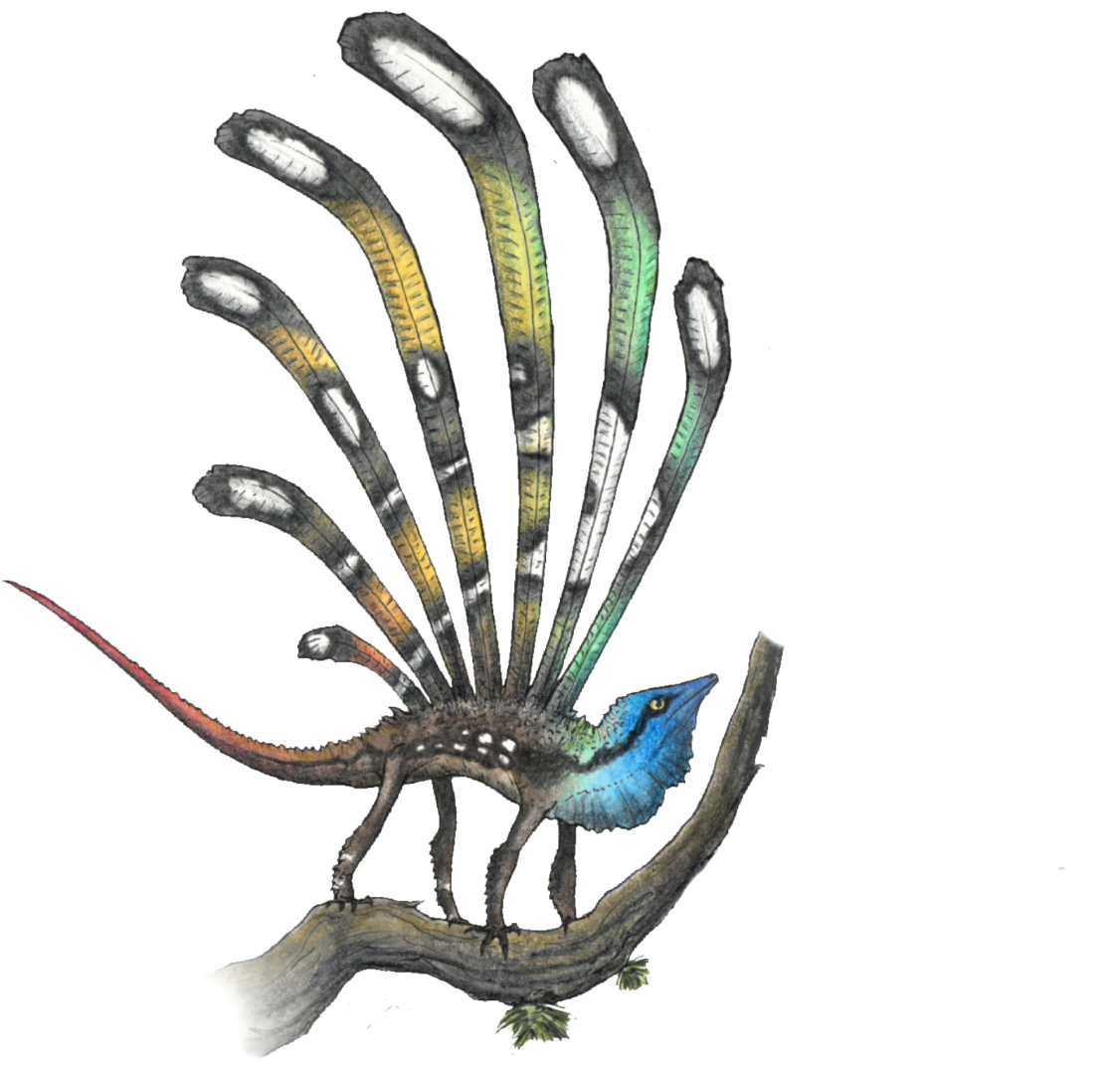
FANBACK LIZARDS (扇脊蜥蜴) are small tree-dwelling reptiles found within the mountain forests of Heshan, known for the distinctive colorful spines growing from their backs. These creatures are the subject of local legends and superstition, thanks to these fan-like protrusions. Some believe that encountering a lizard with four spines is an omen of bad luck, whereas a visit from an eight-spined lizard is a promise of fortune to come.
Their unusual colors and shape have inspired local fashion, too, with some donning extravagant hair pins imitating their spines.
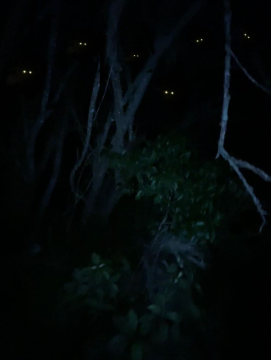
THE FLAME-EYED DEMONS (萤睛妖) lurk within the depths of Luzhou’s forests, crawling along the branches of the dense canopy. Spotting them is difficult thanks to the shadowy foliage, but the glow of their eyes—like dancing fireflies—are hard to miss, even in the darkest corners of the woods.
Local legends warn of their ability to steal familiar voices, imitating loved ones to lure travelers off the path. But in spite of their haunting appearance and the unsettling myths circling them, these creatures are more curious than vicious.
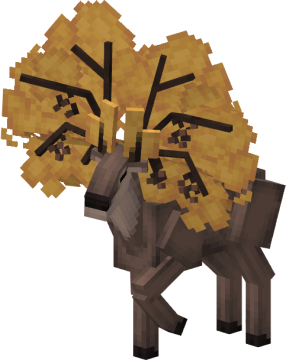
SILVERWOOD STAGS (银冠鹿) are elusive creatures rarely encountered by humans, found within the deepest parts of Heshan’s forests. Massive branch-like antlers crown their heads, leaves much like that of the forest’s native ginkgo trees covering their surface. As autumn approaches, these leaves turn to a striking amber, fruit sprouting from the lower tines of their antlers. These seeds are highly valued for their alchemical properties, prompting healers and avaricious adventurers alike to venture into the wilds in the hopes of gathering them before their leaves and fruit shed in the winter months.
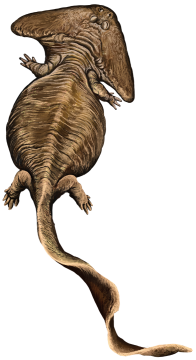
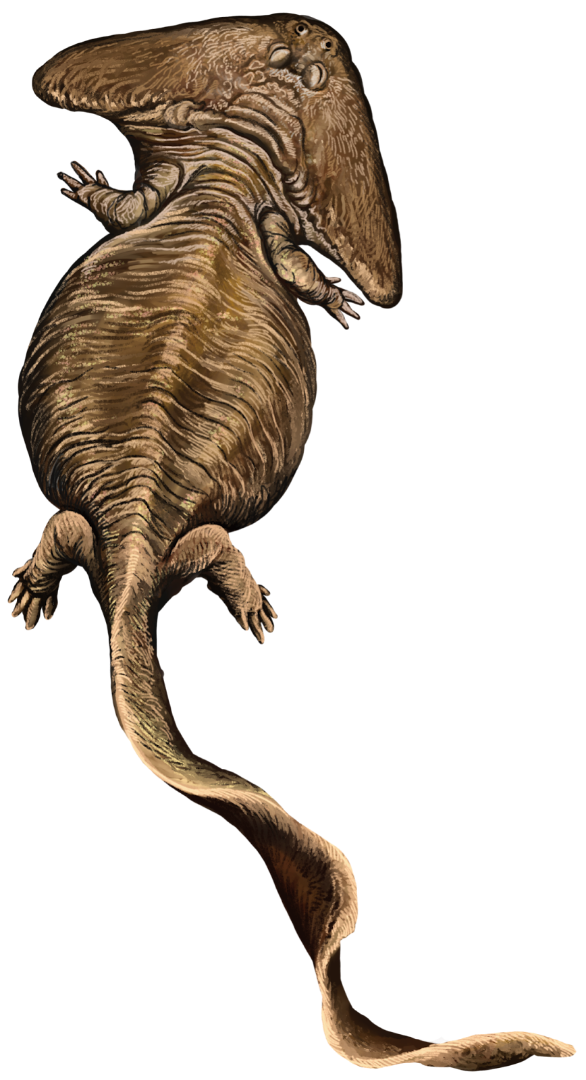
MOON-STEALING SALAMANDERS (月首螈) dwell within the freshwater swamplands of Luzhou. Their name comes from the unique shape of their skulls, resulting in a crescent-like head shape, as if they’ve caught the waning moon in their jaws. Despite their large size, these creatures are relatively docile, preferring to avoid predators and human activity as best they can–though they are known to bite if provoked. Should an unfortunate traveler step on one of these creatures, they’ll be met with a mouth full of needle-like teeth snapping at their ankles.
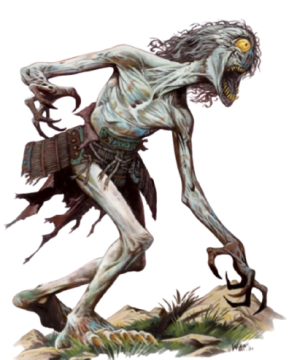
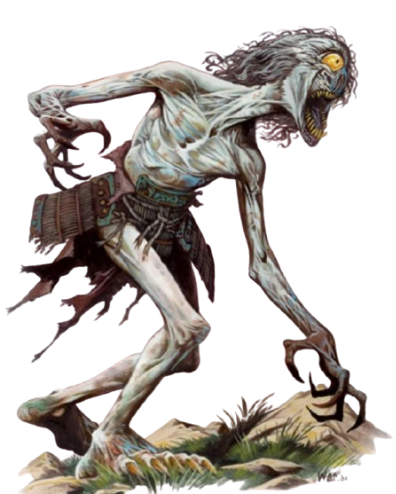
FROST EATERS (吞寒) populate the most inhospitable regions of Xuelin, residing in remote caves scattered across the icy landscape. Their appearance is unsettling: gaunt, emaciated frames with mottled skin, making them almost indistinguishable from a frostbitten corpse when glimpsed through a blizzard. A massive, sunken eye rests above a grotesque mouth lined with uneven, rotted teeth. These scavengers wander the jagged ice spires in search of food, even digging up freshly buried bodies to feast upon.
Despite their ferocity and strength, these beasts are gullible and are repelled with little effort. They are especially frightened of dogs for reasons unknown, which is why locals favor them for sled travel when passing through the north.
NIGHTFALL IN FU GUI-SHA draws out a nightmarish beast known as BLOOD-SUCKER (吸血兽). These grotesque creatures shamble across the sand in search of hot-blooded prey, heads low to the ground as they sniff out their next meal.
When they strike, it’s swift and brutal: the barbed end of their tail punctures the creature’s flesh, allowing them to drain its life force with their proboscis-like tongue. By the time they’re finished feasting, whatever sorry animal they’ve found is reduced to a husk, almost mummy-like in appearance.
A foul odor like a carcass left in the sun, brined in sulphur and baked till ashiness clings to these creatures—a warning of their impending approach to travelers and local farmers alike.
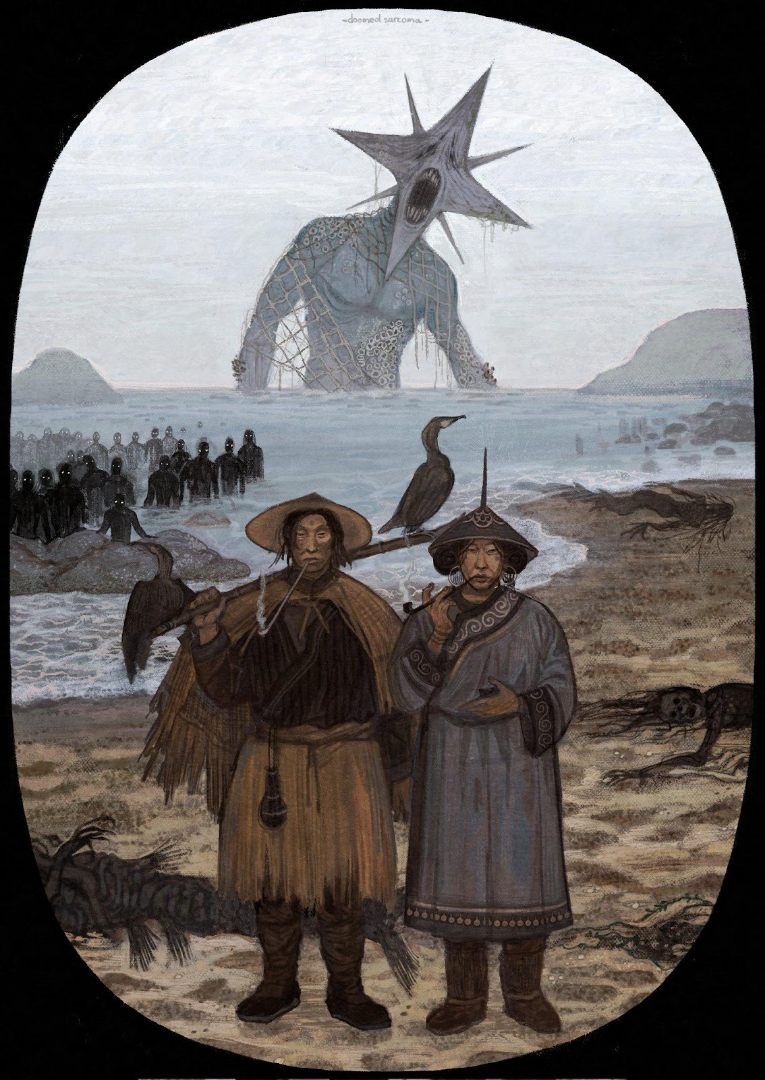
AS THE SUN SETS, ICHTHYOBSCURI (渊鱼) awaken along the coasts of southern Li-Guo. They nest in the crevices of craggy ravines near Zhuhai, tucked away in winding burrows in the rocks’ surface. Rows of jagged teeth and clawed, webbed limbs make them formidable foes, allowing them to easily tear through the hulls of unlucky fishers’ ships.
YUANSHI (元狮) call the southern coasts of Li-Guo home. These beasts vary greatly from region to region, having evolved to withstand their extreme conditions.
Those within the desert sands are particularly striking, their bodies resembling molten earth, magma seeming to flow through their veins, glowing behind the basalt outline of their skeletons. Each breath ignites the fire within, the pulse of a furnace beating against their ribs.
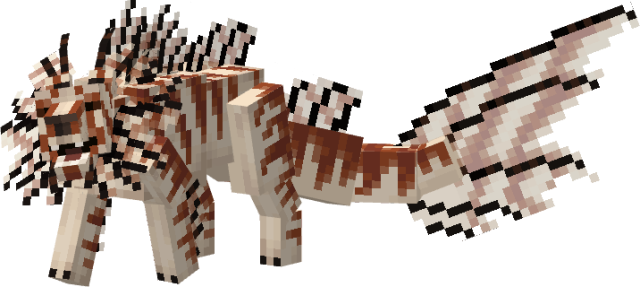
In contrast, those in the littoral wilds possess more aquatic features, adapted to hunt along Li-Guo’s bountiful coasts. Their manes are a striking array of thin, striped spines connected by a pale orange and white membrane. While they typically lay flat against the beast’s head, these manes can flare outwards—often as a show of dominance or to attract mates. Fins line their limbs and tail, allowing these fierce predators to dominate both sea and land.
─────────────── °∘❉∘° ───────────────
PURPOSE
CREDITS AND CITATIONS