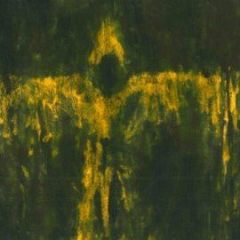
WuHanXianShi14 0 Share Posted March 29, 2019 The Songbirds Tribe of the Four Winds Synopsis The Songbirds, known in the elven tongue as the Lenetta, are a wood elven Seed who live a nomadic life, roaming from city to city. They are best known as highly skilled performers, who devote themselves to putting on great theatrical shows wherever they roam. The Lenetta are divided into two main bloodlines, the Eagle and the Raven. But, anyone who is a skilled musician and wishes to learn their customs is welcome to be part of their wandering troupe, and will be treated like family. Origin & History The Lenetta seed originated with one man, an elven warrior by the name of Faelian. In a time before recorded history, the ancestors of the mali’ame lived not in cities, but roamed the deep forests in nomadic tribes. Often, these tribes found themselves at war- for various petty reasons. An insult, a dispute over hunting grounds, a slight at a ceremony. We know not what tribe Faelian belonged to, only that he was a fearsome fighter, whose barbarity and bloodlust in battle led many to believe he was directly possessed by the great Wolf spirit himself. Faelian took charge of many raids against his enemies, leaving a trail of blood in his wake. As Faelian grew older and wiser, he began to see error in his ways. The remorse for the killings he had committed, and the grief he had put upon thousands of widows and orphaned children came down upon him like the weight of a mountain. He turned away from his tribe, and burned his bow and spear, swearing never to take another life. Faelian left into deep, primal wilds where he was unable to be found, and spent years living life as a recluse, drowning in guilt. After a decade in isolation, Faelian experienced a miracle. As he drank from the pool of a clear spring, a god appeared to him in the shimmering water surface: Kwakwani, the great Raven trickster. Kwakwani spoke to Faelian, telling him there was still a chance for him to bring balance to his life, spread happiness and joy to the world to counteract the pain and suffering he had caused. Thus, the Raven presented Faelian with three blessings. He gave the elf compassion, and took the bloodlust from his soul. He gave the elf peace to his heart. Most importantly, Kwakwani, patron of all artists, bestowed Faelian with the gift of music- giving him a voice that could charm the iciest of women, and bring tears to the hardiest of men. Faelian the warrior died that day, and he was reborn, as Faelian the singer. He returned to the world of the elves, where his gift of music began to draw eyes across many of the wood elven tribes. He soon became the master of the lute, the harp and the pan flute. His reputation quickly grew, and soon, entire tribes would travel many miles just to hear him perform. Over time, Faelian took a wife, Tarra, and by her had two children, a son named Lavelan, and a daughter named Hamasia. He also accumulated many followers, apprentices who wished to study the way of the song under him. They slowly grew into a tribe of their own. Faelian considered this tribe his new family, and named them Lenetta- the Songbirds. For centuries, the Songbirds traveled from tribe to tribe, delighting men, women and children alike with their melodies. They expanded from songs, beginning to perform plays, and execute daring, dangerous stunts. Even if two tribes were at war, they would pause hostilities if Faelian and the Songbirds were travelling through their territory. No one dared harm the blessed entertainers. Not long before our time, a cataclysm wreaked through the world of the nomadic wood elves. A war that left them so depopulated they were forced with a choice- band together and live in a city, or die out entirely. The Songbirds had escaped the destruction of this war, but were faced with a similar choice: settle into Laurelin, the new elven city, or remain true to their nomadic roots. Faelian was ancient by now, on his last breath. But the gods were not quite yet done with him. Nemglan, the great Eagle spirit, came before him in the form of a dream. He commanded Faelian to have the Songbirds continue to wander the world, sing their songs to all who would listen. Not just elves, but to men and dwarves as well. Nemglan proclaimed that as long as the Songbirds remained true to their nomadic routes, they would always have the eagle’s blessing when travelling. Faelian commanded this to his disciples when he awoke. Three days later, he passed away. The Songbirds kept true to their master’s command and the eagles will. To this day, the Songbirds roam between the world’s cities, never permanently settling in one. They devote themselves to performing, making a name for themselves as artists, singers, dancers, playwrights and stunt masters, taking great joy in their craft. Current Bloodlines The Songbirds are divided among two main bloodlines. The Eagle moiety, named for Nemglan who blesses the Songbirds’ travels, and the Raven moiety, named for Kwakwani who gifted their forefather Faelian with the gift of song. Elves of one bloodline are encouraged to take mates in the other bloodline to preserve genetic diversity. The Raven Bloodline The Elves of the Raven bloodline are said to be descendants of Lavelan, the son of Faelian. They tend to have black hair and blue eyes. Generally they excel in musical disciplines, like singing and instrument playing. The Eagle Bloodline The Elves of the Eagle bloodline are said to be descendants of Hamasia, the daughter of Faelian. They tend to have auburn hair and golden eyes. Generally they excel in physical performance, like dancing and stunts. The “Bloodless” The Bloodless are elves who belong to neither bloodline, but have been welcomed into the Songbirds due to their skill in the performing arts. Bloodless are not looked down on at all. As long as they can perform, they are seen as equal members of the family. Appearance Generally, the elves of the Songbirds prefer colorful clothing and jewelry that reflect their personality and preferences. Female Songbird will often gravitate towards clothing that accommodates the whimsical ways of dance. Something airy, such as silks that drape from the shoulders and hips, is ideal. They are keen on showing skin to compliment their craft; though are mildly against being too scandalous fearing that they would insult the people they are currently visiting. The same goes for male Songbird, who prefer the same airy clothing that showcases a hefty amount of skin. Songbirds like to paint their skins in vibrant colours when performing, preferably with pigments that are easily altered or removed. Festival paints of vivid colors will be often seen dancing across bare skin in hopes of striking curiosity into the minds of the entertained. Like other ancestral wood elven tribes, the Lenetta all bare a tattoo that distinguishes them to one another. It's likeness closely resembles Kwakwani’s Wings, a marking usually meant to distinguish artists and poets of any Seed. Given that all Songbirds’ are performers, this mark has been adopted as the emblem of their tribe, with some modification. The dark shades of the raven are juxtaposed with the bright gold of the eagle, ensuring both of the tribes patron Mani are represented. Faith and Practice Throughout the years, the Songbirds have followed their ancestral faith, turning their eyes toward the Aspects and the Mani, as mali’ame have for centuries. Aspectism is weaved into their arts, be it song and poetry, or through elaborate dance. Stories that have been passed down through generations have been transformed into beautiful artistic expression. Symbolism and allusion are commonly seen in their performances as ways to teach and inspire faith within their audiences. Traditionally, the Lenetta have demonstrated Emeraldian values, placing importance on their physical and mental endurance, as seen through the stunts and acts that they perform, which seem to test the limits of what is possible with the body of mali. The tribe itself is another testament to the values of Emerald Aspectism, showing the strength of numbers often found. Unlike emerald aspectism, however, they place an importance on the worship of the Mani, the demigods of the wild. While nearly all mani find their praises being sung by the Songbirds, the patron mani of the tribe are Kwakwani the Raven, and Nemglan the Eagle. The duty of upholding the faith is typically a mantle passed down from generation to generation. To become the Oracle of the Songbirds is to become a guide for all songbirds, in faith and through all. They serve as the spiritual center of the tribe, and train the next Oracle so that the aspects are always remembered by the great performers of the forest. Performances Over time, the Songbirds developed many unique skills all meant to dazzle crowds and draw people in. These feats of showmanship are regularly performed today, to the delight of lucky townsfolk graced by the troubadours’ visits. Fortune Telling Palm reading is a fairly simple method of fortune telling. Typically, it will take the seer a reasonable amount of time to learn how to effectively palm read and deliver forewarnings/predictions that will effectively apply to the individual and those around them. The more risque form of fortune telling comes in tarot cards. The most recent deck is based around current Emeraldian values. Each card represents a different aspect or patron that corresponds with an element or state of being. It is up to the seer to forge a bond with each aspect or patron through rigorous meditation and religious practice. This will usually take years to master, as the seer will find it extremely difficult to maintain these bonds as they continue working through familiarizing themself with the current aspects and patrons. Though once a seer is practiced enough, they can efficiently vocalize the teachings and moral values of the cards and their basis to deliver a fortune that is not only reliable, but strong enough to guide an individual through hardship. Dancing Songbird dancing is fiery, passionate and expressive. There is no stiff courtroom waltz to be found here. Belly dancing is common, as are those who play flirt with fire and steel. The Songbirds of legend were the best sword dancers and fire dancers in the world. Plays At their origin, the plays the Songbirds performed were drawn exclusively from wood elven folklore. Tales of the great Animal spirits, the Aspects, and the Green Dragon were common. As the Songbirds diversified and began performing in non-Elven communities, they began to perform plays from other cultures as well. Now it is not uncommon to see Lenetta actors performing the tale of St. Owyn in human cities, or the saga of Khorvad among dwarves. Music Much like in dancing, Lenetta songs originally sung exclusively about elven stories. While they are still prominent amongst the clan, Songbird bards have since begun writing songs in the common tongue, and are capable of crafting lyrics as diverse as a sea shanty is to a Qalasheen chant. The favoured instruments of the tribe are the pan flute, harp and lute. But you could give an empty moonshine bottle to the most skilled of Lenetta musicians, and he could play a tune so melodious it could bring a grown man to tears. Stunts Stunts are generally performed by the most able bodied individuals in the clan. They are expected to be proficient in other art forms to physically (and mentally) prepare the body for the rigorous routines ahead. Stunt performers can walk across tightropes performing gravity-defying acts that keeps the crowd on the edges of their seats. Or they will juggle the sharpest of elven blades while dancing along to a merry tune. A performer may even play with fire while they perform; a truly awe inspiring feat in the eyes of the beholder. Lifestyle The Songbirds are nomads, but by no means do they live hard lives. Over the centuries the singers have become master wagon-builders. The Lenetta are not homeless, no. Indeed, they bring their homes with them wherever they go. Lenetta wagons are built to serve all purposes. There are tavern wagons from which they serve ale to whichever city hosts them. There are kitchen wagons to feed their hungry performers. There are cozy house wagons which rival the most posh of palaces in comfort and style, and most importantly, stage wagons, designed to unfold outwards to provide a grand venue to dazzle their audiences with. Lenetta wagons are versatile and are able to traverse across almost any terrain. They often find themselves parked outside of major cities, where the Lenetta live in their wagons outside, entertaining the townsfolk who live within. Link to post Share on other sites More sharing options...





.thumb.png.4e5370fc69f142d96a905e477cd5dd97.png)












Recommended Posts
Archived
This topic is now archived and is closed to further replies.