Urahra
-
Posts
3247 -
Joined
-
Last visited
Content Type
Profiles
Personas
Wiki
Rules
War
Systems
Safety
Player Conduct
Roleplay Leadership Guidelines
- Roleplay Leadership Guidelines
- Roleplay Leadership Guidelines Comments
- Roleplay Leadership Guidelines Reviews
Forums
Everything posted by Urahra
-
Introducing… The NGS GUEST LECTURER Series Featuring Lord Mithius Dalma! •─────────────────•𖥠•─────────────────• •─────────────────•𖥠•─────────────────• EVENT ANNOUNCEMENT THE NORTHERN GEOGRAPHICAL SOCIETY, in our effort to expand the frontiers of knowledge, will be hosting a series of educational and entertaining lectures at our Flagship Museum. These lectures will feature individuals from all walks of life, sharing important lessons they've learned. Our third guest lecturer will be LORD MITHIUS DALMA, the richest elf who ever lived. Lord Dalma is the Nardo of Clan Dalma and a candidate in the current race for Mayor of Rittersburg. Lord Dalma has been a longtime friend and patron of the Northern Geographical Society. He is an exceedingly old elf, over nine centuries old, and has served as a personal witness to much of the Empire's history. He will be discussing his amazingly long life, how he achieved his success, and his place in imperial history. An audience Q & A session will be held following the talk. LOCATION: The NGS Flagship Museum outside Rittersburg [X: 1166, Y: -1019] DATE & TIME: [Saturday, June 6th, at 1pm EST] •─────────────────•𖥠•─────────────────• SIGNED, DR. TANITH VURSUR, PhD. @Urahra Vice President of the NGS Her Ladyship, DAME MANON YVAINE VON VOLKRICH, SUPERVISOR @esotericas Dame of Arts, Lady of Deguise, Baroness of Guise and Distrugestadt, President of the Northern Geographical Society P U B L I S H E D U N D E R T H E A U T H O R I T Y O F T H E N G S “ A D T E R R A S N O V A S ” THE VIEWS AND INFORMATION CONTAINED WITHIN THIS DOCUMENT ARE THE SOLE RESPONSIBILITY OF ITS AUTHOR(S). THE NORTHERN GEOGRAPHICAL SOCIETY IS NOT RESPONSIBLE OR LIABLE FOR ANY CONTENTS. •─────────────────•𖥠•─────────────────•



-
UPDATE! Entry 202. https://taniths-diary.malins-welco.me/ Tanith gets a book and cries again. Always the tears with this woman. Sheesh.
-
poetry Psalms of an Exile - A Collection of Poems by James Vursur
Urahra replied to Malins Welcome's topic in Culture
Tanith Vursur buys a copy of the poetry book and makes a mental note to have her son autograph it later! -
Introducing... The NGS GUEST LECTURER Series Featuring Her Imperial Majesty, VALENTINÁ of ASTURIAS •─────────────────•𖥠•─────────────────• •─────────────────•𖥠•─────────────────• EVENT ANNOUNCEMENT THE NORTHERN GEOGRAPHICAL SOCIETY, in our effort to expand the frontiers of knowledge, will be hosting a series of educational and entertaining lectures at our Flagship Museum. These lectures will feature individuals from all walks of life, sharing important lessons they've learned. Our second guest lecturer will be Her Imperial Majesty, VALENTINÁ OF ASTURIAS, our beloved patroness. Her Imperial Majesty has been a longtime friend of the Northern Geographical Society, as well as a scholar and author in her own right. Her Imperial Majesty will be discussing her life, her philosophies, and her vision for the future of the Empire of Man. An audience Q & A session will be held following the talk. LOCATION: The NGS Flagship Museum outside Rittersburg [X: 1166, Y: -1019] in our new expanded library wing. DATE & TIME: [Sunday, May 31st, at 1pm EST] •─────────────────•𖥠•─────────────────• SIGNED, DR. TANITH VURSUR, PhD. @Urahra Vice President of the NGS Her Ladyship, DAME MANON YVAINE VON VOLKRICH, SUPERVISOR @esotericas Dame of Arts, Lady of Deguise, Baroness of Guise and Distrugestadt, President of the Northern Geographical Society HER IMPERIAL MAJESTY, Valentiná of Asturias, By the Grace of GOD, Sancta Imperatrix Mundi, Empress of Azuras and of all Mankind, forever August, Queen of Burgundy, Oren, Renatus, Marna, Curon, Kaedrin, Salvus, Seventis, Santegia, Mardon, Vandoria and the Westerlands, Duchess of the Crownlands, Avar, Cascadia, Aenus, Erochland, Grense, Helena, Istria, Kingston, Krajia, Middelan, Reutov and Sunholdt, Countess of Ager, Cantal, Carolustadt, Felsen and Rittersberg, Baroness of Dragonspeak and Senntisten, Defender of the Faith, Protector of All Men, Heartlanders, etcetera. P U B L I S H E D U N D E R T H E A U T H O R I T Y O F T H E N G S “ A D T E R R A S N O V A S ” THE VIEWS AND INFORMATION CONTAINED WITHIN THIS DOCUMENT ARE THE SOLE RESPONSIBILITY OF ITS AUTHOR(S). THE NORTHERN GEOGRAPHICAL SOCIETY IS NOT RESPONSIBLE OR LIABLE FOR ANY CONTENTS. •─────────────────•𖥠•─────────────────•



-
The Tanith Vursur Diaries, Vol. 4 1789 IST. to 1830 IST. Entry 100 – 1789 Entry 101 – 1789 Entry 102 – 1789 Letters between Edward & Tanith – Entry 103 – 1789 Letters between Tanith and the Solicitor-General – Entry 104 – 1789 Entry 105 – 1790 Entry 106 – 1790 Entry 107 – 1790 Entry 108 – 1791 Entry 109 – 1791 Entry 110 – 1791 Entry 111– 1792 Entry 112 – 1792 Entry 113 – 1793 Entry 114 – 1793 Entry 115 – 1794 Entry 116 – 1794 Entry 117 – 1795 Entry 118 – 1795 Entry 119 – 1795 Entry 120 – 1795 Entry 121 – 1797 Entry 122 – 1797 Entry 123 – 1797 Entry 124 – 1799 Entry 125 – 1799 Entry 126 – 1800 Entry 127 – 1801 Entry 128 – 1802 Entry 129 – 1802 Entry 130 – 1803 Entry 131 – 1825 Entry 132 – 1826 Entry 133 – 1826 Entry 134 – 1826 Entry 135 – 1826 Entry 136 – 1826 Entry 137 – 1827 Entry 138 – 1828 Entry 139 – 1828 Entry 140 – 1828 Entry 141 – 1829 Entry 142 – 1829 Entry 143 – 1830 Following Entry 143, Tanith Vursur and her husband Icroth Vursur disappeared from Oren. Friends suspected that her disappearance had something to do with the King in Yellow, though nothing was ever confirmed. Her best friend, Celestine Herbert-Wittenbach, set out in search of her friend and subsequently disappeared as well. Dr. Vursur and her husband have since resurfaced in the Empire of Man. She currently works and resides at the NGS Flagship Museum outside of Rittersburg. When asked about her centuries-long disappearance, however, she has little to say. "I prefer not to talk about it," quote Dr. Vursur. "It was a very difficult time in my life. What matters is that I'm here now and happy to be back." Volume 1 Volume 2 Volume 3 Volume 4 (You Are Here)


-
UPDATE! Entry 201 - https://taniths-diary.malins-welco.me/ Tanith heads to Maehrel-Vaxu for the first time and... oh wait, what? Not this again. Where's the entry?!
-
husband @Victanbought me ender VIP for our anniversary and now we're together when you hit tab. if that aint love then idk what is.

-
Introducing... THE NGS GUEST LECTURER SERIES Featuring LANDSKAR •─────────────────•𖥠•─────────────────• •─────────────────•𖥠•─────────────────• EVENT ANNOUNCEMENT THE NORTHERN GEOGRAPHICAL SOCIETY, in our effort to expand the frontiers of knowledge, will be hosting a series of educational and entertaining lectures at our Flagship Museum. These lectures will feature individuals from all walks of life, sharing important lessons they've learned. Our first guest lecturers, at our inaugural event, will be the world-famous band LANDSKAR! Fresh off their wildly popular Warp Tour, the members of LANDSKAR will discuss how they formed the band, their rise to success, and the challenges and changes brought on by fame. An audience Q & A session will be held following the talk. LOCATION: The NGS Flagship Museum outside Rittersburg [X: 1166, Y: -1019] DATE & TIME: [Sunday, May 24th, at 1pm EST] •─────────────────•𖥠•─────────────────• SIGNED, DR. TANITH VURSUR, PhD. @Urahra Vice President of the Northern Geographical Society Her Ladyship, DAME MANON YVAINE VON VOLKRICH, SUPERVISOR @esotericas Dame of Arts, Lady of Deguise, Baroness of Guise and Distrugestadt, President of the Northern Geographical Society P U B L I S H E D U N D E R T H E A U T H O R I T Y O F T H E N G S “ A D T E R R A S N O V A S ” THE VIEWS AND INFORMATION CONTAINED WITHIN THIS DOCUMENT ARE THE SOLE RESPONSIBILITY OF ITS AUTHOR(S). THE NORTHERN GEOGRAPHICAL SOCIETY IS NOT RESPONSIBLE OR LIABLE FOR ANY CONTENTS. •─────────────────•𖥠•─────────────────•

-
I think we should just acknowledge CT and the CT monks in RP. Like, let's codify them into lore. Let's make it official that this is a world where people only die permanently when they decide they want to.
- Show previous comments 10 more
-
As one of the final Monk players, this is basically what happened. The Lore Team ended up overlooking it and eventually the only TA left the server, while the rest had incomplete MAs; leaving the Monks in disarray. My Monk roleplayed it as a faltering of their faith and a turmoil in the world, so they became more of a groundskeeper and feeder of the poor and unwell. Gosh, it must have been like 5 years ago now at the very least.
-
I believe you were my teacher @Kaunlmao
for like 1 week until it died
-
Very likely lol @BonesOfTheEarth; I was the last one I knew of for a good 6 months after the last TA ended and I was trying to get a TA approval so I could start the group anew, but the TA got overlooked and never checked on for an update, as it needed to be roleplayed to acquire the knowledge, but the LMs at the time were interchanging constantly, so communication faltered.
-
UPDATE! Entry 199 - https://taniths-diary.malins-welco.me/ Siri, play "Sympathy is a Knife" by Charli XCX.
-
As an archivist, I gotta agree with @Shadeleafand others. Glitchy shelves have eaten so many of my books and caused them to completely disappear from the server. If I only had one copy of a rare book and the shelf glitched and ate my book, I'd smash my computer. Book copying mods allow the content to remain in circulation even long after the original books have disappeared or gotten lost. I don't agree with book piracy. You shouldn't put your name on someone else's work. But I'm glad copies of my MC books have remained in circulation for years thanks to book-copiers.
-
crazy how so much of roleplay is just making small talk
-
UPDATE! Entry 198! https://taniths-diary.malins-welco.me/ Tanith continues to be a jealous little hater.
-
+1 i've heard too much for one lifetime.
-
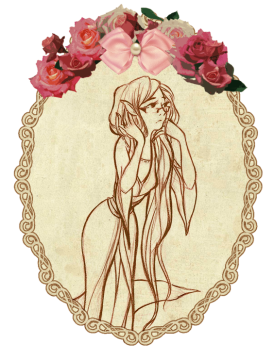
The Tanith Vursur Diaries, Vol. 3 1780 IST. to 1789 IST. Entry 67 – 1780 IST. Entry 68 – 1780 IST. Entry 69 – 1780 IST. Entry 70 – 1780 IST. Entry 71 – 1780 IST. Entry 72 – 1780 IST. Entry 73 -- 1780 IST. Entry 74 -- 1781 IST. Entry 75 -- 1781 IST. Entry 76 – 1781 IST. Entry 77 – 1781 IST. Entry 78 – 1782 IST. Entry 79 – 1782 IST. Entry 80 – 1782 IST. Entry 81 – 1782 IST. Entry 82 – 1782 IST. Entry 83 – 1783 IST. Entry 84 – 1783 IST. Entry 85 – 1784 IST. Entry 86 – 1784 IST. Entry 87 – 1784 IST. Entry 88 – 1784 IST. Tanith's Letter To Jack Entry 89 – 1785 IST. Letters Between Tanith and Jack Entry 90 – 1785 IST. Entry 91 – 1785 IST. Entry 92 – 1786 IST. Entry 93 – 1786 IST. Entry 94 – 1787 IST. Entry 95 – 1787 IST. Entry 96 – 1788 IST. Entry 97 – 1788 IST. Entry 98 – 1788 IST. Entry 99 – 1789 IST. Volume 1 Volume 2 Volume 3 (You Are Here) Volume 4

-
UPDATE! Entry 196! https://taniths-diary.malins-welco.me/ Something's wrong with Lori, guys. :<
-
The culture of Clan Kameki is rooted in survival after slaughter. Death and violence have shaped the Kameki since the Aegean Age. As maehr clans go, the Kameki are a largely peaceful group. They do not seek to enact brutality against others. Yet the lingering memory of mass death and ethnic cleansing lies at the heart of their traditions. In the Aegean era, the Kameki were an expansive clan. They moved across the landscape in great caravans and refused to settle in one place for long. Rather than build permanent structures, they lived in tents and covered wagons. Waste disgusted them, so they focused on being resourceful, frugal, and inventive with what they owned. Money came into the caravan primarily through the sale of handicrafts, mostly textile based. Clan Kameki valued history and reverence for the ancestors, expressed through the stories they told, the crafts they made, and the performances they staged. Their culture was patchwork, blending mali tradition with valah custom. They had a tendency to adopt bits and pieces of the places they visited. This showed up prominently in their naming conventions. Members of Clan Kameki might use a traditional elven name like Vel'aryla or a human-style name like Gerald. On the whole, the Kameki were hospitable, egalitarian, eager to share, and quick to make friends. Yet not all people appreciated Clan Kameki's hospitality. In 1273 of the First Age, Clan Kameki established a camp outside the merchant city of Alras. They brought noise, life, and movement to the city. Songs and poetry spilled from the Kameki camp day and night for weeks. Many Alrasians traded with the caravan. Some drank with the Kameki. Some danced with them or listened to their stories. Others condemned them as wild and dirty vagrants who brought shame to the city. Typically, the Kameki would move after two or three months. Gold flowed liberally from the merchant city, however, and so the Kameki stayed to earn a profit. The longer the Kameki stayed, the worse their reputation became. The Kameki were not rude guests, but their customs were strange and unsettling. For example, they practiced rituals involving large vats of dye that the Alrasians feared would poison the water supply. In addition, the Kameki often reused or repurposed things that others left behind — which led some to accuse them of thievery. As part of their rituals, the Kameki habitually wore masks that obscured their faces. To the Kameki, anonymity was truth. A person could only be their most authentic self while wearing a mask. To outsiders, though, these sinister masks signaled only duplicity, mystery, and dishonesty. Complaints grew and yet the King of Alras, Aislinn Hightower, did nothing. Angered by their ruler's negligence, a group of citizens decided to take matters into their own hands. No one quite knows how the Kameki Massacre started. Perhaps it was an argument that got out of hand. A punch was thrown, a nose was broken. No matter how it started, no one could forget how it ended. One minute, night lay peacefully over the Kameki encampment. The next minute, flames engulfed the tents and wagons. The Kameki awoke to smoke and horror, seizing what they could before they fled. Yet escape did not guarantee safety. If they did not perish in the fire, they perished on the swords and pitchforks of angry Alrasians. By morning, the Kameki camp was a smoldering ruin littered with the broken bodies of the slain. Only a few Kameki escaped the massacre — Gerald Kameki, his wife Anastasia, their daughter Rina, and their sons Heraldo and Gor'il. The five survivors did not know if any other Kameki avoided slaughter. It was possible that they were the only ones who made it out alive. Together, they faced a task that was as daunting as it was heartbreaking. To preserve the clan's culture in the face of total extinction. Much of Kameki culture solidified and intensified in response to their trauma. They were nomadic prior to the slaughter, but now they knew the price of staying too long in one place — death. They no longer traveled for the joy of exploring new places and meeting new people. Rather, they traveled in hopes of avoiding yet another massacre. To the Kameki, family ties took priority over everything. Their filial loyalty grew in the wake of the tragedy, but their mistrust of outsiders did also. The Kameki became more secretive, more guarded. Due to their nomadic lifestyle, they rarely — if ever — had the chance to form friendships outside of the clan. Their slaughter at the hands of the Alrasians taught them self-sufficiency. If they relied only on themselves and their family, then they would never be vulnerable again. These principles became the heart of the Kameki clan in the wake of the Alrasian butchery. While they never became a prominent clan, the Kameki persisted quietly and tirelessly. Their resourcefulness, self-sufficiency, and endurance made them difficult to erase, even in the face of staggering hardship. Yet they still maintained some of the softness that characterized their early years. Even in their hardened states, the Kameki still prize storytelling, nature, family, and love. The Kameki are a clan of seasoned survivors with softened hearts — and they have remained so across the centuries. The Kameki are highly diverse in appearance, but they are united by one common aspect — the color heliotrope purple. All Kameki are required to wear the signature color somewhere on their person. In ages past, the Kameki were required to dye their hair in the requisite shade, but this is no longer the case. Traditionalist Kameki may still opt to dye their hair. However, modern members of Clan Kameki may choose simply to wear a piece of clothing or jewelry in the appropriate hue. Some may get more permanent body modifications such as tattoos in the clan's color. Regardless of how they choose to display it, heliotrope purple is how the Kameki identify one another at a glance. It is both a badge of honor and an indicator of family ties. As such, it is a mark of prestige for outsiders to be gifted items in the clan's signature color. Wearing the clan's colors designates one as an honorary member of the clan. According to stories passed down by the clan's ancestors, the color also serves to honor the first Kameki. Clan Kameki's origins are shrouded in mystery, but it was believed they came about from a forbidden union between Clan Klaren and Clan Nightheart. This union produced the original purebred Kameki lineage. Purebred Kameki were said to have faintly purple-tinted or pink-tinted hair rather than pure white or pure black. Heliotrope purple was thus adopted in honor of the original Kameki ancestors. The Ten Virtues of the Kameki YSSYNARDO "Family" A Kameki must always prioritize their family. Loyalty and devotion to one's family supersede all other virtues. Parents have a duty to provide for their children, protect them, ensure their good education, and love them unconditionally. Children have a reciprocal duty to honor their parents, show them love and respect, and uphold the good name of Clan Kameki. Siblings must protect one another, support one another, and encourage one another to be good. These duties extend to adoptive and honorary family. Clan Kameki's definition of family is neither rigid nor brittle. As long as you consider someone family, it is your charge to love and honor them as tradition dictates. ATYSHULE REVARO "Enduring Hardship" Hardship is a friend to the Kameki. They are used to living harsh, austere lives. When you are a nomad constantly traveling from place to place, you must grow accustomed to less-than-luxurious accommodations. The Kameki do not balk at sleeping on the ground or under the stars. They can endure heat, cold, hunger, pain, and illness without complaint. They are known to be stoic and resilient in the face of difficulty and tragedy. SHADAR-LOMBU ZY ARYUL-LOMBU "Self-Sufficiency & Resourcefulness" A member of Clan Kameki must be able to competently look after themselves and see to their own needs. Skills such as cooking, sewing, mending, gardening, hunting, fishing, carpentry, and first aid are mandatory learning. Seeking help — especially from one's family — is not discouraged. However, one needs to be able to survive alone so as to protect oneself and not burden others. Resourcefulness ties into self-sufficiency. If you are a member of Clan Kameki, you need to be able to find value in things that other people discard. Wastefulness is considered a moral failing among the Kameki. Why throw away what you can repair? If it can't be repaired, then it should be repurposed. Old things can be made new again with creativity and ingenuity. The Kameki are likewise careful with money. Most would rather scavenge or recycle items than purchase new ones. You might see Kameki using the same clothes, armor, and weapons for years, decades, or even centuries at a time — lovingly repaired over and over again. MAUNUM "Generosity" The Kameki are thrifty, resourceful, and careful with their money — but that doesn't mean they're cheap, miserly, or stingy. On the contrary, the Kameki are frequently generous and willing to share. Hardship and suffering have taught them compassion. They are generous with far more than just money. They are happy to donate their time, attention, knowledge, and skills to others. Sharing comes naturally to a member of Clan Kameki. They give freely without expectations of reciprocity, simply because — to them — it's the right thing to do. NAEUMAUM "Exploration" Travel was once compulsory for Clan Kameki, but the restriction has eased over time. Modern members of the clan no longer flinch at the idea of maintaining permanent homes. Yet, even if an individual retains a permanent residence, he or she should still cultivate a love of travel and exploration. The Kameki are expected to be well-traveled and exposed to a variety of cultural influences. LYOMULE "Storytelling" Storytelling and playacting are beloved traditions among the Kameki. Performance is how they relate to their history and keep tradition alive. When you are living a hardscrabble existence on the open road, sometimes stories around the fire are the only comfort you have. The Kameki love of storytelling ties into their use of ritual masks. It's not uncommon to see Kameki historians, actors, playwrights, and novelists due to their longstanding appreciation of a good yarn. AEYLUL "Knowledge" At first glance, the Kameki may not seem like an intellectual tribe. However, the accumulation of knowledge — especially practical skills — still ranks high on their list of priorities. Knowledge and intelligence stay with you, even when you lose everything else. Outsiders can take your home and your possessions, but they can never take your mind. So the Kameki consider it critical to keep one's mind sharp and always, always stay learning. Knowledge is both power and safety. ETOPA-TAELEHUM "Open-mindedness" The Kameki are world-travelers. It's difficult to be close-minded when you have met a wide variety of people and experienced numerous different cultures. The Kameki have their own distinct way of life, but that doesn't mean they look down on people who live differently. They are neither haughty nor superior, nor are they stuck in their ways. The Kameki survive by being fluid, adaptable, and open to new ideas once they're presented. As such, you will find a wide variety of beliefs and practices among the Kameki. Some revere Helun-Velulaeya, the Moon Mother. Others may have adopted Canonism or other valah faiths. Some observe druidic aspect worship or practice shamanic ancestral worship. Yet they're all still Kameki. OHKEMUM ZY LUHUM "Humility & Respect" The Kameki tend to live hard, simple lives. As such, most clan members have fostered a deep sense of humility and simplicity. Kameki is not a prestigious or well-known lineage, so they tend not to put on airs or assume importance where none exists. Their energy is devoted to quiet endurance and survival, not to power-grabbing or clout-chasing. They tend to respect leaders who follow through with their word and prize action over fancy talk. Their respect, though hard-won, never fades once it's bestowed. MAYLU AETH DRU'U "Love of the Natural World" As world-travelers, the Kameki have been privileged to see much of the landscape and its wonders. While traveling, they may frequently stop to enjoy vast, beautiful vistas — or to appreciate smaller, simpler things, such as the loveliness of a single flower or the dapple of sunlight through the trees. Traditional Kameki spiritual beliefs sample from druidism. An old Kameki legend suggests that, when a member of the clan dies, their soul is divided into five parts. One part goes to the flowers and the trees. A second part is reincarnated as a child of a different race. The third part returns to Helun-Velulaeya, the Moon Mother. The fourth part is reborn into an animal. The fifth and final part - the part unique only to you - becomes a star shining in the sky. While not all Kameki believe this to be true, it reflects their longstanding reverence for the land, the animals, the moon, and the stars. YHRLULE KOGEL "Hiding the Face" - The Use of Ritual Masks Masks hold a place of high importance in Clan Kameki's culture. Ritual masks are incorporated into nearly every Kameki ceremony and ritual. This is because the Kameki have a deep-seated cultural belief that true authenticity is tied to anonymity. Rather than becoming a barrier to emotional intimacy and vulnerability, masks are instead used to encourage it. A person can only be their true, authentic self when concealed behind a mask. The mask is one's "chosen face", or how they choose to depict themselves. As such, it is a more real, more honest, and more accurate representation of one's unvarnished self than their flesh-and-blood face. Every member of Clan Kameki possesses a handmade ritual mask which they wear during clan gatherings, rituals, and other significant events. These masks are highly customized and individual. They're meant to be personal, exterior representations of one's soul, and so there's no standard against which the masks are measured. They may be full face, half face, or anything in between. Some are beautiful, some are frightening, some are highly decorated, others are quite simple. The mask may be updated and changed throughout one's life — especially as a member of the clan transitions from childhood to adulthood. Clan members will usually make a new mask upon reaching a life milestone, such as getting married, having children, or any event that causes a major shift in their lifestyle. Specific rituals, such as the marriage ceremony and funerary rites, call for specific masks that are only used once. One strict rule is that your old ritual masks should never be discarded. Old masks must be kept as a sign of one's growth. An old mask may be repurposed or reused to make a new mask, but it cannot be destroyed or thrown away. To destroy an old ritual mask is seen as abandoning or destroying the version of "you" that made the mask in the first place. The Kameki do not wear their masks constantly. Because the mask is an external representation of the soul, it is considered quite intimate and personal. As a member of Clan Kameki, your mask is your "private" face that you show to the clan. It is considered a sign of high trust and deep personal connection for a member of Clan Kameki to show their mask to an outsider. VAZULAULE TALUHNYEL Joining Clan Kameki There are three methods of joining Clan Kameki — The first is to be born into the clan. The second is to join via marriage. The third is to be an outsider accepted into the clan. Outsiders who join the clan undertake a ritual to symbolize becoming part of the clan. The "clan joining" ritual has three steps. The first step is the creation and preparation of the ritual mask. New members are tasked with creating a mask that represents their true, internal self. It's meant to be an outward manifestation of how they see themselves. Creating a Kameki mask is not a petty or superficial task. One must think deeply about how they want their mask to look and what meaning it is meant to convey. Masks can be made from any material. There are no standards and they can be any shape, size, color, or texture, so long as they cover at least part of the face. Masks can range from half-masks that cover only the eyes or mouth to full-coverage headgear that conceals the entire head. As long as the sentiment behind the mask's creation is sincere, it's considered acceptable. The second step is to handcraft a clothing item or accessory for dyeing. Any material — wool, silk, cotton, fur, leather — may be used for this purpose, but wool or leather are preferred for their durability. This clothing item, whatever it may be, will be the new member's "badge" identifying them as belonging to Clan Kameki. Members of Clan Kameki must wear a clothing item or accessory in the clan's signature color at all times. They can have multiple clothing items in the clan's colors, but the creation of the first one is symbolically important. It must always be made from scratch, never purchased, to show the clan's commitment to resourcefulness and self-reliance. What follows is the preparation of heliotrope purple dye. That special, specific shade is made using a variety of natural ingredients. New members must collect the dye's ingredients, then prepare the dye bath. The recipe to create the specific Kameki purple is a closely guarded secret known only to the members of the clan. The third step is for the new member to present their dyed garment and their mask to the clan. They may explain the significance of the elements in the mask's design. Clad in Kameki purple and wearing their mask, the new member will then be asked to perform a story of their choosing for the clan. It may be a story from life, a retelling of some historical event, or a fictional narrative — so long as it holds some personal significance to the new member. LAAZH-KALEUNA Heliotrope Flowers & Their Significance Heliotrope flowers (called "laazh-kaleuna" or "purple stars" in Vel'luah) hold deep significance to the maehr of Clan Kameki. This is because the heliotrope features heavily in the legend of their origins. Kameki legend states that their line originated from a forbidden union between Clan Klaren and Clan Nightheart. In old Malinor, the two clans were at odds. Clan Nightheart were a priestly caste guiding the maehr in worship of Helun-Velulaeya, valuing purity, focus, and dogmatic adherence to faith. The Klaren were warriors who often deviated from tradition in pursuit of strategic advantage. Their diverging culture, practices, and attitudes naturally put the two clans at odds. One night, beneath the full moon, a Klaren warrior was exploring a mountainside deemed sacred by the priests of Nightheart. No one was allowed to venture onto the mountain, save for the oracles of Nightheart who had pledged themselves in service of Helun-Velulaeya. The warrior discovered a young Nightheart priestess in a moonlit field of heliotrope flowers. He fell in love with her at first sight. The warrior and the priestess carried on a secret affair, meeting once a month under the full moon amongst the heliotropes. To conceal their identities, they were said to have worn masks when going to meet one another. Marriage was forbidden between Klaren and Nightheart at the time. In order for the lovers to be together, they would be forced to forsake their clans of origin. They chose love rather than loyalty to their kinsmen. Together, the warrior and the priestess left Malinor behind. They took to the road and adopted a nomadic lifestyle so that they could escape the oppression of their clans and love one another in peace. When their union at last produced children, the children were said to have pale pink or purple hair like the petals of the heliotrope. The Kameki honor the heliotrope flower to this day in their rituals and symbology. AEHGULE YLARYA "Making Peace" - Kameki Conflict Resolution Ritual Conflicts will naturally arise in any family. The Kameki have a special ritual for resolving disputes. When two Kameki are at odds, they must don their ritual masks and sit opposite one another. A third member of Clan Kameki will bind their hands using a cloth dyed in the clan's signature heliotrope purple. The donning of the masks and the binding of the hands represents an authentic and trusting connection between clan members. The two conflicting Kameki will then air their grievances truthfully, honestly, without manipulation or exaggeration. Only once the conflict has reached a resolution will their hands be unbound. DUHBEL'UHN ABGELEL "The Time of the Road" - The Kameki Coming-of-Age Ceremony Clan Kameki was once a nomadic clan of world-travelers. Over time, they became less nomadic and settled into permanent dwellings. However, young Kameki are always encouraged to go traveling once they come of age. This is called Duhbel'uhn Abgelel ("The Time of the Road", or "The Road's Time"). During Duhbel'uhn Abgelel, a young Kameki spends a year living abroad and exposing themselves to different cultures and lifestyles. They are not allowed to return home until the year is concluded, nor are they allowed to seek financial help from their families. The Duhbel'uhn Abgelel is meant to broaden a young maehr's horizons as well as teach them resourcefulness, humility, and self-sufficiency. Poverty is enforced as a way to honor the sacrifices of the ancestors. Those on their Duhbel'uhn Abgelel are encouraged to keep diaries about their experience and send letters back to their loved ones. LUHULE TEAMOEL "Honoring the Cloth" - Textile Arts & Woolcraft Sheep have always held a place of significance in Kameki culture. The early Kameki in Aegis practiced nomadic pastoralism, guiding herds of livestock from meadow to meadow. Their travels were dictated by the turning of the seasons. When the Kameki nomads traded, they offered textile arts and crafts with wool harvested from their sheep and dyed with herbs, berries, or flowers. These crafts included clothing, rugs, plush toys, blankets, and tapestries. The Kameki have an intimate knowledge of dyeing and textile arts, which makes their products high quality, beautiful, and desirable. While the modern Kameki are no longer nomadic, many still practice textile arts — such as spinning, weaving, knitting, and crochet — as a way to honor their ancestors. Clan members should, at least, be able to repair and maintain their own clothes. Clothing, especially handmade clothing, is to be treated with care and respect. Abusing and mistreating one's clothing is seen as wasteful and disrespectful not only to the tailor, but to the animal that provided the spinning material. LUHULE REVARO "Honoring Hardship" - The Kameki Practice of Giving to Charity Because the Kameki have struggled, they recognize when others are struggling. They are always willing to share what they have with others, even if it only leaves a little for themselves. Generosity among the Kameki is habitual and automatic. A Kameki will not give to the point of foolishness or ruin, but they will give what they can spare. Giving to those in need is called Luhule Revaro (translated "honoring hardship") because charity is not seen as neither pity nor condescension. Rather, it is a way to pay homage to others' sacrifices and struggles. It is a way of saying — "I recognize your pain, for I have felt it myself." LOKAEULE DUHBEL AETH KHENU "Walking the Road of Choice" - The Kameki Marriage Ceremony When a member of Clan Kameki marries, they may choose to partake in the traditional Kameki marriage ceremony. When a member of Clan Kameki wishes to propose to their beloved, they may present him or her with a bouquet of heliotrope flowers. For the occasion, the bride and groom must craft special marriage masks and garments. The wedding masks and wedding clothes will only be worn once, during the ceremony. Special care and consideration should be put into the wedding clothes and masks. It is a shared activity between the betrothed couple. The couple makes masks for each other rather than for themselves, with the masks representing how they view one another. Often, the wedding clothes and masks of the affianced couple match each other aesthetically in some way. If one half of the couple is from outside the clan, the marriage ritual may be folded in with the clan joining ritual. The marriage ceremony is led by a clan elder. The betrothed pair will wear their wedding masks and wedding clothes, complete with flower wreaths of heliotrope. The clan elder will bind the couples' hands together with a sacred cloth and recount the legend of Clan Kameki's origins — the forbidden union between Klaren and Nightheart. Then, the elder will ask the lovers to tell the story of their meeting and their romance. Other members of the clan, if in attendance, will be asked to share their fond memories of the couple. At the conclusion of the ceremony, the couple will exchange vows and pledge to love one another for as long as the marriage may last. Following the marriage ceremony, the couple embarks on a journey together. The destination will be kept secret from the clan, known only to the couple. That destination will become their special place, which they may return on future anniversaries to reaffirm their commitment. LOKAEULE DUHBEL-VYLOMEL "Walking the Final Road" - The Kameki Funerary Rites When a member of Clan Kameki dies, their body must be prepared in the traditional method. A death mask is crafted for the deceased by their loved ones — usually the deceased's spouse, but just as often their children. In rare cases, such as terminal illness, the deceased may make their own mask ahead of time. The death mask is intended to represent the culmination of their life and what the deceased meant to those they left behind. A funerary shroud is prepared and dyed using the traditional Kameki methods. The shroud may sometimes be crafted like a quilt, with each family member crafting one or more squares. The funerary shroud is created slowly and carefully, with feelings and memories woven into each strand. Upon completion of the mask and shroud, the funeral can begin. The body of the deceased is wrapped in the shroud, with the mask placed on their face. After that, the body is placed on the funeral pyre and set aflame. Heliotrope flowers are not used in this ceremony, as heliotrope flowers represent life, love, and joy to the Kameki. After the body is burned, family and friends of the deceased are given a small portion of the ash. Their task is to take the ashes to a place where they shared a memory with the deceased. There, they will scatter the ashes as a final gesture honoring the dead. THE VURSUR FAMILY — Tanith Vursur was born in 1273 of the First Age, the same year as the Kameki massacre in Alras. Tanith grew up in slavery, with no knowledge of her origins. As a young child, she was sold to a human noble family and trained to be a domestic servant. She was freed in the early Asulonian era and quite infamously went on to serve the Order of the White Rose as their housekeeper. In 1781 of the First Age, she married her beau Icroth Vursur, taking his name. Later, the couple adopted their mali'ame son James Vursur. Tanith continued to search for answers about her origins. She had naturally pale pink hair, making her somewhat of an anomaly among the dark elves. Tanith believed that her unusual hair color may be the key to uncovering her past. In the year 265 of the Second Age, she met Arzota Shadeleaf by chance. Arzota was once a Kameki, having married into the clan during his youth. He was the husband of Rina Kameki, one of the original survivors of the Kameki Massacre. Arzota identified Tanith's naturally pink hair as a sign of Kameki lineage. It was highly likely that Tanith was a Kameki infant who survived the massacre, was found by scavengers and then sold into slavery. Although there was no way to confirm this theory, Arzota officially adopted her into the clan. The Vursur Family was summarily named as an offshoot of Clan Kameki. Members - Tanith Vursur, Icroth Vursur, Miruel Vursur, James Vursur, Evalynn Vursur, Frantzisko Vursur, Rhosyn Vursur Note: This is a living post and may be updated with new branch families and members as more arise. Gerald Kameki — One of the clan elders during the time of the Kameki Massacre. He managed to save his immediate family from execution by the Alrasians. Revered for his bravery in the face of slaughter and his heroism for protecting his family, and by extension the clan itself, during a critical moment. Anastasia Kameki — The wife of Gerald Kameki and a clan elder in her own right. Anastasia preserved the tradition of pastoral nomadism. She was remarkable for her skill in animal care and husbandry. Rina Kameki — The daughter of Gerald and Anastasia Kameki. Rina became the clan leader following her father's death. She led the clan during the Aegisian and Asulonian eras. Rina codified and protected many of the Kameki traditions in the face of possible clan extinction. She oversaw significant clan growth on the continent of Kalos alongside her husband, Arzota Kameki (now Shadeleaf). Vierna Kameki — Second wife of Arzota Shadeleaf. Inducted into Clan Kameki by Arzota. An Arcane Delver and mage of significant talent. She was an accomplished alchemist who aided Kardel Irongut with his initial research into homunculi in Vaerhaven. Vierna participated heavily in the war against the September Prince, aiding Arzota in his efforts to strike a final blow against the Prince. Heraldo and Gor'il Kameki — Brothers of Rina. Crucial supporters during the clan's desperate period following the Kameki Massacre. Ino Kameki — One of the guardsmen on duty during the Kameki Massacre. He sacrificed his life to protect the camp. Jeremiah Kameki — Another one of the guardsmen on duty during the Kameki Massacre. He managed to warn Gerald of the incoming threat, allowing Gerald enough time to gather his family and escape alive. Lore Credits Original Clan Kameki Post by @~≈Panda≈~ Thanks also to @Shadeleaffor being an excellent lore reference! Art Credits Emilyena Strange Jolly Inky Baka_Chan Jakub Bojanowski


-
hi papi how's it going Tell me about your most memorable and iconic moment on the server.
-
hey, friends! if you know about 1) monsters 2) magic and you want to get involved with the NGS, we have openings for helpers to work on our new exhibit series! reach out here or on discord if you're interested. we love all of our contributors and we'll make sure you get recognition for your help!
-
UPDATE! https://taniths-diary.malins-welco.me/ Entry 195! Oh hey, this one isn't censored. :)





.thumb.jpeg.7a2a5c6fda5bc3b4e960a8645bb0ab98.jpeg)