ImmortalShadowZ
-
Posts
142 -
Joined
-
Last visited
Reputation
1306 Godly





.thumb.gif.f709f772262c3d118a3976046301432e.gif)
About ImmortalShadowZ

- Birthday June 18
Recent Profile Visitors
10965 profile views




-
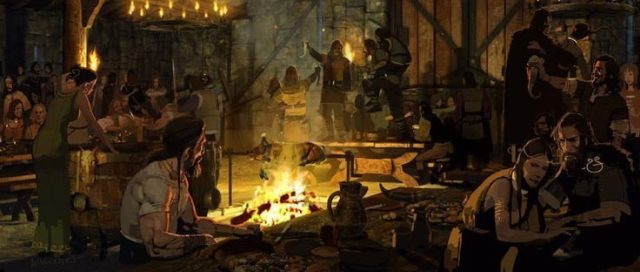
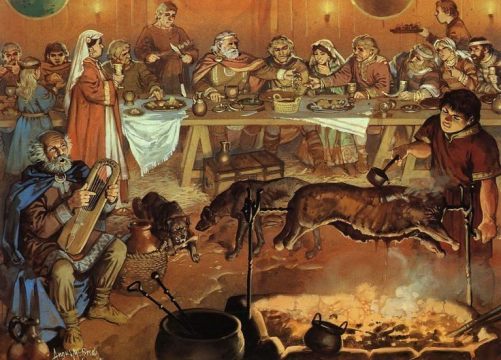
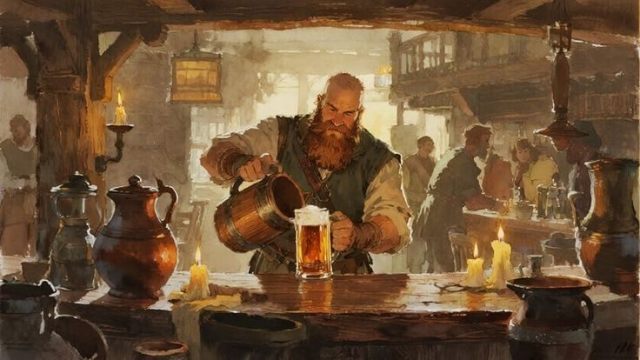
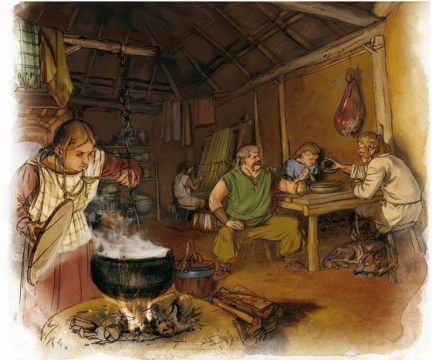
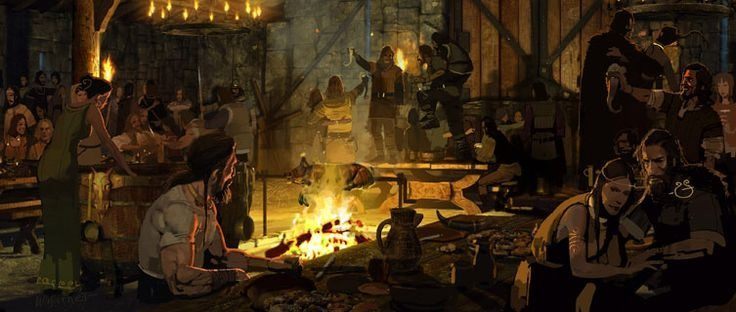
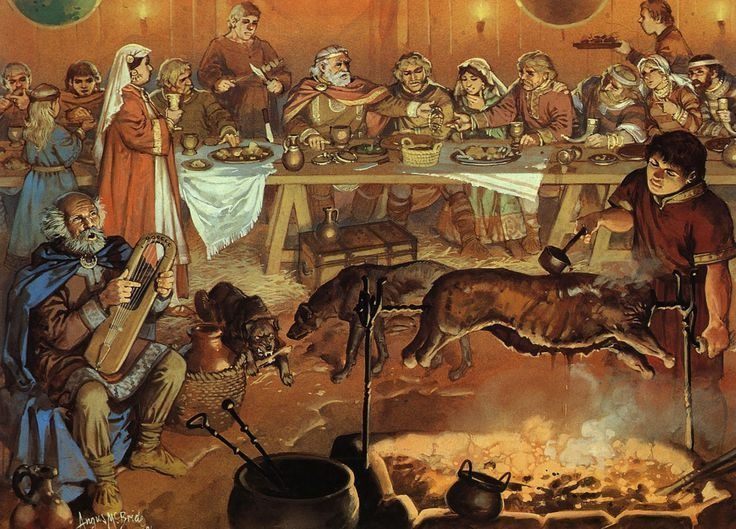
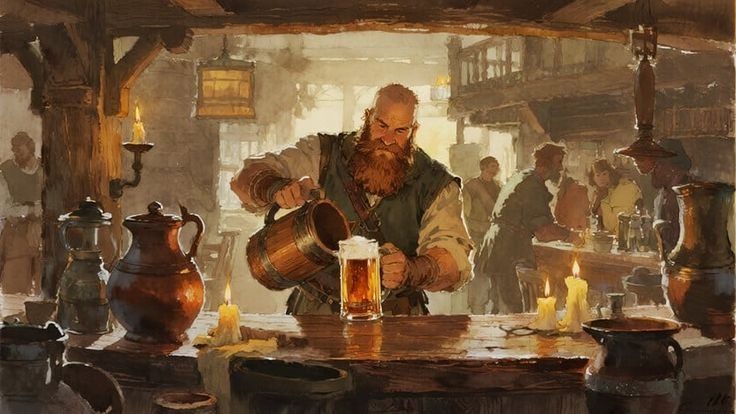
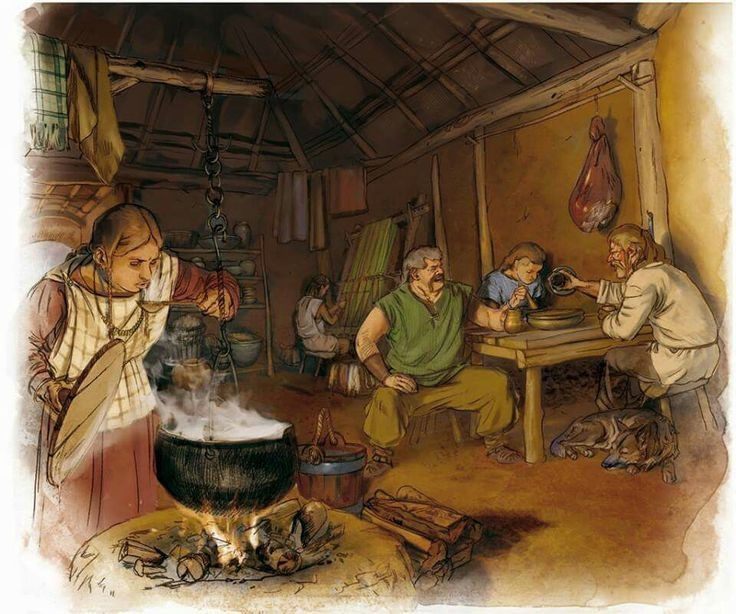
The Food & Drink of the Nordic People PREAMBLE TO ALL, The Kingdom of Norland is a realm shaped not only by war, faith, and harsh wilderness, but by hunger. The geography of the north has forged a culture where food is not merely sustenance, but survival itself. Long winters, marshland isolation, rugged mountain terrain, and dangerous coastlines have forced the peoples of Norland to become masters of preservation, fire-cooking, hunting, fishing, and communal feasting. Nearly every meal within the kingdom reflects the land from which it came. Unlike the southern realms, where exotic imports and fertile climates allow for excess and luxury, Norlandic cuisine is born from practicality. The people of the north eat what can survive the frost, be preserved through the winter, and be gathered from forests, rivers, marshes, and mountains. Smokehouses, drying racks, underground cellars, and iron cauldrons are as common throughout the kingdom as swords and axes. Food in Norland is heavy, warming, and designed to sustain labourers, hunters, sailors, and warriors through brutal climates. Thick stews simmer over open hearths for hours. Meat hangs blackened above smoke pits. Fish is salted in barrels for long voyages across the Skjolvar and the northern seas. Ale is safer than stagnant marsh water, whilst mead is consumed during ceremonies, funerals, and victory feasts alike. Yet despite its harshness, Norlandic cuisine possesses remarkable regional diversity. Each territory of the kingdom has developed its own culinary identity based on the surrounding landscape. ༺𓆩༒︎𓆪༻ THE FOUNDATIONS OF NORLANDIC FOOD Grain and Bread Much of Norland’s grain production originates from the fertile agricultural lands of Karoslund and Kastell Hamaracz, where hardy crops survive the colder climate. Rye, barley, and oats dominate the fields, whilst true wheat remains comparatively rare outside noble estates and major settlements. As a result, bread throughout Norland tends to be dark, dense, and filling rather than soft or refined. Thick rye loaves, oat flatbreads, barley cakes, and blackened hearth bread are staples of nearly every settlement. Travellers often carry hardened trail bread that can last several weeks without spoiling. Porridge is perhaps the most common meal across the kingdom. Oats boiled in water, milk, or broth sustain peasants, labourers, and soldiers alike. During harsher winters, the addition of dried berries, nuts, or preserved fats becomes a sign of relative prosperity. Meat and Preservation The climate of Norland has created a culture obsessed with preservation. Very little food is wasted, particularly during the long winters when hunting becomes difficult and travel is dangerous. Smoking is perhaps the most widespread method of preservation. Nearly every village possesses smokehouses where strips of venison, boar, elk, river fish, and mutton hang suspended above slow-burning pinewood fires. The scent of smoke and curing meat often lingers permanently across Norlandic settlements. Salting and drying are equally important, particularly along coastal regions such as Skollreach Dock and the March of Konansfjord. Fish are packed into barrels layered with coarse salt before being stored for months at sea or throughout the winter. Common preserved meats include: Smoked elk Salted boar Dried venison strips Blood sausage Goat sausage Peat-smoked mutton Juniper-cured beef Among poorer settlements, entire communities may rely almost entirely upon preserved food stores during periods of deep winter. Fish and River Trade The River Skjolvar and Norland’s northern coastlines provide one of the kingdom’s most important food sources. Fishing villages and dock settlements line the waterways, supplying inland regions with dried and salted catches transported by river barge. Fish forms a major part of the common diet throughout the kingdom, especially in Skollreach and the northern reaches. River trout, salmon, herring, eel, cod, and whitefish are commonly consumed either fresh, smoked, or pickled. Large communal fish stews are especially common among sailors and dockworkers, often thickened with barley and root vegetables to create hearty meals that feed large groups. In harsher coastal territories, whale fat, seal oil, and fermented fish products may also appear within local cuisine, particularly during times of scarcity. ༺𓆩༒︎𓆪༻ REGIONAL CUISINE ACROSS NORLAND CROWHOLLOW AND VEDRGRAD The eastern heartlands surrounding the capital possess the most refined cuisine within Norland. Though still unmistakably northern in nature, the proximity to trade routes and noble courts has introduced more sophisticated methods of preparation. Large feasts within Vedrgrad commonly feature: Honey-glazed boar Roasted elk Thick onion gravies Juniper-seasoned game Cream-braised vegetables Fire-charred river trout Mead reductions Spiced winter stews The halls of the capital are also among the few places where imported spices occasionally appear among the nobility, though these remain symbols of wealth rather than common staples. Communal feasting forms a central part of Crowhollow culture. Great halls are designed around long wooden tables where entire households dine together beneath torchlight and smoke-darkened rafters. SKOLLREACH The cuisine of Skollreach reflects both mountain hardship and maritime survival. Food here is simpler, saltier, and heavily reliant upon fire and preservation. The harbour settlement below the mountain survives upon fishing, trade, and hunting from the surrounding forests. Meals are often cooked quickly over an open flame, designed to sustain sailors, dockworkers, and hunters rather than impress nobility. Common foods include: Smoked trout Salted cod Birch-fired venison Fish chowder Ale-bread Blackened shellfish Hard cheese Thick root stews Juniper berries and pine herbs are frequently used throughout Skollreach cooking, giving many dishes a sharp woodland flavour strongly associated with the region. Warm broth and heated ale are especially common during winter storms when the harbour becomes isolated by sea ice and mountain snowfall. ELDMYR AND THE NORHOLLOW Perhaps nowhere in Norland possesses stranger cuisine than the marshlands of Eldmyr and the surrounding Norhollow. The wetlands provide a unique range of ingredients unavailable elsewhere within the kingdom. Marsh dwellers survive through fishing, trapping, foraging, and harvesting what grows within the bog itself. Outsiders often view their food with suspicion. Dark stews dominate the region, often made from: Eels Marsh birds Reed roots Bog herbs Black mushrooms Frogs Peat-smoked fish Many Eldmyr dishes are cooked slowly within iron cauldrons over peat fires, giving the food a dense smoky flavour unlike that of the mainland. Bog teas and herbal broths are also common, brewed from bitter wetland plants believed to ward off sickness and marsh fever. The people of the south often mock Eldmyr cuisine, though many northern hunters quietly admit that marshfolk stews are among the warmest and most filling meals in the kingdom. MECHANIKAS AND WYNLOMERE The underground settlements of Mechanikas and Wynlomere have developed entirely different culinary traditions shaped by subterranean life. Surface farming is limited, forcing these settlements to rely heavily upon imported grain, preserved supplies, cave fungi, and underground water systems. Meals are practical, dense, and designed to sustain labourers working long hours underground. Common foods include: Mushroom loaves Bone broth Root mash Fungal stew Pickled eggs Hard cave cheese Fermented black ale Mineral bread Mechanikas in particular possess a heavily industrial food culture. Massive iron cauldrons feed entire workshop districts, whilst communal eating halls allow labourers and machinists to dine beside roaring furnaces and steam pipes. The smell of oil, smoke, iron, and cooking broth often mingles throughout the underground streets. ༺𓆩༒︎𓆪༻ DRINK WITHIN NORLAND Alcohol and heated drinks are deeply embedded within Norlandic culture. In colder regions, warm beverages are often consumed daily for both comfort and survival. The most common drinks include: Mead Dark ale Honeywine Heated cider Juniper spirits Pine needle tea Mulled berry brew Marsh herb tea Mead occupies an especially important ceremonial role, as it is consumed during marriages, funerals, oaths, coronations, and warrior feasts. Certain halls within Norland are said to judge a lord's wealth not by his coin but by the quality of the mead served at his table. And so, Words were merely written to take cuisine into account. Penned by Malric Rhed, Vargbane of Kaer Skollreach, With advisement of HER MAJESTY, Anastazie Brzezinski, Queen of Norland, Lady of the Ashwood Throne, Protector of the Highlanders, Lady Protector of the Korvians




-
Of Hollowed Victories I heard the cheers as it was hauled through your capital streets, draped in banners and crowned with false triumph, as though the weight of empty timber could alter the tides now turning against you. You raised it high for the crowds to see, a crafted sacrifice meant to convince your people that victory had already been secured. Strange, is it not, how loudly men celebrate when they fear what waits beneath the soil. You slaughtered a band of wanderers for this theatre. Men dragged from the roads and butchered beneath northern skies so their deaths could feed a story greater than themselves. Their blood soaked into the earth, yet the ground gave you nothing in return. No omen. No salvation. Only silence. You call it strength because that is easier than naming it desperation. The old tombs have begun to empty now. Not looted, not disturbed by thieves, but opened from within. Stone doors once sealed by kings crack apart in the night, and burial chambers breathe cold air where none should remain. The sea has changed its rhythm along the northern cliffs. The tides drag farther back before returning blacker than before, carrying dead weed, broken bones, and things the fishermen refuse to speak of aloud. You think the Gods are being freed. No. They were never imprisoned. What rises now is not divinity returning to save you, but memory itself, ancient and starving, stretching beneath the roots of the north while your people parade empty coffins through crowded streets pretending the world beyond the torchlight is unchanged. And still you celebrate. Still, you feast. Still, you sharpen axes against enemies you can touch, while the true dark gathers beneath your feet unnoticed. The marshes remember your dead. The roads remember your lies. And the tombs remember every oath sworn in their shadow. Soon, Norland itself will remember. The Watcher sees what stirs beneath the earth. v haao entml ey ktl dvfjal sdqntcd lavsd v oqfia nb ufqsta sn qajavra sdnra nb cnlr
-
Dark Green Story Builder moment
-
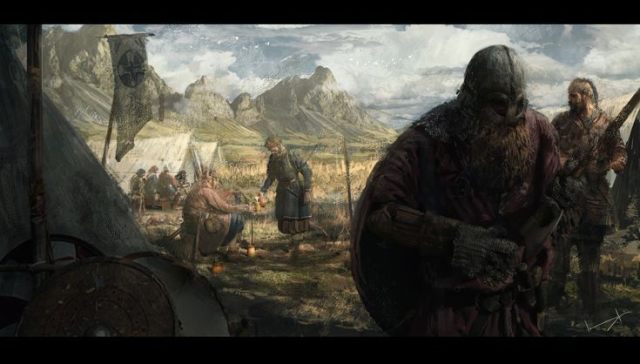
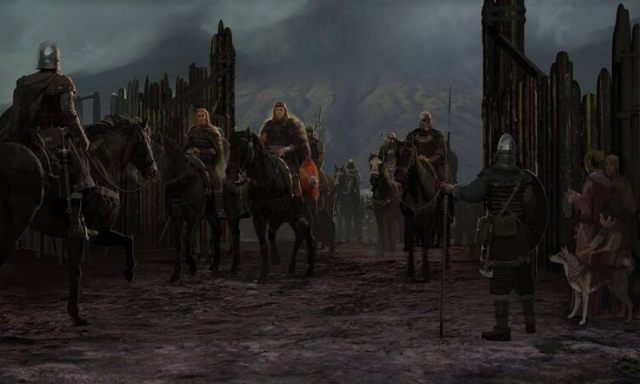
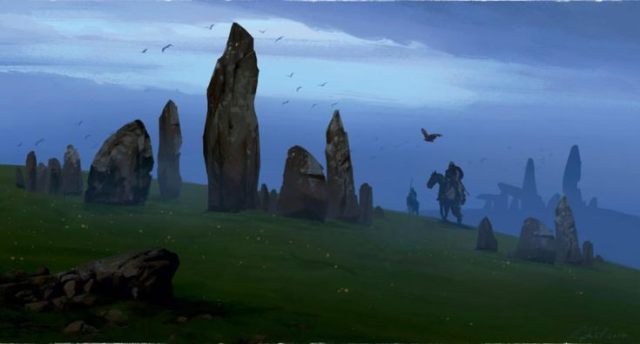
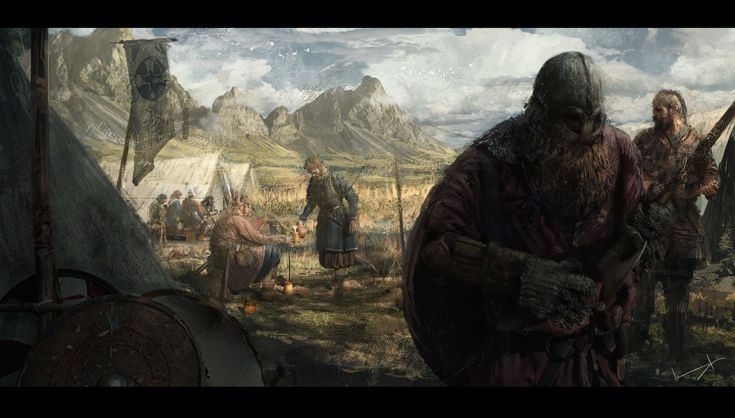
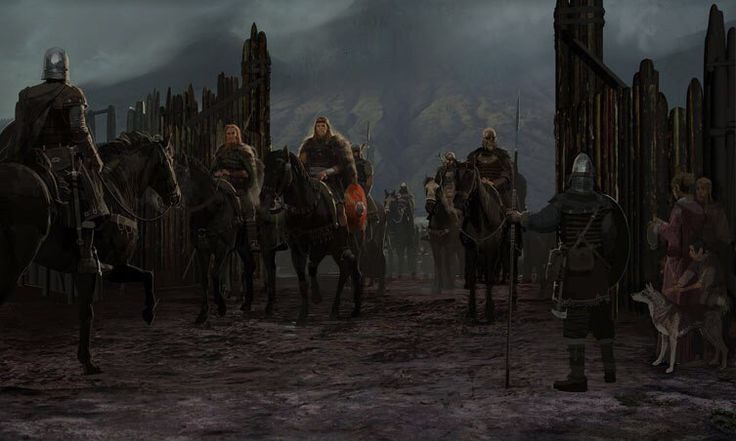
The Kingdom of the Norlandic people This document exists to establish and clarify the cultural identity of Norland beyond the simplified perception that reduces the kingdom to a purely “Viking” archetype. Norland is not a singular ethnic or cultural entity, but a realm shaped through centuries of migration, conquest, faith, labour, governance, and the gradual integration of many peoples beneath a unified crown. The kingdom is intended to represent a broad and structured cultural identity composed of regional traditions, social hierarchies, religious institutions, linguistic development, and interconnected communities rather than a single historical inspiration alone. This work serves both as a cultural foundation for Norland as a whole and as a framework through which vassals, settlements, and individual characters may explore differing identities, customs, and roles within the wider kingdom. Supported writing and advisory contributions provided by LuxyLucy and Balthy. PREAMBLE TO ALL, Let it be known to all who dwell within the bounds of Norland — whether Ealdorman or freeman, keeper or craftsman, oath-bound or newly come — that this kingdom stands not through fortune alone, but through labour, covenant, endurance, and the unbroken will of its people. Norland is a realm shaped by many hands and many histories. Among these are the ancient Norlandic clans of the mainland, the river folk of the eastern marches, the traders and fisherfolk of the western coasts, and the Norn peoples who once journeyed from beyond the frozen seas of Sólgrunnr. Though many came as strangers to the heartlands, they became woven into the kingdom through migration, service, war, oath-making, and the shared shaping of law and society. Whilst they are not the sole historical foundation of Norland, they remain enduring strands within its composition. For more than six centuries, the peoples of Norland have endured hardship and prosperity alike; from fractured kinship and scattered clans, through wars of unification and dynastic struggle, to the present age of roads, burhs, assemblies, and royal law. The kingdom has endured not through conquest alone, but through shared necessity and the recognition that survival is strongest when burdens are carried together. ༺𓆩༒︎𓆪༻ ON THE FOUNDING AND GROWTH OF THE KINGDOM In ancient times, the lands now called Norland were divided among many peoples, where loyalty belonged first to kin and soil, and only loosely to wider authority. Kingship remained uncertain, law was preserved through memory and spoken judgement, and no lasting unity endured beyond temporary alliance. Through generations of conquest, diplomacy, marriage, and oath-making, the Ruric line rose to prominence; not the first rulers of the land, but the dynasty that gradually assumed the greatest burden of leadership. Under their rule, the scattered domains of the north were drawn into a single kingdom. Norland was never forged as an absolute dominion. Rather, it emerged as a balance between the crown, the assembly, and regional authority. Ealdormen, landed houses, and local councils retained significant power within their territories, whilst the High King served as the binding force between them. Thus, the kingdom formed slowly across generations, as rivers shape stone through steady passage rather than sudden force. More History can be found on the Wiki: https://wiki.lordofthecraft.net/index.php?title=Kingdom_of_Norland ༺𓆩༒︎𓆪༻ ON LAND, CLIMATE, AND REGIONAL CHARACTER Norland is a land of contrast and endurance. Though unified beneath one crown and shared law, it stretches across many environments that shape the lives and character of its people; from northern seas where winter winds cut across dark waters and ice forms in long months, to southern valleys of fertile farmland, eastern forests and snow-crowned mountains, and western coasts shaped by trade, fishing, and open water travel. Across this land, rivers and roads form the true arteries of the realm, binding settlements, burhs, keeps, and harbours into a continuous whole rather than fragmented domains. The seasons govern life in a full cycle; summer brings labour, autumn demands harvest, winter enforces endurance, and spring restores movement across land and sea. Among these settlements stand the burhs, centres of governance, trade, and craft, where people of many regions gather under shared law and authority. Though varied in terrain and character, all lands remain bound together through shared law, trade, and allegiance to Crown and Hearth, forming the broader identity known as the Skjolvindr — the heartland of Norlandic life and authority. Please refer to the geographical document for further information: https://www.lordofthecraft.net/forums/topic/267474-the-norlandic-realm/ ༺𓆩༒︎𓆪༻ ON GOVERNANCE, LAW, AND AUTHORITY The people of Norland are governed through law, yet law is not understood as a blind decree or distant command. It is spoken, remembered, interpreted, and upheld collectively through tradition, custom, assembly, and recognised authority. At the centre of governance stand the Inn Eldhidr assemblies, where freemen and appointed authorities gather to witness agreements, settle disputes, and render judgement. Lesser matters are resolved locally, whilst greater disputes rise through wider assemblies and ultimately toward the crown itself. Law is maintained primarily through arbitration, compensation, and communal accountability. In severe cases, punishment may extend to outlawry, whereby an individual is stripped of lawful protection, recognised identity, and social belonging within Norlandic society. The crown issues overarching codes of law, though these are shaped through consultation with Ealdormen, councils, and assemblies alike. Authority, therefore, survives not through coercion alone, but through recognition and consent. When this balance weakens, legitimacy erodes even if the rule continues in form. Within Norland, honour is measured through conduct. Oath-keeping is sacred. Reputation outlives wealth. Restraint is valued above reckless cruelty. All free persons are expected to defend hearth and kin when called upon, whilst equal dignity is granted to farmers, smiths, traders, sailors, labourers, and warriors alike. Across much of the kingdom, the teaching of arms and martial discipline is regarded as a proper part of upbringing, ensuring defence remains a shared responsibility rather than the burden of a warrior caste alone. In many settled regions, households are bound into sworn communal groups where responsibility extends outward through oath and kinship. Justice is therefore rarely separated from communal consequence. These communities are overseen by Earls, Lords, and regional authorities beneath the crown, some descended from older Hesir and Thanes, whose courts serve as the first formal layer of judgement. Military organisations follow this same structure. Regional lords maintain command over their own levies and garrisons, though in times of wider conflict, these forces may be unified beneath royal command for coordinated action across the realm. Therefore, law and order exist not as hierarchy alone, but as interdependent authority between the crown, the assembly, nobility, faith, and the community. ༺𓆩༒︎𓆪༻ ON THE PEOPLE AND DAILY LIFE IN NORLAND Norland is a realm of many peoples united beneath shared law, labour, and identity. The Norlandic clans preserve the ancient kinship structures and collective memory of the mainland. Inland houses sustain agricultural and economic strength through cultivation, husbandry, and trade. Coastal communities maintain the kingdom’s maritime traditions, binding the realm to wider waters through fishing, travel, commerce, and shipcraft. Among these peoples remain the Norn-descended families whose ancestors crossed the frozen seas through voyage, exile, oath, and settlement. From them came traditions of horsemanship, seafaring, oral storytelling, and frontier survival, which have long since blended into wider Norlandic life. Norland does not maintain a rigid caste structure beyond distinctions between the royal house, landed authority, freemen, and those in labour or service. Movement between these stations remains possible through service, achievement, recognition, or royal favour, though rarely without sacrifice. Daily life follows the rhythm of necessity and season. At dawn, labour begins across fields, workshops, harbours, roads, mines, and storehouses. At midday, assemblies gather, disputes are heard, goods exchanged, and contracts witnessed. By evening, halls are filled with firelight where stories are spoken, music is shared, and feasting binds communities together. Hospitality remains sacred law throughout much of the kingdom. To betray a guest once accepted beneath one’s roof is considered a grave stain upon honour. Across all stations of life, labour defines identity as much as birth. Farmers, masons, smiths, traders, sailors, scribes, and warriors alike are regarded as necessary pillars of the realm. ༺𓆩༒︎𓆪༻ ON LANGUAGE AND RECORD The common tongue serves as the primary language of governance, trade, law, and administration throughout Norland, allowing communication across regions of differing geography and heritage. Yet language is understood as more than practicality alone. The High Hearth maintains that speech carries memory as well as meaning, and therefore, older forms of language are preserved alongside the common tongue rather than erased by it. Ancient Norlandic dialects remain present within ritual, oath-making, poetry, and ceremonial tradition, where form and symbolism hold greater importance than convenience. Among these tongues, the reconstructed Narvaukíana language survives through surviving manuscripts, oral traditions, and comparative historical reconstruction. Language, therefore, forms part of a broader effort toward cultural continuity. Writing itself follows a dual structure. Runes remain used for memorials, markers, dedications, and symbolic inscription, whilst manuscripts dominate legal, administrative, and religious record keeping. Within urban centres, trade and migration continue to produce blended dialects and evolving patterns of speech. Over time, these forms are becoming accepted elements of everyday Norlandic communication rather than mere regional irregularities. Further language identity here: https://www.lordofthecraft.net/forums/topic/263835-language-tunga-narvauk%C3%ADana-tongue-of-the-narvaukiaans-ia%C3%A1-592/ ༺𓆩༒︎𓆪༻ ON RELIGION, BELIEF, AND MORAL UNDERSTANDING Long ago, Thoromir Ruricsson Armahnk became lost within a great blizzard whilst seeking a homeland for his people. Upon the edge of death, the Dawn-Lord appeared before him in spirit-form and guided the wandering host into safety. Upon the Day of Mercy, Thoromir received the First Flame: the divine essence of the All-Father. The Flame Imperishable has since passed through generations, and it is this same Sacred Flame that resides within every temple hearth across Norland, carried and safeguarded by the Keepers of the Faith as both spiritual and judicial authority. The organised faith of Norland is known as the Order of the First Flame, commonly called the High Hearth. It is led by the High Keeper, chosen from amongst the Keepers according to perceived wisdom, piety, and closeness to the example of Thoromir himself. Beneath this structure endure older cultural traditions and moral understandings. The Paragons are honoured as embodiments of war, craft, sea, wisdom, harvest, endurance, and sacrifice. Though often venerated, they are not regarded as independent gods, but rather as reflections of divine order preserved through cultural memory. The authority of the faith is reinforced through the Ecclesiarchy, the sanctity of the Hearth Temple, and the enforcement of the Red Laws. Within this framework, the Order divides into two principal branches: the Keepers, who serve as priest-judges and spiritual authorities, and the Purifiers, who function as the militant arm of the faith. Within Norland, secular and spiritual authority are inseparable; each exists to reinforce and legitimise the other. Balthy provides further information in his Red Faith document: https://www.lordofthecraft.net/forums/topic/262448-fyrirm%C3%A6li-rau%C3%B0u-tr%C3%BA-ia%C3%A1-585/ And so, Words were merely written to take culture into account. Penned by Malric Rhed, Vargbane of Kaer Skollreach



-
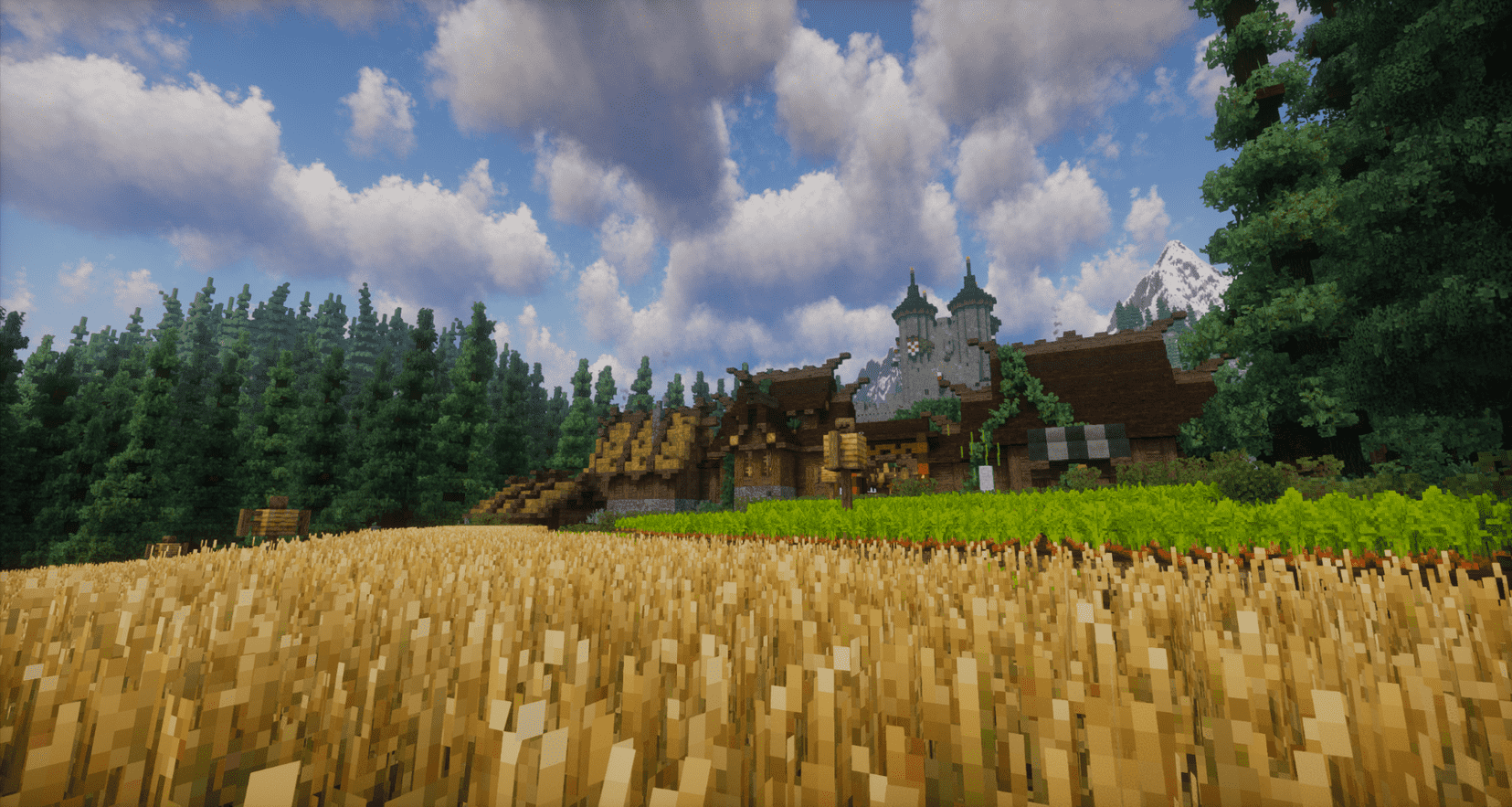
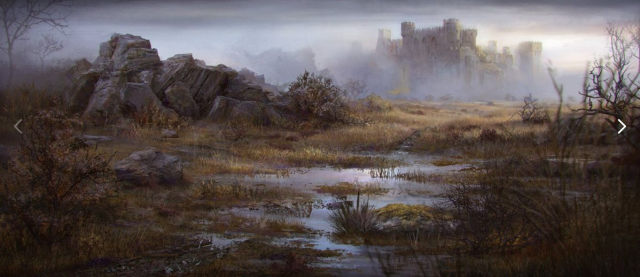
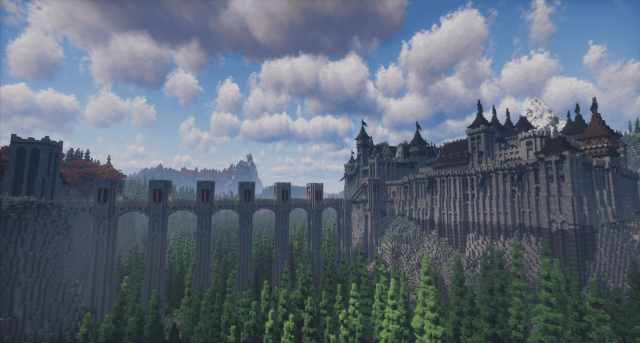
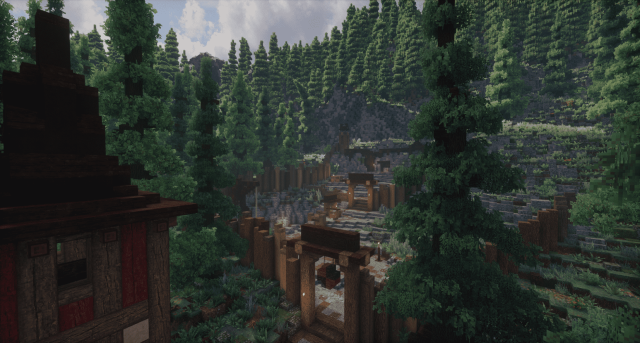
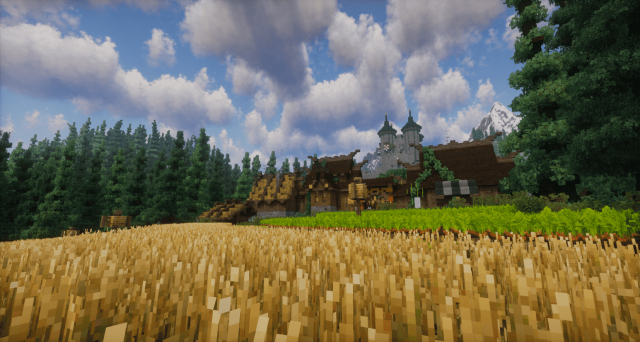
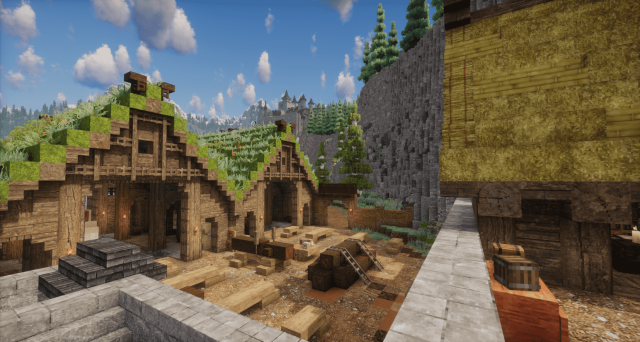
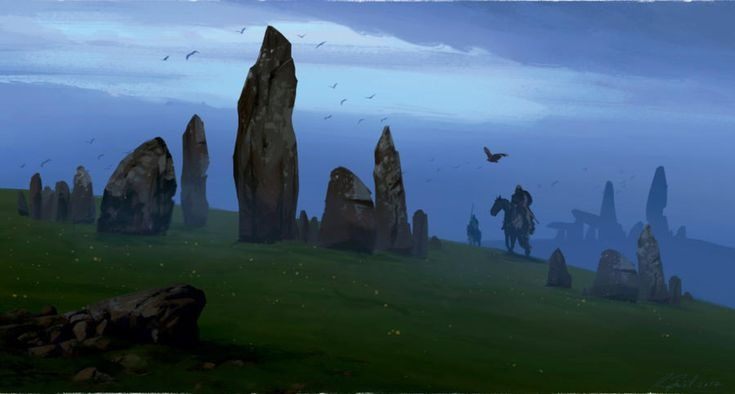
The Norlandic Realm Please acknowledge that this includes all ideas and creative liberties of my own mind. This was created as a means of directing the settlements of the current time, May 2026, with accurate depictions of climate and regional characteristics. The choices for each area were primarily devised by me following the Prebuild map, where I, with the assistance of Prophetism and Psychra_notte, actively worked on the surrounding landscape of Norland whilst Elrith built the capital. For the entries within this post, I recommend using the Ctrl + F keys to search and explore the player-written narrative of each area. Happy reading! All Images were taken by Luxylucy. ༺𓆩༒︎𓆪༻ Written introduction, To preface this piece, I sit within the comfort of my keep and gaze across the River Skjolvar as it winds towards the sea. Beside it passes the lifeblood of the realm itself, with trade and travellers moving from the western reaches of Norland towards the east, where the Capital stands. Though many settlements of Norland have previously been founded because of the seas and rivers, the true paths of the realm instead weave through the deep woodlands and valleys that surround it. In watching this endless movement, I have been afforded ample time to study the history and character of this geographical land, uncover what once was, and form my own interpretations of how the civilisations of this realm first rose within its harsh northern wilderness. CROWHOLLOW The eastern lands and the realm surrounding the Capital are known as the Crowhollow. A cold tundra plain border, it stands apart from the high-tempered spirit of the Heartlanders and Imperials of the east, and the overpopulated Adunians in the west, reflecting instead the hardened character of those who dwell beneath the harsher climates that surround the Kingdom of Norland: the Skjolvindr, and the frost-bitten Rimelgen to the north east, where the dead are said to linger still. Long regarded as a bleak borderland and battlefield wasteland, the Crowhollow rests predominantly against the eastern walls of the Capital, but can also be regarded as stretching outward into the Veilwood that surrounds the capital city. ༺𓆩༒︎𓆪༻ Verdegrad, the capital Fortress city of Norland Verdegrad is the mountain capital of Norland, a heavily fortified city surrounded by the rich forests and rolling hills. Accessible only through Tancred’s Crossing, a vast stone-and-wood bridge spanning into the deep woodland valley, the city stands as both a symbol of Norlandic strength and a defensive bastion. At the heart of Verdegrad lies Ellennoresttorg, the Keeper’s Market, a bustling centre of trade filled with merchants, craftsmen, and travellers beneath timber longhouses and colourful market tents. Beyond the central square stands Thoromirshall, the Hall of the Kings, an immense longhouse-like throne hall built from timber and stone that serves as the seat of royal authority and communal gatherings. The spiritual heart of the city is the Temple of the Triune Covenant, carved within a colossal Ashwood tree and consecrated to the All-Father. More than a sacred site for rites, sermons, and theological discourse, the temple also serves as the city’s great library, preserving the histories and teachings of Norland. Nearby lies Haakon’s Pingvellir, a vast assembly ground named in honour of a former High-King, where citizens gather beneath the banners of the clans for speeches, festivities, and matters of public council. Nestled to the right stands the Pyre, where the honoured dead of Norland are committed to flame, and where those deemed corrupted are condemned to damnation through fire. Beside this rises the Healing House, a grand hall of care and learning that overlooks the city with solemn pride, standing apart as one of Verdegrad’s most respected institutions. Deeper within Verdegrad are the Grounds of Celebration, forested festival and marriage grounds decorated with lanterns, banners, and the remnants of ancient stone walls, serving as places within the Kingswood for communal joy and cultural tradition within the fortress-city. Much of this is expanded here in this document (screenshots are outdated): https://www.lordofthecraft.net/forums/topic/261689-the-fortress-city-of-verdegrad/ ༺𓆩༒︎𓆪༻ The Veilwood Below Tancred’s Crossing, already mentioned within this document, lies a dense woodland and the main path leading towards the remaining vassals of the Kingdom of Norland; this is known as the Veilwood. Little is truly known about this location, though it has often been reported as a prime hunting ground for the Kings and Lords of the North, with a stone tower, long since succumbed to ruin, resting at its entrance. BRUNNFELL Brunnfell stands as the newly raised seat of Clan Drekvar, ruled by the Harbinger of the clan, who bears the duties and authority of a Laird within the central east reaches of Norland. The settlement lies between the cultural regions of the Crowhollow and Skollreach, situated upon fertile highlands not far from the Capital of Vedrgrad, making it one of the closest strongholds to the heart of the realm. Built around a towering stone keep that overlooks the bailey village beneath it, Brunnfell commands the surrounding countryside and the roads leading towards the Capital. Beyond the settlement stretch vast wheat fields and open farmland, broken only by sparse woodland and winding paths used by merchants, travellers, and patrols moving between the eastern territories. The nearby riverlands and rich soil have allowed Brunnfell to grow steadily despite the harsher northern climate, serving as both an agricultural centre and a defensive bulwark for the region. SKOLLREACH Skollreach is a central region of Norland encompassing the southern bank of the River Skjolvar, which widens and cuts towards the Rimelgen. The land of Skollreach comprises two settlements: Kaer Skollreach, a keep that once lay in ruin but, as I now write whilst sitting within it, has become far grander than it once was; and Skollreach Dock, which houses many beautiful vessels of varying size and design suited to warfare and trade alike. ༺𓆩༒︎𓆪༻ Kaer Skollreach Kaer Skollreach stands within the central regions of Norland, raised atop a towering mountain overlooking the surrounding forests, valleys, and the harbour settlement of Skollreach Dock below. Though once a formidable stone fortress, centuries of storms, neglect, and harsh winters have left the keep weathered and partially ruined. Cracked walls, broken battlements, and worn towers still cling to the mountain peak, giving the fortress a grim and ancient silhouette visible from far across the realm. The mountain itself is unusual for the region, as dense woodland stretches even across its upper slopes and summit. Thick pine forests and moss-covered undergrowth press close against the ruined stone, swallowing old pathways and concealing much of the keep from travellers approaching on foot. From nearby, Kaer Skollreach can feel almost hidden within the wilderness itself, obscured by trees and mountain fog. Yet from afar, the forests only add to its imposing presence, with the dark remains of the keep rising above the treeline like a forgotten crown overlooking the land. ༺𓆩༒︎𓆪༻ Skollreach Dock Below the mountain lies Skollreach Dock, a rugged harbour settlement set along the cold, windswept shoreline beneath the looming presence of Kaer Skollreach. The settlement is built directly into the edge of the coast, where dark waters meet jagged stone, and the sea air carries a constant chill inland. Timber piers extend into the water, weathered by salt and storm, alongside clustered fishing halls, drying racks, and small shipwright workshops that sustain the dock’s maritime trade and fishing industry. Though modest in size, Skollreach Dock serves as a crucial point of exchange between Norland’s inland territories and its wider sea routes, linking coastal travel, trade, and supply lines beneath the keep’s distant oversight. From the harbour, narrow cliff roads and winding woodland trails ascend into the mountain. These routes are partially sheltered by dense birch groves, their pale trunks forming a natural corridor that softens the ascent whilst obscuring movement from the coast below. The grove stands as both a passage and a barrier, marking the transition from harsh shoreline settlement to the elevated stronghold above. ASHMERE Ashmere is the name given to the south-western lands housing the underground settlements of Wynlomere and the Mechanikas. This land was once rich with ore wealth, leading to the establishment of a mine known as the Greyvein. ༺𓆩༒︎𓆪༻ Wynlomere Wynlomere is an underground settlement located south-west of Norland, built within an extensive network of naturally formed caverns that have been expanded and structured over time. The settlement is concealed beneath a ruined surface site, its entrances hidden within collapsed stonework and overgrown remnants of an older abandoned structure, allowing its existence to remain largely obscured from the outside world. Beyond these concealed entry points, the caverns open into a vast tiered system of subterranean levels, each carved and reinforced to form distinct districts connected by stepped tunnels, bridges, and spiral descents cut into the rock. The natural geology has been carefully incorporated into the city’s design, with the settlement following the vertical structure of the cave system rather than resisting it. Upper tiers tend to house administrative halls, academic spaces, and refined civic structures, whilst deeper levels are devoted to workshops, storage vaults, and denser residential clusters. A central feature of Wynlomere’s subterranean landscape is its flowing underground stream, which winds through the cavern network and serves as both a natural resource and structural anchor for the settlement’s layout. In places, it broadens into still pools and subterranean basins, whilst elsewhere it cuts through narrow rock channels bridged and channelled to support safe passage and water management systems. The sound of moving water carries throughout much of the city, shaping both its atmosphere and practical infrastructure. ༺𓆩༒︎𓆪༻ Mechanikas Mechanikas is an extensive underground vassal-state established within a vast former crypt complex that has been repurposed and expanded into a subterranean industrial and religious city. Its foundations consist of ancient burial halls and ossuary chambers, long since reforged into structured living quarters, workshops, forges, and civic halls carved directly into stone and bone-lined bedrock. Over time, copper piping, brass fittings, and reinforced stonework have been woven throughout the old crypt architecture, giving the settlement a distinctive fusion of sacred burial space and heavy mechanical industry. ༺𓆩༒︎𓆪༻ The Greyvein The Greyvein is a once-industrial mining region now left in deep abandonment, situated along the turning road between the paths leading to Idunia and the Blisterwoods. The road here becomes fractured and uneven, cutting through a bleak stretch of terrain where the land breaks into exposed stone, shallow sinkholes, and wind-scoured earth. Multiple disused mine entrances are scattered across the surrounding slopes and roadside cuttings, their timber supports collapsed and their mouths choked with rubble and overgrowth. These tunnels once fed into a wider network of extraction workings that now lie dark and unstable beneath the surface, largely lost to collapse and time. At the outer edge of the region sits the quarry entrance itself, a vast open cut carved into the land like a wound. This descending outskirt marks the primary access point into the deeper workings of the Greyvein, where terraced stone walls fall away into shadowed depths, and partially collapsed ledges hint at older, more extensive excavation layers below. From this threshold, narrow paths and fractured access routes lead inward towards the buried mine network beyond. Since its abandonment, the Greyvein has become a place of unease along the road. Travellers report an unnatural stillness broken only by distant movement within the old shafts. Large spiders are said to have claimed the deeper tunnels, weaving dense webs between broken beams and narrow passage mouths, whilst other, more indistinct creatures are rumoured to move beneath the quarry floor where light no longer reaches. Now left to decay, the Greyvein stands as a forsaken threshold between the travelled road and the forgotten depths below — a quarry-edge ruin marking the point where the land was once torn open and never reclaimed. KAROSLUND Karoslund, or Kastell Hamaracz, occupies a central northern position within Norland, forming a key agricultural and administrative heartland for the surrounding territories. The estate is set upon gently rising ground, where fertile soil and a milder inland climate have allowed for the extensive cultivation of grain and hardy crops. These broad, organised fields stretch outward in structured plots, forming one of the region’s most productive agricultural zones. This productivity allows Kastell Hamaracz to function as a vital provisioning centre, supplying agricultural goods to its surrounding vassals and contributing significantly to the sustenance of the regional capital. Well-maintained farmsteads, tenant holdings, and granary outposts are scattered across the landscape, all tied economically and administratively to the castle estate. Despite its agricultural character, the region retains a defensive and noble presence. Kastell Hamaracz itself rises above the fields, its reddened Haeseni stonework and architectural style heavily influenced by New Valdev, serving both as a governing seat and a symbolic reminder of ancestral Haeseni holdings within Norland. From its towers, the castle maintains oversight of the surrounding farmlands and trade routes, reinforcing its role as both provider and protector within the northern central lands. NORHOLLOW The Norhollow is a harsh northern region defined by wetlands, waterways, fortified outposts, and long-abandoned sacred and noble sites, where civilisation persists only within scattered, heavily defended pockets. It is a land shaped by mist, marsh, and sea-borne threat, where visibility is often low, and travel is dictated by narrow routes through unstable terrain. ༺𓆩༒︎𓆪༻ THE ELDMYR Eldmyr is a vast marshland situated predominantly within the Norhollow, forming one of the region’s most defining and inhospitable landscapes. It is a sprawling expanse of blackwater pools, reed-choked channels, and unstable peat ground that shifts beneath the surface, concealing deeper waters and submerged paths. Travel through the marsh is slow and treacherous, with only those familiar with its hidden routes able to move through it with any reliability. A near-constant mist hangs over Eldmyr, thickening in the early hours and lingering well into the long northern evenings. It drifts across the wetlands in dense sheets, swallowing sightlines and distorting distance so that even familiar landmarks can vanish within moments. The waterways cutting through the marsh form a tangled network of shallow streams and winding channels, feeding outward into the wider river systems of Norhollow. Scattered throughout Eldmyr are the remnants of older structures, long abandoned and partially reclaimed by water, moss, and reed growth. The most prominent of these ruins is a collapsed central castle, now little more than broken foundations, fallen towers, and waterlogged stonework rising from the marsh like a half-submerged memory of former authority. Its presence suggests that Eldmyr once held greater strategic or noble significance before the land was consumed by wetland and decay. To the west of the marsh entrance, just beyond the main bridge marking the threshold into Eldmyr, stands another major ruin: a shrine-temple dedicated to the Veil of the Six, believed to be the ancient deities of this land. Though now weathered and fractured, its remaining stone arches and carved reliefs still suggest ceremonial importance. The site is often shrouded in heavier mist than the surrounding marsh, and locals treat it with cautious reverence, as though it remains spiritually active despite its abandonment. ༺𓆩༒︎𓆪༻ March of Konansfjord The March of Konansfjord is a fortified coastal keep constructed by the Norns as a primary border defence against seaborne invaders. Positioned at a strategic junction where the River Skjolvar meets the outer coastline, it commands one of the most important maritime approaches into the Kingdom of Norland. The keep rises prominently from the shoreline cliffs, its towers and ramparts engineered to remain visible from far out at sea, serving as both deterrent and warning to approaching vessels. From the water, it is the first true sign of Norlandic territory: a looming silhouette of stone and steel marking the transition from open sea into contested inland waters. ༺𓆩༒︎𓆪༻ The Lodge The Lodge is a fortified island settlement situated north of Eldmyr, set within a broken landscape of low-lying waters, marsh channels, and wooded islets. It was established by the Berserkirs of Norland as both a retreat and a stronghold, occupying a naturally elevated stretch of land rising above the surrounding wetlands. Its isolation is reinforced by the terrain itself, with access limited to narrow causeways, shallow crossings, and controlled approach routes through the marsh. The settlement is enclosed by palisaded walls of hardened timber, driven deep into the earth and reinforced to withstand both siege and the shifting conditions of the wetlands. These defences encircle clustered halls, lodgings, and communal structures arranged around the Lodge’s central sacred space. At its heart stands a stave church dedicated to the Red Faith, its timber frame darkened by age and weather, with steeply pitched roofs and carved wooden supports reflecting traditional Norlandic construction. The church serves as both a spiritual centre and a communal gathering hall, anchoring the settlement's identity in its martial and devotional roots. The raised ground upon which the Lodge is built provides a natural defensive advantage, lifting it above much of the surrounding mist and flood-prone terrain of Eldmyr. From its edges, one can look out across the marshlands to the south and the scattered waterways defining the region, whilst dense woodland and reed beds help conceal its presence from distant approach. And so, Words were merely written to take into account geography. Penned by Malric Rhed, Vargbane of Kaer Skollreach





-
Shelf update
-

ON THE PRACTITIONERS OF OBLIVION
ImmortalShadowZ replied to arxchn0ph0bia's topic in Royal Laws & Edicts
Malric gulps.
-
Well well well.... it seems like I was right about that comment.
Another ragebait post wiped from the archives
-
Crazy when you write 3 bullet points expressing why people can remove your builds without leaving ruins, and you hit send, then find the whole commentary is just gone... Crazy times.








.thumb.gif.9200049f1e9ae4031b060af8a5c775d7.gif)