Pegleg_Bob
-
Posts
200 -
Joined
-
Last visited
Content Type
Profiles
Personas
Wiki
Rules
War
Systems
Safety
Player Conduct
Roleplay Leadership Guidelines
- Roleplay Leadership Guidelines
- Roleplay Leadership Guidelines Comments
- Roleplay Leadership Guidelines Reviews
Forums
Everything posted by Pegleg_Bob
-
Right best rp moment, and best woof elf
-
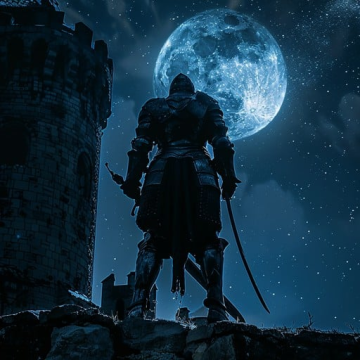
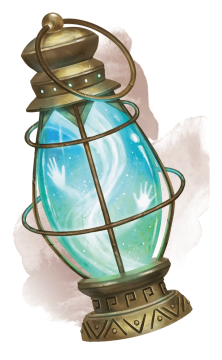
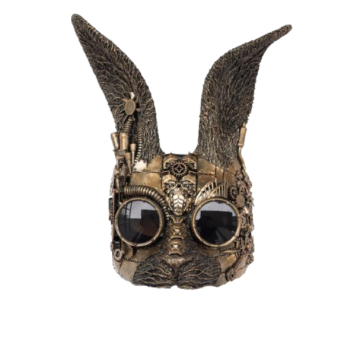
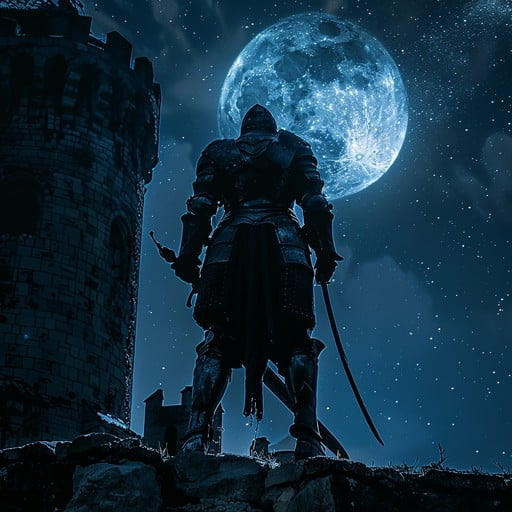
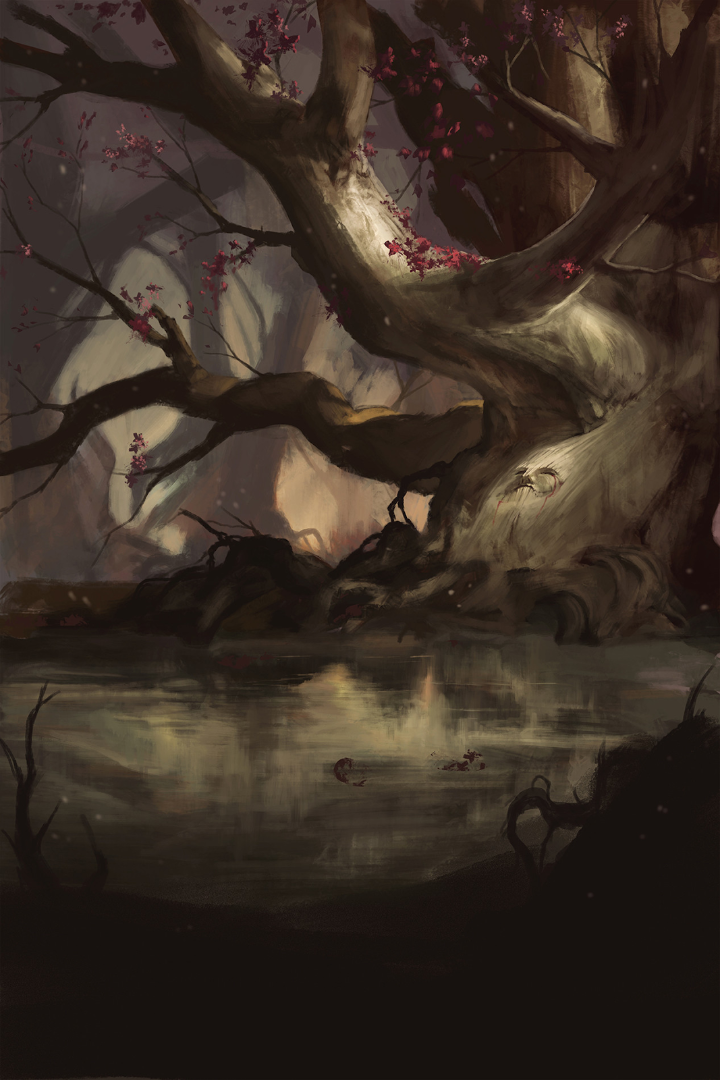
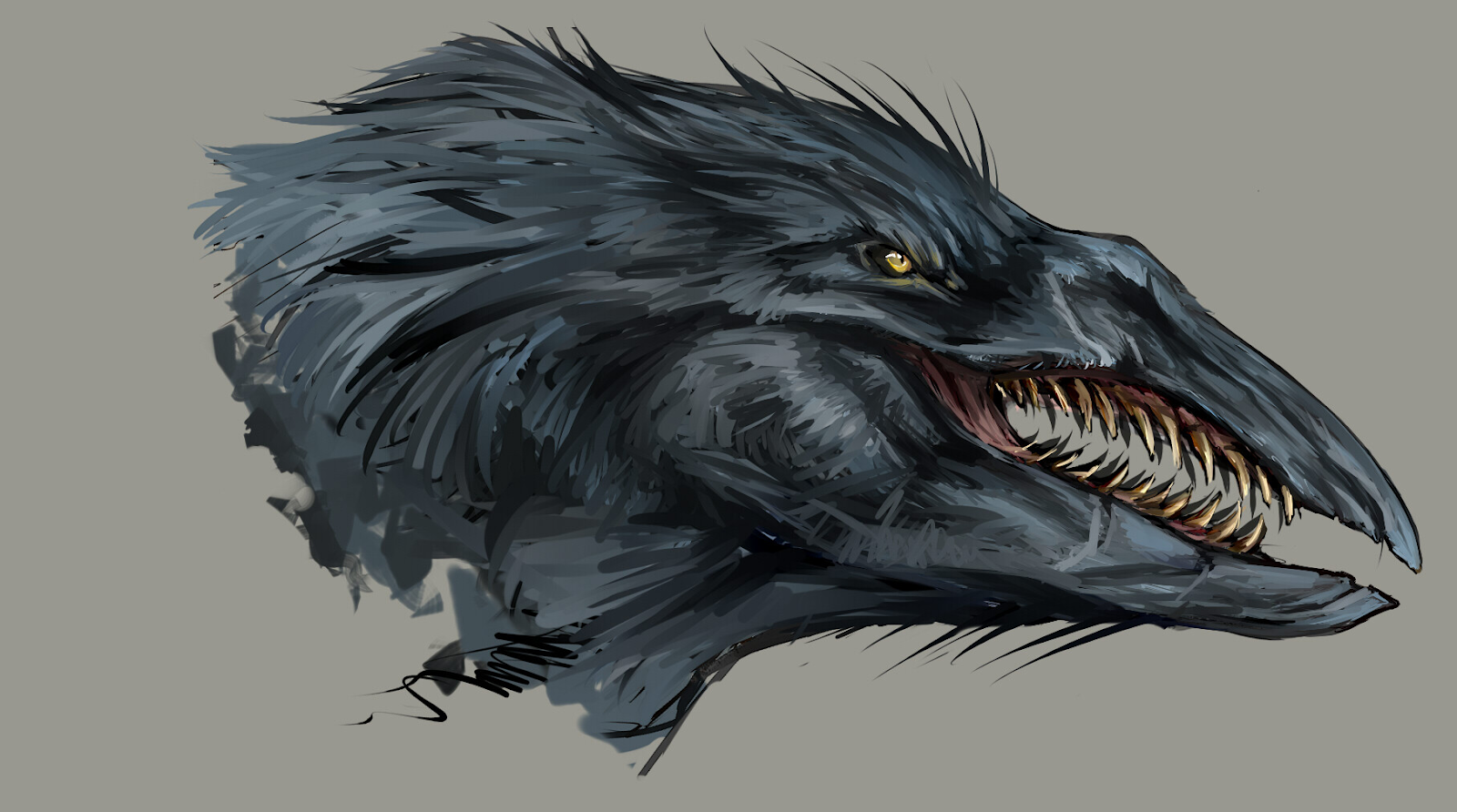
IN THE YEAR OF OUR LORD 626 A.A The people of the Ravenmarch hold many a story, Most of these tales are said to spring from forgotten truths or the whispering legends carried by the Ravenfolk across countless ages. From the shrouded mists of the Middenlands of Veletz to the wind bitten Highlands of Haense, their stories weave through time like threads of shadow and silver. Each tale bears a fragment of the old world, heroes turned to ash, and the sorrow of journeys unending. Together they form the living soul of Krukiv, revealing its faith, its fury, and the unyielding heart that binds its people beneath the raven's wing. The Story of the Black Knights In the age of the great diaspora of the Middenlandic people, when the fires of war burned without end, the heroes of Middenland fell one by one beneath the blades of the Hanseti. Each dawn brought the death of another legend, be it the valiant child of Captain General Gaspard the Second van Aert, or the noble knights of Veletz whose banners once shone proud upon the fields. For the sons and daughters of the Middenlands, it was an age without hope. They were forced to abandon their names, and their heritage, forced to live as shadows among their enemies. Yet, in this time of despair, a few from the north rose in defiance. From the realm of Ravenmire came those who would not yield, heroes cloaked in black and iron, who stood as guardians for the middenlander people. From humble origins they were born, yet through battle and brotherhood they were forged into legends. Their deeds echoed across the north, they slew the vile darkspawn, shattered the spears of Skanarri champions, and drove back the bandits emboldened by Haense’s coin. Each name was carved into the stone of memory, Hacket Hemoss, the Real Life Hero; Godefroy, the Great Diplomat; Magnus Winburgh, the Lisping Knight; Illatius, the Hidebound; and Aleksander, the Raev born Blade. Yet, as with all great legends, even these knights, clad in the black of mourning and honor, would fall, one after another. The first to perish was Sir Illatius, who martyred himself to save Sir Magnus after a duel of first blood was betrayed by Prince Alexander Caius of Aaun. Where the prince sought to execute Magnus beneath the veil of guest rights, Illatius stood between blade and brother, sealing his fate in blood. Soon after, Sir Magnus too was lost, vanishing upon a journey westward. Some say he wandered beyond the known realms; others claim he was slain within the lands of Haense. The truth of his end is lost to this day. Sir Hacket vanished next, seen only in times of calamity, appearing amidst fire and terror to defend the Ravenfolk before fading once more into shadow. Sir Aleksandr met his end in a duel against Sigrun Stonehammer, his valor unmatched even taking his eye in defeat. Last of all fell Godefroy, whose death remains veiled in mystery. Some whisper of treachery, others of divine calling. None can say for certain, for his passing marked the end of an age, but by the time of the last knight fell. A new age of hope has already reached the lands, the time of the Empire. The Workshop of The Hare When the port of Caerfran was filled with refugees from across the realms of Aveos flocking to its docks. From the devastation of the Coalition War which had been felt in every realm, yet none bore its scars more deeply than the people of the Middleland. Many families moved to Caerfran, finding it a world apart from their old home of Winburgh. Towering alchemical workshops already filled the city streets, producing wonders that most Middenlanders could scarcely imagine. It was in this city of exiles that two men met. Jakk Volten, an Adrian born merchant whose family had lost its fortune and standing after the war, and Felix A. Crannic, an Adunian tinker famed for his brilliant Clockwork Automatons. The two quickly became friends and partners. Jakk sold the mechanical marvels that Felix crafted, while Felix continued to refine and reimagine his designs. Yet both men hungered for more. Each had a family and a restless ambition, for greater wealth, greater renown, and a place which would secure both of their family lines In pursuit of this dream, the two purchased a grand workshop on the harbor’s edge, where Felix began work on a new creation, an automaton built for joy. It was to be a gentle machine, designed to entertain the children at the local tavern, a clockwork rabbit, animated with laughter and song. But the work consumed Felix. He spent sleepless nights chasing perfection, striking against invisible barriers of design and will. His wife, Lindara, soon left him, unable to endure the obsession that had overtaken her husband. In her absence, Felix turned to the bottle. His hands, once precise and steady, grew restless. His genius turned into madness. The automaton, his masterpiece, was almost complete, but flawed in ways he couldn’t see. It was shaped like a rabbit, its metal face fixed in a wild grin. Felix named it The Smiling Hare. The first test was conducted using Jakk’s two children. At first, all seemed well. The Smiling Hare sang cheerful songs and told simple jokes, its eyes gleaming in the workshop’s torches. Jakk and Felix exchanged a weary but joyous toast, believing at last their creation was a success. Yet their celebration came far too soon. The Hare twitched. Once. Then again. A faint hiss of metal grinding against metal filled the room. Its movements grew erratic before quickly the automaton lunged. When at last the noise subsided, silence fell heavy. Both children lay still beneath the blood slicked Hare. Horror rooted Felix where he stood, he knew what would come if word of this reached the city. In a trembling voice, he offered Jakk one final apology . . . and brought his hammer down upon his friend’s skull. The workshop was now a tomb, filled with nothing but smoke, death. The spirits of the slain Volten family lingered, unseen but filled with rage. Felix staggered into the night, setting the workshop ablaze behind him trying to burn away his sins. But fire cannot cleanse what was born of madness and murder. When dawn came, only ash and twisted metal remained, yet the Smiling Hare was gone. Some say it still roams the fog choked streets of Caerfran, its iron body blackened and warped by flame, its eyes burning with the hate of all murdered Voltens. They whisper that it hunts those who mock the dead, that its laughter can be heard between the turning of the city’s great clock, metal on metal, and a smile that never fades. The Future King and The Lady In the age after the Bull of the Midden was struck down by the Crow, the Twin Snakes, and the false Eagle, a scion of House Amador, hated by his kin for siding with the Heir to the Exalted Emperor and for marrying the purest blooded lady of Carrion, was banished to the farthest reaches of the land, to a realm of eternal winter and storm. There, he sat upon the edge of the great white cliffs, gazing out over the Bitter Sea before him. He prayed day and night, praying to the Almighty to protect his people, his wife, and his future children. On the second sunset of his vigil, God sent him a messenger. From the rays of the setting sun descended a beautiful woman, her face shown as if veiled in divine light. The Amador gazed upon her, stunned by her presence. Then the Lady spoke, her words carried on the songs of the Seven Skies. “Bo of House Rostova, heir to the great lands of Crestfall and all the mighty holdings of Amador, hear me. God and the Exalteds have received your prayers, most loyal son of the Purple. Take comfort in the knowledge that God watches over you. So long as the Sun reigns in the sky, your people shall know peace in time. Yet they will face many trials, and shall endure and overcome them all.” As she spoke, the Lady seemed to shine brighter still, and others descended alongside her from the sun’s rays. Saints and Heroes of ages past stood with her, their presence lending weight and majesty to her words. “Rest now, future King of the Ravenfolks. Many battles still await you. Traitors lurk in the Rhoswoods, seeking to place a false Dragon upon the throne of man. Enemies, both new and old, shall rise to challenge you, yet through it all you will ascend like a Phoenix and join us in the Halls of the Seven Skies.” And with that, the sun set, and the radiant figures that had filled the skies retreated to their realm of heroes. The future king then rested, his heart heavied with the knowledge of the trials yet to come, and the preparations that awaited him. Igane of the Moon In times past in the city of Eliveta, there lived a woman, a daughter of the Moon, who was known by the name Igane. She was a skilled warrior, she joined the city’s guard, and though she didn’t know a word of common, her courage and prowess soon set her apart. In time, she learned the language of the common man and integrated herself into the life of the city and its people. Little by little, the people forgot she had ever been an outsider, growing to accept her strange traditions and brash personality Beloved by the common folk, she became a hero to the smallfolks, slaying many darkspawn and other servants of darkness than any other guard in the city. Soon her name spread far across the realm, until even the noble lords of the realm spoke of her deeds. At last, a knight clad in violet, by the name Wulfram, was sent to test her might, and before a great crowd, he challenged her to a duel. Igane accepted the challenge, and before the gathered crowd, the duel began. Their blades clashed with a fury that echoed across the squire of Eliveta, steel rang against steel, the sound carrying for miles. They fought for hours beneath the rays of the sun, neither yielding any ground. At last, both warriors collapsed from exhaustion, their swords falling on the ground under them. The duel had no winner, only a draw. After a moment, laughter escaped Wulfram as he rose to his feet. Igane had proven herself a capable warrior. He extended his hand to her, offering to help her up as an equal. In her, Wulfram had found the only true equal he had ever met. From that day on, the two became fast friends and steadfast partners. their bond deepened, and a love quietly grew between them. But the greater powers would not approve. So they kept it secret, and for a time, the two were happy. A child was born of their union, a girl. Yet happiness, as it often does, would not last. One day, while protecting their daughter, Igane was captured by a coven terrified of her skills on the battlefield. She endured a year of torture as they sought to break her spirit. Slowly, her resolve began to crumble, and the morals she had long held dear were stripped away, forcing her to embrace the evil she had always despised. But the Coven’s cruelty did not end there. They released her, warning that they would hunt her for the rest of her life. Terrified and shattered, she fled, running from her beloved, her child, and everything she had ever built. Yet Wulfram did not give up. He went on countless quests, and after five long years, he finally found her. Igane once more tried to run as she was found, but Wulfram confessed his love again, unwavering. He brought her back home, dedicating himself to protect her and help her reclaim the life they had lost. But in the end, it was all in vain. The coven’s plans had succeeded, and both Wulfram and Igane were betrayed by the very people they had sworn to protect. Igane was seized by knights, brothers in arms to Wulfram and he was forced to watch as his beloved was executed before his eyes. On that day, he swore vengeance upon the realm he had once given his life to defend. He and his daughter went into exile, leaving the realm far behind. Wulfram vowed that his descendants would carry out the vengeance he could not, ensuring that the betrayal would not go unpunished. The Ferryman of the River Once, when the people of the Ravenfolk still lived in the old lands, there was a river deep within the woods that split two villages apart. Upon this river stood no bridge, only a small shack with a dock and a raft, where a simple ferryman lived, who wore clothing of faded blue. One day, one of the villages was attacked by a band of savage Nordlings who had long abandoned the honor once held by their kin. The Nordlings wished to strike the other village as well to take even more from the Ravenfolk, but the river barred their path, and the only way across lay with the Ferryman. Yet the Nordlings knew the old tales, stories told by people in whispers of the men in faded blue who guarded river crossing. So they devised a plan. They waited until the sun sank and the moon rose in its stead, and the faint moonlight couldn’t pass the treetops. They crept toward the shack by the river, intent on slaying the Ferryman while he slept and stealing his raft. Yet somehow, when the raiders arrived, the Ferryman was waiting for them, a simple trident in his hands. He shouted a challenge to the Nordlings, demanding that they send forth their strongest to face him in mortal combat. The chieftain of the group came forth to take the challenge, a large man the size of a Uruk. But soon after the duel began, the chief fell, a quick stab to the throat taking him down. The other Nordling raiders scattered into the woods, never to be seen again. Some say you can still hear the screams of the Nordlings as they were slaughtered in the woods by other men dressed in blue. Under the White Tree Once, in a time of great turmoil for the people of the Ravenmarch, there lived a boy born into a long line of farmers. Everyone in his family worked the land, from his brothers and sisters to his grandparents and uncles. It was a simple life, but he was content. That was until the rains ceased to fall. A great drought descended upon the land, and their crops began to wither and die. It wasn’t long before the food ran out, and the family grew desperate. None more so than the young boy, who wandered deep into the woods in search of the Vedmak Tree. He searched all day, and at the setting of the sun, when God could hardly see him and the moon rose into the sky, he found the great white tree. Whispers seemed to drift out from its bark. The boy slowly approached and gave a deep bow before speaking. “Oh White Tree of the witches, I come to you in this most dire time. My family is starving during this great drought. I beg you, please give us aid.” The whispers seemed to slowly form one voice in response, taking time before speaking in tens of hundreds of voices. “Son of the land, we shall send your family rain in exchange for a sacrifice. Nothing can be given without a cost. Bring us your sister. She shall be the price to save the rest of your family.” The boy did not speak after that; he simply gave a nod of his head before wandering back across the dead fields of his family farm. He arrived at his home and woke his sister. He told her lies of the deal, saying that the Vedmak Tree simply wished to see her. Before long, they set out for the forest again, the moon still high in the sky, to return to the white tree. The boy brought his sister before the tree. There was a pause; the whispers that seemed to surround them went silent before speaking in one voice once more. “The pact is complete, your sister for the rain you wish for so dearly.” A scream pierced the night as blue moths swirled around the sister, engulfing her completely before vanishing in a faint blue light. The boy watched silently as the spirits took his sister, and immediately the rain began to pour. But after their return to the farm, the rain did not stop. It lasted for a week, and then another. After a month, the farm was flooded; all his family had worked for was gone. His sister had been given up for nothing, and as he cursed the spirits for taking everything, a voice could be heard on the wind, “This is what you wished for, brother. The pact is complete.” Feathers of the Phoenix When the Ravenlord still crawled, and his father still reigned over the Ravenfolk, the young Ravenlord was cared for by his maid, who took him on long walks through the woods around his family home. The young Ravenlord would explore the woods for hours, his faithful maid always at his side. During one of these forest excursions, the Ravenlord and his maid wandered deeper into the forest than ever before. After many hours, the sound of a mighty caw could be heard, echoing through the ancient woods. The young Ravenlord rushed forward, running wildly into the woods, his maid struggling to catch up to him. Soon the Ravenlord saw it, a mighty phoenix perched atop the tallest pine in the woods. The boy was filled with excitement, and before the maid could catch up, he began to climb the tree, swinging from branch to branch, while his maid could do nothing but watch. In spite of everything, the Ravenlord was able to reach the top of the tree. He reached out to grab the phoenix, but nevertheless, the boy fell while attempting such a feat. The maid closed her eyes, yet after a few moments, no sound of a splat was heard. The Ravenlord grabbed hold of the mighty phoenix’s talions and was brought down to the ground, the phoenix seeming gentle in this task. As he was set down, a feather fell on his head, as if to mark him. On his back, a mark of the phoenix appeared, an ancient sign unseen for hundreds of years. The Ravenlord and his maid returned home after that, sharing the news with all his family. His father was proud, seeing it as a sign from God of who his heir should be. The Salt Lantern During the time when House Winburgh was first establishing its hold upon the Isles of the Bittersea, the first scouts were sent out to find a suitable site for a new keep. Those who ventured the farthest traveled to the islands north of the capital, Caerfran, to an isle known as Dreorholme, a place so feared that even the magi who once called the north their home refused to set foot upon it. The first expedition to Dreorholme vanished without a trace, save for one young sailor who returned half mad. He claimed to have seen a bright blue light upon the island, one that drove his comrades to madness. In their frenzy, they turned upon one another, slaying each other before taking their own lives. After this, another expedition was sent, and then another, and another. Each crew met the same fate. Soon, no sane sailor was willing to set course for that accursed isle. Yet the Sovereign of the realm, and the lords beneath him, recognized the growing threat posed by this Island of Blood. Thus, they gathered the greatest of knights and the last remaining Samáns and sent them forth to Dreorholme to face whatever evil lurked there. The landing upon Dreorholme was eerily quiet. The sea was still, the air calm and heavy. No wind whispered, no birds called, only the sharp scent of salt filled the air. Yet the Samáns alone sensed the island’s true horror. To them, everything about it was wrong, from the stone beneath their feet to the lifeless winds that howled in their minds with the voices of the dead. Quickly, the leader of the Samáns drew forth a great drum, crafted from the tanned flesh of Aveta and wood stolen from the Great Tree of the Vedmak. The symbols carved upon its surface began to glow, the air seeming less thick as the Samáns continued. Still beating the drum in a slow rhythm, the Samáns led the knights deeper into the heart of Dreorholme, to a place of dead trees, their souls seemingly drained from them. And there, amidst the lifeless grove, in a shallow pond, stood a bright blue lantern that reeked of salt. As the other Samáns raised their own drums and joined in the ritual, the knights were sent forth. But as they approached the lantern, they beheld the twisted souls and salt trapped within that horrid creation. False truths whispered by Ibless shimmered before their eyes. Most of the knights were ensnared by the visions, phantoms of comfort, deceitful promises, and blasphemous lies about God. Yet still, one marched forward, a divine golden light surrounding him, shielding him from the unholy lantern’s blue glow. The Heroes and Saints of the past stood beside, helping to guide his steps as he fulfilled his holy charge. Raising his warpick high above his head, he brought it down upon the cursed lantern with a mighty blow. The air was filled with the piercing cries of the souls at last set free. The curse upon Dreorholme was broken; the spirits of their fallen comrades, and countless others,were released from torment. And for the first time in memory, sunlight fell once more upon the isle of Dreorholme, golden and pure. Mal’yamé the Healer In the age of the great diaspora of the midden, when few healers were left among any ranks of the Ravenfolk and the time of suffering was still in effect, a noble lord of a powerful vassal fell ill. His heart grew weak from the many heartaches of living in the north. He was on death’s door, and his son ordered the knights under his father to search for a healer. Yet in all places, they were turned away, from their allies, the people of Northern Ash, to the High Elves of the White City. Every land was searched until only the realm of their arch enemy was left, a place known for hating them above all else. Only the two bravest, or perhaps most full hearted, knights ventured to the city of Valdev in search of a healer. They went from clinic to clinic, each one turning them away, until at last they found a woman with tan skin, yet dressed as a raever, a woman by the name of Mal’yamé. She was still quite young, yet strove to appear older than her years. The knights begged her to come and heal their lord, offering her all the money they had, an oath to do whatever she wished, so long as she saved the noble. And so, after much pleading, the knights and Mal’yamé rode swiftly back to their home, the wind carrying them like whispers of fate. When they arrived the situation was most dire, the noble lord was on the brink of death. The rays of the gates of the Seven Skies were to be open any moment, yet as Mal’yamé entered, only taking out a simple herb bag. She got to work, grinding down a few and feeding them to the noble. The gates seemed to fade as his life was saved. But after her work was done, she refused all payment. No matter who offered it, the knights who had found her proclaimed her kin, always calling her Auntie Mal’yamé from that day forward. And should she ever find herself in danger, they vowed, they would come to her aid without hesitation. The Koeng and the Boy Once, by the border of the Ravenmarch, there lived a small family, a mother, a father, and a son whom they loved with all their hearts. It was a good life, but life on the border could be harsh. And when the final sliver of the moon fell that month, neither oils were set out, nor a crow placed for the Koeng. Before the sun could set that day, and the new moon rose, the boy went out to hunt a crow. He searched all around the woodlands where his family had hunted, looking high and low, but no crows could be found. He ventured deeper into the woods than he had ever gone before, and at last, on a branch high above, he spotted a crow. Quickly, he drew his bow and released, hitting the crow just as the sun dipped below the horizon. The boy rushed home as the forest was swallowed by darkness. No light remained to guide him through the trees, and soon the distant cawing of crows echoed all around. The boy could no longer find his way, his bearings lost to the night. After a time, he rested beneath a great birch tree. But as he began to close his eyes, he heard the soft rustle of leaves, like footsteps moving through the dark above him. Soon he heard it, a large creature landing by him. Looking toward the sound, the boy saw it. a creature covered in a patchwork of skin and feathers as black as the void. Its mouth seemed a beak, yet sharp teeth gleamed within, and its eyes burned a bright, sickly yellow. It bore both arms and wings, though the wings looked forced into its body rather than a part of it and lastly, its feet ended in cruel talons. The boy swallowed hard, for he knew what stood before him, the Koeng of the Voron. He had heard the stories, the death brought by this creature. The Koeng began to snap its beak, as though trying to speak, but only low grunts and harsh squawks came forth. It lowered its beak toward the boy’s face, seeming to taste him through the air. Then, suddenly, its head jerked toward the dead crow clutched in the boy’s hand. The boy slowly held out the offering to the beast, his hands trembling. The offering was taken swiftly, the Koeng did not chew, but swallowed it whole. Then, with a dreadful motion, it drew back its unnatural wings and rose into the sky. The boy remained beneath the tree, waiting through the night until dawn slowly came. But when he returned home, his family was gone, devoured by the Koeng, with nothing left to bury. The Mountain of the Wan In a time long past, there lived a mage whose mastery over the Void surpassed all others, and with such power, as always, came great hubris. Desiring to prove his strength, he sought to test his magic against the greatest beast in the land, that all might witness the might of the Void. He had heard rumors of a mountain far to the north, a place said to be home to the Wan. He ignored the warnings of all who spoke of the Wan. He brought neither priest nor Samán, carrying only a great tome at his side. Alone, he set out to find the creature, and it was not long before he beheld it. The hands of the beast moved to cover its face, yet soon the mage caught sight of it. Its face was grotesque, long and pale, eyeless, with a gaping mouth full of milk white teeth. A terrible scream echoed across the mountains as the Wan raged at the mage for having seen its face, a scream few have ever heard and lived to recall. The mage unleashed his assault, hurling great blasts of voidal fire and raising walls of flame to block the creature’s path. Yet the Wan seemed indifferent, its flesh burned away only to regrow almost instantly. Soon, the mage was forced onto the defensive, dodging the creature’s slashing strikes with frantic, blinking movements. He tried to cast even more fire into the beast’s gaping maw, but it accomplished little against the relentless horror before him. The Wan soon began landing slashes upon the mage, one cutting deep across his chest before he managed to blink away once more. He unleashed every spell he knew, yet they did nothing but slow the relentless beast. He realized then that it was over, his own pride and hubris had doomed him. In a final, desperate act, he did what he had thought he would never do. As the creature’s next slash descended toward his neck, he prayed, prayed to God, the Exalted, and all the saints and heroes of Man. A golden flash erupted, blinding both him and the Wan. The strike missed his neck, but the mage was not unscathed, the Wan struck his eye, leaving him blind. Whatever the flash had been, God or something else, it had frightened the Wan, forcing it to retreat once more to its mountain. The mage, now broken and weary, slowly made his way back to civilization. He would become a priest, vowing never again to wield the powers of the Void. The Dolphins and the Middenlander A long time ago, shortly after the great Skanarri assault upon the Ravenfolk, when our people were driven south back into the what shall become the future empire, there lived a scion of one of the great coastal houses of the Northern Middenlandic. The young scion, barely into his tenth year, was regarded as the runt by his father, smaller and weaker than his elder brothers and sisters. To most of the house, he was a disappointment. Thus, his father, the lord of the house, gave him a choice, set out four years early for his year at sea and prove himself worthy of his name, or remain at home and take a new one in shame. So the young scion set out alone, taking for himself the smallest ship in his family’s fleet and calling it his own. He sailed southward, far beyond the familiar coasts, into the warmer waters of Aveos. There, upon a quiet stretch of shore, he made his camp and waited. He spent many days there, sleeping beneath the open sky, fishing, and, on occasion, making port only when he needed to restock his supplies. Most of his time, however, was spent upon the sea, for he was determined to prove himself. The young scion tried to make the most of his solitude, yet the silence of the waves often weighed heavy upon him. After a month at sea, he was ready to give up, to abandon it all. He thought himself weak, believing every cruel word his father had ever spoken about him. But before despair could carry him too far, he heard laughter. A pod of dolphins had surrounded his ship, their calls echoing like laughter. The young scion wondered how such creatures could be so joyful, so full of life. Then he began to laugh at himself , softly at first, then louder, until his voice carried over the waves. In that moment, he understood what he had been missing: the joke of life itself, that to live was to laugh at the hardships it brought. Izabel the Mad In the annals of our people, madness wears many faces, yet none so fair or terrible as that of Princess Izabel. After the loss of her betrothed, Prince Thorin, at the hands of her own people, and the betrayal of her allies in Balian, she forsook the path of duty. From this despair, she gave herself to violence, learning from the Uruks the arts of keeping a prisoner alive while inflicting maximal suffering. It is recorded that after each raid, she would select a few men to the dungeons. When her cruelty was complete, only their flayed skins remained. The chronicles note that even this eventually failed to sate her dark desires. The Ravenlord fell into grave sickness, and Lord Constantine descended into madness. Many accounts hold that Princess Izabel administered poison to both, elevating her son, Owyn, to power. During Constantine’s delirium, he committed acts most irrational, he is said even to have proposed marriage to Izabel. The princess, overwhelmed, retreated into the Langkette Mountains with naught but the clothes upon her back, abandoning her children and the few faithful companions who remained. Reports reached Prince Owyn of patrols and hunting parties disappearing in the Langkette. He dispatched knights to investigate, yet they too vanished. One by one, those closest to him were lost. Lord Constantine met his end by execution at the hands of Lord Peter, yet the realm remained in disarray. Consumed by fear and foreboding, Prince Owyn abdicated his throne, convinced that his mother’s hand guided the darkness. The chronicles describe five years of chaos that followed, a time in which traitors and the unworthy vied for the crown. The Emperor, compelled by the turmoil, dissolved Ravenmire, the first realm of the Ravenfolk and assumed control, restoring order. The Ravenfolk would regain their autonomy and vassalship only upon the Ravenlord’s awakening from his coma. The fate of Princess Izabel is unknown. Some assert she became the Wan, others claim she lingers as a ghost within the halls of House Rostova. Only the boldest maintain that she yet lives, plotting to reclaim the throne for her blood, hidden in the distant reaches of the Ravenmarch. The Hunter’s Curse Once, in the woods of Krukiv, there lived a hunter who hunted to support his family. Every day, he would venture into the forest and hunt the animals that dwelled within it. But soon, he had to go deeper and deeper into the woods, for the animals had grown wise to his presence. This worked for some time, until one day he heard three deep howls echo through the trees. Thinking the pelt of a wolf was a fine prize fit for nobles, he followed the sound. He went deeper into the forest than he had ever gone before, until at last he saw the beast. Before realizing his mistake, he loosed his arrow. Only when he saw the creature in full did he understand what he had done, the Chernaya Gonchaya bled a dark, red ichor, almost black as the night itself. It let out another howl, before the black hound ran off into the deep woods. Afterwards, the hunter tried to return to his usual routine, but misfortune followed him wherever he went. His family fell ill whenever he brought home meat, for it would rot and spoil the moment it crossed the threshold. As time passed, his sons and daughters all met grim ends, or worse fates still. The hunter lived a long life, one filled with suffering and pain. And on his deathbed, with no one left by his side, he heard it again, the haunting howl of the Chernaya Gonchaya. The Bride of the Drakodyny In the time when the Ravens and Crows both lived in the lands of the Raever, there was a powerful Bogatyr under the king. He wished for more, to become a landed noble, for his family to grow wealthy in their own fiefdom. He waited for years for the king to give him what he saw as his right. Yet after so many years, he decided that it wasn’t worth waiting anymore. So the Bogatyr went out into the lands, bringing his eldest daughter in search of the Drakodyny, a spirit of chaos and madness. He searched from the land of Malin to the trade city of Sutica. In the end, in the deserts of Krug, he found the beast. He brought with him drinks of the finest Kvass and a large sack of gold as an offering to the Drakodyny. He then asked to make a deal with the spirit, to give his daughter’s hand in marriage to the Drakodyny in return for its help in making him a noble. After some thought, the Drakodyny agreed to the deal. The daughter vanished into smoke, and the Drakodyny laughed, telling the Bogatyr that he had received what he wished for. When the Bogatyr returned home, however, he found his land in ruin. The king was dead, a civil war had begun, and his wife had been slain by bandits. Yet in the midst of this chaos, he rose through the ranks and became a noble, a duke of the southern lands. But it was hollow. Most of his friends had perished in the war, and his daughter was gone. With nothing left, he climbed to the top of his keep and stepped off, falling to his death. [!] You turn the final page of the book

















-
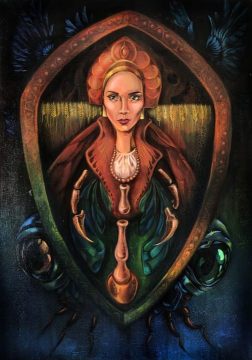
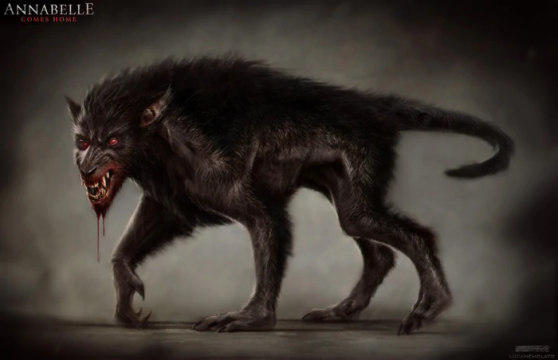
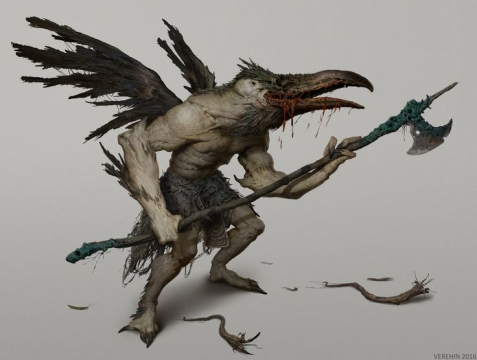
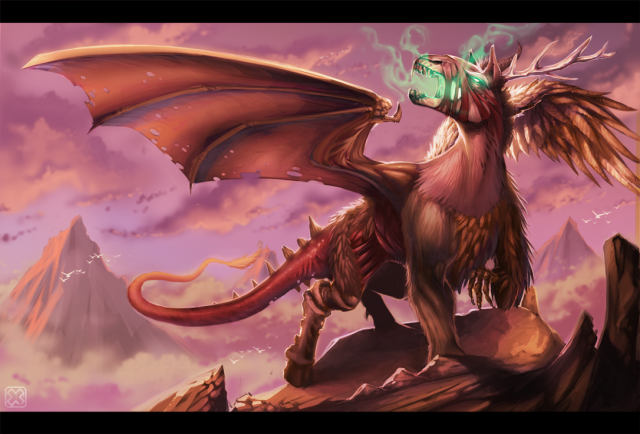
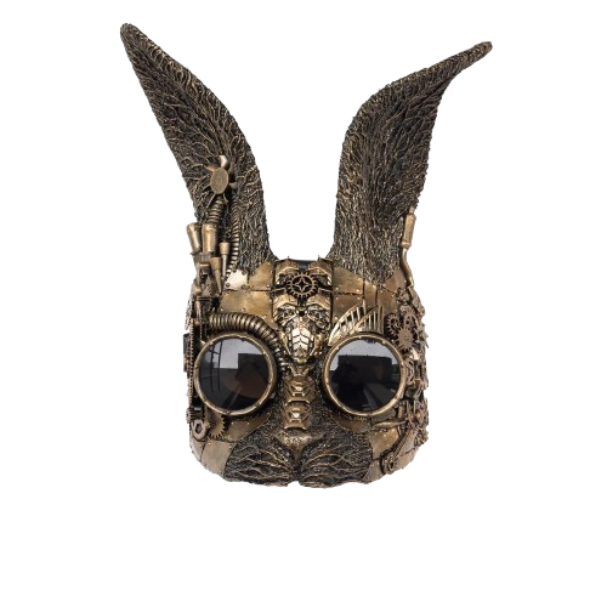
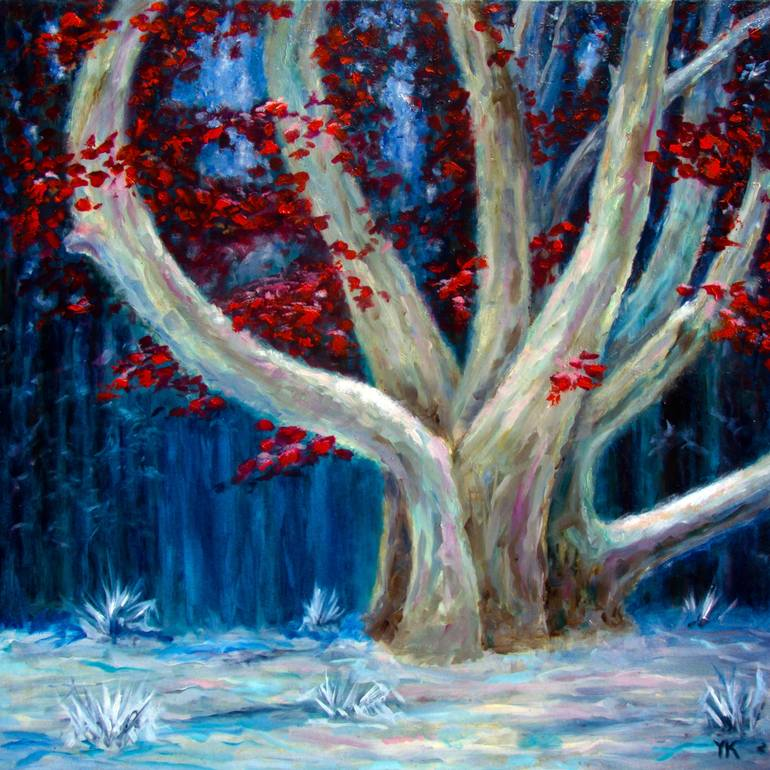
IN THE YEAR OF OUR LORD 626 A.A The Ravenmarch is said to be a place of many blessings and curses. All lands are said to have many beasts of all different types, from the legends of the Hogfolk of Eos to the Tree People of the Fae. Most civilized folk, far from the borders, do not hear such tales of monsters that hunt the woods and plains. Yet the people of the Krukiv, always on the borderlands of mankind, face such creatures on a semi regular basis. Though most mythical beasts told of by the Ravenfolk are still exaggerated, it is important for these tales to be passed down to all children and newcomers to Krukiv. Lady Kruka It is said that during times of great hardship, when the people of Krukiv are at their most desperate, God sends down a spirit born of their pride and their horror. This spirit takes the form of a towering woman cloaked in black, known to the Ravenfolks as Lady Kruka, yet nothing else about her ever remains the same. The people of the Ravenstates claim to have seen her appear in many guises. Yet most claim that Lady Kruka’s nature remains the same each time she appears, a kind, motherly woman, with a voice said to be woven of honey and steel. She is often seen accompanied by several cloaked figures, believed to be the Heroes and Saints of Man. In most illustrations, she is depicted most famously beside the Exalted Godfrey or Saint Tuvya Carrion, often holding a golden Bull’s Horn in her hands. There are many legends recounting the appearances of Lady Kruka, but the most prominent tells of Bo Rostova, who is said to have spoken with the spirit after the fall of his home, upon the northern cliffs overlooking the Bitter Sea. The Vedmak Tree In the deepest parts of the forest, where neither God's light or Iblees’ shadows can reach, there is a tree white as the snow of the north. It is a truly neutral place in the woods, untouched by either the Void or the Heavens. This tree is said to be where witches and spirits hold dominion. It is a place where the most desperate of people find themselves, seeking aid from the neutral powers of the realm. Yet any deal made here always comes with a price, ranging from a simple sacrifice of a cow to the life of one’s firstborn. So many stories start or end at the Vedmak Tree. It is a place both feared and respected by all who know of it. Most even refuse to speak its name aloud, for many among the Ravenfolk believe that uttering it calls the spirits to watch over you. Chernaya Gonchaya Hunting along the crossroads, following thoughts close to death, the Chernaya Gonchaya, known as the Black Hound by the non Raev Ravenfolk. It is a servant of the dark. It is said to have crawled its way to Krukiv from the very depths of the Nether. No weapon can pierce its hide, and it stands as tall as a horse. Its eyes are pits that open into the greatest evils found across the planes. It is said that leaving an offering of a coin, chopped liver, and vodka will appease the spirit of the hound. Yet this claim is disputed by other legends. Some say that the Chernaya Gonchaya will hunt you down no matter what, that it is the very embodiment of death, from which there is no salvation. The Svitlyak Around the rivers and marshes of the land, along long forgotten roads and bridges, the Svitlyak wait patiently for more souls to join their ghostly lights. These Spirits of the Dead, denied a proper pyre, are said to lure unwary travelers into traps, bogs, pits, and murky waters, so that more may join their undead glow. Many legends and tales warn travelers never to stray from the road upon seeing strange lights in the distance, for most who do are doomed to meet their end beneath the pale flicker of the Svitlyak. Koeng of the Voron In the darkest of nights, when even the rays of the moon are said not to appear, a beast, once a king, emerges to feast on the flesh of the people of Krukiv. The Koeng of the Voron is said to land upon the houses of its victims, and if oils are not set out, or the offering of a dead crow given, this beast will consume you whole. Armed with a weapon granted by Ibless himself, it rips and bites until nothing remains. The origins of the Koeng are shrouded in myth. The most famous tale claims it was once a King of Haense, who sold his soul to Ibless to destroy a rival realm and annihilate the ancestors of the Ravenfolk. Its appearance varies from telling to telling, yet most say it takes the form of a humanoid crow, half man, half avian, in the most horrid of ways. It carries the weapon it bargained for, clutched tightly in its talons or twisted hands. Drakodyny A creature of pure anarchy and chaos, the Drakodyny is sometimes called by others simply the King of Madness, Chaos, Turmoil, and Disharmony. It is known to wander from land to land, spreading disorder wherever it goes, whether by bringing down an unjust lord in an act seen as heroic, or by collapsing a bridge vital for trade. The appearance of the Drakodyny shifts from tale to tale, myth to myth. Yet most agree that it bears the head of a horse, while every other feature changes as fluidly as water, never the same twice, never still, a form born of madness itself. In some places, small shrines are kept to the Drakodyny, either to ward the beast away or to pray for its chaos, hoping it might bring change to the world. Yet most know that to pray to the Drakodyny is a double edged sword, for its blessing always brings ruin in equal measure. The Smiling Hare In the old and now ruined city of Caerfran, one of the first homes of the Ravenfolk, there dwells a beast of clockwork and burned, molten metal. Believed to have been left behind when the Skanarri burned the city to the ground, rumors still whisper that the Smiling Hare has followed the Ravenfolk to their new home. Most who claim to have seen the beast say it rips and tears apart any it can reach before vanishing back into the night. It is said that within its metal shell echo the cries of the slain Volten, the ones whose spirits inhabited the beast, along with all who have since been slain by the Smiling Hare. The Pryvyd Kurka On the farthest roads of the land, travelers whisper tales of the Pryvyd Kurka. It is said to squawk from the deepest reaches of the forest, yet none have ever found the source of its cry. The only thing any claim to see is a faint scattering of white feathers upon the ground. Unlike most Kurka, known in the common tongue as chickens, the Pryvyd Kurka is said to lay eggs of aurum and precious gems. Others, however, claim it does no such thing, acting instead like a spirit of the dead rather than a living creature. Yet all who have sought to capture it, or to claim its fabled eggs, have met only misfortune, from the death of a loved one to the loss of a home. No sane person dares to seek the Pryvyd Kurka, for all know that to chase it is to invite ruin. [!] Turing the final page you read.








-

THE WITENMOT | First Composition Candidate Applications
Pegleg_Bob replied to cadazio's topic in Imperial Lex & Senate
✠ Full Legal Name: Larkin Mack Winburgh ✠ Age (Must be over 18): 49 ✠ Running for Which Seat (Bergman/Folkman of X): The Bergman of Babettenberg ✠ Residence (Must be within constituency): Babettenberg 1 ✠ Are you in good standing with the Empire and Church? (Yes/No): Yes ✠ Provide a brief account (100-200 words) of your standing, trade, or service to your community, by which you claim fitness to represent them in the Witenmot: For as long as I have lived, I have served the people of the Empire and the noble House of Horen. I have fought in two wars and earned the rank of Korporal within the guard. I have led men into battle and faced both mortal foes and demons that sought to destroy all we hold dear. For twenty years, I have borne the title of Baron of the Isles, guiding the Duchy of Krukiv toward prosperity through trade. Ever have I striven to be a man of the people, steadfast in my duty to protect them in every way I can. -
I wish you the best, young Ludovar. I know our peoples have been enemies throughout much of history, but I believe both our houses have a bright future ahead. I know you will make the Raevers of the North proud, and if you ever find yourself in need of help, you need only come and find me. From your favorite Baron, Larkin Mack Winburgh Baron of the Isles, , Korporal of the Imperial Guard and Son of the Midden
-
"Ah good on the Qalasheen, greatest workers in the whole of the Empire." Larkin Mack Winburgh smiles the sun smiles at his friends success.
-
We should just do Warhammer Fanasty Rp until the new map is up. I want to be Balthasar Gelt, and fight the forces of chaos as the Arch-alchemist.
-
I am pro Food Plugin, Y'all just hate farmers.
-
I want to make a pair of Boomsteel boots and just see what happens, could I put shock absorbers into my legs and become Soldier Team Fortress 2.
-
We really going with Azuras, we really love the Daedric Princes
of Dusk and Dawn that much? -
Little did you know but with the power of a 3 cm lift I can walk normally. Soon I'll even have the power to run at a normal pace
-
Alright let's get the real questions out of the way, what has been your favorite relationships you've rp with Malna. And second second question, how many children does Malna have at this point
-
When is Ark going to kill Larkin?
-
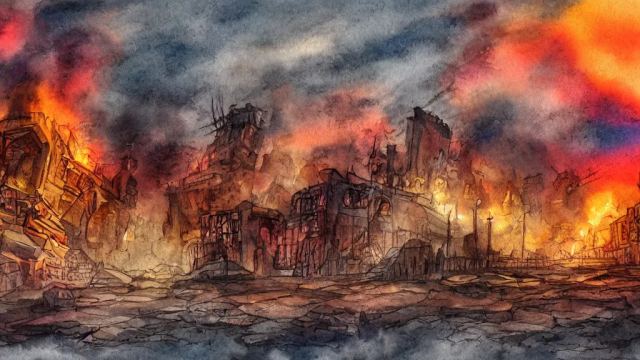
My hand rests upon the helm of my prized ship, crafted by my father as a gift for my late brother. My eyes, one still hidden beneath an eyepatch, wander across the main deck. A faint smile spreads across my face as I take in the sight of the friends and family who will join me on this voyage. A laugh escapes my throat, and with it, the smile I had long lost returns to me once more. Yet I soon feel a gaze fixed upon me, as though urging me to remember my duty at the helm. The laugh dies in my throat, and I straighten once more. My voice rings out as I bark orders across the deck, calling men and women to their tasks. The anchors rise, chains clattering, and the sails unfurl to catch the wind. From ship to ship, calls echo across the harbor as the fleet slips from the port of Earosgrad. Most sail beneath the banners of the Isles, bearing the colors of burgundy and black, though I know vessels from every corner of the empire are among them. For now, they all move as one, under the command of the army. I pray to the Exalted that the Lord Marshal proves more capable than the last. I chuckle once more as the wind begins to rise, carrying us farther from the shores of Aveos. A tune hums at the back of my throat, and I let it spill free with a wider smile. Then, without warning, a thunderous explosion shakes the air. The others pause, turning their eyes toward the sound, yet I continue humming, the melody steady against the chaos. Behind us, the Salt Stone Bastion erupts in fire, and soon all of Earosgrad blazes with it. It is the final order I gave alongside the Duke of Krukiv, Earoslav, to ensure that when the Daemon Orsathiael awakens, he cannot use our lands or our infrastructure against us. A few among the crew cast uneasy glances in my direction, but most can only stare at the inferno consuming the city. I can only imagine what the other ships must be thinking, though I did warn the Lord Marshal and the others of this beforehand. Most have likely told their crews, but I do enjoy a good joke. I hope the others will understand later. Ark might, she’s always a good sport about these sorts of things, right? I think to myself, though that is a matter for another time. For now, I simply keep sailing, guiding us across the Lamar and into the old channels of Lurin. I know from experience that the channels can be treacherous if not handled properly, but after a while, and with a few close calls, the fleet finds its rhythm and manages to press on. I watch as we leave the channels and make our way to the open sea. I let out a long sigh as I looked at the clear sky, the curse of the storm long past now. I hope in these new lands, my family and friends shall find peace.


-
Your the true lord of the bandits, when are you getting reported?
-
"It’sth funny, it is. Both Rostova’sth and De Rouen owe almost everything to Van Aert. But only one of them has true loyalty to the heir’sth of Gaspard." Larkin Winburgh lets out a short laugh as he reads over the missive once more. "What a funny joke Drusco has become of late."
-
The Baron sets out to use his vast connections to correct every mistake in the missive. Every mention of Lady Konstantin is struck from the missive, reduced to ash.
-
To all Friends of Viktoria and Magnus Winburgh Since the time of my father, and his father before him, the Northern Middenlandic diaspora, cut off from our southern brethren, has forged new traditions in the wilderness. One such custom is known as the Year Away. In keeping with this tradition, my two eldest children, Magnus and Viktoria, were sent out into the world to test their skills and prove their worth in these treacherous times. Now, as the end of that year draws near, I call upon the friends of my eldest, the allies of House Winburgh, and our kin to gather in celebration, marking the moment when my children shall no longer be so, but instead stand as full and worthy kin. So we shall gather in the great feast hall of the Isles, to drink through the night and celebrate this once in a lifetime achievement. The Invitation His Grace, Earoslav Rostova Duke of Krukiv, and his household. His Imperial Majesty, Tiberias I Horen, Emperor of Man, and his household. His Princely Highness, Coenraed van Aert, Prince of Blackvale, and his household. His Princely Highness, Cassius Maerno, Prince of Myrine, and his household. His Royal Highness, Roger de Rouen, Archduke of Drusco, and his household. His Princely Highness, Philipp Keen, Prince of Ivoria, and his household. His Grace, Konstantin Augusten, Margrave of Schwyz, and His household. Her Grace, Mirabella Rostova, Duke of Eredmar, and his household. His Grace, Adrian d’Asturias, Duke of Asturias, and his household. His Grace, Robert Ludovar, Duke of Kvasz, and his household. His Grace, Duncan Baruch, Duke of Valwyck, and his household. The Right Honourable, Elis d’Amaury, Countess of Rhoswood, and her household. The Right Honourable, Peter Rovare, Count of Stirland, and his household. His Lordship, Arturas Whitewood, Baron of Silasia, and his household. His Lordship, Josef Galahar, Baron of Ghaestenwald, and his household. His Lordship, Leonid Othaman, Baron of Vallaes, and his household. His Lordship, Istvan Ivanovich, Baron of Basarb, and his household. Her Ladyship, Cosima von Leopold, and her household. Personal Invitations Dame, Malna Loa'chil, the Wood Elf Sir, Redgar Kildrakken, the Flamefed of the Chapter of the Gold Dragon His Imperial Excellency, Manfred von Berkhoven, Lord Marshal of the Empire Kapitan, Richard von Rhoswald, of the Guard Her Ladyship, Lucrezia Rovare, Lady of Stirland Her Ladyship, Azo-Leyu, Nanny of the Isles Her Ladyship, Illatiae Winburgh, Lady of the Isles Sir, Abraham Winburgh, the Spellblade Of the Chapter of the Gold Dragon
-
IN THE YEAR OF OUR LORD 2041 HEAR THEE, HEAR THEE, In the Ravenstates of Krukiv, a rich tapestry of cultures thrives, from the Northern Middenlandic peoples of the Isles to the Raevir, and even a significant minority of elves who call the Ravenmarch home. This diversity has given rise to a wide variety of culinary styles. Due to cultural exchange with the Nordlings during the Great Diaspora, dishes from other Highlander cultures can also be found throughout the march. Yet no one has ventured among the many peoples of the Ravenmarch to preserve in writing the unique and diverse foods found only in the lands of the Raven. The dishes presented in this cookbook are authentic, time honored Raevir recipes, meals cherished for generations. They are prepared for grand holiday feasts, elegant evening soirees, and the simpler, warmer gatherings of family and friends alike. Myaso ✠Aveta Brisket, is a prized cut of meat from the northern Stoneback Aveta, a beast similar in flavor to common cattle but with a slightly sweeter and gamier taste. While nearly every part of the Aveta is valued by the people of the Ravenmarch, none are held in higher regard than the brisket. Due to the sheer size of the animal, the brisket is often slow cooked over the course of an entire day, typically accompanied by vegetables and hearty seasonings. ✠Chopped Liver, can refer to a variety of dishes found throughout the Ravenmarch, but most often, it specifically means chopped chicken liver. This dish is commonly eaten on matzot flatbread or crackers and is appreciated for its rich, iron heavy flavor. It is often served alongside other toppings, such as onions or hard boiled eggs. ✠Neveli Buzhenina, is a variation of traditional buzhenina, a baked pork shoulder dish. However, instead of using common swine, it is made from the shoulder of the Neveli Boar, a hardy animal native to the northern reaches of Aveos and widely used during the time of the Diaspora. Much like its more common counterpart, Neveli Buzhenina is marinated in a blend of spices and slow baked in an oven. ✠Meat pie, are often enjoyed in the day-to-day life in Krukiv. The meat pie is made with spiced minced beef mixed with onion and garlic, often seasoned with paprika, dill and in some cases chili. Vypechka ✠Beygl, also known by some as a bagel, is a type of ring shaped bread that, unlike most breads, is first boiled in water and then baked. It is most commonly eaten in the morning and is often topped with lox or other spreads and toppings. ✠Chałka Bread, is a type of sweet bread made with sugar, butter, and eggs, giving the dough a rich, slightly sweet, and fluffy texture once baked. It is often topped with honey or similar sweeteners for an even richer flavor. ✠Flódni, is a layered pastry traditionally filled with walnuts, apples, poppy seeds, and plum jam, all enclosed between layers of baked dough on the top and bottom. Rich in flavor, it is often served during festivals such as the Feast of Heroes or the Festival of Eight Nights. ✠ Matzot Flat Bread, is a type of flatbread made from simple flour and water. During its preparation, the dough is not allowed to rise, resulting in a flat, crispy texture. This humble bread was first created by Northern Middenlandic and Raev refugees as they fled to the northern lands of Ravenmire, following the burning of Winburgh by the voidal mages of Hohkmat. ✠Rugelach, are a type of dessert pastry shaped like small crescents. They are made by rolling triangular pieces of dough around a sweet filling, most commonly cinnamon, sugar, and nuts. However, many variations exist, with people often adding chocolate, fruit preserves, or other flavorful ingredients to the filling. ✠Zhele, is a sweet jelly dessert made from fruit juice, most commonly strawberry or cherry juice. This sweet treat is most often prepared for traditional celebrations. Moreprodukty ✠Cockles, are a type of shellfish found in abundance off the coast of Aveos, especially in the northern waters. During the time of the Great Diaspora, they were one of the few readily available food sources for the original human settlers of Ravenmire, often gathered directly from the beaches. While they can be prepared in various ways, they are almost always cooked by boiling or steaming. ✠Forshmak, know in common as chopped herring is simple Herring chopped finally, usually mix with hard boiled eggs, onions, potatoes or apples, and bread often times crushed Matzot flat bread. Usually served on bread as an appetizer before the meal. ✠Gefilte Fish, is a deboned fish that has been poached. The type of fish used can vary depending on availability, but it is typically made from carp, pike, or whitefish. It can be served in two main forms, as a whole, stuffed fish, or more commonly as an appetizer, where the fish is mixed with matzot flatbread and formed into balls or disks before being poached. ✠Hippocampus, though best known as a means of travel across bodies of water, is also hunted in the wild by the coastal Northern Middenlandic people of Krukiv. While domesticated hippocampi serve as aquatic mounts, their wild counterparts are considered a rare delicacy. When prepared for cooking, the creature is typically divided at the midpoint, separating the fish-like tail from the horse like upper half, to make for easier handling and varied cooking methods. ✠Lox, is a type of cold cut made from thin slices of salmon that have been cured in a salt brine. It is most commonly served as a topping on beygl, often accompanied by cream cheese and onions. ✠Paltus, also known by some as halibut in Common, is a large species of flounder found in the cold waters of the northern seas. It is especially beloved by the North Middenlandic people of the Ravenmarch for its abundance, ease of capture, and impressive size, making it a staple in their coastal diets. Rasteniya ✠Carrot and Apple slaw, work perfectly as an add-on to any meal. The mix of finely shredded carrot and apples are often drizzled with a mixture of honey and cider vinegar. The subtle add of vegetables makes for the perfect balance to heavier and oilier foods such as latkes or meats. ✠Fermented pickles, are a year-around staple on the dining table. The fermentation method is one passed down through Raevir and Middenlandic lineages, passed down through generations. It is natural to find that each household differs when it comes to their herb-mix for the pickles. The most common herbs used however, are a mix of salt, garlic, dill, bay leaves and unique for Raevir pickles; lovage. ✠Fruit salad, a perfect way to enjoy multiple fruits at once in a more harmonious and refreshing way than a plain fruit plate. A typical Raevir fruit salad contains freshly cut apple, plum, strawberry, blueberry, kiwi, pear and banana in orange juice. ✠Potato Latke, is a flat pancake made from grated potatoes mixed with eggs and other binding ingredients such as flour or onion. It is fried in oil until golden and crispy, and is typically served with sour cream, though some enjoy it with applesauce or other accompaniments.
-
The little Jack Rostova, heir to Crestfall smiles the sun smile.
-
Velkyn Valran Executed Today has been a solemn and trying day for all the people of the Isles. One of our own has been unmasked as a traitor, an agent of the very Darkness we have all sworn to destroy. Velkyn Valran, who once stood as my trusted bodyguard, was discovered to have been consorting with no fewer than three covens, conspiring to bring ruin upon the Empire. I have learned that she was the one who destroyed the church in Stirland, and when I confronted her about her crimes she attacked me. I was barely able to hold her off, but I was able to stab at her with my Azhl sword. She died of her wounds soon after. When I learned of this betrayal, I was devastated. Yet the law is clear, and it must be upheld regardless of personal sorrow. Velkyn Valran's body was burned. Her remains were then utterly destroyed, her bones shattered, ensuring she shall never rise again to haunt or harm the living. But I am not a cruel man, her kids shall be taken in by myself. Raised in the ways of the Northern Middenlandic people alongside the ways of God and Canondom. Let this be a lesson to all, House Winburgh shall show mercy but Darkspawn and those who hate God shall be taken out. Larkin Mack Winburgh Baron of the Isles, Guard of the Royal Guard, Son of the Midden
-
Looking over the letter in his hand, he rose from his seat and strode toward the tavern door without a word. Behind him, the murmur of voices and clinking mugs faded. Suddenly, a sharp cough broke the silence, Larkin Mack Winburgh had choked on his drink, eyes wide as he grasped the urgency. Wiping his mouth with the back of his sleeve, he darted out, boots slapping against the cobbled street as he made for the port. Boarding his ship in a hurry, he barked out the order, voice cutting through the sea air, “Raise the anchow! Sthet couwse fow the empiwe, we’ve wowk to be done!”































.thumb.jpg.d900720693147c6ec17dcfeb947bb458.jpg)
.thumb.jpg.b4532571523968b4e3ffab54f21c13bf.jpg)