Pegleg_Bob
-
Posts
200 -
Joined
-
Last visited
Content Type
Profiles
Personas
Wiki
Rules
War
Systems
Safety
Player Conduct
Roleplay Leadership Guidelines
- Roleplay Leadership Guidelines
- Roleplay Leadership Guidelines Comments
- Roleplay Leadership Guidelines Reviews
Forums
Everything posted by Pegleg_Bob
-
"Come and get us" Verdin the truest Veletz fleeper says behind his canon.
-
Bro they're no way I'm not getting trolled what did Monte and Jihnyny do?
-
Yo bring back Redstone Tattoos why did you bring this into outdated lore.
-
-
A teenager smiles somewhere, knowing the lessons he was taught by Zilvira had paid off.
-
“He only left after crippling me. Someday, I wish to be like you, Grandpa,” says the coolest and best Wingriff in the lands, doing a backflip on his one leg while smoking a six pack of beer.
-
What is the best and most Random really old Lotc Human Noble House, I vote for Stark or Hightower
-
“I’m so glad my culture shall never have a LOTC culture based on it.” I say, moments before the unspeakable horror fills my eyes.
- Show previous comments 5 more
-

-
I am a cultural anthropologist. Canada is a nation-state with dozens of unique cultures within its national polity territorial boundaries. For example, unique Indigenous cultures abound, such as Inuit. Francophone cultures such as Quebecois and Acadian are numerous in population. Also, Anglofrankish cultures, comparable in patois / creole formation similar to Jamaican Patois or Miami Spanglish, abound. Linguistic mutation, attire variation, interlanguage slang, and even theological admixture are plentiful in Canada. Every single human person has culture. Nation-states do not have culture, as they are essentially occupying forces claiming to own land (a thing which no human person can truly own). But yes, individual people, individual families, individual clusters of families, kinship groups, community groups, faith communities, and even territorial spaces such as villages, townships, cities, provinces, territories develop sincere clusters of traits such as dress, language, slang, food that become culturized.
-
@SortedJarhead thoughts? Does Canada have a culture?
-
In the shadowed wilds of LotC, where the server pulses with life, Rides Kardika, the Unshameless storm, blade sharp as midnight strife. From the hills of Drusco to the roads of the Imperium wide, He rides with Salvo’s band, a raider’s grin, no fear to hide. With screenshots stacked like trophies won in the heat of bandit fray, He kidnaps nobles, claims the spoils, turns the Empire’s pride to clay. Warcrimes whispered in the discord night, yet CRP flows like wine— A humble outlaw with a teacher’s heart, in combat pure and fine. They call him out in forum scrolls, some praise, some scorn the game, But Kardika laughs in the pixel dust, he plays it all the same. No factions grind, no hollow throne—just chaos, kin, and thrill, The Grey Baron’s shadow, the rock that stands when others spill. O Kardika of LotC, the storm that never bends, You weave the tales that servers crave, where every raid transcends. From America’s distant keys to Anthos’ ancient lore, You make the world of Craft alive—forever ride once more!
-
“So we’re really moving all the way south? Cool,” Verdin states as he hears the plan.
-
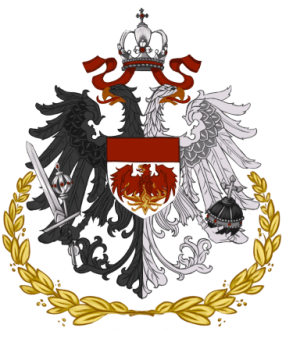
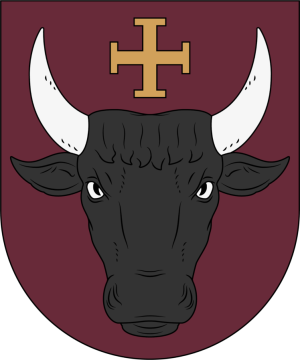
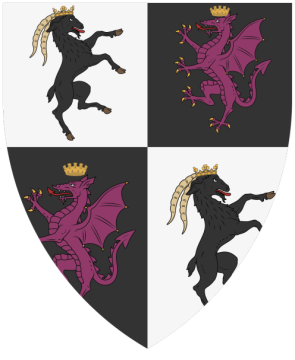
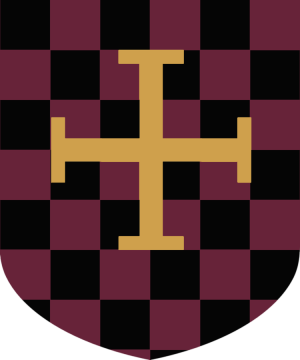
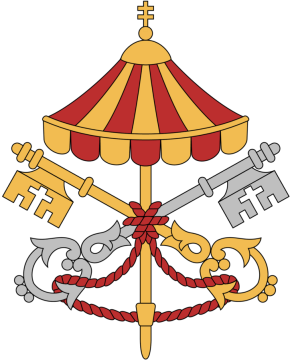
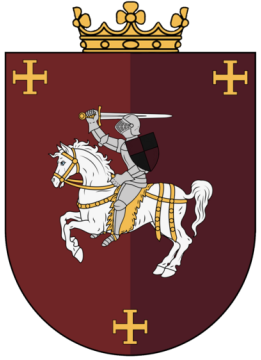
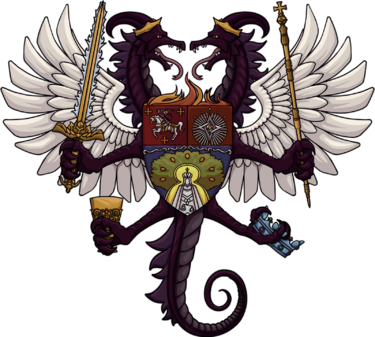
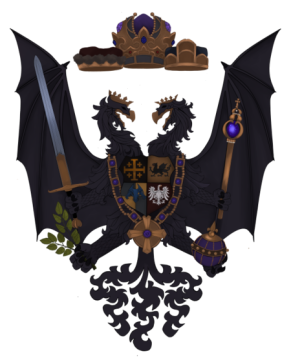
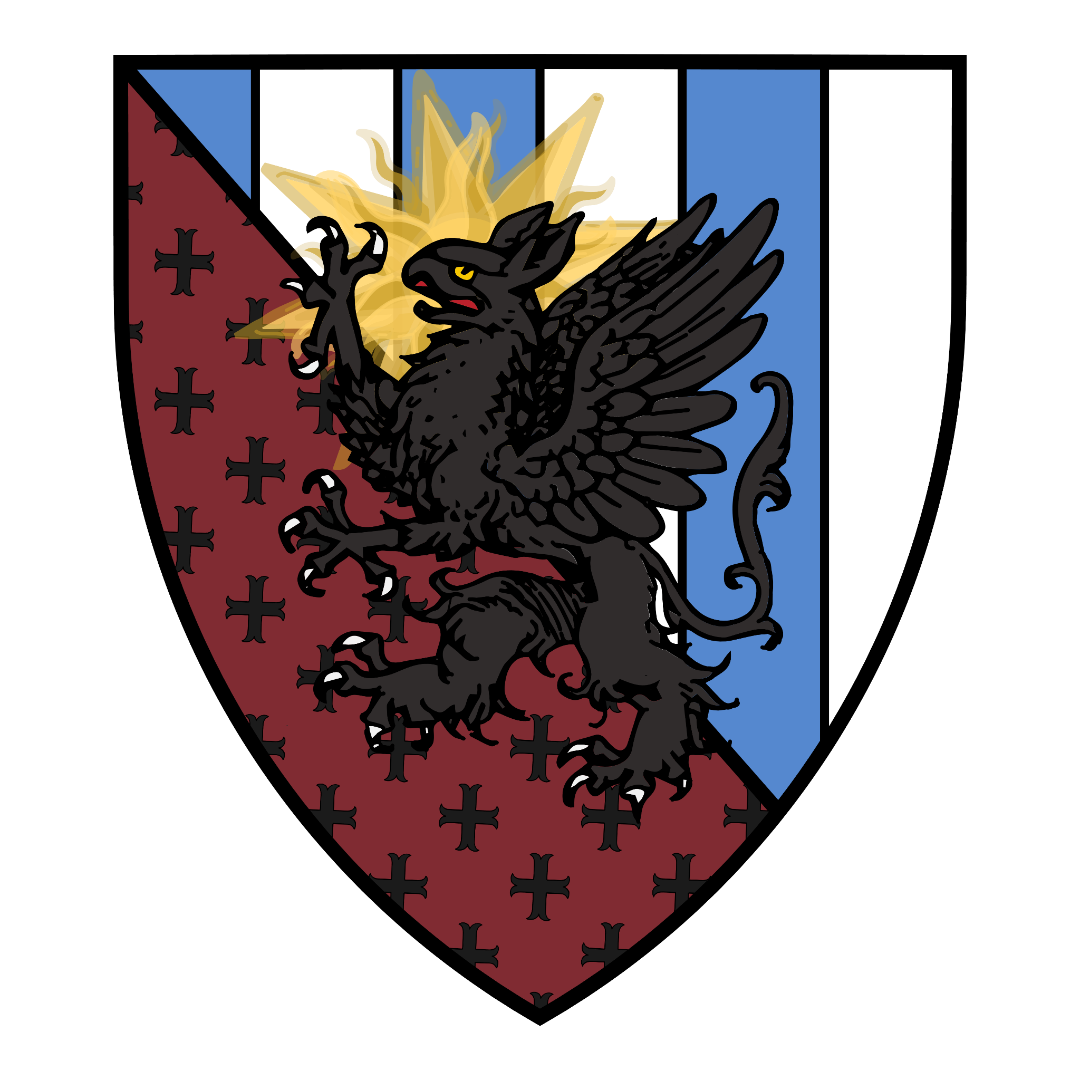
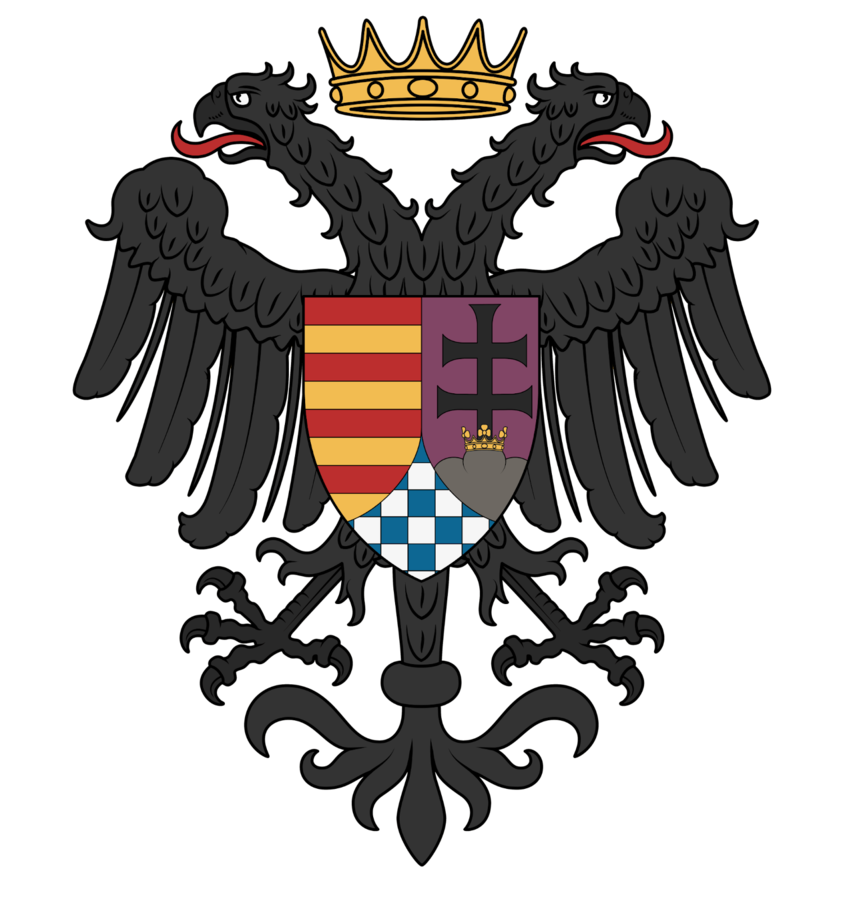
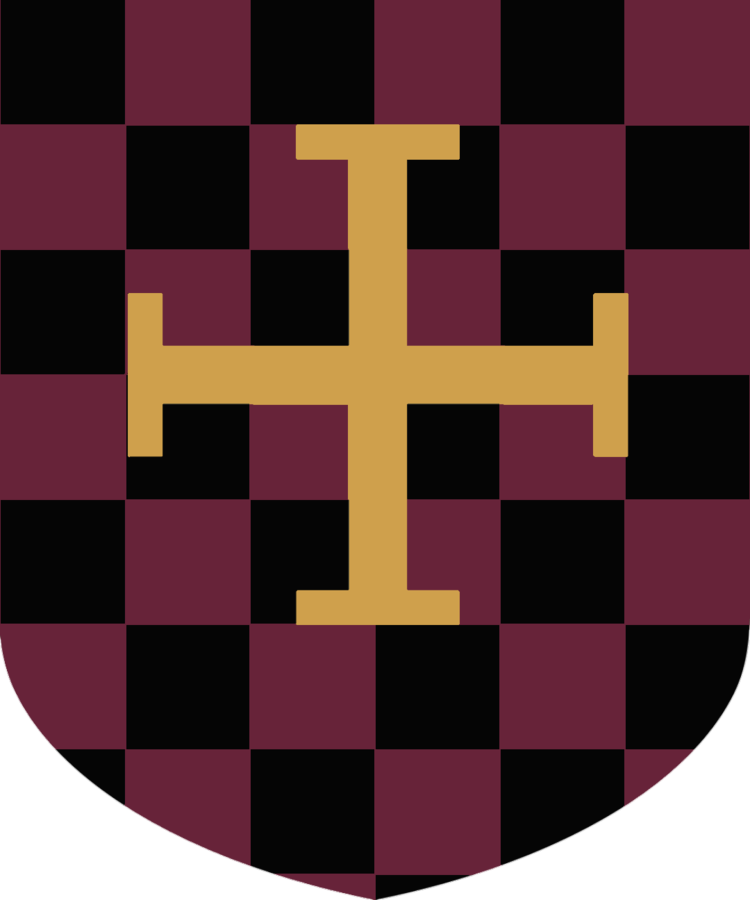
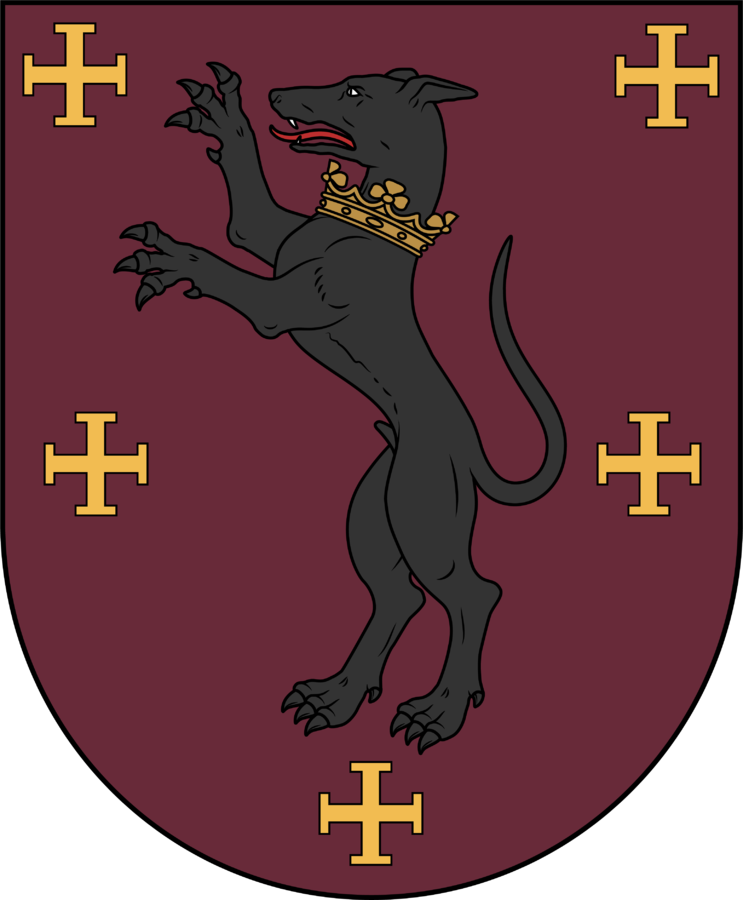
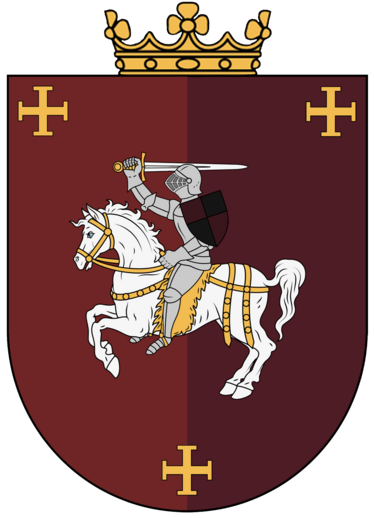
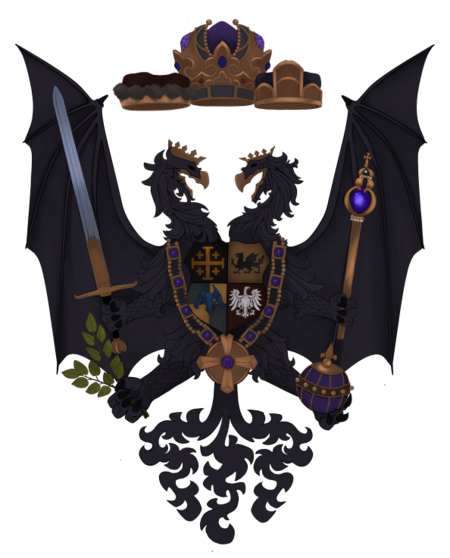
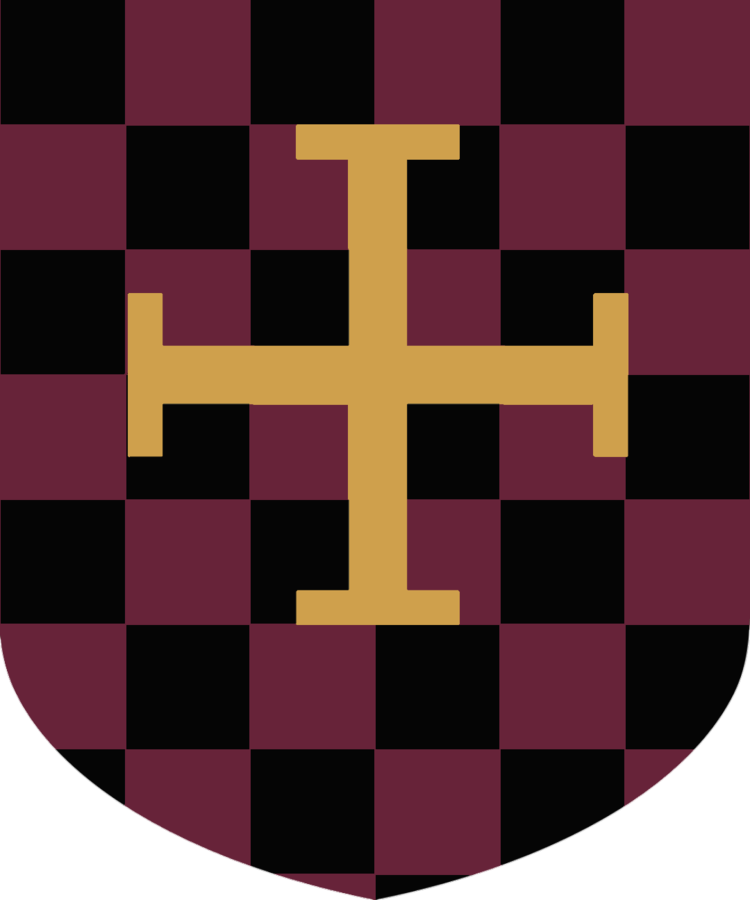
HOUSE WINGRIFF AND HOUSE WINBURGH Fight or be Forgotten Founding of House Winburgh and History The Tale of the Boy 1917 to 1942 Even in times of ruin, two refugees from warring states can find love at the end of their days on this land. A soldier from the Duchy of Adria, of Renatus blood, by the name of Maximilius, and a peasant from the Principality of Sedan. Now part of the Kingdom of Aaun, by the name of Autumn, found love in the ruins of Savoy. But this was not to last, the safety found in the once great city did not last. For the Mori’quessir wished to finish off the last of the descents from the land of Almaris. They sought to drive them out, kill them, or something much worse, but the people of Almaris did not go easily into the night One last great battle took place in the ruins of the great city, where men, elves, dwarves, and Uruks fought side by side. Men from all the great human realms joined in the defense, Haense, Balian, Petra, Aaun, and even Adria. But even though all of humanity and the descendants were united, great loss was felt. Many died in the defense of Savoy, protecting those who could not fight and who hid within the old royal palaces. It is said that Maximilius died on the walls, devoured by one of the great insects ridden by the Mori’quessir. It was seen that all hope was lost, as the defenders were slowly pushed back to the palace with nowhere left to run. But it is said that, by some miracle, a hole opened within the palace, an old passageway leading to the Underdark. Slowly, the people of Almaris retreated into the passage. Among them was Autumn, who by this time carried a child by Maximilius. The people of Almaris made camp in an old city they found within the ruins of the Underdark, and it was in this temporary home that Autumn gave birth to a son. She named him Magnus, meaning “great” in High Imperial. For the first year of his life, the young Magnus lived in the Underdark, before a path to the Island of Failor was found, where the family lived for the next three years. It was around this time Magnus first spoke and this revealed his lisp he carried for his whole life. But soon it was time to move on to the next great continent, a land of storms through which only the bravest Wayfinders could lead their ships. The family of Autumn and Magnus, along with the rest of Adria, made their journey and settled in the heart of Aveos, in a land known as the Midden. Soon, a capital city was established for the Duchy of Adria, a city by the name of Winburgh. Yet, like in most realms, many people found themselves living across the vast duchy in smaller towns and farmsteads, including the family of Autumn and Magnus, who lived in the woodlands of the Midden near the border of Petra, far from most others. Living off the land, Autumn hunted to provide for the family, selling pelts to get by in either Petra or Winburgh. This was the life of Magnus for the first six years of his life in Aveos, but like the tragedy of his parents, this peace did not last. Autumn soon met and was swept up by a new suitor, a half dark elf by the name of Nacht. The relationship progressed quickly, but it was not what it seemed. Unknown to the young Magnus, his mother’s new partner was cursed with vampirism, a curse he passed on to Autumn. Quickly, Autumn fell into the darker aspects of the curse, turning the basement of both her and Magnus’ home into a butchery for all types of Descendants. She, alongside Nacht, captured people, drained them of blood, and hid their bodies in the basement. This horrible secret could not last forever. The young Magnus, curious about the basement he was not allowed to enter, ventured down only to witness the horror that lay beneath. He saw the blood, the bodies, and smelled the rot. No one knows what happened next, for Magnus never spoke of it or wrote it down. Yet by the end of the night, both Nacht and his mother were dead, trapped inside the house as it was set ablaze by Magnus. Now homeless and with nowhere to go, the young Magnus moved into the woods of the southern Middenlands. For an unknown time, he lived alone, though even an adult would struggle to survive there. Darkspawn were common in some regions, bandits often hid within the trees, and even the wildlife, such as bears, shardspine raptor, and more, stalked the land. It is a hard life for anyone in the woods, but almost impossible for children. Yet fate smiled upon Magnus, for soon he met a lifelong companion, a fellow child, slightly older, by the name of Illatius. Illatius taught Magnus the ways of the forest, showing him which plants were safe, how to hide from those who wished them harm, how to hunt, and even how to kill. It wasn’t long before the duo found more children, orphans of the Adrian rebellion, or victims of darkspawn, or of any of the many ways one might die in the Midden. Both Magnus and Illatius taught the children their methods, and soon enough the children became like family to Magnus. The group nicknamed themselves the Lost Boys, with Illatius as their leader and Magnus as his second in command. Yet over the years the group lost members either to finding new homes, or dying in the woods. Over the course of fifteen years the group died off until it was only Magnus and Illatius and the two tired of living in the woods and forests of the southern Midden ventured out to return to society at the ages of twenty five and twenty seven. The Tale of the Bull 1943 to 1962 After some wandering, first through the Kingdom of Aaun and Petra, the two were found by the young Margrave of Drusco, Edmond Ashford de Rouen, and his brother Richold Ashford de Rouen. It wasn’t long before the young Margrave offered them employment as levymen in the land of Drusco, which lay in the far east of the Middenlands and was part of the newly formed League of Veletz, founded just ten years earlier from the lands that were once Adria. Both Magnus and Illatius took to their new roles quickly. They soon added another member to their group, Calivvin Derilli, who became close with both Magnus and Illatius. All three spent their time training, and doing work around Drusco. Only a few months into his new life, Magnus was helping fend off a darkspawn attack on Winburgh, something that would become a common experience for the newly made soldiers. In their free time, the duo traveled to Petra, frequenting taverns and picking fights with elves and other non-humans. But even in Petra, Magnus aided in repelling the spawn of Iblees, such as during the darkspawn attack at the Fall Ball in the newly built Brasca. They also both helped guard the young Margrave whenever he went out to feasts and other such events, and they became so trustworthy that Magnus was even tasked with executing a traitor of the Drusco Levy. Yet this peace was not to last, for a new magical school was built on the other side of the river in Petra. The school, named Hokmat, became a source of much conflict between the devout Heavenly religious population of Drusco and the mages of the new institution. Multiple fights broke out in and around Drusco, and the wooden home of Magnus Illatius and Calivvin Derilli was nearly burned down during one of these clashes. These border clashes between Drusco and Hokmat continued for some time and only worsened. For the next four years, they persisted until the year 1951, when the Great War of Aveos began. It was unclear which realm would stand on which side in the lead-up to the war; both Petra and Aaun nearly changed allegiances during the two years preceding it. But after Ferryman began banditing the roads of Petra, and the Principality of Stassion. an ally of the League within Aaun. attempted a coup against the Aaunish King, the lines were drawn. The realms of Haense, Petra, Balian, Urguan, Norland, and Númendil allied to form the Grand Covenant, and fought against Veletz and her allies the Iron Horde, the Principality of Stassion which had broken away from Aaun after the failed Coup, and Celia’nor. The first battle was at Valdev, the capital of Haense, and resulted in a victory for Veletz. Though Magnus was not present at that engagement, nor at the Battle of Whitespire.which was a victory for Haense and the Covenant. Instead, both Magnus and Illatius were sent by Margrave Edmond to harass the Covenant’s supply lines, killing cattle and disrupting roads throughout Petra and Aaun. The first battle Magnus fought in directly was the Battle of Winburgh, where he fought against Covenant forces and captured the Viceroy of Hyspia, Cesar de Pelear. A victory for Veletz and her allies, it was after this that Sir Gaspard, the Second Captain General of the League of Veletz, knighted Magnus, raising him from peasantry to knighthood and granting him the name Sir Magnus Winburgh. With this new title, Sir Magnus Winburgh had a lot to live up to, so he did his best to support the war effort. It was not long before the Drusco Three devised a plan to help Veletz win the war. They sent Calivvin Derilli into Haense, tasking him with joining the BSK and sending letters detailing troop movements and related intelligence. Alongside this, they intensified their efforts behind enemy lines, attacking supply routes, killing cattle, and in some places making the roads nearly impossible to pass. Yet this did not help turn the tide. The next major battles at Breakwater and Brasca Keep ended in failures for Veletz and her allies. Even the Principality of Celia’nor withdrew from the war, negotiating peace terms behind the backs of Veletz and the Horde. It seemed as though a miracle was needed to turn the tide of the war, and it was as if God had answered the prayers of the Middenlands. The next three battles were victories for Veletz. Sir Magnus fought in all three, riding into Westmark, raiding the city of Portoregne during the Red Coronation, and aiding in the assault on Valdev, where the Queen of Haense was captured by Veletz and her allies. He even witnessed the duel between the Marshal of Veletz and a fisherman of Haense to determine the fate of Queen Amaya of Haense, and it is said that when the fisherman won, Sir Magnus patted him on the back, showing respect for his enemies. But sadly, these victories were not to last, for the next battle, in which Veletz and her allies launched a counter invasion of Balian, became a slaughter at Hippo’s Gorge, forcing Veletz and its allies to retreat to the Principality of Stassion, mainly to the capital of Fredericksburg. Even there, however, they could not hold, and both Fredericksburg and Stassion ultimately fell to the Covenant. It seemed to most, and even to Sir Magnus, that all hope was lost. The despair only deepened when Sir Gaspard II stepped down and went into exile, placing Markus Sarkozic, Duke of Adria, in charge of the League of Veletz. His first action was to dissolve the League, return all its lands to Adria, and sue for peace with the Covenant. Yet the terms offered by the Covenant demanded the destruction of the Middenlands and the expulsion of its people, Renatian, Lowlander, and Raev alike. No realm would be allowed to rise from the ashes; only the Kingdom of Haense would remain to rule over a depopulated land. Even Duke Markus, who desired peace above all else, refused these terms. Alongside the rest of the Middenlands and Drusco, Sir Magnus rode to the next battle, which was set at his home in Drusco. But even with all their might, the people of Veletz and their Uruk allies could not hold Drusco. It became even more bleak in the eyes of Sir Magnus Winburgh as he watched the High King of Urguan, Sigrun Stonehammer, kill his liege lord, Edmond Ashford de Rouen, Margrave of Drusco. With this, the war was effectively over. Though one final battle was fought at Easworth Forest, the Middenlanders had lost too many men and too many resources to continue the fight. A peace treaty was signed, and the war came to an end. The Tale of the Revolution 1963 to 1964 ☩ In the eyes of most Middenlanders hope was dead, they shall be forced to move from their homeland and move all over the canonist world. Even Sir Magnus and Illatius made plans to leave the lands of Aveos and sail off to find greener pastures. Yet it only took one letter to stop them both. A letter telling them both the fight wasn’t over, sent by another knight of Veletz Sir Radmir Montalt was looking for aid. For he had learned a terrible truth: King Aleksandr Barbanov II of Haense was in league with the Archlich Gashadokuro. This could not go unanswered, and even if victory seemed impossible, Sir Magnus still wished to fight. So, alongside Radmir and other Middenlanders, he occupied Winburgh and began fortifying the city further. Yet no forces were sent out to oppose them. When Sir Magnus arrived he was named Admiral of the Midden by Sir Radmir. For a time they remained in the city for a few months, until Sir Radmir was sent a missive calling for peace talks between him and the other Canonist leaders. Sir Magnus knew it was a trap and urgently warned Sir Radmir not to go. But Sir Radmir was pious, and the missive came directly from the Pontiff. So Sir Radmir went to the peace talks alone. Sir Magnus never learned what happened in that room, but he did know this: he was ordered to leave the city along with all others, the revolution was over. Yet he stayed a few more days outside the city, and witnessed the mages of Hokmat burning down Winburgh under orders from Haense. It was a day the Midden would never forget. The Tale of the Exile 1965 to 1973 The people of the Midden were scattered and left without homes. Some went north to the Realm of Ravenmire, a mixed-race realm with few inhabitants. Others joined Canonist realms, the very ones they had spent years at war with. But for Sir Magnus and Illatius, they wandered across the lands of Aveos, searching for steady work and new homes. But only after two years did the duo of Sir Magnus and Illatius find steady work, following a chance meeting with Henry Arthur Haverlock, then Regent of Talentine. The two entered the employ of the Talentine Levy, which did not concern itself with their past allegiances, and though it was a vassal under Aaun, it valued only their experience as soldiers to help protect the border between Aaun, Lurin, and Vortice. The two quickly began to whip the Talentine forces into shape. Yet, although they were trusted by the Regent of Talentine, the same could not be said for the rest of Aaun’s nobility. Insults were hurled at Sir Magnus whenever he ventured into Whitespire. Illatius did not receive the same treatment and was even knighted as a Knight of Talentine, largely because most Aaunites had never heard his name and assumed he was one of their own. Yet the Talentine Levy grew, and Calivvin Derilli left his post in Haense, taking the new name Aleksander Derilli as he joined his two countrymen. Soon, the trio began to do more than simple levy work, being sent to the Duchy of Brabant to assist with the Silver Crusade, among other tasks. Around this time, Sir Magnus, while guarding the border, discovered an orphan of Oyashiman stock. Giving him the name Crow, he took the boy under his wing and made him his squire. Alongside training his new squire, Sir Magnus spent more time exploring the lands of Canondom, where he soon met a peasant woman by the name of Elizabeth. The two quickly became infatuated with one another, but, not wishing to put her at risk, Sir Magnus kept the relationship hidden. He married her in secret and concealed the existence of their twin sons, though he sent money and visited whenever he could. Yet Sir Magnus kept himself busy, fighting in battles against darkspawn all across Aveos. He suffered a burn to his arm from Malflame during a darkspawn attack in Koyo-Kuni. Sadly, around this time, his squire ran off after witnessing the destruction of his home. The next few years were relatively peaceful, spent mostly helping to build a new town around the keep of Talentine and dealing with the occasional bandits or darkspawn. Yet this calm did not last, for Henry Arthur Haverlock’s time as regent was coming to an end. With the backing of the Aaunish crown, a new regent, Margot-Lucilla, was appointed. Arguments quickly broke out between the two sides, and the Levy was pushed aside, treated as outcasts in what had become their new home. Though Sir Magnus did not sit idly by as his new home was taken from him, he had recently received an offer from an old friend from Veletz. Bo Rostova asked if he wished to help him govern Ravenmire, which he had come to rule after the death of Meira Kervallen-Elmwood. He told Henry Arthur of his idea, and the two met with Bo Rostova, asking for land if they brought their people north to the Sea of Ghosts to join the Duchy of Ravenmire. The newly made duke agreed, and so the plan was set. With the help of the three and a newly made member of the crew, Godefroy d’Amuary, the people of Talentine fled north. Carrying what they could on their backs, they set out to find a new home in the snowy lands of Ravenmire. The Tale of the North 1974 to 1983 It was a long march north, traveling along rarely used roads. Yet at the end of the journey, the people of Talentine, Sedanites, Middenlanders, and the few Raevs, found salvation in the far north, in the city of Caerfran. There, the Middenlanders and Raevs were reunited with their countrymen, and a new hope was born. The newly made Duke of Ravenmire, Bo Rostova, stayed true to his promise, granting the people of Talentine land south of Caerfran. He made Henry Arthur Haverlock the lord of these lands, which he named Blackworth. Sir Magnus, Sir Illatius, Sir Aleksander, and Holy Sir Godefroy all went with their new liege lord south to help build the keep of Blackworth. Yet with each new hope, tragedy soon followed. After his two sons, Gaspard and Ethan Winburgh, moved north to live with their father following the death of their mother, Elizabeth, Sir Magnus began to grieve. But he had little time to do so. For Bo Rostova crowned himself King of Ravenmire without the permission of the Pontiff or the Church. In response, the Church of the Canon announced that the people of Ravenmire were no longer under its protection. Sensing weakness, bandits from the lands of Haense quickly began to prey upon the roads of Ravenmire, striking especially hard at the new home of the Stassionites, Rhosmark. Their main target was the so called heretical church, a branch of the Church of Aurelius. Sir Magnus took part in driving back the bandits until Ravenmire and the Church entered into peace talks. In the end, Bo Rostova was recognized by the Church as the Sovereign of Ravenmire, bringing the realm back into the fold. During this newfound peace, Sir Magnus began to train his two sons in the art of combat, teaching them his way of war, how to target backlines, break into barns, and other such tactics, alongside more traditional forms of fighting. After a year of training, he asked his oldest friend, Sir Illatius, to take his eldest son, Gaspard Winburgh, as a squire. He searched for another knight to take his other son, Ethan, but Ethan had no desire to become a knight; he wished instead to be a bard. So Sir Magnus supported his son in this pursuit, sending him south to Norland. Along with this, Sir Magnus spent his days traveling. On one such journey, he joined the pilgrimage of his fellow Middenlander, Canonius, who had recently been cast out of his holy order for slaying a darkspawn without the Church’s permission. Sir Magnus followed him on foot from Númendil to Reinmar in the far west. But at the gates of Reinmar, Sir Magnus, and the whole line of Winburgh, were changed forever. It was there that Sir Magnus met a young man of the newly founded Holy Order of the Midden. Even with his helmet on, Sir Magnus sensed something special about him. He spoke with the conviction of the greatest men the knight had ever known, and soon Sir Magnus’s suspicions were confirmed, when Canonius granted the man the Sword of Aurelius himself and declared him the hope of mankind. Immediately after this, once Canonius had departed, Sir Magnus asked the man to speak in private. He asked who he was, and it was then revealed that the man was Tiberias Van Aert, son of Gaspard II Van Aert and the true heir to Exalted Godfrey. Sir Magnus wept tears of joy, for he had believed the entire line of Van Aert to be dead. That day, hope was restored to the old knight’s heart. It was there in the mines of Reinmar with the gems sparkling in the background swore his allegiance to the young man. For he knew he was the last hope of mankind, and he vowed to make Ravenmire ready for the day Tiberias asked for aid in his quest. Sir Magnus returned to Ravenmire and told both Henry Arthur and Bo Rostova of what he had discovered. Both agreed, and a plan was set, but no plan ever goes perfectly. Soon, a day came when two men arrived in Ravenmire: a scion of Alstion, Alexander Caius, sworn to Haense, and Belisar var Ruthern, a knight of Haense. They came under guest rights, asking for a tour of the northern kingdom, and Sir Magnus, knowing that Alexander Caius carried some blood of Van Aert, took him at his word. Yet during the tour, tensions rose, and Alexander challenged Sir Magnus to a duel to first blood. Never one to back down, Sir Magnus accepted the prince’s challenge. He fought well, though he was never one for fair duels. After being defeated and brought to the ground, he was bound by the prince and the Ruthern knight. Taken prisoner and forced to his knees, they attempted to behead him, but his armor protected him. Before the next blow could fall, Sir Illatius and Henry Arthur arrived and saved him. Sir Illatius fought off both attackers, buying time for Henry Arthur to get Magnus out of the fight, but in doing so he lost his life to the two assailants. Sir Magnus was brought back to Blackworth, where he recovered from his wounds. The body of Sir Illatius was recovered, and a funeral was held. Old Veletzer came from near and far to grieve their fallen comrade. Henry Arthur took the young Gaspard Van Aert as his own squire, and shortly after this Sir Magnus was raised from a simple knight to a landed lord, named Baron of the Isles. Charged with guarding the coasts from pirates, Sir Magnus began work on the Navy of the Isles, a task he would not live to see completed. After one final meeting with Tiberias Van Aert, in which they discussed plans, Sir Magnus ventured out to the lands of Haense in the year of the Lord 1983. It is presumed he was ambushed and killed by the Haensers; his head was found on the walls of Haense, and after it was taken down, it was given to his son, Gaspard Winburgh. The Tale of the Twins 1984 to 1987 Gaspard Winburgh, being only sixteen at the time, was considered too young to rule. A brief regency was therefore placed over him for two years, during which he studied under Henry Arthur, Duke of Blackworth. During this time, he spent time with his brother Ethan Winburgh and formed a friendship with Henry Arthur’s eldest child, Constantine Leopold Haverlock. He also befriended Henry Arthur’s other ward, Corinna Rademacher, the duke’s niece. At the same time, Ethan Winburgh took over operations of the tavern in Blackworth, owning the building and living in the upper floors. Many came from all across Ravenmire to taste Ethan’s brews, from the secret recipe of Renatian rum passed down from his father to his own creations. The twin brothers followed their separate paths. It did not take long for Gaspard to be knighted by Duke Henry Arthur, while also beginning to court Corinna Rademacher, who was herself on the path to becoming a Dame. She was squiring under Sir Godefroy d’Amaury and was known for her tendency to collect body parts from defeated foes. Ethan, meanwhile, focused more on the simpler things. He found his wife, Orchard, a distant cousin of Tiffany, the Duchess Consort. He lived a quiet life, though when called upon to fight the many darkspawn that stalked the north, he rose to the occasion. Darkspawn attacks became increasingly common, ranging from battles against the undead to storms capable of controlling the minds of all within them. Around this time, the Heartland Confederacy, a union between Aaun and Petra, began to split apart, and civil war broke out. Both sides came north seeking men and supplies from Duke Henry Arthur. John Valentinus Alstion-Enswerp was the first to arrive from the Kingdom of Aaun, claiming to be a Middenlander through his mother, Queen Amelya of Van Aert blood, and promising to help crush Haense for its crimes. Duke Henry Arthur asked for one thing in return: the head of Alexander Caius, the recently deceased brother of John Valentinus and the man who had killed Sir Illatius. John Valentinus refused the demand, and the envoy from Petra was also turned away. Yet this did not stop the controversy surrounding what Duke Henry Arthur had demanded in exchange for joining the war, worsening relations between Haense, Aaun, and Ravenmire. Afterward Corinna was named a Dame, but even with this newfound privilege, both she and Sir Gaspard decided to play a prank on Duke Henry Arthur. Dame Corinna stuffed a pillow under her blouse to fake a pregnancy out of wedlock in the middle of Illation, the capital of Blackworth. She then proceeded to stab the pillow, acting as though she had taken her own life. The act ended after Duke Henry Arthur suffered a brief heart attack. Though it quickly passed, once he was told what had happened he attempted to strangle Sir Gaspard. In the ensuing scuffle, Duke Henry was pushed and struck his head on a table. Sir Gaspard then retreated to his newly built keep on the Island of St. Alexander, while Constantine Leopold Haverlock and Sir Aleksander Derilli went out to search Aveos for a medic. They returned with Malna Loa’chil, one of the chief medics of the Kingdom of Haense. Malna quickly got to work, and Constantine went to retrieve Sir Gaspard, bringing him back to the clinic in Illation, where the two remained to stand guard over it. After hours of work, Malna was able to save the life of Duke Henry Arthur. Afterwards, she took Constantine as her student to teach him the ways of healing, ensuring that such an incident would not happen again. Both Sir Gaspard and Constantine began to call the wood elf “Auntie” as a sign of respect, and once Duke Henry awoke, he forgave Sir Gaspard and Dame Corinna. Afterwards, Sir Gaspard, Dame Corinna, and Ethan Winburgh helped in a small skirmish against the northern barbarian tribe known as the Skanarri, aiding the forces of the Blackworth Levy in repelling the attack with ease. The Tale of the False War 1988 to 1990 Yet this peace did not last, for the aid offered by Sir Magnus was finally called upon by Tiberias Van Aert. For he had learned that his friend James Whitespire was slain by his own brother Charles Reman the then king of Aaun. Tiberias alongside the men of the Blackvale company made their way north to the lands of Ravenmire They made camp in a tower on the border of Blackworth. Tiberias was treated as an honored guest, and as the situation worsened, the people of Ravenmire began to prepare. They sent envoys to Norland, an ally of Ravenmire, requesting aid. But as the north prepared, the south sought to strike first. Men from the Aaunite vassal of Enswerp launched a raid on the people of Blackworth, attempting to kill Tiberias Van Aert. They were repelled, but at a heavy cost: Tiberias lost an eye, Sir Yao, an old knight of Ravenmire, was killed, and the young Constantine was injured. Both Sir Gaspard and Ethan took part in the defense and, in the aftermath, helped place the heads of the slain Enswerp levy upon pikes. For this, Ravenmire, Norland, Urguan, and the Blackvale Company began to march south toward the Keep of Enswerp. During this long march, the political situation grew increasingly chaotic. Hedwig of Warsovia, Queen Consort of Aaun, confessed to the murder. It is said that the people of Aaun cheered at the confession, proud of the queen and king’s actions. However, many, even among Aaun’s allies such as Balian, Haense, and Reinmar, condemned the act, and forced both Charles and Hedwig from the throne, excommunicating and banishing them to a distant island. The young boy-king Godwin was placed under a regency, with the Pontiff acting as his regent. Yet the Aaunites refused to act quickly on this matter, so Ravenmire continued its march until the terms were met, and the whole of Aveos once more stood on the brink of war. Thankfully, Aaun gave in, and the terms were set, with further peace talks to be held in Númenost, led by the newly appointed Pontiff Harrentzedek, an old priest from the lands of Veletz and an old friend to both Sir Magnus and Gaspard Van Aert II. Soon all of canondom meet in Númenost, Sir Gaspard helping to guard Henry Arthur and Bo Rostova during this. Yet the talks did not go smoothly, ending with king Alexander II of Balian calling Tiberias a usurper and all of Canondom, even Hyspia, to mobilize once more. Yet peace ultimately prevailed. The Church assumed authority in Aaun, and Ravenmire withdrew its armies north. As part of the settlement, Tiberias Van Aert was granted lands on the border of Aaun and Petra, the former lands of Stassion, a place named Grense. Yet one more event unfolded to truly end this, the Anguel of Justice, Saint Raguel, appeared over the city of Whitespire and told those who wished to live to leave. Then, as some of Ravenmire and the rest of the world watched, Saint Raguel destroyed the former capital of Aaun in holy fire. The Tale of the Crusade 1991 to 2008 During this brief peace, Sir Gaspard and Dame Corinna were married, with families from Reinmar and Ravenmire in attendance. It is said, however, that when the two tried to kiss, Corinna, nervous in the moment, kicked Gaspard below the belt instead, causing him to collapse in pain for some time. But thankfully Gaspard recovered quickly and a large feast was held at the Tavern still owned by his brother Ethan Winburgh. But soon after, all three returned to their routines as new threats emerged, such as the Frost Witches of the snow and a massive portal that opened into an ancient tomb filled with traps and darkspawn. During one of these incursions, Ethan Winburgh lost both an arm and a leg when the Blackworth Levy ventured into the portal, and on another expedition Sir Gaspard saw visions of his wife dying. Thankfully, the portal soon closed, and all the forces of Ravenmire were summoned. The Pontiff called for a Crusade on Honkmat, Lurin and Vortice. Ravenmire answered that call, Sir Gaspard summoned his Navy to start harassing the ships of Vortice and Lurin, while the main forces of Ravenmire began to harass the roads and raid the cities of Vortice and Lurin. Soon, the halflings of Dunwen and the Grand Duchy of Silasia joined the war on the side of Lurin, Vortice, and Hokmat. The first to fall was Hokmat, which refused to fight and retreated after a small skirmish with the Azdrazi of Azdromoth. Though when Sir Gaspard saw the voidal taint in the area, it is said he was disgusted and felt relief when Saint Raguel burned the city in a holy fire. Sir Gaspard also aided in the numerous battles between the crusaders, the bandits, and the remaining levies of Silasia. He further assisted in negotiations between Ravenmire and the people of Salvo, who wished to revolt under Lurin, and helped coordinate the movement of supplies down south. Around this time, the eldest son of Gaspard and Corinna was born: Everett Winburgh. Alongside this, Sir Gaspard and all other vassals were summoned to Caerfran by the new Sovereign, Earoslave Rostova. However, the vassal of Rhosmark refused to attend, sending only a lone guard by the name of Aaron Wisdomseeker, who declared that Rhosmark was not part of Ravenmire and would not be paying taxes. The new Sovereign responded by having Aaron’s tongue cut out and sending him back to Rhosmark, giving them thirty minutes to respond or face the destruction of their keep and town, along with the execution of the entire House of Stassion. When no response was given, Sir Gaspard, Dame Corinna, Constantine Haverlock, and Duke Henry Arthur led the forces of Ravenmire in the razing of Leonustadt. Yet soon afterward, all the forces were sent back down south to finish off the last state needed to complete the Crusade: Vortice. In the first two battles at Driftwood Hollow and Cormath, Sir Gaspard took part, helping to seize the ships stationed at the pirate port of Cormath. However, during an assault on a lighthouse, Duke Henry Haverlock was slain in combat. Sir Gaspard helped return his body to the now Duke Constantine, his new liege lord. But soon the crusade was finished, Vortice was taken, and Sir Gaspard, along with the rest of Ravenmire, returned north. There, he was summoned once more and joined the first Parliament of Ravenmire, a position he held until the fall of the realm. For the next few years, things were peaceful, the Navy of the Isles was sent out with wayfarers to trade, and the twins, Illatiae Corinna Winburgh and Larkin Macintosh Winburgh, were born. The latter of the twins Larkin being born with a lisp, and grown to be rather small even compared to most Middenlanders. Ethan Winburgh slowly fades from the accounts around this time, but it is said he and his family went off to Aeldin to help establish new connections within the Empire of Aeldin. Yet in the background, the Skanarri tribes of the north began to unify under a warlord, and the roads and small villages were slowly overrun. Most people retreated back to the cities of Caerfran and Illation, but this would not keep them safe for long. Soon, despite their best efforts, all but the Isles were overrun by the barbarians. Sir Gaspard helped evacuate the ports of Caerfran and remained on the Isles. Sadly, the Isles soon became overcrowded, and the people of Ravenmire, with the help of the newly founded Papal States, moved to the ruins of Whitespire to establish a new realm. There, Ravenmire was granted the title of a Grand Principality. The Tale of the South 2008 to 2015 The new camp in the ruins developed quickly. Sir Gaspard and the Barony of the Isles were granted the former Hand of Horen, the once palace of Aaun, on the waterfront of the ruins of Whitespire, along with ownership of the ports and all the old ships of Aaun. Yet still building the new keep on the ruins of the Hand of Horen, and the newly found city of Earosgrad took time. So most of the Winburgh Family stayed in the northern keep. Yet the eldest sibling Everett Winburgh ventured down south with his father, and joined the Order of the Holy Grail. Soon after, the keep in the south was completed, and the rest of the Winburgh family moved there to the newly built Salt Stone Bastion. Along with this expansion, more traders were sent out across both Aos and Eos. Isles Traders could be found from Vectra to Judd during this time. Yet soon it was time for the two youngest Winburgh children, Illatius and Larkin, to undertake the tradition known as the Year at Sea, both doing so at the young age of eight rather than the customary fourteen. Sir Gaspard allowed them to do so; Illatius returned the following year, but Larkin took over fifteen years to return. During this time of peace the Order of the Phoenix was founded by Sir Gaspard Winburgh and became the knight order of all in Ravenmire. It’s based in the Salt Stone Bastion of the Isles. The next few years were rather uneventful for House Winburgh. Their trading network continued to grow, and Everett slowly began his climb through the ranks of the Order of the Holy Grail, though his progress was slowed by arguments with other members. Overall, it was a time of relative peace for the family. The Tale of the Wars 2018 to 2030 Though, like all times of peace, it would not last. A bandit mercenary group known as the Vinovian Warband began attacking the roads across Aveos, and soon they grew bolder, sending missives denouncing the Church and the Pontiff as corrupt and launching an attack on the Holy See at Lemonhill. This did not go unanswered. A force from the Pontifical States, including Ravenmire, marched against the bandits and met them at the Bloody Gates in the lands of the Horde. Sir Gaspard and his eldest son, Everett, joined the battle, helping to crush the bandits at the Bloody Gates. The Vinovians were slaughtered to a man and did not pose a threat again. But as soon as one threat was handled, a new one arose. The once-allied state of Salvo had fallen on hard times. A coup led by Elynora Maude af Brasca and Peter di Alessandria had driven most of the people out of Salvo, plunging the once-great republic into a dark age. Taxes on the people of Salvo rose to over one hundred mina, and the “Popper Duchess” was widely hated by most. Taking advantage of this instability, a former senator turned bandit named Mitch “Cross-slinger” McCanon, with the help of the bandit group known as the Free Daelish and his own posse of outlaws, moved to take control of Salvo, remaking it as little more than a bandit town. Attacks were launched all along the border between Salvo and Ravenmire. A new war was launched in response to these attacks, led by a new vassal under the former second-in-command of Salvo, Peter di Alessandria, now known as Peter Rovare. In the fighting that followed, House Winburgh took part in all of it, helping to build the border wall under the orders of Prime Minister Constantine Marna and supplying a gunboat for the assault on the city of Salvo itself. Even taking part in the final attack under the orders of Crown Prince Thorin Rostova, Sir Gaspard and Everett Winburgh fought in the engagement. They even assisted in bringing the Crown Prince back after the battle so he could be treated by medics in Earosgrad. But even then, the time of war was not over, for the conflict House Winburgh had long prepared for had finally begun. The war between the Church and its allies of Numendil, Ravenmire, Ivoria, the Horde, Urguan, Caurost, Haelun’or, and Koyo-Kuni, against the Horenic Covenant led by Haense and its allies Balian, Petra, Reinmar, Hyspia, and Celia’nor, had erupted in full. The fate of Aveos, and of mankind itself, was at stake. The war Sir Magnus had once sworn to fight in had finally come to pass. Sadly, the first battle of the war at Nueva Vida, led by Prince Thorin and Hordespeaker Grommash, ended in a bitter defeat. Sir Gaspard and Everett managed to escape alongside Prime Minister Constantine Marna. Sadly, Prince Thorin was captured by the Horenic Covenant. However, he was granted safety and released by King John II of Balian, an old friend of the Crown Prince. Following this, the next battles at Lesanov and Kretzen became major victories, both occurring on the same day. Men of House Winburgh, along with Sir Gaspard and his son, took part in the fighting, helping to sack both settlements and assisting with prisoner transport. The tides of war seemed to favor the Holy League. The Isles Navy grew larger with the help of Prince Thorin Rostova, who operated as a privateer, capturing both warships and merchant vessels from the Horenic Covenant. Alongside this, Winburgh men, Sir Gaspard, and Everett Winburgh took part in the Siege of Koppány, which became another victory for the Holy League. But the good fortune of House Winburgh soon came to an end. While praying with Prince Thorin Rostova at the Holy Sea in Lemonhill, a surprise attack was launched by forces from Haense and Balian, killing both Prince Thorin Rostova and Everett Winburgh. The tragedy shook House Winburgh to its core, the heir was dead, and succession now lay uncertain between Illatius and Larkin Winburgh, one of whom had not returned to Aveos in over a decade. Things worsened further only a year later when Sir Gaspard’s blood brother, Constantine Marna, was slain by Peter Rovare in a false coup. Peter Rovare, with the support of Prince Thorin’s eldest son, Prince Owyn Demitrey Rostova, seized power and abolished the Parliament, granting total control to the two of them. Along with this, the Mayor of Earosgrad, Ukukaal, another longtime friend of Sir Gaspard, was banished. In response, he closed the gates and ports of the Salt Stone Bastion, refusing to deal with either of the traitors, and sent letters to his son Larkin Macintosh Winburgh, urging him to return home. Yet his return took time, and the men of the Isles still fought in the war. No Winburgh fought at this stage, for Lord Peter Rovare was powerful, and they knew that to leave now was to risk death, much like Prince Owyn Demitrey, who had mysteriously vanished. Still, Sir Gaspard acted where he could. He managed to extract Grand Prince Earoslav from the keep while he lay gravely ill and in a coma, most likely poisoned by Peter Rovare. But a new hope emerged, as it always seemed to. Larkin made his way back home, and while House Winburgh rebuilt itself, the Papal States were reorganized into the Kingdom of Burgundy under King Tiberias Van Aert. one of the oldest friends of House Winburgh. Taking his son along with the recently widowed Cosima von Leopold, the former wife of Constantine Marna, they traveled to meet the newly crowned king. The trio pleaded with the new King of Burgundy, asking for justice for the crimes committed by Lord Peter Rovare. Tiberias heard their pleas and urged them to be patient. Like all things, it would take time, and he told them to trust in the plan. But during this time, the War of the Crown and Crozier still raged on. With his father losing the will to fight and the death of his brother weighing heavily on him, Larkin Macintosh Winburgh knew what he must do. He took command of what remained of the Ravenmire levy still loyal after Peter’s coup. Yet even amid war, life pressed forward. In what little time he had, Larkin met the love of his life, Kassandra and, in a moment as sudden as it was certain, married her the very same day they met. While fighting in the war and beginning his new life, Larkin soon joined the newly formed guard of the Kingdom of Burgundy. There, he aided in its earliest days, standing watch and fighting in battles across the south. By this point in the war, only Balian remained under the banner of the Horenic Covenant, and Larkin Winburgh took part in every siege laid against the Kingdom of Balian. He also took part in the final siege, where John II of Balian marched out with his bravest soldiers to face the army of the Holy League. The battle ended in the slaughter of the Balianite forces and the fall of the Kingdom of Balian. With the end of the war, Larkin returned to his small home in the Duchy of Alba. There, he and his wife were blessed with two children, Magnus and Viktoria Winburgh, and a year later, the twins Victor and Tiffany were born. Viktoria Winburgh was an odd child, suspected of holding the Rademacher curse while; her brother Magnus was born with the same lisp as his face, and grandfather. He named Auntie Malna, the God Mother of his eldest and built her a room in his home. The Tale of the Dragon 2030 to 2036 Larkin continued with his guard work, helping guard the new coronation and ceremony for the recently crowned Emperor Tiberias Horen of the newly formed Empire of Man, the previous King of Burgundy. Slowly rising through the ranks of the guard, Larkin reached the position of Old Guard before long. Along the way, he forged many friendships, most notably with Redgar and Richard von Rhoswald, the son of Aaron Wisdomseeker, thereby ending the feud between their houses, as well as Zubayr bin Shamil Al-Assad and Khaleed bin Salman Al-Haybah. The four men became like brothers to Larkin and stood beside him in many battles. They were mainly stationed in the north, where a new bandit threat had arisen, and together they guarded Crown Prince Hadrian during a sudden ambush. In the chaos of the attack, Larkin threw himself in front of an arrow meant for the prince, saving his life but losing his left eye in the process. He also helped build the new imperial fort outside the Barony of Silasia, fighting off two more bandit attacks on the town itself. At one point, he even took command of the men after the knight in charge was struck down by the bandits. Eventually, the war came to an end, and the remaining bandits retreated into unknown lands. Soon after returning home, Kassandra gave birth to Corrina Winburgh, and a year later, Everett Winburgh was born. During this time, Larkin served primarily in Alba and the Imperial Capital, dealing mostly with small-time thieves and darkspawn incursions. It is said that on one occasion he came across a containment cell holding a werebeast about to break loose. In the struggle that followed, Larkin smashed a bottle of cockatrice breath upon both himself and the werewolf, then attempted to fight it barehanded, throwing punches as Sir Redgar and Zubayr bin Shamil Al-Assad dragged him out of the cell. However, peace did not last. Larkin Macintosh Winburgh, along with the rest of the guard, soon found himself drawn into the war against the Daemon Orsathiael, more commonly known as “the Mountain.” During the first battle against the Mountain’s forces, Larkin and the Reinmarian troops held the left flank on the outskirts of the former city of Nau Valdev. Though they managed to cut down many of the enemy, they were ultimately forced to retreat alongside the rest of the forces of Man. The second encounter between the Imperial Guard and Larkin Winburgh came during a small road skirmish, where Larkin once again chose to engage directly, this time punching a lava golem. He managed to help break the creature’s core, though the act left the entire left side of his body severely burned. Yet, sadly, during the war with the Mountain, his wife Kassandra passed away suddenly. Larkin was left to raise their six children alone, and seeing no other option, he hired a family nanny, Velkyn Valran, to help care for them. He also asked Malna Loa’chil to spend more time with his children, ensuring they would still have guidance and stability. Even so, he remained bound to duty, continuing to fight in the name of the Empire despite his loss. So quickly, he rejoined the Imperial Guard, helping fend off an attack at Myrine. Once again facing a golem, he stood over the body of an Imperial squire as he took the creature’s blows, aiding the Dragon Knights and other members of the Guard in bringing it down before rushing out to deal with the last of the Mountain’s forces. In the aftermath of the battle, two ingots of azhl were found scattered across the battlefield. Larkin had them forged into the family sword of House Winburgh, later named Pirate’s Bane. Taking his newly forged sword into battle for the Middenlands, Larkin fought in the defense of the ruins of Winburgh as the forces of the Mountain attempted to seize them. There, alongside the Imperial Guard, he helped push the enemy back, marking one of the first major blows against the Mountain’s advance. A year later, he again took part in the Battle for Cerulia. But unknown to him, after that battle, his life would never be the same. The Tale of the Red Sun 2037 to 2044 For when Larkin Macintosh Winburgh, the runt of the Isles and a man who had never wished for power, was made the new Baron of the Isles to replace his father, whose health had grown deathly poor and who could no longer rule. His sister, Illatiae Winburgh, having no wish to rule, retired from political life and instead married the Dragon Knight Abraham. In his new role as Baron and Admiral of the Isles, Larkin Macintosh Winburgh quickly set to work. He sent the navy out to harass the forces of the Mountain and secure the seas, while also ensuring that vital goods were delivered to the Salt Stone Bastion. Alongside this, he brought his family and household staff to reside within the Bastion itself, strengthening both its defenses and its stability. Still, he continued serving in his role as a guard, being sent to the next battle in the defense of Norland. There, he acted as a captain of a crew of cannoneers, helping to aim artillery against the forces of the Mountain and the undead wyvern under the control of Daemon Orsathiael. As the enemy was pushed from the outer walls of Norland, he also fought in what was known as the First Squire of Norland, where he physically supported a cannon on his back as it was fired by Lord Marshal Manfred von Berkhoven and Princeps of Ivoria Philipp Victor Keen. The shot brought down the wyvern, helping secure victory for the Empire. Yet still, in the brief time he was able to return home, Larkin discovered a plot involving his most trusted staff member, Velkyn Valran, who had been secretly working with blood magic cults and mystics. Larkin confronted Velkyn Valran directly, bringing the matter to light before the household. Despite the betrayal, he ultimately took responsibility for Velkyn’s two elven children, Celestia and Ynx, choosing to adopt them under his protection. Afterwards, Larkin took a few months away from the front lines, focusing instead on duties within the barracks of the guard, helping his daughter Viktoria Winburgh join the guard at a young age. He taught her how to fight the forces of Ibless and other dark creatures, and she became known for defending the capital of Grense from many darkspawn attacks. He assisted with training, organization, and the accommodation of newly arrived mages, during which time he worked closely with a rising mage known as Ark. Through this association, Ark was named Court Mage of the Isles under his patronage. Alongside this, it is said Baron Larkin helped Ark learn how to understand and express emotion, guiding her beyond mere study of the arcane into a more human way of perceiving the world. The two were recalled to the front helping to defend the lands of Drusco, from the forces of the Mountain and after the battle Baron Larkin helped carry out the injured, including the Mage Ark. Yet the battle remained a victory, though soon Larkin was no longer needed primarily as a soldier of the Empire. Instead, he was required as a Baron and an ally. The Middenlander houses of Blackvale and Mareno called for aid, and with the front against the Mountain stabilized, he returned to his keep to ready his men for war against the Archduchy of Drusco. Baron Larkin Winburgh led the forces of Krukiv during Saint Lucien’s War, having been placed in command by Duke Earoslav Rostova. He took part in the battles of Sunset and Numenist, while still occasionally being sent to face the forces of the Mountain. During this time, he also led the Isles Navy at the Battle of Goldvine. In that engagement, Baron Larkin personally sailed the ship assigned to destroy the lighthouse, crashing it directly into the structure before fighting through the Mountain’s forces and securing control of the tower. Afterwards, he seized another vessel and sailed alongside the Imperial Guard and Isles forces as they bombarded the Soul Wave of Goldvine. The creature was ultimately brought down only when the mage Ark summoned a massive boulder to strike it. Soon after, Baron Larkin took part in the Battle of Lizard Run against the forces of Drusco, once again leading the Krukiv contingents. Though the battle resulted in heavy casualties, it ultimately proved to be a crushing defeat for Drusco. However, this would not be Drusco’s greatest mistake. Soon after, they broke the charter of war set by the Emperor with the killing of Sakis Mareno. Ser Meili Altwegg, Lord of Avistra, outraged by the dishonor, met with the Emperor of Man, Tiberias Horn, and informed him of the breach. This led to an Imperial response, with a force led by Crown Prince Hadrian Horn striking the keep of Drusco. During the battle in the k, Baron Larkin engaged in a duel with Sir Stanton Stroheim, the old Templar. Though he put up a hard fight, Stroheim was ultimately captured by Baron Larkin. After the battle, Roger de Rouen, the Archduke of Drusco, was brought back to Grense, where he was executed by Emperor Tiberias, bringing Saint Lucien’s War to an end. Yet only a few months later, members of the Order of the Grail, following the murder of two elves, retreated into the former lands of Drusco. There, they were hunted down and slain by the Imperial Guard, with Baron Larkin Winburgh among those who took part in the final action. Sadly, though the war against Drusco had come to an end by the year’s close, the former Baron of the Isles, Sir Gaspard Winburgh, passed away from lung cancer. The Tale of the Mountain 2045 to 2047 With the matter of stopping the forces of the Daemon Orsathiael still looming, Baron Larkin Winburgh had turned his sights north. Yet shortly before he could depart, he was captured by the bandits of Salvo and taken to their hidden stronghold “the Rock,” concealed within the deserts of southern Aveos. There, he was imprisoned in a cell near its summit. A great ransom was demanded, but in the meantime, the Salvian bandits tortured him over the course of a year, knocking out most of his teeth and tearing his remaining eye from its socket. Even in captivity, however, Larkin endured. Slowly, he began to win over some of his captors, earning small measures of trust. In one strange instance, he was even brought, still chained to a chair, to witness the wedding of two bandits. By the following year, through persistence and force of will, he managed to convince two of his captors to set him free. While he was taken hostage by the bandits of Salvo, his daughter Viktoria Winburgh and his son Magnus Winburgh helped in fighting off an incursion from the forces of the Mountian at the Imperial capital of Grense. Doing well in the fighting and helping Viktoria in rising up the ranks of the Imperial Guard. Then, set upon the road, blind and without weapons, he slowly made his way to the Imperial Capital of Grense. There, Ark placed within him a golem eye, restoring his vision and granting him a limited form of telekinesis. For this, Larkin knighted Ark, bestowing upon her the title of Horen. Along with knighting Malna as a Knight of the Isles. Soon after his recovery and earning the title of Korporal within the Imperial Guard, Baron Larkin Macintosh Winburgh was sent to the final battle of the war against the Daemon Orsathiael. There, he witnessed two dragons clash with the greater daemon, fighting beneath them as the battle raged. Alongside the forces of Aveos, he helped cut down wave after wave of darkspawn until, at last, the battle was won. Orsathiael was sealed once more, though at great cost, as one of the dragons became corrupted in the process. The seal, however, was known to be temporary. With the storm that had long surrounded Aveos finally vanishing, the seas opened once more, allowing a great fleet to be sent out in search of new lands. Baron Larkin Macintosh Winburgh and the navy of the Isles were given the task of carrying much of the Empire’s people to safety. A few additional ships from other vassals joined the fleet, forming a great exodus as they set sail from Aveos. Unwilling to see his homeland fall into the hands of the Daemon, Larkin made a final decision. Before departing, he placed a firebomb at the heart of Earosgrad, setting the city ablaze so that nothing would remain for the enemy as they left Aveos behind. The Tale of the Island 2048 to 2051 ⚔︎ Soon the people of Aveos, and the fleet led by Baron Larkin Macintosh Winburgh, made port off the island of Kalldur. The people of the Isles and Krukiv made camp in the northeast of the island, building a small camp, dock, and farm. During this time, Baron Larkin spent most of his days farming. When not farming, he spent his time with either his family or at the Qalasheen camp. Only rarely did he fight darkspawn or bandits at this time, and on occasion he would threaten the life of Adrian Greye, the fiancé of his daughter Viktoria. Yet while the descendants were on their beach play, laborers were sent ahead to begin working on the new Imperial holdings on newly found Azuras, building most of the keeps in the Empire and the new Imperial capital of Rittensberg. Lastly during the year 2051, the people of Aveos made land fall in full on the lands of Azuras. The Tale of the Empire 2052 to 2063 Shortly after coming to the lands of Azuras, Baron Larkin Macintosh Winburgh, along with the rest of House Winburgh, moved into a small estate shared by their liege lord Earoslav Rostova, Duke of Krukiv, and the House of Marna, led by Richard Marna, Count of Talentine. Baron Larkin Macintosh Winburgh’s two eldest children, Viktoria and Magnus Winburgh, were rising through the ranks of the Imperial Guard, while he himself was left essentially in charge of the Imperial Guard by Lord Marshal Manfred von Berkhoven for the first year in Azuras. Along with regaining the use of his other eye, thanks to flesh alchemy. Soon things returned to the routine. Baron Larkin was once more sent to protect the roads, deal with petty thieves, and apprehend former Druscan bandits working under Imperial vassals. Yet slowly, the older guards in the Imperial Guard began to retire, and new guards were recruited. Baron Larkin Macintosh Winburgh helped train several of the new guards, spending most of his days during this time doing so. Darkspawn sightings in the Imperial heartlands also became rarer, only striking at the edges of the Empire. So Baron Larkin dealt more with personal matters, such as breaking the nose of Adrian Greye for breaking his vows to marry his daughter Viktoria, or beginning to establish business relationships between the Isles and the Qalasheen. But as the years went on, things began to change more and more. Lord Marshal Manfred von Berkhoven stepped down and was replaced by the commander of the Second Legion, Vander, and the hierarchy of the Imperial Guard was changed, removing several of the old ranks. Baron Larkin Winburgh’s rank was changed from Korporal to Sergeant. Soon the Imperial Guard was needed once more, for the trial of Haelun’or, the High Elf vassal of Numendal. A mystic lair had been discovered beneath the city, and its leaders were brought before the Crown Prince. After hearing their defense, Crown Prince Hadrian Horen ordered the Guard to slaughter them all. Baron Larkin Winburgh took part in the task. Yet even after this, Baron Larkin Winburgh’s work was not done, for soon afterwards he helped a group of adventurers slaughter a horde of Beastmen, along with assisting in other similar tasks. But soon once more peace was had, so Baron Larkin took part in jousts and melees all over the Empire. The most famous of which were the Unity Games, where he took part in all events, placing fourth overall, in a tie between himself and Melissandre Kildrakken, daughter of Sir Redgar Kildrakken. Yet this time of peace was short-lived, for his Knight and Court Mage Ark of Horen was made to stand trial for using her magic in an illegal way. Emperor Hadrian Horen showed her mercy, but in return stated that four random elves were to be killed in exchange for his pardon. During this, Malna hid in the Raven Estate, with the Imperial Guard attempting to break in before eventually giving up. Baron Larkin, upon hearing the news, helped escort Malna out of the Empire for a time, along with his two adopted daughters. Sadly, during this event, a dwarf interfered and was slain by a group of Dragon Knights, destroying the alliance between the Empire and Urguan. With Urguan slowly joining the Horde power block, the situation worsened further when bandits under the employ of the traitor Peter Rovare were discovered. Peter Rovare, now one of the main vassal lords under the Horde of Many Tribes, became a declared enemy, and all men under Lord Rovare were ordered to be killed on sight. Among them was the former Ravenmire soldier Turtwin, who was captured by Baron Larkin Macintosh Winburgh and later executed by the new Crown Prince Marcus Horen. It also didn’t help matters when a group of Dragon Knights broke into the capital of the Horde and kidnapped the daughter of Rex Torosh’Mak. Baron Larkin pledged for the life of the child, and luckily she was granted mercy and returned unharmed. Nor after Sir Redgar was executed for refusing to kill a group of dwarves. Tensions were at a boiling point, and near the height of it a rogue mage now thought to be Ark of Horen botched assassination attempt on Emperor Hadrian. Shooting him in the eye, yet through a miracle Hadrian thankfully lived. Though soon after, most Imperial mages were declared kill-on-sight and fled the Imperial heartlands as the Great War for Azuras began. The loss of one of the Guard’s most powerful tools was not lost on Baron Larkin, as he, his daughter Viktoria Winburgh, and his brother-in-law Sir Abraham fought off a trio of Paleknights in the streets of Alba. Baron Larkin took a heavy blow meant for his daughter Viktoria, and Sir Abraham was slain while carrying Larkin Winburgh to the medics of Alba. Baron Larkin Winburgh, along with the men of Winburgh, took part in the early stages of the war, fighting in both battles of Fort Ilzruck. The men of the Isles suffered the greatest losses of the allied forces in the battles, but still fought at the battles of Kal’Baraz and the White Caverns. Yet shortly after the Battle of the White Cavern, Baron Larkin Macintosh Winburgh disappeared without a trace. Only many years later would his body be found and laid to rest. The Tale of the Gryphon 2064 to 2078 During the latter half of the war, Viktoria Winburgh met and fell in love with Sir Merle Leon Altwegg. Adopting Kepha along with her husband, soon the two would be blessed with two more children Junco Kassandra and Verdin Aurelius. Viktoria did not fight in the war after this point, mainly choosing to raise her children, while the men of the Isles continued fighting in the name of House Winburgh. She also spent time searching for her father and determining the inheritance of the Barony of the Isles. After the end of the war and the discovery of her father’s body, she named herself Baroness of the Isles, and was given the new name Wingriff by Meili and Arya Altwegg, the duo Marquises of Avistra, with her husband being named Baron of Gryphon’s Roost and their adopted son Kepha being named Patrician of Altair. This is the current state of House Wingriff and Winburgh, descended from Sir Magnus Winburgh: Fight, or be Forgotten.









-
“A malis igitur mors abducit, non a bonis, verum si quaerimus.” Larkin states this upon the steps to the Seven Skies, hoping to see his old friend once more as she passes.
-
Username: Not_Pegleg_Bob RP Name: Verdin Winburgh Age: 7 Do you have your parents permission?: Yes
-
-
Alright, so I couldn’t sleep, and for some reason my mind went to aging in LotC. I started thinking about how most people roleplay pregnancy lasting over a full RP year, which got me wondering, how long is a LotC year?
If we take into account that there are only seven months in a LotC year, that would put it somewhere between 210 and 217 days per year. So, on average, a year is likely around 214 days.
That would mean humans and other races age faster than we do, since their years are shorter. Every stage of life would be different because of that. I tried calculating it by taking the maximum human lifespan and adjusting it to LotC days, and from our perspective, humans in LotC would live to about 84 years.
That would also mean you could start playing a LotC persona at age 5, which would be around two and a half years old by our standards. But that breaks the scale, no two-and-a-half-year old could do what LotC five year olds can do. So how does that actually work?
There might be more hours in LotC days to hide the fact that the number of days in the calendar is different. It’s the only way.
-
In the final moments of my thoughts, I wondered if any of it had been real. Did Zilvira ever truly see me as a friend, or simply as a tool? I think I understood why this was happening, though I could never quite place my finger on it. Did Ark truly do something so foolish as to try and kill the Emperor, or was it a lie fed to the world? I did not know. Would I ever know? Would my children ever know? Did any of it truly matter? Another had betrayed you, Larkin,betrayed you all. Yet even then, I felt no hatred in my heart. I simply prayed that, one day, things would be better.
-
Fight or Be Forgotten I always believed in heroes, ever since my father told me about those who fought alongside my grandfather in the League of Veletz. I always dreamed of becoming a hero, a knight in shining armor. To die in a righteous battle for a noble cause, to have my death mean something. But as I looked down the hallway at people I once called my countrymen and heroes, I couldn’t bring myself to fight them, even to protect my newfound friends. I never had the heart to kill those I once called brothers, and that was one of the main reasons I had ended up in this mess. I looked ahead to the two metal automatons, the potion-slinging medic, and… where was the man in golden armor? Suddenly, I was struck by the templar’s spear, piercing my chest with the strength of at least two men. Then came a blow from my childhood hero, AP Warlock, smashing into my head. I stumbled back, unable to find any way to defend myself. I fell to my knees, and with one final strike from the automatons, I quickly blacked out. I do not know what will happen next, but it feels like this is the end of my story. Letters to Love Ones, and Friends



.thumb.jpeg.7a2a5c6fda5bc3b4e960a8645bb0ab98.jpeg)













.thumb.png.4e5370fc69f142d96a905e477cd5dd97.png)