Metamancy
-
Posts
329 -
Joined
-
Last visited
Content Type
Profiles
Personas
Wiki
Rules
War
Systems
Safety
Player Conduct
Roleplay Leadership Guidelines
- Roleplay Leadership Guidelines
- Roleplay Leadership Guidelines Comments
- Roleplay Leadership Guidelines Reviews
Forums
Everything posted by Metamancy
-
have fun!
-
That night, for the first time in a long time, Silas returned to his ship. He had been land-bound for too long. He paused as he boarded the vessel, looking out upon the now-derelict boat that he had once sailed with all his crew. His crew. The red uruk never stopped grinning; his smile was a habit of life, and it was nearly impossible to wipe it off his face. But that night, his grin was just a little bit less wide. He dusted off the cobwebs on the wheel, and, for a moment, allowed himself to imagine Salem there, beside him, as they gazed out together upon their crew hard at work. He could hear the seagulls crying, could smell the ocean air. Only after a long while did he allow himself to open his eyes again. He moved away from the wheel, prying his hands off of it, and retrieved a raft from one of the cellars. He was grateful, in that moment, that he was an orc, and that he could carry the raft with ease. He stepped off of the vessel and back down onto the ground, letter in one hand and raft in the other. And he moved the small raft onto a similarly small rowboat. He moved himself into the minuscule rowboat, and grabbed ahold of the oars. It had been a very long time since he had had to row. Slowly, with his brutish strength, he rowed out to sea, ensuring that the raft balanced on the rowboat did not fall overboard. Eventually, when he could no longer see land, he placed the oars within the rowboat and picked up the raft. Slowly, very slowly, once-admiral Silas placed the raft on the water beside the rowboat. He placed Salem’s letter on the raft. He picked up the torch he had brought with him, and set the raft aflame. And he gently pushed the raft away, allowing the ocean to carry the burning raft - and letter - out to sea. He did not speak a single word. He sighed softly and began rowing back to shore. The sun began to rise by the time land came back into sight. Silas chuckled. “Look at that, Salem,” He murmured to himself. “Land ahoy.”
-
-
(FOUND) Any cool groups looking for members?
Metamancy replied to TuggIsHere's topic in Looking for Group
yarrr pirate rp yarrr (hmu) -
“Salem, what the hell’re ye doing with yer free time” says Silas
-
"Arirang, arirang, arariyo..." Hummed an aged Cheong-Won, somewhere in the Stargush, as she continued to season her kimchi. "What are you doing?" Asked one of the many other souls that rested within the realm of On-ssi. Cheong-Won chuckled. "I am making kimchi for Hina." A pause. "Who is Hina?" Cheong-Won smiled sadly. "An old friend."
-
-
i love kurai kuni as a community, but one of my biggest pet peeves is when they say stuff like "i am iie upset" or "i have iie mina," cuz iie is NOT a substitute for "no" or "not" like it is in the English language. "iie" is a STANDALONE statement meaning "no" or "no problem" and i just find that kind of infuriating but i love kurai kuni otherwise
- Show previous comments 19 more
-
-
-
@HurferDurfer1you got the name wrong, but thats actually just the japanese name for Plankton, peace & love

-
PLEEEEEASE accept my golem app its been a WEEK PLEEEEEEEASE
-
THE COMPASS POINTS NORTH Issued by the hand of Praeteria, OOC (PLEASE READ): Though the tides change and the seas may churn, the compass always points North. The Fleet and the Family have dwindled; yet the lanterns of the ships glow always in the dark of the night out at sea, and life continues on. I, as an admiral, have failed. I remained harbored for far too long, and so many members of the Family have scattered across the lands due to my failings. I have remained out at sea on my own with barely a crew, and have neglected to tend to my people. Alas, as the compass always points North, I must always return to my Family. Let it be known that the Praeterian Fleet - whatever may remain of it - severs all ties from what was once the Horde. Let the call of the seas reach the ears of all who once sailed with Praeteria; let us sail once more. Admiral Silas, Father of the Family, Overlord of the Praeterian Fleet


-
SLAVES OF YORINOBU OOC: I have few words to spare for the slaves of those who murdered our King. For the crimes of hypocrisy, furthering the Shogun’s agenda and the murder of my brother, Naesan-Gun, Areum of Kurai-Kuni is hereby sentenced to death, her blessing of Heaven already severed from her body. Until she is turned into the righteous cause of the Heaven Guard, the Chosen Peoples shall not stand back and watch the slaves of Yorinobu live behind their facade of enmity with the Shogun. The deaths shall be endless, no mercy spared, until Areum of Kurai-Kuni is rightfully handed to the Geonsa for execution. Until then, the slaves of Yorinobu will die. Signed, SADO-GUN, BLADE OF HEAVEN, GEONSA OF WON, AND SERVANT OF THE RIGHTEOUS KING OF WON


-
Naesan-Gun stood before the messenger, eyes wide and trembling. "You lie," He told the messenger. "You have come all this way, from Won, just to lie to me." But in his heart, he knew the truth. "Jeonha," Naesan-Gun whispered, under his breath. He waved the messenger off, clutching his head. The messenger returned to his boat. "Jeonha," He spoke once more, slightly louder. "Jeonha!" He yelled, in abject agony. He doubled over in pain, clutching his chest. "Jeonha!" Won. His nation. His beautiful, beautiful nation. "Haneuleeyeo! Jeoheereul guwonhashiopsoseo!" The other Geonsa would find out, sooner or later. @acronius_ @Galion
-
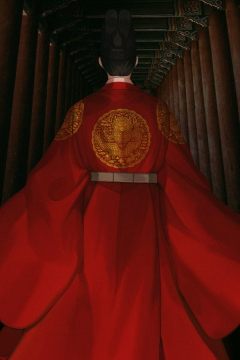
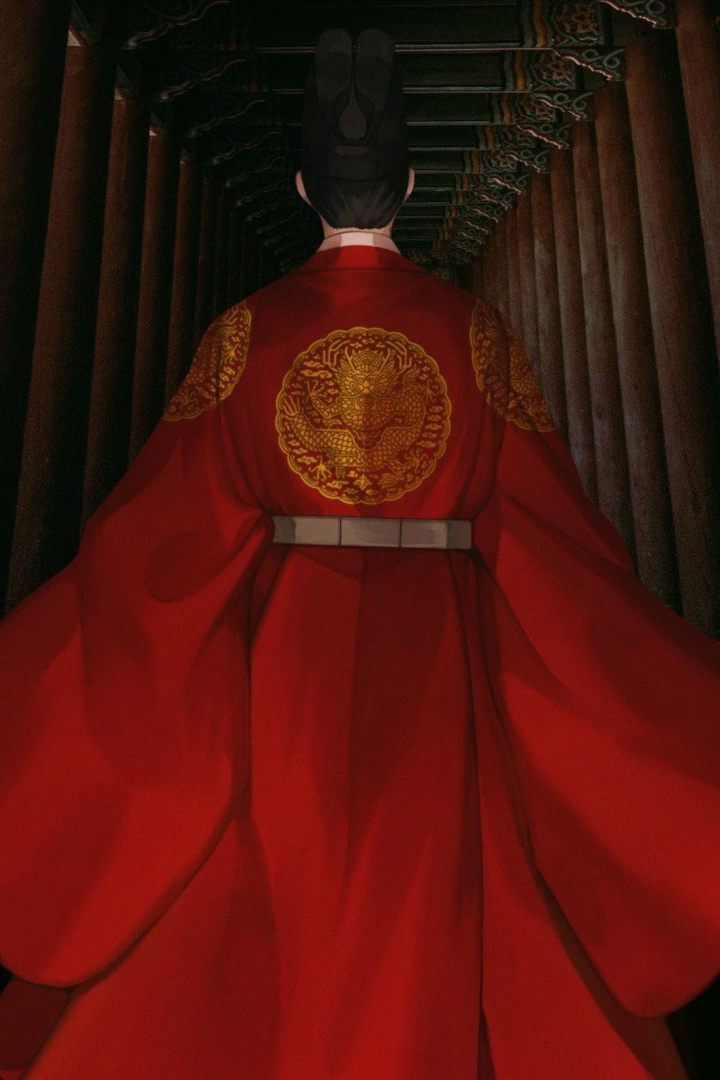
“Jeonha, the Oyashi ships have taken Cheonghang.” Cheonghang? Taken? “Jeonha, seventeen Won ships have sunk on the northern front.” Seventeen? How many are left? “Jeonha, General Kang has fallen in battle.” Kang? Kang, no… “Jeonha, the governor of Cheongundongdo has been taken by the Oyashi forces.” The governor, too? “Jeonha, I suggest that we conscript more men.” “No, Jeonha! We must take from the royal treasury to give to the starving people on the battlefront.” What must I do? “Are you stupid? We must retreat all the citizens in the north to the capital!” “Jeonha, forget the citizens in the other counties - all reinforcements should be brought to defend the capital.” Father, what would you do? “Nay! Think of the citizens!” “Would you rather have the peasants alive or Jeonha alive?” Father, give me strength. “Jeonha, we must-” “Jeonha!” “Jeonha-” “SILENCE!” The boy’s voice cut through the cries of the bickering court officials, and in an instant, every single one of them fell silent. A long, uncomfortable quiet lingered in the air. The boy king, now almost twelve years old, sat upon his throne, resting his head in his right hand. Though no one in the room could see through the hand covering his face, his eyes were wide, shaking. The silence continued on. One minute, two minutes. Not one soul dared to speak, until Jeonha spoke. All that remained was the sound of the young king’s heavy breathing. But as the silence continued even further - five minutes, ten minutes - at last, a court official spoke. “Jeonha-” “How many?” Jeonha breathed, his voice strained and barely audible, cutting off the man who had just tried to speak. “How many have died?” A few more moments of silence followed, as some court officials glanced at each other nervously, afraid to give their king his answer. “Jeonha, you need not worry about the number of casualties. May I suggest-” “Shut up,” The boy snapped, hissing out his command as the official who had just tried to speak fell silent. A ripple of discontent ran through the room at the king’s language. “Give me my answer. How many have died?” Another moment of silence, as the men in the room whispered amongst each other, debating in hushed tones as to whether or not the boy king deserved to know. At last, a slightly younger official, only in his mid-twenties, spoke. “…thirty-four thousand, Jeonha - that we currently know of.“ An audible choking sound escaped the boy king’s lips. My people. Thirty-four thousand of my people, who died believing that I could save them. Another silence fell upon the royal court of Won. Thirty-four thousand. The weight of the number was only felt by all after being spoken aloud to the king’s face. At last, the boy spoke. “…send a messenger to the Shogun,” Jeonha spoke, barely audible with his head in his hand once more. “We shall surrender to Oyashima.” Immediately, the courtroom erupted into opposition. “Jeonha, we cannot!” “Jeonha, they will execute you, Jeonha!” “Think of the kingdom, Jeonha!” “Jeonha, think of the people!” The last comment that the boy caught through the cacophony of voices seemed to strike a nerve, for his voice - still high-pitched, he was only eleven - boomed out once more. “You would dare accuse me of not thinking of the people?” His anger was incomprehensible, impossible to be described; only those in the room were able to feel the gravity of his words, as the king rose from the throne to his feet. He was small, but in that moment, he had never felt bigger. “The longer we fight, the more men will die. What do you expect shall happen, should we keep fighting? That we shall be able to repel them? That we shall win? How many more of my people shall die to satisfy your ego?” The room fell quiet once more, but only for a moment, before another man spoke: “Jeonha, your father-” “Guangjongdaewang is dead,” Jeonha snapped in response, cutting off his officials again. “I am the king, and my word is the word of Heaven, not the words or deeds of my dead father. And I say we surrender. This is a direct order. Now, the next man to question me, I shall have his head. Are there any more questions?” There were none. It was silent. “Court adjourned,” The boy king spoke, leaving the officials to messily bow and file out of the room in whatever orderly fashion they could still manage. Whispers of how they would survive the Oyashi occupation and disbelief about the king’s decision rippled throughout the small crowd of officials as they left. The last to leave was the younger official who had given the king the number of casualties. He exchanged a pained glance with the boy, before he, too, left, following the other officials out. And there was silence. The boy remained there, sitting down. Only after everyone was gone did he allow himself to hold his face in both his hands, weeping. Abeoji. All his life, the boy had to call his father Jeonha. Now that he was gone, he allowed himself to speak to his father like a son, even if only in his mind. Abeoji, give me strength. He remained there, weeping, for a while. Ten minutes? Thirty? An hour? Two? Time blended together, for what was time, now that he had surrendered his kingdom? They would be forgotten by time, rewritten by Oyashima as not even a sliver of history. The glorious kingdom of Chonwon, gone in an instant decision made by an eleven-year-old. After a while, he rose from his throne – except it was no longer a throne, it was simply a golden chair – and moved to the window of the vast courtroom. He turned his head so that he glanced northwards; to where Cheonghang had burned. He shut his eyes tight and shivered at the thought of the screaming civilians, the dying men, the mothers who had to mourn their sons; all because of his own incompetence. ꧁⎝ 𓆩༺✧༻𓆪 ⎠꧂ Jeonha raised his arms in his private chamber as the servants helped to take off his red and golden royal robes. Once he had been fully assisted, changed into his sleeping attire, he waved the servants off; but before they could scurry out of the room, he recognized one as the same servant that had summoned Naesan-Gun those weeks ago, and he stopped her. “Yes, Jeonha?” The servant girl squeaked. “You remember Naesan-Gun, yes?” The boy king inquired. The servant nodded her head. “Good. He should have arrived upon whatever continent lies west by now; send a messenger to him, and let him know of the surrender.” The girl nodded her head, and as he waved her off, she, too, moved out of the room. The boy king lay his head down to rest upon his bed, and only then did he realize the pounding sensation in his head. He clutched his forehead in pain, breathing heavily. It was his last day as a king, and perhaps the last day lying in his bed. With that thought weighing upon him, he drifted off to sleep. ꧁⎝ 𓆩༺✧༻𓆪 ⎠꧂ News of the surrender spread like wildfire through the ex-nation of Chonwon as Oyashi troops marched into towns, killing men as they wished, taking rations as they wished, and razing villages as they wished. Those who did not hear of the king’s decision were left to face the devastating reality as Oyashiman troops marched into their towns. “Did you hear? Jeonha surrendered.” “To Oyashima?” “We are going to be ruled by the Shogun?” “What?” “Jeonha wouldn’t do that.” “Jeonha is eleven! No wonder he made such a stupid decision…” Voices and cries grew louder as the mob outside of the palace grew progressively larger. The royal guards at the gates could be seen repelling hundreds of civilians attempting to storm the palace. Hours passed on, and the boy, who was now dressed once more in his red, royal robes for what he suspected correctly would be the last time, gazed down at the crowd below. The time for tears was done and gone; the eleven-year-old king felt his expression harden as he looked upon his people, who were his people no longer. Now, they were the people of the Shogun. An hour or so passed, and the commotion showed no sign of stopping – until, all of a sudden, it did. A wave of quiet passed over the crowd; a hush that began at the back and quickly spread with urgent whispers to the men standing at the gates. Jeonha’s gaze darted to the horizon – why had it suddenly gotten so quiet? – and he felt his heart fall into his stomach. A formation of orderly soldiers began marching through the crowd, splitting the mob in half smoothly. Civilians moved out of the way, fearing for their lives in silence, as the soldiers advanced. They were, without a doubt, Oyashiman – it was not just their uniforms, but their gait. No man in Won carried themselves with the gravity that the Oyashiman military carried themselves with in that moment. There was a despisable confidence in their march, as they split the crowd and arrived at the gates of the palace. A semicircle of emptiness formed around them, with the crowd of people remaining outside of that radius of fear. “Where is the King?” The Oyashiman soldier at the front boomed out, his voice echoing throughout the palace. The whole time, Jeonha was watching from his window, petrified. The reality began to settle in; he had surrendered his entire nation, all his people, to Oyashima. And now, Oyashima sought him. The same servant from the night previous meekly opened the door to Jeonha’s chamber. “Jeonha-” She squeaked. “I am going,” Spoke the boy king, his voice hard. He pushed past the servant girl, who stared at him with tearful eyes as he walked down the hall… …and out into the courtyard. The Oyashiman soldier – no, he was not a soldier, he was samurai – sneered as the small boy king stepped out into view, dressed in his kingly robes. “So you are the son of the great Guangjong,” The samurai spoke lowly. “What a disappointment. The Almighty Shogun had considered sparing your weak nation mercy when your father died – and yet, you continued to fight against us.” The boy king, diminutive in size, walked up to the gates where the samurai and his soldiers stood, and looked straight into his eyes. “I belong to you now,” The boy spoke resolutely. “What is your command?” The samurai grinned. It was a terrible, most loathsome sight. “You shall come with us to Yamatai, and face the Shogun.” The boy grit his teeth. “Very well.” ꧁⎝ 𓆩༺✧༻𓆪 ⎠꧂ It was ironic that he was taken in a carriage; he had been in many carriages since he was young, but now he was being carried by the soldiers of Oyashima. He looked out the window as they travelled to the conquered Cheonghang – undoubtedly it would be given a new, Oyashi name soon – and he was shortly transferred unto boat, to travel to Yamatai. His mind was elsewhere as he watched the shores of Chonwon fade away over the horizon for the last time in his life. His nation; his beautiful, beautiful nation, the nation of his father, the nation of his people, the nation of his people no longer. Those were the thoughts running through the boy’s mind as he was brought through the Imperial gates of Oyashima’s capital and dragged through the city by rough hands to the glee of onlooking Oyashiman civilians. It was strange; the boy was certain he was being brought to his death, and yet, he could not find himself savoring every last remaining moment of life that he had. On the contrary, it all passed by in a blur; he had left Chonwon, and had left a part of his soul back upon the other side of the ocean. Things only began to come into focus when he was brought into the Imperial palace and forced upon his knees. The boy, Jeonha no longer, looked up at last; and he found himself looking into the face of the Almighty Shogun of Oyashima. “You are the King of Chonwon?” Came the bored voice of the ruler of Oyashima. The boy nodded, unable to say a word. “And you have surrendered your nation to me.” The boy nodded once more, upon his knees. The Shogun’s eyes were cold as ice; he cared very little that Won had been conquered at last. It was a side passion project, at best; a hobby that he had reached the end of. “I would ask you what the terms of surrender are, but there are no terms,” The Shogun uttered. “You are simply mine now. I think I shall spare your people, though; they may prove useful.” A great weight lifted from the boy’s chest. His people would live. They would not be exterminated. It was the one thing that had remained weighing on his mind, if anything. “But you,” The Shogun murmured, “You fought against me. Your father fought against me. For that crime, you shall die.” The boy had seen this coming, but hearing the Shogun utter those words, seeing him lift that finger, the devastation and the looming reality of death settled in. “Please,” The boy whispered, then again: “Please. I am just a boy.” The Shogun’s response was simple. “Die.” ꧁⎝ 𓆩༺✧༻𓆪 ⎠꧂ The boy was brought to the block. He felt the dull thunk of his neck hitting wood. The Shogun watched, still sitting upon his throne, looking down at the boy. The boy saw the executioner step up beside him. He closed his eyes. ꧁⎝ 𓆩༺✧༻𓆪 ⎠꧂ “Jeonha!” The six-year-old boy ran, dressed in his princely robes, to his father and bounded into his arms. “Jeonha! I have been looking all over for you.” Jeonha, who would be known posthumously as Guangjong the Great, smiled. “My beautiful son. You needed me?” The princeling looked up after burying his face in his father’s robes for a moment. “I grow tired of studying, Jeonha. Teacher says I must gain approval from you to go practice archery.” Guangjong the Great chuckled. “Studying is important, dear son. Archery can wait.” “But Jeonha!” The boy whined. “Studying is boring. I do not want to memorize the cheonjamun.” The king lifted his son up into his arms and lifted him high into the air, such that he could look into his eyes. “My son,” Spoke Jeonha, “When you are king, archery will be a hobby. Knowledge will be a necessity for you to rule well.” The boy pouted, and at the sight, the king tutted some. “That is no good. I shall have you finish your studying for the remainder of the day; and tomorrow, you may go practice the martial arts.” The boy’s face lit up. “Truly? Gamsahamnida, Jeonha!” Jeonha smiled the sun’s smile as he turned his son in his arms to look out upon the capital city, beyond the palace walls. “This kingdom will be yours to rule, one day. Do you think you will be able to rule it well?” “Yes, Jeonha!” The boy chittered. “Though I am sure I will not be as great of a king as you.” At last, Guangjong the Great set his son back down on the ground. “You must become a king greater than I,” He smiled, “For you are my son. All sons are destined to grow greater than their forefathers.” The prince’s eyes glimmered with stars. “But for now – you may run along, return to your studies. Do not keep Teacher waiting.” The boy bowed deeply to his father, to the king, before running off back into the palace building. Guangjong chuckled as the boy disappeared into the walls. ꧁⎝ 𓆩༺✧༻𓆪 ⎠꧂ I am sorry, father. The executioner’s axe was raised. I have failed you. He could not form his next thought before everything went dark. ꧁⎝ 𓆩༺✧༻𓆪 ⎠꧂ It would be quiet for a long while. The days would pass. The children would grow up speaking Oyashiman. The old men would die without a nation. The mothers would teach their sons Wongul in the dead of the night, in secret. The revolters would be quickly killed. Slowly, a new status quo would fall upon the once-land of Chonwon. And the boy would be named, posthumously, Sajong – the Last King of Won.

-
-
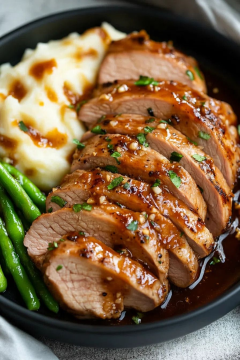
OOC: [!] The following missive can be seen, posted everywhere – from big cities to small towns. How did they even get there? The handwriting is… bubbly. Very bubbly. Hi! My name is Julia. I just became an adult, and I think the time has finally come to begin pursuing my dream of becoming a master chef! But… for that, I’m going to need ingredients. For my first dish, I want to make… pork loin! What does this mean for YOU, you ask? Well… I’m not going to use any NORMAL ingredients you can just buy at the store, obviously! So I need YOUR help in hunting a special species of boar that I heard exists only in the eastern black forests, near Caurost. Your reward? Getting to try Azuras’ next BIGGEST chef’s MASTERFUL pork loin before ANYONE else! RSVP below! Registration Form: Dates & Locations:

-
Records of the Won Court | ONE | Wongul and Won-Eo
Metamancy posted a topic in Characters & Cultures
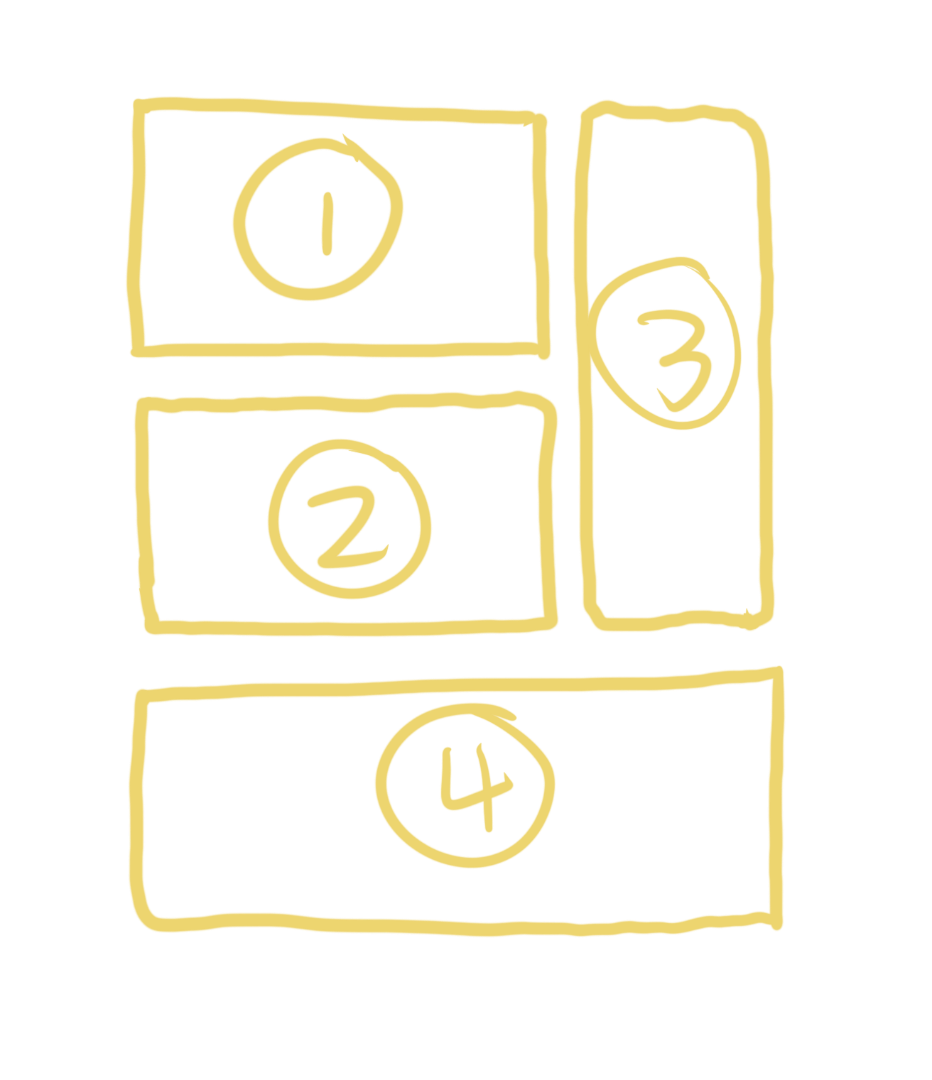
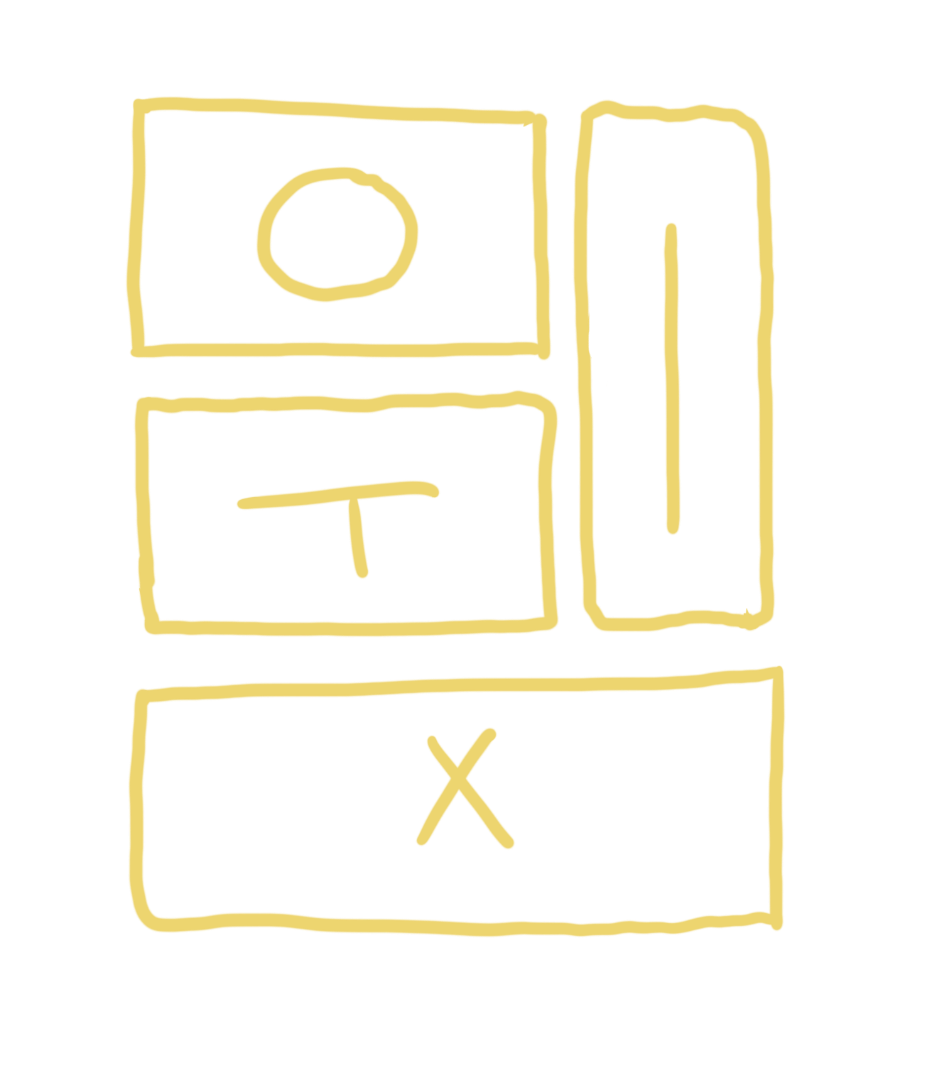
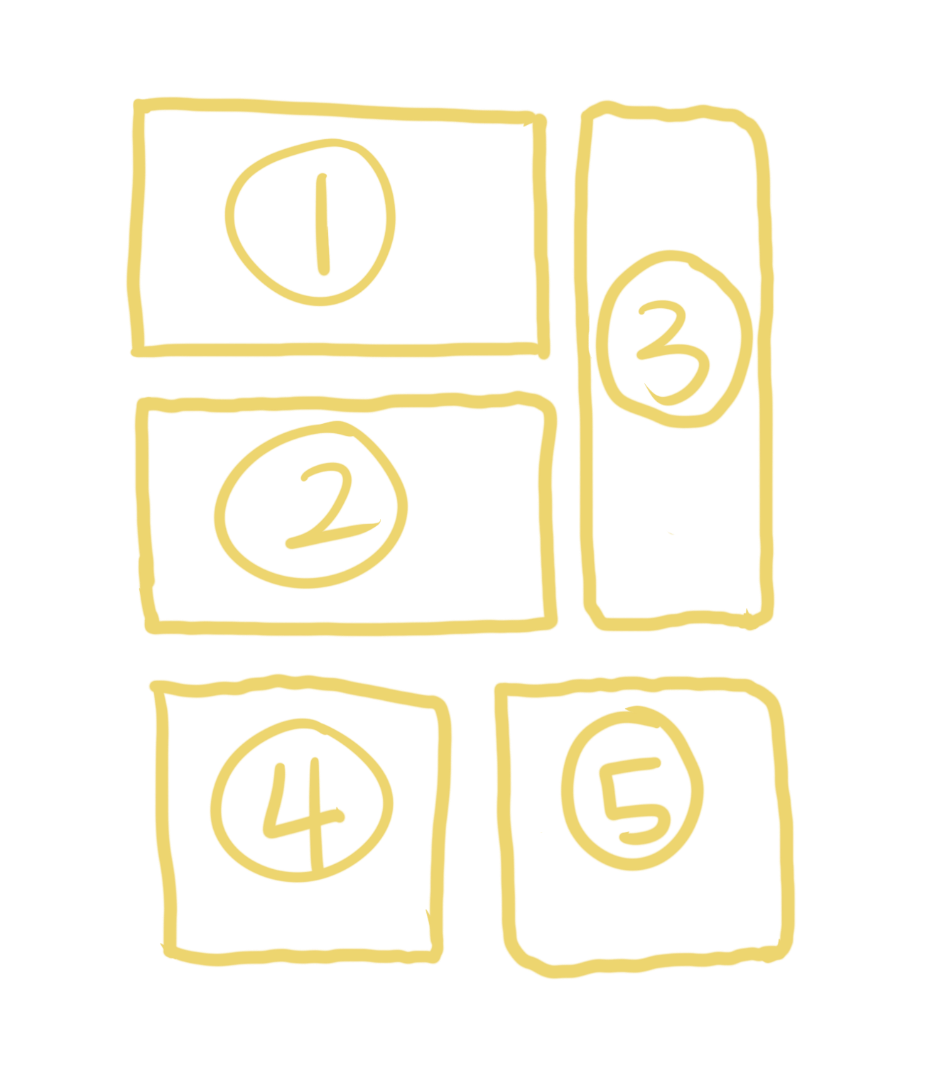
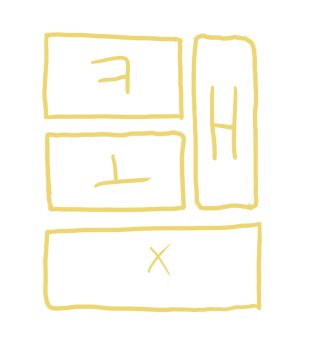
一 | 원글과 원어 [1. Wongul and Won-Eo] OOC: INTRODUCTION Won-Eo is an ancient language as old as the people of Won have existed, and it is the tongue of the Salamdeul, the chosen people of Chonwon. Many people find the difference between Wongul and Won-Eo baffling; in truth, it is simply that Wongul is the written language while Won-Eo is the spoken tongue. This tome was written for all the men and women of Won to read and learn how to speak and write their own language. One must take pride in one’s mother tongue. Wongul is a truly revolutionary script, as it was developed not by time and development, but by the ingenious hands of the Won court officials who dedicated their lives to creating a script that was easy to read and write, such that all the people of Won could do so. This first chapter of the Records of the Won Court shall detail how to read and write Wongul. CONSONANTS Much like in Common, Won-Eo consists of vowels and consonants. Below are listed the different consonants of Wongul, and their respective sounds. One must keep in mind, however, that many of these sounds are not comparable to the ones in Common; and thus, some sounds will be represented with two separate Common letters separated by a slash to denote that the sound lies somewhere in between those two Common sounds. If two Common letters are put together without a slash, it denotes that the two letters should be pronounced together to pronounce that Won character. ㄱ - g/k ㄲ - gg/kk (ㄱ, but stronger) ㄴ - n ㄷ - d ㄸ - dt (ㄷ, but stronger) ㄹ - r/l ㅁ - m ㅂ - b/p ㅃ - bp (ㅂ, but stronger) ㅅ - s/sh ㅆ - ss/ssh (ㅅ, but stronger) ㅇ - open vowel ㅈ - j ㅉ - jch (ㅈ, but stronger) ㅊ - ch ㅋ - kh ㅌ - t ㅍ - p ㅎ - h VOWELS As Won vowels can be harder to grasp from a Common perspective than consonants, examples of the sound in Common have been attached to each vowel. ㅏ - ah (as in spA) ㅐ - eh (as in wEnt) ㅑ - ya (as in YAard) ㅒ - yeh (as in YEt) ㅓ - eo (as in UP) ㅔ - eh (as in wEb, very similar to the point of little distinction to ㅐ) ㅕ - yeo (as in YUm) ㅖ - yeh (as in YEs - again, very similar to ㅒ) ㅗ - oh (as in gO) ㅛ - yoh (as in YOlk) ㅜ - ooh (as in mOOn) ㅠ - yooh (as in YOU) ㅡ - eu (as in EUgh) ㅣ- ee (as in sEE) HOW TO FORM CHARACTERS Having come this far, it is paramount to understand that Won words are not written the same way as Common words. The way to write “hyeon,” intuitively, would be ㅎㅕㄴ; but it is not. Refer to the helpful diagram below: This diagram illustrates how Won characters are formed. The characters are read in the order of 1-4; but oftentimes, steps 2, 3, or 4 are skipped. One and four are where consonants go, and two and three are where vowels go. One may notice, when reading the list of vowels, that some vowels appear to be "horizontal" and some to be “vertical.” Horizontal examples may include ㅡ, ㅠ or ㅗ, while vertical ones may be ㅣ, ㅒ or ㅓ. Horizontal vowels always go in slot number two, while vertical ones always go in slot number three. All, with the exception of one, consonants remain the same whether they are in slot one or four. This idea may still be hard to grasp. Below are detailed a few examples of this system in action. As one is able to see, slots two and four are excluded, marked by an “x” each: while slots one and three contain a consonant and vowel within them, respectively. With two and four excluded, the above character would be written like so: 마 And, by referring back to the list of vowels and consonants, one is able to see that this character is pronounced as “ma,” with the vowel in slot 1 (m) being pronounced first, 2 being skipped, 3 being pronounced as a consonant (ah) and 4 being ignored, as it is regarded last. Below is another example: This time, three and four are excluded, meaning we are able to ignore both and simply pronounce 1 and 2 in order. This character would be written as: 무 And would be pronounced as “moo.” Hopefully, it is becoming clear how the system of Wongul works. This system may take practice, as it can be difficult recognizing which slot each of the vowels and consonants are occupying; but with practice, identifying them becomes second nature. Below are four more examples. This case is slightly different, as only one of the four slots is excluded. Nevertheless, the order of pronunciation remains, from 1 to 2 to 3, which means the character is written as: 쾌 And is pronounced in the order of ㅋ -> ㅗ -> ㅐ, and is thus spoken as “kweh.” At last, the fourth slot is able to find a use. This is, again, slightly different as one must now deal with two consonants; however, the exact same rules apply. One (ㄱ) is pronounced first, then 2 (ㅗ), then 3 is skipped, and finally, 4 (ㅁ). This character is written as: 곰 And is pronounced as “gohm.” This character also happens to mean “bear!” This case is similar to the last one, with the only factor changed being the 2 slot exchanged for the 3 slot and a different vowel in its place. This is written as: 검 And is pronounced as “geom.” This character means “blade” – it can be shocking how such a small change drastically alters the meaning. At last, the ultimate challenge: all four slots used at once. If one has been following, however, this should prove quite easy. This is written as: 쉼 And is pronounced as “shwim” or “shuim.” Congratulations – any reader of this chapter of the Records of the Won Court now has an understanding of how to read Wongul. In truth, the hardest part of Wongul is memorizing the characters; for unlike languages such as Common, there are little to no exceptions to this system. WORDS So far, how to read characters have been covered in this chapter. And yet, how to read words? Words are, always, simply a combination of characters, just like in Common, and one need only read them in order. 사람들, which is pronounced Salamdeul (literally the name for the Won-In peoples,) is separated into three characters – sa, lam, and deul. Notably, each character is one syllable, and one will find that this also always holds true, with no exceptions; Wongul characters are always one syllable each. It is satisfying, to an extent, how little exceptions there are to Wongul. With that said: THE EXCEPTIONS The exceptions in reading Wongul are so few and far between that they are able to be listed here, in this chapter, all at once. Above, it was mentioned that there is only one consonant whose placement changes its pronunciation; and a perceptive reader may already have guessed it from the list of consonants at the beginning. It is none other than ㅇ, which cannot be read on its own. Above, ㅇ was said to be an “open vowel.” And yet, how is this possible, if it is a consonant? ㅇ is special in the sense that its sound changes based on its relationship to a consonant. For example: It should come to no surprise, at this point, that this character is written as: 위 However, its pronunciation can be misleading. If it does not have a sound on its own, then why does it exist? The answer is simple: A vowel, or two vowels, cannot be on its or their own, ever. The first slot must always be occupied – there are no exceptions to this in the entire language. Therefore, if one is attempting to pronounce a character which does not begin with a consonant – that is where ㅇ is used. It is almost an invisible consonant, when in the first slot as shown above; it is, in every sense, an open vowel sound. If one has not surmised already, the above character is pronounced “ooee,” or “oui.” ㅇ (invisible) -> ㅜ (oo) -> ㅣ(ee). ㅇ, however, changes its purpose when in the fourth slot. This character is written as: 방 It also happens to mean “room.” However, if one were to apply the previous logic and consider the ㅇ to be invisible, one would find that the pronunciation does not change at all - it is “ba,” and stays “ba” whether the ㅇ is there or not. Which, of course, cannot be the case. When ㅇ is in the fourth slot, it is no longer invisible; it is pronounced as “ng,” which means that the above character is pronounced as “bang.” With this, ninety-nine percent of the Won script is decoded. There lies, however, one last exception, which one will only see incredibly rarely. THE FIFTH SLOT This section was intentionally saved for last, for how rare it is to see the secret, hidden fifth slot. It is not an understatement to say that one could physically count the number of cases in which the fifth slot is used in, perhaps, five to ten minutes. The fifth slot is another consonant slot, and is seldom used at all. However, in the word/phrase 없다, which means “there is not,” it is clear to see that the first character of the word is nothing like the second. As written above, this character is written as: 없 And is actually used quite commonly in day-to-day language. It is, however, one of remarkably few. As usual, one skips the second slot and pronounces, in order: ㅇ (invisible) -> ㅓ (eo) -> ㅂ (b/p) -> ㅅ (s/sh). This may seem a baffling pronunciation, but is pronounced as “eobs.” This is an interesting case as, when alone, this character is pronounced as “eobp,” with the ㅅ being ignored; and when placed before a character that starts with most consonants, it also remains “eobp,” with the ㅅ still ignored. However, one very specific exception: when 없 is placed before a character that has ㅇ in the 1 slot (such as 어, making the entire word 없어), the ㅅ carries over, and it is pronounced the same as 업서 (eopseo), despite being written as 없어. This may seem confusing to many – why not simply write “eopseo” as 업서? – but to native Won-Eo speakers, it is comical to even entertain the idea that the word would be spelled as anything but 없어. It is a difficult concept to wrap one’s head around, and luckily, it is so rare that one virtually need not worry about it at all. The fifth slot, for the most part, does not exist. And, perhaps surprisingly, those are the only exceptions to reading Wongul (원글). Every other word, every last one, follows the rules detailed above. Below are some practice characters, words and phrases in case one may wish to practice reading. Refer back to the list of vowels and consonants for practice, of course. 글 차 누 관 안 명 안녕 없습니다 하늘 If any reader has made it this far, congratulations! All that is left is to memorize the different characters, and one may possess a full knowledge of how to read Wongul. May the light of Heaven preserve this script for all eternity.











.thumb.jpeg.7a2a5c6fda5bc3b4e960a8645bb0ab98.jpeg)