Wonderland_Boy
-
Posts
297 -
Joined
-
Last visited
Reputation
1080 Godly






Recent Profile Visitors
5110 profile views


-
[!] An Avistran let out a chuckle as he read the missive "Right... we caused those birds to go extinct, despite maintaining vast forested grounds. Unlike a certain vassal , who managed to genocide nearly all of their local flora and fauna"
-
So thanks to a few suggestions from @UniBearseand @Anbennarthe Alchemy Calculator was updated with a few new functions :3
-
Yeah Fair Enough
-
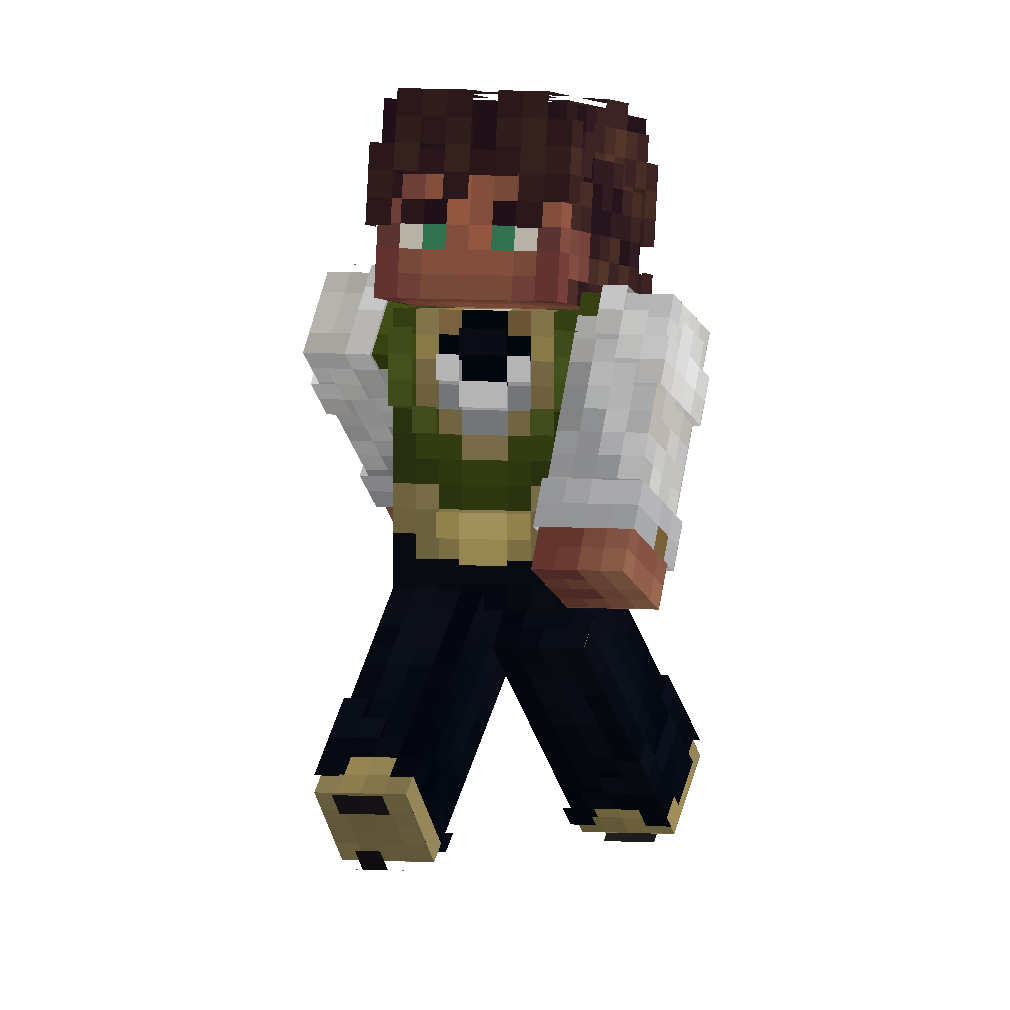
MC Name: Lucy_Gray Discord: wonderland_boy Image: Description of Image: A painting Dimensions: 1x2
-
[Amendment] Voidal Tearing
Wonderland_Boy replied to PrimnyaQuorum's topic in Lore Criteria + Submissions
To be honest, the main issue with Voidal Tearing lore isn't the fact that, without PRO or RO consent, you can make tears smaller than 10 meters. It's the fact that, unlike every other method that allows you to "grief" a build or create a blight over a certain area, voidal tears and hollows are the only one that can't be undone by other magics such as Druidism or Shamanism. Abyssal Necromancy, Naztherak, and even Witch Doctors have ways to create blights or corrupt land, yet they can all be fixed through rituals that require players and covens to work together. But the Void? Not anymore, ever since Squawk amended it for some reason -
[Amendment] Prevent PrimnyaQuorum from Amending until Jan 1st, 2027.
Wonderland_Boy replied to Anbennar's topic in Miscellany
This Lore has been accepted. Moved to Implemented Lore, it will be sorted to it's appropriate category soon. Please note that if this is playable lore, such as a magic or CA, you will need to write a guide for this piece. You will be contacted regarding the guide (or implementation if it isn’t needed) shortly. -
🫃
-
[!] An Avistran man scoffed "As if they'd have the money for that..." he spoke upon reading Trojan's nonsense, then writing a letter to Junco
-
A v i s t r a’s F a i r [Grandescunt Aucta Labore] ⋅•⋅⊰∙∘☽༓☾∘∙⊱⋅•⋅ ⋅•⋅⊰∙∘☽༓☾∘∙⊱⋅•⋅ The people of Avistra open their gates wide to all descendants, to celebrate the founding of our new settlement with feasting, competition, and merriment. All are welcome beneath our banner. ⋅•⋅⊰∙∘☽༓☾∘∙⊱⋅•⋅ E v e n t s & A c t i v i t i e s ᴡʜᴀᴛ ᴀᴡᴀɪᴛs ʏᴏᴜ D r i n k i n g C o m p e t i t i o n Test your mettle at the barrel, the last one standing earns glory and a very special price provided by Alencar.Inc R o d e o Are you interested in showing off your bravery to your fellow knights or perhaps a lady or lad whom you fancy? Then this is the perfect opportunity for you V e n d o r S t a l l s Should you wish for calmer activities, a number of stalls will be provided for vendors, allowing clients from all over Azuras to see your wares T r e a s u r e H u n t At the end of the festival, the treasure hunt will be announced, the first to find the missing clues and then the treasure will win ⋅•⋅⊰∙∘☽༓☾∘∙⊱⋅•⋅ P a t h T o A v i s t r a 1)Upon taking the Goldleaf Pillar to the Southern Empire, Take the Road to the Left. 2)At the Crossroads, turn left 3)Upon arriving at this crossroad, take right. 4) Congrats, you have arrived in Avistra ⋅•⋅⊰∙∘☽༓☾∘∙⊱⋅•⋅ The fair will be held on Saturday at 3PM EST. All are welcome, no prior knowledge of Avistra required. Come and enjoy! ⋅•⋅⊰∙∘☽༓☾∘∙⊱⋅•⋅


-
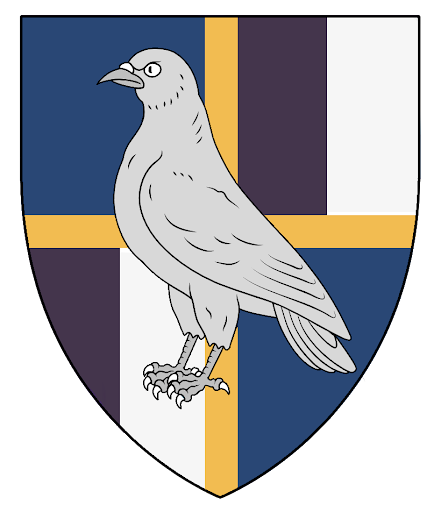
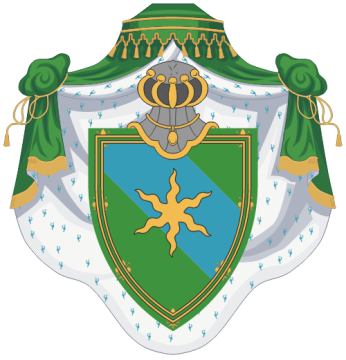
✦ ◆ ✦ ◆ ✦ A CASA ALENCAR ◈ · ✦ · ◈ [ Coat of arms of the De Alencar ] ◇ · ◆ · ◇ "Family is not made of blood it is made of love, of choice, and of the bond that unites people" — Dirceu de Alencar, The First Patrono The House of De Alencar traces its origins not to Azuras, but to the distant Arquipélago de Navegantes, a homeland far beyond the continent's shores. The family arrived in Aevos carrying the traditions, customs, and language of their people, determined to preserve the heritage that had defined them for generations. Over time, the Alencar family grew, welcoming both relatives and those who chose to become part of its legacy. At the center of the family stands the Patrono, a leader selected not solely through bloodline, but through their dedication to the family and their ability to uphold its values. Each Patrono has helped guide the House through a changing world, shaping its traditions and ensuring that the identity of the Alencar endures across each new generation. ◆ ✧ ◆ THE PATRONOS OF THE HOUSE DE ALENCAR ◆ The First Patrono ◆ Dirceu de Alencar The Navigator — Founder of the House [ Portrait of the Patrono — Dirceu de Alencar ] Dirceu de Alencar is remembered as the patriarch who led the Alencar family from the distant Arquipélago de Navegantes to Aevos. An experienced sailor and respected family man, he was among the first to believe that a future could be built across the sea, even when many doubted such a journey was possible. Dirceu's time in Aevoss was brief. Not long after the family's arrival, both he and his wife were murdered, leaving the responsibility of leading the House to their eldest son, Antônio de Alencar. Though he never witnessed the growth of the family in their new homeland, his decision to cross the ocean and his efforts to establish the family's customs laid the groundwork for everything that followed. To this day, he is remembered as the founder of the House in Azuras and the first Patrono of the Alencar legacy. ◇ · ◆ · ◇ ◆ The Second Patrono ◆ Antônio Fernandes de Alencar Arch-Duke of Ipanema — The Architect [ Portrait of the Patrono — Antônio Fernandes de Alencar ] If Dirceu de Alencar laid the foundations of the House, Antônio Fernandes de Alencar was the man who ensured its survival in a changing world. Following the death of his parents shortly after the family's arrival in Aevos, Antônio inherited the responsibility of leading the Alencar at a young age. The family first settled within the Kingdom of Hyspia, where Antônio spent his early years establishing connections and securing opportunities for his relatives. When Hyspia eventually fell, he guided the House through another period of uncertainty, relocating alongside his family and rebuilding their position once more. Through years of negotiation and diplomacy, Antônio ultimately secured land within the Horde of Many Tribes, where he founded the State of Ipanema. As Arch-Duke of Ipanema, Antônio focused on creating a home for his family and preserving the traditions brought from the distant Arquipélago de Navegantes. He encouraged the teaching of the Pindorama tongue within the family, supported the growth of cultural celebrations, and sponsored festivals that became closely associated with Ipaneman identity. Many of the customs still practiced by the House today took shape during his leadership. His work was cut short by his sudden and unexpected death. Without the steady hand that had guided years of negotiation and settlement, Ipanema entered a period of uncertainty. ◇ · ◆ · ◇ ◆ The Third Patrono ◆ Ulisses de Alencar Duke of Ipanema — The Wizard [ Portrait of the Patrono — Ulisses de Alencar ] Ulisses de Alencar came to the House not by birth, but through adoption. Orphaned at a young age, he was taken in by Antônio Fernandes de Alencar and raised as a member of the family. In time, he became one of Antônio's most trusted successors, inheriting both the leadership of the House and the difficult task of guiding it through an increasingly uncertain era. In his youth, Ulisses devoted much of his time to scholarly pursuits, particularly the study of Voidal Magic. Though his responsibilities would later pull him toward matters of governance, his years as a student left a lasting mark on his character, fostering a thoughtful and analytical approach to leadership. Following Antônio's death, the State of Ipanema entered a period of decline. Reduced from a state to a duchy, it fell upon Ulisses to preserve what remained. As Duke of Ipanema, he focused on strengthening its defenses, expanding its fortifications, and maintaining stability amidst shifting political circumstances. He also continued to promote the traditions brought from the distant Arquipélago de Navegantes, supporting cultural celebrations and ensuring that the family's language and customs endured despite their separation from their ancestral homeland. Despite his efforts, the fate of Ipanema was ultimately decided beyond his control. Through the foul political schemes of Peter Rovare, the Alencars were stripped of their titles and lands, bringing an end to the family's rule over Ipanema. The loss scattered members of the House across the continent, forcing many to seek new lives far from the home their predecessors had spent decades building. ◇ · ◆ · ◇ ◆ The Fourth Patrono ◆ Vicente Teodoro de Alencar The Renewer [ Portrait of the Patrono — Vicente Teodoro de Alencar ] Vicente Teodoro de Alencar is the current Patrono of the House and represents a generation shaped more by recovery than expansion. A grandson of Antônio Fernandes de Alencar, Vicente was born into a family that no longer possessed the titles, lands, or influence once associated with the name Alencar. Instead, he inherited the responsibility of preserving a legacy that had survived displacement, political loss, and years of decline. His upbringing was heavily influenced by his mother, Tainá de Alencar, a spiritualist whose beliefs were shaped both by her father and by the traditions she encountered among the Uruks of the Horde. Through her, Vicente developed a strong appreciation for the spiritual and cultural traditions that had accompanied the family from the distant Arquipélago de Navegantes. ◇ · ◆ · ◇ THE THREE GRAND FESTIVALS O Carnaval dos Alencar The Ritual of Death, Rebirth and Memory The Carnaval of Casa Alencar is a unique celebration that blends festive exuberance with deep spiritual reverence. Held in the period leading up to the spring equinox, the Alencar Carnaval lasts three days and three nights. On the first day, families prepare household altars adorned with flowers, photographs and personal objects belonging to deceased ancestors, accompanied by offerings of the foods and drinks the departed loved in life. It is believed that during Carnaval, the veil between the world of the living and the Reino dos Espiritos grows thinner, allowing ancestors to participate in the festivities alongside their descendants. On the second day, grand processions move through the streets on floats adorned with tropical flowers in blue, green and gold, the colours of the House. Dancers dressed in feathers and shimmering fabrics represent the guardian spirits of the family, while musicians play atabaques, bamboo flutes and strings. ◇ · ◆ · ◇ A Festa Junina A celebration of the Harvest, of Love and Abundance A Festa Junina is one of the most beloved celebrations within Navegante culture, marking the arrival of the harvest season and giving thanks for the abundance provided by the land. Rooted in rural traditions, the festival brings together families and communities to celebrate a successful growing season through food, music, dancing, and communal gatherings. Tables are filled with dishes made from harvested crops, particularly corn, grains, fruits, and other seasonal ingredients. ◇ · ◆ · ◇ Dia dos Finados The Ritual of Death, Rebirth and Memory Dia dos Finados is among the most important observances maintained by the House of Alencar. Originating from traditions carried across the sea from the distant Arquipélago de Navegantes, it is a time dedicated to remembering those who came before and reflecting upon the bonds that continue to connect the living and the dead. The observance lasts several days and brings together relatives, friends, and members of the wider community. Throughout this period, families gather to share meals, tell stories, and preserve the memory of those who have passed. Elders recount the deeds of past generations, while younger members are encouraged to learn about the people whose choices shaped the family they know today. In this way, remembrance becomes not only an act of mourning, but also an act of preservation. Homes and gathering places are decorated with flowers, candles, and personal objects belonging to departed relatives. Tables are often prepared with foods and drinks associated with loved ones who are no longer present, serving as a symbolic gesture of hospitality and remembrance. Music, poetry, and storytelling play a central role throughout the celebration, creating an atmosphere that balances reflection with appreciation for lives lived. The final evening is considered the most significant. Families gather to speak the names of departed relatives aloud, ensuring that their memory remains part of the community's living history. Rather than focusing on loss alone, the observance emphasizes gratitude, continuity, and the belief that no member of the House is truly forgotten so long as their story continues to be told. ◇ · ◆ · ◇ ◈ ⚯ ◈ CULTURE & BELIEFS ◈ ⚯ ◈ ✦ The Spirit Realm and the Stargush’stroh According to the spiritual traditions of the House of Alencar, the souls of the departed journey to a realm known as the Stargush Stroh, often translated as the Realm of Spirits. It is believed that the ancestors continue to exist there, remaining aware of the lives of their descendants and maintaining a bond with those they left behind. Death is therefore not seen as an ending, but as a passage into another stage of existence. The Stargush Stroh occupies a central place in spirituality. Many believe that the wisdom, guidance, and protection of the ancestors can still reach the living through dreams, intuition, and moments that defy simple explanation. Though the realm itself lies beyond mundane reach, stories have long circulated of rare individuals who may access the Ancestral Realm. This belief is particularly important during Dia dos Finados, when family members gather to remember those who have passed and reflect upon the connection between past and present generations. Through remembrance, the departed remain part of the family's story, and their memory continues to shape those who follow after them. ◈ The Xamãs The Xamãs serve as the spiritual custodians of the traditions maintained by the House of Alencar. Their role is not inherited through status or family rank, but through dedication to the preservation of spiritual knowledge, ancestral customs, and oral history. From an early age, those drawn to this path are taught the beliefs, practices, and stories that have accompanied the Alencar from the distant Arquipélago de Navegantes. Xamãs act as teachers, healers, historians, and advisors within the community. They preserve genealogies, record important events, guide families during periods of grief, and oversee ceremonies tied to remembrance and spirituality. Many also study herbal remedies and traditional forms of healing, knowledge that has been passed down through generations. ✦ The Saints — Those Who Performed Miracles Within Alencar tradition, those who in life performed extraordinary acts of healing, protection or generosity are recognised as Saints after death. There is no formal process of canonisation, recognition is born organically from the collective memory of the family. The Saints are invoked at specific moments: before sea voyages, during difficult births, in periods of drought or illness. Each Saint carries specific attributes recognised by tradition, and their name is preserved in the songs and stories passed down by the Xamãs. ◈ Family — A Bond Greater Than Blood The definition of family in Casa Alencar is intentionally broad and deeply inclusive. Since the time of Dirceu, the family has understood that the most enduring bonds are not necessarily those of blood, but those of choice, love and shared life. Any person may be accepted into the family, a ceremony conducted by the Patrono formalises the entry, invoking the ancestors as witnesses and asking that they recognise the new member. Once within the family, no distinction exists between 'members of blood' and 'members of choice' all share the same rights, duties and protections. ✦ Criaturas da Noite — The Renegades Those who choose to abandon the family's path and dive into the forbidden arts: necromancy, blood magic, pacts with abyssal entities in pursuit of selfish power, are called Criaturas da Noite, Creatures of the Night. It is not a designation born of hatred, but of deep sorrow: it is believed that such individuals have severed the thread that bound them to the Reino dos Espiritos, and that upon dying they wander without direction, unable to find their ancestors. ◇ Life and Death ◇ ✦ Birth When an Alencar child is born, family members build a small vessel of straw and bamboo, adorned with flowers chosen according to the season, each flower representing a specific blessing. Sea roses bring protection; coral flowers symbolise health; water lilies signify wisdom. The Xamã present blesses the vessel. The boat is then set upon the ocean or the nearest river, carrying with it the hopes and prayers of the family. ◈ Death When a Navegante departs from this world, their body is prepared and adorned with the same flowers that were set to sea on the day of their birth, the family keeps records of these flowers wherever possible. The body is placed upon a larger vessel, equally adorned, and released upon the waters. It is believed the waters will carry the soul back to the Archipelago de Navegantes and from there to the Spirit Realm, where the ancestors already await to receive them. 〰 ◈ 〰 O ARQUIPÉLAGO DE NAVEGANTES 〰 ◈ 〰 [ O Arquipélago de Navegantes — panoramic view ] The Arquipélago de Navegantes is the ancestral homeland of the House of Alencar and many others. Located far across the ocean from Azuras, it is remembered as the place from which the family's earliest ancestors began their journey. Although few members of the House have ever seen the islands themselves, the Archipelago remains a central part of navegante identity and is often referenced in their language, traditions, and stories. Much of what is known about the islands comes from oral histories preserved by the Xamãs. According to these accounts, the Archipelago was home to many different communities whose customs, beliefs, and ways of life gradually blended together over generations. The Pindorama language is believed to have emerged from this process, carrying influences from the various peoples who once shared the islands. ✦ ◈ ✦ ◈ 〰 ◈ PINDORAMA ◈ 〰 ◈ The language itself developed through centuries of contact between different peoples. In the Arquipélago, communities from diverse backgrounds exchanged ideas, customs, and vocabulary, gradually creating a shared tongue. This process gave Pindorama a distinctive character, combining words and expressions from multiple linguistic traditions into a single language. Its name comes from the original Pindorama: 'Pindo' (palm tree, symbol of fertile land) and 'Rama' (branching, symbol of growth and expansion). Together: 'The land that branches like the palm tree' Following the arrival of the Navegantes in Azuras, Pindorama continued to evolve. As the Alencar settled among new peoples and kingdoms, the language absorbed additional influences from the cultures around them. Words and expressions of Hyspian, Galician, Oyashi, Common, and numerous regional dialects gradually entered everyday speech. Rather than resisting these changes, many speakers viewed them as a natural continuation of the language's history, reflecting the experiences of each new generation. As a result, modern Pindorama differs in many ways from the form spoken by the family's earliest ancestors. While its foundations remain rooted in the traditions of the Arquipélago de Navegantes, it continues to grow and adapt alongside the people who speak it. Pindorama Translation Origin Example of Use Personal Pronouns Eu I Native Eu vejo o sol — I see the sun Tu You Native Tu canta bonito — You sing well Ele He Native Ele nada nas mareas — He swims in the tides Ela She Native Ela danca para os ventos — She dances for the winds Nós We Native Nos somos a mare — We are the tide Vós Thou / You all Galician Vos lembrais os avos — You remember the ancestors Eles/Elas They / Them Native Eles sao o mar — They are the sea Greetings & Everyday Expressions Oi / Opa Hi / Heya Galician + Native Oi, como vai tu? — Hi, how are you? Bem-vindo/a Welcome Galician +Native Bem-vindo ao lar — Welcome home Ahátama Farewell Native Pindorama Ahátama — Untill then Anauê Greetings Native Pindorama Te recebo de coracao aberto — I welcome you openly Abaré Friend Native Nós somos Amigos — We are Friends ✦ ◈ ✦ CUSTOMS ✦ Cuisine nd Hospitality Tood occupies an important place within the traditions of the Navegantes. Many recipes trace their origins to the Arquipélago de Navegantes, while others were adopted and adapted after the family's arrival in Azuras. As a result, Navegante cuisine reflects generations of cultural exchange, combining ingredients and techniques from many different peoples into a distinct culinary tradition. Meals are often centered around fish, grains, root vegetables, tropical fruits, and stews prepared slowly over long periods. Family recipes frequently incorporate ingredients introduced through contact with Hyspian, Galician, Oyashi, and other cultures encountered throughout their history. This blending of influences mirrors the broader philosophy of the House, which values preserving tradition while remaining open to new experiences and ideas. During gatherings, food serves an important social function. Large communal meals are common, particularly during celebrations, family reunions, and observances such as Dia dos Finados. Recipes associated with specific relatives are often prepared in their memory, allowing stories and family history to be shared alongside the meal session. ◈ A Mesa Aberta — The Open Table One of the oldest customs maintained by the Navegantes is the tradition known as the Mesa Aberta, or Open Table. Hospitality is considered a fundamental responsibility, and family homes often prepare more food than is strictly necessary in anticipation of guests, travelers, friends, or relatives arriving unexpectedly. Offering food is viewed as an act of respect and goodwill rather than charity. The custom reflects the belief that communities are strengthened through generosity and that sharing a meal creates bonds between people regardless of their background. Because of this, communal dining remains an important aspect of the culture. ✦ Dress & Appeareance Traditional Navegante clothing draws inspiration from the warm climate of the Arquipélago de Navegantes and the many cultures encountered throughout the family's history. Lightweight fabrics are favored, particularly in shades of blue, green, white, yellow, and gold. Clothing is designed to be practical in hot weather while still allowing room for personal expression and decoration. Jewelry and accessories often feature shells, beads, carved wood, woven fabrics, and other natural materials. Family heirlooms are commonly passed down through generations and worn during important occasions. Distinctive patterns inspired by the ocean, local flora, stars, and sailing traditions frequently appear in embroidery and textile work. Formal attire tends to be more elaborate, incorporating embroidered garments, decorative sashes, and handcrafted ornaments that reflect their maritime origins. ✦ ◈ ✦


-
What's your favorite musical :3
-
FARGLADE MOD CAME OUT, LES ******* GO
-
cry about it
-
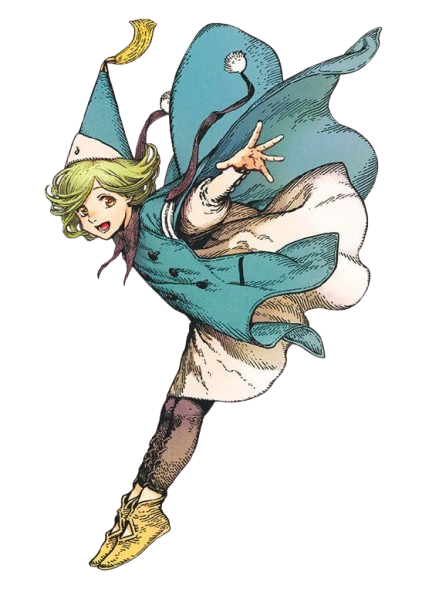
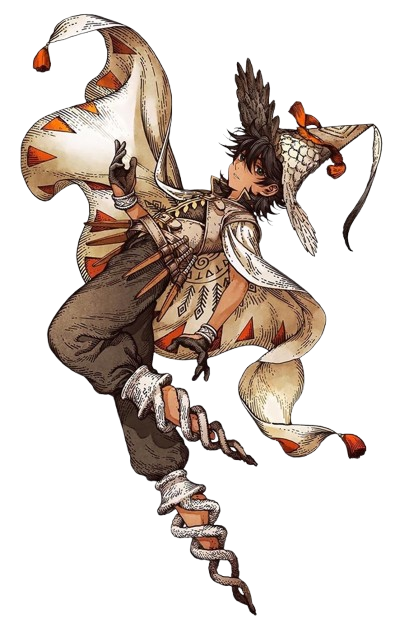
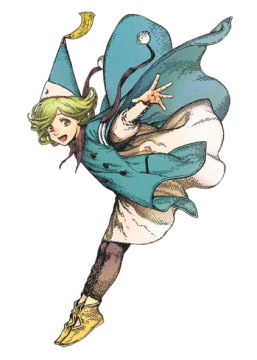
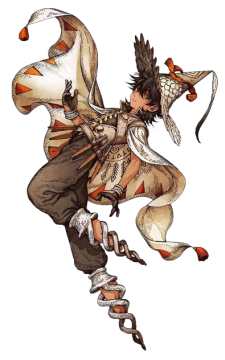
✦ ◈ ✦ ◈ ✦ THE WAY OF THE ATELIER T H E C O D E X ✧ · ◈ · ✧ [ A young mage about to start her journey - SA. 271] ✧ · ✧ · ✧ The history of magic is long and complicated, filled with wars, battles and disputes amongst schools of arcane thought. Through centuries of strife and discovery, one conviction endured above all others the wish to see their beliefs and goals passed down to the newer generations. From this enduring desire, born of both love for the craft and care for those who would inherit it, the Way of the Atelier was born. ✦ ◈ ✦ ◈ ✧ ◈ THE TENETS ◈ ✧ ◈ ✦ Magic is both a means to fight and a way to help others. The magic we learn is neither strictly good nor evil. It is entirely dependent upon one's morals and values. ◈ To learn magic, one must not simply study the Void and its origins or beg for a wizard to teach them, but explore all aspects of this world: how creative one might become by using such a gift, and all the massive possibilities it holds. ✦ A mage's Atelier may hold up to 3 students per graduated professor. Their duty is to ensure that values and responsibilities are passed fully to the newer generation, each following the laws of the nation or local organisation in which they reside and to protect all those who reside within such a place.. ◈ To be accepted as a student, one must usually be between the ages of 10 and 60 for humans, or between 10 and 100 for elves. Exceptions to this rule, whilst uncommon, are not unheard of. ✦ Graduated masters and apprentices alike may be summoned for meetings or routine inspections by the greater magic society to verify the continued upholding of the Atelier's principles and values. ◈ To be considered a Wizard, one must either have mastered 3 arcane arts and one mundane discipline, master 4 arcane arts whilst also choosing a dedicated Path such as Eminence or Artificery or create a new kind of spell or art on their own. ✧ · ✧ · ✧ [ A Warlock - S.A 278 ] ✦ ◈ ✦ ON FORBIDDEN KNOWLEDGE Within our world there exists a number of practices considered prohibited not only by the Church, but by the mage community itself. Some defy the sanctity of one's very body and soul, others do far worse. These arts are condemned, they represent paths that have led countless practitioners to ruin, corruption, and a severing of all ties to the living world. A mage found to have studied or practiced any of the proscribed arts faces immediate expulsion from their Atelier, and may face formal judgement by the greater mage community. The pursuit of such knowledge is considered not merely a personal failing, but an act of betrayal against all who have dedicated their lives to the use of magic. P R O S C R I B E D A R T S ✦ Necromancy · ✦ Mysticism · ✦ Hemomancy ✦ Heraldry & the Way of Asioth · ✦ Ibleesian Magic · ✦ Palmreading ✦ ◈ ✦ ✧ ◈ ✧ THE TITLES OF THE MAGI ✧ ◈ ✧ [ A Duo of Wizards watching over their students - S.A 281 ] ✧ · ✧ · ✧ ✦ ARCHMAGE Those standing at the pinnacle of magi society, having spent decades or even centuries honing their skills and knowledge. Most receive this title for leading a magic school or guild of great renown. ◈ MAGE A general term that addresses all those following the path of magic. One may be simply a student or an ancient spellcaster, the title encompasses the full breadth of arcane practitioners, from the newly initiated to the highly accomplished. ✦ WIZARD The word used to describe those who have reached the point of graduation from an Atelier or Guild. Wizards typically choose to either teach the newer generations or dedicate themselves to ongoing research, expanding the boundaries of known magical understanding. ◈ WITCH An umbrella term that may describe a female mage, wizard, druid or even warlock. The title is usually chosen by those who have studied enough to command respect through its use. It carries a weight of self-determination, a declaration as much as a rank. ✦ WARLOCK Considered the lowest of the low amongst all magi. Warlocks are those who turned to Iblees and the hellish realms in search of power, choosing to value their own egotistical ambitions rather than pursuing magic through knowledge and discipline. The title is given as a mark of shame, not honour. ✧ · ✧ · ✧ ✦ ◈ ✦ ◈ ✦ ◈ THE WIZARD'S OATH ◈ ✦ ◈ [ A newly oathed Wizard - S.A 283 ] Upon the completion of their studies and the earning of the Wizard's title, each graduate speaks the following oath before their master and the gathered community of their Atelier. ✧ THE OATH ✧ I swear upon my knowledge that I shall wield my craft with wisdom and with care, that I shall pass it down to those who come after me, as it was passed to me by those who came before. I shall not seek corrupted power to satisfy my own greed, nor shall I turn my gifts against the innocent. I shall uphold the path I have chosen. To honour the bonds between master and student, So long as I shall practise the arcane arts. ✧ · ◈ · ✧ ✦ ◈ ✦ A T E L I E R C O D E X Compiled by Vidnyr ‘Mírdanul’ Illwm ✦ ◈ ✦


-
[!] The Maehr would let out a chuckle "Danke... and don't you worreh, give me just a few years and i'll start taking away your clients"