Jump to content

The Second Brigade and The Imperial Combat Academy


kazoo

Recommended Posts


2kTUz-H5cWYpozsSoOCVd_DFbMdfAvei6-ZRqDuEIfDRth2TVQB-K7HP7ySqdiKE1II8DClFRAb2Z1jcCETbiIF90ZXQNBk_rwxN6xryVTTsE7QS1gEVZ_qY_7E4ll8nWltgnJh2.png

The 2nd Brigade

“Imperial Combat Academy”


l6CUuTP03SMgtN4cTA3-elAgrRjeh00gfVAlxGw90QUBjinSbewQOP1m1ozn3eo8BFTDINeODda7cJkGTeGZMOf7SNJQG2CppyIAi2ijKvtO8fm7gmoBAw5Yf_yt_I18X3Niuc8i


Introduction

The 2nd Brigade- also known as the Imperial Combat Academy- is the main hub of training and education for the 1st Regiment as well as the entire Imperial State Army. As the gateway to service for all Imperial citizens, the 2nd Brigade can easily be said to be the source of new life blood for the ISA. It is where average people are turned into disciplined warriors capable of taking on the challenges of the world at the will of the Empire. All recruits and cadets are automatically enrolled under the command of the 2nd Brigade upon recruitment where they are to complete a 2 year basic training period. Additionally, the 2nd Brigade is the epicenter of all ISA military science and is tasked with upholding readiness standards across all the brigades in the 1st Regiment by designing training events and scenarios that hone the esprit de corps of each soldier. Finally, the 2nd Brigade is the main recruitment force for the 1st Regiment, maintaining a cadre of recruiters that embark on community outreach missions to ensure a steady stream of fresh comrades into its ranks.


lI_cjH2sG7fi_ezGuD0mzTPsqAW_oBckthhz3BQ49MrAOgQYFQ29DjYe1UaJTb380R6HPFXL_uABLI-tStBhcvJ3a5vtLi4Fkeiqz9bG29qESvYxUjhMKxM1WDHPztXSFf5iGP5W

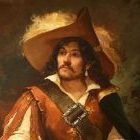
~ Captain Alexander Antler in Dress Uniform, 1838 ~


Lieutenant Billets


Chief Commandant

The Chief Commandant is tasked with the overall management and daily operations of the Commandants within the brigade. Some of their specific duties include creating training schedules and assigning trainers/teachers, devising more efficient and effective training programs for recruits, ensuring commandants are up to standards, ensuring the quality of training being performed, and indoctrinating new commandants. Chief Commandants are to be the example for all other commandants to follow, maintaining the utmost in instilling discipline and molding fresh recruits/cadets into capable soldiers.


Chief Recruiter

The Chief Recruiter is tasked with designing and operating the recruitment programs for the 1st Regiment. Some of their specific duties include running recruitment drives, building and staff recruitment booths, scouting the Empire for prospective recruits and cadets, managing the cadre of recruiters, ensuring recruiters are representing the Imperial State Army properly, devising recruitment interview processes, and ensuring new recruits and cadets are properly integrated and oathed into the 2nd brigade to begin training. Chief Recruiters must be wholly aware of all facets of the ISA to ensure the greatest first impression is made on potential new comrades, they should be outgoing and tenacious in their pursuit to bring in new soldiers.


Specializations


Commandant

Commandantare official members of the 2nd Brigade tasked with administering the programs, doctrine, and vision of the Imperial Combat Academy. They operate under the direction of the Chief Commandant and the command of the 2nd Brigade Captain. Commandants serve as the backbone to instilling the discipline and training that each recruit or cadet receives during their time in basic training. They are expected to be the primary example for all new members of the Imperial State Army to follow as they begin their journey from civilian to soldier. Commandants possess a variety of skills and are authorized to instruct on all subjects as detailed in the training regimes of the academy. Some of their duties include hosting training, designing methods of instruction for a subject, instilling military culture/values/traditions/motivations into recruits and cadets, and maintaining the order and wellbeing of the recruits and cadets. Because of the hugely important nature of their work, Commandants are offered additional monetary incentives.


Assistant Commandant

Assistant Commandants are either new permanent members of the 2nd Brigade Commandant corps or are lending their presence temporarily to the 2nd while maintaining official membership with another brigade. Assistant Commandants begin by shadowing fully fledged Commandants to observe the many aspects that the role requires. Once this apprenticeship is completed, Assistant Commandants will either be promoted to Commandant or remain as assistants. Assistant Commandants may host trainings or conduct classroom lessons at the discretion of the Chief Commandant or 2nd Brigade Captain.


Instructor

Insructors aren’t an official specializations within the 2nd Brigade but are instead an official role that both military and civilian personnel may hold. With respect to the Imperial Combat Academy, instructors are utilized to impart their expertise or skills in a classroom setting to new recruits and cadets. They may be utilized ad hoc or on a regular basis to instill the desired doctrine and values on any number of subjects as determined by the Chief Commandant, 2nd Brigade Captain, or even the Colonel of the 1st Regiment. Willing soldiers or civil agents may volunteer their time and knowledge at will, helping to enhance the educational prowess of the Imperial State Army as needed.


Recruiter

Recruiters are soldiers within the 1st Regiment who have been authorized to conduct recruitment operations and process new members into the Imperial Combat Academy. A recruiter may be from any brigade but works under the direction of the Chief Recruiter which is a permanent role within the 2nd Brigade. Recruiters are expected to maintain an inviting and professional image at all times and must always present the Imperial State Army in the best manner possible. Typical recruiter duties include manning recruitment booths, scouting the Empire and abroad for new prospects, conducting interviews for new members, and organizing induction and oathing ceremonies. Recruiters are offered monetary incentives congruent with their success of bringing in successful new recruits and cadets into the ISA.


M0YwHLqSTN3gBrKJJgUXQowp_Z-4eURDF3fGP9ldqqwWvd91-kyqKGFrTuieXvekJzNiJuUlCXzFWy-UoQD75pauzW9I0Fdumk22-DoWnVGxwNNku4LD-zOgUHn7YTNtjyAmfa84.png

Imperial Combat Academy


Upon recruitment into the Imperial State Army, all recruits and cadets are immediately enrolled into the Imperial Combat Academy. For the next two years they will undergo a set of rigorous trials designed to prepare them for a life of military service and duty to the Empire. As it stands the Imperial Combat Academy makes use of the Darkwood Assessment system which tracks and assesses one's participation and performance among a series of core subjects while in the Imperial Combat Academy. The following will be a brief summary of the events or concepts each new recruit will master under the direction and supervision of a Commandant.


vtm6YG7Mw0hzyppfRRMv7LEDRz1RiFKuGmDT3iIxione9N2AfE2rwqAdZAM4hrMaqsPT18-gj3SEEn-syo1Oih24ZuWGtBSu6ZgvK--gDi7VQpInbqo8xCJPVnw-xFiMGFYi9CAm

~ A recruit depicted during a War Game, 1840 ~


  1. Dress and Appearance: Recruits and cadets must adhere to strict uniform standards and are expected to remain in total compliance for the entirety in the 2nd Brigade. Soldiers of the Imperial State Army must appear professional to reflect the professionalism of the institution.
     

  2. Military Customs and Traditions: The Imperial State Army is built upon centuries of military traditions, all recruits and cadets will be indoctrinated into such during their time in the 2nd Brigade. These include proper forms of address, signs of respect, and the inherent followership of all members to name a few.
     

  3. Military Science and Formations: The military operates as a well oiled machine with this principle beginning with the flawless execution of basic commands and the unified understanding with one's fellow soldiers. This manifests as things like formations and calls, marching, adhering ranks and authority, understanding military structure and organizations, and the accepting overall role the military fills within society.
     

  4. Physical Conditioning: All soldiers must be “fit to fight” at all times for when duty calls. The initial foundation of the Imperial State Army's physical conditioning begins in the 2nd Brigade as recruits and cadets transform their bodies into weapons of war. Other than simple group exercise, activities like ruck marches, long distance patrols, conquering obstacles courses, and conditioning through combat will ensure that anyone who passes through the Imperial Combat Academy is ready for any physical demand.
     

  5. Combat First Aid: It can be equally as important to save a life as it is to take one. As such, every soldier of the Imperial State Army must possess the knowledge required to save their comrades life. Recruits and cadets will be trained on the basics of combat medicine, with further opportunity in the future to develop these skills into more advanced procedures.
     

  6. Dueling: The nature of the military is to engage in combat at some point, whether it be at the will of the Empire or in defense of one's home from an aggressor. At the lowest level, warfare is conducted through the violent interaction between two willing or unwilling participants. The principles of dueling are paramount to the martial skills of any soldier, making it a core element of the Academy's curriculum.
     

  7. Melee and Ranged Combat: Recruits and cadets will become proficient in a number of different weapons and weapon types. The adaptability of the Imperial State Army is what has made it a premier military force for the last two centuries. The ability for each soldier to meet any unique demand in combat and warfare overall is a skill held in high regard. This usually manifests in arms training with swords, polearms, shields, bows, crossbows, and blunt weapons. Each soldier must be willing and able to meet the enemy on the field of battle and to simultaneously defend their comrades to their utmost- a soldier who lacks these skills can do neither.
     

  8. Warfare and Battlefield Hierarchy: The Imperial State Army's primary role is to wage war on behalf of the Empire, both aggressively and defensively as the situation calls for it. Recruits and cadets must fully understand the principles of warfare and their role in the grand scheme of a battle. As well, particular emphasis is placed on the authority offered to those commanding on the battlefield. Every soldier must operate in a team with their comrades, obeying the orders of those appointed over them, and giving every battle their all- to include their life if necessary.


Upon of the Conclusion of these two years of training and with satisfactory completion of required training items, a final assessment will be administered by a Commandant in the form of an exam to determine if a candidate is ready for graduation or remedial training. This exam measures a recruit or cadets aptitude both in general knowledge and decision making skills, coupled with the physical conditioning and martial expertise imparted during training. If they are found to meet the standards of the Imperial Combat Academy and are ready to join the active ranks of the Imperial State Army, a graduation ceremony shall be conducted where the recruit or cadet will be officially welcomed as a comrade by the Regiment. They will also receive their first duty assignment to a brigade and meet their new Captain. From there they will be fully released from the 2nd brigade into the command of their new Captain and their officer corps.


M0YwHLqSTN3gBrKJJgUXQowp_Z-4eURDF3fGP9ldqqwWvd91-kyqKGFrTuieXvekJzNiJuUlCXzFWy-UoQD75pauzW9I0Fdumk22-DoWnVGxwNNku4LD-zOgUHn7YTNtjyAmfa84.png

Notable Captains of the 2nd Brigade


noyIkALP4z9-zdRmVaYIzmry9fhfFFSdmIuSyp-jeHYvp0EaNGAMVx5KBYnDcw0mDkLjSeVI6b4vNn8kmOoLef-BRJLnU5t9UUyELhydZXdvzEMq_0ADezJw1vjfBmQ6RoUQOTG-

~ General Alren DeNurem, circa 1766 ~


Sir Alren DeNurem: Alren DeNurem was the founder of the 2nd Brigade. He was originally conscripted into military service during the apex of the 7th Nordling war. After being officially recruited into the Imperial State Army as a Private, he led many expeditions and missions into hostile territory to disrupt enemy forces and discover weaknesses in their defenses. Under the command of Captain Jasper Carrington, he was promoted multiple times, eventually being awarded a commission. As an Ensign he designed the foundations of the Imperial Combat Academy and was awarded the rank of Lieutenant in order to lead the project. Upon the retirement of Jasper, Alren was elevated to Captain of the 1st Brigade which at the time was the only bridge in the ISA that was still operating. When he was eventually promoted to Lt Colonel of the 1st Regiment, Alren DeNurem created the 2nd Brigade based on the systems born from the Imperial Combat Academy which provided for a standardized means of receiving and training new soldiers to the ISA. Alren DeNurem continued his career by becoming the Colonel of the 1st Regiment, Field Marshal of the Empire, an Imperial General, and Chief of War for the War Office upon the retirement of General Darius Sabari.


5X_x2vza4LEtDgYn-OwH9uCNP9UAp9g5wr-tKOHiAmztvScKSFBJxjJO5798nGT9dxexUhwWx4_poBNTpGsQzdxalHIHTNHBtH9B9hXguUC7pLPJ-WEYdpp7SX7HhhRwwwc13qE8

~ Major Thomas Aquila featured on the Korvassan Front, 1778 ~


Sir Thomas Aquila: Thomas Aquila was the second Captain of the 2nd Brigade. A leading military figure of the Imperial State Army in the War Of The Two Emperors despite being the former General of the Renatian Legion. After the war of the two emperors Thomas joined the Imperial State Army as the Chief of Logistics for the War Office and took command of the 2nd Brigade in 1767. After 30 years of additional service he was promoted to the rank of Major and helped the army logistically with a campaign against the Inferi incursion- aiding in the establishment of a forward operating base on the compromised Korvassan front.


2i5sNeM-nRX3ImX3genun-0Ejcu2ODXxEUD1oo-oTgN3ddbaB7R5gWQi45xdQ0KcH8xljWUDVe227PJHatCT6icWz4fQonHrx-FpgLQkWax2TN8K-H7SZdbnMHYI8_AMYZh9P8NR

~ Sir Henry Marshall, circa 1770 ~


Sir Henry Marshall: Henry Marshall was the third Captain of the 2nd Brigade. He joined the Imperial State Army at the age of sixty with a wealth of martial expertise, beginning his career as a cadet. During his early officership, he led many battles against the enemy’s of the empire. As well, he aided in the creation of the Imperial Industrial Armory which became the central agency for manufacturing the tools of war for the ISA. In the year 1772, General Alren DeNurem promoted him to Captain of the 2nd Brigade. Together with Lieutenant Erik Othaman the pair drastically improved the recruitment and training regime of the Imperial Combat Academy. Henry was eventually promoted to Major in the year of 1780, earmarking his contributions to the 2nd Brigade.


bbqMcPhDJOMSKF_Jrjer5xhvcdAgyViEb4pFdqBKhN56KGtQmn-KPU4WC9Eg8sCK555DIbJMKzlDxBpnpJlWsewkmol0bJ-AfmQU7TRUCH5tlGSGe0vpRt6AIk1_DQYl0hIoQgxi

~ Sir Erik Othaman, circa 1770 ~


Sir Erik Othaman: Erik Othaman was the fourth Captain of the 2nd Brigade. Following the loss of his ancestral home in the Schyfling War, Erik Othaman joined the ranks of the Imperial State Army as an ensign with prior military experience in the Haense Royal Army. In the year 1780, Erik Othaman was brought into the 2nd Brigade as the lieutenant in charge of recruiting for the 1st Regiment. Upon the promotion of Henry Marshall to Major, Erik was subsequently made the Captain of the 2nd Brigade. With the help of Lieutenant Ledicort d’Azor (who eventually went on to become the 6th Archchanceller of Oren), the 2nd Brigade continued to improve upon the badge system that is still in use to this day. Erik would also be entrusted with the leadership of the Commissariat and be elevated to Major to continue guiding the operations of the 2nd Brigade in addition to other duties.


95Pn5M4KJd93BKthU9oIvVFtUXRyWKivNFlD5FnpPu6tJzvgX8rjoRLLMu4m5fbLqozLxmxuPKWfo-xKBLo_cTmz22v5RE7vFFaqLgpX_wZis5CFCi3kA3E5Qe7WeCJ5oatPRFMM

~ Sir Ledicort d’Azor, circa 1772 ~


Sir Ledicort d’Azor: Ledicort d’Azor was the fifth Captain of the 2nd Brigade. He joined the ranks of the Imperial State Army at the age of 14 beginning his career as a recruit. Following his graduation from the Imperial Combat Academy, Ledicort took to the disciplinarian lifestyle exceedingly well, electing to remain in the 2nd Brigade and becoming the youngest Commandant in ISA history. In the years that followed and under the command of Captain Erik Othaman, Ledicort became responsible for the creation of the training badge system which saw use in the Combat Academy for several decades. This system helped shape generations of ISA soldiers that went on to fight in many of the Empire's wars. When the Inferi invaded Arcas in the year 1778, Ledicort was among the first to meet the enemy in battle on behalf of the Empire in defense of Korvassa. During the apocalyptic campaign, he would earn a commission and subsequent promotion to Lieutenant in the 2nd Brigade in recognition of his leadership skills in the face of demonic enemies. At the conclusion of the war and upon the promotion of Erik Othaman to Major, Ledicort d’Azor was promoted to Captain. He served as the head of the 2nd Brigade for a couple years before retiring into politics. Ledicort would eventually go on to become the Archchancellor of the Empire.


FDnW8DcQ-uPyfDgyYETOXxYcrEMKwyrQvoiFF_H4eWhBkAD6wKNmvTpqV4LzYsRQvKZUb8Y0U92BKYbp8dnPKMnvsrvBQC5MNzubU4IyiCJofaIdGABP-iroZ-kZIBYlrRvRl5j_

~ Caspian d’Arkent, circa 1818 ~


Caspian d’Arkent: Caspian d’Arkent was the sixth Captain of the 2nd Brigade. He joined the Imperial State Army at the age of 15 and started his career as a cadet. In his first year of service the Sedanite Rebellion erupted. He contributed to numerous battles in the Sedan war but the most notably in the Battle Of Southbridge. Caspian d’Arkent proved pivotal to fight for his comrades in achieving victory. After the Sedanite War Caspian was knighted into the Order of the Lion by the Emperor in recognition of his valorous efforts in the war. In the few short years that followed, the 10th Nordic War was declared by Norland. Caspian helped lead many disruptive raids against the forces of Norland and its allies. In the final battle of the war in Outer Arentania, Caspian provided his leadership skills once more, propelling his comrades through a grueling fight and into victory. His ability to marshal inexperienced soldiers and to maintain order with auxiliary civilian forces prompted his promotion to captain of the 2nd Brigade.


M0YwHLqSTN3gBrKJJgUXQowp_Z-4eURDF3fGP9ldqqwWvd91-kyqKGFrTuieXvekJzNiJuUlCXzFWy-UoQD75pauzW9I0Fdumk22-DoWnVGxwNNku4LD-zOgUHn7YTNtjyAmfa84.png


Signed

NfnL9XtWeSuKQNfHCCo_Y_b6Psv25q_tkfNu-yzlsWE1aZ9_9OWaklhYSTmWEpFyTEHndLQco3uZNX-X3d1THRY0e5rlEj_tV_WA5JVAIjcFPD87fCDbois5NRDRDVjmpTFlq28S

Captain Alexander Antler

Link to post
Share on other sites

Sir Ledicort d'Azor would remain at his desk, bedridden from his aging body and illness. He would look over the missive as he would crack a light smile. "The time that was spent in the Imperial State Army within the second were the most joyous of my days. May the second always be prepared to train the next generation of leaders." He would then place the parchment down as he gripped his cane to move towards his bed.

Link to post
Share on other sites

Archived

This topic is now archived and is closed to further replies.

  • Recently Browsing   0 members

    No registered users viewing this page.


×
×
  • Create New...