Navigator
-
Posts
516 -
Joined
-
Last visited
Content Type
Profiles
Personas
Wiki
Rules
War
Systems
Safety
Player Conduct
Roleplay Leadership Guidelines
- Roleplay Leadership Guidelines
- Roleplay Leadership Guidelines Comments
- Roleplay Leadership Guidelines Reviews
Forums
Everything posted by Navigator
-
Nafis sharpened his blade, while chanting silently to himself what he had heard an Asturian once sing. . . "Quarenta y vente, quarenta y vente... I'll deliver her head to Justiciar and High Inquisitor both."
-
"May it rot." Nafis drawled. What was this bittersweet feeling? The Greyes had robbed him of vengeance by moving into the Empire. Now this Elf had robbed him of reclamation via dissolution. The aspiring Inquisitor bit back further comments, returning to his task.
-
Nafis passed along the missive to his siblings, while getting ready to write a letter to Sir Antonius himself!
-
This is something I admittedly hyperfocused on and, agreeing with MCVDK too, I kinda neglected the rest of the influences to other things. Will add & remove some names and words to reflect this!
-
Nafis side eyed the Heiress of Cascanova. He had a little corner smile on his face, neatly folding the missive and putting it away. "They welcome friends old and new. Maybe you'll get an apology?" Then, to avoid the likely reprimand - physical or otherwise - he'd get for such a silly joking suggestion, he fled!
-
[✗] The Mage’s Guild [Lair]
Navigator replied to Wonderland_Boy's topic in Realms, Settlements, and Lairs
voidal tear in 3... 2... 1... -
?? Harmless amendment, should be applied to all Infernal CAs. Darkstalkers have to wait a day, by the way. If LT is going to approve that Inferi can live and be free without being shackled, they might as well lower the respawn timer to make the CA actually enjoyable to play, or at the very least imps.
-
Thank you for your productive comment, declaring your dislike for the post without: a) noting why b) providing feedback of any kind Quite productive and nice! Edit: Sorry if this seems snappy. This was my brain baby for 3 months. I'm defensive over it.
-
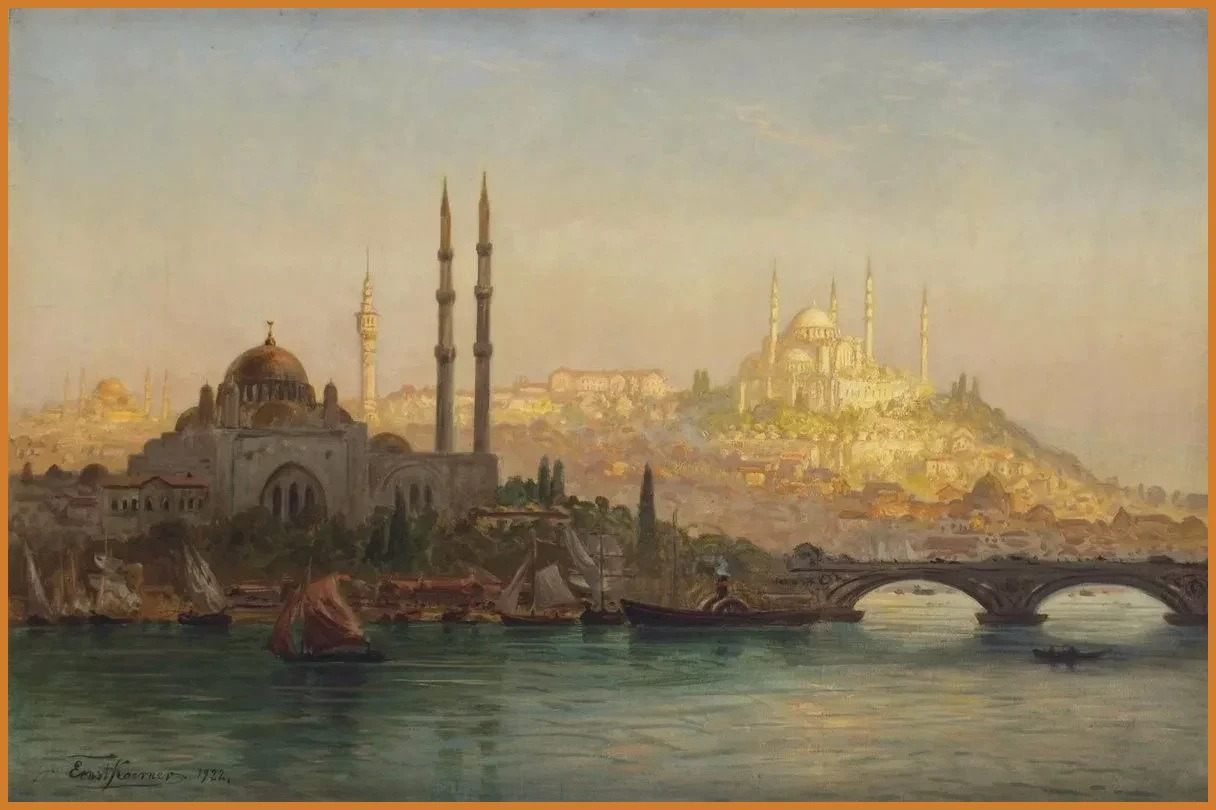
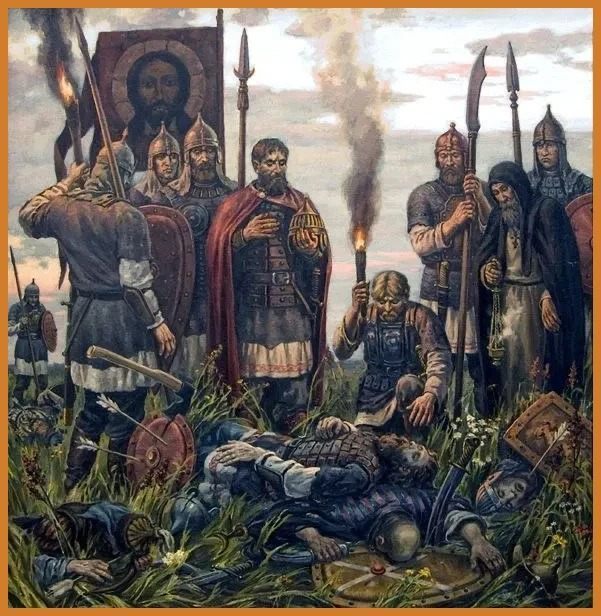
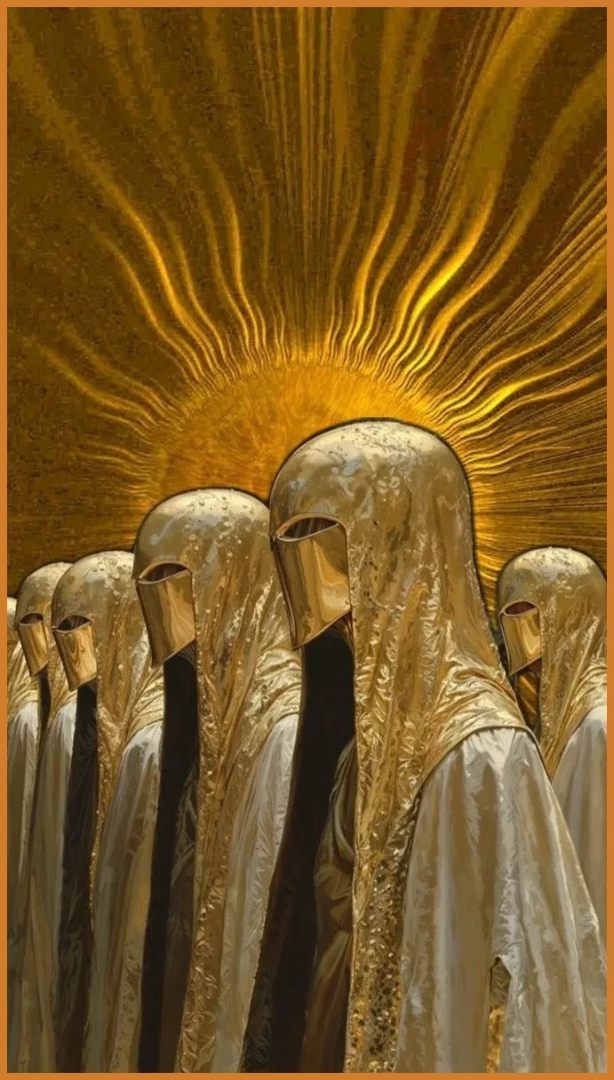
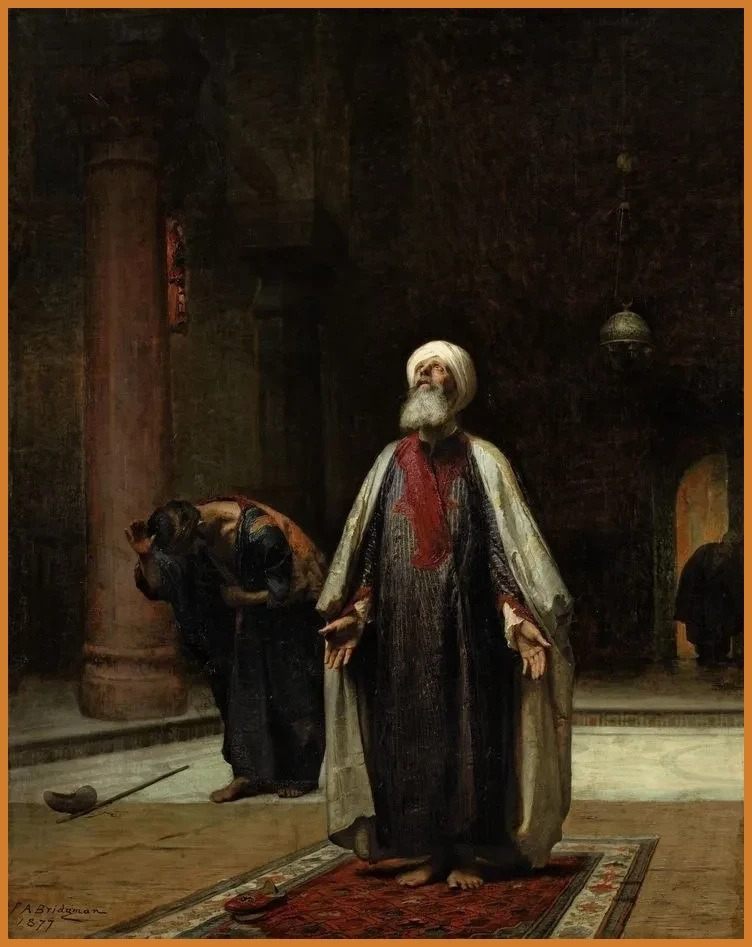
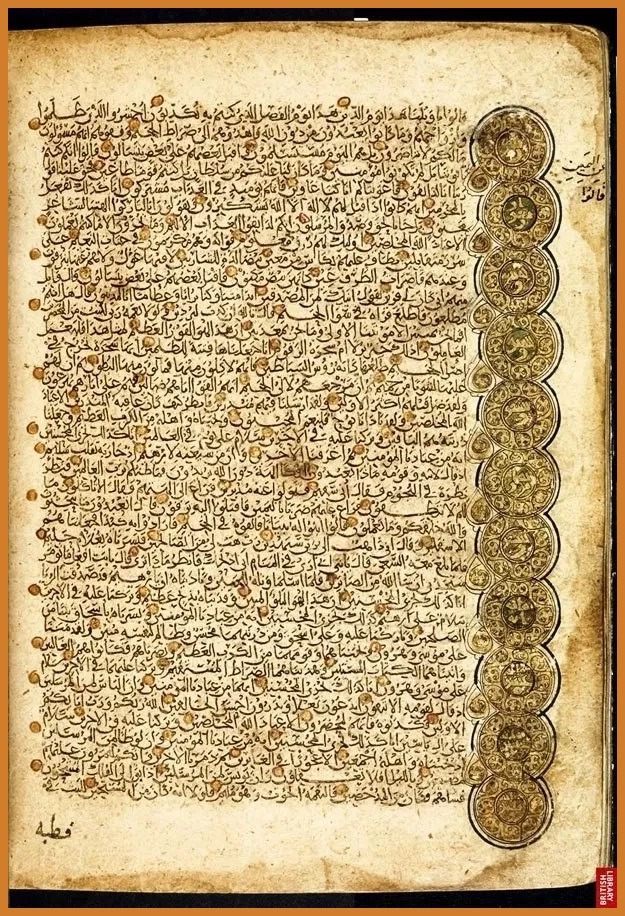
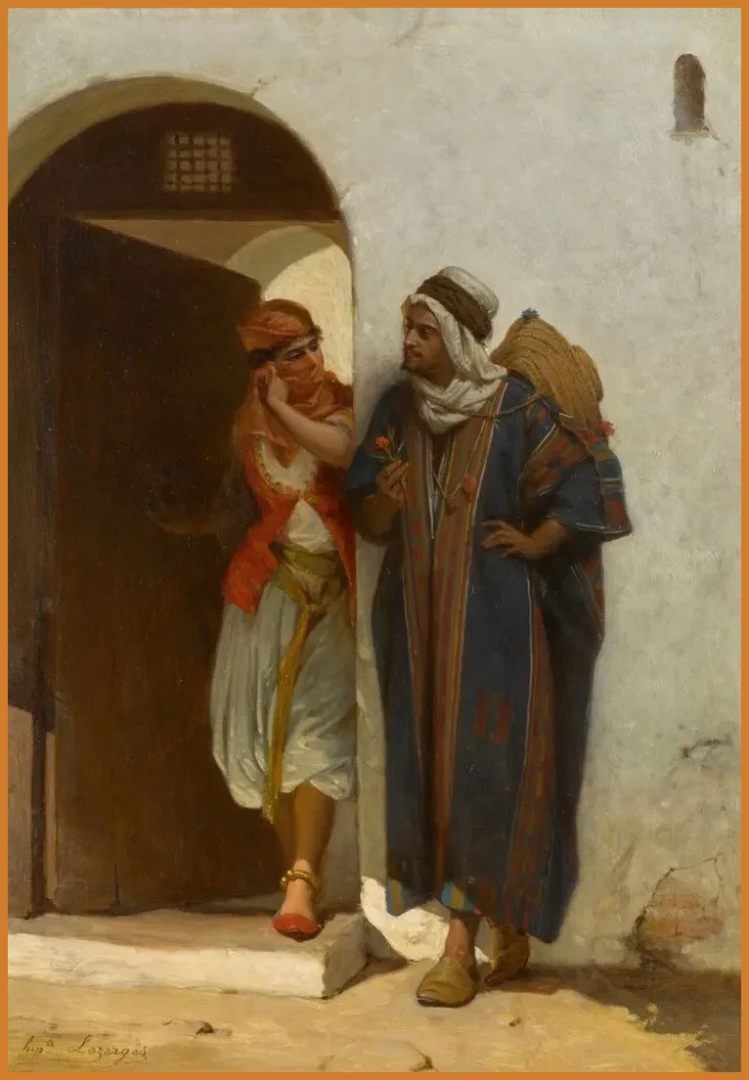
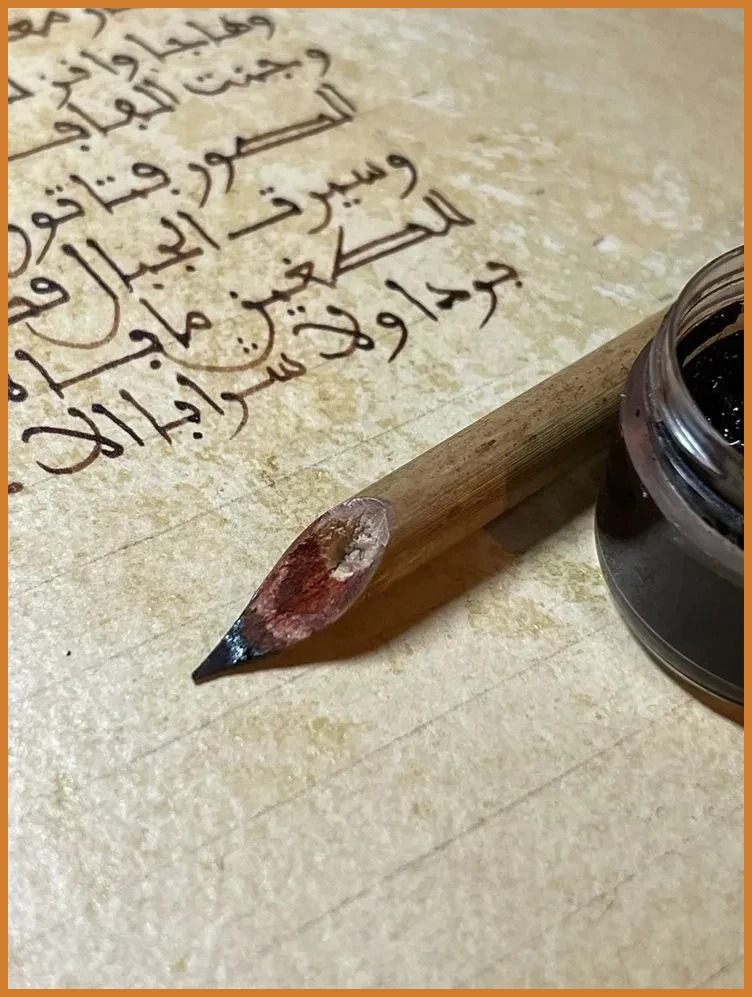
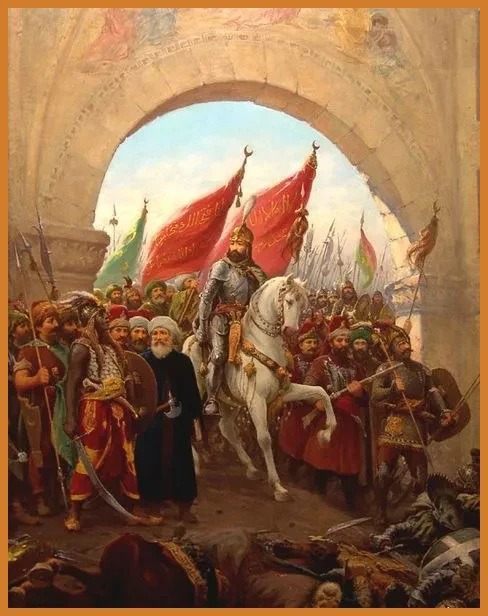
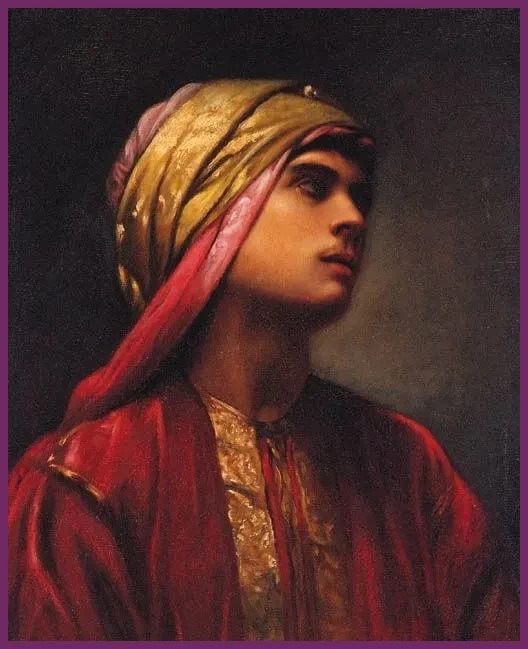
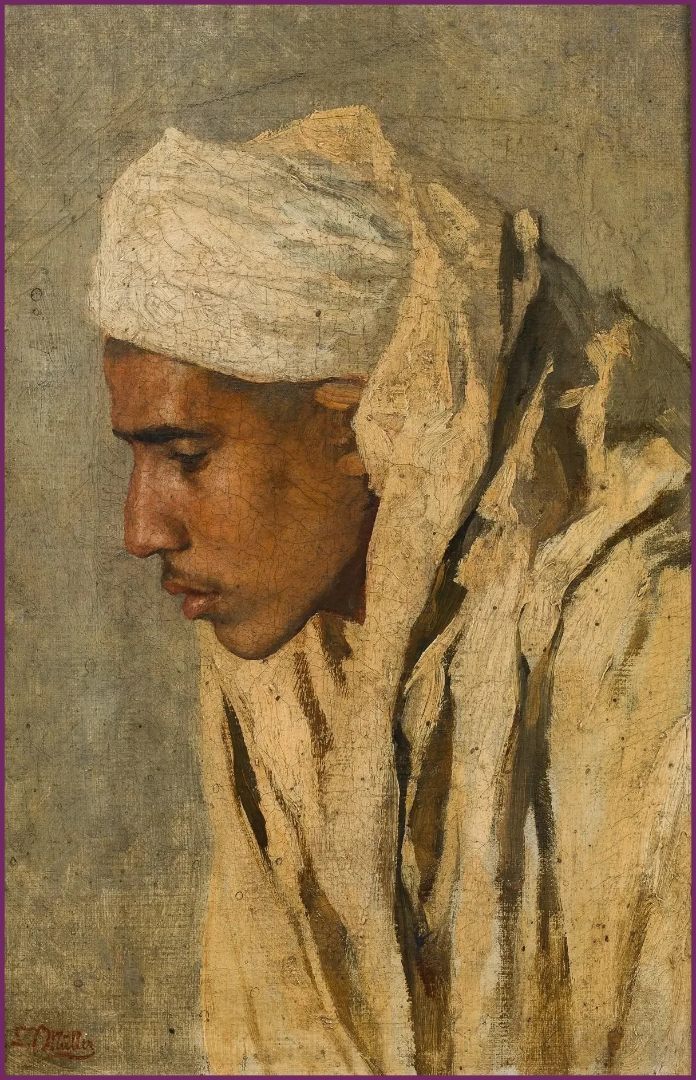
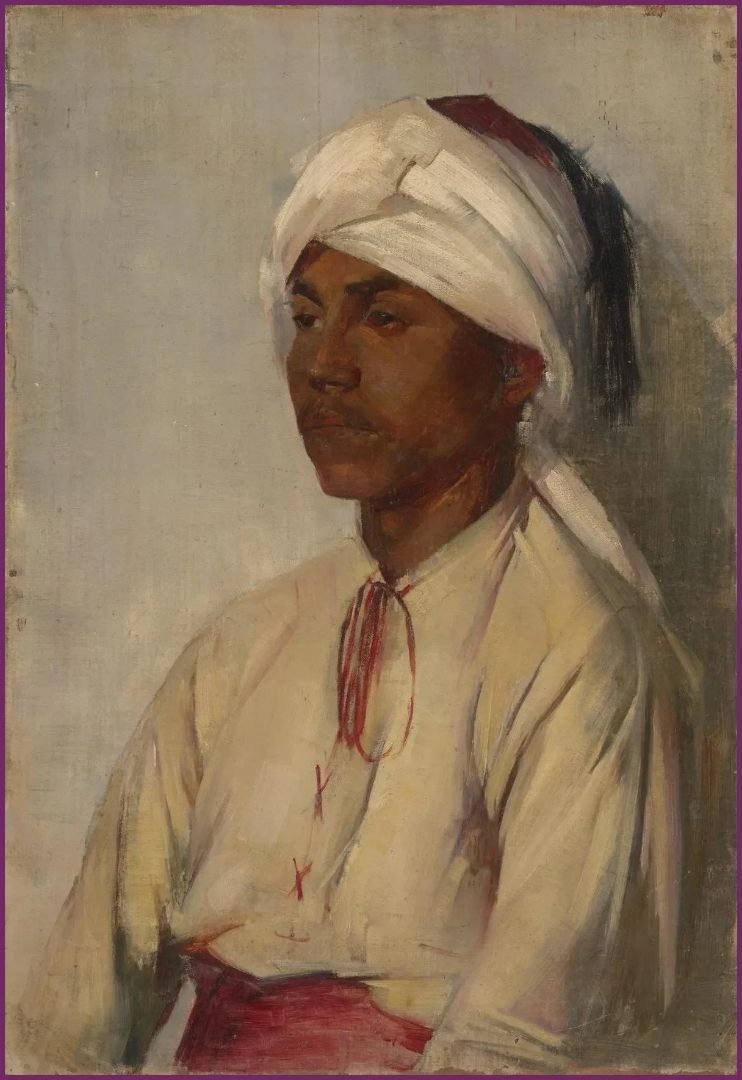
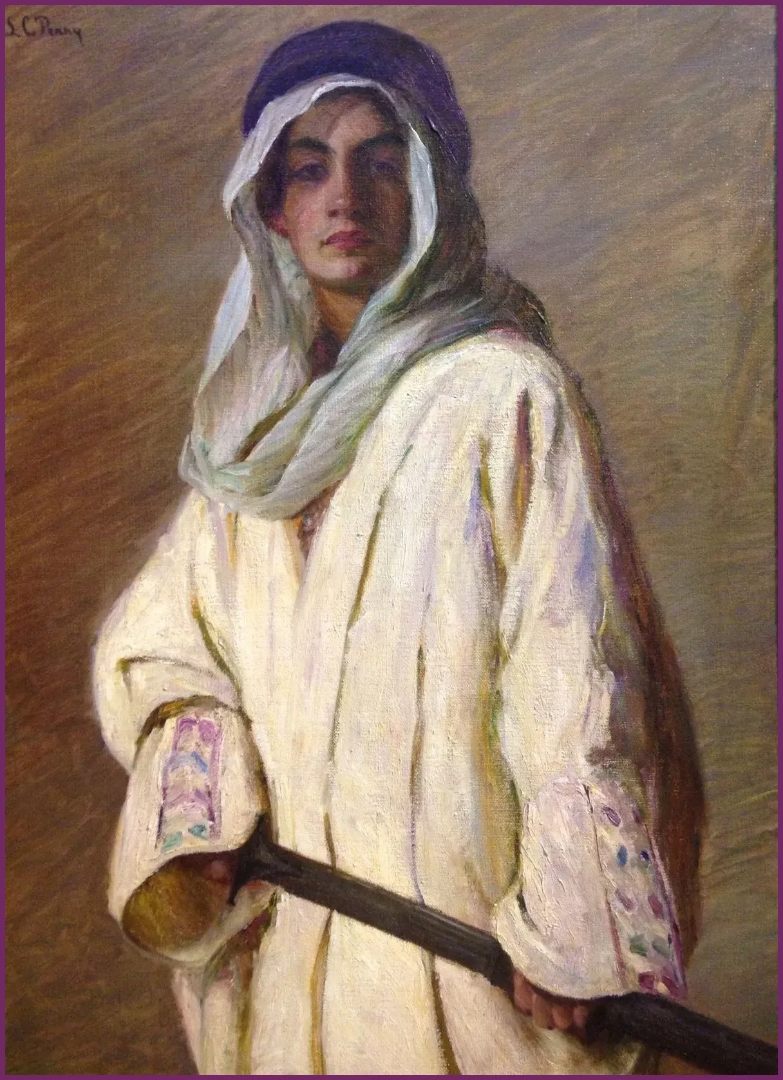
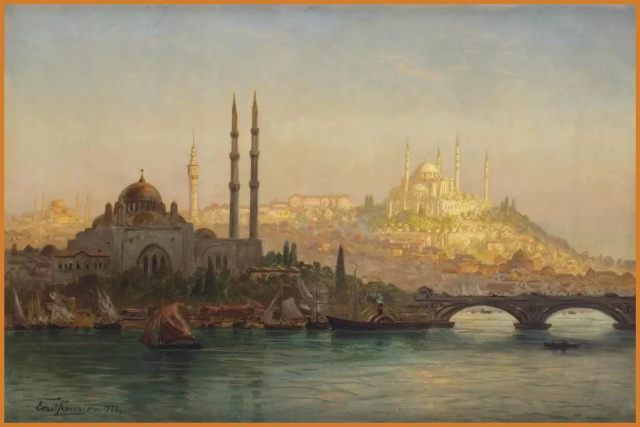
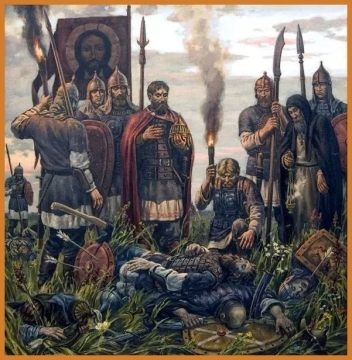
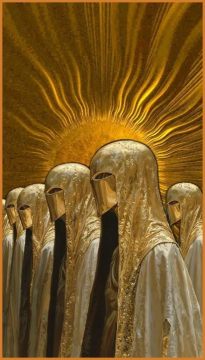
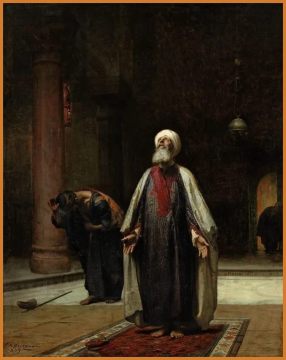
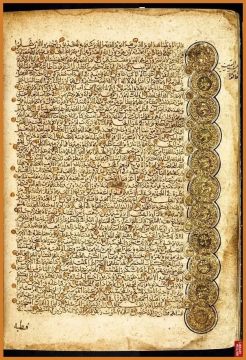
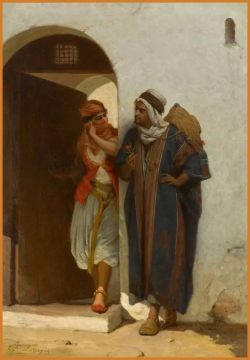
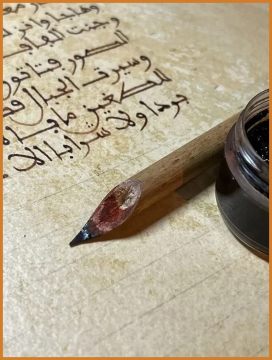
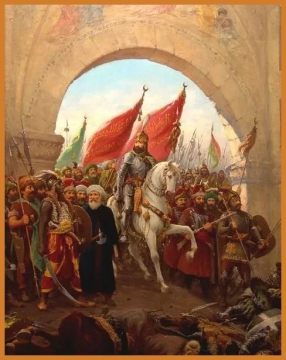
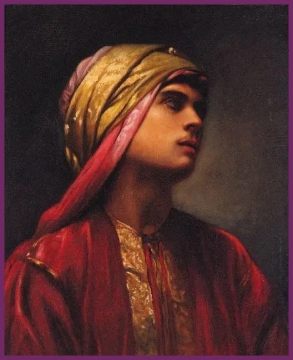
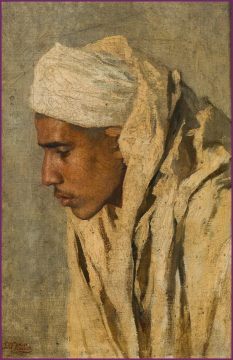
“ʙʏ ᴛʜᴇ ɢʀᴀᴄᴇ ᴏꜰ ɢᴏᴅ, ʙʏ ᴛʜᴇ ᴡɪʟʟ ᴏꜰ ᴛʜᴇ ᴘᴇᴏᴘʟᴇ, ʙʏ ᴛʜᴇ ᴡɪꜱᴅᴏᴍ ᴏꜰ ᴏᴜʀ ᴀɴᴄᴇꜱᴛᴏʀꜱ, ʙʏ ᴛʜᴇ ᴅɪʟɪɢᴇɴᴄᴇ ᴏꜰ ᴏᴜʀ ꜱᴏɴꜱ, ᴡᴇ ᴘᴇʀꜱᴇᴠᴇʀᴇ.” Excerpt of the speech given by Rostam, Prince of Ba’as. Bayt ash-Shams, Rhen, unknown date. The people of Rhen, commonly known as the Rhenyari, are one of the oldest and most prominent cultural & ethnic groups to hail from the distant continent of Rhen, the land which the Rhenyari draw their name from. Although sharing various similarities in their way of thinking, their architecture, their culture and aesthetics, it is incorrect to group the Rhenyari in with the Qalasheen, with the two cultural groups being distinct in many places and many aspects. As studied by the late Isa Basrid - the basis from which much of this informative missive is drawing from - the Rhenyari boast a long, millennial history from which even modern Rhenyar draw inspiration, guidance and understanding from. If one were to summarise the Rhenyari in order to obtain a quick and concise understanding of them, the keywords associated with the people of Rhen would be faith, bravery and stalwartness. Rhenyar history is divided into three main eras. These are, from earliest to latest, the Age of Legends, the Shattered Age and the Sigismundic Age. It is important to note - in light of historical developments, both recent and past, of the faith and understanding of Humanity, that the Sigismundic Age took that name due to Sigismund Carrion and Fyodor Carrion’s attempts at converting and canonizing the Rhenyar and the success they found in such an endeavour. Modern Rhenyar - particularly, those affiliated to the House of Basrid - find themselves adherents to the True Faith, the dominant Faith of the Imperium. Firstly, it is important to note that the Rhenyari refer to the first ten years of the Shattered Age - which notably spanned the years 700 to 1400 - as the Red Decade, due to the amount of blood spilled in war. The most common theme of the Shattered Age is rebellion, strife and war, for as the polity shifted into a path of true nationhood, as well as the re-emergence of Canonism, there were varying thoughts on who should wear the crown of the Rhenyari. ᴛʜᴇ ᴏʀᴅᴇʀ ᴏꜰ ᴛʜᴇ ᴍᴀɢɪᴀɴ ꜰʟᴀᴍᴇ, colorized, c. 1566. ᴘʀᴏꜱᴛʀᴀᴛɪᴏɴ ᴏꜰ ᴘʀɪɴᴄᴇ ɴᴀꜰɪꜱ ɪ, colorized. By Amyas Isa Basrid, c. 1877. As established in the history section, the Rhenyari have a deep, intrinsic connection to the Canonist faith, and over time and fervent worship, they have developed traditions and practices of their own that have translated into modern Rhenyari customs. Some of the traditions listed here are ancient, while some are modern, post-Carrion influences. Known alternatively as the Rhenyari white-cloak, or Nadhar Altahara, the Fustanella is an homage to Akritara the Devout. Despite the intense conflict between the Magians and Rudrans with the Akritians, all Rhenyar recognise the importance of Akritara’s devotion and faith. To honor her moonlit miracle, it is common for Rhenyari knights, priests, artists and even athletes to don a white cloak, a signal of their purity, devotion and faithful service to God. The cloak itself may be embroidered with golden and purple details, though will commonly be a simple, masterfully woven white piece of cloth. Harking from Magian roots, the Rhenyari developed their own version of jousting, known as Bloodriding. Holding great reverence and respect towards their steeds, the Magian belief spread throughout the Rhenyari at large. Where a traditional joust will end when another is unhorsed, a Rhenyari Bloodride will only end - as the name suggests - when first blood is drawn, though it is important to note that respect and honor always triumph, and any deaths incurred by Bloodriding are considered a massive crime. Another notable difference between a Joust and a Bloodride is the arena itself; where jousting knights must follow the limitation, a Bloodride is conducted on an open pit, with enough space for two mounted knights, where they shall fight until first blood, with any weapons brought with them. Coming from Rudran roots, the jungle-dwelling Rudrans of Ancient Rhen became extremely adept jewel cutters and gem-makers through exploration of caverns in the Rhenyari Wetlands. Much like Bloodriding, this tradition spread to the Rhenyari at large, and they became popular amidst the nobility of the Mainlands for providing the most high quality pearls, emeralds, turquoise and carnelians. The Carnelian, or Aqeeq, is deeply rooted in the Rhenyari and is the most sought after, with many of the old Knights of the Magian Flame sporting Aqeeqs upon their helmets. It is related to the enhancement of faith and protection against misfortune. The Turquoise, or Feroza, is treasured for its color and beauty, resembling the seas of Akritia. It is associated with victory and strength. Notably, upon the victory of King Hafez of the Magians, he took as a trophy of his victory, the Fayruz ‘Akritya, the crown of Akritia bejewelled in Ferozas. The Emerald, or Zumurrud, is treasured for its color and beauty, similarly resembling something; in this case, the jungles of Rudra. It represents good fortune and protection from poverty, and was famously worn in necklaces by Rudran and Akritian merchants as an omen of protection. The Pearls, or Yaquts, are treasured for their royalty, regality and beauty, resembling the white cloaks worn by the Order of the Magian Flame. Representing purity and ardent faith, it is mentioned in the Holy Rudras as the “Gem conferred by God unto the faithful”. The Sajjada refers to the mats utilised by the Rhenyari faithful in their time of prayer. Often highly ornate tapestries of varying sizes, the Sajjada is something every Rhenyar man, woman and child has, and the Rhenyari are unable to pray without it. More often than not, these prayer mats possess the embroidered image of one of the more important saints to the Rhenyari, often overly detailed and decorated. An Akritian tradition that has survived the trial of time and strife of its people, it has since spread to the Rhenyari at large, and refers to the “cleansing” of the soul. Although known as baptism in traditional Canonist theology, the Rhenyari believe that a single baptism is unable to cleanse one for their whole life. As such, every twenty years from their first baptism, a Rhenyari - no matter their station, status or path in life - undergoes the Katharismos, a baptism meant to cleanse the soul of sin. In order to do so, the Rhenyar must seek a priest of any station - from a parish father to the High Pontiff - and ask them to submerge their body in a body of water, and speak unto them a prayer. As briefly mentioned, the Rhenyari have a grouping of culturally, religiously and historically significant religious figures that are chiefly worshipped amongst them in celebrations, masses and rituals. Primarily, the devotion and worship of the Rhenyari falls upon God, and they see these other figures merely as conduits of faith and venerable individuals in history that were bestowed with God’s favor, fervor or might. It is not uncommon to see Rhenyari children aspire to be like one of these figures. Exalted Horen, Prophet of God & Father of Humanity. Through the diligent service of Aros the Dreamer to Exalted Horen, as advisor and commander, the Rhenyari have remained stalwart, to this day, in their worship, service and respect to Horen’s descendants and Horen himself. The Rhenyari - primarily, those of Magian descent - see the House of Horen and the direct lineage of Ex. Horen as holders of the Holy Mandate, and place immense value in the sanctity of the Father of Humanity. Exalted Owyn, Prophet of God & holder of the Scroll of Spirit, Kitran. It was through the efforts of proto-Owynist crusaders in the First War of the Magian Flame that Ex. Owyn established himself as a principal image in Rhenyari Canonism. These Crusaders related Owyn to the Holy Flame of the Rhenyari, Kitran, and the Order of the Magian Flame embraced such wholly, becoming not too dissimilar from the Mainland’s Order of Saint Lucien. The Rhenyari place great value in Owyn’s might, strength and resolution, as well as the Holy Flame blessed by him which the Rhenyari defended for generations. St. Nafis of Al-Dirahk, Patron Saint of the Farfolk, Fishermen, Diamonds, Converts and Revolution. Many Princes of Ba’as have been named after St. Nafis of Al-Dirahk, and although the Rhenyari do not identify themselves as Farfolk, they recognise they fall under the nomenclature. Furthermore, St. Nafis’ representation - of conversion and revolution - ties directly to the wars of Canonization fought in Rhen, and with the Canonist minority-turned-majority winning, praise and worship to St. Nafis increased greatly. St. Tobias of Sarkoz, the Silver Comet, Patron Saint of Merchants, Comets, Wealth and Charity. Unsurprisingly, the Silver Comet, St. Tobias of Sarkoz is a central point of worship for the Rhenyari who remember the tale of the Battle of the Silver Comet, where the comet descended upon the sky and brought God’s Crusaders to the shores of Rhen to fight back the pagan hordes. St. Tobias represents the victory of Canonism over paganism in the continent of Rhen, and for such, he is worshipped. St. Michael of Cordobe, Patron Saint of Passion, Exiles, Service and the Eighteen Years’ War. Known by the Rhenyari as St. Miguel of Qurtubah, St. Michael’s patronage to Exiles and Passion found home in the heart of the Rhenyari, who, in the South of Rhen, found Canonists exiled for a long time until the War of the Magian Flame, and found solace in the worship of the one they at the time knew as St. Miguel of Qurtubah due to an error in translation. It is not uncommon to see St. Michael still styled as St. Miguel in Rhenyari churches. Bl. Fyodor Carrion. Father of the modern Basrid line alongside Princess Esther of Ba’as, Bl. Fyodor Carrion is hailed as the consolidator of Canonism in Rhen alongside his wife, the Princess of Ba’as, and is notable for having tolerated and respected the differing traditions in Rhen. His harvest system as also brought to Rhen, and helped the Rhenyari Wetlands in the South to flourish. Alexios the Pilgrim. Although not officially recognised as Venerable by the Church of the True Faith, Rhenyari hold the old Akritian King Alexios the Pilgrim in high esteem for his efforts to consolidate and convert the Rhenyari people to the Canonist faith. Furthermore, he is hailed as the ‘last Faithful Akritian king’. Pathros of Shenna. Master of the Pahtric philosophies and codifier of the Gazanama, the most commonly used star chart amongst humanity, Pathros’ intellectual influence in the Rhenyari lasts to this day, and for this, he is venerated even though his status as Venerable is not officially within the Church. ᴀ ᴄʟᴇʀɪᴄ'ꜱ ᴘᴀɢᴇ, excerpt of a Rhenyari cleric’s diary, detailing common names & their meanings. As previously mentioned, the Rhenyari are not Qalasheen, and vice versa, and while this is true in the multitude of differences observed in their cultures, there is one point where the cultures possess a rather curious syncretism; the given names. From the sonority to the writing, there are many common given names found in the Rhenyar that can be found in the different Qalasheen tribes, and this trend is observed as well in architectural and artistic similarities. Notably, the Rhenyari do not genderize their names - meaning that, a masculine name is not only reserved for men, but rather, is spoken in a masculine tone. The name Aaliyah, while traditionally associated with women in other cultures, can and has been observed to be present in Rhenyari men. It is believed that, since the Rhenyari follow genderless primogeniture - indicating a monarch’s firstborn shall inherit regardless of gender - and the importance of the Three Sisters, men and women are placed in equal societal positions with equal opportunities. Including their traditional meaning. Including their traditional meaning. ᴀ ꜱᴏʟᴇᴍɴ ɢɪꜰᴛ, oil painting Irshad bin Shams, Ba’as, c. 1998 Although long united under the singular banner of the Rhenyari, physically speaking there are still distinctions between the “subcultures” present within them. While put under the Farfolk umbrella, there are Rhenyari who resemble even the Highlanders as Humanity calls them, though it is true that, over time, a large majority of the Rhenyari have similar appearances, with differences coming mostly in eye and hair color, and slight pigmental shifts in skin color. The Magian Rhenyari, dominating group since the Second War of the Magian Flame and the folly of King Leon, are the most prolific and known group of Rhenyari, as well as the most present and influential in the modern mainland, through their nobility, House Basrid. Often possessed of olive complexion and darker hairs, ranging from dark browns to muddled blondes, and eye colors ranging from similarly muddled browns to olive greens. The Akritian Rhenyari, principally represented in the Mainland through the House Palaiologos and their spread of Akritian culture in the Oren of old, were forced to become one of the most influential Rhenyari groups in the Mainland until the slow decline of House Palaiologos due to the folly of King Leon. They have fairer skin, ranging from creams to beiges, and lighter hair; blondes, gingers, and light browns. Blue and bright green eyes aren’t uncommon. The Rudran Rhenyari historically have no principal noble representation, yet the Holy Rudras - a collection of Rhenyari scrolls inspired by the Holy Scrolls - were written by Rudran sages and oracles. They are taller, lithe, and have darker features overall; skin, hair and eyes alike. They are often the most mysterious of the Rhenyari group, rarely seen in the mainland, serving as advisors and priests in Rhen. ᴀ ᴛʀᴀᴅɪᴛɪᴏɴᴀʟ ʀɪꜱʜᴀ, tool utilised by Rhenyari scholars to write in the Rheniyya script. Largely referred to as simply “Rhenyari” or “Rhen” by the mainland and most people who are aware of its existence, Rheniyya is the official name given to the Rhenyari language that is spoken at large by the denizens of Rhen, and the ones who chose to settle in the mainland as well. Through trade and constant diplomacy between Rhen and the Mainland, Common has become almost as prominent and present as Rheniyya in Rhen, but in order to keep with their roots, the Rhenyari still utilise Rheniyya in some occasions; specifically, Rhenyari priests perform mass, rituals, ceremonies in Rheniyya, in much the same way a priest of the mainland would in Flexio. The Rhenyari see their language as a strong connection to their past, and strive to preserve the language and its unique script to the best of their ability. Compiled dutifully, the following is a list of terms, words and expressions commonly used, that are part of Rheniyya; Greetings & Farewell; Eisodios - A formal greeting. Eiso’ - An informal greeting. Adiyos - A formal farewell. Adi’ - An informal farewell. Nobility; ROYALS NOBILITY Family; FORMAL TERMS INFORMAL TERMS Military Terms; Extremely present, given the martial history of the Rhenyari. Honorifics & Addresses; NOBILITY PRIESTHOOD Everyday Words & Phrases; GREETINGS & POLITENESS, extended. HOME & LIVING SPACE FOOD & DRINK TIME & WEATHER DIRECTIONS & PLACES NUMBERS COMMON VERBS COMMON ADJECTIVES USEFUL PHRASES ᴛʀɪᴜᴍᴘʜ ᴏꜰ ʜᴀꜰᴇᴢ, oil. Irshad bin Shams, Ba’as, c. 1998. Whether it be fighting their own wars in Rhen, in times of legend past, or serving as soldiers, knights and commanders for the Armies of Man, the Rhenyari have strong military traditions and customs that span centuries. Even the most artistic and reclusive of Rhenyari families preserve military customs, and it is not uncommon for a family to send at least one son or daughter to the army of their liege. Traditionally, the polities of Rhen eschewed chivalric tradition or levee en masse in favor of mercenary companies and regimental service, often themed with religious iconography. Most commonly, the image of St. Nafis was immensely popular as an icon of the Rhenyari military might. Modern Rhenyari, however, in the mainland and Rhen alike, have adopted chivalric traditions of the Heartlanders of Oren. The main difference is the structuring of Knightly Orders in Rhen, following the standard and example set by the ancient Order of the Magian Flame. Instead of Ser, the Rhenyari use Faris, a broader term for ‘Knight’. For example: To Heartlanders: Ser Nafis Lorethos Basrid of the Magian Flame To the Rhenyari: Al-Faris Nafis ibn Basrid of the Magian Flame. Additionally, regardless of the Order the Rhenyar Knight is being sworn into, they must perform an additional oath before an ordained cleric of the Church, in which, the Qasam al-Faris, or Oath of the Faris, is held. It is the charge of the Faris to instruct the Cleric on what to say, if the Cleric does not know. Priest: In the name of God, the Most Compassionate, the Merciful. All and any in attendance: Alhamdhh’allah. Priest: You who kneel before the Throne of Heaven, who seek the mantle of Knighthood, do you come of your own free will and with a heart turned to the divine? Knight-to-Be: I come freely, seeking the path of righteousness. Cleric: Then place your right hand upon the Scroll of Owyn, and your left upon your sword. Repeat after me, with God and those present as witness; THE QASAM AL-FARIS: Without the contributions of the late Isa Basrid, whose studies of the Rhenyari throughout the ages of mankind and diligent compilation of texts preserved by the Basrid scions through the years, this educational missive and enlightening project on the People of Rhen would not have been possible. It is the honor of the current Head of House Basrid, Nafis Lorethos, to publicize the work of late Isa Basrid, as well as compile many other works and missives scattered throughout many libraries over time. Reiterating its previous missive, the House of Basrid invites any and all lost children of Rhen upon the Mainland to come to the Barony of Cascanova, and the Imperium at large, where Nafis Lorethos, current Head of House Basrid, seeks to grow a proper Rhenyari diaspora, and continue their diligent service to Mankind and the successors of Horen. ᴡᴀ ᴀᴋʜɪʀ ᴅᴀʿᴡᴀɴᴀ ᴀɴɪ ᴀʟʜᴀᴍᴅᴅʜ'ᴀʟʟᴀʜ, ᴀʟ'ʀᴀᴊɪ ʀᴀʜᴍᴀᴛᴀ ʀᴀʙʙɪʜ,






















-
Sir... PrimaQuorum has made another amendment, sir. Yes, it has garnered 21 replies in, like, less than a day because it touched on points that the people who only have Kani to gatekeep it don't agree with... yes sir, he actually made good points for once... no, people still don't care...
-
A Mori'Quessir scrunched its nose in slight disgust, but appreciated the formatting.
-
"Mashallah!" remarked a man upon seeing the flag!
-
Nafis glanced sidelong to Anastasia, with a "Really?" look on his face. He had watched her draft the invitations and send them out, and upon being handed one literally in person, the Basrid was amused. "Suppose I should dress up!"
-
“ᴀʀᴇɴᴀᴇ ꜰᴏʀᴍᴀᴛᴜꜱ, ꜰɪᴅᴇ ᴅᴜʀᴀᴛᴜꜱ.” UPON AZURAS, the House of Basrid is survived by the children of Andreas Isa Basrid, primarily the eldest son, Nafis Lorethos Basrid, known primarily as Prince Nafis IV of Ba’as, the current Titulary Prince of Ba’as in the mainland. Descended from the line of Iskander Alexios, Count of Susa, the Basrids of Azuras have maintained their loyalty to the House of Basileus and Basrids of the past as the last diaspora and holdout of the remnants of Balian; with the Queens Andromeda of Ba’as and Kathryn of Rhen, as well as Isidora Jahana - who would go on to become Grand Duchess of Lotharia - the Basrids have kept to their vows; through the Coup of Lotharia by the treacherous snakes of House Greye and the perilous migration to the Imperial Crownlands to settle near Reinmar, the Golden Lion of Rhen stands stalwart underneath the Basileus flag, and remains one of the most ready and able defenders of their overlords. RECENTLY, the House has not seen anywhere near the level of success of ancestors past - such as High Pontiff Sixtus V, Archchancellor Simon Basrid and Queen Amadea of Susa - but through the leadership of Nafis IV and the active participation of his younger siblings, the Golden Lions are vying to make a comeback and contribute meaningfully to not only the Barony of Cascanova, but the Imperium at large, aiming to return to their aureate days of the past. Staying true to their Rhenyari roots, House Basrid stands as one of the last bastions of Rhen in the mainlands, and harks to any of all men and women who identify themselves as RHENYARI, to come to Cascanova, come to the House of Basrid, so that the Rhenyari diaspora may grow, and the name of Ba’as, the Khedive of Rudria, the ancient lands of Susa, may reemerge. ᴛʜᴇ ᴘʀɪɴᴄᴇ ᴏꜰ ʙᴀ'ᴀꜱ, ɴᴀꜰɪꜱ ɪᴠ ʟᴏʀᴇᴛʜᴏꜱ ʜᴇᴀᴅ ᴏꜰ ʜᴏᴜꜱᴇ ʙᴀꜱʀɪᴅ [ played by @Navigator ] ᴛʜᴇ ʜᴏɴᴏʀᴀʙʟᴇ ʜᴇɪʀ-ᴀᴘᴘᴀʀᴇɴᴛ, ɪꜱᴋᴀɴᴅᴇʀ ʜᴀꜰᴇᴢ ꜱᴏɴ ᴏꜰ ʙᴀꜱʀɪᴅ [ played by @Thalyric ] ᴛʜᴇ ʜᴏɴᴏʀᴀʙʟᴇ, ᴄʏʀᴜꜱ ᴢᴇɴᴏ ꜱᴏɴ ᴏꜰ ʙᴀꜱʀɪᴅ [ played by @psychra_notte ] ᴛʜᴇ ʜᴏɴᴏʀᴀʙʟᴇ, ʏᴜꜱᴜꜰ ꜱɪᴍᴏɴ ꜱᴏɴ ᴏꜰ ʙᴀꜱʀɪᴅ [ played by @spaazmatism ] THE HOUSE BASRID harks to all men and women of Azuras, whether they be of Rhenyari descent or not, to flock to the Barony of Cascanova and flock to the banners of Basileus & Basrid, to aid in the reemergence of the Rhenyari diaspora and the Barony. With opportunities aplenty in both the House and Barony, the Golden Lions of Ba’as enjoy a rich cultural tapestry, with traditions and a history of grandeur, and an ancient lineage traced back to Lords, Kings and Emperors, as well as High Pontiffs and Archchancellors. THOSE INTERESTED IN TAKING PART, are instructed to send a letter to the current Titulary Prince of Ba’as, Nafis IV Lorethos [Zentherak in-game.], with current availabilities in the House Basrid ranging from tutors and day-to-day servants, to sworn defenders and companions to the current scions of the Golden Lion. Furthermore, the Prince of Ba’as invites any and all individuals to send similar letters to The Right Honorable Baron of Cascanova, Iohannis I [tcs_tonsils_ in-game.] to participate in the growth and progression of the Barony of Cascanova. FURTHERMORE, by the writ of the Prince of Ba’as, the people of the Imperium can also expect further missives sent out from the House of Basrid regarding the history of the Rhenyari, the culture, the traditions and ways, and expect a growing Rhenyari diaspora throughout the lands of the Empire, contributing to Imperial society and proving, once more, that the House of Basrid and the men and women of Rhen, are and will always be, staunch defenders of the Empire.




-
To Fight in the Sunlight [WC VID]
Navigator replied to FlemishSupremacy's topic in The Xalythi Enclave
Szorruil welcomed his kin back with a smile on his face; "Honoring our kin. Good job." -
The Prince of Ba'as notes the striking similarity of the d'Artangnan heraldry to the Basrid one. . . "I suppose it is stylish. . ."
-
This report will surely be serious and be comprised of well-made points and won't be over a joke and-... ah.
-
which is unlikely to ever pass because it puts it on par with Kozun while having twice the magic slots LMAO genuinely powercreeping amendment
-
changes nothing, adds nothing, amends nothing? what are we doing? all of this is things already assumed to be possible limitations or existing things '-'
-
waiter waiter, one trillion necromendments
-
[Amendment] List of grievances towards abysmal slop
Navigator replied to Mestvin's topic in Recently Outdated Lore
Instead of quipping about how you gentlemen seemingly find issues with everything and anything, I'll adress each change to the best of my ability because you could barely dignify to proper bold everything thats been changed or at least highlight it in some way for ease-of-reading. Brackenwave: Nothingburger change. Pierce or no pierce makes very little difference, people will interpret it however they want. The human-strength mace is more so to indicate the strength itself and the TYPE of damage, being bludgeoning, which makes sense. It's a bone-wave. Abyssflame: The only one I agree with. Only 2 times a day AT ALL for combat is literally shafting any Necro wanting cool flame attacks with their aesthetically unique flame. Fortification & Lightening: Misunderstood the actual ability's purpose. Agreed with Pallodium's take on discord. Give it mechanics and it could work, I still think its kinda whatever. Revivify: I already thought the previous limit was ludicrous considering what it does. Doubling it is genuine insanity. Sapping: Same as above. Genuine insanity. Every necro atm already has a stupid amount of ghouls and PDarkstalkers tanking shit for them to maintain sapping long enough that a limit is good, specially considering how low the emote count is. All in all, without looking at Aehkaj's changes, I have to say, this is also Abyssmal dogshit. -
House Basrid. I'm biased, but the simple and slick design is really cool Royal Orenian COA was cool. Helvets and Sarkozic are cool too.
-
A Mori'quessir Tribune scrunched his face in disgust. "We don't associate with this loser, disgusting weirdo, nor his behavior. We will rescue that child."