Lenny 1617 Popular Post Share Posted February 10 * The magic lore starts further down. * The First Synod The Foolish Wisemen In ancient times, before the fall of Aegis, when aengudaemonic beings roamed the realms and when undead armies tore empires asunder, a small congregation of magi had been cast from their sacred halls in Athera. These were but mortal arcanists consumed by the notion of true immortality. However, their knowledge was far too limited, permitting them not to learn the forsaken arts of Necromancy. Yet still, they sought to achieve freedom from death whilst still separating themselves from the living. These scholars toiled with what finite knowledge they held, seeking their spiritual immortality through the creation, death, and manipulation of phantom beings. Yet this crude experimentation was frowned upon by the upper echelons of Rivel, thus resulting in their expulsion from those halls. With their honor and prestige decimated by the consequences of their ambitions, these wayward magi set up residence within a forgotten cave far beneath the earth. It was this fell gathering that came to be known as The First Synod — aspirants of the forbidden occult. Deep within these crypts they conducted their research, documenting each one of their findings within a hidden compendium that never remained in one place for long, held safe within the hands of the Tetrad, a group of two men and two women who ultimately spearheaded the Synod’s forbidden attempts to toy with mortality. This volume came to be known as the Grimoire of Phantoms - the ultimate product of the Synod’s vast research. The tome was thus highly coveted by the Synod, for the grimoire allowed one to comprehend the many intricacies of Mysticism upon reading through its ill-begotten pages. At last, after many years of grueling work, the Synod congregated within their dark and damp dungeon, surrounding their greatest discovery. It was a great obelisk that reeked of phosphorus and death, instilling both wonder and unease into all who gazed upon its blackened stone. However, such marvel was short-lived, for the Tetrad leapt into a vicious bloodlust, blades and spells flying with unyielding wrath, each death adding to the sickly green glow of the obelisk. Yet the massacre of their colleagues was hardly enough, not quenching their thirsting devotion. And in an immense bout of zeal, the Tetrad poised blades to one another’s throats, before spilling each others' blood in seamless tandem. Many ages passed as the corpses of the Synod lay dead within those forsaken caverns, the carnage that had transpired being long forgotten by time - with naught but darkness to enshroud the mass grave. Even still, the fell obelisk they had uncovered still hummed with its blasphemous glow, standing ever so vigilant through the many years which came to fade. And finally, after seemingly endless ages in wait, a whisper was heard amidst the decay and rot that had festered for nigh millenia — uttered as some profane incantation in the dark. “... Ylauth?” Murmurs crept through the stone “Berign.” The words weaved through the corpses “Ul Amoth…” Echoed throughout the fallen chamber “Jar’gnoon.” Each voice echoed in individual reply “... Fruition.” They all spoke as one. The accursed monolith began to bleed, shadow and death pouring forth from its alien embodiment, congealing into a great and terrific being. It was a damnable figure that resembled no man nor beast, but rather, an abomination wrought of all the souls that had been slain. This creature — an apparition of most foul and horrific magnitude — came to be known as the wretched Mthyul Tlan, or The Waking Synod. Yet irony was to be had here, for though awoken at its fruition, the apparition was restrained by the leather-bound confines of the Synod's cherished compendium, left to slumber for many centuries. The Coronation of a Lord The Nameless Crown Over the ages, the creature drew more power to itself within the bloodstained parchment of that accursed grimoire. And with each passing moon, the lines where the apparition ended and the tome began were blurred — thus rendering them one and the same. Though its power festered, so too did its malignancy and greed, thus fueling a vehement resentment for all that which lived. Yet it was many years before the grimoire was discovered, salvaged from its crumbling vault by the very man who would be known as the First Mystic — the tortured soul Uldrivt. And it was he who dared open the tome and unleash the godless beast within. Now, for the first time since its conception, the apparition recalled its centuries of waylaid ambition: to proclaim death beneath it, and achieve life unending. With this profound anamnesis manifested within its many minds, Mthyul Tlan exacted their powers upon Uldrivt, tendrils of smoke and shadow engulfing him from within the vile tome, and crowning him forth as a mystic. And so the apparition seated itself within the mortal's spirit. Every bone and fiber of the elf's being was then shifted to become an instrument of Mthyul Tlan’s will — sewing evil deep within its new vessel. Overcome by immense agony, the man Uldrivt was made forever frozen in stone. And even after shadow had embraced it, a blue gleam emerged from within the depths of this ill-wrought statue. It was a wispy, pale form, which seeped from each crack and crevice within the petrified figure. The figure shimmered and shifted cobalt blues and sickly greens, and every shade in-between - drenched in ectoplasm. Yet it was not Mthyul Tlan who emerged, nor the mortal Uldrivt, but instead a perfected being, united in mind, body, and soul. For finally the First Synod’s mission was fulfilled, made as a perfected entity crowned by the occult. This was a Wight — a Barrowlord of the Second Synod. For Whom the Bell Tolls Binding and Banishment A time must come, as all times do, when a lord must fall so that another might assume his place - even a Lord of the Barrows. Having come to profound realization and grief, the mortal mind of Kozilek, the Wight Barrowlord who had once been Uldrivt, stood to renounce the vast power of the Titan in an act of sheer will. Restrained by phantom shackles, and thrown into many crypts, Uldrivt wrestled the tormented apparition; leading to many ages of strife in which the Barrowlord was left deranged. Only after some years of turmoil was Uldrivt finally able to break free, making him whole and mortal once again. And to ensure that Mthyul Tlan would never again come to enact its abominable mission, Uldrivt had the Titan bound once again to its accursed Grimoire. This came to infuriate the Titan, seething mercilessly as it sought a means of breaking free from its wretched shackles as it was passed along generations of Mystics. Many of them had sought to ensnare the apparition, binding it to their will and employing its power for their own means. Alas, the apparition was no fool and instead came to warp and manipulate these wayward occultists to carry out its own will, weaving lies of false promise and boons. It was then that the Titan had come into the hands of a powerful mystic who desired to unify the occultists to break free the apparition. Such a congregation of Mystics seemed to mirror that of the First Synod which had collected so many ages ago, all led astray by the apparition’s venomous lies and tactful fabrications. It was in the Titan’s name that they performed many abhorrent and cruel rites before a great black obelisk, whispering of blasphemous liturgies and rites of the damned. Soul after soul was sacrificed to the diabolical structure, each further feeding Mthyul Tlan with their ill-bestowed lifeforce. Still, so much bloodshed could not leave the forces of Light to turn a blind eye, thus moving them to act with haste and precision. It was the Patron of Death herself who came to this accursed gathering, accompanied by her sacred bells Astaerel and Saraneth. Alas, they were but a moment too late, for the ritual had reached its its zenith. And as the last soul fed the great beast, in a crescendo of gleaming light emerged from the pinnacle - the wretched titan now freed from its archaic bondage. With its newfound strength, Mthyul Tlan brought itself to slaughter each one of the zealot occultists which had aided in its return, the halls running red with crimson ichor. This wretched display damaged the veil between the living and the dead, the apparition's presence only adding to the terrible surge that rippled its fragile surface. The occult arts themselves would shift, undead phantoms once more rising from their crypts and graves, legions upon legions of wayward and desolate souls coming to bind themselves to the mortal plane once again. It was then, in a great conflict, the Patron sought to banish the apparition, though alas, could not end it completely. Instead, using her great strength, she expelled the Titan to the flooded realm of Anthos, binding it within an ancient catacomb beneath the waves. The great apparition quickly took to the waters as its cradle, the seas and oceans tainted to become a flowing haven of the dead over which the Titan presided and festered, guarded vigilantly by the bell Seraneth as it plots a devious escape.n ancient catacomb beneath the waves. The great apparition quickly took to the waters as its cradle, the seas and oceans tainted to become a flowing haven of the dead over which the Titan presided and festered, guarded vigilantly by the bell Seraneth as it plots a devious escape. Mysticism The Occult Art Throughout the ages past, mankind has sought a means to achieve discourse with the dead to implore wisdom; from wisemen invoking antediluvian prayer, to zealots indulging in sanguine rites. Among those fabled arts is that of Mysticism — a dark art hailing from an assembly of wayward arcanists seeking to shatter the constraints of mortality. The art, in essence, is the communion and interaction with the spectral dead through the foul manipulation of ectoplasm. Those who practice it do so at the cost of their own spiritual integrity, subject to a myriad of ailing mental effects and maladies, their soul melded with that of an Elysian spirit who would either guide or afflict them in turn. The more righteous among the fell Synod's congregation may even be deemed fit to become what they commune with through decree of the Barrowlords, that is, phantoms themselves. Known as wights, these creatures are powerful beings wrought from ectoplasm and anguish - existing to lead the Synod's members along the path of perdition that they so tread. Conjoinment In the days of old, mystics were crowned by a deluge of ectoplasm, which brought them closer to the wastes. Yet over the ages, the Barrowlords came to a more treacherous and devious path that would not only bring the mystic closer to the dead whom they bequeathed - but also allow them to wander the very same road of the Elysian dead themselves. Through this act of Mysticism, an aspirant who has garnered the faith of a Barrowlord or mystic at the height of their craft may present themselves, wherein the wight or mystic would inflict a grave wound in the acolyte’s spirit. With the wound inflicted, the wight or mystic may then grapple a phantom soul from the wastes - often one that had been chosen by the acolyte themselves — and bind them to the acolyte’s spirit to ‘mend’ the wound. Tiers ❉ [Tier One] - [1 Slot] [Immediate] » Saturation, Hindering, Harvest ❉ [Tier Two] - [1 Slot] [2 OOC Weeks Post-Connection] » Deadbreath, [Suspension/Spiriting], Beseeching ❉ [Tier Three] - [1 Slot] [1 OOC Month Post-Connection] » [Undertow/Enervation], Anchoring, Eidola Creation ❉ [Tier Four] - [2 Slot] [2 OOC Months Post-Connection] » Swathing, [Palespeech/Ambuscade], Orthostat ❉ [Tier Five] - [2 Slot] [3 OOC Months Post-Connection] » [Tyking/Expulsion], Autochthony, Consumption ✸ [Amputation] - [+1 Slot] » Exorcise, Hexing, Sentence, Conjoinment ⛯ [Wightdom] - [4 Slot] » Devotion, Husking, Possession, Wailing, Anointing, Sapping Progression Though immense in their powers, those attuned to the realm of the dead must still permit themselves to adjust, for it is unnatural for one to have more than one soul permeating a mortal vessel with essence. As such, the further the occultist’s soul melds with their conjoined phantom, the greater in prowess they become, capable of experiencing the dead to a further and greater prowess amidst such woesome beings. However, though their connection to the souls of the deceased and those within the Elysian grows immensely, so does the mental decline of the unfortunate zealot of the dead, sending them spiraling into insanity and desolation as they seek reprieve, just as the wretched geists which plague the Ebrietaes. ❉ [Tier One] - [1 Slot] » The Mystic has just been conjoined with their first phantom, feeling dizzy and often uncomfortable as their soul adjusts to the new presence, their ectoplasm stores barely forming, not offering much to draw upon. Though the phantom is weak, its presence within the soul of the Mystic is one inflicting great distress, restlessness, and uneasiness as it attempts to meld further with the occultist’s own spirit. ❉ [Tier Two] - [1 Slot] » The Mystic has now settled more with the conjoined phantom, becoming somewhat more adept with their Mystical skills, though still fairly weak. The mental disturbances and discordant uttering continue to grow, as well as the physical traits of the occultist, the Mystic now beginning to take on a few of their phantom’s traits as it has adapted more to the occultist. At this tier, they choose what subclass to start upon- either the sorcerous Shepherds or the soldierlike Sentinels. Though the mystic has grown more accustomed to their secondary being, its effects only grow more potent, causing them to experience occasional murmuring, distracted focus, and phantom sensations. ❉ [Tier Three] - [1 Slot] » The Mystic has settled nigh-completely with their conjoined phantom, becoming more accustomed to utilizing their Mystical skills, though still far from their journey’s end. The mental traits of their bonded phantom grow drastically, as their mind and physical vessel alike begin to get mottled. The occultist becomes capable of having Amputation performed upon a limb, detailed below. The more adept occultist would find themselves engaging with involuntary whispers, brief dissociation, and emotional volatility. ❉ [Tier Four] - [2 Slot] » The Mystic has been conjoined with another phantom, the presence of the two phantoms taking a heavy toll upon the Mystic’s sanity and soul, traits from each of them slowly melding with the Mystic, yet also growing their power and connection to the Ebrietaes and the Elysian. It is often during this stage, above all, save Wightdom, that the Mystic is put into true mental agony, the two spirits within them wrestling for dominance and respite, nigh tearing the occultist’s own apart. Additionally, hallucinations, fragmented speech, and difficulty distinguishing living from dead will be experienced by the Mystic. ❉ [Tier Five] - [2 Slot] » The Mystic has now completely mastered all they can as a mortal occultist, their connection to the realm of the dead as close as can be for one still bound to the material plane. They have balanced themselves with their phantoms, now able to draw upon all mortal powers of Mysticism and its Sacraments. They may now maintain an apparition within them to ascend to Wightdom. Upon reaching the final tier, the Mystic will find their mental state affected by the following: persistent delusions, loss of emotional restraint, and partial identity bleed with bound phantoms. Additionally, beyond the traditional progression, there exist two subsects of Mysticism that stand out: Amputation, a ritual that may be performed from [T3] onwards and grants novel abilities- and Wightdom, the apex of the Occult arts that requires one to both be a [T5] Mystic and being amputated to perform. These are slightly more-detailed as follows: ✸ [Amputation] - [+1 Slot] » Amputation is a rite that can be performed upon a Mystic of Tier Three or above- the individuals performing it sever the arm of a mystic at the shoulder before weaving their magic into a stone ring known as a Menhir Ring. Replacing the hollow limb with a spectral arm, which grants them new liturgies, thus christening them with a litany of abilities- especially those that align with the mindset of those who wish to exalt their prowess in the mystic arts through the lens of an exorcist. ✸ [Wightdom] - [4 Slot] » The Mystic has just chosen to consume an apparition, being slowly petrified in stone over the course of a week, the mortal vessel fading as they wrestle with the apparition within them. To perform this, they must both be of Tier Five and have an Amputated limb. Once this phase is completed, the Mystic will now emerge as a Wight, still rather disoriented with all the souls conjoined within them, yet over time they may become more accustomed to such a presence, the Wight now having completely mastered Mysticism in all its aspects. Redlines: » Mysticism is a Dark Magic that requires a Magic Application (MA) and consumes the listed slots as described above upon each tier, and by fulfilling the requirement to progress. » A Mystic may not drop Mysticism voluntarily, and the only way for them to be disconnected is through a Wight’s sapping ability or death. » Mystics are capable of holding [3] soul fragments at a time within their conjoinments. » Mysticism is incompatible with other heavily soul-altering arts or creatures. Voidal and Shamanism, for example, are permitted. » Only Amputated Mystics (marked on MA) or Wights can teach Mysticism through the Conjoinment ritual, and the aspirant must have at least [1] slot available. » Subclass (Shepherd or Sentinel) is chosen at [T2] and can only be changed via the Amputation ability “Exchange” or Wights » The Shepherd class sacrifices their strength, dropping down to [Voidal Strength] at the cost of magical-long range advantages, whilst the Sentinel retains their strength at a maximum of peak [Human Strength] » A Mystic innately gains the ability to see through Deadbreath and other abilities, gaining Truesight. Liturgies Ectoplasm is a baffling substance- one which begets the phantom beings that propagate the mortal realm. Ectoplasm is an unorthodox cross between mana and lifeforce, wrought of the soul as opposed to the flesh. When conjured materially, it may appear as a quasi-gelatinous substance, composing phantoms, wights, and other spectral entities. Yet not only does it form phantoms, but it is also a key component in the Liturgies of mystics. Often it may take on hues of ghastly cobalt, sickly green, or fiery orange when employed in the occultist arts - though its most common manifestation may only be described as a dark and impermeable fog. Depending on progression through Mysticism, the amount of Liturgies one may bear increases as follows: [T1] - 1 Ectoplasm [T2] - 2 Ectoplasm [T3] - 3 Ectoplasm [T4] - 4 Ectoplasm [T5] - 5 Ectoplasm Additionally, the blessing-malediction of Amputation grants [+1] Ectoplasm to mortals, while bearing Wightdom - the pinnacle of the mystic arts - is capable of granting [+2] Ectoplasm. For example, a [T3] Mystic with an Amputated limb has [4] Ectoplasm, and a Wight - always [T5] - bears [7] Ectoplasm. Redlines: » A Mystic will over [1] OOC day regenerate all their ectoplasm, refreshing their storage. » In the instance a Mystic expells all their ectoplasm, grave sickness will overcome them; this may range between disorientation and heavy headaches, to nose bleeds and vomiting. It should take a great toll on the user, likely making them practically incapable of consistent and well performing combative measures. Gleaming To draw upon the ectoplasm they are endowed with, a Mystic channels their spiritual strength, manifesting forth a state called ‘Gleaming’. Depending on the subclass chosen, the strength of this ethereal bond that permits them to cast either becomes hardier or more fragile. Shepherds- the prophet-priests- have a weaker bond, capable of breaking when faced with anything that would disrupt connection so long as it is physical. Sentinel- the warrior-stalwarts- have a more structured bond, breaking when faced with only more brutal force--either a direct strike to the head, or upon contact with aurum. Wights are considered to always be gleaming when they are not within a husk. When a mystic draws upon their occult magicks, their ties to the mortal plane lessen, resulting in the individual taking on several distinct spectral characteristics. This may often manifest as an ethereal glow, sunken facial expressions that reveal bones, eyes glimmering in a ghostly light, and clothes or garments becoming tattered while casting are signs of Gleaming. The further a mystic delves into the occult art, the more prominent the Gleaming may become. Passively, a Mystic can allow for ‘ghostly’ or Elysian aesthetics to become present in the casting of their other magics (or enchants), such as Voidal magic or Housemagery. This is freeform, though notably cannot serve to ‘disguise’ casting- Fire Evocation, however ghostly and ethereal, will always appear like fire, and so on. Whilst largely freeform, chief examples of Arcane Hindering are as follows: ✦ Arcane Scions - the scion’s soul-shadow may take the shape of one of the mystic’s bound phantoms, going so far as to speak through this incorporeal form should the mystic permit it. ✦ Fire Evocation - hindered flame may appear pale and ectoplasmic, mimicking the colour and texture of the mystic’s ectoplasm and at times host to shifting images of the dead. ✦ Earth Evocation - hindered stone may appear dull and dense, coloured with veins of light to resemble menhir. ✦ Water Evocation - hindered water may appear colourful and luminescent, as well as moving in a thick and sludgelike manner akin to raw ectoplasm whilst ice will resemble the light-warping shields of mysticism’s Walling. Within sizable quantities of water or ice the images of the drowned, waterlogged or frostbitten dead may be visible. ✦ Air Evocation - hindered air loses its transparency, instead becoming a haunting miasma of pale light, reminiscent of a mystic’s deadbreath albeit far less dense and merely translucent. ✦ Life Evocation - flesh, flora and creatures borne of life evocation resemble mundane biomass that has been hindered, their appearances twisted into translucent and ghostly remnants of themselves. Flesh and bone in ‘living’ conjurations must still maintain its structural integrity, however, and will never literally be made from ectoplasm but rather viscous and translucent re-texturing of otherwise opaque matter. Such will always resemble phantasmal undead, as clarified in Phantom as well as Hindering lore. ✦ Translocation - when shifting through the void, a mystic translocator may leave behind a shadow; ghostly, incorporeal remnant of themselves that dissipates completely in the emote following the shift. Redlines: » A mystic’s Gleaming may be disrupted by the soul-searing burn of malflame or the tangible burns of Dragonsflame and [T4+] Fire Evocation due its nature. This effect goes for any other relevant soul harming effects of materials or magics where it is explicitly stated to do this. » The connection of a Shepherd [priorly called ‘Conjurors’] is focus based, akin to voidal connection. If struck by anything which would disrupt a voidal connection, it would cause their Gleaming to stop similarly. » The connection of a Sentinel [priorly called ‘Blades’] is hardier, and may be severed upon either body being struck by aurum, or a clear strike to the head with a weapon. » For both mystic subclasses, upon being tackled down onto the ground, made unable to see, or bound, they will be unable to cast. » Leaving the state of Gleaming intentionally requires the mystic to spend [1] emote during which they dissociate from the state; during this emote, they cannot begin to cast nor connect to another magic until the succeeding emote. Menhirs Mystics bear a capacity to hinder- tug an object closer to the elysian plane, and as such grant it a spectral aesthetic. Though almost any object may be hindered, stone and water are more indisposed to being hindered, which are key in the formation of Menhir. To create a menhir, at least [2] mystics must, in tandem, pull the veil inwards towards a stone spire, statue, or similar, causing the object to gleam with the ethereal light of ectoplasm and its stone to turn menhirous- dark and gloomy, perpetually cold and ghastly. Upon the ritual's completion, the spire’s gleam would become more muted and subtle, trailed by a faint ethereal chorus. Such objects may be made capable of storing soul essence acquired through scavenging, and storing the souls of those slain by saturation within its immediate proximity. While they may vary in size based upon their purpose, all menhir are remarkably resilient to mundane forces, even more so than regular stone, requiring a great deal of blunt-force trauma to even so much as fracture these structures, let alone destroy them. This makes magic far more effective in the purging of menhir as opposed to mundane force and tools, demanding a moderate output of magical energy such as fire evocation, dragonsflame, or even soul-targeting magics such as malflame. Of course, large creatures such as ologs or golems could topple a menhir given time, though most mortals using pickaxes and warhammers would take some time longer. Redlines: » Menhir creation requires at least [2] mystics working together in a freeform ritual, influenced by the methods of [Hindering]. » Menhirs must be created from prismarine structures and retain a fitting palette. » Menhirs require ST approval. » Menhirs can store soul fragments from Harvest and Saturation for use in rituals. » The menhirous stone are more durable than regular stone, requiring significant magical force (T4+ evocation, dragonsflame, malflame, holy magic) or sustained mundane force to destroy (4 strikes with a blunt armament, ex; warhammer, pickaxe, etc). » Large creatures (ologs, golems) can topple a menhir, but standard mortals would require extended effort. » Destroying a menhir releases any stored soul fragments harmlessly into the soulstream. » The faint ethereal chorus and muted gleam are always present but subtle. True Sight An ill gift of the mystic, allowing them to walk between the worlds of both the living and the dead, their gaze piercing the veil which lies between the two. With this ability, the mystic is made capable of seeing what others cannot, forced to witness each stagnant specter and roaming soul that lies within the wastes, even spying phantoms that may attempt to retreat into its deathly embrace. With this ability, those bestowed with Mysticism may see what others cannot, their gaze piercing even occult illusions of ectoplasm and mist. Still, this may incline the mystic to be reclusive, for fear of the scrutiny that might be had upon them should they be seen for what they truly are. Because of this, geists often seek to torment the mystic for their sight, and will take the opportunity to afflict them in both their waking hours and their sleep, often leaving the mortal to be passed off as distraught or possessed by heresy. Redlines: » True sight is not vivication and cannot see NPC ghosts or access any Vivication abilities without the feat. » Should a Mystic also be a Corcitura, the effects of True Sight and other Soul Fragments attatched to their own outweigh the youthful effects of their curse. Shared Liturgies As users of ectoplasm, by a result of their wounded spirit, mystics are permitted to twist the permanent essence of ectoplasm in particular fashions to yield unimaginable feats of phantom dominion. Liturgies are spells which mystics may perform in combative scenarios, taxing the caster’s own ectoplasmic reservoir. Much of the mystic’s arsenal is delegated towards immediate defense as opposed to offense- a rather curious trait for a dark art. ᴛʜᴇ ꜰᴏʟʟᴏᴡɪɴɢ ʟɪᴛᴜʀɢɪᴇꜱ ᴍᴀʏ ʙᴇ ᴜꜱᴇᴅ ʙʏ ᴀʟʟ ᴍʏꜱᴛɪᴄꜱ, ʀᴇɢᴀʀᴅʟᴇꜱꜱ ᴏꜰ ᴄʟᴀꜱꜱ. ❉ [T1] Saturation - [Active] [2 Emotes] [1 Ectoplasm] A mystic may enwreathe their blade in a complex form of ectoplasm, allowing it to take a spectral nature. Saturated blades are imperative to mystic rituals, however, it may also be used in combat to deliver the final blow to a victim, taking a count of essence from a victim or turning them into a phantom. Spoiler Over [2] emotes, a mystic may dully congeal the surface of a weapon in ectoplasm. This must deal the final blow; if it fails to do so or the strike is expended in some way (struck by another weapon, landing a non-lethal blow), the ectoplasm instilled is wasted and the Saturation vanishes. Upon landing the final blow, a mystic has two choices. Firstly, they may imbue the saturation with the Sacrament of Harvest, effectively ‘Scavenging’ their victim, and take a count of [1] essence, or on a PK, a count of [3]. Alternatively, they may simply slay their victim, and with OOC consent, turn them into a phantom. Should a mystic not wish to kill a victim, they may choose to Scavenge them, knocking them unconscious for the rest of the encounter, and leaving them with a silver, ghostly scar where they were struck. Notably, a mystic may kill them after, but this does not force a PK in any way. The pallid scar left in the wake of a saturation will inflict terrible nightmares and paranoia whilst the afflicted bears it, being treatable by deific magics. Redlines: » Saturation requires OOC consent from the victim in order to raise them as a phantom, and does not entail a pk death without this. » Saturated weaponry has no supernatural effects such as intangibility, etc and it would still harm phantoms. » Failing to land the killing blow wastes the ectoplasm, and returns it to normal. » Those who have been scavenged will be unable to recall exact details of the encounter, seeming to them like only a feverish blur. Over an OOC week, through nightmares, a victim may recall the location of their saturation and 1 trait about the mystic, chosen by the mystic. The mystic must choose one recognizable trait, and any cheesing should be considered by the LT. An example of cheesing would be putting something like ‘Has brown shoes’, whilst a sword would be a valid example due to the unique aspects of it. » Victims of scavenging are immune to it for three IRL days afterwards. » The silver wound received from Scavenging does not kill the victim. It may only be healed by deific magics such as Farseer Shamanism and Clerics. » Other mystics, NPCS, things with inferior souls, or the lack of one, are unable to be harvested. » In the event a character dies, the Mystic has a [2] emote window to start casting Saturation, where they may still harvest a fragment from their fallen body after its full cast. ❉ [T1] Hindering - [Passive] Working with Ectoplasm incites a certain magical ‘mark’ unto Mystics, from the very beginning of their practice. This manifests both passively - the hallowing of other cast magics- and actively, wherein the Mystic may choose to bring others- objects, small animals- closer to the Elysian Plane. Spoiler Mystics may perform active hindering by bringing the Elysian veil closer to the material realm, granting objects an aesthetic spectral gleam. The object in question would engulf the object in a pale and misty glow as it becomes translucent and slightly decayed- gleaming with blanched hues of green, blue, or even violet- whilst idly trailing ectoplasmic wisps. The same may be done upon animals, causing them to have a more frightening and spectral appearance. Though in this case, while they may appear ethereal, this does not grant them any unique properties such as intangibility. Will o’ wisps and phantoms may be attracted to the passive gleam of hindered objects, inclined to remain nearby as the item emanates with a comforting sense of warmth. When emanating ectoplasm, one’s hands or body may temporarily transition into their spectral selves, yet upon the mystic dying, the object will return to normal. Redlines: » Hindering an item does not give it any sort of combative advantage. It does not bestow it the ability to hit ghosts, or any similar effects. » Hindering spells also does not give the spells any useful effects. It is purely aesthetic. » The creation of a Menhir is inherently similar to the act of Hindering, often finding similarities in execution, yet differing results. ❉ [T2] Deadbreath - [Active] [3 Emotes] [1 Ectoplasm] A mystic may imbue ectoplasm into their breath, and let this concoction out in the form of Deadbreath, blocking out the vision of those without Truesight, making for a good way of blinding - or escaping from a possible demise. Spoiler Over [3] emotes, a mystic may emit a thick cloud of ectoplasm centered upon them through expending [1] ectoplasm, impairing the vision of any mortal so that they may only see an arm’s reach ahead of them. Anyone with truesight (Phantoms, Eidola, Mystics, Wights, Apparitions, Anointed Mortals, Vivification-Bearers) would be capable of seeing through it. The radius of such is dependent on the tier of the mystic who cast it. Tier II - [2] block radius around the mystic. Tier III - [3] block radius around the mystic. Tier IV - [4] block radius around the mystic. Tier V - [5] block radius around the mystic. Wightdom - [6] block radius around the wight. Notably, if in water- a material with affinity to being Hindered- Deadbreath’s radius is expanded by a range of [3] meters in each direction, turning the liquid entirely opaque and spreading with astonishing speed, similar to ink, which permeates a clear liquid. Redlines: » Deadbreath impairs vision and prevents one from seeing more than an arm’s reach. However, to those who can see through it, Deadbreath would only appear as a thin steam. » Deadbreath may be warded by any [Tier 5] magic capable of conjuring bright lights, displacing air, or with purging properties, such as holy magic, or air evocation. A Nephilim’s Dragonsflame erodes Deadbreath in a [3] meter radius. » Deadbreath is chilled in its occlusion, and therefore cannot be seen through via heat vision; whilst cold, it is not frigid enough to freeze or injure someone, nor does it give any other combative benefits outside impairing vision. » Beings with Truesight (such as Phantoms, Eidola, Mystics, Wights, Apparitions, Anointed Mortals, and Vivification-Bearers) may see through deadbreath. Other undead, such as Darkstalkers, Draugars, Liches, or Ghouls, are of corporeal necromancy- they may not see through deadbreath unless anointed. ❉ [T4] Swathing - [Active] [3 Emotes] [1+ Ectoplasm] By gathering a mass of ectoplasm to mold about their form, a Mystic is capable of becoming almost invisible to the mundane eye - surrounded by their magic, they become cold, almost deathly, as the ectoplasm obscures their position. Spoiler Over [3] emotes, a mystic can weave ectoplasm in a tight cocoon around their bodies, rendering their flesh cold alike to a corpse’s and making the use of heat-detecting abilities null in this case which causes themselves to become entirely invisible. When moving, however, a slight blur would be seen around them, the air where they stand growing glassy. ❖ Shepherds are imperfected in speed; they may move only [1] block per emote while Swathed within combat. Noncombatively, they may move up to [4] blocks per emote, though they must emote whilst moving. Their invisibility is seamless, not blurring whatsoever lest struck. ❖ Sentinels are imperfected in stability; Sentinel can move [3] blocks per emote whilst Swathed within combat. Noncombatively, they may move freely- but whilst they move within either scenario, their invisibility is half-present, where they are, there is a visible blur to others. ❖ Wights are perfected in twain; They benefit from both Sentinel’s ability to move while Swathed and the stability of a swathed Shepherd. They may move [3] blocks per emote whilst Swathed within combat, and may move freely noncombatively- there is no blur to their movement. However, when Husked they must choose one of the two methods above- unable to access this true perfected state. For every [5] emotes they remain in this form while in combat consumes [1] ectoplasm, starting with consuming [1] ectoplasm upon the initiation of Swathing; Wights do not constantly expend ectoplasm to perform this ability, as they are inherently made a part of the Elysian Wastes, though still expend [1] ectoplasm upon casting it. Redlines: » Swathing is broken by the Mystic preparing an offensive act (drawing a weapon, aiming a weapon, preparing a strike, etc.) or if the invisible individual is struck by an attack. Leaving invisibility slogs down the individual as they are leaving for [1] emote in which they cannot attack nor perform any combative actions; thus, Swathing cannot be used to then immediately attack from and must have a [1] emote buffer between being invisible and preparing an offense. » Those with True Sight may still see through this spell. » If not in combat, this spell may be used indefinitely, costing no ectoplasm. However, rules regarding imperfect invisibility still apply. » This does not induce incorporeality. » Being in hindered land or water will remove the blur from a Sentinel’s invisibility while within the area, however, they are limited to being underwater for as long as they may hold their breath. A water-breathing alchemical mask would only last one encounter, rusting away as the wastes grab at them, requiring the item to be /use-ed. The Shepherd Where Sentinels embrace corporeal violence, Shepherds walk a different path. These Mystics stand as prophets and sorcerers of the Elysian, their spirit so deeply submerged in the wastes that they glimpse visions of what might be and hear the ceaseless wailing of the damned. They wield the craft as a medium, shaping it into their will and conjuring forth the lingering skills of the dead, and weaving illusions from the very grave. Shepherds are guides and deceivers in equal measure and though their bodies may grow frail and their connection to reality tenuous, their mastery over the intangible makes them formidable orchestrators of fate while they marshal the restless dead to serve their inscrutable purposes. ᴛʜᴇ ꜰᴏʟʟᴏᴡɪɴɢ ʟɪᴛᴜʀɢɪᴇꜱ ᴍᴀʏ ʙᴇ ᴜꜱᴇᴅ ʙʏ ᴏɴʟʏ ᴍʏꜱᴛɪᴄ ꜱʜᴇᴘʜᴇʀᴅꜱ ᴏʀ ᴡɪɢʜᴛꜱ. ❉ [T2] Weaving - [Passive] A Shepherd's soul, perpetually tugged deeper into the Elysian Wastes than their Sentinel counterparts, grants them an innate sensitivity to the spectral realm and a refined capacity to manipulate ectoplasm beyond mere combat applications. Spoiler Shepherds, their soul tugged and more submerged within the Elysian Wastes than their Sentinel counterparts, can passively witness Prophecy - yet furthermore, they can instill Prophecies unto others. By touching an individual with an extended tether of ectoplasm or a brush of a palm, they may grant their target a vision - either one of their own constructs by weaving the ectoplasm to beseech certain thoughts, or directly grant another a one-to-one depiction of the Prophecy they received through the Elysian Wastes. This installment must be noncombative, and is broken if combat starts; individuals who are beseeched with visions through Weaving are left with a ‘hollow’ feeling, wherein they feel as if they have lost something through that brief vision - like some ‘purpose’ had been lost. The Shepherds’ capacity for Weaving is not limited to merely bearing Prophecies and instilling them unto others, but to wielding and spinning ectoplasm within their general vicinity. Though inferior to greater phantasmal beings, Shepherds possess the ability to manipulate the physical world around them to some extent as they are within the Elysian Wastes, having an influence of up to a [3] meter radius around them whilst out of combat. Within this sphere of influence, the Shepherd may perform minor to moderate telekinetic feats in which they may manipulate one or more lightweight objects and operate them to a noncombative extent. Similarly, Shepherds may conjure minor illusions of ectoplasmic mist, albeit these may be no larger than a single cubic meter, and are always visually twisted and spectral. Redlines: » Prophecies witnessed by Shepherds are not true foresight - they are vague impressions, symbolic visions, or ambiguous omens that require interpretation. » Instilling prophecies or visions requires physical touch (skin contact or contact through a thin ectoplasmic tendril) and cannot be done at range. » Vision instillment is entirely noncombative and cannot be used during combat or to initiate combat. » Recipients must give OOC consent to receive visions. » Visions instilled cannot reveal hidden information the Shepherd doesn't already know - they cannot be used for metagaming. » The "hollow feeling" is temporary, lasting approximately [10] minutes IRL, and is purely emotional/spiritual with no mechanical debuffs. » Telekinetic manipulation is limited to objects weighing no more than 5 kilograms (roughly 11 pounds). » Telekinesis can only affect unattended objects - objects being held, worn, or actively used by another person cannot be manipulated. » Telekinetic movements are slow and deliberate, not fast enough to be weaponized - approximately the speed of a leisurely hand motion. » The [3] meter sphere of influence is centered on the Shepherd and moves with them. » If combat begins, all telekinetic manipulation and illusions immediately cease and cannot be resumed until combat ends. » Ectoplasmic illusions are purely visual and produce no sound, smell, or physical substance - they cannot fool touch. » Illusions must be obviously spectral/ghostly in appearance - they cannot perfectly mimic real objects or living beings. » Illusions cannot be used to disguise, hide, or obscure people, objects, or areas in ways that would affect combat or stealth. » Multiple objects can be manipulated simultaneously, but the total combined weight cannot exceed 5 kilograms. » Telekinesis cannot be used to pick locks, trigger traps, or perform complex mechanical tasks - only simple movements like pushing, pulling, or lifting. » Aurum, thanhium, etc., objects cannot be affected by Weaving's telekinesis. ❉ [T3] Undertow - [Active] [3 Emotes] [1 Ectoplasm] By allowing the innumerable trapped souls within the Elysian a temporary ‘doorway’ of sorts, a Shepherd leverages their grasping, desperate attempts to leave the plane in order to hinder encroaching threats. Spoiler A mystic may, over the course of [3] emotes, send forth a wave of [1] count of their ectoplasm which slog down the ground and remain for [5] emotes. This would act as a hindrance that would slow one down, halving their movement speed, rounding down if necessary. If one is caught directly in this wave when it is cast, it would push them back [2] blocks; if the caster is a wight, it would rather push them back by [3] blocks. The dimensions of this would be dependent on the type of Mystic as follows (Distance x Width). Shepherd - [2x5] block dimensions before the mystic. Amputated - [3x6] block dimensions before the mystic. Wightdom - [4x6] block dimensions before the wight. The aesthetic of this surging terrain is somewhat freeform, although it must still be identifiable and distinct as a pool of sludge in the color of the users’ ectoplasm. Examples of acceptable cases include, but are not limited to, tendrils of ectoplasm or grasping mimicries of humanoid limbs erupting from the wave after it froths forth. Redlines: » Undertow requires line of sight to the target area. The wave cannot be cast through solid barriers or around corners. » The wave travels outward from the Shepherd at walking speed during the casting, reaching its full dimensions by the end of the [3] emote cast. » Anyone caught in the initial wave as it expands is pushed back [2] blocks (or [3] blocks if cast by a Wight). The pushback occurs in the direction the wave is traveling. » Once the wave settles into the slowed terrain, it remains stationary for [5] emotes and does not continue to push targets. » Movement speed is halved for anyone standing within the affected area - [8] block sprint becomes [4] blocks, [4] block walk becomes [2] blocks, etc. Always round down. » The slow effect applies immediately upon entering the zone and ends immediately upon leaving it - there is no lingering effect. » Multiple Undertows from the same or different Shepherds do not stack - only one instance of the slow can affect a target at a time. » Flying or levitating creatures/individuals at least [2] blocks above the ground are unaffected by the terrain slow. » The ectoplasmic sludge must be visually distinct and identifiable - it cannot be invisible or disguised as normal terrain. » Undertow cannot be cast on vertical surfaces, only horizontal ground/floor. » The terrain does not damage, trap, or physically restrain targets - it only slows movement. » Targets can still perform all actions (attacking, casting, defending) while within Undertow - only movement speed is affected. » Once the [5] emote duration expires, the ectoplasm dissipates harmlessly and the ground returns to normal. » The Shepherd does not need to maintain concentration after casting - they can move freely and cast other spells while Undertow persists. » The dimensions are measured from directly in front of the Shepherd - the wave does not wrap around corners or obstacles. » Undertow cannot be cast mid-air or on liquids - it requires solid ground. ❉ [T4] Palespeech - [Active] [3 Emotes] [2 Ectoplasm] By wreathing their throat and lips in misty ectoplasm, a Mystic Shepherd is capable of augmenting their use of Al’tahrn Durngo - speaking not only to their target’s ears but to their very souls, allowing for powerful, if limited, commands to be wrought. A wight, more attuned to the ethereal, may choose to send such a command directly into their mind, not requiring them to speak any words. In lieu of this, they must still maintain a line of sight with them. Spoiler Over [3] emotes, a Shepherd may expend [2] counts of ectoplasm to conjure such around their neck and mouth, causing the areas to appear spectral, then gaze at a single target within [20] (#rp range) metre radius and chant forth Al’tahrn Durngo - and by focusing on a certain word and metaphysically imbuing it with ectoplasm may force select targets to act against their will in simple ways by beseeching a fragment of their ectoplasm within them, twisting them to act. Palespeech causes the voice to become hoarse, strained - underlying it with ghostly whispers, which is easily heard as a tell to all within its radius. They may state one of the three words combatively, instilling upon their target: ❖ Flee [Maetza] - The target is forced to move [4] blocks away from the Shepherd, unable to strike or release spells. If charging or casting spells or abilities, they would find the charge to be delayed- but they may resume charging on the emote after Flee is invoked. ❖ Silence [Srruz] - The target is forcibly silenced for the next [2] emotes, unable to speak by any means. This affects magics dependent on speech- such as Naztherak or Heraldry’s Shouts, which since they are incapable of being chanted or yelled, are unable to be casted over these emotes. ❖ Protect [Mamusk] - The target is forcibly compelled to defend the Shepherd from incoming attacks for the next [2] emotes to the best of their abilities, barring those that would risk severely harm the target, in which case self-preservation takes over. Outside of combat, a Shepherd may focus their efforts further, able to speak more complex commands. Notably, they will not linger with the target, and only immediate actions can be forced, and none that consist of the harming of another being or oneself. Thus, suicide nor self-harm cannot be forced, nor the enacting of a complex plan hours after the interaction. Noncombative use of Palespeech cannot be used to initiate any sort of combative encounter nor do anything that the individuals affected do not OOCly consent to. Redlines: » Palespeech requires unobstructed line of sight to the target throughout the entire [3] emote casting. Breaking line of sight wastes the ectoplasm. » The target must be within [20] meters at the time of casting. If they move beyond this range during casting, the spell fails. » Only one target can be affected per casting. The Shepherd must maintain focus on that specific individual. » The hoarse, whisper-underlaid voice is audible to everyone within the [20] meter radius - Palespeech cannot be used stealthily. » Beings without souls (constructs, golems, soulless undead) are immune to Palespeech. » Targets can only be affected by Palespeech once per combat encounter. Subsequent attempts on the same target automatically fail. » Wights using the silent mental command version still require [3] emotes of casting and must maintain unbroken eye contact with the target throughout. » Flee: Forced movement follows the most direct path away from the Shepherd. The target can navigate around obstacles but cannot willingly move closer during the effect. » Flee: If the target is already charging/casting, the charge is paused during forced movement and resumes on the following emote. » Silence: Prevents all vocalization including screaming, whispering, and verbal spell components. Does not prevent non-verbal communication (gestures, writing). » Silence: Only affects magics that explicitly require verbal components. Voidal magic, thought-based casting, and gesture-only spells are unaffected. » Protect: The target will defend using available means (blocking, parrying, interposing) but will not throw themselves onto a sword or take clearly fatal blows. » Protect: Self-preservation overrides the compulsion if defending would result in certain death (cannonball, dragon fire, etc.). » Protect: The target is not compelled to attack others, only to defend the Shepherd from incoming harm. » Noncombat commands must be simple, immediate actions (e.g., "drop that," "open the door," "step aside") - not complex instructions requiring multiple steps. Wights may do these telepathically. » Noncombat commands cannot compel suicide, self-harm, harming others, revealing sensitive information without OOC consent, or actions that violate server rules. » Noncombat commands last only for the immediate action - they do not create lasting compulsions or delayed triggers. » Noncombat Palespeech cannot be used to initiate combat, or bypass consent rules. » Holy magic, soul-cleansing effects, or aurum contact can break the compulsion early. » Targets remember being commanded and know the compulsion was not their choice. » Al'tahrn Durngo must be spoken aloud for standard Shepherds - only Wights can deliver it mentally. ❉ [T5] Tyking - [Active] [3+ Emotes] [2 Ectoplasm] Masters of the roaming souls of the Elysian, a Mystic Shepherd can call upon specific geists with ease, taking advantage of skills that would have perished with their wielders, giving the dead a brief chance to ply their craft once more. Spoiler Over [3] emotes, a Shepherd may conjure forth [3] small geists, tethered to their body through thinned slivers of energy for [2] units of ectoplasm. These smaller, barely visible spectres are known as Tykes, coming into being at the end of the spell’s emotecount. The [3] Tykes are constrained to orbit the Shepherd, though uniquely, can be expelled towards a target with [1] emote of use, causing the Shepherd to lose a Tyke, though it instills one of the four effects below unto a target: » I. Haste - The Tyke swirls around a target’s legs, quickening their movement by [1] block as the roaming spirit of a wayfinder hastens the passage of another, the blessing lasting for [3] emotes. » II. Haunt - The Tyke takes up temporary residence in an object, causing it to feel unnaturally heavy and cold, doubling its weight. For [2] emotes, actions performed with or relying on that specific object require additional effort - For example; haunting a weapon makes its swings sluggish, shield blocks are slower, and armor feels more restrictive. » III. Tamper - The Tyke possesses a target’s ranged weapon, causing exactly the correct amount of disturbances - arrows fail to nock, triggers fail to function - to effectively render use of the weapon impossible for [2] emotes as the bitter spirit of a slain marksman is evoked. » IV. Veil - The Tyke, once a skilled thief or spy, is called upon to flicker about the target’s eyes, obscuring their vision beyond [8] blocks for [2] emotes. Noncombatively, Tykes can be used to a greater degree. They can be brought out without expenditure of ectoplasm, though if combat starts, return unto the Shepherd; Tykes when released out of combat are limited to a [4] block radius around the caster, unable to move further than this due to the range of their bindings, unless in Hindered Land. Tykes cannot phase through physical barriers. Tykes may aesthetically interact with the surrounding environment - they may snuff candle flame, open and close unlocked doors, flick through the pages of a book, and any other minute environmental action merely by looking at what they want to effect. Additionally, they can create a number of eerie sound effects that range in volume from whispers to blood curdling screams at any time. Redlines: » Tykes are created at the end of the [3] emote casting period. The Shepherd cannot take other actions during this casting. » Each Tyke requires [1] additional emote to awaken before being able to expel toward a target after creation - they cannot be sent instantly. » Tykes have a maximum range of [8] blocks from the Shepherd in combat. Exceeding this range causes them to dissipate. » Only one Tyke effect can be active on a single target at a time - subsequent Tykes targeting the same individual replace the previous effect. » Breaking the Shepherd's Gleaming causes all active Tykes to immediately dissipate, wasting their remaining effects. » Haste: The [1] block movement bonus does not stack with other speed enhancements. Maximum sprint speed becomes [9] blocks for affected targets. » Haunt: Haunt can only target objects currently being held, worn, or directly contacted by the target - it cannot possess dropped or stored items. » Haunt: Only one object can be haunted per target at a time. The Shepherd must designate which specific object upon expelling the Tyke. » Haunt: The target can drop or remove the haunted object to end the effect early, though re-equipping it during the [2] emote duration re-applies the curse. » Haunt: Haunt affects only mundane functionality - enchantments, alchemical properties, or magical effects of the object remain active but are equally sluggish to employ. » Haunt: The "heaviness" is spiritual, not physical - the object's actual weight doesn't change, only how it feels to wield. » Haunt: Actions with haunted weapons require noticeably more effort but are not impossible - a skilled fighter can still use the weapon, just less effectively. » Haunt: Haunted armor does not immobilize - it creates discomfort and stiffness, reducing agility but not preventing movement. » Haunt: Contact with aurum or thanhium immediately dispels the Tyke from the object, and the haunt cannot be performed upon an armament that has either of the properties. » Tamper: Only affects ranged weapons (bows, crossbows, javelins, and throwing knives). Does not affect magic, melee weapons, or siege equipment. » Tamper: The wielder can still drop or holster the weapon but cannot use it effectively for [2] emotes. » Veil: Vision beyond [8] blocks becomes heavily blurred and indistinct, but not completely blind. Targets can still see threats/allies approaching from a distance, just not details. » Veil: Does not stack with other vision-impairing effects like Deadbreath. » Non-combative Tykes: If combat begins while noncombative Tykes are active, they immediately return to the Shepherd and require the full [3] emote casting to be resummoned for combat use. » Noncombative Tykes: Environmental interactions are purely aesthetic and cannot be used to harm, trap, or meaningfully hinder others. » Noncombative Tykes: Sound effects cannot mimic specific voices or intelligible speech - only ambient eerie noises. » Tykes cannot pass through aurum or thanhium barriers. » Once all [3] Tykes are expended, the spell ends and must be recast to create more. » Beings without souls cannot be targeted by Tyke effects (constructs, golems, etc). » In Hindered Land, noncombative Tyke range extends to [8] blocks, but they still cannot pass through physical barriers without line of sight. » Tykes are barely visible - translucent wisps that flicker in and out of perception. They do not provide meaningful physical obstruction. The Sentinel Possessed of a physical connection to their conjoined souls, the Mystic Sentinels - the spell-blades and assassins of their kind - weave their Elysian magics into combat and bring to bear their full physical strength, albeit at the cost of a potent weakness to aurum due to the presence of the spirit within them.. ᴛʜᴇ ꜰᴏʟʟᴏᴡɪɴɢ ʟɪᴛᴜʀɢɪᴇꜱ ᴍᴀʏ ʙᴇ ᴜꜱᴇᴅ ʙʏ ᴏɴʟʏ ᴍʏꜱᴛɪᴄ ꜱᴇɴᴛɪɴᴇʟꜱ ᴏʀ ᴡɪɢʜᴛꜱ. ❉ [T2] Spiriting - [Passive/Active] [2 Emotes] [1 Ectoplasm] A sentinel’s weapons, when drawn, will passively glow a spectral gleam when they are held in their hands, unless they will it not to. The weapon, while under this passive effect, will be able to physically contact with phantoms even if they are intangible. Alternatively, they may summon a whole new weapon or tool. Spoiler Sentinels can passively ‘bless’ their weaponry without expending any ectoplasm to be able to strike those of the Elysian, such as intangible Wights, Apparitions, or Phantoms. This doesn’t take any further focus, and spells of both mystic make and otherwise may be cast while maintaining this. Notably, by simply willing against it, they may decide their blade doesn’t have this effect, for disguise purposes or otherwise. Spiriting’s passive has no effect. Alternatively, by consuming [1] count of ectoplasm over [2] consecutive emotes, a sentinel may summon a tangible, non-complex weapon or tool in a freeform fashion. It cannot be heated, oiled, enchanted, or otherwise ‘enhanced’ in any fashion. In that regard, complex or flexible mechanisms like crossbows and bows cannot be functionally replicated with spiriting, though sharp or blunt tools and weapons such as knives, swords, hammers, and even arrows could be. This object will last for ten emotes following the tool’s creation without requiring focus. This weapon will automatically bear the properties of the previous ‘blessing’. Redlines: » A spirited weapon may physically contact beings of the Elysian, even if they are intangible/incorporeal. » The tool will never become invisible/intangible, only adopting a ghost-like aesthetic or gleam similar to an object that is hindered/saturated. » Implements made from spiriting may be of no more mass than would be feasibly usable by the Sentinel. This means, generally, they may be of no more mass than a polehammer. Implements must be reasonable, and may not exceed the size of the caster. » Whilst a buckler or kite shield is also possible, tower shields or any form of worn armour or clothing are not. » A conjured tool must be within the mystic’s hand, dissipating within [2] emotes of them leaving their hand. » Tools made from spiriting weigh the same as their mundane counterparts and obey the laws of physics as normal, thus requiring the strength to wield effectively. » Only one tool may be made at a time. » Tools created this way have the same durability as steel, not being indestructible. ❉ [T3] Enervation - [Active] [2 Emotes] [2 Ectoplasm] By grasping at an opponent’s soul, the warlike Sentinels are capable of inflicting a portion of the suffering souls trapped in the Elysian undergo - afflicting even the mighty with creeping fatigue. Wights, lords of their craft, may inflict it through a sharp, focused gaze. Spoiler A Mystic Sentinel may spend [2] counts of ectoplasm and [2] emotes to gather misty ectoplasm around their hand or chosen weapon and strike a target, causing them to feel varying levels of fatigue depending on the Sentinel’s dedication to their craft. » I. Sentinel - The individual will feel a sharp ache in their joints, their sprinting distance limited to [6] blocks at maximum as they struggle to move but may walk as normal. Dexterous movements are harder to perform consistently. The effects last for [3] emotes. » II. Amputated - The individual will feel moderate, achy pains throughout them, their movement limited to a brisk walking pace as they will find it difficult to move joints and limbs, their movements stiff and rigid - this bars sprinting, capping them at [4] blocks per emote. The effects last for [3] emotes. » III. Wight - The individual will feel incredibly fatigued and achy, unable to move faster than a walking pace - [3] blocks per emote - as they will have trouble moving most anything without extreme achy pains and immense exhaustion. They find concentration incredibly difficult to maintain, losing it if they attempt to hold it for any magic. The effects last for [4] emotes. Wights, notably, are capable of inflicting Enervation through sight - after the [1] additional emote of charging, they can instead make eye contact with a target within [4] blocks to cause the effects of Enervation. Redlines: » Enervation requires physical contact (skin, clothing, or armor) with the target for standard Sentinels and Amputated mystics. Wights may deliver it via eye contact within [4] blocks instead. » Contact must be maintained throughout the [2] emote casting period for touch-based application. Breaking contact before completion wastes the ectoplasm. » Only one instance of Enervation may affect a target at a time - multiple applications do not stack or refresh duration. » Targets affected by Enervation cannot be targeted by it again until [2] emotes after the previous effects have ended. » The fatigue is spiritual/soul-based, not physical exhaustion - stimulants, alchemy, or rest do not reduce its effects. » Wight-inflicted Enervation's concentration disruption prevents the target from maintaining any active concentration-based spells and makes beginning new concentration spells impossible for the duration. » Effects end immediately if the afflicted target is cleansed by holy magic, or similar soul-cleansing effects. » Beings without souls (constructs, golems, certain undead) are immune to Enervation. » For the Wight sight-based version, it requires unobstructed eye contact. If line of sight is broken during the additional [1] emote charge, the spell fails and ectoplasm is wasted. » Targets may still defend themselves, attack, and perform non-concentration actions while enervated - the spell only limits mobility and focus. » Movement restrictions are caps, not forced speeds - a target may move slower than their maximum if desired. ❉ [T4] Ambuscade - [Active] [3 Emotes] [2 Ectoplasm] Weaving ghostly, half-spectral chains out of their ectoplasm, a Mystic Sentinel may cast them forwards to latch upon an opponent’s form, leveraging both their Elysian magics and the physical pulling force of the chain to forcibly bring a target closer. Spoiler Over [3] emotes, a Sentinel may expend [2] ectoplasm to conjure up ghostly chains around their hands. These ectoplasmic chains are thrown at the speed of a javelin and have a maximum range of [20] blocks. Upon hitting a target, the chains will impale harmlessly and intangibly on their body, establishing a link not material in nature, but rather of the soul itself - tethering briefly to the target. The Sentinel, on the successive [1] emote after contact, may spend their action to tug on the target’s soul, forcing them closer by [6] blocks. This range is increased at the hands of a Wight, allowing them to pull [8] blocks. The tether may only be exercised [1] time, dissipating afterward, and must be used within a [3] emote window. Ambuscade’s tether-like chain can only bind itself to beings that bear a soul - soulless constructs and inanimate objects alike are immune to its contact. The chain, however, can additionally impact ghastly beings, even if intangible - Ghosts, Wights, and Apparitions are also capable of being tugged upon by Ambuscade’s tether. Redlines: » The chains travel at javelin speed and can be dodged or blocked like a physical projectile. Ambuscade cannot pull targets through solid barriers, and if an obstacle is between the mystic and target, the pull ceases at the barrier. » The pull is not instantaneous, and the target is dragged over the course of the tugging emote, which allows them to grab or brace onto environmental features to reduce the distance to a minimum of [3] blocks if anchored. » Only one target may be tethered at a time. » If the chains miss their target, the ectoplasm is wasted and the spell must be recast. » Soulless beings cannot be targeted or affected. (Ex, constructs, golems, inanimate objects). » Beings significantly larger or heavier than an Olog cannot be pulled the full distance, instead halving it for such large targets. » While tugging and tethered, the target cannot cast spells requiring focus or concentration, though they may still take defensive actions. » The tether may only be tugged on once, and lasts as maximum of [3] emotes before fading away. ❉ [T5] Expulsion - [Active] [3 Emotes] [2 Ectoplasm] Gathering their ectoplasm as an intentional beacon to the swarming souls trapped in the Elysian, a Sentinel may call the ghosts of fallen soldiers into brief corporeality to reprise their role, whether in defense or attack of their conjuror. Spoiler Over [3] emotes, a Sentinel may expend [2] counts of ectoplasm to pull forth a geist, temporarily imbuing it with a surplus of physical power to temporarily manifest them into a corporeal Graven. Mimicking the armaments they carry, the Sentinel can choose to either send it forth to perform an action or strike or to cycle around themselves and absorb the next incoming blow. The ghost’s armor and weaponry are equal to steel at best in durability and ductility but are otherwise an exact copy of what the Mystic themselves wields. » Strike: The graven is expelled horizontally towards a target within [8] blocks of the Sentinel, delivering a strike with their held weapon. No matter the material the Sentinel’s held weapon is made of, the graven’s will, at best, act akin to steel in durability and weight, worsening if the Sentinel wields a weapon of lesser durability or quality. » Defend: The graven takes on a corporeal form but remains next to the Sentinel, swirling around them as a defensive ward. This requires Gleaming concentration to maintain, and the mystic is incapable of beginning to cast other spells while this is active; this remains for at most [3] emotes. The graven will act if the Sentinel is targeted by a strike and will move to defend the Mystic to the best of its capabilities, be it by parrying, using a shield, or simply acting as a meat shield, functioning as if a normal individual clad in full plate and bearing armaments akin to its progenitor. In either case, should the attack be sufficient to bypass the graven entirely - such as a cannonball or balliusta - it will only serve to slightly reduce the damage taken. In the event the Graven’s action is performed, they will de-manifest, returning into its host. After performing either action, the Graven will demanifest, shifting back into its geistlike origin and returning within the Sentinel it originated from. Sentinels may only utilize Expulsion [2] time per combative encounter, though Wights are capable of using it [3] times per encounter. Redlines: » The graven mimics only the weapon and armor the Sentinel is currently wearing at the time of casting. » The graven’s equipment has a maximum quality of steel, regardless of what the Sentinel wields. If the Sentinel were to wear wood or inferior weapons, the graven matches that lesser quality. » Strike mode: the graven travels at the speed of a thrown javelin, and can be dodged, blocked, or parried like any other physical attack, before it immediately demanifests. » Strike mode: The graven cannot change direction mid-flight or pursue moving targets, it travels in a straight line toward where the target was when expelled, travelling at the speed of a javelin making it hard to dodge for a stationary target. » Defend mode: Requires the Sentinel to maintain a gleaming connection. If their connection is broken, the graven immediately demanifests. » In the case the Mystic summoning the Graven does not wield a weapon, or armor, then the graven will not either. » Defend mode: The graven may only intercept [1] attack during its [3] emote duration, after which it demanifests. It does not grant continuous protection against multiple attacks in one emote. » Defend mode: The graven interposes itself between the Sentinel and incoming attacks but has the defensive capability of a skilled fighter in full plate -- capable of blocking or parrying mortal attacks but attacks that would completely obliterate a person in full plate (siege weapons, explosions, T5 evocation, etc.) will destroy the graven but reduce the damage to the Sentinel. » The graven cannot speak, think independently, or take actions beyond its single designated purpose (one strike or defending against one attack). » Sentinels may use Expulsion [2] time per combat encounter. Wights may use it [3] times per combat encounter. Cooldown resets only after combat has completely ended. » One may take a major action in concurrence with the expulsion of their Graven, such as blocking an attack or swinging their sword. Sacraments of Pale Within a unified Synod lies the immense capacity for power, for while a mystic’s liturgies may prove effective on their lonesome, when combined with their wayward brethren, they might manifest an even greater power. These might orchestrate great divinations through ritual, commune with fallen spirits through their remnants, and bequeath their ancient knowledge. Unlike most liturgies, which may be cast more frequently and with little notice, sacraments require far greater preparation, enacted not as some brief invocation but rather as some ceremonial performance. However, to beseech the damned offers little that would draw the mystic close to their mortal brethren- instead dragging them further into perdition. ᴛʜᴇ ꜰᴏʟʟᴏᴡɪɴɢ ꜱᴀᴄʀᴀᴍᴇɴᴛꜱ ᴍᴀʏ ʙᴇ ᴜꜱᴇᴅ ʙʏ ᴀʟʟ ᴍʏꜱᴛɪᴄꜱ, ʀᴇɢᴀʀᴅʟᴇꜱꜱ ᴏꜰ ᴄʟᴀꜱꜱ. ✸ [T1] Harvest - [Ritualistic] [3 Emotes] A mystic, by imbuing ectoplasm into someone else’s form, may steal a fragment of their very soul, which may be put into a menhir for usage in later rites. Spoiler Over the course of [3] emotes, a mystic may- through constant physical touch or sustained eye contact within [6] meters - drain [1] count of soul fragments from an individual in a noncombative environment. This is a fairly free-form ritual, and notably, gleaming during this ritual does not require one to gleam in a standard way - only their eyes are taken over by its supernatural gleam, reflecting back the world in which the mystic sees. Non-combative, flavorful phenomena may take place during this rite, in the ambience between the Mystic and its quarry, such as books flying off shelves, candles snuffing out, wind howling, and so on. Once the rite is completed, the victim would be imbued with a vision of the mystic’s choice pertaining to death or occult themes and would then find themselves winded and lethargic for an IRL hour and would experience nightmares and hallucinations pertaining to their vision for an IRL week, also giving them immunity to having the same Rite repeated. Redlines: » Tells of the occult are allowed to be more subtle than usual gleaming, though must be displayed to the extent described within this rite. » Visions given unto a victim by a mystic do not give one actual foresight. Obviously. » Supernatural phenomena occurring while this rite is underway are purely non-combative, and cannot be used to harm someone whatsoever, nor can anything other than the vision itself be used to trick someone in any real way. » This sacrament may not be performed during combat. » The Lethargy experienced as a result of this rite’s use does not prohibit an individual from fighting back, fleeing an encounter, etc. more akin to general grogginess and tiredness than debilitating exhaustion. » Other mystics, NPCs, or beings with inferior souls, or who lack one, are unable to be harvested. » A persona may only be harvested once per [7] days and should be told so by the harvesting mystic. ✸ [T2] Beseeching - [Ritualistic] [Freeform] [1 Mystic] The signature rite of the occult - imploring those that lie beyond the veil to return to the mortal plane so that the mystic might commune with them. Whether this be through some festive activity to honor one's ancestor, or some profane beseechment of cults uttering irreverent incantations below the earth, it is nonetheless a means to beckon forth the dead. Spoiler A mystic may gather ectoplasm about a reflective surface - such as a pool or glass orb - which they begin to channel ectoplasm to pinpoint and beckon forth an individual who has passed beyond the mortal plane, given that they bear either a trinket of them in life or access to their corpse. - Notably, an amputated mystic or a wight does not need either of these, being able to call forth spirits only by invoking their name. Once the spirit has been called forth, they will appear in the form of a wispy ectoplasmic silhouette, being visible only in the conduit or corpse that is present. While there is no limit on the time which a seance may continue, the line through that their connection is maintained is incredibly delicate and fragile and may even be hijacked by more malicious spirits. Individuals who are temporarily brought back via Beseeching can commune with those around them, yet are limited of some things - they may not recall nor speak anything concerning their death, what begat it, or any of the other portions of roleplay that surrounded their death, nor may they teach or dispense any knowledge of magic, creature races, or feats. Both the Mystic who instigated the rite and the spectral individual may choose to dispel Beseeching at their choosing, dissipating the subject into mist. Redlines: » Seances cannot disclose private information pertaining to their death, such as who killed them, unless all parties present in their death gave explicit OOC consent for the information to be shared. » Only PK’d characters may be summoned via beseeching, and the characters must be played by the original player of the character. In rare cases where the player is completely unavailable, ST Management may also grant permission. » Seances cannot be used to learn magic, alchemy, feats, etc. » The item used to invoke the character must have significant value. A piece of paper that they touched prior to their death would not suffice. » Seances cannot be done during combat, and any disruption to focus would cause them to end. » Should a mystic please, they may summon a random NPC character, though this character will always be a stranger to the mystic; however, it may be used to find specific cultural characters. (Nations, race, religion). This must be self-RP’d. » With OOC consent, this Rite may be used to raise a dead character as a Phantom CA, and this Phantom may skip the revenant stage, going straight to Poltergeist or Specter. The mystic must be listed as the creator on this CA and must comment their appropriate MA. ✸ [T3] Anchoring - [Ritualistic] [Freeform] [1 Soul Fragment] [2 Mystics] An ancient rite of Mysticism instituted throughout the annals of antiquity, allowing an occultist to more permanently pull an ectoplasmic being towards the material realm. This is performed by an occultist taking a stone and, drenching it in their own ectoplasm, thrusting it into the core of the phantom, linking their spirit to the relic - converting the phantom into a Graven. Spoiler A Mystic may come before a Phantom, coaxing forth both ectoplasm and [1] tattered soul fragment within a menhir replica of a memory stolen by the Phantom, rippling forth a binding link between the phantom and this rock - essentially creating a Graven Phylactery, which pulls the phantom closer to the material world. This would allow the spectral creature to become corporeal at the cost of their influence, invisibility, and intangibility for however long they remain corporeal. So long as the anchor exists safely within the Mortal Realm, the bound phantom would be permitted an ability similar to that assumed when in a hindered plane - that of a Graven, gaining the following traits: ✦ Mᴀɴɪꜰᴇꜱᴛ - Gravens are more ‘corporeal’ than they once were, capable of interacting with the physical to a heightened degree. The anchor allows them to deliver physical attacks, wear armor, and perform any other action as would a mortal - albeit still banished from death. This comes with the caveat that the Graven lose their ability to perform telekinetic influence or become invisible while corporeal, forcing them to conform to the restrictions of a physical vessel. Their strength would be, at most, equivalent to that of a human, regardless of what race they may have been prior. When within this form, they may spend [2] emotes to manifest a tangible, non-complex weapon or tool in a freeform fashion out of their ectoplasm, similar to Mystic Sentinels. ✦ Mᴀɴɪᴘᴜʟᴀᴛᴇ - Less tied to the Elysian, Gravens will be limited to their immediate area of influence, meaning that they may only manipulate objects within [1] meter of themselves- though still permitting them feats such as aesthetic levitation. Gravens will also be allowed to retain their spectral shapeshifting ability, though this strictly offers no distinct advantages or affinities of that particular animal in alignment with phantom lore, and purely is noncombative. If combat were to start when within that shapeshifted form, they would forcefully exit that form. ✦ Mᴀɴɢʟᴇᴅ - Should the anchor be shattered, the Graven would be banished from both the mortal world and the soulstream, temporarily PKing for [1] OOC month the character as they are forced to watch helplessly from the Elysian, before their physicality reconstitutes painfully and arduously into a mundane Phantom, albeit never able to be Anchored ever again. The anchor should be [ST Approved] and have a valid description detailing its effects and both the OOC and IRP name of the phantom player in question that is bound to it. Anchored phantoms who have not had a ‘fulfilling’ interaction with their anchorer - whether that be the receiving of a command, an address in an assembly, and so on, will be able to gradually unweave themselves from the anchoring after [1] OOC month. Additionally, Gravens bear another benefit: if created by a Wight, they may be granted access to invoke a Wight via Devotion without consuming one of the [5] slots that Wights normally expend to permit an individual to call upon their name through Devotion - a minute benefit, yes, but still one nonetheless. Redlines: » Anchoring requires OOC consent from the phantom player being bound. » The ritual requires exactly [2] mystics and [1] soul fragment from a menhir or personal storage. The ritual cannot proceed without all components present. » The anchor must be a menhir / hindered object - it cannot be made of metal, wood, or other materials. The stone should be at least fist-sized. » The anchor item requires ST approval with a sign/description that includes: the phantom's OOC and IRP name, the mystics who performed the binding, and the date of binding. » Only phantoms (Spectres and Poltergeists) can be anchored - apparitions, wights, and other ectoplasmic entities cannot be bound this way. » The phantom must be present and willing (or restrained) during the ritual - it cannot be performed at range. » While manifested as a Graven, the phantom is corporeal and loses all phantom intangibility, invisibility, and long-range telekinetic abilities. » Gravens have maximum human strength regardless of their race in life - an olog phantom becomes human-strength when manifested. » Graven weapon manifestation follows the same rules as Sentinel Spiriting - non-complex weapons only, no enchantments, maximum polehammer mass, same durability as ferrum. » Graven telekinesis is limited to a [1] meter range and only functions on unattended objects weighing no more than 5 kilograms. » Shapeshifting while Graven is purely aesthetic and noncombative - it grants no special abilities, enhanced senses, or combat advantages of that animal form. » If combat begins while shapeshifted, the Graven is forced back into their standard form on the following emote. » The anchor can be destroyed by the same means as a menhir - significant magical force (T4+ evocation, dragonsflame, malflame, holy magic) or sustained mundane force. » If the anchor is destroyed, the phantom is immediately banished and temporarily soft PKed for [1] OOC month. During this time they cannot be played or interact with the mortal realm in any way. » A phantom can choose to break free from their anchor after [1] OOC month if they have not had meaningful interaction with their anchorer or anchor-holder. "Meaningful interaction" means direct commands, inclusion in assemblies/events, or active roleplay - simply being near the anchor does not count. » Breaking free from neglect is voluntary and does not soft PK the phantom - they simply return to their standard phantom state. » The anchor must remain in the mortal realm - if taken to another plane or dimension, the binding fails and the phantom returns to standard phantom form (no temp PK in this case). » Gravens created by a Wight can be granted Devotion invocation access without consuming one of the Wight's [5] Devotion slots, but this is optional and at the Wight's discretion. ✸ [T4] Orthostat - [Ritualistic] [Freeform] [5+ Soul Fragments] [2 Mystics] Damaging something as precious as the veil between realms is a great feat, requiring a grand amount of strain and clear intent. To perform this, an intense concentration of energy must be provided to a menhir- the soul-energy within it slowly dampening the veil more and more as the realm of the dead slowly pours into that of the living, creating hindered land. Spoiler At least [2] Mystics must gather around a Menhir containing at least [5] soul fragments, weaving their ectoplasm into the stone structure in a freeform ritual. As they pour their spiritual energies into the menhir, the veil between the Elysian Wastes and the mortal realm begins to thin and fray. The soul fragments within are consumed entirely, their essence used to tear at the fabric of reality itself. Once complete, the menhir becomes the epicenter of a zone of Hindered Land, radiating outward in a sphere. Within this zone, the boundary between life and death grows dangerously permeable. The effects scale based on the number of soul fragments used: [5] Soul Fragments - [16] block radius [10] Soul Fragments - [24] block radius [15] Soul Fragments - [32] block radius [20] Soul Fragments - [40] block radius … and increasing by [10] block radius thereafter for every additional [5] Within Hindered Land, the following effects manifest: Phantoms, Wights, Apparitions, and other ectoplasmic beings gain enhanced presence in the material world. They may manifest more easily, their telekinetic abilities extend to [3] meters instead of [1], and they feel a profound comfort within the zone. The barrier between realms becomes translucent. Mystics within Hindered Land can perceive the Elysian Wastes overlaid upon reality - seeing wandering geists, hearing distant wails, and witnessing the roiling mists of the dead. Those without true sight may catch glimpses of spectral movement in their peripheral vision. Mystics within Hindered Land regenerate [1] ectoplasm per [1] IRL hour. The zone feels "colder" spiritually, and Deadbreath naturally flows over the land, yet less potent, restricting vision to a [6] block range. The temperature within Hindered Land drops noticeably, breath steaming even in summer. Heat-based vision becomes unreliable as the spiritual cold masks thermal signatures. Redlines: » Orthostat requires ST approval with a signed description at the menhir stating: the radius of hindered land, the mystics who performed the ritual, the date of creation, and the number of soul fragments consumed. » The ritual requires at least [2] mystics. » A region depicting the effects upon entering should be made upon ritual completion, covering the area of effect. » The soul fragments are consumed entirely during the ritual and cannot be recovered. » The menhir used must already exist and be ST-approved. » The zone is stationary and centered on the menhir - the menhir cannot be moved once Orthostat is completed. The only exception for this is for build adjustments or external non-roleplay relevant reasons (re-build, moderation, etc) » Destroying the central menhir immediately dispels the Hindered Land. The menhir can be destroyed through the normal means (T4+ evocation, dragonsflame, malflame, holy magic, sustained mundane force). » Spectral Empowerment does not grant phantoms/wights new abilities - it only enhances existing ones within the specified parameters. » Ectoplasm regeneration only functions out of combat. » The "Mortal Unease" effect is roleplay flavor - it does not mechanically prevent people from entering or remaining in Hindered Land, though it should be roleplayed appropriately. » The zone does not extend vertically infinitely - it is a sphere, meaning underground areas and high towers may extend beyond its influence. » Creating Hindered Land enacts a [1] OOC month cooldown on all participating mystics before they can participate in another Orthostat creation ritual. » The source of the Orthostat’s Menhir may have more souls deposited to increase its range post-creation, similarly to that of a normal Menhir. » Vivification-bearers and Anointed individuals still feel the unease effect despite their truesight. » Animals within Hindered Land become skittish and fearful, often refusing to enter unless forced. Additionally, nature’s voice has completely stilled within. » The deathly chill is spiritual, not physical - it cannot freeze water or cause frostbite, though mortals will feel genuinely cold. » Hindered land is obvious to anyone who enters it - there is no "stealth" hindered land. The effects are immediately noticeable. » Hindered Land has a natural, less-effective Deadbreath that rolls over the land, which restricts vision to [6] blocks around them; this has the same vulnerabilities as normal deadbreath to affect it for the remainder of an interaction or combat. In the case this is done underwater, the effect of Deadbreath becomes more potent, reducing vision to a maximum of [3] blocks around them. ✸ [T5] Autochthony - [Ritualistic] [Freeform] [20+ Soul Fragments] [3+ Mystics] Fusing together the litany of trapped souls within a Menhir, a group of Mystics may artificially induce the creation of an Apparition - using the copious reserves of fragmented souls to coax out a primeval amalgam of dozens of geists. The being - while typically weaker than its ilk - still remains incredibly powerful and can be released upon the Menhir’s destruction. Spoiler Once a Menhir’s store of Soul Fragments reaches [20] or higher, at least [3] Mystics can work together in a freeform ritual to fuse the Fragments together and thus draw an Apparition into existence. For every [20] extra souls beyond this, either [2] additional mystics or [1] additional wight is required for the ritual to succeed, albeit creating a far more powerful Apparition. The being remains within the Menhir until its destruction, though the Menhir is no longer functional, and instead now acts as a cradle in which to house the apparition, nascent and festering within. Redlines: » Releasing an apparition in this way requires an ET to play the Apparition. Any apparition higher than 20 souls requires ET Manager consent for the incredible risk it poses. » It is common knowledge IRPLY among Mystics that attempting to summon a 30+ soul apparition for consumption is ill-advised. » This Rite enacts a 2 OOC month cooldown on all who participated in it, and they may not lead or participate in the ritual until this cooldown is up. » Apparitions created in this way are in no way subjugated to their creators, still being out of control, violent creatures towards even those who raised them. » Apparitions, if collected with a certain theme in mind, must have significant rp in a doc detailing this. An example of this would be trying to make an apparition composed only of Canonist priests - one would have to save at least most of the harvesting roleplay to give evidence this took place. » Death by an apparition is a PK, also adding one entire soul to the count and strengthening it significantly. ✸ [T5] Consumption - [Ritualistic] [Freeform] [3 Mystics] Wightdom is a crown that demands dedication and sacrifice to attain - and, above all, a masterful hold on Mysticism. Likely working in tandem with their allies, a master Mystic can prove their worthiness by subduing and consuming an Apparition. Spoiler [3] Mystics - including the aspirant who seeks Wightdom - must engage in a harrowing ritual of Consumption. The aspirant must be both [T5] in Mysticism and bear an Amputated limb, their soul already scarred and hollowed by their dedication to the occult arts. The ritual must take place at a Menhir, where the targeted Apparition has been lured, bound, or contained through prior roleplay. As the ritual begins, the assisting Mystics weave ectoplasmic chains around the Apparition, restraining the writhing amalgamation of tormented souls. The aspirant steps forward, placing their spectral arm against the bound creature, and begins to pull - drawing the Apparition's essence into themselves. As the aspirant engages and begins to consume the apparition, their mortal form begins to petrify - flesh turning to cold stone as their body rejects the influx of so many souls. By the ritual's end, the aspirant stands frozen as a statue, entombed within their own calcified shell. For [1] IRL week following the ritual, the aspirant's character is considered "petrified" and cannot be played. During this time, the player is encouraged to write a forum post detailing the internal struggle between the aspirant's consciousness and the Apparition - a battle for dominance within their shared vessel. At the end of the week, the stone cracks and shatters, and from within emerges a Wight - no longer mortal, no longer singular, but a perfected amalgamation of occultist and apparition. The Wight bears all abilities of both Shepherd and Sentinel paths, as well as the powers of Amputation and the unique liturgies of Wightdom. They are phantasmal beings bound to the material realm through sheer force of will, capable of manifestation and intangibility at their discretion. Redlines: » Consumption requires the aspirant to be [T5] in Mysticism and possess an Amputated limb. Without both prerequisites, the ritual automatically fails. » The ritual requires at least [3] Mystics total, including the aspirant. » An Apparition must be present for Consumption. This can be an Apparition summoned via Autochthony, or a naturally occurring Apparition that has been subdued through prior roleplay. » Apparitions created via Autochthony specifically for Consumption must be composed of at least [20] soul fragments. » Consumption requires an ET to play the Apparition during the ritual. » The aspirant is petrified for [1] IRL week following the ritual. During this time, the character cannot be played or interacted with - they are a stone statue. » Wightdom is a [5] slot consumption. » Upon becoming a Wight, the character loses their mortal race benefits and becomes an ectoplasmic being. They are no longer considered "alive" for mechanical purposes. » Wights cannot consume additional Apparitions to "power up" - Consumption can only be performed once per character, unless granted through express means at the behest of ST. » If a Wight is Sapped (Annihilation), they are permanently PKed and cannot be resurrected by any means.. » Failed Consumption attempts temporarily scar the aspirant's soul, requiring [2] OOC months before they can attempt again. » The Apparition used in Consumption is completely destroyed - its constituent souls are absorbed into the Wight and cannot be recovered. » Attempting Consumption with an Apparition of [30+] souls requires explicit ST Manager approval and should be considered extremely dangerous - the aspirant likely losing the internal battle and being destroyed. Amputated Liturgies The path of the Exorcist is one paved with sacrifice most literal—a shedding of mortal flesh to grasp at greater communion with the Elysian. Through the severance of one's arm at the shoulder, replaced by a spectral limb bound within a Menhir Ring, the mystic trades their physical wholeness for a deeper attunement to the ebb and flow of souls. These maimed occultists become wielders of the very magics they seek to banish, their wounded spirits granting them unique insight into the tethers that bind phantoms, curses, and malignancies to the mortal realm. Notably, a Sentinel which has been Amputated, also gains the innate knowledge of Weaving’s ability to engage with prophecies due to the Elysian touch. ᴛʜᴇ ꜰᴏʟʟᴏᴡɪɴɢ ʟɪᴛᴜʀɢɪᴇꜱ ᴍᴀʏ ʙᴇ ᴜꜱᴇᴅ ʙʏ ᴏɴʟʏ ᴀᴍᴘᴜᴛᴀᴛᴇᴅ ᴍʏꜱᴛɪᴄꜱ ᴏʀ ᴡɪɢʜᴛꜱ. ✸ [T3] Dominion - [Active / Ritualistic] [2-4 Emotes] [1-2 Ectoplasm] A Mystic’s tether to the Elysian grants them authority over lesser phantoms that wander the mortal realm. Through Dominion, an occultist may bolster spectral allies with ectoplasm, drain essence from wayward geists or compel phantoms to bind themselves to sacred stone. Spoiler An Amputated Mystic's sacrifice of flesh grants them unprecedented authority over the phantoms of the Elysian. Where lesser occultists might commune with the dead through ritual, the Exorcist commands them directly - channeling their will through the spectral limb that marks their devotion to the craft. Dominion encompasses four distinct applications of phantom manipulation, each requiring different levels of cooperation or force: ❖ Feeding Over [2] emotes, a mystic may transfer [1] count of ectoplasm from their own to a willing phantom (Ghost, Graven, Specter, Poltergeist) through sustained touch. The recipient’s ectoplasm is bolstered, Fed phantoms find their telekinetic range extended by [2] meters and their manifestations more stable. ❖ Draining Over [3] emotes, a mystic may siphon ectoplasm from a phantom through sustained physical contact, recovering [1] count of ectoplasm per drain. The phantom must either be willing or restrained as draining is exhausting for the victim, and extremely painful. After [3] instances of draining, the phantom will dissipate and is banished back to the Ebrietaes for [3] IRL days. Anchored Gravens, however, will find that their anchor prevents full banishment, and instead they go dormant for [1] IRL day. ❖ Handling Over [3] emotes, a mystic may expend [2] counts of ectoplasm to inject their own essence into a phantom’s form through sustained contact, temporarily forcing alignment under the mystic’s will. Handled phantoms are compelled to follow the mystic’s verbal commands for [10] emotes, though they retain enough autonomy to refuse commands which will result in their permanent destruction or directly contradict their nature (Ex, a specter won’t commit violence, a poltergeist won’t surrender peacefully). As the phantom’s ectoplasm naturally regenerates, the mystic’s influence wanes and the effect will end early if the phantom is fed ectoplasm by another source. Redlines: » All applications of Dominion require consistent and constant physical touch throughout the casting. Feeding can only target phantoms (Ghosts, Gravens, Specters, Poltergeists) Feeding’s empowerment does not stack, and repeated application only extends the duration. Draining can’t target Wights, Apparitions, or phantoms that are currently being fed by another Mystic. Binding requires the [2] mystics working in unison for the full [4] emotes, if one breaks concentration it fails. Binding requires only that [1] of the Mystics are amputated, being the ritual’s leader. Binding requires an approved Menhir as the anchor point. Bound Phantoms can be freed by: destroying the binding object, an unbinding ritual by the original binders, or Wight Sapping which would release them. Handling requires the target phantom to be weakened via Draining or otherwise beforehand and can’t be used on full strength phantoms. Handled phantoms retain enough will to refuse suicidal commands or commands that fundamentally violate their phantom nature. Handling's compulsion ends immediately if the phantom receives ectoplasm from Feeding or another source. Phantoms remember being Drained, Bound, or Handled and may harbor resentment toward the mystics involved. NPCs, constructs, non-phantom undead, and soulless beings cannot be targeted by any Dominion application. ✸ [T3] Exorcise - [Active] [2-4 Emotes] [0-4 Ectoplasm] The namesake of the Exorcists, the eponymous ability that Amputated Mystics wield is the capacity to Exorcise- to wring forth the demonic, spectral, cursed, and ectoplasmic that scourges an individual, object, or location- and purge it unto the aether. Spoiler Amputated Mystics can choose one of [3] means to exalt their prowess in Exoricism- be that expelling it from cursed objects, enchanting a room to ward against the cursed and soul-wrenching, or forcefully expelling a malignant possession from an innocent soul. ✦ Exᴘᴜɴɢᴇ - Over [2] emotes, an Exorcist can inject a fragment of ectoplasm within a Hexed Object (Cursed Idol, Cursed Totem, Shamanism Hex, Mystic Hex), and exhume the twisted energies within- ripping free the soul-hewn energies to be freed within the Soulstream without inciting harm to the object. Amputated Shamans may expunge up to [3] objects per OOC day. ✦ Exᴘᴏꜱᴇ - An Exorcist- with the aid of another Mystic- can ripple forth strands of ectoplasm within a zone up to [16x16x16] in size and no larger than a room, wherein they expend [5] counts of ectoplasm to anoint the room with an Exorcist’s blessing, marked by an [ST Approved] sign. Whilst this zone is active, the maximum ectoplasm of the Exorcist which anointed it is reduced by [1], which does not go away until said room is dispelled. Exposed areas gain the following abilities: ♦ Rᴇᴠᴇʟᴀᴛɪᴏɴ - The room’s anointment reveals the hidden and deceitful; beings who attempt to wallow in invisibility, be they a Ghost’s Invisibility, a Mystic’s Swathing, or a Seer’s Veil in Lies are forcefully revealed within this domain- upon entering this zone or attempting to cast it within, the room unshrouds the attempted invisibility instantly. ♦ Sᴛᴀɢɴᴀɴᴄʏ - The room’s anointment puts a hold upon the hexed and occult; any Hexed Object (Cursed Idol, Cursed Totem, Shamanism Hex, Mystic Hex) which is attempted to be brought within the room has their effects ceased whilst it remains within- their effects on the psyche stilled so long as they remain within the room. Upon leaving the room, their effects restart immediately- the ectoplasmic ward no longer helping to ward them. ♦ Hᴀʟʟᴏᴡᴇᴅ - The room’s anointment is a pale mimicry of the sacred. Mystics of all kinds will feel a strange contentment within the room, whilst individuals who partake in Naztherak, Clericism, and Shamanism will feel the inverse - the room’s surplus of Ectoplasm, albeit invisible, pulls and tugs on their soul to indicate some great feeling of ‘emptiness’ in the room, as if something is lacking and needs to be fixed about it- something that needs to be dispelled. ♦ Dɪꜱᴘᴇʟʟɪɴɢ - The room’s annointment can be purged with a freeform ritual from any of the following magics [Nephilim, Naztherak, Shamanism, & Clericism] so long as at least [3] of their members- [T4] or higher- gather within the room over [4] emotes, exhuming their energies to distort and dispel the room’s blessing. Alternatively, an Exorcist may do the same, albeit expending [5] counts of ectoplasm to do so. ✦ Exᴘᴇʟʟ - Over [3] emotes, an Exorcist can inject a bound target with [3] counts of ectoplasm, suddenly and vigorously ‘overcharging’ their vessel with an influx of sudden anima with the capacity to break and sever Possessions (Wight Husking & Possession, Zar’akal Possession, Revenant/Poltergeist Possession, Demi-Djinn Autopilot, ) without any harm to the target. The expelled being is left staggered for [2] emotes, left weakened by the sudden exorcism. This may also be used upon individuals whose souls have been bound to objects of these darkened Tethered Hexes (Cursed Totem), dispelling the connection between the victim and the object. ✦ Exᴄʜᴀɴɢᴇ - An Exorcist may utilize their amputation to reach within the mystic, or themselves to alter the state of the ghastly coil within them- the reconstructing of the phantom soul to shift their polarity. When used upon a phantom, a Poltergeist may be pacified and made a Specter, as well as the reverse, whilst if used upon oneself or another Mystic, they may willingly change their subclass from Shepherd to Sentinel and vice versa. This ability requires OOC consent of the target to utilize. Redlines: » Expunge requires the Exorcist to physically touch the hexed object throughout the [2] emote casting. » Expunge permanently destroys the hex - it cannot be reapplied to the same object for [1] OOC month should it be hexed again. » Expunge can only target hexes created by Mysticism, Shamanism, or similar soul/curse-based magics. It cannot dispel deity blessings, enchantments, or alchemical effects. » Expose requires exactly [2] Mystics - one of whom must be Amputated or a Wight. » Expose rooms must be marked with an ST-approved sign describing the blessing and listing the creating Exorcist's name. » Only ONE Exposed room can exist per Exorcist at a time. Creating a new one automatically dispels the old one. » The ectoplasm reduction (-1 maximum) persists even if the Exorcist dies and is resurrected - only dispelling the room restores it. » Revelation does not grant Truesight - it only reveals active invisibility effects within the room. » Stagnancy does not destroy hexes - it only suppresses them while inside the room. » Hallowed is a roleplay effect - it does not mechanically prevent practitioners of other magics from entering or using their abilities. » Dispelling an Exposed room via the ritual method requires all [3] participants to remain in the room for the full [4] emotes. » Expell requires the target to be restrained (bound, unconscious, or willing) for the full [3] emotes. » Expell deals no damage to the target or the expelled entity - both survive the exorcism unharmed (though the entity is staggered). » Expell can break possession but cannot prevent re-possession - the expelled entity can attempt to possess again after [2] emotes of recovery. » Expell cannot sever permanent soul-bonds (like deity pacts or willing contracts) - only hostile/unwanted possessions. » Exchange requires OOC consent from the target (phantom or Mystic). » Exchange permanently alters the phantom's or Mystic's nature - it cannot be undone except through another Exchange. » Exchange on a Mystic does NOT refund any earned progression - a Shepherd who exchanges to Sentinel keeps their current tier but swaps their class-specific abilities. » Exchange enacts a [1] OOC month cooldown on the Exorcist before they can perform another Exchange. » All Exorcise abilities require the Exorcist to use their spectral (amputated) arm - normal limbs cannot channel these effects. » Staggered entities cannot perform offensive actions or spellcasting for the duration but may reposition. » Lesser Geists cannot compel self-harm, suicide, or irreversible actions. » For the spells where an emote count is not denoted, the ritual is freeform, effort is still required. ✸ [T4] Hexing - [Ritualistic] [Freeform] [1-2 Soul Fragments] Amputated Mystics may summon a polygeist from the Ebrietaes, binding it to an object, whether that be a mirror, goblet, belt, blade, or other object, in order to grant it a cursed effect which afflicts the living whilst simultaneously sating the geist. Spoiler Exorcists may conjure a spirit from the Ebrietaes and imbue it within an object to ‘curse’ it- implanting either [1] Soul Fragment for a Lesser Geist, or [2] for a Greater Geist. These entities- the “polygeists”- are seething souls of malignant spirits who relish nothing more than to spite the living. Sacrificing an amount of soul essence from a menhir or their own harvested reserves, coaxing forth the polygeist before performing a feat similar to binding upon the spirit and the object- additionally offering up a memory of either their own or another’s with OOC consent to placate the geist. With this spiritual essence in its grasp, the geist suckles upon its energies like a babe to a bottle, draining it perpetually and thus permitting the geist to inflict their vehemence upon mortals who interact with these profane baubles. Depending on the Exorcist's extent of enrapturement in the Mystic arts, the means through how such hexes can trigger upon a target ranges - mortals are more limited to this instillment through direct contact, whilst wights can instill so via slightly larger distances, as follows: ❖ Amputated - Touch/consumption trigger. ❖ Wightdom - Incantation/audible/sight trigger. » Lesser Geists are aesthetic and noncombative in their effects- whilst these abilities are still able to be instilled within a combative encounter, these evoke no hindrances nor effects upon combat. ♦ Fᴇʀᴠᴏᴜʀɢᴇɪꜱᴛ - The geist instills fervour unto its quarry, inflicting extremism and zealotry upon those who interact with the hexed object. At its most extreme, those inflicted may cause fights, riots, or brawls over a petty opinion or socially related disagreement such as the weather or color of a wall. ♦ Hᴀᴢᴇɢᴇɪꜱᴛ - The geist instills a haze unto its quarry, inflicting confusion and befuddlement upon those who interact with the hexed object. At its most extreme, those inflicted would have difficulty casting spells or focusing on so much as simple tasks, though not necessarily prevented from performing such. ♦ Hᴏʟʟᴏᴡɢᴇɪꜱᴛ - The geist instills a sullen hollow unto its quarry, inflicting apathy and indifference upon those who interact with the object. Those inflicted would lack all emotion, even during passionate or otherwise emotional situations, regardless of whether such was a negative or positive experience. ♦ Sʜᴀᴍᴇɢᴇɪꜱᴛ - The geist instills shame unto its quarry, inflicting self-loathing and shame upon those who interact with the hexed object. At its most extreme, those inflicted may be caused to feel as if they’re unfit for anyone, perceiving themselves as pitiful or gruesome when they look in a mirror. ♦ Wʀᴀᴛʜɢᴇɪꜱᴛ - The geist instills wrath unto its quarry, inflicting an extreme amount of aggression and needless hostility upon those who interact with the object. Those inflicted may be put on edge and may jump into a berserk rage in combat or instead start some unnecessary fight over a petty argument. ♦ Wᴏᴇɢᴇɪꜱᴛ - The geist instills woe unto its quarry, inflicting sorrow and feelings of hopelessness. At its most extreme, the recipient would be morally crushed by even the slightest of inconveniences, feeling as if they had completely failed in every regard. Those who go for especially long periods of time afflicted by this geist may even consider attempting suicide. » Greater Geists are seething and volatile in their effects- they are capable of bearing combative effects, which actively can be inflicted and alter combat and its flow- even still, they are by no means ‘strong’. ✦ Tᴏʀᴍᴇɴᴛɢᴇɪꜱᴛ - The geist instills pure, unfettered torment unto its quarry, causing a constant, searing pain alike to burning oil to flicker about the area touching the Hexed item, spreading further with each emote spent in contact. Effects follow a list of brackets, the effects worsening as the evoked pain begins to overload the body. These effects last indefinitely whilst physically touched, for [2] emotes upon sight or hearing, and cannot be instilled via consumption. » 1st Emote: Sprinting speed is decreased to [6] blocks, but walking speed is unaffected as the pain around the affected area becomes heavily distracting. » 3rd Emote: Sprinting speed decreases to [5] blocks. The area in contact with the Hexed item begins to spasm uncontrollably, rendering limbs useless should one be in contact - and feeling to the target like their very bones are turning to molten lead. » 5th Emote: Sprinting becomes impossible as pain wracks practically all of the body. The target begins to experience heart palpitations, their vision tunneling and becoming tinged with swirling red. » 7th Emote: Strength drops by 1 level until contact to the item breaks - refer to the below information in regards to levels of strength. By now, the sheer level of suffering experienced by the target grows so great that, should they survive the encounter, will likely cause post-traumatic stress later in life. [Olog Strength] → [Orc Strength] → [Human Strength] → [Voidal Strength] → [Voidstalker Strength] ✦ Dᴇᴠᴏɪᴅɢᴇɪꜱᴛ - The geist instills an utterly empty devoidness unto its quarry, afflicting them with a lack of purpose and drive so great that, while under the effects of Devoidgeist, are incapable of performing offensive actions or spells, simply lacking the drive to do so. Despite this, though, their sense of self-preservation remains, allowing them to sprint and perform defensive actions. These effects last indefinitely whilst physically touched, for [2] emotes upon sight or hearing, and cannot be instilled via consumption. ✦ Fᴇᴛᴛᴇʀɢᴇɪꜱᴛ - The geist instills raw, grievous fettering unto its quarry, causing their spellcasting or use of ranged weaponry to be hampered - adding [1] emote to emote counts as the target becomes unusually clumsy or forgetful - perhaps they may drop an arrow to be loaded, or forget their spell formulae These effects last indefinitely whilst physically touched, for [2] emotes upon sight or hearing, and cannot be instilled via consumption. Redlines: » Hexing consumes [1] soul fragment (Lesser Geist) or [2] soul fragments (Greater Geist). » The Exorcist must offer up a memory (their own or another's with OOC consent) during the ritual. This memory should be described in at least [2-3] sentences. » The hexed object must be no larger than a tower shield and no smaller than a coin. » The object must be mundane (unenchanted, non-magical) before hexing. Enchanted or already-cursed items cannot be hexed. » Each hexed object can only bear ONE geist type. Multiple geists cannot be bound to the same object. » The Exorcist must specify which geist type is being bound during the ritual. » Hexed objects require an ST-approved description detailing: the object, the geist type, the trigger method, and the Exorcist's name. » Touch triggers require physical contact with the object (skin, clothing, or armor contact all count). » Consumption triggers require ingesting or absorbing part of the object (e.g., drinking from a cursed goblet, eating food off a cursed plate). » Incantation triggers (Wights only) require the target to speak a specific word or phrase within [3] blocks of the object. » Audible triggers (Wights only) activate when the target hears a specific sound (e.g., a bell ringing, a name spoken) within [3] blocks of the object. » Sight triggers (Wights only) activate when the target looks directly at the object from within [8] blocks. » Lesser Geist effects last [1] IRL hour after triggering and are purely roleplay-based - they create no mechanical debuffs. » Greater Geist effects last as specified in their descriptions and provide mechanical combat effects. » Tormentgeist's pain escalates based on continuous contact. Breaking contact resets the emote counter. » Tormentgeist cannot reduce strength below Voidstalker level (minimum strength tier). » Devoidgeist does not prevent movement, fleeing, or defensive actions - only offensive actions and spells. » Fettergeist's [+1] emote penalty applies to all spellcasting and ranged weapon use - it does not stack with other casting delays. » Hexed objects can be destroyed through normal means (smashing, burning, etc.), which releases the geist harmlessly into the Soulstream. » Holy magic of [T3+] can purge a hex from an object, requiring [3] emotes of cleansing prayer. » Exorcists can use Expunge on their own hexed objects to remove the geist safely. » Beings without souls (constructs, golems, soulless undead) are immune to all geist effects. » An Exorcist can make a hexed item every [1] weeks, with a greater being every [2] weeks. » Sight/audible triggers cannot be reapplied to the same target for [5] emotes. ✸ [T5] Sentence - [Ritualistic] [Freeform] [4 Ectoplasm] Fate is a fickle thing, navigating souls through both life and the afterlife, whether that be an eternity of tranquility, or one of sorrow and death. Yet there may be some who wish to atone for their sins, seeking to save themselves from whatever anomalous fate awaits their soul. Thus, respecting this request, those more merciful ranked among the exorcist-mystics may perform a ritual that cleanses the soul who wills to pass on. Spoiler An Amputated Mystic with OOC consent, can engage in this ritualistic Sentence which would PK the target in a controlled manner, rerouting their soul post-mortem to a fate controlled by the Exorcist, through a myriad of Virtues: » I. Gilded Virtue - The soul is cleansed of all curse, claim, or hindrance, capable of entering afterlife of each race; ex the Seven Skies for humans, Stargush’Stroh for Orcs, the Gilded City, etc. » II. Stagnant Virtue - The soul is sent to linger in chaotic limbo eternally, strewn within Ebrietaes’ dull cycle. » III. Tarnished Virtue - The soul is staked within the Elysian Wastes indefinitely, warped into a nameless geist. Sentence sunders an individual’s soul with haste and immediacy, sundering it unto one of the three endings stated above. This spell is capable of stripping binding curses, magics, and soulclaims within these individuals through death. Drafting their Amputated limb upon the target, the soul is scraped away of its taint - and so too does the body become cracked and warped, no longer capable of sustaining itself amidst such drastic change. The result shall be a pure, untarnished soul, which might then be lofted asunder as it is permitted to the chosen fate. Wights, however, can do one further form of Sentence- one most utterly deviant from the three above: » IV. Devoured Virtue - The soul is consumed by the Wight, joining the amalgam of souls that froth within it. Paramount of the mystic arts, Wights are capable of ripping forth the purged soul and consuming it without hesitation, adding to the endless apparition that surges about their very form. No matter what, this rite cannot be used upon a cadaver - it must be upon a ‘living’ being, even if it is an undead. Redlines: » Sentence requires explicit OOC consent from the target's player and results in a permanent PK. » The ritual requires uninterrupted emotes with the target present and willing (restrained/unconscious targets are acceptable with OOC consent). » Sentence can only be performed on living beings or "living" undead (e.g., darkstalkers, ghouls). It cannot target true corpses, constructs, or soulless entities. » The Exorcist must declare which Virtue (I, II, III, or IV for Wights) they are invoking at the start of the ritual. » Gilded Virtue cleanses ALL soul-taints, curses, deity claims, dark pacts, and magical afflictions. The soul enters the afterlife completely purified. » Stagnant Virtue and Tarnished Virtue condemn the soul to the Elysian Wastes. The target cannot be resurrected by any means. » Devoured Virtue (Wights only) adds the soul to the Wight's collection but grants no mechanical bonuses or power increases. » Sentence can break deity pacts, dark contracts, soulclaims, and even phylactery-bonds. » The target's body crumbles to ash upon completion of Sentence - no corpse remains for resurrection or necromancy. » If the ritual is interrupted (Exorcist breaks concentration, target escapes, holy intervention), the target is not PKed and the ritual must be restarted. » Sentence cannot be self-cast - except if an Exorcist is intending to PK their character. This is not irreversible. » Wights performing Devoured Virtue must describe the consumed soul's final moments and their absorption into the Wight's collective in their emotes. ✸ [T5] Conjoinment - [Ritualistic] [Freeform] The withering of an acolyte’s soul and the supplanting of it with a phantom to bolster their spirit - Conjoinment is the tattered art of connecting an individual to the mystic arts. An aspirant who has garnered the faith of an Amputated Mystic may present themselves, wherein the Exorcist would inflict a grave wound in the acolyte’s spirit. With the wound inflicted, the Amputated Mystic may then grapple a phantom soul from the wastes- often one that had been chosen by the acolyte themselves- and bind them to the acolyte’s spirit to ‘mend’ the wound. Spoiler An Amputated Mystic or Wight may perform the ritual of Conjoinment upon a willing aspirant. The Mystic uses their spectral arm to reach into the aspirant's chest, tearing open their spiritual essence and creating a gaping wound in their soul. This inflicts immense pain upon the aspirant, though no physical harm. Once the wound is opened, the Mystic reaches into the Elysian Wastes and grasps a phantom soul - either a wandering geist or a specific phantom that the aspirant has chosen beforehand (with OOC consent from the phantom's player, if applicable). The Mystic then binds the phantom to the aspirant's wounded soul, using strands of ectoplasm to weave them together. The phantom's essence flows into the wound, melding with the aspirant's spirit and 'healing' the tear - though the bond is imperfect and forever leaves the aspirant changed. The aspirant is now a [T1] Mystic, bearing the phantom within them and capable of drawing upon ectoplasm. The aspirant, upon conjoinment, will be tied to no sub-class and will have the option to pick through the [Exchange] ritual from Amputation to pick at [T2] Redlines: » Conjoinment requires explicit OOC consent from the aspirant's player. » The aspirant must have at least [1] available magic slot. Conjoinment consumes [1] slot. » Only Amputated Mystics or Wights can perform Conjoinment. Non-amputated Mystics cannot teach. » The phantom bound to the aspirant can be: (a) a geist from the wastes, (b) a willing phantom with OOC consent, or (c) a phantom whose soul fragment was harvested and stored in a menhir. » If binding a specific phantom (option b or c), the phantom's player must give OOC consent and may choose to roleplay the phantom's influence on the aspirant. » The aspirant becomes a [T1] Mystic immediately upon completion and must progress through the normal tier system. » The aspirant will be without a subclass initially, only able to pick upon reaching [T2] and performed through Exchange, where it will then be marked upon their MA by making an SREQ. » The bound phantom influences the aspirant's personality - at minimum, the aspirant should adopt [1-2] traits, quirks, or habits from the phantom. » Conjoinment can be performed on any mortal race with a soul. Constructs, soulless undead, etc … » Conjoinment can be performed on individuals who already possess other magics, so long as they have an available slot and assuming they meet the requirements. » The Exorcist performing Conjoinment must use their spectral (amputated) arm for the ritual. » The ritual requires no ectoplasm expenditure from the Exorcist - the phantom provides the necessary essence. Wightdom The forsaken pinnacle of Mysticism and all of its dark sorceries: transcending life by means of death. Such fell desire is not unlike that which overtook the First Synod many ages ago, whose efforts left them but a wretched amalgamation of desolate souls. These creatures are not unlike regular phantoms, though they are far less potent due to their intrinsic material ties. Forever left to pace the Elysian and linger unseen as the ages of the world pass, such occult dedication is a dark and harrowing burden, manifesting itself both as the sins of the occultist, and the vile apparition that they have dared to consume. Wights are of phantom nature, appearing as semi-transparent creatures of ethereal composition, intangible as a cold mist or eerie fog. Wights resemble the appearance of the occultist who had embodied them in their former life, albeit perpetually gleaming with a mirthless, ethereal light - like that of a dying candle or willowing flame. Commonly, they may hover just slightly off the ground, gliding in a fluid yet graceful motion, allowing them to hover over water or land or fall any distance unharmed, though not equating to flight. Some wights maintain spectral armaments that gleam upon their ethereal husks, whereas others might be adorned in ornate attire that flutters as if carried by some eldritch wind. Since they are phantom undead, they are incorporeal and possess no internal organs, having no need to eat, drink, sleep, or breathe. An incorporeal wight may completely disregard even the hardest of steel blades, bearing no heed to any form of wear or exhaustion. Because wights have a pure makeup of ectoplasm, their wounds from magical damage or aurum may be slowly mended with time and concentration to patch their tattered souls, but this is a precise process that cannot take place during the heat of combat; they must retreat to the safety of the shadows to lick their wounds over a day’s time. Should they be banished, they would require three days to reconstitute themselves, making banishment a very real and present threat for the Wight. Wights bear spectral powers very similarly to ghosts, gravens, and apparitions. Though they hold a lesser degree of Elysian power than other specters, wights can shift between invisibility and intangibility upon a whim, necessitating only [1] emote to switch between either state. Corporeality allows for the wight to become physical at the cost of becoming susceptible to mundane weapons, alongside their typical weaknesses to aurum, magic, and holy light due to their undead nature. Yet although granted an unprecedented amount of power amidst the covens of mystics and the occult, the existence of the wight is tragic. Being themselves unliving, wights often bear a dissociation with mortals or even may harbor an inherent vehemence towards their kind. They are often inclined to look down upon descendants, though not necessarily any quicker to violence or the utter abolition of those living. Rather, wights no longer bear the lens of perspective that comes with mortality, perhaps even causing them to foster an acute envy for the living due to their possession of senses of which the wight itself is deprived. They tend to become reclusive, clinging to aspects of the life they no longer live. This leads them to surround themselves with reminders of their former being, collecting odd trinkets and baubles that reflect those they had adored in life — but alas, much of this is done in vain. Despite their existence in undeath and their inability to truly perish, wights are averse to direct conflict, as they view it with a deliberate caution. The torment of demanifestation renders violence a costly endeavor, but still not unthinkable, and so they seldom squander themselves in open confrontation. Instead, wights often pursue their ambitions through proxies and associates, preferring to oversee their plans from concealment without unnecessary risk. Still, if circumstances demand it, they are fully capable of engaging in combat. Redlines: » Even when intangible, wights can still be harmed by aurum, Kani, holy magic, Arcanium, or voidal magic. Each requires four consecutive emotes to force a Wight to manifest when intangible. » Wights are undead player-creatures made through the art of Mysticism. They require a valid CA to be played and are not an open race. » Becoming a wight is permanent and cannot be reversed, consigning the character to that path. There is no means by which they may be reverted. » Wights can phase through solids so long as they would be mechanically accessible otherwise. If a Wight does not have access to a door or gate, they cannot pass through it. The same applies to walls. If the Wight is PRO their permission to pass through something extends to anything within that region. This cannot be performed in the midst of combat or to evade conflict. » Wights struck with aurum, alloys like Slayer-Steel, and fire evocation will take “damage” equivalent to that of mortals, though they will not feel "pain" like from Aurum in the case of Slayer-Steel. For example, a mortal blow to the wight’s head or decapitation by the aforementioned could demanifest them, as a mortal wound to the head would kill a mortal. » Upon demanifestation, a Wight shall require 3 IRL days to reconstitute itself and take shape once again. They require a single IRL day to recover from any wounds, lost ‘limbs,’ etc. » Wights may have their ectoplasm be any color or shade within the normal themes of Mysticism (White, Black, Red, Yellow, Blue, Orange, or Green of any hue.) » When corporeal, the wight’s base strength is at most equivalent to that of a human knight. When interacting with intangible phantoms such as poltergeists or specters, their strength would be comparable to an orc against an average human, though by no means granting them otherwise inhuman capabilities. This would apply even if the wight was a former orc. » Being undead, wights are unable to sire children or sexually FTB. ᴛʜᴇ ꜰᴏʟʟᴏᴡɪɴɢ ᴀʙɪʟɪᴛɪᴇꜱ ᴍᴀʏ ʙᴇ ᴜꜱᴇᴅ ꜱᴏʟᴇʟʏ ʙʏ ᴡɪɢʜᴛꜱ. ⛯ [Wightdom] Devotion - [Boon] [Freeform] As the no-longer-mortal masters of Mysticism, Wights tend to build followings. Students, soldiers, converts - all drawn together for one purpose. Barrowlords are, of course, quite capable of rewarding particularly useful allies, or perhaps blessing them anticipating a boon’s use. Spoiler A Wight may bestow one of three Devotions upon a willing mortal, infusing them with a fragment of ectoplasm that grants limited access to the Wight's power. The mortal must remain still and accepting during this process. A Wight may grant Devotion to a maximum of [5] mortals at any given time, tracked on their CA. Each mortal may only bear [1] Devotion at a time, and the Wight may revoke a Devotion at any time by spending [2] emotes, where the recipient must then be notified. To invoke their Devotion, the mortal must spend [2] emotes concentrating and speak the Wight's name aloud. Devotions have varying cooldowns and durations as listed below: ✦ Wᴀɪʟɪɴɢ - The Wight may place a phantasmal palm over a mortal’s mouth, infusing it with a slough of ectoplasm - making the tongue pale and almost frostbitten-looking. The tongue, when focused upon for [2] emotes and invoking the Wight’s name, causes a roaring scream to rupture from the individual, causing a lesser Wailing that afflicts in a diminutive radius of solely [16] meters. This may only be used [1] time per combat. ✦ Dᴇᴀᴅʙʀᴇᴀᴛʜ - The Wight may place a phantasmal palm over a mortal’s mouth, infusing it with ribbons of ectoplasm - making the mortal’s breath always appear to steam, even when in normally-temperatured places. The mouth, when focused upon for [2] emotes and invoking the Wight’s name, causes Deadbreath to spill from the individual, lapsing in a [5] meter radius- albeit the mortal is also unable to see through it, given their lack of Palesight. This may only be used [1] time per combat and lasts for [5]. ✦ Pᴀʟᴇᴇʏᴇ - The Wight may place a phantasmal palm over a mortal’s eye, infusing it with a surplus of ectoplasm - rendering it pallid and monochromatic, almost faded in hue. Under dim light or pitch-blackness, it gleams a dull-white hue, albeit to noncombative extents. This eye, when focused upon for [2] emotes and invoking the Wight’s name, erupts in a mist-like sheen of grays, giving the mortal Palesight - albeit restricted to solely [8] meters’ range- for [8] emotes. This may only be used [2] times per combat. Redlines: » A Wight may grant Devotion to a maximum of [5] mortals simultaneously. This must be tracked on the Wight's CA with the mortal's name and which Devotion they bear. » Mortals may only bear ONE Devotion at a time. Receiving a new Devotion from any Wight replaces the previous one. » Devotions require OOC consent from the recipient. » The recipient must be a mortal with a soul - constructs, soulless undead, and other Wights cannot receive Devotions. » Invoking a Devotion requires [2] emotes of concentration and speaking the Wight's name aloud - it cannot be done silently or instantly. » Devotions are lost if the Wight is PKed or if the Wight voluntarily revokes it. » A Wight may revoke a Devotion at any time, requiring them to inform the recipient after a freeform ritual. » The ectoplasmic mark of a Devotion is visible to those with Truesight - appearing as a faint ghostly sigil on the blessed body part. » Wailing Devotion does not deal damage, only disrupts concentration. Targets may still move and take defensive actions. » Deadbreath Devotion follows all normal Deadbreath redlines - it can be dispelled by the same means as standard Deadbreath. » Paleeye Devotion grants Truesight within [8] meters only. » Due to the nature of the foreign essence bestowed, the potency and ability is only available to the host for [1] OOC month where it will go inert and be cleansed, unless refreshed by being bestowed once more. » Invoking a Devotion during combat counts as an action - the mortal cannot attack, cast other spells, or perform complex actions during the [2] emote invocation. » Cooldowns are per individual recipient, not per Wight. If a recipient uses Wailing, only they are on cooldown - other Devotion bearers are unaffected. ⛯ [Wightdom] Anointing - [Boon] [Freeform] To most, the elysian wastes serve as a one way mirror; its inhabitants are forced to watch the realm of the living and remain unseen by all in the realm of the living but the clairvoyant, those cursed with phantasmal ‘true sight’. Wights, most baleful beings, may Anoint an individual, cursing their firstborn child to emerge bearing the bitter curse of Vivification. Spoiler The Wight may Anoint a mortal, sowing a mote of ectoplasm deep within their soul, expungable solely by Holy Magics capable of purifying the soul. This ectoplasmic mote does nothing to its bearer - however, its child bears a deep and twisted curse. The firstborn child of the Anointed individual is born with the curse of Vivification, which follows all lore upon its respective piece. Redlines: » Anointing can solely be done upon mortal beings. Anointed individuals do not gain Vivification, yet remain ‘Anointed’ even through death and resurrection via the Wilven Monks, unless Purged. This mortal’s first child will bear the curse of Vivification. » If the Anointed individual already has children before being Anointed, their next child will bear Vivification. » Anointing persists through death and resurrection (via Wilven Monks or similar) unless purged. » Anointing requires OOC consent from the recipient. » A Wight may Anoint as many individuals as desired - there is no limit. » If an Anointed individual has multiple births (twins, triplets, etc.), only the firstborn of the set gains Vivification. ⛯ [Wightdom] Husking - [Active] [3 Emotes] The spectral nature of Wights grants them a peculiar ability - the capacity to compress their ectoplasmic essence and pour themselves into vessels, both living and inanimate. Through Husking, a Wight may inhabit corpses, animate suits of armor and mannequins, or even possess willing mortals, becoming a twisted puppeteer of flesh and steel. Spoiler Over [3] emotes, a Wight may flow their ectoplasmic form into either a Humanoid Husk (corpses, willing mortals, puppets, suits of armor) or an Inhumanoid Husk (mundane objects such as furniture, statues, or other items). The Wight's spectral essence fills the vessel, animating it and controlling it as their new body. This process must be performed outside of combat and requires concentration. Husking is a cooperative, stable bond - far removed from the violent instability of Possession. Humanoid Husks When inhabiting a Humanoid Husk, the Wight gains a physical form capable of movement, speech, and manipulation. Unlike Possession, the Husk responds smoothly to the Wight's will, movements appearing natural and controlled. The Wight can suppress most spectral tells (glowing eyes, mist), making this ideal for disguise and infiltration. The Wight cannot cast spells while Husked, their essence is too dispersed throughout the vessel to focus ectoplasm properly. However, they can interact with the world as a normal person would - speaking, eating (though they gain no sustenance), wearing clothing, and performing mundane tasks. While Husked, the Wight is vulnerable to physical harm as if they were wearing armor equivalent to the Husk's material (plate if husking armor, no armor if a corpse). However, they become immune to aurum's soul-searing properties, as the physical form shields their essence. The Wight may exit the Husk at any time by spending [2] emotes. Inhumanoid Husks When inhabiting an Inhumanoid Husk, the Wight becomes a haunted object. They can manipulate the object telekinetically within [3] meters, create eerie sounds and visual effects, and communicate verbally (the voice seeming to emanate from the object itself). This form is purely noncombative, used for stealth, eavesdropping, or atmospheric roleplay. The Wight may exit the Husk at any time by spending [2] emotes. ✦ Humanoid Husks must adhere to the following limits and regulations: » Size: Anywhere between that of a Musin to that of an Olog. » Strength: Equivalent to the size, but at most that of peak Human. » Durability: The Husk can be destroyed through sufficient physical damage. If destroyed, the Wight is forcibly ejected. ✦ Inhumanoid Husks must adhere to the following limits and regulations: » Size: Anywhere between that of a teapot to that of a [3x3x3] meters. » Constitution: Any unenchanted material beyond aurum or thanhium. » Mobility: Stationary objects remain stationary unless they have inherent mobility (e.g., a cart with wheels). Redlines: » Husking requires [3] emotes and cannot be performed in combat or while under attack. » A Wight can only inhabit [1] Husk at a time. » Humanoid Husks must be either: (a) corpses, or (b) constructed humanoid forms (puppets, mannequins, suits of armor). » Husking a living mortal requires explicit OOC consent and is limited to willing participants only - Husking cannot be used to force control. » When Husking a living mortal, the mortal's consciousness can choose to either: (a) remain aware but suppressed, or (b) 'sleep' and be unaware. This is the mortal's choice, not the Wight's. » Husking can be maintained indefinitely. » The Wight cannot cast any spells while Husked - no Mysticism, Amputation, or Wightdom abilities can be used. » When possessing a corpse or construct, the vessel can show subtle signs of inhabitation (pale mist, faint glow) but these can be suppressed to near-invisibility with conscious effort. » Inhumanoid Husks are purely noncombative and cannot be used for any mechanically advantageous actions. » A Wight in any Husk can be detected by Truesight - appearing as an ectoplasmic presence filling the vessel. » While Husked, the Wight is immune to aurum's soul-searing properties, as they are shielded by the physical form. » Thanhium contact stuns the Husked Wight for [1] emote. » Holy magic of [T4+] can forcibly exorcise a Wight from a Husk by directly landing against its frame. » If a Humanoid Husk is destroyed (slain, shattered, burned), the Wight is ejected and takes [2] emotes to reconstitute before they can act. » Exiting a Husk voluntarily requires [2] emotes and cannot be done instantly. » A Wight's natural incorporeal/corporeal toggle is disabled while Husked - they are bound to the physical form until they exit. » Husking overrides the Wight’s natural strength while active. ⛯ [Wightdom] Possession - [Active] [3 Emotes] Unlike Husking, possession is a violent and invasive act. Rather than inhabiting an empty vessel, the Wight attempts to forcibly overlay its ectoplasmic will atop a living mind—an unstable and dangerous process that is difficult to maintain. Spoiler Over [3] emotes, a Wight can target a single living mortal within [8] blocks, causing gleaming effects to manifest upon the target as ectoplasmic tendrils snake up their legs and coil around their frame. The Wight's own form distorts and flickers as they pour their essence across the distance. On the third emote, the Wight's spectral body flows into the target's vessel, seizing control. This control would last for [5] emotes, lest ejected or exited early. Upon successful possession, the target's mind is muffled and their control of their limbs surrendered to the foreign entity. The Wight gains full motor control but retains the vessel's physical properties (strength, size, durability). However, this forceful intrusion is extremely fragile and can be broken through numerous means: ✦ A cut from aurum, thanhium, dragonsflame or holy-blessed weapons against the vessel's flesh (or equal) instantly ejects the Wight, sending them flying [3] blocks away. ✦ Any holy spell of [T3+] that strikes the possessed vessel (armored or not) instantly ejects the Wight with the same [3] block ejection and incurs a [1] emote stun. ✦ Being forcefully ejected would restrain the Wight’s ability to cast for [3] emote turns, as their essence kneads itself together once more. While possessing, the Wight cannot cast any spells - their essence is too focused on maintaining the unstable bond. They retain only the vessel's physical capabilities and cannot access the target's memories, skills, or magics. The vessel's eyes glow with ectoplasmic light, and ectoplasmic mist visibly seeps from their mouth and nose - Possession is never subtle. Redlines: » A Wight may only possess a singular target at a time. » Possession requires [3] emotes of casting with an unbroken line of sight to the target. » A wight may not possess a target who has Thanhium on their person, as the influence of mana prevents it. » Possession can only target living mortals with souls. Constructs, soulless undead, and other Wights are immune. » The Wight cannot cast any spells while possessing - Gleaming is impossible in this state. » The Wight retains the vessel's physical properties: strength, size, speed, and durability. If possessing an Olog, the Wight swings with Olog strength. If possessing a frail elf, they have frail elf strength. » The Wight does NOT gain access to the vessel's magics, memories, skills, or special abilities. » Aurum, thanhic, or holy-blessed weapons cutting the vessel's flesh (or equal) instantly ejects the Wight, sending them [3] blocks away. » Holy or soul-burning spells of [T3+] striking the possessed vessel instantly ejects the Wight with the same [3] block ejection but inflicts an additional unique [1] emote stun. » The possessed vessel's eyes glow with ectoplasmic light, and pale mist seeps from their mouth/nose - Possession is always visually obvious. » If the Wight forces the vessel to take lethal or suicidal damage by inflicting it themselves, it counts as the Wight's suicide and results in the Wight's PK. This does not mean they must protect the vessel if another attacks it. This includes indirect methods (forcing falls, drowning, environmental hazards, etc). » The original owner of the vessel is conscious but suppressed - they are aware of everything happening but cannot control their body. » Possession lasts until the Wight voluntarily exits, is forcibly ejected, the vessel is killed, or [5] emotes have passed since assumption which releases the vessel automatically. » If the vessel is killed while possessed, the Wight is ejected and is stunned for [1] emote. » The Wight may not cast any spells, save for their own ejection, when possessing a living vessel. » When expelled, or ejected, the Wight will be ejected [3] blocks away from their once-vessel, ejected directly backward from the vessel. » The Wight, when controlling the vessel, would do so without much inhibition--lest the vessel itself had some deficiency or damage. » Possession overrides the Wight’s natural strength limits while active. » Possession cannot be attempted again for [5] emotes after failure or ejection. ⛯ [Wightdom] Wailing - [Active] [3 Emotes] [2 Ectoplasm] Accessing a heavily enhanced but brute-force version of Palespeech, a Wight may release a piercing wail laced with ectoplasm, forcibly disrupting concentration of all those who hear it and inflicting a temporary, supernatural fear. Spoiler Over [3] emotes, a Wight can gather ectoplasm around their mouth and throat, their form flickering and distorting as the souls within cry out in unison. On the third emote, they release a ghostly wail that echoes within a [40] meter radius (#shout distance). All mortals who hear the wail are afflicted with the following effects: ✦ Any spellcasting or concentration-based abilities are immediately interrupted. Affected targets are also unable to initiate concentration based spells after, as the lingering resonance of the scream prevents such until [1] emote has passed. Wailing may only be used [1] time per combat encounter. Wights and other ectoplasmic beings are immune to its effects. Redlines: » Wailing requires [3] emotes to cast and [2] ectoplasm. » The wail affects all within a [40] meter radius who can hear it - allies and enemies alike (except Wights). » Beings without souls (constructs, golems, soulless undead) are immune to Wailing's effects. » Wights and Apparitions are immune to Wailing's effects. » Targets who are deafened or cannot hear (due to earplugs, deafness spells, etc.) are still affected due to the spiritual essence if the spell is utilized by a Wight. » In the event it is utilized by one devoted rather than Wight, being deafened or lacking hearing would make them immune to its effects. » The fear effect does not force targets to flee or drop their weapons - it is roleplay-based hesitation and mechanical disadvantage, not mind control. » Affected targets suffer disadvantage on offensive actions for [2] emotes. » Wailing can only be used [1] time per combat encounter. ⛯ [Wightdom] Sapping - [Disconnection] [4 Emotes] Sapping is the twisted act of exhuming and sloughing off portions of a restrained target’s soul, with the intent to preserve the nature of their ill-begot craft - to tear apart what was conjoined, taking one or both phantoms melded with the mystic and pulling it forth through a ritual inherit only to the wight themselves. Spoiler Over [4] emotes, a Wight may extend their phantasmal body within a restrained individual, capable of doing one of the [3] subtypes below. ✦ Severance - With OOC consent, a Wight may slough clean portions of an individual’s own soul and fill what remains with bare motes of anima, capable of disconnecting the subject from any of their magics- at the cost of permanently annihilating those magic-slots, the portions of the soul blueprint which bore them utterly devoid and hollow through this crude soul-surgery. If individuals are to bear any side effects of disconnection from their magics via other means stated within their respective magics, they still bear those side-effects permanently even if their disconnection occurred via Severance. ✦ Disconnection - When a Mystic is Sapped, their phantoms coiled within their body are coaxed forth, before being torn outwards. This would result in an excruciating amount of pain, tearing the phantom(s) from their spirit and leaving the soul scarred Following the completion of the Sapping of all conjoined phantoms, the Mystic's [MA] would be denied- however, not both phantoms need to be Sapped. If only one phantom has been Sapped from a twice-conjoined Mystic, this would be marked on their [MA], as they effectively revert to being conjoined only once. ✦ Annihilation - Through the unity of [3] Wights coming together, they may congregate around another of their kind and voraciously begin to sap the Wight all at once. Through all [4] emotes, the Wight- its form beginning to tear at the very seams through the numerous seeping tethers of ectoplasm- slowly unravels, before the souls which constitute it are rended apart and split between the Wights performing Sapping, annihilating the conscience of the unraveled Wight and PKing them irrevocably. Redlines: » Sapping requires [4] emotes, and the target must be fully restrained and unable to resist (bound, unconscious, paralyzed, etc.). » Severance can target any magic, not just Mysticism. The Wight can disconnect a target from Voidal magic, Deity magic, etc. » Severance takes effect immediately after the [4] emotes are complete. The target's CA/MA for the affected magic is denied and the slots are destroyed. » Disconnection can only be performed on Mystics (T1-T5) or other Wights. » Disconnection is excruciatingly painful. The target will suffer PTSD-like symptoms for weeks afterward, and retain the mental debilitation they gained from the tier achieved. » Disconnection destroys the Sapped phantom(s) - they cannot be recovered, bound, or re-conjoined. » Annihilation requires [3] Wights working in perfect unison for [4] emotes. If any of the three break concentration, the ritual fails. » Annihilation permanently PKs the target Wight. There is no resurrection. » If the target breaks free from restraints during Sapping, the ritual fails and the Wight must start over. » The souls consumed via Annihilation grant no mechanical bonuses - they are purely absorbed as a ‘victory’. Credits Spoiler Much of the work here has been simply granted by figures who initially started on it and much of the finalizing touches have been reviewed and altered by prominent figures within the community; Pallodium, xo31, StingyParrot, Aehkaj, Astrophysical, Xergarok, Hawkeye_Gough, Tide1, AmazingSewer, and many more. The purpose of this write is to retain much of what makes Mysticism, Mysticism, as it is genuinely a very unique and thematically solid magic--yet was victim to some long-standing issues with esoteric writing, and generally being outdated. Of course, as well, some, if not almost all, of the first section was of course carried over as it is well written. Thanks! : ) Peace n Love 33 Link to post Share on other sites More sharing options...
Werew0lf 24181 Share Posted February 10 1+ 2 Link to post Share on other sites More sharing options...
growingivy 3382 Share Posted February 10 i love how this is written >>>> Link to post Share on other sites More sharing options...
Slorbin 2932 Share Posted February 10 oh shit it's out Link to post Share on other sites More sharing options...
HugoAntero 1962 Share Posted February 10 Accepted. Link to post Share on other sites More sharing options...
wowj 9766 Share Posted February 10 yeah i wrote this Link to post Share on other sites More sharing options...
spaazmatism 1035 Share Posted February 10 I LOVE LENNY!!!!!!!! Link to post Share on other sites More sharing options...
Cupper 61 Share Posted February 10 i ain readin all that bud. 1 Link to post Share on other sites More sharing options...
_AzureLexi 775 Share Posted February 10 Quote ✦ Severance - With OOC consent, [. . .] » Severance does not require OOC consent from the target. [. . .] Hi so I have a question 2 Link to post Share on other sites More sharing options...
Toddbringer 159 Share Posted February 10 There is much to be fond of, though I cannot say I hold any positive notions to requirements of amputations to teach, conjoin, Consume, ETC. Link to post Share on other sites More sharing options...
Lenny 1617 Author Share Posted February 10 5 minutes ago, _AzureLexi said: Hi so I have a question 🤫 (fixed) Link to post Share on other sites More sharing options...
Tav 4339 Share Posted February 10 if shaman mystics can be a thing can druid mystics be next pleeeeaser pleeeeeeeeaseeee 3 Link to post Share on other sites More sharing options...
VolcanicGoat 299 Share Posted February 10 U wrote that so well like.. +1 ughhv Link to post Share on other sites More sharing options...



.thumb.jpeg.7a2a5c6fda5bc3b4e960a8645bb0ab98.jpeg)
.thumb.gif.5a805d258de5309474a27096e6dd35c0.gif)

.thumb.png.4e5370fc69f142d96a905e477cd5dd97.png)


.thumb.gif.f363e1e24ec35c023d600bb13f6d2f03.gif)
.thumb.gif.c4804540109a430a35eb0021ce7df945.gif)
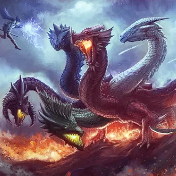
Recommended Posts