


_RoyalCrafter_
-
Posts
727 -
Joined
-
Last visited
Reputation
5285 Rep Farm Business Owner









Recent Profile Visitors
20604 profile views


-
welcome back goat
-
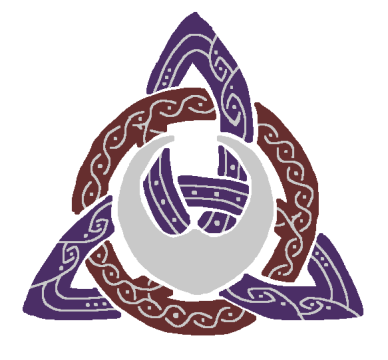
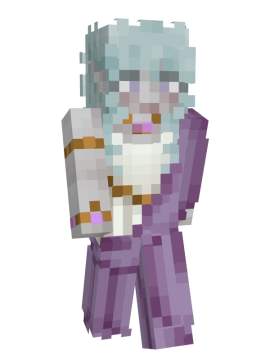
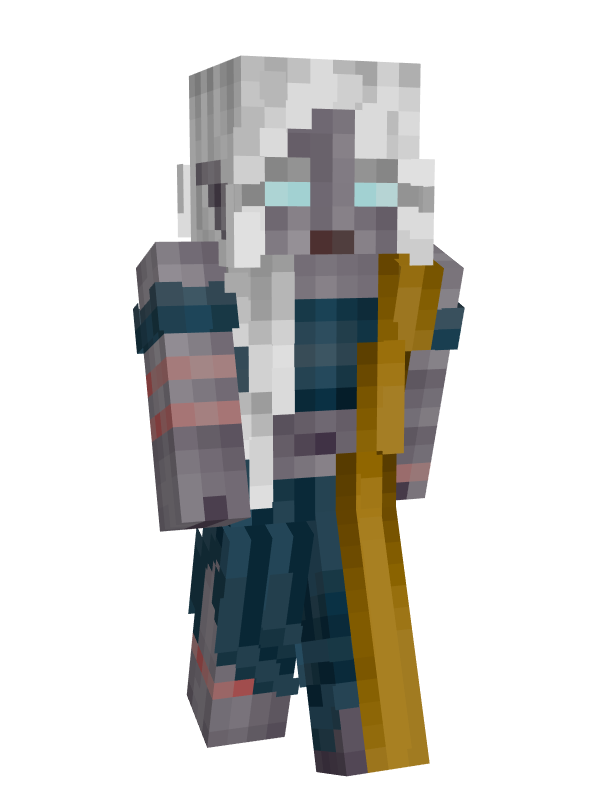
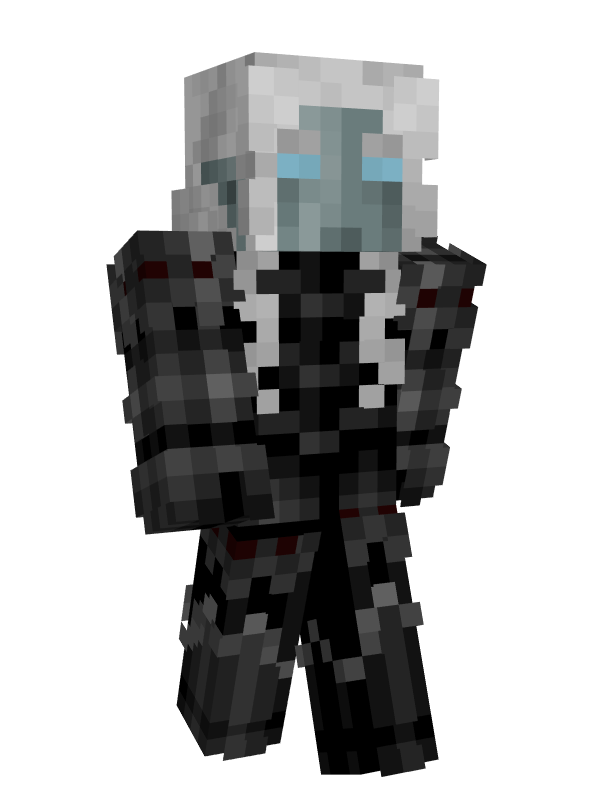
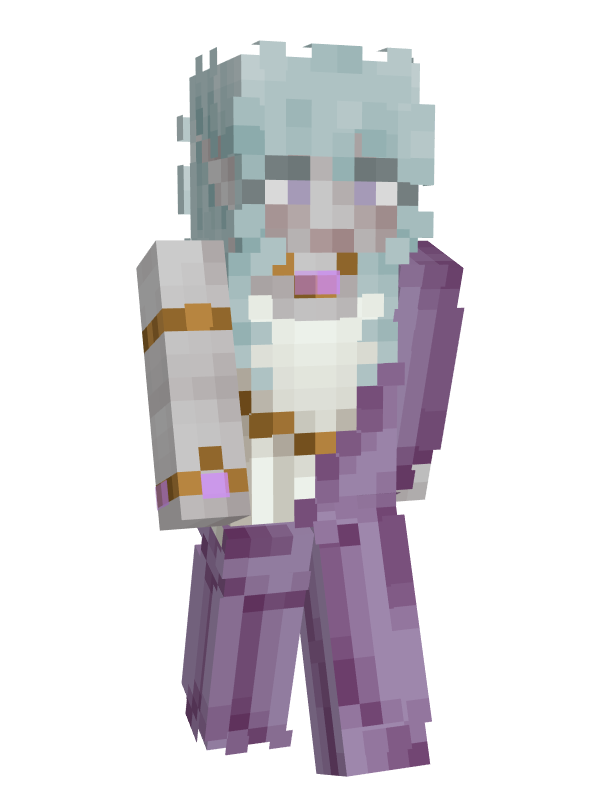
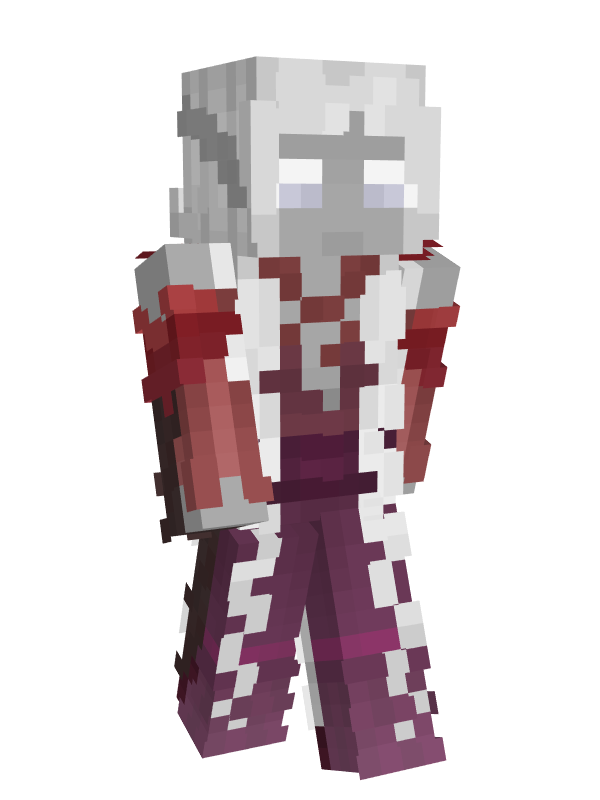
FURY OF THE ANCESTORS It is woven in the silk tapestries of the clan that the first Oussana was created by Malin himself, born of light taken from the night sky and his own blood poured into the roots of an oak tree. The myth of their origins predates known history. Their recorded origins from the times of Malin make Oussana the only known elder clan of Maehr. The Oussana hold themselves as his greatest warriors against the Betrayer, born to serve as Malin’s wardens and vindicators. Though the very first progenitors are unknown, the clan traces its ancestry to Khel Oussana, The Purifier, a warden of Malin turned to legendary warrior, prince and liberator, After his death, the Oussana of his bloodline fell into a state of depravity and weakness which inspired him to manifest upon the mortal realm to cleanse them himself. Only those of Rathina’s favored line, or those not of his bloodline, survived. The Oussana remained a prominent clan after the collapse of Malinor and splintering of the maehr, though they remained largely secluded to themselves, guarding their primal and esoteric secrets. According to accounts of the ancestors, many Oussana lived amongst the deep caverns and expansive forests of the north, a time in which many of their values and cultural traits manifested themselves. It is through their fervent adherence to their culture that they have avoided the wrath of their Ancestor, and continue to survive from the Golden age of Malin, all the way till now. ⬽-⥉-⤘ THE PATH OF Z’RESS ⬽-⥉-⤘ Established by Khel to define the philosophy of Oussana, the Path of Z’ress describes the belief in the inherent superiority of the elder clan over others through their progression of strength and rejection of weakness. Weakness is the domain of lesser elves and races, not the Maehr. What exactly strength and weakness are is an expansive topic. Over time, the Path of Z’ress has not just become a philosophical stance, but a religious doctrine to honour their ancestor Khel and spare themselves from his judgement. Strength is defined as a combination of skills and capabilities of the user. It is a combination of physical strength, magical ability, verbal eloquence, mental cunning, and honed skill all to utmost perfection. Strength itself in the context of the path is more of a synonym of perfection in itself. Weakness, on the other hand, is defined as sloth, lack of character, faithlessness, frailty, reliance on disdained magics and deities, or any general imperfection. Straying from the path of Z’ress invites obliteration from Khel, as was done in the past. To avoid this, Oussana who are determined ‘weak’ are exiled, historically to mali’ame settlements. “I walk the path of power, not to dominate others, but to exalt myself and to secure my liberty in this world of wroth. Such that any who crosses my path will recognise their inferiority, and the thought of my subjugation will not even form in their heads.” ⬽-⥉⥉⤘ THE ELDER RITES ⬽⥉⥉-⤘ As the centuries have passed, the strive for perfection among Oussana has caused various cultural skills and traits to develop, each respected within the clan to an almost zealous degree. Oussana have been known to even put their lives at risk to adhere to these cultural norms, a trait which often attracts confusion among the younger clans. - WEAVING - Oussana fervently claims to have been the ones to first weave spider silk. Regardless of the truth of this, weaving of all kinds is perhaps the most prevalent artisanal craft among Oussana. Uniquely, Oussana record their history and stories in things which they weave, storing information in long banners, nets, knots, and clothes rather than in books or scrolls as others might. - PRIMEVAL SCRIPT - The ancient tongue of the dark elves, known as Vel’luah, is considered sacred to the elder clan, and is used in everyday life from common speech to religious ceremony. And while the alphabet of the language has been standardised amongst all Maehr, Oussana retains their primitive runes conserved from the days of the Four Brothers. While the entire primeval script has been lost, the remaining runes have come to convey meaning instead of letters. The meaning of these runes, nor the rituals they are used in, are not shared with outsiders of the clan. When combined in certain shapes, these form folk spells: In a + shape to attract something, o to repel, a triangle to make a spell, etc. ɱ: Mark of Air չ: Mark of Memory ɦ: Mark of Wild ʊ: Mark of Dreams ɮ: Mark of Weakness ɠ: Mark of Earth ɛ: Mark of Life ʅ: Mark of Passage ℜ: Mark of Magic ¤: Mark of Strength α: Mark of Water ӄ: Mark of Ancestry ש: Mark of Weather ʋ: Mark of Moon ʂ: Mark of Destruction ð: Mark of Fire ռ: Mark of Sight א: Mark of Dominion ж: Mark of Victory ȶ: Mark of Creation - DISPLAY - The expression of superiority is important to the Oussana. This is done through flaunting strength, beauty, and tattoos. Long hair is also a display of strength, for it indicates the need to have never cut it for battle. Thus both men and women of the clan grow their hair out as long as possible. An Oussana’s outfit is usually contrasted with both opulent spider silks and trophies gathered from hunts. An Oussana may wear silk robes and cover themselves in monster fur, and then wear necklaces of bone with rings of gemstones. This sense of fashion is how Oussana express their might and wealth; savagery and nobility. - MARTIAL TRADITION- As a clan that has survived since the first days of history, the best descriptor of the Oussanic combat philosophy is pragmatism. Though there is a balance maintained between ritualistic observation of etiquette and custom and a ruthless path to victory. In polite company or in one where violence is not typically expected, Oussana carry around swords as a symbol of their strength. One’s technical ability with a sword is highly regarded, with both rituals and duels amongst members. During hunting however, a different set of etiquette and rules applies. An Oussana will typically use a spear, bows and javelins to honour the ancestors. For practical combat, Oussana do not shy away from polearms, especially ones usable on the back of a mount, the clan being famed direwolf riders; swinging long polehammers and poleaxes to mow down their enemies. It is disrespectful to not fight to the fullest extent of one’s capabilities. “Honour” and “Decorum” are words only used when presenting in front of peers. And in battle they are peerless. The maehr of the elder clan fight with ferocity and disdain, mixing chants of grayspeech, boasts, and mockery into their combat. Oussana revel in what others may consider dirty tactics, exploiting their opponents weakness by any means possible. For in battle, the only way to honour the ancestors is to bring victory. “I hope you can count all the honours you have accrued when your body is cold, ripped asunder by Silidans and spiderlings. The grace you afforded your enemies will never be afforded to us. And from the Ylarya’Noraet , if you are accepted, you will view the consequences of allowing your enemies to persist.” - TATTOOS - Since the first city of the dark elves, Oussana have used a tattooing method which best tests the resolve of those receiving it, using a tool akin to a small toothed hammer and hammer to essentially pierce into the skin to paint it over in ink. This can result in many ornate tattoo designs which bear an interweaving knotlike appearance. Inks used are almost exclusively black, silvery, white, brown, purple, blue, or red. Oussana Mark: The first tattoo and Oussana should get, the Oussana mark is a series of interweaving lines behind a moon of the phase of their birth. This tattoo is given upon completion of a new clan member’s trials to designate their membership. Oaken Mark: A tattoo of a large oak tree with a symbol of blood within. The mark is used to signify marriage, in which the couple decides where to place each other’s tattoo. Those who bear the oaken mark are considered to be Oussana, required to take the name and perform trials if possible. Blade Mark: A tattoo in the likeness of a magaraxul is used to designate some sort of political office achieved by the Oussana. Once this position is completed, an extra flourish is added to the mark Witch Mark: A series of interweaving lines akin to a lotus falling from an elk’s head, the witch mark is used to designate an Oussana who has become a priestess of the clan. Eye Mark: A tattoo which honors Rathina, one of the daughters of Khel Oussana. The tattoo is used to designate mastery in some form of non-shamanic magic praised by the clan. Silken Mark: A spider of silk like design, this tattoo symbolizes the absolute mastery of some skill or art. To receive, the Oussana must offer up a masterwork or performance to the chief. Lurker Mark: A tattoo of the chitinous menace known as a lurker. This tattoo is received upon victory in at least five major confrontations. - WOLF KEEPING - To exemplify the mastery over nature held by the clan, each and every Oussana has been known to keep and train their own wolves of varying forms. Dire wolves are particularly prized among members of the clan as mounts, leading to Oussana mainly organising into heavy or light cavalry units in militaries. Oussana are expected to keep a bone of each wolf they have raised around their neck or leg after its death, with the wolf’s name inscribed in greyspeech upon the surface. As such, Oussana of age and experience may have up to a dozen bones across their body. Amongst particularly zealous Khelites, wolves are seen as avatars of Khel, and thus a sacred creature. “Amuyl’Duhux is more of a brother to me than you ever have. Do you think of yourself as an Oussana because our parents are? You have not earned the right to use that name, you have not laboured, sweated not bled. Amuyl’Duhux has, and alongside me in every trial.” ⬽-⥉-⤘ THE BLOOD OF KHEL⬽-⥉-⤘ It is only expected that Oussana consider themselves the fairest among all kinds, dark elven or otherwise. The centuries have gathered a unique set of visual features which make those of the elder clan very distinct from other maehr clans. Eyes: Oussana are known to frequently be of a single colour, with the shades between the pupil and iris being nearly indistinguishable. Those Oussana of Rathina’s line have been known to have their eyes fade silver with age. These eyes are also known to come with an unfortunate level of light sensitivity however. Hair: The hair of an Oussana is their most prized feature. It is notably hardy, rarely if ever splitting even at great lengths, nor does it break off easily. Their hair similarly has absurdly long terminal lengths, almost always able to reach down from their legs to even their ankles. Oussana hair almost exclusively comes in snowy white, with the rare instance of raven black and even more uncommonly light or pastel blue hues may manifest. Skin: Similarly unique to the clan, Oussanic dark elves bear skin of a very light gray, similar to the palest fog of mountaintops or temperate woods. In very rare cases this can extend to an utmost stark white brought by albinism, or bear a light bluish tint to it. ⬽-⥉-⤘ ANCESTRALISM ⬽-⥉-⤘ Often considered zealots by the weak, those of the elder clan bear an intense fervent worship of their ancestors. They possess specific practices and beliefs unique to their own view of ancestralism, relying on their traditions to perform worship and rites. Witch Priests: Those among the Oussana who cultivate the culture of the clan and perform religious activities are known as ‘Haeuze’, which translates roughly to ‘long hair’ in Vel’luah. Haeuze traditionally abstain from cutting their hair short through their whole life, and this is followed by both male and female Haeuze. Priests will mark their bodies and hair with the ancient script. The Haeuze may practice many magics, but the only form of magic a Haeuze must be able to perform is Akakh’Aher’ule, or Vision Giving. The traditions and history of the Oussana are passed down through silk tapestries and orally. The Haeuze must be able to give an Oussana a vision of the past, of the lives of the ancestors, which they themselves have seen from the Haeuze before them, who saw from the one before them, and so on. Thus the Haeuze play an important role as ancestral witnesses, and this is how they guide the spiritual practices of the clan. Ylarya’Noraet: The Realm of Peace is what the Oussana call the place in which their deceased ancestors reside; but most commonly referred to simply as the Ancestral Realm. The name at first may seem contradictory to the overall nature of an Oussana: created for war, rebelled against their slavers, and practiced a culture based around supremacy. This is a surface level understanding of the purpose of an Oussana, at their core they are dedicated to the greater good of their people and duties. They fight to protect their clan and fellow maehr and enforce the path of Z’ress so that future generations will not suffer subjugation as they once did in the past. To finally enter the Realm of Peace, is to be relieved of mortal duty and to begin their duties as ancestral spirit guides. The actual details of the Ylarya’Noraet are not known, or at least not divulged by the Witch Priests, to avoid inspiring a longing for death, which was once an issue during the times of slavery. All that is commented on is that it is the ideal home for the ancestors, and in recent centuries it has been attributed to be governed by the Moon Goddess, Helun-Velulaeya. Though this has not always been the case. Moment of Judgement: Not all Oussana who die may enter the Ylarya’Norae, they must face the Moment of Judgement by their collective ancestors to determine how well they have followed the Path of Z’ress in their lives. If they pass, they may join the ranks of their ancestors. If they fail, the unworthy one’s soul is scattered. Further yet, an Oussana does not get to live centuries of decadence and only face consequence on the moment of their death. The ancestors view their actions continuously throughout life, and if one is particularly sinful, they may be purged even in the living realm. This may come through ominous deaths such as being mauled by wolves, and other unseemly demise. But in a time where the entire clan was suffering from sloth and decadence, Khel Oussana descended from the ancestral realm to purge his own wayward clan members. The clan was cleansed and has continued on since those days, not straying from the path of Z’ress. Rathina’uhn’Zkora: Rathina’s Truth describes the general skepticism Oussana have towards “deities” and other such powerful entities. It is typically seen that those that demand worship in some form or another, or those grant power in exchange for service are not truly worthy of such veneration. The ancestors are venerated not due to their power, but because of their altruistic guidance of their people. Even if an ancestor was a flawed figure in real life, one can still learn from their example and actions. A deity however, even if representing a positive theme, is eternally flawed. Worship of such deities is seen as at best as naive, however coexistence of other Maehr has lead tolerance of such practices, and syncretism across various interpretations of the Moon-Mother. “Do you see now? The moss we once walked on, the beetles we once dined on, and the chime of crystals. Remember what we had, what was taken and what we are owed.” - KHEL THE PURIFIER - Khel Oussana was taken as a slave by the Mori in Meno’cress and as he grew up he organised a resistance amongst fellow dark elf slaves that overthrew the Mori and he went on to nearly eradicate them. His wrath and zealotry were famed throughout all the realms. He was the first true leader of the dark elves, he was made a prince of Malinor and founded the city of Darkhaven from which ancestralism became the dominant Maehr form of worship. As the only ancestral spirit to have manifested on the mortal plane, he commands both great respect and fear amongst ker and his descendants, fear from straying from the ideals and philosophies he set forth to guide them against falling prey to greater forces as he was in his childhood. Khel and other ancestors of Oussana are honored through the ‘Gray Parade’, a celebratory rite in which the Oussana don masks and reenact the war against the deep elves in whatever settlement they reside. This often involves random acts of vandalism and mock spars in the streets. - RATHINA THE ARCHMAGE - Rathina was the Archmage of Darkhaven and a master of psionic magic. Her practice of the arcane was a further liberating force for the Oussana by rapidly developing their magical knowledge, which was restricted to them during their subjugation. The study of magic then also became a viable way to progress on the Path of Z’ress. She was the favoured daughter of Khel for her dedication to the path, and the modern Oussana descend directly from her, with the descendants from other lineages having been purged by Khel for their straying from the path. - HELUN’OUSA - The name Oussana translates into silk-weaver in common, a constant reminder of their origin as silk harvesters and weavers. The name of the first Oussana to do this has long been lost, but it is known that person was a woman and she has been eternalised as the Helun’Ousa, or Silk-Mother. The legend of the Silk-Mother is known to all Oussana, and predates that of Khel, as she was the first descendant to harvest spider silk and weave it into beautiful creations. However, the spider-demon Nemissae then stole this art from her, and Nemissae’s children the Mori enslaved the Oussana in their silk farms. In some myths, Malin’s son Zanunder, whose form Nemissae stole to create the Mori, was Helun’Ousa’s husband, making her tale more tragic. Helun’Ousa secretly wove the history and secrets of her family into her tapestries, passing the knowledge down through generations. To this day, Oussana chronicle their history through silk. She is attributed as the first Haeuze of the clan. “I remember as a youngling I was walking through our hall of tapestries and I saw one up on the wall. It was torn in many parts, with corners charred and it had the lingering smell of iron on it. You could not tell what history was woven on it. It is only now that I realise what it means.” ⬽-⥉-⤘ THE TRIALS ⬽-⥉-⤘ The Oussana do not take their name lightly, requiring strict adherence to the culture and notable accomplishments. Those not of the blood can undergo these trials should their deeds prove themselves to be among the greatest of Maehr, though acceptance of new members is exceedingly rare. The Trial of Dedication: The aspirant must choose an ancestral spirit as their patron, this may be any of the Maehr ancestors, not just limited to Oussanic ones. Once an oath is made, an offering must be given to the ancestor. This trial serves as a barrier to separate the mali’ker from the Maehr, as the Aspirant is meant to study tradition and the ways of the ancestors to make a proper choice of patron. The Trial of Bonding: The Aspirant is granted a direwolf pup to be raised and trained by the aspirant until the direwolf is old enough to ride. Then the individual must prove this new mastery with the elders or chief, by hunting down a specified creature with the aid of their bonded companion. The Trial of Remembrance: The aspirant is sent alone into the underground to survive for a lunar day on their own means. They are also hampered in multiple ways, with curses or other ways to specifically test the weakness of the individual aspirant. The aspirant will not receive any help in case of danger, death is frequent. The Trial of Blood: The final trial is variable, the exact specifics up to the aspirant in question, though the entire clan is to be involved in this celebratory affair. It could be a group hunt, a feast, or other clan wide event. After the completion, the Chief shall mark the clan mark upon their flesh in a location of the aspirant’s choosing, mixing their own blood into the ink. The event is then recorded in silk. Haeuze Creation: An additional trial for those who seek to become a priestess, an Oussana clan member must provide a substantial sacrifice to one of the adhered spirits in the presence of the chieftess and then display their understanding and mastery of all aspects of the clan. Should they be successful, the Chief will use Akakh’Aher’uleto perform one last ‘trial of the soul’ upon them. Those who succeed learn to perform Akakh’Aher’ule themselves and become noted as a Haeuze.







-
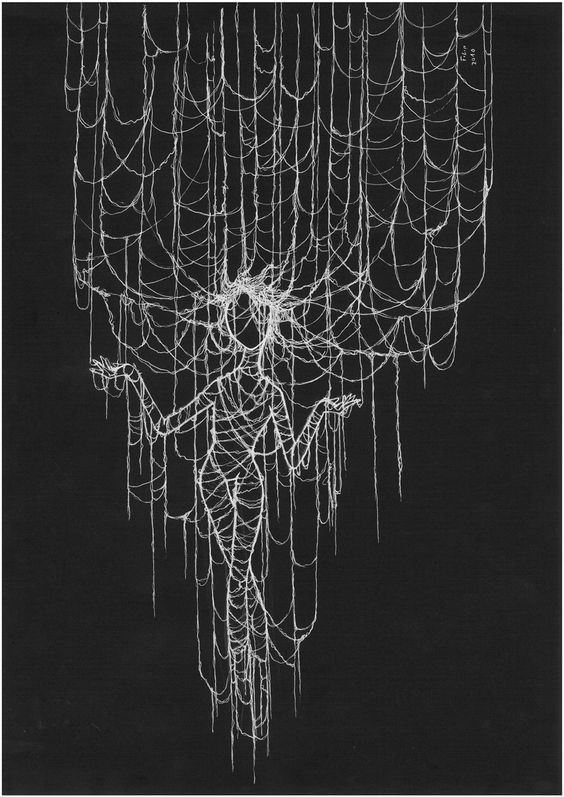
slop ai art on the lore posts 🥀
really detracts from the text- Show previous comments 2 more
-
this one was the one i was referring to @Panashea
but also some of the location lore has AI are on them from what i remember -
-
-
[Accepted] [Settlement] Maehrel-Vaxu, the Dark Elven Communion
_RoyalCrafter_ replied to christman's topic in Completed
Sorrgarr Oussana sought to sign the charter (OneEmeraldGod) -
Good feedback posted, none of it will be ever accepted. status quo forever. i agree with all of tide1's statements and mojo statements. nation bloat was resolved irp, the current settlement system will result in bloat which will be much harder to resolve due to having to buy tiles to war settlements. How are dwarves and orcs supposed to make their own nations with 40s signatures. 40 signatures is absolutely heinous when at peak server has 200 people but daily like 140-160. Nothing implemented is ever based in player reality. If you wanted to throw the recently exterminated communities a bone, i suppose this works as a temporary stop gap. But this will do nothing at best in the long run but most likely continue to stifle the server.
-
The Count of Whitewood prayed for the safe passage of the Prince's soul tothe seven skies
-
The count of Silasia raised a glass of whisky in his study at the missive. "Long live the emperor"
-
anyone know how to format tables? when i do them on a post there is a big gap between image and text.
.thumb.gif.7d119862a50836a416d0684a4a7afd65.gif)