


SimplySeo
-
Posts
763 -
Joined
-
Last visited
Content Type
Profiles
Personas
Wiki
Rules
War
Systems
Safety
Player Conduct
Roleplay Leadership Guidelines
- Roleplay Leadership Guidelines
- Roleplay Leadership Guidelines Comments
- Roleplay Leadership Guidelines Reviews
Forums
Everything posted by SimplySeo
-
An aging Dwarf from the First Age- None other than Jorvin Starbreaker himself adjusts his glasses, double-checking the newspaper. "Urks allying with Wutelgi? Huh?! Ne'er thought ah'd see th' day... Ah' remember back when th' Urks hunted 'em for sport... Or when they 'unted th' Kha for sport. - Or when we 'unted th' Urks for sport..." He trails off, before going on a xenophobic tirade to his nearest descendant.
-
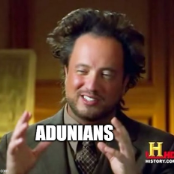 THE WISDOM OF THE OLD I AM VERY OLD. - Not the oldest, mind you, but I have something resembling seniority among our race. At a hundred and eighty-two, I believe I am one of the oldest living Adunians. And Goodness, do I feel it! The world was vastly different when I was a young man- Warring against Orenians, Sell-Sailing in the Sea of Zahere, hunting monsters in the Westerwood and the Barrowlands… I have outlived Aaun, Celia’nor, Balian, Lurin, and half a dozen other nations. I currently have anywhere between forty and fifty descendants that I am aware of. Many of you, of course, know the story of my life- My rallying of the Adunians and the formation of Númendil. But there are many more I have never penned, partly because I hate writing. In the coming months, I intend to sit upon the Talking Rock of Barrowton as I once did, and talk until the crowd thins. Though ideally it shall be a more engaging affair, as I wish to take questions on all that I have lived through. From the fall of the Orenian Empire and the Anarchy of the Heartlands, to the years of the (several?) Elven Schisms, and of course, anything and all pertaining to the Adunians, Cartref Mor, Barrowton, and eventually Numendil. I hope to see you all there, Please behave. Númenatâr Foronathor of House Arthalionath, Lord-Father of Númendil, Templar of the Archangel Michael, and Knight of the Realm. (OOC) 6PM EST Friday
 -
[✓] [Creature Lore] - Fairies
SimplySeo replied to Unwillingly's topic in Non-Playable Creatures/Event Creatures
@Irene -
LUNARITE - AN ALTERNATIVE TO STARSTEEL? 10th Malin’s Welcome, Year 230 of the Second Age Starsteel is a material many of us artificers have grown familiar with in the three or so centuries since its discovery. It delights Magi, Mistresses, and Miners alike. It is known for its near-unparalleled beauty and its keen affinity for enchantments. However, its name is something of a misnomer. Starsteel is often, due to its name, mistaken as a form of meteoric iron; however, it is anything but. One needs only visit deposits of starsteel to see that the substance bears little to no relation to iron or steel, save perhaps its similar forging process. Therefore, I have come to the opinion that terming it steel at all is perhaps doing the material a disservice. Therefore, I am officially coining the term LUNARITE to refer to the material in question, in keeping with its celestial origin, while differentiating it from steel made from meteoric iron. Any publications and business regarding LUNARITE by me and my company shall adopt this new name, and I encourage my fellow businessmen and artificers to follow suit. ᚦᚱᚪᛁᚾ×ᚳᚪᛞᚪᚾ×ᚢᚱ×ᚠᚱᚪᚱ Þráinn, son of Frár, son of Þror, son of Frumgar, son of Gamil, son of Þráinn, son of Thoak, son of Thour, son of Tungdil, son of Urguan. Chieftain of Kazamar Askaðrumm, Proprietor of Þráinn’s Wandering Wheelhouse Workshop and others.
-
Favorite moment in rp?
-
God speed bro, have a good life, hope to see you again.
-
To the grieving families of Queen Noruiel Anoriel Arthalion of the Petra. In my brief encounter with Her Majesty following the settlement of the Grudge of the Slighted Mason, I found her to be a kind and thoughtful person, and to hear of her tragic passing wounds me so. As such, I have forged two great BRONZE STATUES in Her Majesty’s honor. I know cold metal is little consolation to a grieving father, brother, sister, husband, or child, but I hope that it will provide a noble testament to her memory. I have hopefully captured her appearance well enough so that her children will be able to look upon these statues and know the grace of their mother. One statue I have made is to be provided to the Kingdom of Numendil, while the other is entrusted into the keeping of her husband, and her descendants thereafter. If at any point the statues are damaged, so long as I live I vow to repair and maintain them, you need only reach out. The statues- For now, are kept at my Wheelhouse Workshop, you may send teams to collect them whenever is most convenient. May your god keep you. ᚦᚱᚪᛁᚾ×ᚳᚪᛞᚪᚾ×ᚢᚱ×ᚠᚱᚪᚱ Þráinn, son of Frár, son of Þror, son of Frumgar, son of Gamil, son of Þráinn, son of Thoak, son of Thour, son of Tungdil, son of Urguan. Chieftain of Kazamar Askaðrumm, Proprietor of Þráinn’s Wandering Wheelhouse Workshop and others.
-
Bingo! Bingo! Bingo!
-
Just go around lol.
-
AN INVITATION TO SETTLERS AND THOSE SEEKING REFUGE Issued 11th of Malin's Welcome, 227th Year of the Second Age NOW HARKEN WELL. Foreign-folk and Númenedain, peoplelings of men be you all. With this dread war drawing towards its inevitable closure, I address this to any and all seeking a new start in life for themselves and their family. Some years have passed since the Iron Tower of Angrenost was raised over the Plains of Battle, which saw the Middlelands of Men turned into a land of ghosts and bygones. In the time since I departed from the White Court of Númenost, I have decided it to be my mission to see this land populated and prosperous once more. To do this, I need people. Leal soldiers to sweep clean this land from the brigands and darkspawn who inhabit its ruins- I need stewards and quartermasters to stock the storehouses of my tower, and I need hard-working and pious folk to till the land, and to harvest its’ bounty. I need you. Many of you have had your lives turned upside down of late, I know, you find yourself in a time of uncertainty. You do not know if you can provide for your family, I do not wish this on anyone. Know that regardless of previous affiliations, if you wish to start your life anew safely, you are welcome to my tower. Construction has begun on homes outside the walls of the Iron Tower itself, until such a time as construction is finished, you are invited to dwell free of charge within my family’s tower. We have plenty of room and plenty of food. Refugees and settlers wishing to settle herein must meet the following criteria… Be willing to undergo a mandatory darkspawn test administered by myself or a member of my household. Be absolved or otherwise dismissed from all foreign oaths of fealty and feudal obligations. Be willing to abandon foreign titles and peerages (with an exception made to Knighthoods.) Be willing to adhere to the laws of the Númenaranyë. [read more] Be willing to swear oaths of loyalty to me and my descendants. Should these terms be met, you are welcome to sit at my hearth, eat my food, drink my wine, and help me provide much-needed healing to this long-quieted land. To reach out and inquire about residence, send letters to myself, (SimplySeo) my daughter, Azruphêl (Rayalia), or my son-by-law, Nathannenel Erudraith. (LazyYink_) HIS ROYAL HIGHNESS THE GREY PRINCE, Aranuir Caranethion, Dagnir Delgorthada of the House Arthalionath, Prince of the Númenaranyë, Lord of Angrenost, Templar of the Archangel Michael, Knight of the Realm
-
-
Hail to thee, dear reader! You may know me- Þráinn, son of Frár, the proud owner of Þráinn’s Wandering Wheelhouse Workshop and Þráinn’s Wonderful Workshop in Vallagne. (Recently opened! Give it a visit!) I have recently come into the possession of the SEVERED LEG of Lady Lorelei Amelya Alstion-Enswerp, Heiress of Enswerp, after performing a successful amputation of the good lady’s misshapen leg. (Do not worry, I made her a new one!) As I have no particular use for the appendage myself but know that numerous parties might be interested in such a gruesome trinket, I have decided to put the leg up for auction. Bidding starts at 100 Minas, minimum bidding amount is 10 minas. Bidding closes in three months’ time, I’m keeping the leg in the icebox until then. If yours is the winning bid, I will contact you after the auction has concluded and arrange a delivery of the appendage. ᚦᚱᚪᛁᚾ×ᚳᚪᛞᚪᚾ×ᚢᚱ×ᚠᚱᚪᚱ Þráinn, son of Frár, son of Þror, son of Frumgar, son of Gamil, son of Þráinn, son of Thoak, son of Thour, son of Tungdil, son of Urguan. Chieftain of Kazamar Askaðrumm, Proprietor of Þráinn’s Wandering Wheelhouse Workshop and others.
-
[!] An artistic rendering of the Elf in question. Hail to thee, dear reader! You may know me- Þráinn, son of Frár, the proud owner of Þráinn’s Wandering Wheelhouse Workshop and Þráinn’s Wonderful Workshop in Vallagne. (Recently opened! Give it a visit!) As you may know, I am the proud maker of beloved toys for children (and also weapons). I am seeking the famous Dark Elf, Jenny, for business inquiries and potential partnerships. I am unaware of her current residence, so if anyone is willing to inform me, I would be very thankful! That, or, if it is she who is reading this, please contact me either via the Aevosi Mail Service or at my residence on the road to Petra and Numendil, thank you for reading. ᚦᚱᚪᛁᚾ×ᚳᚪᛞᚪᚾ×ᚢᚱ×ᚠᚱᚪᚱ Þráinn, son of Frár, son of Þror, son of Frumgar, son of Gamil, son of Þráinn, son of Thoak, son of Thour, son of Tungdil, son of Urguan. Chieftain of Kazamar Askaðrumm, Proprietor of Þráinn’s Wandering Wheelhouse Workshop and others.
-
Hail to thee, goodly river-folk, I hope your fortunes are well, and the ongoing conflict has not been too great a source of grief. Know that it is not from a place of malice I write this, as I consider myself a neutral party in this ongoing war, and even since the Grand Kingdom entered into the conflict I have not suspended business with my long-valued customers, your people being one folk of many who I have armed and armored over these last thirty years. I am writing to inform you of a wrong that has been done to me by you and yours, a deep slight against my honor that has left me wanting compensation. Some years ago I stumbled across- and assisted the not-yet-queen Noruiel in the construction of a road and archway leading up to the shrine before the Aldtree. This deed was done out of the goodness of my heart, as I expected no reward. I did, however- leave a humble maker’s mark upon the stone arch, a small acknowledgment of my assistance, letters which when translated to the common tongue read out ‘Þráinn carved these runes’. This was not a defacement, this was a Maker’s Mark, the likes of which I leave on all things I have a part in making. As I am sure you know, creation- the art of making things is a point of great pride for we Dwarfen Folk. While it is a grievous insult and dishonor to remove a Dwarf’s maker’s mark, I do not assume it to have been an intended one, but rather that an errant do-gooder or Priest assumed themselves to be removing an act of vandalism. Therefore, before I take the extreme action of lodging this slight in the Great Book of Grudges, something which I would prefer not to do, I write this missive in the hopes that we might peaceably negotiate some manner of restitution. As it stands, my current desire is a public apology, and monetary compensation in the form of two hundred minas (I am willing to negotiate this in person) as well as assent to restore the Maker’s Mark with either gold inlays into the stone, or a metal plaque. Please respond soon but at your convenience. ᚦᚱᚪᛁᚾ×ᚳᚪᛞᚪᚾ×ᚢᚱ×ᚠᚱᚪᚱ Þráinn, son of Frár, son of Þror, son of Frumgar, son of Gamil, son of Þráinn, son of Thoak, son of Thour, son of Tungdil, son of Urguan. Chieftain of Kazamar Askaðrumm, Proprietor of Þráinn’s Wandering Wheelhouse Workshop
-
NOOBLI IS KING
PANCAKEHZ IS REX
MICKAEL IS PLAYING IN THE DWARF LEGION
I'M PLAYING A DWARVEN MERCHANT
WHAT YEAR IS IT?!? -
Ferrycrips and Lectorbloods learned how to get along after all...
- Show previous comments 3 more
-
.thumb.jpg.73b28c0fccb6a8ee43440032e0837def.jpg)
-
-
@SimplySeothey killed tonito bro he was just a farfolk
-
Garbed in the flesh of mortal man, in an abandoned cairn, Jormunharr Ingmornesson let out a terrible roar and prepared for war once more.
-
Seems like a good call.
-
@erictafoya @Nooblius Hail to thee, Kings of Men, May your conflict be brief, resolute, and may the arms I have sold to your people over these last twenty years serve you well. I write this letter to you as a small business owner, independent of any guild, nation, or governing body. I have sold my wares, my tools, my weapons of war. My luxury items, such as jewelry for your womenfolk, and toys for your children, for many long years, and have been blessed with little disruption to my trade, save the occasional bandit or Neverborn that has blighted my small stretch of road beyond the Numenedain Kingswood and banks of the River Petra. War is bad for business, ironic coming from an arms dealer, but over these last few decades I have fallen truly in love with making things that are cherished, useful tools and joyful toys, not simply weapons of war which hew and slay. While I have no doubt this conflict shall see me forge many a kingly blade, it nevertheless discourages me the state in which I do not doubt the roads will now find themselves in. I write this to you so I might ask for a boon, if you would indulge me that. I ask of you assurances, so I might continue to operate my business during these trying and lamentable times. Missives signed from your kingly hands that I might show to your warriors, so they know I mean no harm, and know that I peddle with your assent. Furthermore, I ask that no harm be brought to my humble workshop, which sits near the border of the soon-to-be-disputed Midlands. I consider myself a neutral party in this quarrel, as I have been fast in friendship to both Haensefolk and Harrenite. I will, of course, defend myself and my property with keen-wrought steel if pressed, but I would rather it not come to that. Please, take a moment from your preparations to send letters my way with your answer. Health and Happiness to you both, and my deepest thanks should you assent to my request. ᚦᚱᚪᛁᚾ×ᚳᚪᛞᚪᚾ×ᚢᚱ×ᚠᚱᚪᚱ Þráinn, son of Frár, son of Þror, son of Frumgar, son of Gamil, son of Þráinn, son of Thoak, son of Thour, son of Tungdil, son of Urguan. Chieftain of Kazamar Askaðrumm, Proprietor of Þráinn’s Wandering Wheelhouse Workshop
-
[ART SOURCE] [!] A cold breeze wafted down from the north, bearing with it on fell black wings encircling ravens far above the tree-tops. A raven caws, answered swiftly by the howling of a direwolf to the west, and another closer still. Finally, behind the wall of mist that obscures the shoreline, a raspy horn wails in answer to them both, shaking the trees, followed by another, deeper, bellowing horn behind it, which shakes you to your very bones. Piercing the mist is no dragon-headed prow, but a coiled serpent, ready to strike, the skin of men stretched over it in offering- You swear its eyes follow you. The drums begin, as mail-clad giants disgorge from their grisly warships, their shields painted with icons of the Archdaemon, and runes that strain your eyes to look upon for any length of time. You swear you hear a malevolent cackle on the winds, and your skin turns clammy. You swallow a nervous breath and mutter a prayer. They are coming for you now, and their Gods are hungry. The Svarlings Mortal Champions of the Dark Gods [MUSIC] OVERVIEW The Svarlings, or Svarlanders (Singular, Svarl) are a northron people of common ancestry to the Nordlings of Ruric’s Folk, though they have long since diverged from their fellow northern peoples of man. Sharing some heritage with their fellow northmen, they speak an insular dialect of the northron tongue, and retain a primitive, barbaric sort of honor. Here the similarities end, for in faith the Svarlanders have fallen far and long into the worship of dark, ruinous gods- Greater Demons from the Hells, immortal lich-kings from long kept barrows, and horrors beyond mortal comprehension. Svarlandic Mythology is built up around the worship of their gods of death, savagery, and chaos, the Raven King, Iskharr, and his ruin-wrought sons, the Great Wolf, Svårl, and the Serpent, Bráðnálgrím, whose name they daren’t utter lest its wrath be invoked. Svarlings are primitive by the standards of most modern men, and remain predominantly a tribal iron-age society built up around particularly influential clan-heads or Undead Demigods called Chosen. These Chosen, also called Slumbering-Ones and Draugr, dwell often and long in their crypts, where lavish tribute is foisted onto them by their living mortal descendants. In times of war, these Chosen will be summoned forth by Svarlandic Necromancers (called Vitki, plural, Vitkar) and placed at the head of Svarlandic Warbands, from where these Undead Champions lead from the vanguard. Also counted among the Chosen are Mortals bearing the ‘Blessing’ of the Hells, be it by birth or boon, and many of their ilk have become sorcerous kings, regarded as cruel and cunning even by the standards of Svarland. Svarland itself, the land from which these peoples predominantly hail, is a cold, dark place locked in polar night throughout most of the year. Far isolated from the nearest civilizations by the span of a tumultuous and frigid sea, Svarlandic Marauders are an intrepid, daring folk whose bravery would be admirable were it not turned towards such vile ends. The island has long-since been twisted by the ruinous powers venerated by its denizens, what wildlife survives there has been horrifically mutated, and few children born on the island survive to adulthood, as they are often taken by mutation, war, or famine. The southern region of the island is marginally more inhabitable than the north, with the southern coast hosting the island’s only city and its de facto capital, Bergthorshvall. In Bergthorshvall is found the Alþing, the tribal assemblage that rules the island in the absence of a High-King, wherein cutthroat tribal elders from across the island gather to vie for power and dictate matters affecting the entire island. Bravest of all in Bergthorshvall are those few unscrupulous foreign traders and explorers who make anchorage in the island’s only neutral port, wherein they will trade weapons, armor, and food to the Heathens in exchange for Svarlandic ivory, serpent-hide and reindeer velvet. To be a foreigner in Bergthorshvall is to sit upon an island in a sea of violence, for outside its walls no protections from the Alþing guarantee safety. Northern Svarland is an even drearier, grimmer place, whose living denizens are outnumbered by the Dead and the Damned. Mortal men who dwell in this land are truly driven to insanity from its lightless nights and fell voices in its howling winds. Their lives are short, their prospects few, and so most often do they find themselves in the employ of sorcerers from the Black Citadel at the Island’s northeastern peninsula, Brimnesskogar, whose rulership trades hands between the conclave of its most cunning and ruthless Warlocks and Lich-Kings. In the island’s center is the wealthy Dwarfhold of Kal’Drangavik, built upon a volcano said to possess a portal to the Svarlandic Underworld. It is ruled by the pale grey-skinned, blue-eyed, white-haired descendants of Velkan Ironborn, Urguan’s cruelest son. Having been hunted to the uttermost north of the world during Simpa’s Rebellion in ancient days, the Clan Irontide, kin and kith to Clan Ironborn, have made a home for themselves in Svarland, sponsoring their favored tribes as the island’s only producers of steel and plate armor, Dwarf-made weapons and armor line the burial-troves of many a Svarlandic Chieftain and King, and are held as more valuable heirlooms than any gem or jewel. “If the Svarlings are about to take you captive, slit your own throat. It’ll be a mercy compared to whatever they’ll put you through.” - Alara Camian, Norlandic scholar. Svarlandic Mythology In the beginning there was Ýngr, King of the Star-Giants, Greatest of Sorcerers and Ruler of the Cosmos, and many were the children he bore. First and foremost were the son and daughter, Iskharr and Valhild, whose masteries were wisdom and might. Countless aeons were the age of the Giants, and the rule of Ýngr, Firstborn of Primeval Chaos, whose tribe was called the Ýngringaz. Iskharr was talented, and wise in all lore, while Valhild was grim-faced and brooding, but fairest in all creation, and so was loved and feared by all. Many were the creations of Iskharr Ýngrsson, yet ephemeral were they all, transient things that came and went with the winds of chaos. This ill-suited Iskharr, who desired something wrought by his own hands that would not fade, and so he began to devise greater, grander things. Ýngr saw this in his son, and in that moment saw a force that might yet one day replace him, and end his immortal rule of the Giants. So, with cunning he set himself against his son, wishing to hew him from behind with a stroke from his terrible sword. Perched upon Iskharr’s shoulder was the raven, Haski- A creation of his make, a wise and crafty creature, father of all its kind. He saw Ýngr come up from behind Iskharr, and warned him of the impending strike. Iskharr turned, and drove the spear in his hand forward, driving it through the King’s belly, and spilling his guts upon the mortal world. The blood of Ýngr spilled forth and filled the seas of the world, from thereon seeding it with life. From then on it was called Wiragarðaz. Taking up Ýngr’s bones, Iskharr began to shape the land, and laid out the mountains and valleys from them. His flesh began to rot, and this rot became the earth. Iskharr Ýngrsson wrought the world, and was glad. But his sister’s wrath was a terrible thing. She bore the favor of their father, and when she learned of his death, she was roused in fury. Rallying the Ýngringaz to her, she descended into newborn Wiragarðaz to slay Iskharr and claim the world as weregild for the death of their father. Iskharr expected this, and so fought back. A great fence was raised against the heavens’ fierce, fiery gaze, and Iskharr prepared for battle. From the soul-stuffs of Ýngr Iskharr shaped descendant-kind, clothing them in new flesh and giving them new names. The sons of Iskharr, Svårl and Bráðnálgrím taught these mortal men the ways of war, and prepared them for the coming of Valhild’s host. After a counting of years came the day that Valhild broke through the girdle that was raised about the world. Her host descended on many wings, and the sun was to their backs, scorching the world with its heat. Great was the strength of men in those days, and with Iskharr’s wisdom, and the lore of war they learned from his sons, they repelled the giants with their fury, though also great was the counting of their grief. Valhild knew then that she could not assail the mortal world through strength of arms alone, and so devised a cunning plan. Disguising her fierceness, though not her fairness, she descended into the world once more bearing a new name and a new, beautiful guise. Wise as she was, she instructed mortal men in the lore of sorcery, and turned many of them against Iskharr and his sons, whom she had claimed made them weak so he might never be overthrown by them. Generations passed, and soon these embittered men became the greater portion. In bloody revolt they slew Iskharr with guile, and chained his sons, delivering them onto their sorcerous queen. Valhild delighted in her enemy’s ruin, And so rather than slay the sons of Iskharr, twisted them. She fused Svårl’s wolf-coat to his back, and drove him to madness, garbing him as a dog, and keeping him bound a slave. Bráðnálgrím was the more cunning brother, and so she garbed him in the form of a snake, so none would trust his words. Then she cast him down into the crevices of the earth. Those men who Iskharr and his sons had slain when defending themselves, she rewarded, sending forth her winged-kin to bring them up towards the heavens once more, where they might join her court and serve her. Iskharr’s body was broken, his soul retreated deep into the cracks of the world, and at its center he reformed himself, though he was garbed no longer in flesh, and wore a cloak to hide his bare bones. Too had an eye been stolen from him, and worn as a jewel by mortal man, and so Iskharr One-Eyed he was called from thereon after. Down there in the grim warrens of the earth he found his wounded son, Bráðnálgrím, who writhed in agony and who loathed the shape he had now taken. The Underworld was a dark place then, and dead though he was, Iskharr was still mighty in the lore of creation, and so raised a new fence around the underworld, and lit it with the terrible fire of Bráðnálgrím’s fury. Still loyal to Iskharr was Haski, his raven, who he set forth into the mortal world once more to collect the honored dead, those who had fallen in his service and his defense. Haski guided their souls into the Underworld, wherein Iskharr gave them physical form once more, and imbibed their souls into their broken bodies. These were called the Honored Dead, and were the first of the Chosen. From thereon the Underworld was known as Nárgrindheim, Home of the Corpse-Gate, behind which the Dead Hosts assembled. Many years passed, Valhild’s servants still held rulership of the Earth, and Valhild still had the mastery of the Dead save for those claimed by Iskharr. In the three-hundredth year of the world, the Gates of Nárgrindheim were flung open, and the Host of Iskharr marched under the banner of his single, baleful eye, intent on liberating the world from the tyranny of the Star-Giants and their queen. To aid them, Iskharr raised his girdle about the skies once more, and blotted out the sun. Mortal man, who knew only its burning light, quailed in terror at this, save for the loyal of Iskharr, who rejoiced at his coming. A terrible war was waged for many a year, during its span many lands were sunk beneath the waves of Ýngr’s blood. A cunning number of Iskharr’s mortal warriors (who had grown resistant to the sun’s wrath) slipped past the sky’s fence, and into the Halls of Valhild, wherein they broke the chains of Svårl, who descended in fury and slew many giants. From the bones of slain giants, the Wyrms were raised, first by Valhild, then by Iskharr, until neither side could claim mastery over that tribe, though the chiefest among them was servant to Iskharr. In time, the Wyrm-King turned against Iskharr, betraying him on the eve of Wiragarðaz’s liberation. Wyrm fought both the Kin of Giants and Folk of Iskharr, and drew the war all the longer. This treachery allowed the Giants a moment’s reprieve from Iskharr’s onslaught, and they used this time to scheme against him, while Iskharr sent his dragons against the rebels. With guile and treachery, Iskharr’s army was defeated, though no defeat could be forelasting, as Iskharr had mastery over his loyal, honored dead, whose numbers swelled with every valiant death. So Valhild bought the loyalty of the King of the Dwarves with a vast trove, and the Dwarfking forged a chain of adamantine to seal the gates of Nárgrindheim, and forestall the Armies of the Dead God. The Dwarfking did this gladly, and forever basked in his trove, until he was forever lost in his hoard. The End Times The day shall come, and fast approaches when a mighty hero of Svarland, who descends from those men who remained loyal to Iskharr in ancient days, shall shatter the adamantine chains that seal Nárgrindheim’s gates, and when that day comes, the swelled ranks of the warrior dead shall usher forth from the Underworld with Iskharr at the head of their host. The Demon-Sons of Bráðnálgrím shall join them, and shall avenge their serpentine father. Joyous will be the day that Wiragarðaz is liberated from the tyranny of the Ýngringaz and their misguided followers. When that day comes, the world shall be broken, and remade by Iskharr’s hand, as it once was, and was intended to be before the corruption of Valhild set so deeply into it. This new world will be made on the bones of fallen giants, from their flesh, and their blood, and Iskharr will reign evermore, a grim but noble king. The Svarlanders, who were once chased for their loyalty to him, shall laugh and sing as the world collapses around them, their long war finally won. [ART SOURCE] CULTURE AND CHARACTERISTICS Cultural Traits Survival of the Fittest | Only the strongest thrive on that blighted island, for the weak, death is the kindest fate. For those who live, have only chatteldom or sacrifice to look forward to, their lives put towards slaving away for their warlike masters, or given up to placate ever-thirsting gods. As such, Svarlandic Warriors are usually strong and disciplined. Honor among Madmen | Some shred of honor remains to the most wretched of the Northmen. They will seldom cheat deals and oaths sworn on the names of their Gods or their Fathers, and they do not balk before any foe. A contract taken with a Svarlander is one they shall abide so long as the terms of the contract are met. Furthermore, the Svarlanders observe guest-rights, swearing no harm against any who eat under their roof, lest it be in mutually-agreed combat. Saga-Tellers and Runestone-Raisers | The Dead seldom remain such in Svarland, and so their deeds are honored, by doomful song sung by skalds or basalt runestone daubed in blood and redstone paint, the deeds of the past are held in high honor, and remembered well after their happening. Great value is held in a good story, and so, Showmen as they are, Svarlanders fight and act to impress their Gods and Ancestors, such has made them dramatic, and prone to doing whatever they think shall tell a better story. Breakers, Not Shapers | The men of Svarland are primitive, and even the Dwarves who inhabit the island have regressed, though less so than their human counterparts. Technologically, the men of Svarland remain firmly in the iron age, and lack much in the way of technology or coordination to progress further. What steel or rarer metals that do exist on the island are made by the Dwarves of Kal’Drangavik, who retain some of the runecraft of that ancient folk, twisted with demonology. They are the weapon-dealers of Svarland, and thus are seldom warred upon, usually with disastrous results for the attacker. Plate armor is a rarity, and a status symbol among Svarlandic Champions, Chieftains, and Chosen. Physical Traits Blessing of Strength | Bred for War and little else, the Men of Svarland are either born strong, made strong, or killed. They are tall, broad-shouldered, and ill-tolerant of weakness. As such, they are typically some of the strongest among mortal men. Blessing of Frenzy | To die bloodily, stuck by a hundred wounds and upon a mountain of corpses is the most honorable way to die. To die a warrior’s death means to impress Iskharr One-Eye, and to join his eternal host in Nárgrindheim for the chance of someday being a harbinger of the End Times. Thus, Svarlings will throw themselves wholly into battle, and commit despite the pain. Their Gods are Watching. Blessing of Winter | Should one go far enough back, it is evident that the Svarlanders are a Highlander people, cast out and unwelcome by their kinsfolk for their worship of dark heathen gods. Though Highlanders they are all the same, fair-skinned, with eyes of blue, green, or hazel. Their hair is often blond, red, or brown, with black being the rarest. Blessing of Mutation | Physical deformities are commonplace amongst the Svarlanders, either due to the inherent saturation of fell powers that is native to their island, or the unfortunate fact that they are few in number and insular, and therefore likely inbred. The tallest of their number suffer great pains as a result, and should they live long enough, will break under their own height, and live a lesser length of men. Webbed hands and toes, jagged or rotten teeth, scaled skin, and albinism are also common, as are misshapen limbs, though the latter often results in a quick death before adulthood. The life of a Svarlander is short and brutal. Blessing of Madness | Svarlandic society is brutal and traumatizing, those who are not born mad are most often driven mad by the cruelty that surrounds them. Hallucinations, Paranoia, and violent mood swings are all commonplace in a land where violence is venerated and the gods are bloodthirsty. Blessing of Darkness | Svarland is a forgotten place in the far north of the world. As such, the men of Svarland are accustomed to their dark, frigid environment. They will suffer the cold gladly, for it is familiar, they will raid in the darkness, and are keen-eyed at night. The sun is an unwelcome tyrant, and the heat and humidity of the far south is uncomfortable and disorientating to these Northmen. Given time they may grow accustomed to it, but it is an unpleasantry all the same. [ART SOURCE] [MUSIC] HISTORY OF THE SAGA-KINGS “Skilled am I in slaughter’s song, Fell-handed in fray, fierce in the fight. A hundred battles, a hundred deaths, Heroes I’ve hewn, villains I’ve vanquished, Felled them in frost-fields, and flames of war, Where doom-gods gaze with dreadful eyes.” - Jǫrmúnharr Konungr Svarlanders love a good story, and high honor is held for those capable of telling them. Despite this, they are unfortunately dreadful recordkeepers. This is in part because stories will be heavily dramatized, and in part. After all, human blood makes surprisingly poor paint. What can be gleaned with certainty is drawn primarily from outside sources, with Svarlandic sagas filling in the gaps and providing context. Svarlanders undoubtedly descend from Northron tribes chased out of the descendant realms, but their claim to descend from veterans of the first war is laughable, and speaks to their ill-remembered ancient past. The Svarlanders were not the first to inhabit their island, and while it was always a cold, dark place, it was not always accursed, for such was the doom they had brought with them. Once the island was home to a race of Elves who were kin to the Wood Elves, these Elves dwelt in a boreal grove along the island’s southern shore, where once tall pines rose up from the snow like spears. These Druids of the Northern Grove tended to the island’s arctic wildlife, and dwelt there undisturbed for many years, one presumes these Elves to have been the island’s first inhabitants, though little trace of them now remains. Then came the Dwarves, exiles from a civil war they had lost, and they brought with them their terrible engines of war. Runecrafted Golems and Irondrakes that spewed forth a terrible fire. Armed only with stone, and the rare tool of bronze, the Elves knew they could not fend off this Dwarvish migration. The Archdruidess of the Northern Grove, Nesrina’sul appealed to the landspirits of the island. She spoke of the cruelty of the Dwarves, their wastefulness and their mutilation of the land around them. Her appeal was successful, and to ward off bolt or cannonball, a thicket of Ironwood was raised around the Northern Grove, and the wildlife turned against the Dwarves, who, few as they already were, retreated to the volcanic heart of the island, leaving the Elves to their forest. Dwarvish raids did not cease entirely, Intrepid Irontide Warriors would, on occasion, raid the Elfwood for timber and slaves, but the ironwood wall of the Grove was unassailable. Such remained the status-quo for hundreds of years, until the coming of Men to the island. Ibleesian Cultists exiled from Mannish society for their ruinous faith had gathered under the leadership of the charismatic infernal warlord, Svarre Haargǫthsson, who is widely recognized as the first High-King of Svarland, as it is for him the island is named, Its original Elvish name having been lost to time. Svarre’s Folk spread across the length of the island, and eventually came into contact, and almost immediate conflict with the Elves of the Northern Grove, still under Nesrina’sul’s leadership. Throughout the grove, horns wailed and the Elves prepared for battle, and unlike centuries past, years of repelling Dwarvish raids had hardened them. From the moment Svarre’s Warriors entered the Elfwood, they were peppered with arrows tipped in bronze and obsidian, or skewered with spears. Elfsongs brought down avalanches from the nearby cliffs, and buried the Svarlandic Warriors in their armor, every boar and every muskox turned against the invaders. Svarre himself was slain by the Elves, his throat pierced by the shaft of an arrow, and as he lay bleeding, his fist raised skywards, and his dying gurgled breath commanded his sons to swear vengeance against the Elves. As Svarre’s sons squabbled over the remains of his kingdom, and devolved into the tribes of Svarland as we know them today, the youngest of their number, Sigurth Svarresson took up his father’s command, and at the age of twelve inherited the smallest, but most loyal part of his father’s host. Sigurth’s Host gathered at the village of Akraby, where it is said that they trained for many a year, and when he grew to a man, Sigurth devised a cunning plan. For many years, Sigurth’s Host hunted every bear, boar, and direwolf they could find, they garbed themselves in their furred hides, and anointed themselves in their blood and scent. They slicked their hair with their tallow and they hung their claws and tusks in talismans about their necks, until no beast- And no Elf could tell them apart from the animals whose skins they wore, at least from afar. They traveled light into the Elfwood, unarmored as not to alert their foes with the rattle of maille, carrying only their axes, and hooking ropes of iron with which to scale the ironwood thicket. Nesrina’sul’s Folk were caught unawares, and as the Svarlanders entered into the Northern Grove, a great slaughter commenced. No man, no woman nor beast was spared, nor child. The alarms rang too late, and though a great many of the Svarlanders fell, for fierce were the Elves in defense of their home, they were eventually overrun, in war and fell sorcery, Sigurth’s Warriors had the mastery. Seeing the Grove was lost, Nesrina’sul bid her folk flee the Grove, and flee far, far into the forest and the tundra, into the mountains and the glaciers, she bid they scatter and hide so they might survive. A valiant few among the Elves then gathered around her like shield-thanes, and the Northern Elves made a last stand in the heart of their grove, as Bearsark and Hellhound set themselves upon them. With arrows bristling from his back like the spines of a boar, Sigurth carved through the Elfish host with hells-given strength, meeting Nesrina’sul in the center. There he issued a dreadful roar, and clove her head from her shoulders, cutting down the Archdruidess, whose death drove her remaining warriors into doom-driven fury. Few Svarlanders remained at the end, and fewer Elves, all who stood were slaughtered, their ears and skins worn as trophies by the remaining Svarlanders. Sigurth fell, and was borne on the shields of his Huskarls to a Vitki- Whose fell magics animated the Warlord’s body, raising him as the first of The Chosen. The Undead Sigurth wove himself a cloak of Nesrina’sul’s skin, and became known as Sigurth Álfsbani- The Bane of Elves. In time, Sigurth subjugated his brothers and nephews and their descendants, breaking those who did not bend. Sigurth then became the second High King of Svarland, and ruled for many centuries. What little infrastructure exists on the island is credited to him, as well as the founding of Bergthorshvall and Brimnesskogar, which both claim to have been his capital. Sigurth led many a raid on the Southern Realms, exacting a bloody vengeance for his people’s exile many decades prior. Sigurth’s Svarlings became the terror of the northern seas, and a name which resounded in infamy from Daeland to Chathant. In time though, Sigurth began to tire of challengeless victories, and so raised a great barrow wherein he would dwell, and await Iskharr’s call to arms come the End Times. To rule the island in his absence, he established the Alþing, an assembly of tribal and cultic rulers drawn from all across the island to rule and, should one of their number prove worthy, crown the next High-King. When his task was done, Sigurth retreated with honors to his burial mound, Sigurth’s Hollow, where to this day, the skulls of Elves are laid in tribute to him. Yet Sigurth did not slay every Elf of the Northern Grove. Though few survived, they linger still in those few corners of Svarland that remain uncorrupted, hidden from the outside world and fearful of outsiders. There are many legends of men shipwrecked upon Svarland who find shelter with these Elves, though these are mostly fairy-tales. An Imperial Explorer, Abelard d’Maine is said to have made contact with the remnants of the Northern Grove, three dozen elves, mostly elderly, sheltered at the base of a glacier, dwindling with the years. Some half their number fled the island with Abelard, with the rest fading from history. Sigurth would not be the last semi-legendary High King of Svarland. Havard Gudværsson the Far-Traveler reigned as co-High King with his sister, Sigrid Gudværdottir the Farseer, with Havard being a peerless explorer, and Sigrid a seeress with few equals, though fame and sorcery the two united the island for a time. After they came Harald Háukonsson the Priest-Hater, whose claim to fame is having ousted foreign missionaries from Bergthorshvall, after which he would lead raids into the southern realms, and claim the skull of a Canonist cardinal as a drinking-piece, which from thereon would become a relic of the Norrsfarling tribe. [ART SOURCE] RECENT HISTORY After the Saga-Kings of legend, the most prominent Svarlandic King to enter history was Asarrtýr the Mad, hailing from the Rykhäring dynasty of the Helgrind tribe, who were better arms and armored than most, on account of the patronage of the Dwarves of Kal’Drangavik. Asarrtýr claimed descent from the Serpent-God himself, and backed up this claim with his supposedly hellwrought armor, inscribed with runes attributed to the serpent god. Asarrtýr violently subjugated many of the tribes of Svarland, and aligned himself with the Kjörnarlings of Brimnesskogar, Asarrtýr’s host encamped outside the walls of Bergthorshvall, which they laid to siege until the Alþing conceded, and named him High King. Asarrtýr Rykhässon assembled a Great Heathen Army on the southern shore of Svarland, and set out from the island, not with aspirations to raid- But intending to single-handedly bring about the End Times by flooding Nárgrindheim with the Warrior-Dead and invoking the ire of Valhild. He gathered many lieutenants to him from all the tribes of Svarland, most famed among them being Vikne Kjeldsdottir of Brimnesskogar, and the cannibalistic Gorm the Flayer, whose raids into the Snow Elven lands almost ended that race. Asarrtýr’s Army landed north of Varhelm, capital of the Kingdom of Norland, and swiftly established a foothold on the mainland. The surrounding tribes were either subjugated or slain, and a decades-long siege of the Norlandic capital began. The population of the Rurikid Kingdom dwindled, either slain or fled, and in the twentieth year of the war, Vikne led an assault upon the walls that took the city. The sack that followed slew many of its inhabitants, and forced the rest into thralldom or flight, though greatly depleted the Svarlandic army. What few remained of the host was not enough to conquer the remainder of the Kingdom, and so the Svarling Invasion stalled. Soon thereafter Asarrtýr took a greater portion of the remaining Svarlandic host and returned to Svarland, wherein a rebellion had been staged against his rule by his own son, Knut. Knut’s Rebellion bore the popular support of the Alþing, who resented the rule of the mad self-proclaimed God-King. Landing on the southern shore of Svarland, Asarrtýr’s host of Helgrindings and Kjörnarlings were met in battle by a coalition of the Southern Tribes led by the Norrsfarlings of Bergthorshvall and Fjorgarders of Hafnarfjall. Asarrtýr was slain, and his son, Knut was thereafter charged by the Alþing to return to the Svarling holdings on the mainland, and bring the remnants of the Svarlandic Army to heel. Only then would they be so willing to declare him High King. He undertook this task, though was barred from the gates of Varhelm by Vikne Kjeldsdottir, who in Asarrtýr’s absence had been named War-Queen of the Svarlaw, the name given to the Svarlandic-populated possessions in Western Norland. At this, Knut went to Alisagrad, the new Norlandic capital, and took up arms there as a member of their army, though southlanders soon slew him during a raid upon the city. After this, the Svarlings fade from common memory for a time, the Svarlaw being a sparsely populated place, with its population being the greater part Norlandic than Svarling, though the region soon played host to a mixed folk, among whom was Ysgrim Eiriksson, born from the unlawful union of a Svarlandic shieldmaiden and the thrall, Godred, who once belonged to the Rurikid Clan of Eiriksson. Ysgrim Half-Svarl would be taken to Svarland, wherein he rebelled and broke free from Thralldom, along with many other descendants of the Norlandic peoples taken during Asarrtýr’s War. Ysgrim made a bid for the High Kingship, and succeeded as far as building up a support-base from the ringfort of Akraby, but when he entered Bergthorshvall, he was torn apart by a mob, who decried him as an agent sent by the so-called ‘Red God of Ruric’ to subjugate the Svarlanders. Ysgrim’s Death would be the last serious attempt by anyone to lay claim to the High Kingship of Svarland, though many tribal kings remain, and the island’s population has since recovered from the losses incurred during Asarrtýr’s War. To this day, Svarlandic Longships are seen the world over, though dreams of conquest lie in the lost ruins of Almaris, they prefer rather to raid, as they had for centuries prior. Svarlandic cults exist elsewhere in the world, usually the remnants of long-lost colonies, such as that of Jǫrmúnharr World-Walker, a planeswalking Chosen, whose father, Ingmorne Cruel-Iron, had been a Norrsfarling King who fled Svarland to avoid subjugation by Asarrtýr, and who established a colony on the shores of Aevos. OOC CREDITS AND FINAL NOTES Nearly four years ago, AstriaS and I, along with Daengie, Hyperdron, and a revolving cast of several others, started the Svarlings, a group of comically evil chaos-warrior vikings for the sake of player events and an excuse to CRP with our friends. In the times since I have always wanted to further develop them, and jot down all of the headcanons I had and put them on paper. It has been something I’ve always kept on the backburner and never got around to finishing until a sudden burst of energy caused me to knock out the vast majority of this post yesterday. I’m pretty pleased with how it finally came out. The Svarlings are intended to be used as mooks and minions for events, and for players who want to play around with an inherently EVIL culture. If you end up using them, that’s awesome! I want to hear what evil shit you get up to with them, but if not, this post exists partially to satisfy my desire to have finished it. A huge thank you to everyone who over the years has roleplayed with me on Zharrtyr, Canute, and now Jormunharr, it's been a blast and I know whenever I want good CRP I can always throw my Satanic Heavy Metal Viking at someone.
-
[!] In the Aevosi Far-North, you stumble across a runestone of carved basalt, in its carved creases is daubed an ichorous paint, blood mixed with powdered red stone to glow faintly in the night. The following is open for anyone to find… ᛚᛖᚾᚷᛁ ᚺᛖᚠᛁ ᛖᚲ ᛚᛁᚠᚨᛏ ᚢᚾᛞᛁᚱ ᛚᚨᚾᛞᛁ ᚨᚲ ᛊᛏᛖᛁᚾᛁ, ᚢᚾᛞᛁᚱ ᛁᛊᛁ ᚨᚲ ᛖᛁᚲᛁ, ᛁ ᛃᚨᚱᚾᚹᛁᛞᚢᛗ ᚺᚢᛚᛚᚢᛗ. ᛗᚤᚱᚲᛏ ᛖᚱ ᛗᛁᛏᛏ ᛊᚨᛖᛏᛁ, ᛞᛃᚢᛈᛏ ᛖᚱ ᛗᛁᚾᚾ ᛞᚱᚨᚢᛗᚱ, ᚺᚢᚾᛞᚱᚨᛞ ᚺᛖᛁᛗᚨ ᚺᛖᚠᛁ ᚺᛖᛁᛗᚷᛖᚾᛏ, ᚺᚢᚾᛞᚱᚨᛞ ᛟᚲ ᛖᛁᛏ. Long have I lingered ‘neath land and stone, Under ice and oak, iron-bound halls. Dark is my dwelling, deep is my dream, A hundred realms have I wandered, a hundred and one. ᚠᚢᚨᚱᚱ ᛖᛗ ᛖᚲ ᛁ ᚠᛟᛚᚲᚹᛁᚷᛊᛚᚨᚨᚨᛞ, ᚺᚨᚱᛞᚺᚢᚷᚨᚦᚱ ᛁ ᚺᛁᛚᛞᚨᚱᛖᛚᛖᛁᚲ. ᚺᚢᚾᛞᚱᚨᛞ ᛟᚱᚱᛟᛊᛊᛏᚢᚱ, ᚺᚢᚾᛞᚱᚨᛞ ᛞᚨᚢᛞᚨ, ᚺᛖᛏᛃᚢᚱ ᚺᛖᚠᛁ ᚺᛟᚷᚷᚹᛁᛏ, ᛁᛚᛚᛗᛖᚾᚾᛁ ᚠᛖᛚᛚᛏ, ᛚᚨᛏᛁᛏ ᚦᚨ ᛁ ᛚᚨᚢᚲᚨ, ᛁ ᛚᛟᚷᚨ ᚹᚨᛈᚾᚨ, ᚦᚨᚱ ᛊᛖᛗ ᛞᛟᛗᚷᛟᛞ ᛞᚱᛖᛈᚨ ᚨᚢᚷᚢᛗ ᚷᚱᛁᛗᛗᛚᛁᚷᚨ. Skilled am I in slaughter’s song, Fell-handed in fray, fierce in the fight. A hundred battles, a hundred deaths, Heroes I’ve hewn, villains I’ve vanquished, Felled them in frost-fields, and flames of war, Where doom-gods gaze with dreadful eyes. ᛖᚾ ᚱᚢᛞᚷᚱᚤᚱ ᚨ ᚱᚢᚾᛊᛖᚲᛁ, ᚱᛟᚾᛞ ᚱᛟᛏᚾᚨ, ᛒᚱᛃᚾᛃᚨ ᛒᛚᛁᚲ ᚠᛟᛚᚾᚨᚱ. ᚷᛟᛞ ᚺᛖᚠᛁ ᛖᚲ ᚷᚱᚨᛗᛊᛖᛏᛏ, ᚷᛟᚠᚢᚷᛚᛖᛁᚲᚱ ᛗᛁᚾᛞᛖᛃᚱ, ᚦᚹᛁ ᚨᛏ ᛟᛚᛚ ᛊᛏᚱᛁᛞ ᛖᚱᚢ ᛟᚱᛚᚢᚷᛁᛊᛚᚨᚢᛊ. Yet rust creeps on rune-blade keen, Shield-roots rot, steel-scales dull. The gods I have grieved, my glory wanes, For honor is hollow in heedless war. ᛖᚠ ᚦᚢ ᚠᛁᚾᚾ ᛖᚲ ᛊᛏᛖᛁᚾ, ᚠᚨᚱᛗᚨᛞᚱ ᚠᛃᚨᚱᚱᛁ, ᚹᛁᛏᚢ ᚨᛏ ᛖᚲ ᛊᚢᛖᚲᛁ ᛊᛏᚱᛁᛞᛊᛗᛖᚾᚾ ᛊᛏᛖᚱᚲᚨ, ᚠᛃᚨᚾᛞᛗᛖᚾᚾ ᚠᚱᚨᛖᚲᚾᛁᚱ, ᚠᚱᚨᛗᚷᛖᚾᚾᚨ ᛊᚲᛖᚢᚱᛖ, ᚦᛖᛁᚱᚱᚨ ᛒᚱᚨᚷᛞ ᛒᚱᛃᛟᛏᚨ ᛗᛖᚷᛁ ᛒᚱᚤᚾᛃᚢ ᛗᛁᚾᚨ. ᛖᛞᚨ ᛖᚠ ᚦᚢ ᛖᚲᚲᛁ ᚲᚨᚾᛏ ᛖᛚᛃᚢᚾ ᛟᚲ ᚹᚨᛈᚾ, ᛚᚨᛖᚱ ᚦᚢ ᛗᛁᚾᚨ ᛚᛖᛁᛞ, ᛚᚨᛖᚱ ᚦᚢ ᚹᚨᛈᚾᚨᛚᛁᛊᛏ, ᚨᛏ ᚹᚨᚱᚷᛁ ᚹᛖᚱᛞᛁ ᛖᛁ ᚹᛖᛁᚲᚱ ᛟᚲ ᛊᛏᛁᛚᛚᛏᚱ. If thou findest this stone, O far-faring soul, Know that I seek the worthy in war, Foes full-fierce, fell-handed, bold, Whose blade may break me with battle-earned right. Or, if thou lack’st the lore of war, Learn ye my ways, wield strength in strife, That no whelping brood be weak and tamed. ᚾᛟ ᚷᚢᛁᛚᛖ ᛖᚲ ᛊᛖᛚ, ᚾᛟ ᛊᚢᛁᚾᛁᛊᚲᚱᚨᛞ, ᛖᛁᚾᚢᚾᚷᛁᛊ ᛁ ᛟᚱᚱᚢᛊᛏᚢ ᚹᛖᚱᛞᚱ ᛒᛚᛟᛞᛒᚱᛁᛊᛖ ᚷᛃᚨᛚᛞᛁᛏ. ᛊᚹᛟ ᛗᛖᚱ ᚺᚢᚹᛊᚢ ᛊᚨᛖᛗᛞᛁᚾ ᛚᛁᚹᛖᚱ ᛁ ᛊᛖᚷᚷᛃᚨ ᚺᛃᛟᚱᛏᛁ, ᛒᚱᛁᚾᚷ ᛗᛖᚱ ᛏᛟᚱᛏᛁᛗᛁᚾᚷ, ᛒᚱᛁᚾᚷ ᛗᛖᚱ ᛏᛁᚢᚨᚱᚷᚨᚾᚷ, ᛒᚱᛁᚾᚷ ᛗᛖᚱ ᚱᛖᛞᚨᚾ ᚹᛁᚷᛒᚱᚨᚾᛞ ᛟᚲ ᚱᛖᚢᛁᛞᛁᛏ ᛊᛏᚨᛚ No guile I grant, nor grim deceit, Only in battle is blood-price paid. Show me what honor in men now dwells, Bring me ruin, bring me wrath, Bring me red slaughter and ringing steel! ᛃᚢᚱᛗᚢᚾᚺᚨᚱᚱ ᚱᛖᛁᛋᛏ ᚦᛖᛋᛋᚨᚱ ᚱᚢᚾᚨᚱ Jǫrmúnharr carved these runes.

.thumb.jpg.d900720693147c6ec17dcfeb947bb458.jpg)

.thumb.jpg.73b28c0fccb6a8ee43440032e0837def.jpg)
