Jump to content

A Guide to Ritual Offering - elnarnsae'ame


WuHanXianShi14

Recommended Posts

A Guide to Ritual Offerings

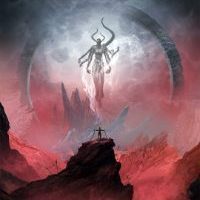
In the Wild Faith of the Wood Elves

     ynmf6nX.png


“Always worship the mother and father. Hold them dear to your heart. Have their names upon your lips when you experience fortune, and pray to them when you face suffering. Leave offerings, material or symbolic, before their sacred fire.”

~Taynei'Hiylu, The Green Dragon


When the mali’ame were young, the green dragon and daughter of the Aspects, Taynei’hiylu, dictated upon them three tenets for their faith. The first one is always to worship the Aspects, to pray to them and give them offering when appropriate. It is from this tenet that the tradition of offerings began.


E12Ib4A.png

An Aspectist Brazier, centre to offering rituals.


Any place where there live elves that follow the Aspectist rite there will be a shrine to the Mother and Father with a sacred brazier burning between them. Shrines like these are designated sites where the faithful must present their offerings. The gifts to the gods are thrown into the fire to burn away, symbolically giving them up for the Aspects.


Traditional Aspectist doctrine dictates that Offerings should be provided to the Aspects primarily under three circumstances.


  • When enjoying the bounty of nature, to pay thanks
  • When seeking a boon during a time of need
  • When called for, in ceremonies


Elves of the Aspectist rite may offer up any gift to the Aspects, so long as there is appropriate meaning and symbolism behind it. The more valuable a gift in either material or sentimental value, the more likely the elf’s prayer will be heard or his gratitude noticed by the Aspects and their servants.


Ritual Offering Archetypes

c658e5e47d9a27d7d4c1b95d6e6ec3a9.png

Blood is the most sacred of essences and used to swear servitude to the Aspects via offering.


The potential for offerings are potentially infinite, but there are certain ritual offering archetypes which carry certain connotations, themes and implications. These should be followed to ensure that the right symbolism is always being conveyed to the Aspects.


Animal Byproducts

  • Horns/Antlers
  • Teeth
  • Hearts
  • Bones


Gifts of Animal by products tend to carry undertones of strength, bloodshed, and death. They should be offered up in ritual when seeking boons in matters of conflict or killing, be it a simple hunt, to success in war.


Earthen Byproducts

  • Flowers
  • Herbs
  • Wooden Charms


Gifts that grow from the earth carry undertones of growth, revitalization and life. They should be offered up in ritual when seeking boons in matters of health and sustainability. This can involve offerings to keep away drought or plague, or the survival of a newborn child.


Personal Belongings

  • Journals
  • Heirlooms
  • Items of Sentimental Value
  • Blood


Offering up a gift whose value is determined by your personal attachment to it is a common theme among Aspectist offerings. This can be a gift from your family, an item you crafted (a sword or a vase, etc) or anything along those lines. “Personal” offerings are done usually when seeking the Aspects guidance in matters concerning only yourself, and not the world around you. Sometimes, especially in the case of blood, it is used to seal promises between people.


Surviving Prayers

(The Heading is a link, click it to be taken to a list of fully translated elven litany).


Despite this, there exist traditional rituals for certain situations both when giving thanks and seeking boons. Once there were hundreds of ways to give offering, one for every circumstance imaginable. But now only a few remain in our memory. Elves seeking guidance in their piety may follow these rituals, but these are not the only ways to pay offering to the Aspects, as that can be done in any way the wood elven people see fit.


Heart of the Hunt

At the end of a successful hunt, mali’ame must lay down their kill before the burning brazier. There they must cut out the heart of the beast and speak an incantation of gratitude to Cernunnos, the father of the hunt, for providing him with the strength and fortitude needed to bring home game.


The pious hunter must also speak a prayer of gratitude to the Mani (immortal demigod spirits of a specific animal species) of whichever beast he has killed, paying thanks for letting the demigod spirit take one of its flock to feed him and his family.


He then presents the heart to the flame.


New Beginning

Ancient mali’ame, male or female, grew their hair into long braids. The bun, or ‘warrior’s knot’ was a common fashion. Thusly, when seeking new beginnings in life, it became customary for mali’ame to saw off their braids and throw it into the sacred fire, symbolically representing the fact that they, once more, had to grow as people.


The offering of new beginnings is done during the Spring Ceremony, where aspectist elves undergo purification rituals to embrace the season of rebirth. But for any elf seeking change or revitalization in their life, they must slice a lock of their hair off and speak a prayer to the green mother.


Ochre of War

Before going to war, the wood elves of the ancient seeds painted themselves with blood-red ochre, in patterns that bore tribute to Cernunnos, the lord of the hunt. This tradition has continued into the modern day. Wood Elven soldiers heading into battle against their enemies should adorn themselves with the sacred red ochre.


Unlike most offerings, this does not involve the direct giving of the gift. Painting one’s skin in ochre is a symbolic ‘giving’ of one’s self to the will of the hunt, and putting your fate in the Horned One’s hands. This ritual is best done before the sacrificial brazier, however.


A Charm Against Disease

Even the strongest of elves fall ill to disease in their lives. When elves grow seriously sick, it is widely considered an ill omen. It is often the tradition of mali to make offerings to pray for their good health, that they may continue on this world.


Amongst these offerings are symbols of comfort and healing. Oftentimes, lesser healing herbs are cast into the fire, along with words of safety. Along with symbols of comfort and calm, such as parts of blankets and pillows.


A Mother’s Gift

Children are the most sacred commodity to elvenkind. The wood elves have turned to Aspects to ensure the safety of their young for millenia. It is commonplace when a child is born, to preserve the cut umbilical cord and throw into the flames of the sacred brazier, and speak a prayer to the Green Lady for the newborn babe’s health.


For any occasion outside of immediate childbirth, it is traditional to sacrifice the child’s baby teeth whenever they lose one.


The Blood Oath to Service

Blood is considered sacred to Aspectist doctrine. It is associated with both life and death. It is the ichor that makes us who we are. Thus, to let your own blood before the sacred brazier is to give a part of your living soul to the Aspects. This is done primarily during sacred oaths. Wood Elves entering the service of their people (warriorhood) or their gods (Druidism) take a sacred blood oath.

Link to post
Share on other sites

oh I didn't expect to see my character art here. Nice guide.

Link to post
Share on other sites

Praise be to the aspects I helped.

Link to post
Share on other sites

Moved to The Great Library. It shall be sorted into the appropriate category shortly.


If you feel this is a mistake, please contact myself or any FM and we'll restore it. 

Link to post
Share on other sites

Archived

This topic is now archived and is closed to further replies.

  • Recently Browsing   0 members

    No registered users viewing this page.


×
×
  • Create New...