Aehkaj 1244 Popular Post Share Posted August 18, 2025 Pʀᴇꜰᴀᴄᴇ Spoiler Necromancy has suffered for numerous years now- yet not only has the problem been the lore, yet in recent years the community too has seen to be equally as much a cancerous scar on it as a whole. The playerbase has been given a multitude of chances, yet as the greater LotC community and Story Team (especially Enforcement) knows by now, it has all gone to fix absolutely nothing. In the event of this rewrite passing, all current Rh’thoraen Necromancers and Archliches would lose access to the magic and have it revoked from them- the abyssal form of necromancy supplanting it. For transparency, individuals who would be grandfathered would be those decided through conversation with ST. In addition, while pondering what ‘necromancy’ should be, and how it should interact on the server we decided for this rewrite specifically to remove combative summons due to how they interact on the server. This rewrite seeks to shift Necromancy to be a form of caster which can support their Undead CA friends such as Ghouls, Darkstalkers, and Draugurs. Ty for reading this, and hope you enjoy this lorepiece. N ᴇ ᴄ ʀ ᴏ ᴍ ᴀ ɴ ᴄ ʏ ᴛʜᴇ ᴀʙʏꜱꜱᴀʟ ᴀʀᴛꜱ ✦•━•⊰✼⊱•━•✦ Necromancy is the archaic craft of flesh and bone, equally that of life as it is of death. Passing from mortal hand to skeletal clasp, from wellspring to powersource, it has cycled through a litany of origins and devices that have drawn upon it for its access- all revolving around the foul essences of lifeforce, and most recently those of Rh’thor. The eras shift endlessly. As the miasma-drenched steppes of the Abyss reached distant continents through Gates of shadow, the Four Lords of yore were sundered, and the King Beneath rises, a new age dawns in the hollow of Aegis. With it, waves and the four wraithlords of yore were sundered and consumed, the Abyss itself wails. Through a feat controlled by no master, the forces of the Abyss have haphazardly sweltered across the world, wrenching upon what footholds it could clasp within the souls of the necrotic. Thus, the craft of flesh and bone begins anew- through the utter revocation, reformation, and reconsolidation of Necromancy in an Abyssal reform. ✦•━•⊰✼⊱•━•✦ Fᴜʀᴛʜᴇʀ ɪɴꜰᴏ ᴀʙᴏᴜᴛ ᴛʜᴇ Aʙʏꜱꜱ ɪꜱ [ʜᴇʀᴇ]. ✦•━•⊰✼⊱•━•✦ Oʀɪɢɪɴ & Exᴘʟᴀɴᴀᴛɪᴏɴ ᴛʜᴇ ꜰᴇʟʟ ʟᴀɴᴅꜱ ᴏꜰ ᴀᴇɢɪꜱ Aeons prior to man arriving upon Aevos, before the infernal pentacle were shackled into being, before Gazardiael perished on the fields of battle at the climax of the Inferi Crisis, before Azdromoth feasted upon Xan’s flesh in Apotheosis- Aegis became a shattered land. Sundered and dismantled in the aftermath of the fall of Aegis to the Undead; the Abyss lingers where the first mortal continent once stood- seas of blackened oil fester at its edges, jagged cliffs of Morion jut out, and bracken fields of petrified trees litter the plains where ordinary people once dwelled. Whilst the undead-drakaar has been plotting over recent decades- moving to achieve plans of his own volition concealed from many- yet inadvertently, through a byproduct of his procedures and ploys, he has incited something far out of his original ambitions, far grander in scale than any of his intents. By the cementing of the shattered Black Nexus from its ruins and the simultaneous creation of Abyssal Gates to connect the greater world to the necrotic depths through Seraphire’s remains, has permitted the Abyss itself- the mindless, everpresent forces that swelter through it- to influence the world. With the gates of the abyss tethering the fell depths to the mortal fields, the ripple of the necromantic began to leech forth- annihilating the primeval craft of Rh’thoraen necromancies with a novel form- one of antecessal roots. Cosmic scales tipped at Xan's demise, Azdromoth's ascension, and Orsathiel's slow liberation whose magnitude shook light and dark themselves and prompted an unraveling in Rh'thoraen necromancy only to be filled by nearby Abyssal influences. A fringe had been reached- one between life and death, between undeath and everpresence. A new aeon of necromancy, wherein the Abyssal Craft has willed itself to being within the palms of the mortals without any master to command it. Flesh to bone, death to life, and Men to Gods- a time had come when such things fated to be lost had made themselves found. ✦•━•⊰✼⊱•━•✦ Sʏɴᴏᴘꜱɪꜱ ɴᴇᴄʀᴏᴍᴀɴᴄʏ ᴀᴛ ɪᴛꜱ ᴄᴏʀᴇ Abyssal Necromancy can be streamlined into four distinct schools of magic, each of which reflects a different aspect of the Abyss as explained below. From the artificial and calculated meddling of the natural way of things in their grand washing of Necromancy, it eroded away the Paler Curses and Corpsecrafting summons of yore, supplanting those with a novel school of necromancy- Bolsterment is a form of utility-spells within the abyssal sect of Necromancy aimed to permit necromancers to utilize lifeforce to quite literally bolster and enhance their undead cohort, as an addition to their core toolset to replace what has been taken away from the lack of combative summons. လ Mᴀʟᴇᴅɪᴄᴛɪᴏɴ: Invocations of lifeforce, both passive and combative. လ Bᴏʟꜱᴛᴇʀᴍᴇɴᴛ: Enhancement and assistance of fellow undead. လ Pᴇꜱᴛɪʟᴇɴᴄᴇ: Plagues and diseases of a myriad of sickening natures. လ Tʜᴀᴜᴍᴀᴛᴜʀɢʏ: Rituals of creating and sustaining undeath and taint. Pʜʏꜱɪᴄᴀʟɪᴛʏ: » [Aʙʏꜱꜱᴛᴀɪɴᴛ] The taint of the Abyss is not one intended to be housed within a mortal coil; those who wield Necromancy find the flesh to weaken and cripple. However, unlike the other darker arts, these Necromancers are not weakened to a crippling state, yet rather a half-crippled one that taints their form. They are unable to don any armor greater than (Light Armor), though are able to wield one-handed armaments of the weight of a steel longsword or less- anything heavier would prove unwieldy to their tainted bodies. » [Wɪᴛʜᴇʀɪɴɢ] The affairs of death are not without consequence. Necromancers, cursed for their transgressions, bear the mark of their craft upon their flesh- paling outwardly at an unnatural rate, their hair fading to pale white, and their skin growing sickly and ashen quickly. This faux-decay cannot be covered by anything beyond the Draught of Incite. Alchemy may shape their form, but never reverse the ravages of death’s toll. Their bodies, worn by the void of Lifeforce, can no longer withstand invasive enhancements- mutations, grafting, and the like collapse beneath the weight of their unholy burden. Rᴇᴅʟɪɴᴇꜱ: Spoiler ⬢ Necromancers are incapable of donning any armor greater than [Light Armor] with the exception of a single Goresmithed Chestplate, though are capable of wielding a single one-handed armament made from [3] ingots of material of steel weight or less; any heavier weapon would prove unwieldy to them. Materials that Necromancers are INCOMPATIBLE with wielding due to weight include Carbarum, Kingstone, Resonantium, High-Density Boomsteel, etc. ⬢ The soul of a necromancers is warped by the Abyss; they pale externally at an accelerated rate: their hair starting to decay, flake, and so on over time whilst their skin grows pallid quickly. This decay cannot be slowed by anything save the Draught of Incite; furthermore, their body is incapable of receiving anything from Tawkin, be it mutations, grafting, or kloning. Despite their warped souls, Aurum does not outright affect a Necromancer in the sense of revealing them as a Necromancer. ⬢ Without any unique means of revival, Necromancers may still monk revive, similarly to other Dark Magics such as Naztherak or Blood Magic. ⬢ The Corcitura curse cannot be used to visually negate the enforced aging and paling of a Necromancer. Infernal Alchemy as well may not benefit in reversing or visually negating the aging. Mᴇɴᴛᴀʟɪᴛʏ: » [Fᴏᴜʟ Nᴀᴛᴜʀᴇ] Seeded deeply with the pools of the Abyssal taint, their body suffering outwardly with age and the craving of flesh, the Necromancer’s mental and physical makeup are forever torn. With that, things like romantic relationships are regarded as alien and heavily avoided, their endeavors better focused on unwinding schemes and bolstering their monstrous creations of patchwork skin. Although they may use preexisting bloodlines for their schemes, this comes with utterly no emotional attachment whatsoever. Additionally, Necromancers are rendered utterly infertile. » [Cᴀꜱᴛɪɴɢ Tᴇʟʟꜱ] Necromancers cast through weaving lifeforce- passing it on from one location to another in the endless flows of the world and its whims. Necromancy, when being cast, always bear grayscale, greenish, and purple tells around the Necromancer's palms ranging from off-whites to twisted onyxes- be they of unstable mists, gloaming smokes, coiling ink, lashing glows, and so on; however, one critical thing that always remains the same is a sense of dread that is instilled unto all mortals which gaze upon it, which cannot be hidden if seen. Rᴇᴅʟɪɴᴇꜱ: Spoiler ⬢ Necromancers are not amiable beings capable of emotional attachment nor mortal feelings such as love. This is an enforced roleplay mechanic- Necromancers are sacrilegious beings that sew rotten, maggot filled flesh together to erect forces of undead to put forward their schemes, their souls tainted by the vast devoid of the Abyss. With such drastic changes to their bodily makeup, it is uncharacteristic for them to foster romantic and familial relationships outside of finding like-mindedness and brotherhood with their coven members and Descendants, able to work together to bring to fruition schemes compared to affairs. Necromancers cannot FTB in a romantic nor erotic manner. ⬢ Necromancers have an inherent hungering for raw flesh as they grow deeper in their connection to the Magic. As they grow deeper into Necromancies tiers, regular food sources loose flavor and grow disgusting to the Necromancer whilst raw flesh becomes their primary craving. ⬢ Necromantic spells have freeform tells, so long as they are clearly visibly enwreathing the palms of the Necromancer through all emotes of casting- these tells must be grayscale and visibly ‘twisted’ in some way- they always evoke dread within mortal beings which see them. ⬢ Whilst the aura of a Necromancer's casting will always retain the sense of Dread, such has no effects on combat actively and remains a required aesthetic so that one may not hide their tell. The necromantic undead can be discerned into five distinct categories- ranging from the most primitive and basal serf-zombies which assist in menial tasks about a necromancer’s lair, to the titanic powers held within the grasp of wraithdom. They are, as follows: Spoiler » Pᴇᴏɴꜱ [NPC] are the most primitive and menial of the undead. They are the zombies and skeletons held together by bare strings of sinew and motes of lifeforce- utterly incapable of combat in the slightest, and utilized solely for grunt labor and ambience around a Necromancer’s lair or point of operation. They are utterly incapable of any greater thought, and cannot speak in the slightest- merely grumble and moan. » Gʜᴏᴜʟꜱ [CA] are the weakest of the more coherent undead; they are capable of greater thought to some degree, yet ultimately are still driven by these more basal instincts and orders. They are the introduction-point to the undead schema- all undead are raised as Ghouls, before eventually being elevated into either the warrior-esque Darkstalkers or the magelike Draugars. » Dᴀʀᴋꜱᴛᴀʟᴋᴇʀꜱ [CA] are the martial evolution of the Ghoul, their bodies hardened through ritual and battle, and their souls further bound and honed to better serve as brutal instruments of undeath. Wielding rusted blades, darkened armor, or even blackened flames, Darkstalkers act as the front line of necromantic warbands- executioners and guardians alike. » Dʀᴀᴜɢᴀʀꜱ [CA] are the arcane parallel to the Darkstalker- undead souls that have been refined for their intellect and magical aptitude. Draugars retain fragments of memory and reason, granting them the ability to weave spells through necromantic mediums, cursed relics, and rituals of old, be they voidal or of more foul means. Though physically frail and often grotesque in appearance, their strength lies in their command of deathly arts. » Wʀᴀɪᴛʜꜱ [ET Creature] are the pinnacle of Necromancy- the endgame of the abyssal arts. It is the utter dedication and conversion of the soul’s nature, requiring a master Necromancer to wring forth an armament of Morion and utilize the assistance of others to convert it to become their own armament-phylactery, a reliquary. Wraiths are beings of wrath, force, and conquest- heaving around their armaments-phylacteries within their endless siege. While Necromancy is not fully constrained to merely sustaining undeath, these five ilks of undead are what the majority of the portions that do revolve around it focus upon. It should be noted that abyssal Necromancy does not have combative summons; undead creatures are restrained to playable [CAs] for the most part, beyond NPC skeletons/zombies for aesthetic/ambience roleplay. In other words, the abyssal undead are restrained to the necromantic [CAs] (Ghoul, Darkstalker, Draugar), which this magic still is the source of, and substitute the prior magic’s reliance upon summons with a playerbase. ✦•━•⊰✼⊱•━•✦ Tɪᴇʀ Pʀᴏɢʀᴇꜱꜱɪᴏɴ ᴀʟʟ ᴡɪᴛʜᴇʀꜱ ᴀᴡᴀʏ Abyssal Necromancy is the physical installation and harnessing of lifeforce in a manner sourced from the Abyss- the remnants of Aegis which fester with this essence. Necromancy is a [3] slot Dark Magic, bearing a classic [5] tiered progression which is slowly summited through over the course of [3] OOC months. Tɪᴇʀ I: [Immediate] လ Mᴀʟᴇᴅɪᴄᴛɪᴏɴ: Moulding, Asthenia Tɪᴇʀ II: [2 OOC Weeks Post-Connection] လ Mᴀʟᴇᴅɪᴄᴛɪᴏɴ: Gravecall, Sapping လ Pᴇꜱᴛɪʟᴇɴᴄᴇ: Plaguecraft လ Tʜᴀᴜᴍᴀᴛᴜʀɢʏ: Transcension, Draining Tɪᴇʀ III: [1 OOC Month Post-Connection] လ Mᴀʟᴇᴅɪᴄᴛɪᴏɴ: Sapping, Harrow, Abyssflame - Bolt လ Bᴏʟꜱᴛᴇʀᴍᴇɴᴛ: Fortification, Lightening လ Tʜᴀᴜᴍᴀᴛᴜʀɢʏ: Goresmithing, Horderaising Tɪᴇʀ IV: [2 OOC Months Post-Connection] လ Mᴀʟᴇᴅɪᴄᴛɪᴏɴ: Dredgelock, Vassalize လ Pᴇꜱᴛɪʟᴇɴᴄᴇ: Contagion လ Tʜᴀᴜᴍᴀᴛᴜʀɢʏ: Desecration Tɪᴇʀ V: [3 OOC Months Post-Connection] လ Mᴀʟᴇᴅɪᴄᴛɪᴏɴ: Brackenwave, Abyssflame လ Bᴏʟꜱᴛᴇʀᴍᴇɴᴛ: Revivify လ Tʜᴀᴜᴍᴀᴛᴜʀɢʏ: Blossoming, Sundering Rᴇᴅʟɪɴᴇꜱ: Spoiler ⬢ Necromancy is a [3]-slot Dark Magic, originating from the Abyss. Necromancers are incompatible with all deific magics except Seers of Vaasek and Palmreading. ⬢ Necromancy may be acquired by any greater-souled mortal race whom bears the possible slots; at the time of writing, these are the Descendant Races, Kharajyr, and Halflings. ⬢ Necromancy permanently dedicates itself to the slots associated to it- the Abyssal influence upon the soul permanently sears and affects it to a degree where these slots are irrevocably dedicated to Necromancy, and if disconnected from it are permanently lost. ⬢ Necromancy requires a valid [MA] in order to practice, and a valid [TA] to teach it to others. One may only gain a [TA] after hitting [Tɪᴇʀ V] in the magic, and after learning all spells, abilities, and rituals (beyond Sundering, the ‘DC’ ritual). ⬢ All combative abilities of Necromancy must need focus to cast, requiring an action for every emote used; connection is independent per-spell, meaning they must perform the full series of emote actions per spell cast. A Necromancer's focus will be disrupted solely if struck directly by any ACTIVE spell or ability of Holy Magic. ✦•━•⊰✼⊱•━•✦ Mᴀʟᴇᴅɪᴄᴛɪᴏɴ ᴡᴇᴀᴠɪɴɢ & ᴄᴀꜱᴛɪɴɢ Beyond life, beyond death, necromancers pride themselves on their ability to weave primal sources of life force into their twisted creations and use it for nefarious purposes. They embrace the occult, the abomination, the grotesque, be them live or dead, all in the service to defy an inevitable fate that all must face. [Tɪᴇʀ I] Moulding - [3-5 Emotes] [Combative] / [Non-Combative] Stemming from arts first created by the Necromancers of Devirad, the woven Lifeforce’s ability to mold flesh and bone alike had found a higher purpose, through cauterizing searing and molding upon the wounds of the living; flesh and bone can be crudely warped together, haphazardly weaving sinew together with pain akin to searing needles threading the material back together. Mᴇᴄʜᴀɴɪᴄꜱ: Spoiler Over [3-5] emotes, a Necromancer may utilize their lifeforce to either mold flesh together, or to sear wounds shut by blending sinew and flesh to seal wounds or act as a binding reagent. There are three means to Moulding, each with a different scale- Petty, Moderate, and Greater. » Petty: [Tɪᴇʀ I] [Combative] Over [3] emotes, a Necromancer is capable of using Moulding to seal Minor Wounds upon an individual by swathing their palm over all such wounds through the full span of emotes. This horrendously pains the target, and leaves them unable to move for [2] emotes afterwards in wreathing pain, and unable to sprint for the rest of the roleplay encounter. » Minute: [Tɪᴇʀ III] [Non-Combative] Over [4] emotes, a Necromancer is capable of using Moulding to seal all Moderate and Major wounds upon a target by swathing their palm over all such wounds through the full span of emotes. However, these wounds are merely sealed with flesh stitched on top of them- they are riddled with tumorous growths and molten-looking flesh, and do not replace lost body parts- solely Greater Moulding can do that. » Greater: [Tɪᴇʀ IV] [Non-Combative] Over [5] emotes, a Necromancer is capable of using Moulding to graft a foreign limb sourced from other means onto the target’s body. These limbs must be functioning appendages that properly fit the individual’s biology- in other words, they must be humanoid limbs and must be placed where limbs can only realistically be. Tɪᴇʀꜱ ᴏꜰ Wᴏᴜɴᴅꜱ: 🜋 Minor Wounds: Scrapes, Bruises and Lacerations. Everyday wounds that do not cause significant impairment. 🜋 Moderate Wounds: Gashes, Cuts, Punctures, Dislocations and Burns. Wounds that are debilitating and cause moderate impairment. 🜋 Major Wounds: Broken Bones, Impalement, Dismemberment and Mutilation. Wounds that are severely debilitating and can cause permanent impairment or death. Critically, however, Moulding cannot heal wounds caused by Aurum or Thanhium; the lingering traces of aurum or thaumburn instilled through that bloodstream meddle with Moulding, causing it to fail until over [1] OOC day has passed since the wound had been instilled since then. Moulding is unable to mend any damage to major organs such as the brain, heart, or lungs whatsoever, no matter how much lifeforce is woven into the wound. Moulding may only be cast [2] times per OOC Day. Rᴇᴅʟɪɴᴇꜱ: ⬢ Moulding, no matter what level it is used within, must be used to mend a wound, it may not be utilized to mold a victim’s flesh as a form of ‘attack’, nor can it be used to disguise individuals by morphing their face slightly differently. ⬢ Moulding may only be cast [2] times per OOC Day ⬢ Petty Moulding may only be used on a target with OOC consent as it is unable to be utilized forcefully on an opponent to immobilize them. ⬢ Petty Moulding may only be used to heal Minor Wounds, requiring [3] emotes of sustained contact during which the individual being healed may not take any actions. Petty Moulding will only heal [1] minor wound at a time requiring the Necromancer to cast it again to heal more wounds. ⬢ Once healed via Petty Moulding, the target is wracked with heavy pain leaving them immobile for [2] emotes, and unable to sprint for the rest of the Roleplay Encounter. Unlike Minute and Greater Moulding, this may be used within combat, though while casting this the Necromancer’s movement is limited to [1] block per emote. ⬢ Minute Moulding requires [4] emotes to mend Moderate and Major wounds, and may only be used outside of Combat. Wounds healed via Minute Moulding are merely sealed shut, haphazardly molded with remaining tumorous growths with the flesh looking heavily scarred. ⬢ Greater Moulding requires [5] emotes un-interrupted to graft a an individual’s missing limb with another. It may not be used to add additional limbs beyond how much the individual bore, and the material utilized must match what was lost. This is to say that a Descendant’s arm must be replaced by a Descendants arm, and cannot be some other foreign object without a [MArt]. Greater Moulding may not be used to change the limb’s appearance at all, the replaced limb will look similar to the original, if not with heavy scarring or disfiguration showing from the molded wound. ⬢ Any would healed via Moulding is not perfectly mended, requiring [1] extra OOC Day to heal to a peak level of strength and dexterity. Solely individuals bearing Lifeforce may be affected/healed with Moulding- individuals without it will not be affected. ⬢ Wounds created by Aurum may not be healed within [1] OOC day after infliction. Moulding is also unable to heal any wounds to major organs such as the Brain, Heart, and Lungs. [Tɪᴇʀ I-III] Asthenia - [2 Emotes] [Non-Combative] One of the lesser fell techniques preserved by Necromancers to date, Asthenia entails the creation of a mind-numbing cloud of Lifeforce, which - rather than sapping health or strength - works instead to dull strong emotions, perhaps to neutralize angered acolytes. Mᴇᴄʜᴀɴɪᴄꜱ: Spoiler Over [2] emotes, a Necromancer may exhume a foul lifeforce-laden form of mist which spreads about the air in a radius of [4] meters about them, the mist shifting into foul smog which softly spirals around the surroundings. Asthenia mentally soothes and numbs the mind, draining stronger emotions and temporarily supplanting the mind with more milder ones, lasting until the end of the narrative encounter. Upon reaching [Tɪᴇʀ III] necromancy, a necromancer may subtly cast Asthenia with a more minor effect during non-combat roleplay. Asthenia when subtly cast will only effect [1] person in the same [4] meter radius around the necromancer. Should the necromancer try to affect more, their casting would be revealed via the smog-like tell of Asthenia manifesting in the area. The subtle casting is undetectable typically, and the only proof that it occurs is a lingering sense of wrongness after the spell has faded. Rᴇᴅʟɪɴᴇꜱ: ⬢ Asthenia’s effects are purely Non-Combative, and may not be used to gain any advantage or to prevent any character from initiating Combat. The soothing effect does not bypass any form of fear spell, or natural fears such as a Ghoul’s fear of fire. The effect may; however, sooth natural effects such as the bloodlust of an Orc or Moroi. This is a flavor spell, and whilst it can be used within combat its effects do nothing mechanical whatsoever. ⬢ The cloud formed through Asthenia will dissipate once the spell is completed, yet the effects will remain. If combat starts while the effects of Asthenia are active, those effects will immediately cease as the spell is only for noncombative purposes. ⬢ Asthenia may not be used to instill or nullify any emotions to people who are unwilling to do so. ⬢ Asthenia when casted subtly cannot be detected, nor can its effects used to metagame that one is a necromancer. The only indication the spell has been casted is a sense of wrongness within the afflicted, which again, cannot be used to metagame. ⬢ When cast subtly the effects can only extend to one person, any more than that and the smog-like tell of the standard spell would begin to manifest. ⬢ Whomever is being subtly affected by Asthenia's effects must be privately messaged to inform them of the effect. ⬢ Asthenia has no restriction on uses per [1] OOC day as its effects are purely flavor and noncombative. [Tɪᴇʀ II] Gravecall - [3 Emotes] [Non-Combative] To wake the deceased from their rightful - or misbegotten - slumber is one similar, though notably far less powerful to the creation of Darkstalkers or Draugars, or even Ghouls. Enough Lifeforce is required simply to allow for basic movement and speech, making it possible to speak to one’s deceased mentor, or to a recently-felled enemy. Perhaps unfortunately, the dead are not obliged to answer every question. Mᴇᴄʜᴀɴɪᴄꜱ: Spoiler Over [3] emotes, a Necromancer may poise themselves before a grave or cadaver of a deceased player-character, and given OOC consent from the player swathe and rush the cadaver with lifeforce, rapidly exhuming them upwards to the surface and briefly re-animating them, temporarily able to speak with said individual for the rest of the roleplay encounter. Gravecalled entities are unable to move from where they lay; yet are free to move their limbs, rattle their jaws, and so on. These entities may not utilize any magic or abilities they knew for their life- their soul only briefly called back to this plane in a minute way. Individuals who are temporarily brought back via Gravecall can commune with those around them, yet are limited of some things- they may not recall nor speak anything concerning their death, what begat it, or any of the other portions of roleplay that surrounded their death, nor may they teach or dispense any knowledge of magic, creature races, or feats. The individual may choose to dispel Gravecall at their choosing, crumpling back into a pile of bones. Rᴇᴅʟɪɴᴇꜱ: ⬢ Gravecall takes [3] emotes to commune with PK’d players; the player of the PK’d character must give OOC consent, and can only be roleplayed by them. If within an event, it is up to the ET how Gravecall functions. ⬢ Any information pertaining to their death such as who killed them cannot be disclosed unless all parties present in their death gives explicit OOC consent to the information being shared. The individual is unable to retain any memory of past communication attempts. ⬢ Gravecall may not be used to relay any strict details about a persona’s death such as who killed them, or any ‘rare’ knowledge such as any knowledge regarding FAs, MAs, CAs, or unique materials. ⬢ Gravecall may only utilized [1] time per OOC Day, any further attempts at contacting the dead failing. [Tɪᴇʀ II] Sapping - [3+ Emotes] [Combative] A diminutive, twisted form of the seeping drains of lifeforce that their predecessors once performed en masse- a Necromancer may congeal lifeforce within their palms and lash forwards a draining tether to weaken their foes upon a sustained sapping of one’s energies. Mᴇᴄʜᴀɴɪᴄꜱ: Spoiler Over [1] emote, a seeping tether lashes forwards from a Necromancer’s extended palm, moving to a target within [6] meters of them. Sapping is a slow spell, and does not function instantly- it takes at least a total of [2] emotes to drain their foe to a degree which actually harms them. For every [2] sustained emotes of draining, the target’s strength is dropped by a single bracket (detailed in the chart below) and their maximum movement per turn decreased by [1] meter until the end of the combative encounter. Sapping may only be initiated [2] times per OOC day. [Olog Strength] → [Orc Strength] → [Human Strength] → [Voidal Strength] → [Voidstalker Strength] An individual’s strength may only be dropped by Sapping’s drain [2] times per combative encounter. Whilst casting this spell, the Necromancer may only move [3] meters per emote, permitting the target to easily escape if they cannot interrupt the spell in other ways. Sapping’s tether may be broken in one of [3] ways, which are as follows: ❖ Interruption: The Necromancer is struck by an attack or otherwise loses their focus, causing the tether to instantly snap and cease draining. ❖ Distancing: The target moves at least [6] meters away from the Necromancer, causing the tether to be stretched too thin and snap. ❖ Barricading: The span between the Necromancer and the target is interrupted and broken by thanhium, aurum, a shield, or a physical wall. ❖ Holy Magics: The Necromancer's lifeforce woven to create the tether may be severed via any combative Holy Magic spell or ability. Sapping may also be employed noncombatively to an extent, the Necromancer reaching their Lifeforce out into an area of at most [5] meters in diameter around them as their dreaded presence draws the fickle life from flora and miniscule fauna. Plant life such as flowers, vines, and parts of trees would wither within this presence, only returning to their former levels once such a force vacated their locale. Creatures no larger than a squirrel in size would weaken and grow visibly more gaunt, and so on. This effect would hold no effect within combat, unable to truly drain away the life of anything involved within. Rᴇᴅʟɪɴᴇꜱ: ⬢ Sapping is a spell that takes [1] emote to conjure a tether, which instantly reaches out to a target within [6] meters of the Necromancer. Its effects are a slow progression; for every [2] emotes that it remains unhindered, the target’s strength drops by one bracket as per the progression above; if they already are upon the lowest tier, nothing occurs. ⬢ Sapping’s tether can only target individuals that bear lifeforce; non-lifeforce bearing individuals are immune to it. Whilst casting Sapping, the Necromancer is limited to [3] meters of movement per emote. ⬢ Sapping’s tether can be broken in four ways: Firstly, if the Necromancer is struck by any blow, forced to dodge/sidestep something that would otherwise hit them, or otherwise loses their concentration through other magics; secondly, if the target moves over [6] meters from the Necromancer; thirdly, if the tether is physically interrupted by either thanhium, aurum, a shield, or a physical wall; fourthly, if the tether comes in contact with any combative ability or spell from Holy Magic. ⬢ Spectral and incorporeal entities will not be affected by Sapping as their lifeforce has been meshed together to form into Ectoplasm. ⬢ Moroi affected by sapping would be slain if they are subject to [1] drain cycle. ⬢ Sapping corrupts [2] units of dragonsflame for every emote sustained on a Nephilim. This is to say that the very first emote of sapping will not corrupt, but every consecutive emote will. ⬢ Sapping may only be cast [2] times per OOC Day. [Tɪᴇʀ III] Harrow - [2 Emotes] [Non-Combative] Bones are rather easy to manipulate, especially to one experienced in putting Lifeforce to work. In a cantrip version of more powerful forms of bone manipulation such as Brackenwave, a Necromancer may move a wide variety of osseous matter with exacting precision. Mᴇᴄʜᴀɴɪᴄꜱ: Spoiler Over [2] emotes, a Necromancer may flick and weave their palms into a litany of differing poses to manipulate and weave lifeforce thinly into the ambience, and tether itself to objects of bone. Harrow is a freeform manipulation of bones of all kin, so long as they remain noncombative- it may be used to exhume cadavers and skeletons from graves, used to manipulate bones within surgery for more benign purposes, or even to manipulate bone-carved dice in a game. Harrow has a range of [20] meters around the Necromancer, though it may never exhume or manipulate any bone larger than a mortal cadaver at maximum. Rᴇᴅʟɪɴᴇꜱ: ⬢ Harrow is a noncombative spell, and requires [2] emotes to cast, affecting a range of [20] meters around the Necromancer. ⬢ Harrow may only manipulate stray bones and ligaments, and in no way shape or form may be used for combative purposes. Bones may only be manipulated within a living target if the Necromancer is preforming surgery out of combat: this is utterly for flavor. [Tɪᴇʀ IV] Dredgelock - [3 Emotes] [Combative] An ability harnessed from the innate power to pull from the black banks- a spell to wring forth a litany of swarming, grasping hands onto the battlefield. A litany of small tears ripple upon a surface for undead hands to sprawl out and lifelessly grab for anything it can, inhibiting movement through and from the area. Mᴇᴄʜᴀɴɪᴄꜱ: Spoiler Over [3] emotes, a Necromancer may select a [3x3] area within [20] meters’ range where the ground trembles and whines, before hands erupt from the ground and attempt to grab at those within said area or those which enter it. This zone persists for [2] emotes; those who enter the area will have their movement split to [50%] of their total movement in all mobility-based (sprinting, walking, etc.). Those within the area also are interrupted in actions which require concentration, such as spell casting. The area is indiscriminate, meaning any person- ally, enemy, or even the caster themself- if caught in the area will too face the effects. Players within or without may emote kicking or slashing at the hands, but it will ultimately not nullify the effects as there are too many hands to quell. Dredgelock may only be used [2] times per OOC day. Rᴇᴅʟɪɴᴇꜱ: ⬢ Dredgelock requires [3] Emotes to cast, creating a visual tell over all emotes of the [3x3] area affected by Dredgelock, which must be fully contained within [20] meters’ range. This is to say that a Necromancer may not put the central point of the spell at the very edge of their range so that it extends any further. The hands conjured up via Dredgelock are incapable of utilizing any form of armament, only capable of grabbing and lashing out at those within its affected area to slog down targets within. ⬢ Dredgelock may only be cast on solid ground and will fail to form on a suitable body of water or liquid. ⬢ Dredgelock halves the total movement of those moving through it indiscriminately, rounding down. This is to say that if one were to be moving [8] blocks through the area, they will be slowed down to [4], or if they were to move [3] blocks, they will be slowed down to [1]. While individuals within Dredgelock may emote batting at, hacking, or slashing the appendages slowing them down; such will not nullify the effect as there are too many hands slowing them down. ⬢ While the hands will grab and bat at any individual to slow them down, the arms formed through Dredgelock do no damage at all. ⬢ If Dredgelock is formed under a target, they may not somehow ‘dodge’ to negate its effect unless they have a unique flight ability. Their movement will still be halved, until they leave its area of effect. Levitation abilities that permit one to move [1] foot off the ground or higher, such as a Naztherak’s Ascendancy boon, may be used to evade Dredgelock’s effects. ⬢ Dredgelock may only be cast [2] times per OOC Day [Tɪᴇʀ IV] Vassalize - [1 Emote] [Non-Combative] To display their near-mastery over Lifeforce, one may animate a variety of undead servants into motion for simple or otherwise menial work. The pittance of energy placed within them cannot support the rigor of combat, nor the complexity of magic, but serves well for moving furniture or hewing stone. Mᴇᴄʜᴀɴɪᴄꜱ: Spoiler Over [1] emote, a Necromancer may raise and animate up to 10 of cadavers into Peons; noncombative undead which are capable of menial tasks and grunt labor through command and instructions. Peons are freeform in their appearance, so long as they are clearly corporeal undead individuals based around a skeletal base; they cannot float, cannot perform any form of magic, and they cannot speak whatsoever. Peons can be left at roleplay signs doing menial tasks, or similarly can be depicted using NPCs or just mentioned within emotes doing things about the Necromancer or within their lairs. If combat is to start, Peons either flee away or haplessly crumple to the floor, only resurrecting or returning when combat concludes. Rᴇᴅʟɪɴᴇꜱ: ⬢ Vassalize is a freeform spell that permits a Necromancer to raise a litany of Peons- noncombative skeletons, zombies, and minute undead cadavers that cannot be used combatively in any manner, instead fleeing or crumpling to meaningless piles on the floor if combat was to be initiated. Peons are detailed further in the respective “Synopsis” segment of this piece above. ⬢ Peons created by Vassalize cannot speak, write, or communicate and may only assist the necromancer with menial tasks. ⬢ Menial tasks is defined as small tasks about one's lair such as sweeping or retrieving an item that an ordinary man could carry. This is to say that Vassalize may not be used to circumvent moving Lore objects which require multiple players to move. ⬢ Vassalize has no restriction on uses per OOC day as its effects are purely flavor and noncombative. [Tɪᴇʀ V] Brackenwave - [4 Emotes] [Combative] By forcing open a myriad of Lifeforce-laden rifts just under the surface of the ground, an expert Necromancer may beckon forth a thrusting hedge of bones straight ahead of themselves, lacking piercing power in favor of stunning collective force. It was theorized that performing this spell in a graveyard or similarly bone-laden area would make the casting of this spell easier, but all attempts proved that moving the bones present bore the same toll as creating them. Mᴇᴄʜᴀɴɪᴄꜱ: Spoiler Over [4] emotes, a Necromancer may clasp their palms together and consecrate lifeforce- before slamming both palms unto the ground as a [6x2] meter long area extending straight ahead of them, with [2] blocks' height, has blunt bones jut forth from the ground at rapid speed and force, capable of doing potent harm, and also surging forwards to knock targets back. Targets within this wave either face concussive damage equivalent to being struck by a human's mace, capable of knocking targets back a distance of [6] meters and causing fractures at the very least, or a puncturing blow equivelent to a human's warpick, albeit with no knockback. The bones created by Brackenwave last for only [2] emotes post-casting, after they rapidly surge and oncemore enter the ground. Rᴇᴅʟɪɴᴇꜱ: ⬢ Brackenwave requires [4] emotes to perform, with a clear tell that the Necromancer is pulling forth bones from the ground before them, before on the final emote a surge of bones emits [6] blocks straight foreword from the Necromancer that is [2] meters in width and height. ⬢ The spell can be cast in two forms: ⬢ [Bludgeon + Knockback] - Targets caught within the spell’s effect will be pushed backwards upon being struck by [6] blocks and suffer concussive damage equal to a human-strength Hammer. The spikes remain where they are for [2] emotes after the casting concludes, before sliding back within the ground. ⬢ [Piercing - No Knockback] - Targets caught within the spell’s effect will suffer piercing damage equal to a human-strength warpick. The spikes remain where they are for [2] emotes after the casting concludes, before sliding back within the ground. caught within the spell’s effect will be pushed backwards upon being struck by [4] blocks and suffer concussive damage equal to a human-strength mace. The spikes remain where they are for [2] emotes after the casting concludes, before sliding back within the ground. ⬢ The general types and shapes of the bones formed in Brackenwave remain freeform for the casting Necromancer's aesthetics, but they may not alter the effects of the spell with such. ⬢ Nephilim struck directly by Brackenwave, being light armor or less, will sustain [2] units of dragonsflame corrupted. ⬢ Brackenwave may only be cast [3] times per OOC Day [Tɪᴇʀ III-V] Abyssflame - [3 Emotes] [Combative] / [Non-Combative] A form of set-aflame Lifeforce, Abyssflame is the mark of a mastered Necromancer - a potent, variegated weapon to cut down foes or to assist one’s minions in breaking even the strongest of opponents. It may also be conjured up to assist unholy theatrics, or to provide a modicum of comfort to the undead. Mᴇᴄʜᴀɴɪᴄꜱ: Spoiler Over [3] emotes, a Necromancer may invoke Abyssflame in one of two ways- a Bolt or a Wall; each of which provide a differing ilk of combative use to the abyssflame. Unlike other ilks of magic flame (dragonsflame, malflame, voidal flame) it does not burn anything- rather, it bears a physical and tangible ‘weight’ to it that harms others in a blunt fashion. This ashen flame cannot burn or cinder anything, rather it is cold, unable to scar or maim anything let alone human flesh with its abilities. Abyssfire carries a chill to mortalkind who place their hands to its tenebrous contour, apt to bring an uneasy, anxious feeling to mortals in its presence. Undead beings however feel a slight sense of relief when in close proximity of abyssal flame, an emotion otherwise lost to the damned agents of the undying magics. Abyssflame consumes any light that nears it, creating natural areas of shadow and night where it is placed. » Bolt: When expelled as a bolt, Abyssflame is gathered in a palm before being sharpened into the shape of an arrow, chakram, bolt, or ball- before being thrown forth at the speed of a shortbow show with a maximum range of [12] meters, with its damage scaling based on proximity. Individuals within [1-8] meters will be hit as if a human's warhammer strike, whilst those from [9-12] meters will be hit with a force equivalent to a short bow's shot. » Wall: When expelled as a wall, Abyssflame is gathered in a palm before being thinned into a plane- before spinning to the floor within a [4] meter range of the Necromancer, erupting into a horizontal wall [5x1] meters in dimension and [4] meters tall. The necromancer must maintain concentration in order for said wall to remain, not being able to move more than [2] blocks per round. However, this wall is constantly fed with lifeforce and cannot be mundanely destroyed, needing either potent antimagic or actively cast holy magic to shear- though the wall may only last for [3] emotes. Outside of combat, Abyssflame can be utilized in a freeform fashion, calling upon the abyssal flames within their hand to offer some solace, or to place it into a receptacle like a lantern or firepit. Abyssflame works akin to an inverted torch, acting alike to an abyssal aura that swallows any light within its surroundings, while still offering its comforting effects to undead within proximity. Abyssfire can noncombatively blot out torches, extinguishing any active fires within its radius, or can be weaved through the air for ambient and aesthetic roleplay. Rᴇᴅʟɪɴᴇꜱ: ⬢ Abyssflame requires [3] emotes to use, wherein they conjure Abyssflame within their palm before either shaping into a projectile or a thinned plane, signifying which of the two forms they plan to utilize. Upon the [2nd] emote of casting, the Necromancer’s tell must signify which form the spell will take being the Bolt or Wall form respectively. Alternatively, it may be used to imbue items or builds with it, which are represented via ST signature. All forms of Abyssflame drain light from a [4] meter radius around itself, causing it to be hazy and dim in said region. ⬢ Bolt has a maximum range of [12] meters, its concussive force lessening the further it travels. Those struck within [8] meters of the Necromancer will suffer a blow equivalent to a human's warhammer, while those [9] meters and beyond suffer a blow equivalent to a short bow's shot. ⬢ Wall has a maximum range of [4] meters from the Necromancer: spanning a length of [5] meters, a width of [1] meter, and a height of [4] meters. The Necromancer must maintain their focus to sustain the wall, only able to move [2] meters per emote; if they move more than [2] meters from where they began casting, the wall instantly dissipates. ⬢ The Abyssflame Wall has a maximum uptime of [3] emotes, dissipating after such. It is constantly fed with Abyssflame, meaning that it is mostly invulnerable to damage- however, actively cast Holy Magic or Potent Antimagic shears through the wall instantly, maintaining its momentum. The wall will carry no concussive force with it, instead acting as a solid form which can not be broken albeit via [1] strike either from Holy Magic or Anti-Magical attacks. ⬢ Actively cast Holy Magic refers to spells a Holy Mage must use in combat. This would rule out passive Holy Magic spells such as Templar’s Furious Flame as it is a passive effect applied to their chosen weapon. ⬢ Anti-Magic capable of shearing through and breaking the Wall and dissipating the Bolt is defined as Thanhium, Kani's Abjuring Strike, and Dragon's Flame. Auric oil can not due to it only abjuring up to Tier 3 spells. ⬢ Nephilim directly struck on their flesh, through (Light Armor), or through (Medium Armor) via the Bolt will sustain [2] units of corruption to their dragonsflame. ⬢ Abyssflame Bolt may only be cast [5] times per OOC Day in Combat; Abyssflame Wall may only be cast [2] times per OOC Day in Combat. Abyssflame used out of combat has no limit on how often it can be cast. ✦•━•⊰✼⊱•━•✦ Bᴏʟꜱᴛᴇʀᴍᴇɴᴛ ᴇɴʜᴀɴᴄᴇᴍᴇɴᴛ & ꜱᴜᴘᴘᴏʀᴛ In the world's reshaping of the Necrotic Arts to befit its Abyssal origin, it reformatted the craft to better suit his ideals- one of the largest changes being the supplanting of reanimated puppets with bolstering and augmenting arcanas. A style of Necromancy he idealized to prosper, it can harness and increase the potential of undead- yet likewise, also harrow and weaken them at the same time; every boon comes with a paired bane. [Tɪᴇʀ III] Fortification - [3 Emotes] [Combative] By causing a rapid, temporary mutation within the forms of the undead, an adept Necromancer may augment an undead creature's body to bear further durability, stiffening bone and hardening flesh. This process works to increase a minion’s survivability, at a heavy cost to their mobility. Mᴇᴄʜᴀɴɪᴄꜱ: Spoiler Over [3] emotes, a Necromancer may raise a palm to an undead within [16] meters’ range of it, holding forth a continuous stream of lifeforce that augments and enhances their form briefly- fortifying and densifying their cadaver, whilst slogging down their physical movement until the end of the roleplay interaction. Greater Undead affected by Fortification gain excess durability, gaining resistance to their limbs, skull, and torso equivalent to taking [2 Lesser] / [1 Moderate] / [1 Greater] additional strikes more than normal before breaking (defined within their respective segments of lore), yet also would reduce their mobility to [50%] of their base movement in all mobility-based (sprinting, walking, etc.) actions. Fortified ghouls will recieve [1] more blunt strike from mundane weapon to destroy a limb, head or torso. ( [2] In total ) Fortified ghouls will recieve [1] more slashing strike from mundane weapon to destroy a limb. ( [5] In total for limbs [3] in total for head/torso ) Fortified ghouls' movement is halved upon receving fortification. ( [2] blocks movement, [4] block sprint ) Rᴇᴅʟɪɴᴇꜱ: ⬢ Fortification requires [3] emotes to perform, with the Necromancer lofting a palm towards a targeted undead within [16] meters range and within the Necromancer’s LoS. Undead affected by Fortification will have their movement speed cut in half- rounded down- while gaining a heightened resistance within their body. This is to say that if the Undead regularly moves [4] blocks, they will only move [2] while under Fortification’s effects. ⬢ An Undead becomes hardier under Fortification’s effects, requiring an additional [2] Minor / [1] Moderate / [1] Major strike is required to then break any part of the Undead’s form whilst under the effect of Fortification. ⬢ Fortification’s affect may not be removed once cast upon an Undead, remaining until the end of combat. If an Undead is under the effect of the Lightening spell, Fortification may not be cast upon them to swap out those effects. ⬢ Fortification may NOT be cast on a UNBOUND Ghoul due to their relatively weak frames being incapable of containing the additional warping lifeforce from the Necromancer. Fortification may be cast on a BOUND Ghoul due to their strong connection to the Necromancer hence being capable of containing the additional warping lifeforce from their master. Fortification for Ghouls adds additional protection Only against mundane metals. High-Density Boomsteel or similar propertied-materials will still decimate ghoul's bodypart in [1] hit. ⬢ Fortification may only be cast [3] time per OOC Day. [Tɪᴇʀ III] Lightening - [3 Emotes] [Combative] The inverse of Fortification, Lightning entails a sort of ‘hollowing’ to undead affected by it. Their bones become birdlike - light, yet easily breakable, and flesh tears more easily, but is almost halved in weight, allowing for faster movement. Mᴇᴄʜᴀɴɪᴄꜱ: Spoiler Over [3] emotes, a Necromancer may raise a palm to an undead within [16] meters’ range of it, holding forth a continuous stream of lifeforce that augments and enhances their form briefly- lightening and hastening their cadaver, whilst drastically weakening and embrittling it until the end of the roleplay interaction. Greater Undead affected by Lightening gain excess agility- gaining an extra [50%] of their base movement in all mobility-based (sprinting, walking, etc.) actions, though are met with a greater physical frailty- their physical body bears only [50%] its natural durability and thus takes only half of the hits it would normally need to take to destroy it. Lightened ghouls will crumble after [1] blunt strike at head/torso aswell as it will require only [2] slashing strikes to destroy a limb/head/torso. Lightened ghouls will move [6] blocks unlike regular [4] blocks of movement. ( To sum this: [6] blocks movement, [12] block sprint ) Rᴇᴅʟɪɴᴇꜱ: ⬢ Lightening requires [3] emotes to perform, with the Necromancer lofting a palm towards a targeted undead within [16] meters range and within the Necromancer’s LoS. Undead affected by Lightening will move faster by half of their regular speed, rounded up. This is to say that if the Undead were to regularly move [4] meters, with Lightening they will move [6]. ⬢ An Undead’s durability will be halved while under the effects of Lightening. This is to say if it usually takes [2] Major Strikes to break the skull of an Undead, it will only take [1]. If the Darkstalker/Draugar rewrite does not pass alongside this piece, this ability will be amended to reflect more general protection ⬢ Lightening’s affect may not be removed once cast upon an Undead, remaining until the end of combat. If an Undead is under the effect of the Fortification spell, Lightening may not be cast upon them to swap out those effects. ⬢ Lightening may NOT be cast on a UNBOUND Ghoul due to their relatively weak frames being incapable of containing the additional warping lifeforce from the Necromancer. Lightening may be cast on a BOUND Ghoul due to their strong connection to the Necromancer hence being capable of containing the additional warping lifeforce from their master. ⬢ Lightening may only be cast [3] times per OOC Day. [Tɪᴇʀ V] Revivify - [3 Emotes] [Combative] Both a helpful boon to a felled minion or a horrific corruption set upon a recently-perished hero, Revivify entails flooding a corpse with Lifeforce in order to restore them to faux-life, bound by the commands of their ‘saviour’ and notably weakened, unable to perform magic or other complex techniques. Mᴇᴄʜᴀɴɪᴄꜱ: Spoiler Over [3] emotes, a Necromancer may raise a palm, poising it towards either a recently-deceased cadaver (an individual that perished within the roleplay encounter) or an undead which has similarly just been felled within [4] meters, and temporarily flood it with an excess of lifeforce, resurrecting them for [5] emotes if OOC consent is given before the spell is cast. Individuals affected by revivify are incapable of casting any spells, using any abilities, or sprinting- they may act of their own accord, but must obey the commands of the Necromancer that raised them. Individuals affected by Revivify bear physical durability akin to the being they were- if bones snap and shatter, they inhibit the movement of said limb. If the target had lost any limbs before perishing, they would be temporarily replaced by those formed out of congealed lifeforce- however, these are frail and their limbs instantly shatter upon being hit by [1] blow; torsos and heads are shattered by [2] blows. Upon the end of the [5] emotes duration, they haplessly crumple to the floor oncemore, the excess lifeforce leaving their body. Rᴇᴅʟɪɴᴇꜱ: ⬢ Revivify requires [3] emotes to cast, requiring them to place a palm upon the Undead or Individual slain in combat at the last emote. Player characters cannot be raised through Revivify without OOC consent prior to the casting of Revivify, and are capable of acting on their own accord so long as they heed the verbal commands of the Necromancer. ⬢ Once risen, the individual affected is unable to cast any spells, sprint, or use any abilities; they may solely attack, block, ward, and do physical actions. Once the effect dissipates, the reanimated individual will crumple as the character is automatically slain once more, unable to be re-Revivified in that combative encounter. ⬢ Revivified Individuals bear physical durability equal to what they once were, and will remain reanimated for [5] emotes. If they were lacking any limbs, they would be replaced by temporary ones which shatter in [1] hit of any kind. Torso or the head of Revivified will always shatter after [2] blows - destroying them. ⬢ If an Undead affected by either Fortify of Lightening is risen back with Revivify, the effects of those spells persist. ⬢ Revivify may only be cast [3] time per OOC Day. ✦•━•⊰✼⊱•━•✦ Pᴇꜱᴛɪʟᴇɴᴄᴇ ɪɴꜰᴇᴄᴛɪᴏɴ & ᴄᴜʀꜱɪɴɢ For a necromancer, years of studious and tedious research of their abilities leaves their offense lacking. True masters of the art of killing, a skilled necromancer savors the patient death of their victims. Sometimes plotting their revenge for years and years, their retribution is inevitable and heralded by the infinite maladies of their designs. These pestilences are created through a combination of Major and Minor symptoms, which are listed out as follows: Mᴀᴊᴏʀ Sʏᴍᴘᴛᴏᴍꜱ: » Leprosy: A chronic infection causing pale or reddish skin patches, numbness, and disfiguring sores on the skin. » Hyperpyrexia: An extremely high fever, often making the skin feel hot and flushed, accompanied by sweating and confusion. » Darkbite: The death of body tissue that appears as black, discolored, or hardened areas, often associated with pain or a foul smell. » Fleshtwist: A vile, sickening blue-yellow rash that induces severe itchiness, causing the skin to blister and peel off at later stages. » Tumors: Abnormal, yet benign, growths that may appear as visible lumps under the skin, often hard or swollen, and potentially painless. » Vomiting: The forceful expulsion of stomach contents through the mouth, often accompanied by nausea and stomach discomfort. » Hemoptysis: Causes random sprees of coughing up either fresh or dry blood, which may appear as bright red streaks or clotted ichor. » Joint Inflammation: Swollen, red, or warm joints that are painful or stiff, often limiting movement albeit not affecting combative action. Mɪɴᴏʀ Sʏᴍᴘᴛᴏᴍꜱ: » Sore Throat: Pain, scratchiness, or irritation in the throat, often red and swollen, making swallowing difficult. » Coughing: A sudden, forceful expulsion of air from the lungs, which can sound dry or wet and may produce mucus. » Cold Chills: Sensations of shivering with goosebumps, often accompanied by a cold feeling and shaking. » Rashes: Red, itchy, or bumpy patches on the skin that can vary in size and appearance. » Hair Loss: Thinning or patchy baldness, noticeable on the scalp or other areas of the face. » Anemia: Paleness, fatigue, and lightheadedness due to a lack of healthy red blood cells. [Tɪᴇʀ II-IV] Plaguecraft - [4 Emotes] [Non-Combative] The fabled “Infinite Malady” is coveted by necromantic plague doctors and pathomancers, a disease that consists of every type of disease simultaneously. Though no such device has made itself present in the realm of man, the abstract concept has led to many a plaguecrafter’s fancy to many types of dark and deathly affliction. Mᴇᴄʜᴀɴɪᴄꜱ: Spoiler Over [4] emotes, a Necromancer may craft and design a pestilence within the reaches of their power, before instilling it either within a weapon made from bone and marrow, or into consumables such as food or liquor. These curse-instilling methods are not instant- these sickly maladies slowly blossom over [3] OOC days within the victim before it fully matures- albeit early signs of such illnesses make themselves present soon-after infliction. A necromancer’s prowess for this foul art slowly increases alongside their capacity and mastery for Necromancy- allowing them to utilize a greater quantity and potency of afflictions within their craft. ❖ A Necromancer at [Tɪᴇʀ II] can only use [1] Minor symptom in Plaguecraft. ❖ A Necromancer at [Tɪᴇʀ III] can use either [1] Major symptom or [2] Minor symptoms in Plaguecraft. ❖ A Necromancer at [Tɪᴇʀ IV] can only use [1] Major and [2] Minor symptom in Plaguecraft. Rᴇᴅʟɪɴᴇꜱ: ⬢ Any item inflicted with a plague must be [ST] signed, the description listing all symptoms clearly, as per the maximum amount of Major & Minor symptoms a Necromancer may grant within the plague in regards with their Tier. An item may only bear [1] Major or [2] Minor symptoms, and objects with Necromantic Plagues cannot be enchanted by other magics. ⬡ Itemtag Example: [This item follows all redlines for Necromancy | Necromantic Pestilence. When applied the victim will be inflicted with Necrosis as well as Rashes and Nausea after [3] OOC Days] ⬢ Only consumables (food, water, cigarettes, etc.) and Goresmithed Armaments can be inflicted with a Necromantic Plague. Necromantic Plagues solely afflict individuals if they either ingest said consumable, or if their flesh is torn by a Goresmithed Armaments afflicted with a plague. ⬢ The base emotecount to create an object imbued with a Necromantic Plague is [4] emotes. A necromancer may solely make [1] object imbued with a Necromantic Plague per OOC day. ⬢ Symptoms take [3] OOC days to fully mature, early signs starting the day after the Plague is administered. Without treatment, the plague will last up to [2] OOC weeks at maximum. ⬢ Plagues are not inherently fatal nor permanent; however, the inflicted party may opt to keep a plague and/or perish from a plague if they wish, and so OOCly consent. ⬢ Plagues may solely be cured via Alchemy’s St. Amya's Draught, or any healing magics/artefacts capable of curing plagues and curses. Furthermore, a homeopathic treatment can greatly alleviate and even cure the Plague, which may be done via mixing together a vat of crushed herbs and milk, and boiling the liquid into a salve to apply either upon the afflicted flesh or consumed by the infected; using a homeopathic treatment takes [3] OOC days to cure the illness, whilst other treatments are instant ⬢ One who is afflicted with a Necromantic Plague may not know nor suspect of its Necromancy-derived origins unless it is vividly clear when it is afflicted (e.g. directly afflicted by a Necromancer or a seething bone-weapon). ⬢ Further symptoms, both Major and Minor, may be added to Necromancy via amendments/additions. These further diseases cannot be inherently lethal or venereal in nature. ⬢ Symptoms may not be stacked with multiple applications of a Plagued Item, or via further uses of Contagion detailed below. This is to say that if an individual is afflicted with Leprosy, a further wound, consumption, or inhalation plagued with Hyperpyrexia will not apply such to them. ⬢ Nephilim who are affected by Plagued Items will sustain [2] unit(s) of their dragonsflame corrupted, and symptoms will mature Immediately. These corrupted units do not stack with multiple applications of Plagued items or further usage of Contagion detailed below. ⬢ Plagues may only be administered to an item [1] time per OOC Day. [Tɪᴇʀ IV] Contagion - [3 Emotes] [Combative] Even should the tide of battle turn against a Necromancer and their allies, a mark may still be left upon one’s foes. Should there be time for it, a plaguesmith may rapidly create and dispense a Necromantic Pestilence, at the very least dampening any incoming celebrations of victory. Mᴇᴄʜᴀɴɪᴄꜱ: Spoiler Over [3] emotes, a Necromancer may raise a palm, consecrating and crafting a malevolent- albeit less potent- infection, before condensing it down into a physical object which may be tossed in a radius of [16] meters range, upon impact blooming into a violent stream of mist [3x3x3] meters in radius which lasts for [5] emotes. Contagion does not direct combative damage, but rather instills all within it with a Necromantic Pestilence- taking [3] days to bloom to fruition- the Necromancer can choose upon creation for this contagious miasma to either instill [1] Major symptom or [2] Minor symptoms to those within. Rᴇᴅʟɪɴᴇꜱ: ⬢ Contagion requires [3] emotes to cast, before bursting forwards a projectile at shortbow speed which explodes into a [3x3x3] cloud of noxious fumes where it impacts lasting for [5]. Contagion may only affect those who can breathe and bear lifeforce, and may be dispersed or negated via Air Evocation’s Gust or Air Purifiers. Those affected by the gaseous substance will be instilled with either [1] Major or [2] Minor symptoms, which do not trigger instantly take [3] OOC Days to come into effect. ⬢ Symptoms may not be stacked with further uses of Contagion or via Plagued Items detailed above. This is to say that if an individual is afflicted with Leprosy, a further wound, consumption, or inhalation plagued with Hyperpyrexia will not apply such to them. ⬢ Air Purifer and Tawkin Healthy Boy will prevent Contagion from infecting an individual. ⬢ Nephilim who are affected by Contagion will sustain [2] unit(s) of their dragonsflame corrupted, and symptoms will mature immediately as per their lore. These corrupted units do not stack with multiple applications of Contagion or further usage of Plagued Items detailed above. ⬢ Contagion may only be cast [2] times per OOC Day. ✦•━•⊰✼⊱•━•✦ Tʜᴀᴜᴍᴀᴛᴜʀɢʏ ʀɪᴛᴜᴀʟꜱ ᴀɴᴅ ʀᴇꜱꜱᴜʀᴇᴄᴛɪᴏɴ Though infamous in their ability to weave death and decay, a necromancer is nothing without the aid of their coven. From the creation of the lich to damning cities to disease, necromancers are cunning and powerful in groups. Their affinity for working together to achieve great power is only rivaled by the coven politics of hierarchical backstabbery. [Tɪᴇʀ II-V] Transcension - [3-5 Emotes] [Ritual] [1-4 Necromancers] Typically with aid from their coven, a Necromancer is easily capable of performing greater feats of dead-raising, beginning with the shambling Ghouls, then to the cruel refinement of Darkstalkers and Draugars. Mᴇᴄʜᴀɴɪᴄꜱ: Spoiler The [3] types of Transcension are as follows: » Lesser Transcension: [Gʜᴏᴜʟꜱ] [Tɪᴇʀ II] [1 Necromancer] Over [3] emotes, a Necromancer can use the rite of summoning on a deceased corpse in order to create a ghoul. This is done by imbuing life-force into the corpse, and drawing the soul of the deceased back into their body. In the process of this brutal rite, one would find that the deceased begins to lose their flesh and organs, leaving them as hollowed bones or something akin to a mangled descendant, reviving them as a (Ghoul). Necromancers may only have up to [5] Ghouls at once; each Ghoul they created must be listed on a comment on their [MA]. Necromancers can only perform Lesser Transcension [1] time an OOC week. » Greater Transcension: [Dᴀʀᴋꜱᴛᴀʟᴋᴇʀꜱ & Dʀᴀᴜɢᴀʀꜱ] [Tɪᴇʀ IV] [3 Necromancers] Over [4] emotes, a gathering of [3] Necromancers may gather about either a cadaver, ghoul, or a living sacrifice, whilst all of them begin to funnel and carve lifeforce into it, etching and riddling the target with infused runes to suffice as a true vessel of undeath, causing flesh to slough off and erupt into tumorous growths. A soul is rendered forth- be it either that of a living sacrifice or another targeted soul beckoned from the depths, before it is sundered forth- the soul clambers from the depths of the beyond to rejoin its mortal vessel- tricking the damned to be sealed within, arising as either a (Darkstalker) or a (Draugar). A trinket of some degree of their life must be showed, or an object bearing some other significance to them whence they were alive- enwreathed in lifeforce to cauterize itself spiritually as a grim reminder of a life once had, said object becoming a (Memento Mori). When the reanimated are exposed to this item, they are overwhelmed with emotions and feelings they cannot grasp- the mortality that they once possessed. The act of such incomprehensible memories causes grave mental duress and agony, causing them to be forced to obey to the bearer of such an object, so long as it does not command self-harm. Until the item is destroyed, a Darkstalker or Draugar is forever at the mercy of its wielder- and as such, some may crave it to be destroyed. Necromancers can only perform Greater Transcension [1] time an OOC month. Those who bear a [Tɪᴇʀ V] Abyssal Necromancy [MA] will become either a Lich-Draugar or Paramount Darkstalker without needing the ritual Elevation performed on them due to how steeped their souls already are in the powers of the Abyss. Rᴇᴅʟɪɴᴇꜱ: ⬢ Lesser Transcension requires [1] Necromancer [Tɪᴇʀ II] or higher to resurrect a cadaver, turning it into a [CA] Ghoul through a freeform manner. This may solely be done [1] time per OOC week, and an indefinite number of Unbound Ghouls may be made. A Necromancer may only have up to [5] bound Ghouls at any given time. ⬡ Ghost CAs cannot become Ghouls as there is no body to use for the Necromancer to raise. Ghoul CAs, however, can become Ghost or Eidola CAs through a Mystic given soul transfering which is then irreversible locking them out of the Ghoul CA. ⬡ Ghouls that a Necromancer is tethered to must have their [CA] listed upon a comment upon the Necromancer's [MA]. Ghouls may be severed from a Necromancer's control if another Necromancer steals control of that Ghoul or unbinds them. ⬢ Greater Transcension requires [3] Necromancers- at least one of [Tɪᴇʀ IV] or higher and the others of [Tɪᴇʀ III] or higher to come together, either performing this rite on a [CA] Ghoul, a player character, or a cadaver- in the case of the prior two, that individual is the one resurrected as an undead, whilst with the latter, any character that the Necromancers bear an object of some significant value or aspect of an individual’s life may call forth that individual. Upon completion, the individual resurrected is reborn as either a [CA] Darkstalker or a [CA] Draugar. ⬡ Upon creation, a Memento Mori must be made as an [ST] signed item when the ritual is performed; this item is specific to the Darkstalker or Draugar it is bound to and will not function on another. These are [Unbound] roleplay items, meaning they cannot be soulbound. ⬡ When faced with a Memento Mori, a Darkstalker or Draugar is forced to bear an agonizing presence when it is held within LoS to them, and is forced to listen to the bearer, so long as it does not involve self-harm. These orders do not have to be followed, not even just by word- this tool is merely a form of pain compliance, and not one of absolute command. ⬡ Momento Mori’s must be destructible, and are unable to be made of thanhic steel, carbarum, or any other ‘strong’ materials. Memento Moris must be at least the size of a clenched palm, and at most that of a basketball. Likewise, Memento Mori’s cannot be inaccessible, such as hiding them in a voidal pocket, or placing them in another plane of existence. ⬡ Performing Greater Transcension on a Ghoul does not trigger the [1] time per OOC month cooldown, but likewise is on its own separate [1] ritual per OOC month cooldown if said Ghoul has had its [CA] for at least [1] OOC month. That is to say, a group of Necromancers could do this ritual once to create a Darkstalker from scratch and oncemore in the same month to ascend a Ghoul who has had its CA for at least [1] OOC month already. [Tɪᴇʀ II] Draining - [3 Emotes] [Ritual] [2 Necromancers] With magical precision, the life force of a victim may be drawn from their form; one necromancer would prepare a vessel of bones and similar objects as the second necromancer musters foul deeds to transfer life force into the vessel, leaving the victim riddled with twisted nightmares and a blackened scar. Mᴇᴄʜᴀɴɪᴄꜱ: Spoiler Over [3] emotes, either [2] Necromancers may prepare a container cast in bones, like a vial with bone rings or a small box with bone carvings, and put it in front of their crippled victim to shift the victim’s life force into the container, leaving the victim with a flowing, blackened scar and inducing constant nightmares of the occurrence, which the RP of should be logged in a document and saved alongside the date of harvest. This harvest remains 'stable' for [1] OOC months, wherein it must be used before it becomes unusable; if using Liquid Lifeforce in an alchemic brew or ritual, these screenshots must be provided alongside the RP for the respective craft. Rᴇᴅʟɪɴᴇꜱ: ⬢ Draining requires either [2] Necromancers to sap a mortal. It may only harvest such from creatures with a lifeforce; when a person is siphoned from, they lose most memories of the encounter left with vague nightmares of the Abyss and of necromantic, shambling hordes. It may solely take from individuals untainted by the Abyss. This ritual may only be done to an incapacitated victim who cannot move or resist it. ⬢ Draining does not destroy memories nor make the target forget what has occured- it merely weakens them greatly, but they are still capable of escaping or fleeing. ⬢ An individual may only be siphoned from once per [1] OOC month, providing the same quantity of Liquid Lifeforce no matter the size of the victim. Further draining will yield nothing and do no excess harm whatsoever. ⬢ The blackened scar would release a shimmering dark-hue for up to [2] weeks post-sapping; this mark can be cleansed by either Holy Magic with a Purging Ability or the application of St. Amya’s Draught. Removal of this mark likewise cleanses the nightmares that plague the individual. ⬢ Nephilim who are afflicted by Draining will sustain [4] unit(s) of their dragonsflame corrupted. ⬢ Draining may only be performed [1] time per OOC Day. [Tɪᴇʀ III] Goresmithing - [4 Emotes] [Ritual] [2 Necromancers] A combined technique of bone- and flesh smithing, Goresmithing allows a Necromancer to arm themselves- or their minions- with light, cheap weaponry, reinforced by magical plagues and, optionally, decorative viscera. Furthermore, they may alter undead as well- twisting and altering their flesh and bone in twain. Mᴇᴄʜᴀɴɪᴄꜱ: Spoiler » [Goresmithing Armaments] Over [4] emotes, [2] Necromancers may consecrate lifeforce about remains, forging and hallowing it into a vessel of bones- and optionally viscera- that can suffice as a weapon in combat. It is the process of “forging” cheaper, lighter, yet effective, alternatives to weapons and armor for themselves, and their undead legions. Made from a cadaver, boneforged items are augmented by lifeforce- their physical strength matching that of ferrum. Optionally, visceral materia and guts may remain upon there, never rotting and remaining fresh as a result of the copious lifeforce infused within them. Goresmithed items, uniquely, are lighter than their ferrum counterparts, weighing similarly to Argentum due to their bone-hewn origins, yet bear nowhere near the feats of such a powerful metal. Critically, Goresmithed weaponry can also carry Plagues, as detailed under Pestilence; all Goresmithed items must be [ST] signed. » [Goresmithing Alterations] Over [4] emotes, a [2] Necromancers may consecrate lifeforce around a corporeal undead- be they a Peon, Ghoul, Darkstalker, Draugar, and their evolved forms, to alter and add to their physical forms in a litany of ways, listed out as follows: ❖ Vestigial rotting or skeletal limbs, incapable of being used in combat whatsoever, though may be used noncombatively for flavor roleplay. Alternatively, a litany of smaller limbs could be used to compose the greater ‘limbs’ of an undead. ❖ Rotting, visceral flesh to an undead- this cannot be used to conceal their state of undeath, though can be used to create varying degrees of physical depictions. These are still capable of being burnt away, and unless said undead bears immunity to flame, will count as a physical hit towards them. ❖ Addition of extra skulls, which must remain aloft on top of their shoulders OR be upon the forefront of their chest, albeit with their main head always obvious where it rests. ❖ Molding and reshaping of an undeads bone structure- a skull’s cranium may be warped upwards into a macabre facsimile of a crown, tugged into horns, and so on; so long as these do not bring any combative advantage, the structure of the bones may be altered and twisted. ❖ Stretched flesh and tendons draped between limbs and bones; these cannot create any advantage to the undead, but may still be snapped and torn. Draugars, which still rely upon tendons to move, will be inhibited by these as if they were necessary to them, whilst Darkstalkers would be unaffected. ❖ Supplanation and replacing the upper-portions of their arms (the elbow upwards) with a one-handed weaponry created of a Goresmithing Armament. This would need to be represented by an item created through the main form of Goresmithing above, which can be torn off from the limb and used by others like any Goresmithed Armament. Rᴇᴅʟɪɴᴇꜱ: ⬢ Goresmithing requires [2] Necromancers to perform a freeform ritual over [4] emotes, regardless of whether it is Goresmithing an Armament or Altering a greater cadaver. Goresmithing may utilize any cadaver be it from a played character or animal. ⬢ Goresmithed Armaments bear the durability of Ferrum, yet the weight of Argentum- that is to say, they will on average hit half as hard as objects forged of mundane Ferrum, but still bear a unique lightness associated to it. Goresmithed Armaments are fashioned primarily from bone, albeit can bear bloody, sinewy, or visceral material stretched between their hardened bones; they can further be inflicted with Necromantic Plagues as detailed under the Pestilence segment. ⬢ Goresmithed Armor is only able to be made in line with (Medium Armor) or (Heavy Armor)- albeit it is lighter, it still may not be utilized to circumvent a Necromancer’s own inability to wear armor, or any other lorepiece’s armor restrictions, still hampering their casting and mobility as per their weaknesses. ⬢ Goresmithed items may not be enchanted by ANY means bar Necromatic Pestilence and are Incompatible with Kani as they break resonance. ⬢ Goresmithing Alterations may be solely applied upon corporeal undead- be they [CA] Ghouls, Darkstalkers, Draugars, or the noncombative NPC Peons. These are listed as above, and will be detailed in the following redlines. ⬡ Extra limbs are vestigial and noncombative, and solely for flavor roleplay. ⬡ Rotting external flesh are visceral and do not grant any extra durability nor disguising purposes. ⬡ Extra skulls may be added to undead, either on top of their shoulders or in front of their chest- however, the undead will always have their primary head where it would be anatomically. Additional heads are for aesthetic purposes only, and would not have any effects or uses such as legitimate sight or speech. The one true head will always be obvious. ⬡ The bone-structure, if altered, must still remain humanoid nor may it bring any combative advantage- it merely can create altered shapes from bones. ⬡ Replacing the elbow-upwards of a limb with a Goresmithed Armament is possible, attached directly unto their joint- however, this still requires a validly approved and signed Armament item in the inventory which can be torn off from the limb. [Tɪᴇʀ III] Horderaising- [5 Emotes] [Ritual] [3 Necromancers + 1 Liquid Lifeforce] Either a combined effort of three necromancers may plague the very soil they walk upon with foul energies to call forward accursed undead to haunt a place, or perhaps to summon an army to bring down a strong foe. Albeit rudimentary in their force, such shall be a swarm to overwhelm and spread fear of the damned. Mᴇᴄʜᴀɴɪᴄꜱ: Spoiler Over [5] emotes, [3] Necromancers under specific consent situations- may preform a ritual in which their own Lifeforce is woven into the earth along with a bolstering count of [1] Liquid Lifeforce to summon a vast horde of [15] undead to swarm from the ground, consecrated before them or through means of plaguing, but as stated, it's only under some situations that must be done with player events in mind. » ET Events: Within ET events, with explicit ET consent, the Necromancers can swarm together to harken forth this undead horde, be it either as meatshields, individuals to complete a task, or merely as a swarm to overtake and attack with. » Player Event-running: Necromancers can use Horderaising for planned, player-run events. With clear OOC (out-of-character) consent from the other side involved, they may perform this ritual to help set up the event. For example, they could summon a massive undead creature that spreads a plague just by existing, causing an undead infection to spread across the land. This continues until the creature is defeated or the player's event line ends. Remember, this is meant to support player-driven stories and not personal conflict! The undead raised by Horderaising are neither Peons nor Ghouls, yet rather something loosely in-between, facilitated as NPCs for the sole roleplay interaction it was utilized in. These undead have their limbs, skull, or torso take [1] blunt strike to destroy, either of the latter causing them to instantly perish. They don no weapons nor armor, yet can slash with their talon-like claws and bite with fanglike teeth with the same strength as a wolf. However, if total OOC consent is given from all parties, these individuals can be made more resilient, more brutal, or increase in their count. Rᴇᴅʟɪɴᴇꜱ: ⬢ Horderaising requires [3] Necromancers and [1] count of Liquid Lifeforce, and may only be utilized given consent by an ET Member running an event or by a Player Group for a pre-planned Player Event. ⬢ Undead within Horderaising are rather weak, taking only [1] blunt strike to destroy by default. They may not carry weapons or armor, instead attacking with talon-like claws and fanged teeth equal to that of a Wolf. If all parties give further approval, these creatures may be expanded upon- turned into more freeform undead beings. ⬢ If agreed upon by both parties prior to any Event or by an ET within their own Event, bulkier undead creatures may be risen within a Horde with heightened strength, or increase in their number or durability. [Tɪᴇʀ IV] Desecration - [6 Emotes] [Ritual] [4 Necromancers + 3 Liquid Lifeforce] Woe be to those who garner the vice of a necromancer, for their covens may harness pestilence to reap the harrowed fields of decaying kingdoms and bastions alike. By gathering a mass of lifeforce is a coven capable of spreading disease across a region of land, varying from fields of grain to entire lakes that subside the populace with water, and flood the ambience with twisting and stagnant lifeforce. Mᴇᴄʜᴀɴɪᴄꜱ: Spoiler Over [6] emotes, [4] Necromancers utilizing [3] counts of Liquid Lifeforce may scourge and corrupt a land within a region of no more than [75x75] meters unless approval is given by the [ST] or a RO. Otherwise if created as a lair, the land can be as large as the lair if the Necromancers wish to ritualistically forge it around, though it can be smaller if one wishes. Desecration creates a cursed ‘totem’ of sorts at the core of the region, a build that must be within a [3x3x5] zone; this totem is an amalgam of rot, bones, necrotic energies, and stagnant lifeforce- it can be destroyed mechanically, though its pieces drag themselves back together always unless purged by deific or otherwise cleansing magics as per their own spell abilities state. These must always be exposed to the surface, and may not be behind more than either [1] mechanical door or a redstone door without a key. The landscape transforms into a desolate, barren wasteland with harsh and unforgiving terrain. Now littered with onyx pools of sludge, dead-bushes replace the colorful lively flowers, jagged rocks with sorrowful faces, and trees made of bone-hued husks scatter throughout the terrain. Additionally, the sky would remain in perpetual darkness within this afflicted region, with only dull gloaming hues illuminating its landscape. The air grows thick with stagnant lifeforce, and all who are not undead or who do not tangibly have a tether to the forces of undeath feel uncertain here. Within lands affected by Desecration, Necromancers and Necromantic Undead (Ghouls, Darkstalkers, and Draugars) find the lifeforce augment and assist them- they gain [1] block of additional movement speed on all types of movement when emoting; Nephilim who stand within Desecrated land find their Dragonsflame corrupted by [1] extra unit whenever corruption is otherwise instilled. Land affected by Desecration cannot be affected by Naztherak’s Ra’Ilkgarokk, and vice versa. Rᴇᴅʟɪɴᴇꜱ: ⬢ Desecration requires [4] Necromancers and [3] counts of Liquid Lifeforce, and upon creation warps forth a totem of bones and amalgamated lifeforce that spasms constantly, warping a region no larger than [75x75] meters to reflect the Abyss. ⬢ Players cannot Desecrate upon regular owned land without RO consent, upon Lair or Capital tiles without PRO Consent, or [ST] approval if on unowned tiles. ⬢ Players cannot manipulate the pools of rot, fields of bone, and so on to attack other characters without express [ST Management] permission in eventlines or MArts. ⬢ By the same token, players cannot presume the plot is perfectly safe to traverse simply because there is no mechanical/player representation of undead, or other dangers. Characters would still reasonably have reservations about tromping through a ruined desolation of land. ⬢ The Desecrated land cannot be commanded or manipulated, even if it is bone and sinew. It is functionally still terrain, unless express management approval is given. All Necromancers and Necromantic undead when within gain [1] extra meter of movement speed per emote, as a flat benefit when within this land. ⬢ The desecrated land stems from a ruinous ‘totem’ of sorts, which must be contained within a [3x3x5] meter zone- this must bear an [ST] sign, and be exposed to the surface- it can only be hidden between either [1] mechanical door OR a redstone door without a key. If the Desecrated Land is within a lair, the Totem may be placed indoors or underground. A region flag is required to approve the effects of this rite around the warped area. ⬢ Nephilim within Desecrated land will have any source that inflicts corruption upon them to incur an additional [1] unit of dragonflame to be corrupted. [Tɪᴇʀ V] Blossoming - [3 Emotes] [Connection] [1 Necromancer] Placing the unhallowed seed of Necromancy within a person requires mastery over the art itself. By cultivating and grafting a concentrated amount of Lifeforce in the student-to-be, they will gain the capacity to manipulate it, under appropriate instruction. Mᴇᴄʜᴀɴɪᴄꜱ: Spoiler Over [3] emotes, a Necromancer bearing a [TA] may extend out a fragment of their energies within a mortal capable of learning Necromancy, and twist asunder their soul and flesh- warping and shuffling their soul as they are connected to the magic of Necromancy as a [Tɪᴇʀ I] mage under the tutelage of the individual which performed Blossoming under them, gaining an [MA] in the magic. Rᴇᴅʟɪɴᴇꜱ: ⬢ Blossoming is the Connection rite for Necromancy, and cannot be inferred or observed passively, and must be acquired through direct teaching. This rite must be marked on the Necromancer’s [MA] in order to apply for a [TA] or to perform it. It may be performed in a freeform fashion to permit differing flavor to connection. ⬢ Blossoming may not be learned without priorly learning all other spells, abilities, and rituals of Necromancy except for Blossoming and Sundering- it should be kept in mind that knowledge of Sundering is not required in order to gain a [TA]. ⬢ Blossoming when used to connect an individual is done over a [3] emote freeform ritual, wherein an individual with a valid [TA] can connect another to Necromancy, giving them an [MA], and require OOC consent to perform upon them; it does not need IRP consent. [Tɪᴇʀ V] Sundering - [5 Emotes] [Disconnection] [3-5 Necromancers] Sundering was, initially, created for a far different purpose than the one it currently serves. A small coven’s leader, unwilling to pass into Wraithdom and thus become immortal, was set upon by his allies, the leader of whom devised this ritual to steal his old master’s magical prowess for himself. Unfortunately, the stolen sproutling of Abyssal magic faded before the transfer was complete- leading to the discovery of the art of severance. Mᴇᴄʜᴀɴɪᴄꜱ: Spoiler Over [5] emotes, a tribunal of [5] Necromancers- all of which must know the ritual of Sundering- can gather before a bound Necromancer, performing a freeform rite to strip forth the Abyssal taint which mars and twists upon their soul- leaving the soul mangled and worn, yet incapable of performing Necromancy, rendering their [MA] denied. Sundering may also be used upon Ghouls, Darkstalkers, and Draugars, but only requires [3] Necromancers to be present instead of the [5] needed to disconnect a Necromancer from their [MA]. If used upon any of these undead, it irrevocably drains all abyssal influence from their form, pitching their soul into the depths of the Abyss- soft-PKing them until Transcension is done to resummon them from the Abyss' depths. Rᴇᴅʟɪɴᴇꜱ: ⬢ Sundering is the Disconnection rite for Necromancy, and cannot be inferred or observed passively, and must be acquired through direct teaching. This rite must be marked on the Necromancer’s [MA] in order to perform it. ⬢ Sundering when used to disconnect an individual requires [5] Necromancers, all of which bear knowledge of Sundering. They may in a freeform ritual exhume a bound and captured Necromancer of their blessing, rendering their [MA] denied; this does not require OOC nor IRP consent. The ritual can also be preformed upon Darkstalkers, Draugurs, and ghouls, but only requires [3] Necromancers to perform Sundering instead of [5]. ⬢ A disconnected Necromancer irrevocably loses all [3] slots dedicated to the magic, which are irreclaimable without a [MArt]. They may be reconnected to Necromancy only once at [Tɪᴇʀ I], but if ever disconnected again are rendered incapable of learning Necromancy ever again. ⬢ Upon being used on a Ghoul, Darkstalker, or Draugar, they are cast into the Abyss and Soft-PK'd; the rite of Lesser/Greater Transcension may be performed by any group of Necromancers to dredge their soul back to the mortal plane oncemore, reviving and un-PKing them from this. For both Darkstalkers and Draugur, this requires the forging of a new Momento Mori, or the use of the old one if it still exists. ⬢ A sundered Paramount Darkstalker or Lich-Dragaur does NOT lose this elevated status if returned to the mortal plane, their souls already dredged and empowered by the excess life force ⬢ Knowledge of Sundering must be taught by a valid TA in roleplay, and in tandem must be marked on the Necromancer's MA. If a Necromancer with the knowledge of Sundering is Disconnected then later Reconnected, they will NOT keep the knowledge of Sundering. ⬢ Transcended Undead are capable of aiding in the rite of Sundering, as long as 2 T5 Necromancers who know the ritual leads. ✦•━•⊰✼⊱•━•✦ [ C ʀ ᴇ ᴅ ɪ ᴛ ꜱ ] S ᴄ ʜ ɪ ᴢ ᴏ ᴘ ʜ ʀ ᴇ ɴ ɪ ᴀ I ɴ ᴄ . v 2 ᴀᴇʜᴋᴀᴊ, ᴘᴀʟʟᴏᴅɪᴜᴍ, ꜰᴏᴏʟᴅᴜᴅᴇ, & ꜱᴛɪɴɢʏᴘᴀʀʀᴏᴛ + ꜰᴛ. ᴄᴏʟᴏɴᴇʟᴋᴜᴇʜʟ, ᴛʜᴇ ᴍᴏʀᴛᴀʟ ᴋᴏᴍʙᴀᴛ ꜱʜɪɴɴᴏᴋ ᴍᴀɪɴ A ᴅ ᴅ ɪ ᴛ ɪ ᴏ ɴ ᴀ ʟ C ʀ ᴇ ᴅ ɪ ᴛ ꜱ ᴏʀɪɢɪɴ ᴀꜱꜱɪꜱᴛᴀɴᴄᴇ - ꜱᴡɢʀᴄʟᴀɴ ✦•━•⊰✼⊱•━•✦ Spoiler 50 Link to post Share on other sites More sharing options...
Pallodium 3779 Share Posted August 18, 2025 16 Link to post Share on other sites More sharing options...
lemonke 6014 Share Posted August 18, 2025 THE WRAITH GUILD. DE INGENOUS JESTER SMILEBONE!!!! WE ARE FINALLY HERE!! 2 Link to post Share on other sites More sharing options...
tantuni445 291 Share Posted August 18, 2025 (edited) seems cool (I didn't read yet) update: Ok, now I see. Please don't touch my magic app st Edited August 18, 2025 by tantuni445 2 Link to post Share on other sites More sharing options...
wowj 9765 Share Posted August 18, 2025 they're acktually called Liches and not Wraiths 🤓 9 Link to post Share on other sites More sharing options...
lemonke 6014 Share Posted August 18, 2025 Just now, wowj said: they're acktually called Liches and not Wraiths Eeerm, u mean arch-liches? :nerd: 1 Link to post Share on other sites More sharing options...
wowj 9765 Share Posted August 18, 2025 Just now, lemonke said: Eeerm, u mean arch-liches? :nerd: No, because no Arch-Lich deserves the title of 'Arch-Lich' right now also there should be Lich & Arch-Lich btw as different things 2 Link to post Share on other sites More sharing options...
lemonke 6014 Share Posted August 18, 2025 1 minute ago, wowj said: No, because no Arch-Lich deserves the title of 'Arch-Lich' right now also there should be Lich & Arch-Lich btw as different things Truth nuke? 1 Link to post Share on other sites More sharing options...
KBR 2046 Share Posted August 18, 2025 +1 for Wraiths being back. Make Liches mages again 7 Link to post Share on other sites More sharing options...
Aehkaj 1244 Author Share Posted August 18, 2025 btw for the culinary rpers out there the wraith ribs taste like barbeque 8 Link to post Share on other sites More sharing options...
Agy 756 Share Posted August 18, 2025 11 minutes ago, Aehkaj said: » [Goresmithing Alterations] Over [4] emotes, a [2] Necromancers or [1] Wraith may consecrate lifeforce around a corporeal undead- be they a Peon, Ghoul, Darkstalker, Draugar, their evolved forms, or even a Wraith- and alter and add to their physical vessels in a litany of ways, listed out as follows: YIPEEE!! THE FEEBLE NECROMANCER'S BONE-SOME BARBERSHOP FANTASIES SHALL SOON BECOME A REALITY!! 3 Link to post Share on other sites More sharing options...
lemonke 6014 Share Posted August 18, 2025 26 minutes ago, tantuni445 said: update: Ok, now I see. Please don't touch my magic app st I don't negotiate with blacklisted necros! Link to post Share on other sites More sharing options...
StingyParrot 1608 Share Posted August 18, 2025 blacklist me 2 Link to post Share on other sites More sharing options...
PrimnyaQuorum 4008 Share Posted August 18, 2025 not enough bones Link to post Share on other sites More sharing options...
Security_ 2287 Share Posted August 18, 2025 As a long inactive Arch-Lich, this lore seems fine (too bad pallodium worked on it so insta deny.) Nuke the baby necros but give me darkstalker+ on launch date, I want my social security and medicaid!! 8 Link to post Share on other sites More sharing options...

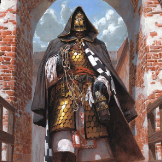


.thumb.png.4e5370fc69f142d96a905e477cd5dd97.png)

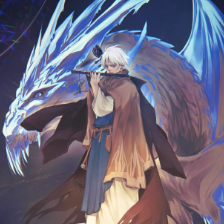


.thumb.gif.f363e1e24ec35c023d600bb13f6d2f03.gif)
.thumb.jpeg.7a2a5c6fda5bc3b4e960a8645bb0ab98.jpeg)
.thumb.gif.c4804540109a430a35eb0021ce7df945.gif)


Recommended Posts