resurectionist
-
Posts
40 -
Joined
-
Last visited
Content Type
Profiles
Personas
Wiki
Rules
War
Systems
Safety
Player Conduct
Roleplay Leadership Guidelines
- Roleplay Leadership Guidelines
- Roleplay Leadership Guidelines Comments
- Roleplay Leadership Guidelines Reviews
Forums
Everything posted by resurectionist
-
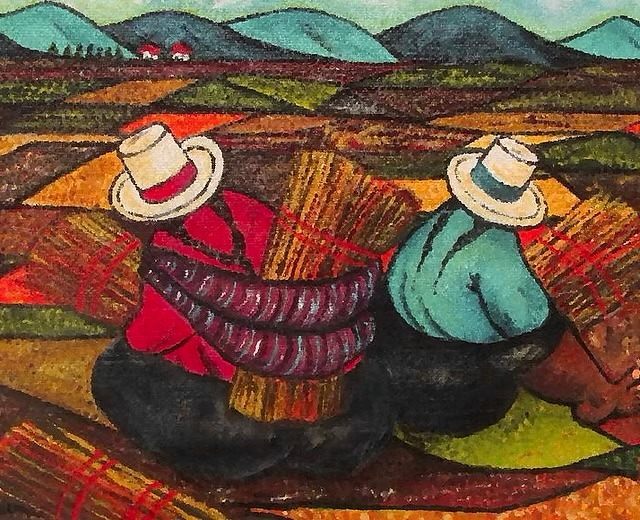
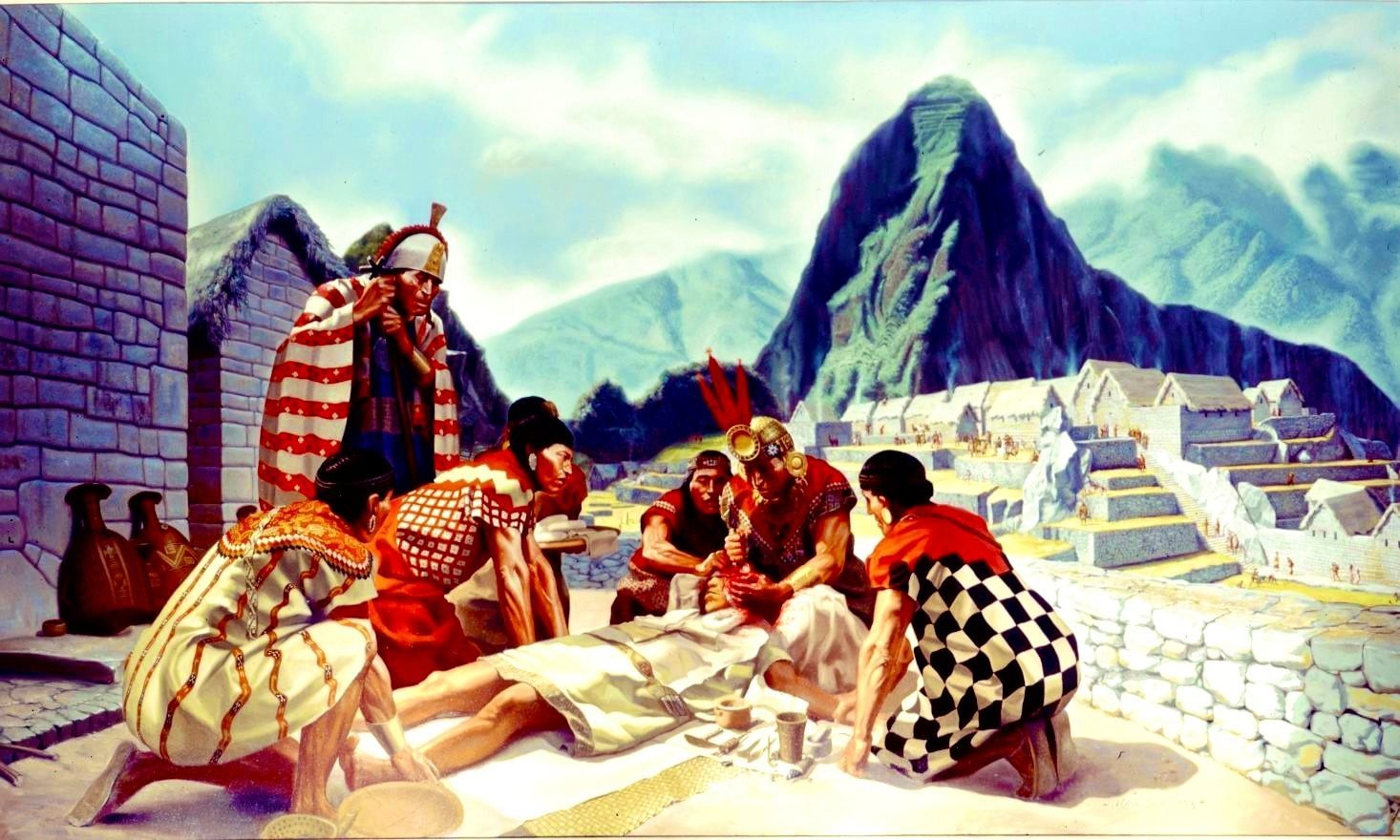
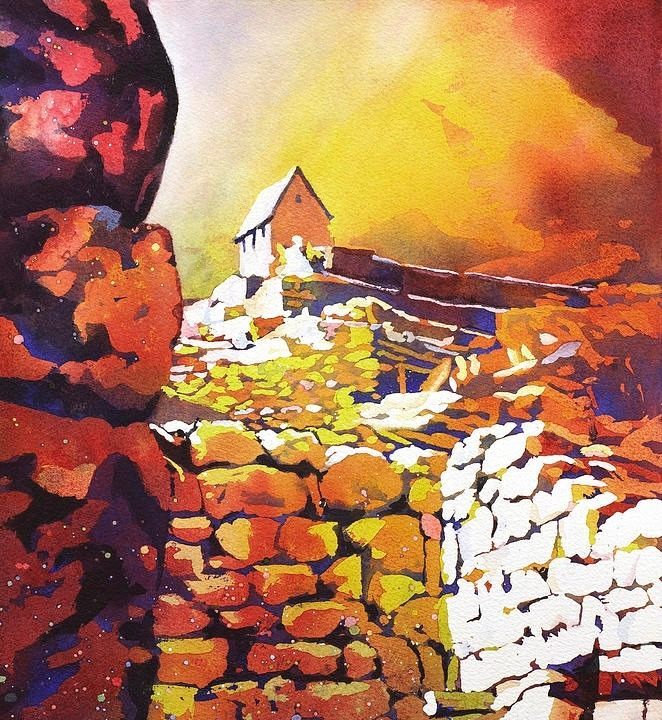
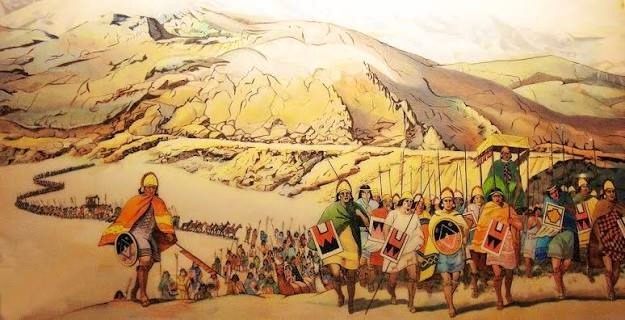
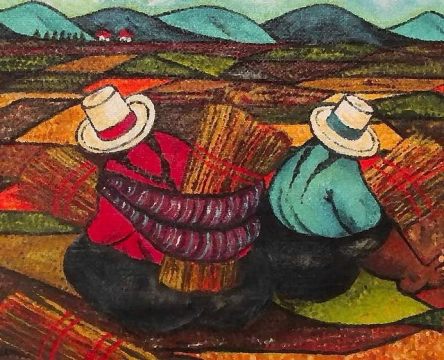
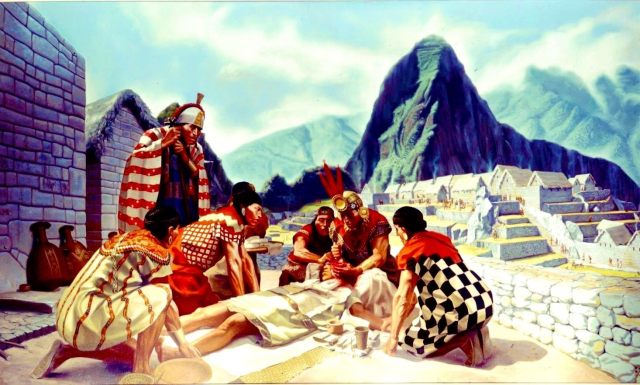
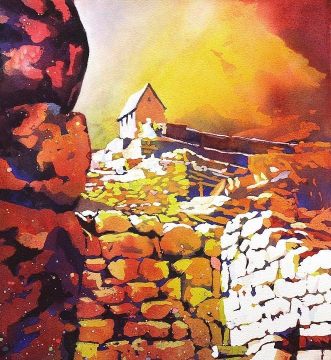
Virúvians are not one distinct ethnicity, but are rather made up of several groups coming together under one banner. They are a people born of strife and struggle, refugees uniting under the protection of Idunia to forge a brighter future. The founding group was composed of Hyspian refugees, abandoned by their monarchs upon the conclusion of the Coalition War. New leaders, of old Hyspia and foreign lands, rose to guide these people. The cultures hybridized and turned away from the treacherous legacy of Hyspia, and these Virúvians embarked on a new path under the high Kingdom of Idunians. Their formative years were filled with strain, danger littering each day, yet such adversity only made these unique people one of strength. Through steady service to the Idunian crown, they eventually formed the High Lordship of Virú, and continue to prosper to this day. The Many Cultures of Virú The Tawantinsuyin: The Panaka of Pachakutiq heralded this culture by way of their founder, Apu Kay Kusikancha Leomonte, when he first sailed to Aevos. The Tawantinsuyin are a proud folk who follow a strict dogma. They do not lie, they do not wallow in lethargy, they remain steady in the face of adversity, and refrain from the imbibement of alcohol. The Tawantinsuyin are a bellicose people, numbering fierce warriors, skilled physicians, and diligent leaders. Though the Pachakutiq family was the main group of Tawantinsuyin for a while, new families are making the journey to Azuras and solidifying the culture in Virú. The Hypsians: Though Virú turned its back on Hyspia, many of its people are of Hyspian descent, including some former Hyspian noble families. Hyspians do not have strict cultural norms, but rather encompass a large group of people who speak in a familiar tongue. These vibrant folk tend to be more artistically and socially minded, though they do produce their own fierce warriors and brilliant scholars. Others: Virú is open to people of all different ways of life, and is proud to carry on that tradition. People from all over Azuras are welcome and encouraged to carry on their traditions in their own manner, while still upholding the Virúvian pillars. CULTURAL PILLARS Though Virú welcomes all people, it is founded on five pillars which every citizen must respect. Family Familial loyalty and respect is one of the founding values of Virú. Loyalty to one’s elders, parents, and to the head of their family is paramount. Bringing shame and discord to one’s family is always a punishable offence, as is abandoning it. Virú has a very strong wardship culture, with many children spending years living with other families. Childcare is communal, though the final authority on the upbringing of children lies with their parents and the head of the family. Growth The constant betterment of oneself. Stagnation and laziness should be avoided at all cost, and people should hone themselves like a blade against a wet stone. All Virúvian citizens are expected to be active members of the community, and try to better themselves. Children are placed in apprenticeships and wardships early on, so that they may learn a trade and hone their skills. Nature Nature - One should strive to live in harmony with nature, to protect and shape it so it might then provide for us. Plants and animals should be respected and treated with care as they provide for us. Virú’s architects take great care to master the environment around their cities, and make sure to introduce nature back into the city. Gardens are present on most roofs, trees are carefully upheld to produce fruit, and terrace farms adorn the cliffs and walls of the city. Community A community is only as strong as its weakest link. Resources and knowledge should be shared, and neighbours should always offer a helping hand, a free meal, or a wise lesson. Blatant arrogance or aggression towards other members of the community is not tolerated. Strength is shown by the ability to help and protect others. Noble families are only elevated when they have shown themselves to contribute to the community, and are then held to a high standard to keep helping those around them. Pride Not the selfish pride one has in oneself, but rather pride in the collective lands and culture. Virúvians celebrate the different cultures its people come from, treat every craft with the utmost care, and ensure they always present their best selves to the world. Though this can be misused to justify arrogance and judgment of other cultures, a true Virúvians pride shines through their actions and achievements. VIRÚVIAN LIFE AND CULTURE The Faith of Virú The Virúvian ruling class are known to be profound followers of the True Faith; however, thanks to the protection of Idunia, there is a clause for freedom of religion for all who reside within good faith in Virú. The people of Virú are seen to be of a spiritual inclination, focusing on the study of saints, the Tawantinsuyin bringing forth a concept that there are two parts of what makes one whole in our reality, physical and metaphysical. The study of saints is a common practice, though Virú tends to favour three. Saint Francisco, the patron saint of Hyspians; Saint Amyas, the patron saint of medicine; and Saint Julia, the patron saint of motherhood. The Warriors of Virú Virú’s culture of personal excellence leads to the formation of formidable warriors. Whether it be by blade or by magic, battle prowess is encouraged from a young age. The community is heavily encouraged to join the guard, as there is no greater honour than defending one’s community. Lessons on self-defense are held regularly - mandatory for children- to ensure everyone is able to defend themselves in battles large and small. Children are trained more than to hone their blade, but also their demeanour and temper - a warrior's strength comes from more than their prowess but also their dignity. Within Virú one would commonly see spars or duels as frequent entertainment. Both as a refinement of one's craft, and as a method of settling disputes. This tradition of resolving conflict with violence can lead Virúvians to come off as aggressive or belligerent, especially when combined with Tawatinsuyin's honesty. The Healers of Virú Virú holds itself to a high medical standard. Children are taught first aid in school, and adults are encouraged to learn medicine. Free lessons are regularly held, and there is a strict training regimen for doctors. First aid and field surgery are taught in simulated battles to ensure medics can work in the most dire of situations. Emphasis is placed on resourcefulness, a wide understanding of afflictions and maladies, and rigorous adherence to medical standards. Though most born and raised Virúvians know combat medicine, surgeons train for years under physicians. To call oneself a physician in Virú, one must have complete knowledge of anatomy, herbalism, alchemy, illnesses- as well as a basic understanding of the effects of curses and healing magics. Health of the body and soul is at the forefront of medical philosophy. There is great emphasis on hygienic work and patient environments. Careful care is given to keep patients well cared for, and to aid them after the fact. Architecture is designed to aid the injured, sick and old, incorporating lifts and slopes to provide ample accommodation for those in wheelchairs or crutches. Medicine is always free for everyone, and citizens regularly donate herbs and remedies to Saint Amyas. Love in Virú Courting varies wildly between couples, depending on their respective cultures, positions, and if the couple is old enough to marry. Either party may ask to court the other, offering a pearl to their love. One may court as many partners as they wish, though they may be wary of playing with the hearts of those from more protective families. During the courtship process, the families of both parties will meet and discuss expectations. When one marries a Virúvian, one marries their family. Marriage contracts are usually elaborate things approved by both families, and can take years to finalize. A common tradition among families is the fighting of the prospect. This is usually done when someone is taking on the family name, and can result in multiple duels, though never to the death. It is important to note that to get married in Virú, one must be 18, and members of peerage families must get approval from the head of their house. Failure to do so will result in legal consequences. After approval has been given by both families, the engagement is finalized with the weaving of the chumpis. These intricate belts made of alpaca wool are woven to represent both families. Each strand is dyed, spun and woven with care and intention. The offering of the belt is finalized with a blessing ceremony, usually done by an elder in the community. Weddings often take multiple days, with separate events held for traditional ceremonies, church weddings, and receptions. The Fashion of Virú Virúvian fashion blends the practical with the beautiful. The wealth of one’s wardrobe is demonstrated with expensive dyes, careful embroidery, and ornate jewelry and armor. Weaving and smithing are the two most prized crafts in Virú, with families often developing their unique style for both. The intricacy of garments comes in the fabric itself or the drape, rather than the cut of the garment. Simple dresses and tunics are draped and belted with care, and armor is adorned with scarves and ponchos. Most clothes are made of vibrantly dyed wool and cotton, as well as ornate leather and metal. Ornamentation is especially prized, with weapons being shown off as much as jewelry. Feathers, beads, tassels and gems are all incorporated, though the gold remains the dominant decoration for most. Hair is one of the few areas with a distinction between masculine and feminine styles. Men tend to wear their hair longer, though short styles are often seen, as well as partially shorn heads. Women, however, do not cut their hair. They only do so during times of deep mourning, such as the death of their husbands. Both genders frequently sport ornate braids, decorated with beads or ribbons. Mourning in Virú Like with most aspects of life, mourning is done communally. Family and friends come together, and the life of the deceased is celebrated. They are honoured with memorials called offrendas, placed in homes and in communal areas. The deceased is represented by paintings or drawings of them, and items that mattered to them in life. It is a way to keep those who have passed close to the community. Virú is not one for extravagant funerals. The corpse of the deceased is carefully prepared by trained individuals, and laid out for visitors to say goodbye. Religious customs are followed for most, though Tawantinsuyins do not burn their dead. The bodies are instead preserved in salt, gold and herbs, and kept in sanctified crypts. In mourning, normally vibrant clothing is dulled to black, brown, yellow, and cream palettes with much simpler and unadorned clothing. Some may veil their face, and this is the only time when Tawantinsuyin women will cut their hair. The Food and Agriculture of Virú In accordance with their pragmatic nature, Virú is very practical when it comes to agriculture. Every garden grows medicinal or edible plants, and every tree serves a specific ecological niche. Free space is dedicated to community gardens, which prioritize high producing crops over ease of harvest. Meat is varied, coming from farms, hunting and fishing. Alpaca, llama and beef are especially common, as well as freshly caught fish. Staple crops include potatoes, maize, quinoa, amaranth and squash, as well as fresh fruits. Peppers are highly prized, as food tends to be on the spicier side. Virú has few baked and leavened pastries, preferring to fry or fire grill dishes, or to slow roast them in embers. The preparation of food is an important ritual to day to day life, as is the tending to crops and animals. There are multiple citizens whose entire lives are dedicated to maintaining tropical fruit trees in the colder climate, and hunters and fishermen work carefully to bring home game without endangering the local fauna. Meals are often prepared communally, over large open fires, with days being dedicated to preparing grains and preserving ingredients. Her Ladyship, Lady Anacleta Paqar Pachakutiq, Mother of Virú



-
So quiets the Mountain [PK]
resurectionist replied to ChainedDragons's topic in Commonwealth of the Petra
The lady sighed, folding her sister into her arms as Gloria broke into sobs. Hart had not been all that she had hoped for her sister, but he had helped make her happy. Without him, her beloved nieces and nephews would not be here, and she would always be grateful for that. A soft prayer formed on her lips. She would not see him again- he had had his own faith- but she hoped he would find peace. —————————————— Locked in his tower, surrounded by piles of paper, Stigandr sat very still as he read the news. He sat there for hours, just staring at the words. His father and him had not been close, but he had always known the knight had loved him. He had always known he would have him to fall back on, and that certainty was now ripped from him. Shaking hands brought his rosary to his lips, and he closed his eyes. A last prayer for his father. -
The Lady frowned at the missive, rubbing her temple. “Why is this man so obsessed with Hyspia…”
-
HYSPIAN LIBERATION WAR -INTERNAL CONFLICT-
resurectionist replied to Kardika's topic in Federal Government
A group of Viruvian soldiers went around adding this next to all missives! https://www.lordofthecraft.net/forums/topic/249627-virus-response/ -
-𖤓-VIRU-𖤓- Estamos bien aquí Issued on the 22 day of Malin's Welcome of the year of 247 SA. In answer to John Oren and Salvo We have no part in this, did not call for this, and will not take any part in this. We are a loyal vassal of Numendil, and of the Empire, and have no desire to change this. Any Hyspians trying to regain their titles under this so-called republic will be considered treasonous and treated as such. Viru honours the terms of Hyspia’s surrender, and renounces all Hyspian titles and claims to the throne. VAYA CON DIOS Signed, HER LADYSHIP, Lady Anacleta Paqar Leomonte, Lady Paramount of Viru, Lady of la Villa de Francisco, Knight of the Realm, Protector of the Hyspians
-
MC Name: resurectionist Discord: resurectionist Image: Description of Image: Tapestry part 1 Dimensions: 2 high, 1 wide
-
To quote Monte himself: RAAAAAAAAAAHHHHHHHHHHHHHHHHHHHHHHHHHHHHHHHHH
-
Una Celebración de la Mayoría de Edad Issued on the 8th of Sun's smile of the year of SA 244. It is the Leomonte Family’s great honor to announce the 15th birthday of Lady Xiomara Inti Estelwen. Please join us in celebrating her debut in society, and her first steps into adulthood. To commemorate this event, the Noble House of Leomonte invites all to join in the celebrations. A grand ball will be held in La Villa de Francisco, in the Lordship of Viru. There will be dancing, games of skill, and of course, open fights for any who wish to participate. Formal Invitations HIS ROYAL MAJESTY, Tar-Zôrzagar Arthalion, Apostolic King of Idunia, his Royal Household and Subjects HER HIGHNESS, Princess Azruphêl Mithrenion, Lady of Angrenost, her Noble Household and Subjects HIS HIGHNESS, Llewyn Glennmaer, Prince of Garenbrig, Lord-Paramount of Tir Coeth, his Noble Household and Subjects HIS HIGHNESS, Tarufinwë Sylvaeri, Prince of the Almenodrim, Lord of Eldalondë, his Noble Household and Subjects HIS GRACE, Therin Temesch of the Petra, Archduke of the Petra, his Noble Household and Subjects HIS GRACE, Mateusz Sarkozic, Duke of the Adrians, & Count of Aldersberg, his Noble Household and Subjects HIS GRACE, Duke Vitalius Vourkehardt, Duke of Caladras, his Noble Household and Subjects THEIR LORDSHIPS, Maerîl O'Rourke, & Edwyn O’Rourke, Lady & Lord of Ildon, their Noble Household and Subjects HIS LORDSHIP, Count Zygmunt Euler, Count of Eulersburg, his Noble Household and Subjects HER LADYSHIP, Lady Russandiel Wick, Lady of Wîchadûn, her Noble Household and Subjects HER LADYSHIP, Lady Acelia Colborn, Lady of the Scyflings of Kazan, her Noble Household and Subjects HIS LORDSHIP, Lord Arthur Marsyr en Rhysfelgar, Lord in Cartef Mor, his Noble Household and Subjects THE ESTEEMED SALAZAR FAMILY THE ESTEEMED MONDBLUME FAMILY THE ESTEEMED TRASTAMARA FAMILY THE ESTEEMED FONTESAR FAMILY Personal Invitations HONOURED MEMBERS OF THE HARREN COURT THE NOBLE STAFYR FAMILY THE ESTEEMED CALLAGHAN FAMILY THE ESTEEMED HELENOR FAMILY THE DE ALENCAR FAMILY SIGNED, HER LADYSHIP, Lady Paramount Anacleta Paqar Leomonte, Lady of Viru and Knight of the Realm HER LADYSHIP, Lady Xiomara Inti Estelwen Leomonte
-
La Corte Girasoles Celebrando A Nuestras Hijas Issued on the 4 day of Sun's Smile of the year of 244 year D.R. A call to all Hyspian families Whether you are of Viru or diaspora, this call is for all those families of Hypsian heritage. Many young ladies are approaching the age of their Quinceañera, and we wish to help ensure the preservation of this most beloved tradition. Preparations We propose a joint effort in planning these celebrations, to help with preparation and scheduling. Interested young ladies of Hyspian descent will be able to join this group, to share resources and information. We will also be hosting classes on traditional Hyspian dances, and open the ballroom of La Villa de Francisco for anyone displaced by the recent attacks of the mountain. Vaya con Dios, HER LADYSHIP, Lady Paramount Anacleta Paqar Leomonte, Lady of Viru and Knight of the Realm LA SEÑORA, Evangeline Salazar HER LADYSHIP, Lady Xiomara Inti Estelwen Leomonte
-
Anacleta looked this over with a proud smile. Her daughter took after her!
-
"Mija, stop making fun and stand still. Every time you complain I add a ruffle." She consulted the endless list of rules, adding a few changes to the apparently very strict court dresses her girls would need.
-
La Corte Girasoles A ball of beauty and blossoms Issued on the 12th day of The Sun's Smile of the year of SA 234. Come celebrate this new season with us! As we enter this new age of the Empire of Man, we see Dios bless us in so many ways. Villa de Francisco wished to honor these changes and blessings by hosting a ball centering the beauty of His creation. Participants are asked to dress to honor the beauty He has blessed us with, theming themselves after their favourite flower. The most creative and beautiful costume will be receiving a prize. We will also be honouring the caretakers of His creation, and ask gardeners from around the Empire to come showcase their work. There will be a prize awarded for the most beautiful homegrown plant or flower. Blossom of the Ball The winner of this award will earn a grand prize consisting of a precious starforged sapphire necklace and 50 minas. To win, participants must be wearing a dress clearly representing their chosen plant. Points will be awarded for uniqueness of the plant as well as creativity and accuracy of dress. The Green Thumb The most skilled gardener will earn a grand prize consisting of rare seeds, a sniffer egg, and 50 minas. To win, participants must bring in a plant they grew themselves, without magical intervention. Vaya con Dios, ALCALDE Anacleta Paqar Leomonte SENORITA Evangeline Mara Salazar
-
VILLA DE FRANCISCO We are delighted to welcome you! Issued on the 14th of The Deep Cold of the year of SA 233 A New Beginning For several years now, the Hyspian Diaspora have been living in a village of tents. With the hard work of our people, and the gracious protection of Numendil, our dreams of a more permanent home have been realized. The construction of our new town, Villa de Francisco, has been completed. The work is done, and now is the time to celebrate! We would invite any and all who wish to celebrate with us to come and see our beautiful new home. A scavenger hunt has been planned, a game to familiarize the participants with the layout of our town! After, a massive feast will be held, with a wide variety of food for all. If you wish to bring a dish, we will happily accept it! Then, when everyone has a full stomach, we will dance the night away to the sounds of Hyspian music! Scavenger Hunt A competition is nothing without a prize, so do not fear, the top three Hunters for the Scavenger Hunt will win the following prizes: 1st Place: 100 Minas + Trophy 2nd Place: A Sniffer egg + Trophy 3rd Place: Ttrophy Vaya con Dios, ALCALDE Anacleta Paqar Leomonte EMBAJADORA Gloria Taqui Leomonte
-
“Long Live The Queen, and Long Live Xiomara the Golden.” Anacleta smiled sadly, before tucking away the missive and turning to the giant pile of papers on her desk. “Time to get to work…”
-
Ana grinned brightly, helping post up the missives. "Viva Hyspia!"
-
"Some help would be nice for Mariana..." She smiles, going to help clear out more rooms in the servants' quarters.
-
THE DEATH OF SER CIRILLA: THE SERPENT KNIGHTS DEMISE
resurectionist replied to _mady07's topic in Farallón
"May she be at peace now.... I hope they'll be alright..." She sighs, going to find her friends, hoping to offer comfort. -
MC Name: Resurectionist Discord: Resurectionist Image: Description of Image: Painting of a spider on a flower Dimensions: 1 by 1
-
Regarding Blessed Francisco of Altamirano
resurectionist replied to Lortime's topic in The Church of the True Faith
Anacleta reads the notice with a smile, posting it up in the cadete room. -
Angelito o Amigo Secreto: Valentines Gift Exchange
resurectionist replied to Bethinwonderland's topic in La Corte de Girasol
Anacleta grins as she looks the missive over. "I can't wait to see who gets candygrams for who...." -
The Gambit of Vangelis Mareno
resurectionist replied to olpx's topic in The Church of the True Faith
Anacleta sighs, putting her weapons away. "One more heretic down..." -
Anacleta chuckles, rolling out bolts of fabric. "Si! And we can sell pijamas!"
-
Username: resurectionist Roleplay Name: Anacleta How old are you?: 6 Do you have parental permission?: Si! Why do you Want to be a Cadete?: Because it was my idea!
-
THE FUTURE OF HYSPIA Issued on the 9th day of Maria’s Peace of the year of 137 D.R. The Cadetes Corps The Sovereign State of Hyspia is happy to announce the creation of a division of cadetes under the Order of Francisco - non-combatant, it focuses on teaching life skills such as self-defense, teamwork, and discipline to use later in life. Children will be able to join from ages five to fourteen, learning alongside one another. Los Cadetes Franciscanos To join the Cadetes, you need only to send a letter in reply to this missive - alongside having your guardian’s permission. What you will learn during your time in the Cadetes consists of safety drills, basic self-defense, first-aid, and varying skills that will help you no matter where you end up in life. Preparing you for the future, if a Cadete chooses to join the military officially as an adult, the training that they have undergone will set them up for success. [!] The Cadete Uniforms are depicted. [Credit to @resurectionist for the Uniform skins and to @melpomene for the FTU mannequin skins!] Recruitment Form Username: Roleplay Name: How old are you?: Do you have parental permission?: Why do you Want to be a Cadete? Z DIOS LOS BENDIGA, HIS EXCELLENCY, Leomonte, Capitan de Hyspia SEÑORITA, Anacleta Paqar Leomonte, Cadete Capitan de Hyspia SEÑORITA, Pricilla Fontesar, Cadete de Hyspia
-
Heylise closes the book with a smile as she finished reading the story to her daughter.