.gif.5765744f1cfd3a8641aaa1996864c507.gif)
Werew0lf
-
Posts
1454 -
Joined
Content Type
Profiles
Personas
Wiki
Rules
War
Systems
Safety
Player Conduct
Roleplay Leadership Guidelines
- Roleplay Leadership Guidelines
- Roleplay Leadership Guidelines Comments
- Roleplay Leadership Guidelines Reviews
Forums
Everything posted by Werew0lf
-
To the ‘Pontiff’, I will write this in plain words, no titles afforded to my name, with no imperial seal to bear this parchment. It is an unfortunate reality that is the penchant of Man and it often manifests in arterials of hubris and egoism–an ironic statement, for I hold myself in high regard. Whilst Man is at the precipice of continental domination, you have proven once again to be deluded in your judgement. It is the role of the Vicar to guide the flock of our most holy Lord GOD, yet time and time again, you have turned blindly to the ill-begotten shepherds that marr your pious institution. The role of Vicar and the role of Emperor should be of a mutual balance – you deal with the priests, and I deal with humanity as a whole. Whereas I strive to make Man see their potential on the living world, it is your goal to ensure their lives are bereft of the influence of Iblees, and to save their souls into the Seven Skies. You have failed in your duty. At one pivotal moment in history, your church held the key to this harmonious mandate – the ability to will Man. My father sacrificed his childhood and his land, allowing it to be governed by your shepherds because he found himself entrusting those closest to virtue. When victory came, the bareness of the Church lay outwards, you pulled away the barbery of your sceptres and the vestments of your liturgy to prove you had no intentions to see humanity unified. If you thought it was easy to push around my father, who himself is a great man of respect, you must have lost your mind if you believed I would kneel to the raucous antics of a half-man. I thought I made the instruction to His Holiness abundantly clear: Garner a faith that proliferates virtue and righteousness. Avoid consequences of my loyal vassals in times of war. Ensure unity, as was our original mission. Your disdain for Sigismund gained you nothing; continuously, your shepherds found themselves prodding the side of my men, and thus myself. I offered communication, and you responded only with your belittled self-esteem. Owynists were persecuted for hundreds of years, but why is the path of revenge to mirror this persecution? We lived by the True Flame and were granted mercy by our Canonist forebearers, who privy us to the rights of priesthood and marriage, but you would deny it for those who attempt to live peacefully beneath my banner. They bleed for humanity more than your faithful shepherds, and they fight for Man. Yet your extent lay not just beyond the grasp of the Jorenic, but you then started to hurl at my other vassals of the finer faith. As you continue to cause issues for myself, you then weep the cry of succor and hope that this insights some great conflict of civil-war; for what effort? To regain a mutile of influence? You have overestimated your image and relations with others. I do not think any of my vassals will stand on your side. I do not think my friends in Idunia will either. That is not by my word or law, but their own accord. They can speak rightly on this themselves, or refute this. You have – in truth – made this option easier for me. I will await your next response, just understand this plainly: if the name Hadrian is written alongside the word ‘Excommunication’, you will be the first to see the gates of our Lord GOD. I admit to beating your priests–they deserved it, you know they did, but your ego does not allow you to agree because ‘you want to be the ones to punish them’ as some little show of force. Father Anselm? Yes, he was killed under my orders. In truth, I did not kill him for any pious reason barring disunity. I was also not fond of the tongue he used against Argelion and his son, including the way he spat out towards them and insulted their tribes. He acted bereft of the grace of GOD, spitting out towards good men and women who aim to assist us in furthering our goals in mutual existence as friends and comrades. You did not listen to my first command, so here are your new orders: You will come to me for penance. You will be issued your penance -- a discussion will be held alongside my friend Argelion, and then, I will find a new Vicar to guide the flock. You will sit there and be silent until then, and cause me no further issues. Flame guide you, Hadrian.


-
Xarkly is running this? Let’s wrap it up. just kidding man!
-
Issued and averred by the office of the IMPERIAL CROWN ✠ HEED, LEAL SONS OF HOREN; The cowardly dwed have hidden ‘neath their mountains and in mine-holes for far too long. It is they, who in their hubris demanded for my abdication and the head of my cherished Grand Knight. The squeamish, squeaky orcs hide behind dwarven walls and strongly-worded condemnation letters in desperate attempts to maintain some sort of morale. They cry ‘We are Defenders, we are Defenders!’ to catch even the slightest slither of victory. It is my unending mercy that guides my hand in ridding them of their weak, pathetic leaderships; and I urge any who wishn’t die for such loathsome creatures to stand down, or to submit to the will of the Empire. For once the dwed are conquered, and their homes turned asunder, the urukim shall be next. And to those of our tribe who flocked to the dwarves and urukim, your history will be marred. Your children will grow up, knowing they were traitors to their own kin. You are no better than the lizards you fight with. For now, the Empire marches on Southward. Run. AVE IMPERIUM! H V M A N I T A S I N V I C T A “Für Gott und Kaiser,” HIS IMPERIAL MAJESTY, Hadrian I of the House Horen, by the Grace of GOD, Emperor of Man, Holy Imperator, King of Seventis, Salvus, Renatus & Oren, Duke of Middelan, Helena, Lorraine, Sunholdt and Reutov, Baron of Pestilles, Protector of Grense, Protector of the Heartlanders, Patriarch of House Horen & the Tiberian Dynasty, Captain-General of the Church, Defender of the Faith. BVRGVNDIA IMPERIVM HIS ROYAL MAJESTY, Tar-Zôrzagar Argelion Anorion Harren Arthalion, High King of Idunia, Prince of Númendil, Chief of the Númenedain and the Tribe of Harren, Defender of the Númenaranyë, Sovereign of Númenost and Alduun, Knight of the Realm, Slayer of the Gilded Queen, Master of the Sharadûn, Protector of the Adunians Warclaim Type: Annexation Tile Goal: gold_leaf_1 Aggressor: The Empire of Man & Allies Defenders: The Grand Kingdom of Urguan & Allies Warpath: All other nation-vassals, provinces and allies will comment on their war-paths below.






-
.thumb.gif.4284906d3788a322c219fc4b2911a67d.gif)
household Rise Of Valkistar: A House & Kingdom
Werew0lf replied to Actiongameinc2's topic in Creative Writing
Hadrian metagames the vampire kingdom and sends his knights to kill Valdrake. -
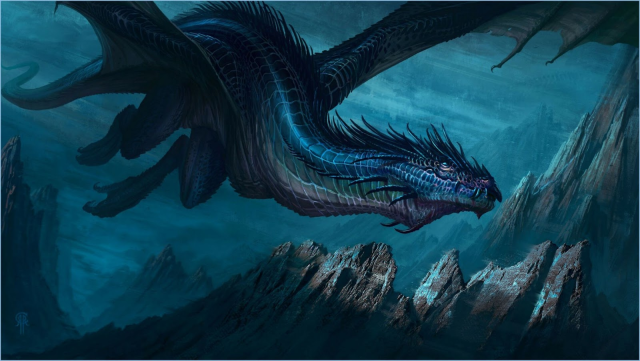
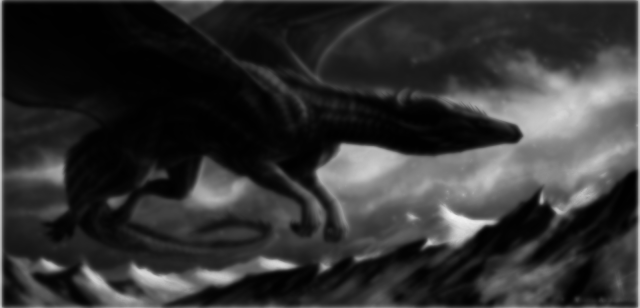
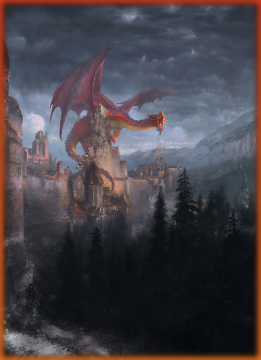
𓆩 ༺ ✧ D ʀ ᴀ ɢ ᴏ ɴ ᴋ ɪ ɴ ✧ ༻ 𓆪 O ʀ ɪ ɢ ɪ ɴ Tʜᴏꜱᴇ ᴏꜰ Dʀᴀɢᴜʀ Dragur gazed at the early, young world - the realm of Aegis was scarce, filled with the bounties of life. Where else deities could cultivate a following and grant their worshippers divine arts, the naive Daemon of Knowledge wanted to make something perfect. He desired for creatures of his image; life that sought for knowledge, which could explore the world, and capable of free-will much similar to the descendants. At first, he moulded the first of his kin - the dragaar - from stone, carved from the heaping, lifeless mountains of the old materium. Curating and forging a perfect soul and vessel with inscrutable power and capacity to contain magic or sorcery. His first creation, Drauchvoszas, his most magnificent; a wonder as from stone and soil he created what no other ever had before, nor would they after; a soul. However, with time, the Daemon perfected his craft and came to make more dragaar with ease. Yet, none could beat the superiority of his first sons and daughters, each vested a fraction of his magnitude and power, crafted with more time, effort, and meticulous planning. Each dragaar ventured into the world in search of knowledge, mirroring their father; descendants cherished and feared them - all in good light. The lesser dragonkin, those either lacking the same potential of the dragaar, were birthed in time - either by the hands of Dragur, his dragaar, or by means of natural development unknown or lost to time. Some warped and adapted to environments, whilst others changed by abnormal forces. Although made in perfection, the dragaar and those lesser dragonkin were faulty in design - as for much good they could come to bear, each had the potential to be quickly ruined by the hands of Iblees and other destroyers who sought chaos and evil. This was proven during the first war of the Gods, where Iblees manipulated Dragur’s pride, Drauchvoszas, into a discipline of his own. Azdromoth, The Archdrakaar. While perfect creatures, they too could be corrupted like any man. Over time, with each passing continent, the number of dragaar, drakaar, and other dragonkin continues to dwindle - scarcely seen by the eyes of descendants outside of mere legends or dangerous circumstances. For millenia were they hunted for sport, for sorcery, or for vengeance alike by Aengudaemons and Man. That is until The Age of Dragons, from which dragons across the earth - be it by circumstance, magic, or otherwise, emerged once again to take to free skies. The Second Age. Cᴏʀʀᴜᴘᴛɪᴏɴ Aɴᴅ ᴛʜᴇ Dᴇꜱᴇᴄʀᴀᴛɪᴏɴ ᴏꜰ Dʀᴀɢᴜʀ The creation of the Dragaar was considered a flawless design by many among the heavens who gawked upon it, some would consider the time, and effort put in by the Daemon of Knowledge during the process of their refinement. Souls untampered and without influences, larger than the descendants, and more potent. A flawless, unique creation unprecedented both before and after their make. Yet this, too, is an imperfection of their design. Although considered the purest form of soul, or spirit, the Dragaar are easily influenced by other forces, including those of ruin. Due to this, a Dragaar is eeasily corrupted, and with significantly wounding touch of any influences of Iblees, be it those of malflame, necromancy, or that of mysticism, can burn through their scales and unturn their pure souls into vessels of evil and madness, known henceforth as the Drakaar. With time, and for some, the soul of the Dragaar begins to wither, dampening their raw physical strength and perverting their mental capacity. However, this is not the case for all Drakaar, as seen with Azdromoth whose soul remained extremely potent beyond his corruption. Many would consider the Dragaar’s susceptibility to corruption to be their most vital flaw, but at the same time, the purity of their soul also grants them a greater breadth of aptitude in other crafts, such as the influences of other Aengudaemon who are less harmful to their own nature. It is extremely difficult, and to most, impossible for a Dragaar to undo their corruption; since the dawn of time, no Dragaar has truly escaped full scathing corruption to their soul. The only outlier to this being Azdromoth, whose soul was only cleansed from ruin’s taint upon his ascension as one of the Aengudaemonica, escaping his mortal coil. Though scarce, it is known that some Dragaar who have been spared corruption, but not fully consumed by it, can find themselves purified from its taint. As noted in the old sepulchre of history, when Sordran was nearly claimed by corruption, but saved by the hands of Tahariae before he could transform fully into a Drakaar. This is also why, for some Dragaar, they find themselves under the servitude of the Aengudaemon due to their resilience to corruption. Corruption does not seem to bear its influences only on those of the greater dragonkin, but can also find itself seeping through the crevices of lesser dragonkin – for example, the dragons. They, too, are prone to corruption, and take on similar attributes to their greater ancestors. The name for a dragon who reaches full corruption is known by the designation of Drake. Upon reaching full corruption, a Dragaar is known by the titular of Drakaar; there are numerous contentions with how corruption manifests, but to note: Dʀᴀɢᴏɴꜱꜰʟᴀᴍᴇ: The flame of a Drakaar, and even the other dragonkin, will take on a more sickly colour, either a deep violet, black, green or, sometimes, a heavier crimson hue. Usually, this is dependent on the influence or cause of their corruption – for example, though not confirmed, if green malflame is the source of one’s corruption, their flame could mirror the same hue. Dʀᴀɢᴏɴꜱᴄᴀʟᴇꜱ: The scales of a Drakaar, and even on those of other dragonkin, will take on the appearance of their initial source of corruption. Some will undertake a sheet of black, sickly scales, burbling with noxious fumes. However, some might find their bones protruding out from beneath soft, withering scales, forced by the hands of necrotic corruption, as evidently seen in Mordring’s fall into the Abyss. On the contrary, a dragonkin might find their scales exasperated by the qualities of demonic flesh, such as extra eyes protruding across their body, or taking on the visor of malflame. Their appearance can be complex, as much as their scales. Sᴛᴏɴɪɴɢ Tᴏ Sᴛᴀᴠᴇ Cᴏʀʀᴜᴘᴛɪᴏɴ Although prevalent to all dragonkin, there is one design that seems only relevant to Dragaar, and the Dragaar alone – it is not known if this is a self-generated attribute, or purposely implemented by the Daemon of Knowledge who foresaw this potential of future depreciation. Known as Stoning, a Dragaar who finds themself at any point undergoing corruption, or, may be at risk of being corrupted (either before the process, or during the proceedings of corruption), that has yet been fully corrupted and turned into a Drakaar, is able to undertake a rite of suicide. It is unknown how the actual Stoning process begins, but the Drakaar understand this. By some willpower, or perhaps magic endowed by Dragur himself, the Dragaar will start to recede back to their prior state of existence–a stone-like effigy as though the mountains carved by Dragur had yet to be willed into life. Usually, the process of stoning begins from the lower-haft of the Dragaar, and slowly works its way up towards the snout, until all life is extinguished. One fact is known, the process of Stoning can only be accomplished when a Dragaar is not in a descendant disguise, in their full, true draconian forms. When fully turned to stone, it is unknown if the soul remains withheld in their body, disperses into the soul stream, or simply ceases to exist. There are no known cases of stoned Dragaar returning from their stone-state. Lᴇxɪᴄᴏɴꜱ Tʜᴇ Lᴇɢᴀᴄʏ ᴏꜰ Kɴᴏᴡʟᴇᴅɢᴇ Dragur’s progeny do not forsake what his mission was to begin with. Knowledge, wisdom, understanding. Kept closely, beyond the eyes of any but scarce couple mortals, are their most treasured possessions; Lexicons. A Lexicon is akin to the soul of a greater dragonkin. While it may not physically tie or tether them, it is a piece of magic instilled from effectively their cradle and conception. Crafted from mountains, The Dragaar spawned with their Lexicon- and near all known to this day, clutch theirs extremely closely. Only one Lexicon had ever been opened by a mortal, that of Aedrex, and such was subsequently revoked from mortal hands shortly thereafter. Knowledge understood hereon is scarcely understood, and in part conjecture or theory. A Lexicon is the summation of the life of a greater dragonkin. All knowledge, understanding, theories, memories. It is the mind of a greater dragonkin made physical, so long as a dragonkin maintains touch or possession of so. It is unknown what would occur would one dragonkin gain access to another, or a lesser dragonkin acquiring a lexicon. Given a Lexicon is in-tune with a Dragaar’s soul, unchangably linked to their being, the potential is unknown. Not all greater dragonkin currently living are tied to their lexicons, with some lost, cast away, or forgotten when drakaar corruption takes over. Some, such as Neridraza, believe a Lexicon may restore or revive Dragur when completed with all knowledge attainable. Others believe it is merely a told. G ʀ ᴇ ᴀ ᴛ ᴇ ʀ D ʀ ᴀ ɢ ᴏ ɴ ᴋ ɪ ɴ Cʜɪʟᴅʀᴇɴ ᴏꜰ Dʀᴀɢᴜʀ Dʀᴀɢᴀᴀʀ - The first sons and daughters of Dragur, all sculpted from his divine hand of mountains before written history. Dragaar are large, titanic dragonkin who are gifted with intelligence, beauty, strength, and a perfect vessel to store immense power. They are capable of communicating with descendants, yet utterly eclipse them in raw physical size and strength, whilst also being gifted with potential that makes them practical demi-gods in the walking world. Each dragaar will differ in size and colour, and each will have their own goals or purpose unique to their personality. Some since the first war have fallen into the hands of the Aengudaemon and become their patrons, bestowed with their powers, whilst others will remain neutral and simply wander the realm in search of knowledge or purpose. To some, deific alignment was only natural with survival; offering protection from corruption and protection from murderous powers (Such as Xan, or Drakaar). To others, to sell their gifted soul and shell of Dragur unto another deity who played hand or stood by his destruction would only ruin their pride. Whilst considered protectors of descendants, this may not be the case for all dragaar - their motives differing to their own. Although dragaar are uncorrupt by soul, this does not mean they are incapable of being selfish or having agendas that may seem cruel to others. Naturally, there is a degree of separation between the common man and demi-gods. This makes it impossible to gauge whether or not the dragaar themselves are hostile, but most known dragaar have been friendly or at worst nonhostile to descendants. Despite the notable events of Azdromoth’s Apotheosis, it is highly unconventional, though not unheard of, for Dragaar or Drakaar to instill mortal threat unto an Aengudaemon - this example being one of highly specific circumstances which had lead to Xan’s defeat. A perfect soul also opens them to influence, and this includes corruption. A dragaar that becomes corrupted will fall into ruin, warping into a drakaar (as explained above). To stave off their corruption, noble dragaar turn to suicide by means of permanently converting their body to stone, with their minds eventually dwindling into unconsciousness or losing their sapience overtime. The soul of a dragaar is desirable by all forces; both mundane and deific, at any cost to acquire. Dragur gave each dragaar the ability to blend into mortal society for the sake of knowledge-gathering by means of polymorphing into a descendant. However, Neridraza specifically began to lose their draconic selves after remaining as descendants for years, incapable of turning back into the mountainous dragonkin they once were. Though this is the only known speculated case, it may not be isolated. Lɪꜰᴇꜱᴘᴀɴ: The dragaar are immortal creatures, for they cannot die of age or normal diseases. However, it is clear that the dragaar can be killed by means both mundane and magical. Bᴇʜᴀᴠɪᴏʀꜱ: A Dragaar’s responsibility and mindset first and foremost is to survive at any cost; whilst some may follow nobly in Dragurs footsteps, or seek to fill a vacuum of power after He or Xan’s death, a Dragaar is ultimately a creation unprecedented and unparalleled - seeking, at any cost whatsoever, to survive uncorrupted over anything else. Hᴀʙɪᴛᴀᴛ: The location of each dragaar varies, for some choose to leave the realm, to create their own homes, or they blend into mortal societies. Kɴᴏᴡɴ Dʀᴀɢᴀᴀʀ: Sordran, Neridraza, Taynei’hiylu, Aruzond, and Aedrex are known by descendants. However, there may be more that live in seclusion. ARUZOND: Though not confirmed, Aruzond is considered to be the second of Dragur’s creation, and one of the largest Dragaar in existence (barring Azdromoth, as he is no longer considered a Dragaar). He has been afforded the moniker of ‘Archdragaar’ by many of his kin, but this is – in general – a more ceremonial title amongst their brethren. Spirited by the shattering of the cosmos, Aruzond undertook a grave task beneath the banner of Gazardiel, the Elder Aengul of New Beginnings, as his patron. With the death of his lord, it is unknown what his current goal is; time has grown dull upon his face, and he has lost the youthful spark he once bore in the war of Iblees. His current status is unknown, but there have been hints that he has started to walk the continent of Azuras. » Draconic Appearance: Aruzond has appeared before mortals, both in the great war, and in more recent times during Aevos. He has been described as a great dragon bearing sheets of layered gray scales, thrice the size and length of mountains, covering whole kingdoms in his shadow. Despite this, he is believed to have a thin frame, and his chin boards a thick beard. Sorcery and magic exudes his appearance. » Descendant Form: Aruzond has been known to wander the world under numerous guises, such as ‘Iryalen’ or as ‘Thalandir’, normally appearing to be an old human wizard holding a gray staff, with plain, scraggly robes of a similar hue. This has defined him as the ‘Gray Wizard’ by those who speak of him. » Forum Link: https://www.lordofthecraft.net/forums/topic/224615-dragaar-aruzond-warden-of-the-north/ NERIDRAZA: Despite being one of the eldest Dragaar, Neridraza exists as a contradiction to the rest of her kind. After The First Atrocity, in which Drauchvoszas became Azdromoth, Neridraza scantly returned to her draconic form; vesting near-all her power into her lexicon. While still a sorcerer of unmatched power, Neridraza is a dragonkin who walks Aos and Eos as a descendant, taking upon disguises to blend among the peoples that walk the earth and to study from them. Neridraza is known to be living, due to clues and messages oft left behind in her discoveries, but her whereabouts have been a mystery for centuries. Neridraza, unlike most her kin, has no combative prowess, no intent to save descendants or dragaar alike. She exists purely for form of study, in hopes that perhaps one day she may restore her father to greatness. » Draconic Appearance: This has not been discovered in roleplay. » Descendant Form: This has not been discovered in roleplay. » Forum Link: https://www.lordofthecraft.net/forums/topic/224164-dragaar-neridraza-the-archiver/ TAYNEI’HIYLU: While in no means young, Taynei’Hiylu is often known and spoken of as the youngest amongst the Dragaar, so much so as earning the moniker of ‘Fledgling’ when compared to those that broke free from the land before. This lapse in time led the young dragaar to take a far different path than that of her kin, disguising herself as a young, studious mali amongst the druids of the first grove, learning their ways and working amongst them until the First War arrived. It was during such a time that Iblees’ forces worked to invade the grove; the eldest of Dragur's children, Azdromoth, drove Taynei’Hiylu to flee, sundering them from the air. In the moments before her demise, she made a vow with the Aspects, eternally binding her to their service in full, in exchange for her life to be saved. That said, while forced into this role, the green dragaar has morphed into the silent gods' most dedicated and valuable servant. Working with the druids of the mortal plane as well as acting as a guide for the Mali’ame people through her centuries of time, when not lulled in the deep slumber of the Eternal Forest. » Draconic Appearance: Unlike other Dragaar Taynei’Hiylu has largely given up much of her draconic heritage, not bearing a name of the draconic but one of the elves. Her name, which evokes her own essence as The Green Spirit. A powerful druid within their own right, the dragaar holds greenscales on the length of their form, intermixed with various flora and roots. Most commonly known for her blight-cleansing flames in this state. » Descendant Form: While wandering the world has not been her forte, having made enemies of not only her kin but many other dark creatures, binding herself to the Aspects. Taynei’Hiylu often takes on a simple appearance akin to an elf, more commonly a wood elf, given her admiration for their people. Holding tanned skin, emerald-hued eyes and fiery hair, the dragaar dresses in common clothing, usually with a simple walking stick. Taynei’Hiylu holds no known name when travelling the lands in a descendant form, having spent short stints in it for many past centuries. » Forum Link: https://www.lordofthecraft.net/forums/topic/224617-dragaar-tayneihiylu-watcher-of-the-wilds/ AEDREX: The Collector was once a tenuous friend of descendants, seeking to take magical arts and artifacts away from descendants in a form of altruism. The Dragaar had once distrusted descendants to not endanger themselves, and thus sought across Aos and Eos alike to take from them what they were not meant to have. It was after the destruction of The Library of Dragur upon Athera and the subsequent raiding of his vaults that Aedrex had come to actively despise descendants, believing them to be a malice and blight that caused harm and havoc wherever they went. Once Gudour had taken to his vaults and called them his home, Aedrex reclused to find a new roost - one yet still unseen by descendants. With this however, his fury was unmatched as he watched descendants pick clean his vault of that which he kept from them - a promise made that he would never come to trust them again. » Draconic Appearance: This has not been discovered in roleplay. » Descendant Form: This has not been discovered in roleplay. » Forum Link: https://www.lordofthecraft.net/forums/topic/224616-dragaar-aedrex-the-collector/ SORDRAN: Sordran was a great ally of many heroes during the turbulent days of Aegis, having assisted the descendants and created his own Order of fellow knights that were each endowed with the prowess of the Aengudaemonica, such being the clerics of Tahariae. Eventually, the means of which are struck through history as an act of shame, Sordran became a patron under the servitude of Tahariae, the Aengul of Purity. During the events of Apotheosis, he found himself freed; he frequently appeared alongside his brother, Aruzond, under a mortal guise, and aided the descendants in their battle against the Daemon of Control. Battling against Seraphire, he was nearly corrupted; the scars still staining if scales of silver and gold a deep writhing black. His current status is unknown… » Draconic Appearance: A bright, radiant dragon besmirched in a drape of silky white milk scales and golden tinctures across his smaller frame. Although not as large as other Dragaar, he is still considered to be a great beast, much more sizable than any dragonkin of a lesser status. His eyes sparkle with an alien touch, and his wings burst with flames of a golden wreath. » Descendant Form: Sordran has been known to wander the world in search of heroes under a mortal guise, in particular, he commonly refers to himself as ‘Eryndor’. He wears the skin of an elf of no particular sub-culture, with flesh as pale as his scales, and eyes as bright as his flames. Normally without a weapon in hand, he has been noted to sometimes wield a sword. » Forum Link: https://www.lordofthecraft.net/forums/topic/224163-dragaar-sordran-the-blinding-flame/ 𓆩 ༺ ✧ ༻ 𓆪 Dʀᴀᴋᴀᴀʀ - Drakaar are fractures of their former self - each a maddening and cruel existence created to be used as war-machines by the Archdaemon Iblees. The drakaar were once sons and daughters of Dragur - each humble dragaar - who fell to ruin by the hands of corrupting interference: by the hands of Iblees, malflame from Moz’strimoza, or the darkness of the Abyss. The drakaar are feral and unpredictable, each aligned to spreading their chaos and ruin, or being twisted to the point their evil is only seen as sport. Although some Drakaar may find themselves to keep a stern hold on their consciousness and prior wisdom, they forgo their care for a fine ethos or moral compass, they are driven little by emotions barring those destructive and evil. It would not be false to assume that others simply fall into the deepest ends of corruption, incapable of thought, and may change into mindless wild animals akin to wolves. Although spoken in legends and stories as weaker variants of the dragaar, this may not always be the case. Azdromoth, albeit a exceptional example due to his stature as Dragur’s first and greatest creation, was significantly empowered from his Dragaar form as a Drakaar. Whether this be by unique transformation, or added support from Iblees thereafter, is unknown. Unlike the dragaar, who are capable of staving off their corruption by means of honourable self-suicide encompassing stone, the drakaar forfeit this option - only left with cruel death to end their tragic and troubled existence. Their souls are quickly devoured by greater powers past their death, leaving nothing behind. Drakaar may fall under the remit of certain deific influences, for example, by means of corruption of Iblees, or by factor of realm or patron if said Aengudaemon is aligned to such ruining prowess. It is not confirmed, but some speculate that the gift of Dragur, to blend within mortal society, is lost amongst the corrupted Drakaar; this is not wholly confirmed, as seen with Azdromoth who still traversed the material plane in a descendant form. Lɪꜰᴇꜱᴘᴀɴ: The drakaar are immortal creatures, for they cannot die of age or normal diseases. However, it is clear that the drakaar can be killed by means both mundane and magical. Bᴇʜᴀᴠɪᴏʀꜱ: The Drakaar are much more complex in their astute behaviour in comparison to a Dragaar; whereas their uncorrupted peers might seek survival, this influence is bereft of a mad, crazed being. By nature, they are a cruel design made to spread chaos, or to be entirely self-serving. Some lack the capacity to think rationally, whilst others hold their cunning, manipulating in the shadows. It is hard to explain their behavior, as they can be entirely complex, or very simple in the way they express themselves. Hᴀʙɪᴛᴀᴛ: The location of each drakaar varies, for some choose to leave the realm, to create their own homes, or they blend into mortal societies. For example, the lich-drakaar Mordring homes himself in the Abyss. Kɴᴏᴡɴ Dʀᴀᴋᴀᴀʀ: Azdromoth (formerly, though now a Daemon), Mordring, Gudour and Seraphire, are the current known drakaar. However, there may be more that live in waiting. SETHERIEN: Once a Drakaar of great notoriety, Setherien is believed to have been slain during The Fringe. » Draconic Appearance: Although not recalled by most, some have described his sighting in the ancient days as a vast, blue dragon; other details are believed to be non-descript. » Descendant Form: This has not been discovered in roleplay. » Forum Link: To be written. XANDRAZA: Rumoured to be the true first Dragaar created (Contradicting what is known of Azdromoth), Xandraza was known as ‘The Broodmother’, and speculated to be the source of Dragons and Drakes across the world. Her whereabouts are unknown to most descendants, though she is believed to be slain or dead. A husk of her stoned body has been seen by only a dozen descendants. » Draconic Appearance: This has not been discovered in roleplay. » Descendant Form: This has not been discovered in roleplay. » Forum Link: To be written. CHYSTERIA: A Drakaar seen only upon Asulon, Chysteria wreaked havoc over the continent before being slain by cannonfire by the Renatian Navy at sea. » Draconic Appearance: This has not been discovered in roleplay. » Descendant Form: This has not been discovered in roleplay. » Forum Link: To be written. ELAHICOL: A Drakaar not seen by descendants in the modern age, though was slain by the legendary paladin Hilan and The Golden Lance. » Draconic Appearance: This has not been discovered in roleplay. » Descendant Form: This has not been discovered in roleplay. » Forum Link: To be written. VELKETZAR: Once known as “The Guardian”, Velketzar had been afflicted by some means of corruption within his life. Similar to Gudour, he battled with corruption for centuries before turning to stone. Despite this, his stone corpse has never been found. » Draconic Appearance: This has not been discovered in roleplay. » Descendant Form: This has not been discovered in roleplay. » Forum Link: To be written. SERAPHIRE: Known as “The Cursefury”, Seraphire was one of the last remaining warrior-like Dragaar which had survived the desecration of Dragur, and The Thirty-Years-War. Seraphire, similar to Neridraza, sought the world’s knowledge and experimented with arts both forbidden and forgotten to discover a cure to draconic corruption. Though tempted by many Aengudaemons for protection, and coveted by Xan for her abominable discoveries, Seraphire was corrupted on the verge of discovering a cure, suspected by Orsathiael. Seraphire would go on to wreck a path of destruction across Eos until she had finally met her death, though reincarnating shortly after due to a yet-unknown curse. A cycle that continued, even after the consumption of her soul by Azdromoth. » Draconic Appearance: Seraphire has appeared before descendants as a gargantuan Drakaar with scales of midnight black and lavender, with a miasma surrounding her of similar colour. Unlike many dragonkin, her scales appear torn, wings tattered, flesh hollow as with each revival it seems her corpse is ripped apart further and further. » Descendant Form: This has not been discovered in roleplay. » Forum Link: https://www.lordofthecraft.net/forums/topic/264598-✓-drakaar-seraphire-the-cursefury/ GUDOUR: One of Dragurs most veteran sons after The Thirty Years War, Gudour would go on to frighten even Aengudaemons such as Xan and garnered the respect of Malchediael, the latter of whom he’d bested in single combat. Bearing The Sword of Horen via The Horenic Pact, Gudour was driven mad by the gradual trickling of corruption, spared only slowly by Jophiael’s enlightenment, staving off the corruption which had gnawed at him for centuries. Repeatedly striking against foes which would seek his death, Gudour sought for a just and honorable end to the crumbling Dragaar’s life. From Xan’s Paladins, Tahariae’s clerics, and even Azdromoth himself, Gudour had stood victorious at each and every battle to only pursue the next. The Night Terror had come upon Aedrex’s vault upon Athera, making roost within it for some time before The Athera Expedition landed upon the continent. Descendants raided the vault, and had slain Gudour in the process; finally putting an unjust end to the once noble Dragaar. The Sword of Horen’s whereabouts were unknown for some time after, before appearing with The Aengul of Courage. » Draconic Appearance: Gudour’s scales were black and gray with flecks of gilding gold, though his truly unique appearance came in in his stature. Though bearing wings and claws, Gudour was much more humanoid in shape; with undeniably draconic origin, he was able to competently fight standing upon his two hind legs, a calling to his days as a once-defender of Horen and Humanity. » Descendant Form: In history, Gudour has been described as an errant knight of Horen, traversing the land clad in purple-and-black knightly armour with his vaunted sword. He is not known for having shown his face, adorning a helmet or a visor–there was something chivalric, yet terrifying about his presence. » Forum Link: https://www.lordofthecraft.net/forums/topic/229255-drakaar-gudour-the-night-terror/ MORDRING: Once known as the Radiant One, a brilliant Dragaar whose flames shone with a radiant fervour unparalleled by any of his brethren, he was deemed a venerable lord of light by those who glorified the dragonkin, making rise to esteemed orders and brotherhoods dedicated to his grand, ideals of unification. Driven with sorrow at the deaths of his colleagues and most trusted within the cataclysmic fallout of Aegis, after a long age of suffering and failed self-repair, Mordring plummeted into the Abyss in hopes of swift death, yet failed to reach such. Undone and unravelled by the Abyss, his scales mouldered and flames suffocated, displaced by shade and ash as he arose as a Lich-Drakaar. Mordring has since tampered with the exterior continents many a time in the past centuries- yet remains entrapped in the Abyss in an eternal deadlock against Sol Invicta, neither leaving for fear the other will utterly dominate the conflict otherwise. » Draconic Appearance: Riddled from claw to fang in engravings of Al'tahrn-Durngo that bind a thousand-and-one souls to his draconic form, Mordring’s fleshless form drapes with ever-spasming gouts of miasma and ectoplasm. A melded haze of abyssal energies endlessly seethes from his maw, with the lich-drakaar seen lofting a sceptre of morion more often than not. » ‘Descendant’ Form: Mordring is not one known to manifest in a truly ‘mortal’ facade, rather taking on a myriad of humanoid vessels- a veil of shades, with two pinprick eyes of gloaming light, or even enchained miasma latched upon an undead courier, Mordring is not one known to conform to familiar forms. » Forum Link: To be written. L ᴇ ꜱ ꜱ ᴇ ʀ D ʀ ᴀ ɢ ᴏ ɴ ᴋ ɪ ɴ Cʀᴇᴀᴛɪᴏɴꜱ ᴏꜰ Dʀᴀɢᴜʀ Dʀᴀɢᴏɴꜱ - The dragons are great, flying draconic creatures that mirror the appearance of a dragaar. Some can grow to be as large as small hills, whilst others might be dozens of metres long compared to a hundred. Dragons are birthed into existence unlike the dragaar or drakaar, and so they have a reproductive means of keeping their populace replenishing - however, the number of dragons continue to dwindle with time, war and hunt. Noticeably after The Fall of Xan during the events of Apotheosis, the amount of dragons worldwide seems to have increased noticeably. Whether this be by a downtick in hunting by Xan, or dragons coming out of hiding in scores, is unknown. Dragons, unlike Dragaar, are much more physically varied than their elders. Shaped often by environment and upbringing, no two dragons are alike. For example, aquatic dragons may take on a light-blue or aqua hue, and have gills to allow swimming and underwater exploration. Others may be besmirched in moss from mountains, or hold darker-hued scales after remaining in caves. Dragons are still highly intelligent and capable of thought similar to descendants. They do not hold a vein of care for morals, but are not destructive or actively seek blood outside of their own survival. Some dragons are even capable of learning speech, but due to their scarce interactions with descendants, it is unlikely many will come across one who does. While some Dragons are capable of becoming highly intelligent, extremely scarcely superseding a descendant, it is far more likely they retain the knowledge of an animal rather than a sentient being. Due to the nature of dragons, they do not stand as a flock or family. In birth, a dragon will usually betray or abandon their egg - this is not done out of hatred, but for survival. It would be rare to see a dragon, and legendary to see two in one place at the same time. Most do not enjoy each other's company, and some may even be territorial. Unlike the dragaar or the drakaar, the dragons do not hold the same brilliance as their superior kin, the dragaar. They cannot walk on two feet as mortal disguises, and do not have the capacity to learn magic. However, their raw strength and dragonsflame makes it so they do not require it. Some dragons may appear to look mature, whilst others young. This indicates age, and may be visible by means of sagging scales beneath their eyes, or scars such as tattered wings. Often their scales and carapace do not heal well with age, a heavily scarred dragon indicating an extremely elder creature. Despite their aging, there is no known upper limit to a dragonkin’s age. Lɪꜰᴇꜱᴘᴀɴ: The dragons are immortal creatures, but unlike the dragaar or drakaar, they mature and age with time. It will become clear whether or not a dragon is young or old, for they may live thousands of years if need be, but their appearance will change to represent this. Bᴇʜᴀᴠɪᴏʀꜱ: The dragons require both food, hydration and sleep. Usually, dragons are carnivorous and will hunt for meat. They are not adverse to eating descendants, and when starving, some may even attack villages or towns in order to do so. Some, although few, may even spare hint from their lineage and form hoards. These hoards may be unique to each dragon, perhaps holding various oddities or singular heaps of items of their desire. Despite this notion, some dragons are strictly nomadic, and hold no singular lair. Hᴀʙɪᴛᴀᴛ: The location of dragons may differ: from deep in caves, mountains, under-water, jungles, volcanoes and so on. It depends on the dragon and their adapted environment, and truthfully can be anywhere. 𓆩 ༺ ✧ ༻ 𓆪 Dʀᴀᴋᴇꜱ - The drakes are corrupted variants of the dragons, twisted and ruined from their previous selves. They maintain their great size and wings for flight, but there is an obvious distinction between a dragon and a drake. Drakes are chaotic and destructive; they do not require any rationale for attacking, slaughtering or destroying - they simply will. It is first nature for them to spread their malice and they will take pride in the hunt of sport for little recourse but entertainment, or sickly madness. Most drakes lose their intelligence and are mostly feral, wild beasts seeking to save their maddening by indulging in chaos. The drakes are crazed and driven mad with corruption, unable to comprehend a moral focus. One will know a drake from their darkened scales and ebon-black, crimson-red, or violet dragonsflame. In legend, it is written that drakes are frail and physically weaker than their uncorrupt variants. Yet, this is an untested theory only written to reduce fear - clearly, regardless of their weakness, drakes overpower descendants in their unpredictability and malice. It will still require a great number of descendant forces and mechanisms to cull them. Similar to their once dragon selves, they vary greatly in both ability and potential. The Cloudbreaker of Almaris was noted to be nearly a continental threat which was not even slain by descendants, whereas Avendal, the Smoke Drake, was slain when descendants were at their weakest in the Yatl wasteland of Arcas and Almaris. A drake may fall to corruption by means of influence, blight, curses of darker natures - ibleesian taint, malflame, or the abyss being a few. The dragonsflame from a drake may also be a tool for corrupting other dragons, spreading their own vices akin to a disease. Drakes are lone-wolves, and will even act hostile, attack or outright slaughter other dragons, drakes or lesser dragonkin who attempt to enter their territory or if they simply come across them. On rare occasions, drakes may gain intelligence and turn to great powers such as magic in order to reach heights above dragons, Malghourn being a unique example of such a drake. Lɪꜰᴇꜱᴘᴀɴ: The drakes are immortal creatures, but unlike the dragaar or drakaar, they mature and age with time. It is harder to see whether or not a drake has aged, due to their darker scales and maddening gaze or expressions. Bᴇʜᴀᴠɪᴏʀꜱ: The drakes require both food, hydration and water. However, although dragons hunt for survival, a drake will hunt for both survival and sport - or to simply spread destruction. They may slumber for many years, and then awaken to entertain themselves in chaos. Usually, drakes are carnivorous and will hunt for meat. Some may find to enjoy the taste of descendant flesh more, and this can be the cause of drake-attacks on settlements in frequent scenarios. Hᴀʙɪᴛᴀᴛ: The location of drakes may differ: from deep in caves, mountains, under-water, jungles, volcanoes and so on. It depends on the dragon and their adapted environment, and truthfully can be anywhere. F ᴀ ʟ ꜱ ᴇ D ʀ ᴀ ɢ ᴏ ɴ ꜱ Tʜᴇ Rᴇʟᴀᴛɪᴠᴇꜱ ᴏꜰ Dʀᴀɢᴏɴᴋɪɴ False dragons are creatures that are not directly draconic in nature, but are related to draconic creatures. They are usually weaker in size and fortitude than dragons or drakes, however this may not always be the case depending on influence or charge. It is unknown how exactly these creatures individually had developed, but it is speculated to mostly be individual lineages of dragonkin which evolved into something else entirely, or perhaps were twisted creations of sorcery to create something in image of a dragonkin, yet was not quite perfect as Dragur’s singular attempt. Given their false nature, they are not considered true dragonkin; and thus, not host to Dragur’s blood. Wʏᴠᴇʀɴꜱ - Wyverns are the most common type of false dragons that seem to mirror the existence of dragons and drakes. They maintain similar features to the greater dragonkin: spined backs, horns, spikes, tails, leathery-wings, scales, serpentine slitted eyes, razor-sharp teeth, or great claws. Wyverns do not have more than two legs, and their arms are usually either attached to the wings, or simply at the ends of them. A wyvern is in similar nature to a wild animal found whilst out exploring. They are feral and lack intelligence outside of natural instincts such as survival; they may or may not attack descendants depending on circumstances such as hunger, preference, or if they feel hostility or being threatened. The wyverns are smaller than dragons or drakes, but their size is still quite large in comparison to descendants. They may be double the size of a horse, and thrice in length, though sometimes much larger entirely. Wyverns are still capable of using dragonsflame, but this does not hold the same capacity or heat as true dragonsflame erupting from the maw of dragons or drakes. On rare occasions, some wyverns may be able to produce acid, noxious smog, or another unique breathtype from their mouth instead of flames, but this depends on the wyvern and their environment that they have adapted to. Some Wyverns bear no wings, bearing more of a clouded-serpent like appearance as they writhe through the sky akin to a snake; leading to legend and mythology of their existence. Wyverns are rarely found to attack large villages or towns as they have come to fear contraptions and weaponry from descendants. It is very rare to see a wyvern attack descendant habitats, and the only known causes are due to severe cases of starvation. Unlike dragons or drakes, wyverns may come to flock in groups of two to three, but most remain independent and hunt by themselves in order to further their chances of survival. These false dragons may be slain by means of aging or death, and their scales have been harvested by descendants before for armour. In comparison to drakes or dragons, it is not nearly as durable or heat-resistant. Lɪꜰᴇꜱᴘᴀɴ: Wyverns are not immortal creatures, but their current lifespan is unknown. Most Wyverns do not meet their eld age, given their feral nature as more wild-animal than magical creation. Bᴇʜᴀᴠɪᴏʀꜱ: They are wild, feral creatures that work on survival instinct. They will sleep, drink and hunt in order to survive - and their dietary requirement is built on carnivorous meats from anything they can find. Most of their preference comes from natural taste, and some may build a liking to descendant flesh, but this is not always the case. Hᴀʙɪᴛᴀᴛ: Wyverns are known for being semi-independent and may build nests in obscure areas. This depends on the wyvern, as some home in groups of two, whilst others remain independent. A wyvern may stay in any environment, from jungles to oasis’. However, this is not clearly or definitively known. 𓆩 ༺ ✧ ༻ 𓆪 Bᴀꜱɪʟɪꜱᴋꜱ - Basilisks are the most abnormal when considering draconic appearances; they are similar in appearance to great, vulturing serpents such as snakes. All basilisks are without legs or wings, holding one elongated body that could be as long as huge cave-stretches, or in comparison to the size of whales, though some may be as small as more mundane swamp reptiles like crocodiles or alligators. It is very rare to see basilisks, and many rumour that basilisks do not exist at all - whilst only some descendants come to find and write about them, they are often played off as fables. Basilisks are told to be found in watery areas, be it in craggy mountain riversides, great oceans, or in caves filled with water. In water, basilisk move at fast speeds by whipping their body in a zig-zag motion. However, basilisks will struggle to move through land if obstructed by obtuse hills, rocky pathways, or unsmooth surfaces as they drag their body across the earth. Basilisks have great, large fangs that are used to crush and kill their prey: this normally consists of massive sea creatures, or animals that will not easily escape them on land. Due to their size, a basilisk looks for greater hunt to satisfy their dietary needs. All basilisks are carnivorous, and they secrete a potent venom to either slow down their prey, cause their prey to become inert, or to kill them. This venom is potent enough to burn through organic tissue, but it will struggle to melt bone. All basilisks have soft, snake-like scales that may be pierced with ease. However, their backs are protected by rough spikes or scales hardened over the years. A younger basilisk will be most easily afforded death due to the lack of protection across their long spine, whereas an older basilisk will be seen as an apex predator amongst great creatures. Depending on the basilisk, some may have horns protruding from their front scape. There have been no notes of two basilisks being seen in the same place, so it is assumed they are strictly independent. Lɪꜰᴇꜱᴘᴀɴ: Basilisks are not immortal creatures, but their current lifespan is unknown. Most Basilisks do not meet their eld age, given their feral nature as more wild-animal than magical creation. Bᴇʜᴀᴠɪᴏʀꜱ: They are wild, feral creatures that work on survival instinct. They will sleep, drink and hunt in order to survive - and their dietary requirement is built on carnivorous meats from anything they can find. Most of their preference comes from natural taste, and some may build a liking to descendant flesh, but this is not always the case. A basilisk will hunt for larger game, such as big sea creatures or land mammals. Hᴀʙɪᴛᴀᴛ: Basilisks are found in conditions that allow for swimming such as watery caves, rivers, lakes or oceans. It is not known whether or not basilisks are adverse to being in groups, as they have been rarely sighted. 𓆩 ༺ ✧ ༻ 𓆪 Hʏᴅʀᴀꜱ - Hydras are draconic creatures that bear similar resemblance to dragons in terms of body, but have the most variety. There is one certain, common denomination for all hydras: they will always have more than one head. Speculated to be a twisted amalgamation of bloodmagic or thulean sorcery, the true origin of Hydras is, of the lesser dragonkin, least known. A hydra can come in many appearances and sizes. Some are wingless coastal hydras with up to five heads, whilst others may be winged three-headed hydras. Whilst other hydras may have four legs, another hydra may have six legs or two sets of wings. It entirely depends on how they were born or made. Each head devises its own purpose, but it is known that the less heads a hydra has, the more intelligent it is. A three-headed hydra will have more complexity in decision and survival, with some having near descendant-level intelligence; they remain feral, yet may not be wild and could devise traps or hunting tactics. Other hydras with six-heads may be similar to wyverns in being feral and wild, working on their raw survival instincts instead. The heads of each hydra has its own personality that communicates telepathically, and it can be noted that sometimes each head comes to a disagreement. This could lead to poor survival instincts should the heads begin fighting with each other, or showing acts of aggression - causing their hunt to flee whilst they distract themselves. Hydras could be seen as considerable foes even after dragons or drakes due to their split duties; one head may spew dragonsflame, whilst another may spit an explosive gas - this allows for tactical hunting with combined teamwork. It is known that some hydras can be tainted with magic. For example, the hydra known as Vlos was capable of blood-magic, and was gifted with the ability to speak. With similar circumstances to basilisk, very rarely is a hydra seen as they are considered abnormalities, for even some dragons may feel uncertainty when sighting a hydra. All hydras have one prominent adaptation: their heads. Should a hydra be decapitated, they will not die - and instead, another two heads will sprout. It is foretold in legend that should a hydra be decapitated too many times, it will become so wild that it may attempt to consume itself and lead to its own death. Lɪꜰᴇꜱᴘᴀɴ: It would be impractical to state whether or not a hydra is immortal, as this could vary and change with each. Bᴇʜᴀᴠɪᴏʀꜱ: It would be impractical to state whether or not a hydra has similar Behaviors, as this could vary and change with each. All that is known is their dietary requirements are carnivorous and that they do require sleep. Hᴀʙɪᴛᴀᴛ: Hydras adapt and change with their environment, as it is clear that some are found on land and some in the ocean. 𓆩 ༺ ✧ ༻ 𓆪 Pʏɢᴍʏ Dʀᴀɢᴏɴꜱ - The smallest recorded dragonkin known to descendant-kind, a pygmy dragon may even be considered a mockery to the great creations of Dragur, father of dragons. Most pygmy dragons are similar in appearance to wyverns: winged, long tails, spined, spiked backs, two legs, and arms that stretch across leathery scales. However, there is a clear distinction: their size - usually being in comparison to a small cat or dog, and sometimes enough to fit in the palm of a regular descendant adult. These “Dragons” are speculated to be the creation of imitative sorceries to create draconic pets; or instead, a mundane animal which had appeased the eye of one desiring a draconic pet, leading to their proliferation. Pygmy dragons are less-so frightening by themselves: they lack the ability to breathe fire, and their only dangerous capability is their hooked claws and sharpened fangs - but due to their lack of physical strength and reptilian jaw, their bite force is not enough to maim through hardened scales or plates of armour. A pygmy dragon is not powerful in its lonesome, and so they travel in packs - this can be from up to twenty to a hundred. Similar to bee hives, most members of the pack are considered to be male, and it is led by a lone female pygmy dragon. There is a clear distinction between male and female pygmy dragons, and that is usually by the fact that female pygmy dragons bear husked claws and long horns across their forehead. Furthermore, the queen does not have wings (outside of rare occasions), and stands to be fed, to reproduce more pygmy dragons, and to lead. The pygmy dragon is in comparison to insectoids; they work with a hive-like goal to serve their queen, and act as wild, unintelligent carnivorous beasts. When in shortage of food, the male pygmy dragons face the horror of being devoured by their queen - and this is usually self-devoted. Rare cases of pygmy dragon exist in which they have been domesticated by descendants, but this is an unsafe rule - sometimes, the hive of a pygmy dragon may come to find the descendant in order to return their fellow hives-member. Lɪꜰᴇꜱᴘᴀɴ: Pygmy dragons have short lifespans, with some only living up to twenty to thirty years old. They are noticeably sickly and frail, and tend to live short lives. However, unlucky pygmy dragons could be devoured by their queen at younger ages such as two to three. Bᴇʜᴀᴠɪᴏʀꜱ: Pygmy dragons are quite the opposite to most dragonkin and work in hives, co-existing amongst each other to serve their female kin. They will hunt, eat, sleep, and continue this endless cycle of survival. Hᴀʙɪᴛᴀᴛ: They will live wherever they are able to create a nest, but this is usually out of sight from large predators that could harm their lead - the queen. C ʀ ᴇ ᴅ ɪ ᴛ ꜱ Squakhawk - Writer Werewolf - Writer Pallodium - Formatting 𓆩 ༺ ✧ ༻ 𓆪







-
[Moderation Update] - War, The Roster, and More
Werew0lf replied to squakhawk's topic in Announcements
please bro pleaaaase give me this war i need this i need this -
do you think ur the ***** king or smth that I need to give u any good reasons watch ur tone when ur playing this minecraft roleplaying server. this isn’t a game, don’t try to out-ego me. watch your tone and leave daisy alone
-
Leave Daisy alone.
-
-
Issued and averred by the office of the IMPERIAL CROWN ✠ HEED, LEAL SONS OF HOREN; With the march of time, a lingering weakness staves our kindred. It does not discriminate against peasants, lords, or kings. Unfortunately, the Lord GOD charges me with great duty, and through his transcendent acts, I suffer the trial of sickness. As I recuperate from the comfort of my bed, I have decided to place my Archchancellor, Ledicort, and my heir, Marcus Tiberias, to act as Co-Regents. They shall be granted the administrative rule and authority to act in my stead whilst I steady my health for the war to come. I know well that my son and Archchancellor are fair and just men who will lead earnestly in my stead. Death comes at unexpected times, but the Emperor perseveres. The Imperial Regency will take full effect at the hour of this publication. AVE IMPERIUM! H V M A N I T A S I N V I C T A “Für Gott und Kaiser,” HIS IMPERIAL MAJESTY, Hadrian I of the House Horen, by the Grace of GOD, Emperor of Man, Holy Imperator, King of Seventis, Salvus, Renatus & Oren, Duke of Middelan, Helena, Lorraine, Sunholdt and Reutov, Baron of Pestilles, Protector of Grense, Protector of the Heartlanders, Patriarch of House Horen & the Tiberian Dynasty, Captain-General of the Church, Defender of the Faith. BVRGVNDIA IMPERIVM OOC:




-
hytale rp server
- Show previous comments 2 more
-
-

@Onnensrthis could pretty easily be rectified with some sort of system allowing people to upload their own skins and models, like a custom figura
-
@Adelemphiitrue, just talking about the current state. hytale figura is going to be crazy
-
“No,” the Emperor calmly spoke to one of his men, heeding the word of a new, old horenic-line sprawling out from the depths.
-
“Somewhere in the world, a man is shouting about winning the war against us,” The Emperor commented, staring out towards his wife and imperial knights. “I have one eye, but some men are blind with both.”
-
Born of Grace - An Expansion of Aldersberg
Werew0lf replied to TaraJess's topic in Archduchy of Alba
"They should slow down," The Emperor drawled. -
Yes, that is understood. I just hope you guys understand the lunacy of making players try to pay in the ranges of 75 to 150 mina for subjugation. It’s quite the big leap from the cheapest. I do think the war costs for annexing and subjugation should be higher, but let’s try to realistically calculate the costs before it’s proposed. I know the original costs were implemented by admins to be 150 per person. Must have lost their minds. Also, Cheezboi stinks.
-
After reading the proposal, I will give my feedback. These wars look like they were sewn up together in hopes of battling a “death war”, but it also fundamentally prevents most new nations, or smaller nations (inevitably) from even being able to afford the costs for this. It is evident that these rules were not created and their costs were not calculated to help implement a long standing system, but instead, created to prevent to work around the current (empire) war dilemma, maybe as a prevential method (ur not preventing it). I ran some calculations with the numbers provided, one being 75 mina per player (outrageous price) that was proposed, and the other one being 150 mina per player (we must have lost the plot). The costs vary but they are over 80-150k mina (the rules neglect to calculate travel costs included) to annex three tiles and siege one capital. This is with me capping the rally at 120-140 players. I could probably afford this, yes, and I still plan on it. I just don’t see how this is viable for any smaller nations — now, if your plan is to reduce the costs once the Empire breaks apart, I’d say you’re a mutt. Kept the war costs cheap for Haense coalition to bum Veletz, but won’t keep it cheap for me huh? :) If you decide to have that discussion and reduce the costs, it would be most appreciated! I’m still posting the war declaration though. No other complaints.
-
plz just put the last part at the top so players don’t have to read all of that just to hear wars are still turned off thx for transparency
-
“No sympathy for those who desire to work alongside the urukim, and some backstabbing rodent. I just hope these people try not to migrate into our Empire,” The Emperor murmured, not so desperate for the tribes of Perduran to enter his lands. “There is some tactical genius behind the Lord Paramount of the Blood, Prince of the Stars. He must be doing something to gather allies in this war — maybe, killing his own lords is apart of the plan?” His family members and knights stared with scepticism, believing Peter may just be a dullard.
.thumb.gif.4284906d3788a322c219fc4b2911a67d.gif)