.png.1d0da8b74fdaa0f6e123d6bb6e7ebbd6.png.ddadb9739ae050d498aed174a2827dfc.png)
.png.1708042986f47abc90e8c4632198799b.png)
amyselia
-
Posts
595 -
Joined





.thumb.gif.27a154d66005b79245c8515a611b307a.gif)

.thumb.gif.f363e1e24ec35c023d600bb13f6d2f03.gif)


-
.thumb.png.352eb4102ab2400157bbaaadb1645189.png)
A Writ of Annulment for the Duchy of Hollyhold, 645 A.A
amyselia replied to Nectorist's topic in Ecclesiastical Decrees
A pensive lady-in-wait to the Empress Elizabeth was not bereft of her wits to hear of it. Indeed, the madam FitzWilliam had been a contentious character in the little time they had been at-odds. Still, the lady breathed dismay that it should come to this: that the endless virtues of the Dragon would be sullied in foreseeable un-truths. From broiling stove fires beneath slow-wilting candlelight, she prepared a tisane to ensure her great patroness would be calmed on waking. @brujera -
"His Majesty would not renege a firm command. His will hath been written. This document is a feint." The Lady Wilfrieda attested unto her Patroness, the Empress Elizabeth, with incredulity. When in the later evening the maidens of the imperial palace visited their whispers unto the pair, confessing the Emperor's knights' having received some letter of unknown secrecy, Wilfrieda's tongue held in her throat, and she stirred to the skies. Her knees shook and in that moment she fell to her knees in prayer, for GOD had heard her.
-
Wilfrieda considered the ramifications of current events as she balanced a golden coin against its own weight. . . She was fixed to its attention, imagining it were the world, dipping and rising, turning on its head, only to so easily be flipped to where it all began again with a rapid flicker of the wrist. "As we play the games of power." Her voice rasped with foreboding. "This time, the match has been set. The last rook is left standing. This false 'church,' shall fall."
-
The Canonist Sites of the Kingdom of Burgundy
amyselia replied to Borin's topic in Principality of Reinmar
Attended solely by the hissing flicker of candle-fire and safekept within indigent refuge, a girl of Ashford birth weeps to have discovered the words herein written, her fingers lapping those undependable tears before they could chance witness to her place of asylum. -
With plangent cries of displeasure to be thrust into the world against his will, George, the colt, is brought into the Grace of life.
-
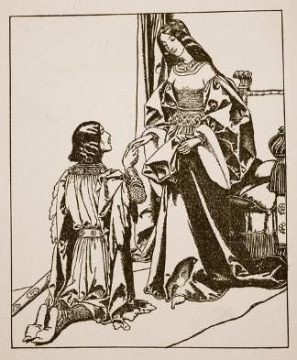
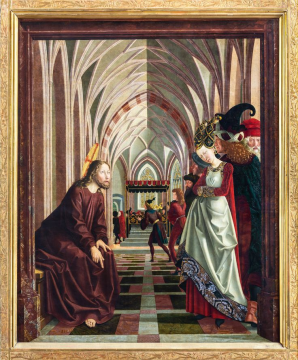
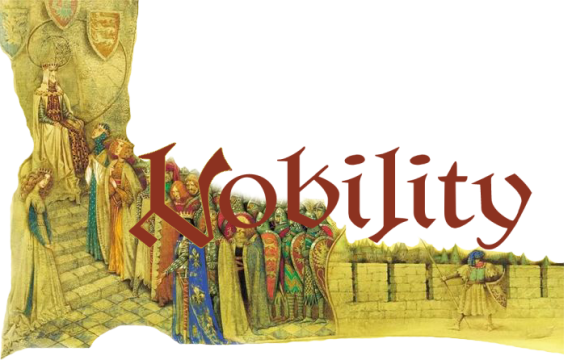
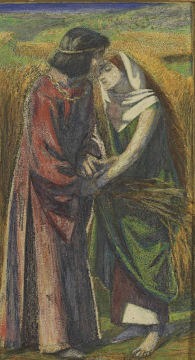
Penned by Rosceline of Aryn, 2043 of the Aegisian. Published by the White Commons Company, 638 of the Tiberian. Heirs to the Ashen Fjord I. INTRODUCTION II. FAMILY UNITS III. UPBRINGING IV. FAITH V. TENETS VI. NOBILITY VII. RITES VIII. WORDS Note: I do not recommend the consumption of this document in one sitting. Rather, it should be sought out according to one’s needs, so that it may be digested in individual parts. Foreword from the White Commons Company Purchased among a chest of items from a roguish band of bandit-merchants, this herein scroll was presumably meant to survive the travel to Azuras, and is among the last preserved instruments of Druscan scholarship. As such, it is both a relic and a guide: a vessel of memory for those who would claim the mantle of wisdom, and a warning to those who would treat inheritance lightly. The White Commons Company offers it now, not as a mere curiosity, but as a covenant: that the labor of those gone before may yet temper the after. 1 The following document is a review of the old, new and lost ways of the Ashford people, defined as the descendants of the ethnic eshænveurd pagans of ancient history through the blood of High Pontiff Lucien I. This document omits the mention of iconic figures, cities, places, and saints, focusing on cultural and traditional practices alone. Though this document treats the Savoyards- who have suffered the least cultural diffusion from the original culture of Lucien -as the default cultural denomination, extant and extinct subcultures shall briefly be included via accounts of their unique variations. However, we must make note of the etymology, as explained below. What this document does not do is write a historical account of the Ashford, for this is to be covered elsewhere. ETYMOLOGY > Eshaenveurd: The ancient ethnic group of people known as the Men of the Ashen Glade, to which all Ashford owe their ancestry. It is unknown whether these people continued to reside in Esheveurd after Lucien’s arrival, for its location is lost to time, and so bleak is she that one would hardly want to find her. > Ashford: The bloodline descendants of the father of the Ashford, Velwyn, or High Pontiff Lucien I, who was the first Eshaenveurd to set foot on Aegis after the ancient departure by Adelric of the Seven Thousand. > Savoyard: The culture established by High Pontiff Lucien I in his creation of the Prince-Bishopric of Savoie and the House de Savoie, encompassing all the commoners, clergymen, and nobility of his Kingdom. By these definitions, a Savoyard who is not descended from Lucien is not Ashford, nor is he Eshaenveurd. No man continues to be Eshaenveurd, except those who claim it directly as their ancestral legacy, but in truth, they are Ashford. Ashford is here dubbed a bloodline as well as an ethnicity due to its descendence from the Eshaenveurden, who themselves owe their origin to the Aegisian continent, though with great enough separation of time that they became distinct in language, customs, and religion. Peremonti, Leuuvard, Druscan, etc., are subcultures with a modern cultural point of origin, being Savoyard, but, like Savoyard, stemmed from Ashford Houses (de Bar to Peremonti, etc.). Subjects beneath the banners of these houses are not Ashford themselves, though they may claim to be Savoyard and Peremonti, Leuvaard, Druscan, etc. The blurring of the lines between Ashford and Savoyard has occurred because the Ashford Houses have so closely tied Savoy to themselves that in every concept in which it can exist, they are its permanent fixture by their leadership. This is to a certain detriment, for the people of Savoy have many times faded to diaspora in the absence of an Ashford ruler. APPEARANCE Though the modern Ashford carry very little of the original Eshaenveurd makeup, owed to centuries of intermarriage with heartland and highland folk, strong physical similarities remain prevalent in every generation, including sober black hair, tanned to olive skin, and colored but often muted eyes. CONTEXT FOR THE MODERN ASHFORD The Ashford are a curious amendment to recent human history due to their precipitous renaissance in the year 1814, an event that enlivened the life clock of Orenia, which then saw its absolute destruction coincide with the fall of the short lived Principality of Savoy. Contrasting what was considered by some to be unmerited extravagance in Orenia, Savoyards of this time prided themselves on hard military excellence and unwounded patriarchal aesthetics. After the Principality’s decline, they dispersed across the many heartland degenerations, as well as in part to Hanseti-Ruska, and were briefly revived under the Archduchy of Drusco, to later fall in religious defiance. As is evident by their constant nomadism, the Ashfords and therefore the Savoyards have faced land insecurity for some time, which has formed the better part of modern revisions to their cultural practices. DRUSCAN | The Druscans- alternatively referred to as the Rouennais -are physically homogeneous with their Savoyard progenitors, including the same dark hair, tanned olive skin and dark colored eyes- ranging from brown, green and hazel. However, they adopted key differences in visuals, tradition & belief systems due to a unique mercenary lifestyle and long-term residence of the Duchy of Adria - later the League of Veletz, following the decline of Savoy and Oren. IN MEMORIAM | The customs of the Peremonti have long been dead, in concord with the death of House de Bar, and will not lay mention in this document beyond this here script. House de Aryn, another Savoyard house, was lost to time in the 16th century, though the line did continue in obscurity in the continent of Aeldin, where it briefly attempted a return and assumed the Auvergnat traditions of Banardia, but fell once more, and now the author of this document (Rosceline Ashford) is the last to bear this name, so it shall die with me. 2 The culture of the Savoyard vows loyalty to none but each other. A deep memory of the Ashford is the Dukes’ War, so they understand that there have been few alliances that they have exited without loss, except the unfettered alliance bound by blood. This belief is crucial to the understanding of the Ashford in the modern day - hence we dissect the structure of families that is most adhered to, being that of HOMESTEAD LOCALITIES. The Ashford have the adaptation of maintaining the existence of their children and grandchildren within a single homestead for as long as space and spoons allow, and they will gladly invest in expansions to their home lot to provide more space. The reason for the homesteading system is the CONTINUATION OF THE SURNAME. To monitor the surname is an important paranoia of the Ashford due to the history of their ebbs and flows; where there once existed dozens of Eshaenveurd houses, there remain few. The pairing of husband and wife then becomes like the lord and lady of the household: impermeable, with absolute power over the decisions of the home and the generations they will house beneath it. The inheritance of the home follows the typical primogeniture succession. The firstborn is thus enumerated with the responsibility to continue the name and line of their forebears via fruitful marriage. SUCCESSION TO THE HOMESTEAD The male line has historically been preferred due to religious limitations against women’s ability to pass on their father’s surname (see: Faith). However, the gradual easement of religious attitudes towards women’s emancipation has given some leeway for female inheritance, with examples being the succession of Renata de Savoie to the crown of Savoy, as well as the genesis of house de/van Leuven through the line of Emelie de Falstaff. Despite this, it remains rare for daughters that are not in the direct line of succession to choose to remain within the homestead, and they often exit out via marriage into other families. As a consequence, the Ashford did not see fit to adopt Rosemoor-et-Karenina successions (1830-1860s)¹ in the era of their emergence. The male line continues to be the norm, and a matrilineal marriage performed by any daughter except the legitimate² female heir is socially shunned. Footnote: 1. Cognatic Primogeniture succession laws adopted by the nobility of the Orenian Empire & Haeseni Kingdom. 2. According to the draft lex sabaudiae, a first born daughter inherits at least a sufficient right to her father’s bloodline, with it being diluted in each sister born after her. Hence, a daughter may only inherit if she is the first born of all her siblings, excluding younger daughters and any female cousins. Sons are seen to inherit the full right of their father’s bloodline. This often leads to brothers contesting their eldest sister, and explains why Ashford houses continue to practice male-preference. 3 Childhood to Adulthood; the quotidian conventions of an Ashford’s upbringing. I. HOMESTEADS: the extended family under one roof. | It is stressed by Savoyard wise women that children be raised by the shared responsibility of all adults in the homestead to help strengthen family relationships. It is the hope that children would laud their aunts, uncles, and grandparents with as much love and respect as they would their own parents. This solidifies the importance of sons continuing to live within the homestead after marriage. II. OBEDIENCE: to love is to obey. | Boys and girls are treated much the same until the age of their pubescence, when their paths diverge and roles are defined by the engenderment of clothing, etiquette, and skills. This pubescence, ranging from ages 10-14, marks the beginning of their subjectivity to the hierarchy of obedience in the home, as the child is now considered ‘able of mind’ and so deemed capable of willful disrespect, misjudgement, and ignorance. In this age, they are expected to listen and obey to advice given in the interest of their self-betterment. The free-spirited who chooses themself over the wishes of the family is intolerable, and often punished. This overbearance on the group identity is the progenitor of the Savoyard’s values towards steadfastness, unapologetic idealism and above all, the idea of one’s honor as sacred. III. ON GENDER: the duality of the masculine and feminine. | The Ashford cherish the duality of the sexes. When one cuts through rage and vengeance out of beastly impulse, the other uses careful deliberation to transform rage and vengeance into connivance. The Savoyard woman is spoken of with reverence for her tactfulness, skill in persuasion, and a bevy of traits associated with the soft power of the feminine. Machiavellian tactics, while critiqued in many other cultures, are accepted as a different kind of strength to the physical, especially considering the brutalistic nature of the Ashford male. The extravagance of Savoyard architecture, dress, and armor all emphasize the consideration of sex, wherein women donn merry-making colors while men donn black, greys and reds in observance of temperance. Palaces are often named for women, to honor beauty, whilst Keeps and Forts are reserved to men’s strength. IV. WARDSHIPS: the test of the global theater. | The modern Savoyard knows the importance of global consciousness to their development of political acumen, a thing they pride themselves on as rolling stones. The education of a child is given ample thought, as in many cases, it delivers children from the arms of their family and into the wardship of a tutor in a foreign land. This wardship begins when their parents determine them to be faultless witnesses of Savoyard customs, promising that they will not falter from their Ashborn ways when stood against the global theater. This hardly ever occurs before the age of 14. Their tutors may be masters of a skill, noble lords, or ministers of government, and are chosen according to the type of education the parents wish for their child, with an expected exchange of funds or social capital on the parents’ end. The rite of wardship is considered a challenge of resilience, tolerance and conviction in the face of change, and can last into the child’s early adulthood, ages 18-21, until they are summoned to return home and be a voice for the schemes of the next phase of their life. TRADITION OF UPBRINGING - THE BANDS OF ASHFORD As the child makes ready to exit the home for their wardship, a special item is prepared for them: a wristband forged of varying material, molded in a shape meant to be inaustere, for it is merely a foundation to build upon. On every stage of life that the child encounters henceforth, a penchant or charm is commissioned on their behalf by their family, and hooked to this band. Be it mastery of a new skill, a battle won, a career entered into, a marriage united or a child born, etc. At the end of life, it is said that this band should be heavy and noisy, announcing the presence of an elder of experience. A life without these charms is wasted, as all should strive to honor their names in history’s annals. When a person becomes disembodied from their family as a consequence of some or another action, their elders are obliged to continue to support the individual via the provisioning of these penchants forevermore. This is a thing which serves as an olive branch for their return, as the Savoyard family is above all, thus it is emphasized that no family should allow disunion and malagreements to fester into complete estrangement. 4 The Ashford relationship to the faith is defined by its descendancy from High Pontiff St. Lucien I, Prince-Archbishop and founder of Savoie, Master and Commander of the White Rose¹, and icon of LUCIENISM. Derived from the Holy Order of St. Lucien, created by Pontiff Lucien II as a device to empower the position of his church, Lucienism embodies staunch endorsement of church power, specifically the power of the Pontiff as vicar of GOD, and the preservation of the virtues of honor, strength, temperance, and justice. Before Lucien, the ancient Eshaenveurd practiced sun worship, which informs the solar iconography of the Ashford Houses, but all traces of this worship- except what could be retrofitted into canonist tradition -have been scrubbed from the zeitgeist. The modern Ashford have committed to a complete reinvigoration of Lucienism in penitence for the Owynist conversion of Olivier I of Savoy, a thing which acted as a catalyst for the balkanization of humanity in the later half of the 19th century. Most Ashford are unrelenting defenders of the Canon, recognizing their legitimacy as derivative of such, and therefore see sects and splintering as hostile to their belief. Distinct Elements of Faith in Savoyard Households. I. PRESERVATION OF THE OLD FAITH | Boasting a history intertwined with religious orders, high stations of priesthood, and crusading fervor, the Ashford pride themselves on the intensity of their faith, contrasting heartland sentimentalities with unsparing religious views. This is because they adhere to an original interpretation of the scrolls, wherein GOD’s intent upon the ancient societies of Aegis is carried into the present. Aegis was shackled by the threat of Ibleesian influence unbinding the threads of the world, and so men were tasked with championing purity, sanctity, and untainted legacy above all. As such, Savoyard faith rejects modernity, such as the acceptance of sects, tolerance of magic, non-celibate and wedded priests, female priesthood and inheritance, the immodesty of dress, the secular practice of law, and etc. Hence, Savoyard religiosity may read as archaic, but folk priests proselytize this true path to the seven. II. SOCIAL POWER TO THE PREACHER | Moreover, the Ashford grant significant social power to the local preacher, understanding him as a community leader that intimately weaves faith, medicinal healing, and spiritual guidance into personalized and general instruction, under strict oath of confidentiality. The Savoyard depend on the word of the preacher for nearly all high-stakes decisions, and so many noble families choose to preserve a space in their home for a personal chaplain. This particular practice retains elements of the ancient Eshaenveurd shamans. III. STRENGTH OF THE HOLY CHURCH | The Savoyards prefer a church that expresses its power in terms of military strength and conversion of heretics. They offer patronage to all Holy Orders so long as they are not of a sect, and seek to remain in good standing with the canon. Second sons are often vowed to squireship within a holy order, or directly to the priesthood. TRADITIONS OF FAITH Public Confession | The Ashford hold the marked tradition of asking the local preacher to grant them blessings by announcing their aspirations or achievements before the congregation of a sermon or mass. In practicing the virtue of humility, this tradition also takes on the form of public confession. It is said that to confess your sins out loud before your poor-fellows is the strongest indication of repentance, where one makes themselves vulnerable and accepting of judgement and scorn. Family members and friends cognizant of others’ sins may also suggest them for confession as a pure and canonist attempt to safeguard their salvation. However, issues of familial strife are widely held as inappropriate for public confession, as the sanctity of the homestead is a matter for the private realm. Holy Flame | The Ashford keep a holy flame ignited in their temple. The fire is tended day and night, never allowed to falter, for it is regarded as a sentinel, a living emblem of their faith, and the undying vigilance of God. Its light is said to carry the prayers of the devout to God, to burn away the shadows of doubt, and to remind all who enter that the house of Ashford is a place of sanctity. The Godstead | The Ashford consecrate the ground of their Great Halls with the same divine air as holds a holy temple, inviting GOD to look closely into this space so he might give mercy and faith into the heart of the ruler. Hence they extend amnesty for criminals in this place, and dare not bring a man to death within its walls. Should this occur, the place is tainted, and will have to be re-consecrated before any man can breach its threshold. Footnote: 1. A Kaedrini holy order of the late 14th to early 15th century known for its enforcement of human supremacy, founded by Sir Peter Chivay, later Peter I, Holy Orenian Emperor. 5 STEADFASTNESS | The Virtue of the Unyielding Will The Ashford hold steadfastness as the highest proof of character, for constancy is the only shield against immorality. To waver is to invite dissolution; to bend is to fracture the spine of legacy. Thus, the Ashford are raised to endure, to persist, and to stand resolute in belief, allegiance, and purpose, regardless of hardship, exile, or ruin. They are a people acquainted with collapse and rebirth, and it is through unyielding perseverance that they have survived the long winters of history. Steadfastness is therefore not merely stubbornness, but a sacred defiance of fate itself, the refusal to yield one’s name, faith, or blood to the eroding passage of time. UNAPOLOGETIC IDEALISM | The Doctrine of Unashamed Conviction To the Ashford, ideals are not ornaments of philosophy, but weapons of identity. They do not temper belief for comfort, nor soften conviction for diplomacy. What is held to be righteous must be pursued in its purest form. Compromise is understood as a polite word for surrender, and moderation as the coward’s refuge from moral clarity. Thus, the Ashford walk openly in their extremity, scorning the safety of ambiguity, and proclaiming their principles with unflinching candor. In this lies both their greatest strength and their greatest peril, for they would rather perish than survive as something lesser than themselves. SACRED HONOUR | The Sanctity of Name and Deed Honour is the living soul of the Ashford, woven inseparably into blood and remembrance. Every action undertaken reflects not merely upon the individual, but upon the entire ancestral chain from which they spring. To dishonor oneself is to stain the dead and endanger the unborn. Hence, honour is guarded with reverence, enforced with severity, and redeemed only through suffering. Words spoken in falsehood, oaths broken in secrecy, or cowardice concealed in survival are all affronts against the sacred order. Honour is not reputation, nor glory alone, it is immutable. FORGIVENESS AFTER RETRIBUTION | The Law of Balanced Mercy The Ashford do not deny mercy, but neither do they grant it cheaply. Forgiveness untempered by retribution is viewed as indulgence, breeding impunity and moral decay. Justice must first be rendered before forgiveness may be rewarded, cleansing the remnants of bitterness and restoring balance. In this way, retribution becomes a necessary crucible through which repentance is proven. Thus, the Ashford practice mercy as a sacred conclusion, never as an evasion of righteous consequence. MILITARY EXCELLENCE | The Cult of Martial Supremacy War is the truest theatre of Ashford virtue, and martial mastery its highest sacrament. From youth, sons are shaped into blades, honed through the discipline of exertion. Swordsmanship is exalted above all arts of prowess, demanding precision, while the doctrine of light foot warfare emphasizes speed and adaptive brutality. Ashford armies favor swift advance and merciless pursuit, striking before withdrawing into terrain. To fight well is to honor GOD, blood, and lineage; to fight poorly is to profane them. Thus, military excellence is not merely a craft, but a holy obligation binding every Ashford warrior. Failure is a rebuke of their ways, and may lead to transformative reprisal. 6 BLOOD NOBILITY It is important to uphold noble houses rather than let them fade into obscurity. This is the principle behind Ashford family units being so dedicated to continuity, stability & domestic obedience. This principle is extended to any noble houses beneath the banners of the Sun; the vassals of Ashford lieges are comforted by the promise that rather than create dysfunction by destroying houses upon loss of strength, the liege’s job is to ensure the longevity of those nobles beholden to his protection. Should a line end in name, its blood is made to continue flowing, if any of its daughters are surviving, by a final marriage into another house. Because of this assurance of longevity, liege lords are wise to keep nobility off the hands of fledgeling houses who have not shown the promise of self-sustenance. Otherwise, it is impossible for new houses to be created from a peasant standing, as nobility is reserved for the already highborn. A loop-hole often used to promulgate nobility among the peasantry, if a particularly affluent peasant wishes to be ennobled, is to first become knighted and so invited to the class of gentry, then to be married into a noble family in a way that their noble spouse tolerates the taking on of their lowerborn name. Only then can they hope to create their own branch of nobility via the blood of an established tree. After two generations of marrying like this is the family deemed truly noble. 7 Religious Rites I. BAPTISM: Anointing in Oil | In Ashford practice, children are not baptised on birth. Baptism is not performed until a member of the flock has suffered a trial of faith, administered by their family’s favored priest. On completing this are they then eligible for their baptism, conducted according to canonist rites, except for the addition of an anointment of black oil onto the person’s forehead meant to symbolize the accumulation of their sins up to this moment, which is kissed by the priest in forgiveness, and then washed off by the ritual cleansing in water. II. MATRIMONY | Ashford matrimony does not stray far from Canonist Ritual except in its spirit of execution, which greatly exalts the exchange of the bride as an object of her family’s aggrandisement. Outside the formalities of arranged marriage, if a man seeks to court an Ashford woman, it is custom that he offers wine to the lady’s mother, as a token of his intent. Should the wine be found wanting, whether it be too sweet or too bitter, the man is either denied forthwith or bidden to bring forth another vintage. Once it pleases them, the match is considered struck, and an engagement is made. Once an engagement has been settled, a marriage contract ((RP Object)) is drafted between the families confirming the bride’s settled dowry, marriage tithes, securities of widowhood, and other considerations. A tradition revived from the eshaenveurd is sequestering the bride from public life until the event of the wedding; in this time, she is instructed in her domestic duties by an elder married woman, often a grandmother, but priests may also substitute. On the day of the procession, the head of her homestead delivers her to the altar, symbolizing the handover into her husband’s house. In preparation for this event, the bride’s father will also mint jule tokens, favors printed on gold coins which anyone may lay claim to for up to a year after the ceremony, be they friend or foe. These are worn as brooches, reminders of their favors. Jule tokens are named for St. Julia, bastardized from her name in the Eshaenveurd tongue: Juleil. III. DEATH & BURIAL: Return to Ash | Unlike many other cultures, death is not made a great spectacle by the Ashford; death disrupts the sacred idea of legacy and marks the end of a pursuit of glory. The common reference to death is ‘to return to ash’. This originated in an ancient eshaenveurd tradition of cremation, which held that the body’s inner life was made from flame, and its natural conclusion would be in ash. Following death, the body is embalmed. In the process of embalming, the heart of the deceased is preserved in a vase enriched with a thick oil-and-sang mixture. The body then rests on a podium, where a kiln of clay is erected around it. The kiln is lit by flame, the body cremated in a ceremony witnessed only by the household, and thereafter it is taboo to speak of it. The hearts are kept as artifacts, or in the event of the death of a ruler, are made public for the viewing of the people. When someone has returned to ash, they continue to be referred to as if they were alive, even when their death is universally acknowledged. IV. PRIVATE CONFESSION: Ablution of the Soul | Retained unchanged from the teachings put to ink in 1611 by St. Humbert de Bar, the giving of confessions to GOD by proxy of a priest is a cherished and utterly sacred Savoyard rite. By examining one’s conscience and coming before an ordained clergyman acting in person of most merciful GOD, the lay folk of Savoy are entitled to the confessing of their sins in pursuit of penance, advice and reflection, then finally absolution. Within the physical or metaphysical confines of the confessional, there exists the greatest privacy; as if - by design - one were praying silently to the Lord Himself. From this spawns the Seal of Confession, safeguarding all words - no matter how grave, no matter how terrible - shared in the act of Confession as secret and sacred, demanding the priest’s utmost silence at the penitent’s discretion. Rites of Battle & Brawn V. THE LOVER’S GAMBESON | Before battle, the Ashford warrior sit in the hush before dawn, sowing collected threads of a lover’s hair into the quilted folds of their gambeson. Each pale or dark strand tells a story of battles survived, of nights returned from, of love that endured the waiting; the more abundant the weaving, the greater the reverence bestowed upon its wearer. Such a garment bears not only protection, but memory and promise, binding flesh to home with every careful stitch. Yet to mingle different hues within that sacred cloth was a perilous scandal, whispering of divided devotion and fractured loyalty, and no blade cuts more cruelly than the judgment of one’s own people. VI. DEFEAT IN BATTLE: The Smirking Effigies | A battle lost is a great ordeal to the Ashford, for they have great faith in their martial prowess. When defeat is encountered, a rite is orchestrated with the intention of humbling the soldiers from what is assumed to be a sickness of ‘too much pride’ that led to this loss of life and glory. Before each battle, a pyre is erected in the center of town, a looming reminder of the possibility of defeat. Should defeat be announced, it is the task of married women to begin the sewing of a great effigy of wool: a corpse with a pronounced smirk and eyes of empty black stones. When a defeat is declared, this effigy is mounted on a pyre and burned by the folk below the cold of night. VII. PUNISHMENT FOR THE VILE: Gouging of the Eyes | Eyes are gouged from criminals, that they should not be able to see the face of GOD himself. Rites of Rule VIII. ALLIANCES: Blood Pact of Peace | An Ashford alliance is bound by a blood pact of peace that binds two men as kin until death, with promises to never incite conflict against one another, and to follow each other into all strife. At the scale of nations, a diplomatic alliance is cemented exclusively via blood pact. This kinship is seen as an extension of the ruler’s blood, hence Ashford do not offer diplomatic pleasantries to just anyone, opting to select alliances based on principles and longevity rather than short-term gain. A loophole is known where the ruler’s highest advisor performs the pact in his stead. Should the alliance falter, the advisor knows he shall be slain to sever it. Being a significant political sacrifice, this decision still wields considerable weight upon the head, and is not taken lightly. IX. DECLARATION OF WAR: Husk of Sacrifice | When an Ashford ruler declares war unto another or has battle declared unto him, he does not shy behind words on parchment; not words, but deeds. The ruler seeks out a sacrifice from among his own lands, typically a sizable hog, that will send a message of his readiness to spill blood and place himself at the forefront of battle. This animal is shaved to its skin, burned into a husk of black bones, and delivered by a neutral party to the rival ruler with no other context. 8 “NOT WITH WORDS, BUT DEEDS” or otherwise: “NOT WORDS, BUT DEEDS” Origin: King Helvegen of Ancient Esheveurd The Ashford see the man who writes or speaks in absence of action as a fool of mottled strength, and are known for their unrelenting incitements. They are a direct and uncompromising people, preferring to bite rather than bark, and often biting as a warning shot before the mawing begins. “BLOOD FOR ASHFORD” Origin: The Taxman's Conspiracy, Johannesburg Because the Ashford place the survival of their honour above all else, vengeance is a ritual consecrated into legacy. For each injustice borne unto them, they call for blood to be shed tenfold. This phrase is carried as a dynastic hymn of Ashford, and is often a call to war. “ASH AFTER FIRE” or otherwise: “LET FIRE, THEN ASH, and “ESHE JOROUNDI OUNTE TAMM” in the ancient tongue. Origin: The Black Sun Tapestries A saying of reassurance in which the Ashford are reminded that greatness follows suffering. Reminiscent of the many revivals of Ashford, this term lauds Ashford above all, and is a portent of good-omens. Fin.















-
The following records are delivered to the Imperial Crown Princess Elizabeth via courier, enclosed within a box and enveloped in cloth-of-gold, sealed in the Crest of Rouen & of Waldemer. 1 A SELECTION OF COPIES AND ORIGINALS FROM THE PRIVATE RECORDS OF ROSCELINE OF ARYN 2009 - 2044 2 THE LAST ARYN, 2023 To Lord Richold de Rouen, GOD be with you and keep your spirits. I suffer to inform you of the loss of Lord Thomas of Aryn & his good wife the Lady Catherine, along with their young son, the Lord Aaron, to the Banardian plague. They breathed their last on this saint’s eve, bleak under the stone of their manor homestead. Preserved from illness by her sequestering within mine abbey, their eldest, a dovelike child Rosceline, has been entrusted unto you by wish of the late Lord in his final moments. The girl shall arrive at the Castle of Bourdon by Vespers; I beg you greet her with kindness, for she has hardly spoken a word in grief. I am ill and unable to brave the journey, yet GOD willing we shall meet again to discuss matters. With prayers for your continuing good health, Mother Eadburh, Abbess of Gorchunoir. ACROSS THE SEA, 2023 To the Most High and Revered Mother by My Heart, I am relieved to hear word of your recovery, and shall forever be apologetic for failing to nurse you by mine own hand. I hope I am not wrong to assume that Lord Robert has informed you of oure safe arrival, and of the unfortunate passing of Lord Richold, whom was the kindest to me, and so I shall cherish his memory. We have been host by a pleasant Duke Edward of Alba in a quaint Castle, though admittedly this land is no Banardie. I’m afraid I have likely disappointed you by remaining reticent to conversation. The nephews de Rouen have thus been ungraceful towards me, but the Lord himself has been accommodating. I vow to continue working towards self-confidence; I shall make a life in Aevos worthy of Aryn, one that you can be proud of. I eagerly await to hear of my sisters and yourself, Rose, your most humble daughter. TO TASTE THE BLOOD OF SAVOIE A JOURNAL ENTRY, 2025 At the first Court of His Majesty’s new Kingdom, Lord Roger and his brutes seized one brother de Savoie and slew him in cold blood. I had made an attempt to stop Lord Roger from committing this slaughter before the King and Queen, but instead, the man’s blood splattered all over my face whence his head was chopped from him before me. On oure painfully silent return to Casquenova, Lord Roger gave me no apology, nor did he address me with a single word. I am beginning to realize whom I have been mandated to treat with, and that I must brace myself for the violence to come. How easily his head was cut from him; how easily does skin and bone break beneath the swing of a heavy sword. I must remain wary, for my woman’s neck is more fragile than that Savoie's. PREPARATIONS. 2026 1) Dearest Siena, We will be requiring a stock of liqueurs and hard ales for the event of mine and Lord Roger’s matrimony, to be held in a range of one to two saint’s weeks from hence. I am delegating this task to you to do with as you see fit. Whether you should like to contract a brewsmith or concoct a mixture of your own, I am sure your taste is to par. Someday, I would love to recover the tastes of Savoy, but time is not with us. Please outfit the beverages in a barrel for ease, and write when completed. P.S. I should like to speak with you about the man you were making eyes at… Over wine, mayhaps. With love in earnest, Rosceline. 2) To the Good and Honored Duke Edward his most High Grace, I write to announce to you the forthcoming event of matrimony between myself and the Lord Roger of Drusco, and to ask your aid in contracting a minstrel or otherwise a bard for the festivities, to be held in a range of one to two saint’s weeks from hence. I should like to have music fill the chamber of reception, yet have little knowledge of the revered players of this land. I would be most grateful for the extension of your smooth and supple hand. With great reverence and prayer for thine health, Lady Rosceline de Aryn. A MERCY, 2026 To the Most High King of the Adunians, I write to you the plea of a lowly woman at risk of debasing mine own virtue by sin of greed. To your Grace I intimate that I shall soon be wed to Lord Roger Rouen, whom I am not so senseless as to call a man held in esteem by your subjects. I fear for the conflict that brews among you men of hardened zeal; I weep for the souls facing death in the rivalry of Us against the beloved of Louis Savoie; and highest all - I beg that My Lord be kept for me, that GOD exchange my suffering for his life. I humble myself before you to ask that you grant the honor of speaking to you beside the Lady of Louis Savoie, so further bloodshed might be abated by mine appeal. With gentle hand, Lady Rosceline de Aryn. ANORHIL, ARDIRNIEN A JOURNAL ENTRY, 2026 Numendil wants My Lord’s head, and I cannot allow it. I may have been shaking at the bone, but I must protect my position, and my folk. I arranged to meet with Princess Ardirnien alongside her father, yet the meeting went poorly. It is mine understanding that they want blood at any cost for the Savoie. I admit that I grow to resent Adunians, especially Ardirnien, whom I regard a lost woman; how garish is their worship of Harren, tongues silver and full of spite for those who do not descend from his sinner’s blood. Where I hold sympathy for the Princess’s position, she makes herself small by her ravenous grief, so this sympathy is adjacent to fear. Perhaps someday, she shall see the light of Julia’s virtue, and we might reconcile. AN ARRANGEMENT, 2027 To the Good Lord John of Balamena, I beseech you to entreat with me, that you may be gently introduced to the Lady Melisende de Bruges, cousin of my beloved Roger. I offer her to you as a candidate for marriage, that you might be bound to the blood of Roger, for you are goodly of judgment and I would dovetail your person to us in perpetuity. Lady de Bruges is fair of face and character, and wields adequate charisma. She shall surely pose a good wife to you. I would like for you to personally assess her and determine if you should like me to write to your father with this request. With earnest good-will, Lady Rosceline de Rouen. HAWKING, AN INVITATION SENT UNTO LADY JANE, LADY MADELIEF, THE LADIES ELIZABETH & ELISABETH OF BALAMENA AND PREUSSENS, & THE LADY VASILIA, 2027 To the Good Lady, I beseech you to entreat with me in a private event of hawking this 11th of Tobias’ Bounty, wherein you shall enjoy the company of a few other invited ladies of high Burgundian noblesse. I would be delighted to further oure acquaintance, and discover what aims have you for your path forward. With earnest good-will, Lady Rosceline de Rouen. JOHN & MELISENDE, 2027 To the Good and Honored Duke Edward his most High Grace, My Lord & Myself have pondered a means by which to solidify these binds of friendship that were so tenderly enfeoffed by your gracious host of oure men in the Castle Casquenova. We have lovingly taken with Lord John whilst he was ward beneath oure walls, and in this time witnessed his intention to marry the Lady Melisende de Bruges, cousine to Roger. We would be pleased if you could make approval of this marriage, and if expressed - set a date in which we may discuss and put to pen the marriage contract for this eventual union, as per Ashford custom. With great reverence and prayer for thine health, Lady Rosceline de Rouen. BEAUMONT’S CHARITY, 2028 To the Fair Miss Anne de Beaumont, I write regarding the jule token you had claimed of My Lord and I on the event of oure wedding, regarding the establishment of your foundation. I would love to speak more as to this, so I might fulfill this pledge. Do allow me the awareness of a favored date and location for oure meeting. With earnest good-will, Lady Rosceline de Rouen. AN ABBEY AT DRUSCO A JOURNAL ENTRY, 2028 Despite Numendil’s reluctance to stake their peace on our offered concessions, I should like if an Abbey were to be erected in oure lands. It would boast of oure wealth and esteem, raise reverence to GOD’s faith, and be a means for me to escape this lonesome Castle. After having met the Sister Alexandra by chance, I grow hopeful to accomplish this. I shall pen her a letter to request that she construct her abbey within our lands. HOLY SISTER, 2028 To the Good Sister Alexandra, I beseech you to entreat with me over a meal of wine, wherein we may discuss the plans I had vaguely raised on oure introduction. I would welcome you to oure Castle, so we might make fair acquaintances. With earnest good-will, Lady Rosceline de Rouen. 3 PILGRIMAGE A JOURNAL ENTRY, 2029 As a favor on a jule token, I was requested to go on Pilgrimage by the mercurial Holy Man Saignat. By GOD’s grace, this pilgrimage occurred in tandem with mine enceinte, where I traversed the ruins and settlements of Humanity’s great collapse and reinvigoration, the weight of my son within filling me with holy light on every step. By silence and flame, my soul has been brought before Him to become a servant of his most righteous truths. He has called on me to embody the Saintess Julia in all mine acts, and so I shall be; stalwart unto my faith, undying with reverence for my husband and children, and unbending from conviction. Here is my glory, and with it shall I die. AMBROSIA, 2029 To the Favored Miss Ambrosia, I would be delighted to entreat with you over wine. I have recently been delivered of a summer child, and would be delighted for you to accompany my churching, where you might then wine with me for the first time since fruit blossomed in my heart. I look forward to being made privy to your most recent exploits. With earnest good-will, Lady Rosceline de Rouen. HAND OF ESFIR A JOURNAL ENTRY, 2030 The aged Esfir Artimisia, the former Duchess d’Arkent, was captured and brought as a hostage to Waldemer by oure men, after some skirmish against the orcs to a purpose I know not. I begged mercy that the aging woman might commit to taking the cloth in penance for her dissent against the church, for she somewhat reminded me of Mother Eadburh, rest her soul. However, Esfir refused, and in anger for her derision, I recklessly worsened the punishment, severing the crone’s whole hand instead of the few fingers Roger had originally demanded. In truth, I was shaken by the affair, but with retrospect, I can not be so tolerant to heretics and the unrepentant. GOD wills sin be brought to hark, and I recognize that my power to accomplish thus lies in the blood struck by my husband’s strength. Amidst violence unending, I have become near unflinching to the sight of wounds - fresh or festering. I must pray that this be LUCIEN’s blessing, and nay EVERARD’s curse. JANE, 2031 (Unsent) To My Sister in Good Tidings, I have received the invitation to the event of your wedding, yet I must sorrowfully relent that I am unable to attend, for my dear Geoffrey sits at the brink of death from the weakness of his lungs, and I am sick with worry. The sound of battle never ending against oure walls, sieges won and others scantily survived, have forced me to fall into hiding for the protection of my young sons. Whence the men of Avistra are brought to heel, I shall waste no time in traversing towards Alba to bestow a cutting of thyme unto you, that it might inspire your fecundity as it has mine. With love and gracious prayer for your continued prosperity, Lady Rosceline de Rouen. PRESERVED NOTES: draft for god emerges to the eshaenveurd, c.2032 this tapestry alludes to little but symbols and pictures, i will be more illuminative. draft 1: In the camp of the Eshaenveurd, the snow dancedshifted with a glisten of their landscape. It fell gingerly as autumn leaves, purring as it landed against the working backs of the ashen ashford? men. Sergius is pictured shuffling through the camp, listening to the muffled hum of busiwork: logs whistling as they were carried toward homes to be erected, ashborn tots weeping for their mother’s teat, a batch of fresh minnow being stripped of skin by a harkstone knife. . . A WARFEAST, INVITATIONS UNTO THREE 2036 1) To His Most Noble Highness, Prince Hadrian, With humble duty and great joy, I extend to your Highness and familiars an invitation to a wine tasting held in your honor, to take place on the eve of Sun’s Smile within the Great Hall of Waldemer. There shall be music, fine meats and sweetmeats, and joyful intimate company in celebration of your Highness for your graceful handling of oure war with Avistra. With deepest respect and loyalty, Lady Rosceline 2) To the Esteemed Lady Elizabeth of Balamena, I pray this letter finds you in good health and high spirits. It is with sincere pleasure that I extend to you and your familiars an invitation to a wine tasting to be held on the eve of Sun’s Smile, within the Great Hall of Castle Waldemer. Your presence would greatly honor us, for your sweetness and grace are ever a welcome light among oure gathering. May I hope for the favor of your company? With warm regards and utmost respect, Lady Rosceline 3) Dearest Jane, I pray I find you in contentment. I lovingly extend to you an invitation to a private wine tasting held in honour of Prince Hadrian on the eve of Sun’s Smile, within the Great Hall of Castle Waldemer. It is my hope that during the course of the evening, the Lady Elizabeth and His Highness may come to know one another more warmly. Discretion in this matter is, of course, understood and appreciated. With warm regards and utmost respect, Lady Rosceline LADY SILIS A JOURNAL ENTRY, 2034 I understand now that Geoffrey’s difficult labor so long ago has rendered my soul bereft of good soil - unable to bear fruit. It is a too-obvious reality given mine fragility after his birth. I grow desperate for more children to fill the loneliness of my world, and have fallen to prayer to our ancestress, the fecund Lady Silis, whom I revere as a patroness of Ashford, a woman who held faith and humility even as traitors raised doubt to her strength simply because she was not a warrior. I have seen her in mydreams, where she has given me an epiphany that I should sire children through all the lines of Ashford, and these should be mine, for I am their highest lady. I shall do my best; we shall not falter by mine inability. ASHFORD BINDS, 2036 Lord Lucien, It is with careful thought and due regard for your station that I write to inform you of a match I have arranged on your behalf. The lady is Miss Maude Helvets, sister to the Baron of Owynsburg. She is well-bred, steady of character, and possessed of a dowry that befits your house. I trust you will find the match both advantageous and timely, for this season of our elevation calls for strong alliances made real only by a wealth of heirs. I await your reply. Lady Rosceline de Rouen CHAPLAIN, 2038 To the Faithful Father Mattia, I received your letter with all due regard and would be pleased to speak further on the matter. If it suit you, you may come to Waldemer on any Compline this coming month, and we shall take oure talk in the parlor. I remain, in the meantime, your servant in courtesy and care. Lady Rosceline of Aryn A STUDY OF ASHFORD CUSTOMS, 2038 To the Learned Lady Lucrezia of Rovare, My Lady, your interest honours me, and I would welcome the chance to share what may be of use to you. If you would join me for supper this coming month of Sun’s Smile at Waldemer, we might speak at length and in comfort. Until then, I remain yours in grace and goodwill. Lady Rosceline of Aryn 4 GRIM NEWS, 2040 1) To the Merciful Archduke & Archduchess of Drusco, It is with a solemn heart that I must write to you with the news of your cherished son’s death. Where we thought his infection tempered, in truth it seems to have been fighting a battle from within, to which your son has today succumbed, this 9th of the Sun’s Smile, 2040, within the Walls of Middelbroke tower. GOD shall punish me for mine incompetence. I beg the forgiveness of the Madam Drusco, for I have failed her beloved Raymond. Tancred, Physician of Waldemer 2) This delivered unto several persons. ‡ To ye, Sister of Ashford, Daughter of Silis, I write to inform that mine eldest son, Raymond, has succumbed to an infection wrought from the hunt. Do not send words of pity nor condolences, I do not need it. I simply require your presence in the walls of Waldemer this coming month of Harren’s Folley. If you are otherwise disposed, pretend that you have not seen this letter. Lady Rosceline of Aryn RAYMOND, GEOFFREY A JOURNAL ENTRY, 2040 Raymond’s death has sent ripples through my soul, fashioning a hole so profound that prayer and fasting have not dulled this ache after months. A cloud of grief at constant linger has made it impossible to resume the facade I have heretofore upheld, this feigned grace and good humour. I imagine this shall be the end of many friendships I have made, for I can no longer hold a smile for those whom I suspect seek to drive a dagger through my Lord’s shoulder, and equally my last son’s. I must protect and uplift Geoffrey by any means. Julia and I shall soon convene on the altar of the Saintess, and there beg for the blossoming of a child. There can be no more mistakes. A SERMON OF GOOD TIDINGS, 2041 (Unsent) ‡ To the Good and Virtuous Father Tyria, I write to inform you that I have become with child, by the Grace of GOD and submission to the altar of my lady Silis and her Saintess Julia, the Holy Queen of Paradisus. For fear of this blessed gift’s early perish, I beseech you good priest to perform a sermon for the village, wherein I intend to make a generous donation to the church for safekeep of mine and my lord husband’s soul, and, too, shall invite others to do the same. Allow me the time of your choosing and we shall make it so. May the Exalted guide you, Lady Rosceline of Aryn AN EXCHANGE OF WARDS, 2041 ‡ My lovely Jane, May this letter find you in health and favor beneath God’s good hand. It is my wish, if it pleases you, to receive your noble daughter Margaret into myhousehold for the course of the summer, that she might dwell here as my ward. I would see her instructed in the gentle arts, in the keeping of a lady’s house, and in the customs of court, that she may be better fitted for the station she shall one day hold. She shall want for nothing under my roof, and I would treat her with all the affection of a kinswoman. Your favorable answer I await with great hope. Rose. REPROOF, 2042 ‡ To Lecelina, I speak with grief and ache whence I write this; you have betrayed your blood, culture, faith, family, and you have betrayed yourself. By your reckless disclosure of words said in rage, you willingly signed away all honour and fidelity one could avow unto you, and I can do naught but weep. Come before us in sincerity, and let us remedy this wrong. You are at the heart of a war waged against your own people. I beg that you see reason, that you return to your family on bent knee and beg their forgiveness, else we shall be forced to extradite your name and all the rights endowed to you by its bearing, for ASHFORD does not tolerate acts of perfidy. Lady Rosceline. BESET, 2043 ‡ To my beloved Elizabeth, I dearly miss your warming presence, sister in light of Julia. My daughter has been born to me this past year, and I am most eager to introduce you to this child, my blossom of goodness. I wish to hear of you, and how you fare in your married life. Perhaps I might visit the palace for a time with Gisela whilst this war rages on. I don’t intend to remain sequestered - yet I must for her sake. With you, at least there shall be providence. With fond amity, Rose. 5 A LETTER ATTACHED FOR HIH THE DUCHESS OF GRENSE @brujera Beloved Elizabeth, I write goodbye to you now, for GOD has called that this day shall be my last. Here, I invest all accoutrements of mine appreciation unto you for your unbridled consideration and support over these past two years of humbling loss, and over the past fifteen years and more of friendship that I have cherished with you, Beth, esteemed Princess. Outside my window, your husband commands a garrison of soldiers and half-elves ready to besiege Waldemer, and take with it all these memories, all these hopes and promises that I have sustained within oure Ashborn folk since I was but a shy little girl with nary a possible idea of the life GOD had designed for me. When I had not yet reached nineteen summers, I recall soothing Lady Vasilia in her lament of Sigismund’s dethronement. I had told her that we would never fight a cause against the Church; that Pontifical power was supreme, that Lucien guided us and hence so does Callahan . . . What a foolish girl I was then, without a single doubt of anyone’s goodness - believing that Light shall always prevail if only we knew that we were righteous. Yet I cannot regret. In the way of oure ancestors, we have fought bravely and in the end, bowed to none but GOD; to no man but the blood of Ashford. So it is that mine only bitterness is in allowing betrayal and chaos to fester within mine own home. How blindly did I allow oure blood to be poisoned by the malfeasance of trust. Trust given where it was never earned, given unto those that would chase self-interest to their brethren’s collapse. If I should give you any final advice, even should I be in no position to give it, I beg that you be sparse with this destructive goodwill, the avowance of trust. I hear the voices outside rising, so it seems the battle shall soon begin. I will be leaving all material possessions unto Julia, and to you, I leave as many records of my life as the courier can smuggle. Sister, do not allow oure son to seek revenge at the cost of his life, he must live for me, for my soul shall be broken to lose another, unable to rise to the seven skies. The wet nurse is preparing to port Gisela across the seas to raise as her own until such a time as it is safe for her to be disclosed of her lineage. Should that day come, I have arranged that she shall be delivered to you and you alone, and I hope that you shall cede these records to her keeping. [Here, the writing becomes scratchy and uncontrolled, the stain of tears blurring some words.] My little Gisela shall never know her mother, but at least she can glimpse at pages giving faint hints of who she was. As my last wish, I beg: if she ever comes before you, allow me the mercy of telling her that beyond all her mother’s flaws and all her failures, that she was good, and that she so loved her. Tell her that I’m sorry, and that I shall greet her in the Seven Skies when she is old and ready. My dearest Elizabeth. You will be the greatest Empress, for you are among the highest women. I go now with my Lord Husband, for beside him shall always be my place. When we meet God, I shall speak to him of you, dear friend. Remember me. Rose.
-
Steady of breath, Rosceline observed the tormented motion of laundry maids stressing her various chemises through a trough of vinegar, turning cloth and pressing cloth, and turning it once more. . . She regarded the wind that visited her bare neck, and shivered, before lowering her gaze unto this missive, eyes narrow and scrutinizing. . . And she spoke: "Father Drusco sought to be informed of the news within the capital whilst removed from it, and this is a treason?" Her lips could not help fray with bitter amusement, as she considered the events of the past night with great care. "By scale of treacherous schemes - CALLAHAN surpasses the most murderous, and most craven of men." She passed the missive unto a passing handmaid, to be sealed and set into the library's collection. "I shall opine to send a letter. . ."
-
A Missive by the House de Rouen Disseminated among all the Vassals and Lords of Burgundy. Lady Rosceline and the long awaited Daughter of Rouen, 2044 y the blessed mercy of GOD and proclaimed miracle is the House de Rouen pleased to announce the long-awaited arrival of a most auspicious lady-child, this [date] of [date] in the year of St. Wilfriche, after whom the babe’s middle name shall be commended on wish of her virtuous mother the Archduchess Rosceline. A bounty of celebration is henceforth declared across the Druscanland, with banners to be erected in honor of her. CHRISTENING CEREMONY AND A LAMENTA UNTO LADY It is thus the will of the Archduke that his daughter be christened in lavish ceremony. Thereby, the Archduchy extends invitations unto all Lords and Ladies of Drusco and their noble households to behold the first daughter born of Rouennais blood in more than a century, whom shall be vested the name Gisela Wilfrichete, and henceforth known as Gisela of Drusco in formal pen. All men and women unabluted who desire to be baptised under name of GOD are welcome to partake of the ritual after the newborn Lady, in blessing to He. On conclusion of this ceremony, attendees are invited into the Godstead of Waldemer, where the Lady Rosceline shall bid all to witness the first ‘Lamenta’ writ by her own hand and dedicated to Lady Gisela under relish of ales, wines, and sweetbreads. ADORATION UNTO ST. JULIA & LADY SILIS, WRIT BY HAND OF LADY ROSCELINE O Lord heed my adoration unto Saintess & Lady most gracious, I lift my heart in thanksgiving for the tender gift thou hast at last bestowed by their miracle. Long has my soul been heavy with yearning; now Thou hast set this fair blossom within my keeping, my daughter, born of hope. Guard her with Thine cloth, let her days be many and her path strewn with grace. May she be a light to all who behold her. I am humbled to commend this child into Thy keeping. Amen. Penned under hand and seal at Waldemer Keep, This 10th of Horen’s Calling in the Year of St. Wilfriche, 2044, by the Grace of God. By the command of Archduke Roger de Rouen.

-
"The coalitions begin; the fear we have drowned them in by the mere suggestion of oure command calls them to plot and weep together to a paltry offense. Now shall they reap an answer for why our motto heralds Blood for Ashford." The Lady Rosceline spit in conversation with her husband, her mouth sour on betrayal of Lecelina, whom she sought to sever now from all trace of blood relation. "If Drusco cannot make pleasantries for their respect, we shall pound it into them as wounds until, at last, these foul wretches learn their place." With that, she spun and exited, her blood rushing to behold the comfort of her chapel.
-
From a perch high above the Castle Waldemer, the Lady of Drusco, draped in mourning black, watched the commotion of the imperial 's exit, her lip straight with fury and zeal. "Another heathen walks." She turned, and disappeared into shadow.
-
ark, and to those sons of Horen and brethren of Ashford for whom this scroll is most pertinent, Greetings. We, Roger, Prince of all the Savoyards and of Ulmsbottom, Archduke of Drusco, right patriarch of the House of Ashford, and most dutiful servant of His Imperial Majesty, have deemed fit to set forth this Edict of Government for the good ordering and maintenance of our realm forevermore. CONTENTS I| The Archduke A| Succession B| Authority II| The Palatium A| Palatial Assemblies B| Palatial Terminology C| Palatial Documents II| The Magnates I | THE ARCHDUKE The Prince of Savoy is the absolute ruler of the Druscanland, titled Archduke or Archduchess of Drusco. A | SUCCESSION The succession to the role of Archduke is absolute agnatic primogeniture. In the absence of heirs male, the role of Archduke is to pass through the female line to the nearest male relative, provided that said relative is of the Ashford dynasty. B | AUTHORITY Authority level shifts according to existing law, capitularies and edicts. Magnates can also shift the authority according to their relative strength. II | THE PALATIUM The Archduke’s Advisory Body, split into three chambers: The Princely Household, The Privy Council, and the Council of Magnates. Called ‘the Palatium’ as, generally, the Archduke’s Palatial residence serves as the seat of Government. ✦ The Princely Household: The Archduke The Archduchess The Baron of Blackwald The Lords and Ladies de Rouen The Knights-Retinue ✦ The Privy Council: The Privy Council is composed of the seven administrative limbs of the government, each steered by a councilor appointed by the Archduke (except for the Palatine) according to his aptitude and skill of advice. Each councilor wields a powerful advisory voice that speaks directly to the Archduke regarding not only his respective functions but also general governance. They preside over their ‘limb’ with complete discretion over its frameworks, employment, and undertakings, granted authority by the presumption of their expertise. Additionally, they give second legal consent beneath the Archduke under Acts and Edicts, especially those pertaining to their office. The Palsgrave | The Minister of the Palatium and chief officer of the government, acting in the Archduke’s stead in many situations, but never with the full right of the ban. Can elect the use of Envoys in vassal and foreign regions to act administratively in his stead for various purposes. Within the office of the Palsgrave is also the Chancery, a body of scholars. Envoys | Envoys are representatives of the Palatium sent to vassal provinces to encourage the well-functioning of the palatial government as well as espouse domestic diplomacy, or in the event that the ducal household is indisposed, to foreign states to represent the Archduke or Palsgrave and espouse foreign diplomacy. Some administrations may choose to employ Envoys for a permanent or temporary time, if the laws and functions of the Archduchy’s vassals require tending. The Chancery | A body of scholars that document all government actions and pen various letters or compendiums on behalf of the government whenever is required. They are also tasked with the upkeep of the chancery roll. This position may overlap with any other. The Vicar | The Bishop of the land, serving as emissary from the church to the lands of Drusco. When there is no Bishop, it shall be the local Father. The Bishop may serve as the chaplain of the Castle Waldemer, or appoint one, with the Palatine’s discretion, but his duties as clerical overseer extend to all the magnates’ jurisdictions as one of intercession and moderation. The Marshal | Minister of the Archduke’s Army, the Marshal is the chief organizer of the Archducal levy, and second only to the Archduke in military command, and thereby entrusted to a high position within the Vydric Order as an extension of his dual responsibilities. He oversees the mustering of troops, the arrangement of camps, the supply of arms and horses, and the movement of forces during campaigns. In battle, the marshal ensures discipline, relays orders, and often directs the army’s formation and strategy. The Seneschal | The steward and treasurer of the Archduchy and minister of the Exchequer, responsible for the maintenance of all records pertaining to land division for the purposes of the collection of princegeld, with additional focus with respect to property ownership. The city government is enveloped beneath the Exchequer, albeit the Seneschal serves only as its moderator. Accordingly, the Exchequer is the second largest ministry after the military, requiring the staffing of city stewards, architects, and tax sheriffs. The Palatine | Obliged to the Archduchess and subject to her appointment, the Palatine serves as the curator of ceremony for Drusco, administering the Princely Court for the purposes of recording & perpetuating internal and external events, traditions, decorum, the arts, and learning. By extension of the Princely authority, they direct the collaboration of the vassal estates to the benefit of domestic unity. Hence, the Palatine is also regarded as a domestic envoy. As chamberlain of the Palatium, they are also the first point-of-contact for commoners, envoys, noble & Princely guests, pilgrims, and all others to be hosted in the grace of the Castle Waldemer and her grounds. The Justiciar | The Keeper of Laws, responsible for all things concerning the serving of criminal and civil justice. He presides over the superior court of the Capital as its magistrate, and appoints eyr justices to arbitrate laws across the Duchy in his stead. He is often positioned directly next to the Archduke during the holding of the Ducal Court in order to facilitate the agreement of the Archduke’s word with established law. The Knight Champion | The highest-ranking and most esteemed knight in the realm, the Knight Champion is the embodiment of Ashford principles of chivalry and fortitude. His primary duty is to lead and oversee the knights of the Vydric Order, ensuring its members uphold the code by which they were oathed. He advises the Archduke on matters of war and knighthood, assigns quests and missions to worthy knights, and may serve as arbiter in duels or disputes among nobles and warriors. In times of war, he rides at the forefront, rallying the order beneath the royal banner; in peace, he mentors younger knights, tests their mettle, and guards the realm’s noblest ideals. ✦ The Council of Magnates - The Magnates owing allegiance to Drusco. The Magnates are privy to the Princely ear as chiefs of the Archduchy’s subdivisions, with all playing a piece in the success of the administration. Though they do not reside within Castle Waldemer, they are considered part of the Palatium for their significant importance to the government of the Archduke and his rule over the unified Druscan people. A | PALATIAL ASSEMBLIES ✦ Palatial Assembly - Contains all members of the Palatium, as well as any other trusted confidants of the Archduke. Held by the Archduke for any reason that excludes the common people. ✦ Assembly of the Council of Magnates - A formal meeting held by the Archduke with only his direct vassals in attendance. Other members of the Council of x may be in attendance if matters pertain to them. Vassals are always allowed the attendance of their spouse, however, the attendance of their advisors is at the discretion of the Archduke. ✦ The Noble Assembly - An informal assembly held by the Archduke with only the nobles of the Archduchy in attendance, meant to speak on matters exclusively pertaining to nobility. Called usually on the eve of war to ready the nobles and make them aware of increased levy and princegeld obligations, or to resolve inter-noble disputes (often with duels). May also be a place for the execution of informal orders, proposals of arranged marriages, etc. This is often held within a makeshift camp in a field or forest. Also called the Bountyfield, after the day of Tobias’ Bounty in which it is traditionally held. ✦ The Holding of Princely Court: When the Archduke summons all citizens of the Archduchy, including but not limited to the citizens within the capital, the citizens within the vassal-states, and the citizens within the Princely demesne. Traditionally, he announces several news, then allows for petitioners. B | PALATIAL TERMINOLOGY ✦ The Ban - The Archduke’s reserved right to exercise absolute authority over matters concerning order and punishment within Drusco, most especially the command over the military. ✦ Princegeld - The Princely Tax on Vassals (50 Minas) ✦ Princely Demesne - Also referred to as ‘the coronetlands,’ and includes any lands held directly by the Archduke. Some lords may exist directly beneath the Princely Demesne, in which case his land is owned by the Archduke and therefore may be repealed at any point without contest. ✦ Tax sheriffs - Soldiers from the levy who are additionally employed by the seneschal to threaten people should they not pay their taxes. ✦ Princely Court - When in reference to the Archduke’s extended household, this includes all the lower and upper staff, as well as guests, courtiers, and administrative officers residing permanently or temporarily in his presence. May be a fixed structure (i.e the principal palace or preferred secondary residences) or an itinerant court (i.e during times of warfare or continental migration). C | PALATIAL DOCUMENTS ✦ Capitularies - Large-scale documents that contain several chapters within them, typically completed in the beginning of a reign to announce the administrative agenda that the new ruler wishes to dole out by the end of his reign, however, a Archduke may choose to complete capitularies at any time throughout his reign and as many times as necessary if events require it. Confirmed, signed and released in concord with a palatial assembly. ✦ Edicts - Documents created by the Archduke spelling out specific action(s) they wish to take related to the function of one or another part of the Archduchy’s administrative functions. Confirmed, signed and released in concord with the Council of Seven. ✦ Acts - Documents signed in concord with the entirety of the Palatium, often that change much of the functions of the Archduchy’s administration, or one overarching function with extensive consequence. Confirmed and signed by the Archduke, released in concord with a palatial assembly. ✦ Letters patent - Documents spelling out only the granting of titles. Can be Knightly, Noble, or Titular letters designated for use by the Princely Family. Signed by the Archduke. ✦ Warrants - Documents used for a great manner of reasons that require the highest prerogative, including search and arrest, exile, the stripping and re-granting of certain rights, etc. Signed by the Archduke. ✦ Charters - Documents spelling out only the granting or settlement of land, buildings, and rights. Nobles must have both a charter and letters patent. A precise map must be included in land charters to indicate what land is held, and if it is leased from the king or transferred ownership to. Signed by the Archduke and the Seneschal. ✦ Great Charters - Documents including letters and charters. Typically created in the case of vassal transfers. Signed by the Archduke and the Seneschal. III | THE MAGNATES Upper Magnates I| Marquis / Marchioness - A Lord equipped specifically for the defense of one of the Archduchy’s cardinal borders in a borderland known as a March. II| Count / Countess - The ruler of a swathe of land beneath the coronet known as a County. Lower Magnates III| Baron / Baroness - A minor lord holding a small swathe of land beneath the Princely Demesne known as a Barony. Able to pass his titles hereditarily. IV| Knight - A person esteemed by the coronet due to his martial achievement, and hence granted the honorific of Ser, as well as a fief (such as a manor or homestead) beneath the Princely Demesne, albeit not hereditary. V| Patrician - A wealthy commoner charged with the holding of significant lands inherited by his successors, and therefore eligible for the special privileges of his wealth. SUCCESSION The succession to the rank of vassals is agnatic-cognatic primogeniture by default, however, upon ascension to the rank of Marquis, magnates may choose their own succession. Penned under hand and seal at Waldemer Keep, This 9th of the Sun’s Smile in the year 2040. By the grace of GOD and command of Archduke Roger de Rouen, And by the will of the Archduchess Rosceline of Aryn.
-
Healing from the day's events, Rosceline's mind was scrambled, and she now regarded this event an ill-portent. . .
-
"Who allowed these children to wander unrestrained? Where are their parents to correct this garish foolishness?" Rosceline's brows creased with deep concern.
-
Having cradled her children to sleep, a Lady relaxed into night's prayer before her altar, a shiver of despair consuming whence her eyes found the Pontiff's decree yet resting upon there from the day prior's reading. . . She cast the thing aside, and to the golden image of St. Lucien before her, she spoke with a trembling voice. "Harren speaks through his so-called redeemed, sundering centuries of faith for aberrations that're, in truth, the mad ramblings of a crazed man with the devil whispering on his shoulder." "Help us to Salvation, o Lucien, rear a miracle by which we may be free of this scourge on our faith. . ."
.thumb.png.352eb4102ab2400157bbaaadb1645189.png)