ScreamingDingo
-
Posts
6834 -
Joined
-
Last visited
Content Type
Profiles
Personas
Wiki
Rules
War
Systems
Safety
Player Conduct
Roleplay Leadership Guidelines
- Roleplay Leadership Guidelines
- Roleplay Leadership Guidelines Comments
- Roleplay Leadership Guidelines Reviews
Forums
Everything posted by ScreamingDingo
-
treelord CA is literally kloning revival with way more wriggle room it’s meant to basically never happen unless ppl trust their entire lives to also people who never log in.
-
st signing this effectively kills its use because it’ll never be handed out. Stacking weakness is completely fair to adjust, as the theorycraft of being able to instantly kill a Moroi with three good archers is brutal. I just wanted my bodkins I don’t even want to kill vampires :’(
-
The Philosophy of the Blade Soul - A Reflection by Ugokoyama Ken-Kaji One must understand that creation itself is ever bound to the cycles of Ryū, where one may know that the birth of beings and all entities begins with the ignition of the flame that one would call life. Just as those of flesh create life, those of the earth and stone that you tread upon live in their own existence. This is not to say that they breathe and bleed as those of flesh do, but all speak and possess the innate spark of the soul that all things share. Reflecting on creation, I, a creature not of flesh, have pondered my purpose in this existence. I do not age, I do not feel pain or emotions as you do, but I possess the ability to think and speak. My purpose is that of a master of the forge, the transformation of ore into blades that fuel the never-ending cycle of conflict and war. Yet, it is not only the warriors of great repute who drive these conflicts, for what is a warrior without a blade? The purpose of these warriors is ever intertwined with the creation of these blades and what they speak of, what they witness, and ultimately absorb within their own cycles of Ryū. Everything within the world as we know it has the energy of both positive and negative Kani exuding from it. Kani itself is channelled through actions and intent, and weapons themselves absorb these energies and hold the souls to retain them. The importance of this reflection and understanding of the soul is known within the great Book of Five Slots, where it is quoted by Ugokoyama Atsuko: "Once the Journeyman has accepted this fact of life, his soul becomes like water, prepared to fill whatever vessel lies before it. In doing so, he begins to open his heart to the Rhythm of the world." For the reflection of this understanding shows that the soul itself is transferrable and can flood into whatever vessels encompass it. The Blade and Flesh are intertwined ever as one, for both souls are like the merging of two rivers into the endless expanse of the ocean. Both influence, both bring meaning, and both absorb the traits of the other. This determination has allowed for my own understanding of the whisperings to the blade and their true soul that lies within. For every soul of the blade is unique, aligned to their purpose and worth. Just as every soldier within the Imperium has their purpose, so too does the peasant who tills the farms and the trees that dwell and ensure nature’s safety. Not every blade and weapon is set to be that of a conqueror and great being of violence; some are stalwart and reliable, while others are dramatic and full of flair. These are the Souls of the Blade that I, Ken-Kaji, have identified and categorised. There are countless, as there are countless descendants. This is not a definitive list, but I have based it on the elements and symbols I understand within the world. Each of these blades normally has a different purpose, as reflected by the elements it embodies. That of Aggression and Violence are the elements of Fire, Wind, and Shadow. That of Defence and Protection are the elements of Steel, Water, and Sand. Those of Beauty and Flair are the elements of Music, Scrolls, and Blood. Those of Aggression and Violence Many blades of great warriors and those of violence ultimately embody the soul of Fire, which is known as its flesh counterpart, the Berserker [狂暴]. From observing many battles and reading about the cultures of descendant kinds, the most violent of blades are akin to the Nornish Warrior, ones that embed themselves in bloodlust and fight until they fall. These blades and weapons are normally double-edged, heavy, and unbalanced, as their purpose is to gamble the life of the attacker against that of the defender. They show no mercy, each blade seemingly drinking the blood it sheds and eagerly driving its companion into battle. They seem to exude a great negative Kani to their wielders, each action of aggression intertwines their soul with the steel, where whispers of violence and bloodshed become second nature to their wielder. The violence exuded by these blades are characteristic of Great Warriors - but of those of immense cruelty as well. Another stalwart soul of the blade is that of the Wind, known as the Samurai [武家]. The warriors of Oyashima are not like those of the berserkers, as they typically hold restraint. A Samurai is bound by a code, with a singular purpose and intent. The Samurai excels in battle and knows its style better than all other warriors, yet it does not adapt or respond well to chaos. Order and discipline underpin these weapons, and this is how they are used. They are normally only held in a certain way, excel at a single style of attack, and are sturdy enough to withstand the elements. Their ever-pursuant philosophy allows for those who adhere to tenants to understand their purpose and what denotes their form. The soul of the Samurai is one that is reflective of the very core of the Oyashi People and its blades reflect as much. The soul of the Shadow is the last of those of violence — known by the mythological occupation of the Shinobi [忍者]. Within the folklore of the Oyashi, the Shinobi is described as an entity that can meld within darkness and destroy whatever target it has been granted. They are quick, sly, and able to use dishonourable tactics to achieve their aims. These are blades that are short, quick, adaptable, and aim to finish their job as swiftly as possible. They exploit the weaknesses of the unprepared and slip past those who are either armoured or oblivious. Poisons and other destructive tactics are employed in these weapons, as methods of strangulation and skilful execution are tied to them. Within the shadow, the soul of these weapons delights. It does not wish to be shown, but it seeks to be used with deadly intent in the blink of an eye. Those of Protection and Defence: These souls are the ones that adapt to weapons aimed at protecting oneself, or even the metal that shields one’s heart. It is the reliable companion that many wish for, the shield that ensures they do not fall to the stray arrow launched by their enemies. The elements of such are Steel, Water, and Sand. These three represent the unmoving, ever-flowing, and shifting nature of battle. The element of Steel is represented by the mortal role of the Imperial Knight, clad in metal armour from head to toe with no exposure of any weak points. They are meant to be like a fortress, impenetrable even by the strongest armies seeking their bounty. These are weapons of weight and durability, designed to pivot and parry with no fear of their edges chipping. Even those that purposefully aim to catch weapons and hold them in place, wishing to slow down the battle, use these weapons. All while, they are unrelenting, just as the cannon upon the battlement of a bastion, piercing those that aim to threaten it. These weapons are unique in that they are not meant to devastate but to weather the storm of aggression that follows. The element of Water contrasts with the bastion, as it focuses on the wisdom and ever-flowing understanding of the world. When we observe the flow of Kani within the world, the Sōhei [僧兵] is one who remains unaffected by the aggression of ideology against their ever-knowing wisdom. The traditional weapon of the Monk is the staff, one that twists, bashes, and repels all that comes near it. This weapon is not meant to lock, but to repel and flow to its next movement. Water, when it meets an object, disperses upon it completely to overcome its obstacle. Sometimes water is overwhelming, sometimes it is a trickle, but it is never stopped by such. These are weapons that are light, deflect, and are purposeful with each strike. Finally, that of Sand is what protects every coastline and surrounds the Isles of Raijima to guard against water. Sand itself is versatile, a strong defence that can crush and smother many, just like the Sumo [力士]. The Sumo is an Oyashi style of wrestling where one grips, throws, and overwhelms their opponents. Weapons that embody the Sumo aim to stagger and throw back their adversaries. They are heavy, and their appearance may deceive their adaptability, as many suspect them to crush bones, yet they trip and tumble those nearby. Sand catches those who are unaware and is able to strangle, crush, and break. Even when combined with the element of flame, sand adapts to glass, embodying versatility and the ever-adapting nature of the soul. Those of Beauty and Flair These last souls are extremely rare and present only in blades of unique nature. For these are weapons that do not categorise their purpose as either aggressive or defensive; they are neither warrior nor protector. The concept of Beauty is one that the artisan chases, for its existence allows it to flourish. It is not its use, nor its form, but that it embodies what it represents, and its soul reflects such. Thus, the elements that represent these souls are Music, Scroll, and Blood. These are concepts that have a basis within our realm, yet their effects are not directly tied to the physical realm as we know it. That of Sound, that of Writing, and that of Life — these are intertwined within our understanding. The element of Music, represented by the Geisha [芸者], symbolises beauty through sound, a key aspect of the blade’s soul. While other weapons have distinct personalities of rhythm, this weapon focuses on finding its own rhythm to conduct songs in battle. It prefers the open air and the battlefields of yore, where only sky and ground separate it from its opponent. Each strike with these weapons is purposeful and follows a pattern; it is predictable to a point, but suddenly rises and falls just as those in Kabuki transform their moves within a performance. The crescendo builds with every arcing whirl of this blade and descends with a quiet whisper. The soul of this blade is rare, for it requires a blade to be partnered with one akin to a Geisha in battle. It does not rely on aggression or tactics of endurance, it simply plays the song it wishes and seeks to allure those who battle against it. The element of Scroll is represented by the Scholar [学者] and their understanding of the world. This is representative of the idea that knowledge is ultimately the strategy to dismantle the opponent and their defences. As the scholar studies, so does the intent and purpose of this blade, almost singular in its use to fixate upon its determined target. It focuses on how to exploit and use its singular purpose to destroy what lies ahead. The scholar studies so intently that it struggles to use any other method. It knows what it needs to do and excels at it. This is reflected in the materials and structure imparted to the soul, as certain ones will be masters of their intent. This means that the soul of the Scroll falters when placed in situations that they do not understand. The sword, brought to destroy Yokai, struggles when used against flesh in honourable combat. Finally, the element of Blood is one of the most elusive souls to capture within a blade. I have seen it only once, held within rumoured books scattered across the lands. The Healer [治療者] is a concept that might seem contradictory to a blade, but just as fire is seen as the antithesis of growth, these are concepts intertwined within their very existence. The Healer aims to disarm and heal their victims through the reflection of their movements. The removal of the blade calls for contemplation of one’s moral quandaries. Legendary Samurai possess this blade, understanding that discussion and the transformation of the heart are integral to stopping the negative Kani flowing within. Yet, one’s soul does not stay static from its forging. The transformation of the soul occurs as the vessel absorbs the Kani from every action it undertakes. The blade is ever-evolving, just as flesh is, and its intent can change. A noble born may become a conqueror through action, just as a beggar was not born as such but instead became so through their actions and the Kani that followed them. The forging of the blade is a process that many neglect. They believe that the tool has a singular purpose and discard it when neglected, almost to the point of shattering. It is something innately born within all — the ability to create life through flame and air, sky and water, earth and bounty. Upon reflection of my purpose, I understand that one must become the Greatest Blacksmith upon these lands. Yet, one knows that to become the Greatest, actions and legacy must transcend the mere act of creation. With this, I aim to continue chronicling and ultimately discover the greatest blades ever made, to uncover their souls and understand the question of the Blade Soul. Ugokoyama Ken-Kaji — The Sword Spirit



-
once again - ScreamingDingo temporary moderator admin ticket is being promoted as top current pick for admins to consider
-
Now it’s time to promote the ScreamingDingo temporary moderator admin ticket until admins can decide on real candidate
-
btw snow elves and dwarves once again are the enemy of the server
-
The Grind is Broken: Why a Single Full Kit Takes 2+ Hours
ScreamingDingo replied to KBR's topic in Debate
hey what do you mean this is why food expiry was a great idea - to add onto grind of running around and clicking blocks. btw i have good access but it takes me two days to create single netherrite sword or crossbow to actually make as an rp item and not surge. **** my chud life -
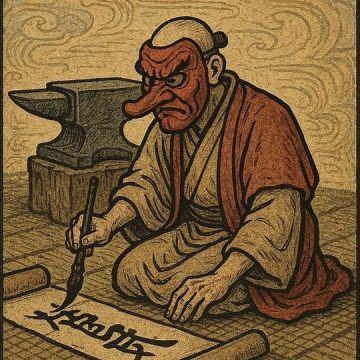
The Tengu-Masked monk looks over the missive, it shakes its head as it looks over the various unfinished blades that were strewn around the Nichi-Jin temple. It remembers the words of its forefathers, the warnings that were spoken about its kind and their eventual unification. "Does it begin? Or is such a false proclamation." It looks upon the entry of the Blade Eishun and the story of doom it foretold within its chronicle, it deeply wished for history to not repeat itself.
-
You are one of the most out of touch staff members on the server with a genuine lack of knowledge of how the server has worked since 2018. It’s genuinely baffling. And this is coming from me.
-
give me ixris again ill fix naz properly
-
Does that mean if we beat werewolf - we will stop getting broken plugins no-one wants????????
-
A small, boutique establishment within the burrows of the Imperium would be filled with the smoke of Auverginian tobacco that spreads across the basement. The dimly lit room would obscure the faces of the nobles and troubadours that frequented this strange hall, where ornate chairs and simple tables of lacquered wood uplift the glasses that are scattered across the room. The purveyor of this past-time, Reginald Richard Napier the II, wraps its hands around a small golden case within his hands. The influential author had grown in popularity with the war, as the fusion of orcish and dwarven literature had been demanded by his audience. Many had started to buy the publications, such as "Send my wife to the Brathmordikin", "Krug Crossed Lovers" and "The Seven Elven Priests and the Dwarven Paragon" with feverish glee, so his own exploits allowed for the cosy atmosphere to be cultivated within the grasp of Hadrian's walls. Reginald gestures to the nearby, stammering poet to go to the stage, their boots clanking and creaking upon the floorboards as it stares out towards the audience. A huffed exclaim follows with a gulp in the poets voice, a ritual of humiliation for them to become part of this society. The figure stammers and spits upon itself on the stage, starting to read it with vicious intensity.
-
[Magic Lore] Zealotry - the Insurgents of Valaen
ScreamingDingo replied to Pallodium's topic in Lore Criteria + Submissions
please don’t make fart magic bird magic -
me when empire is empire and it doesnt actually have culture but it enforces itself on the server which means it actually does have cultural significance but because it gives vassals autonomy its bad but because people surrender its bad but its also bad because it is not the same as all other human nations but at the same time its not unique enough because its not accomodating of darkspawn but its also too lenient on darkspawn but at the same time its also the use of canonism being evil but while actually it has other religious sects but at the same time the church and state are separated but actually why arent they more unique.
-
hello if you are staff - you should not be able to roleplay on roleplay server. You must serve ME - the player.
-
Yeu is dead and you normally can’t make new ancient aengudaemons for your lore im sorry for your work about to be orbitally obliterated this is new yeu if you wanted to pursue something like this, but star aesthetic is really hard to effectively use because of cosmology
-
I will drain the swamp of the Dwarven Cabal, this is my official platform to run for CT Admin.
I am a three year app team MVP from ancient times and I also watch TikTok I’m a perfect fit. I expect a reply soon @Telanir
-
MOD-TECH ANNOUNCEMENT - Introducing Map Team
ScreamingDingo replied to Josh3738's topic in Announcements
The joke writes itself at this point -
Prophecy posts are basically tv shopping advertisements now and have no purpose or progression other than vibe posting
- Show previous comments 5 more
-

-

@Onnensrcafeful what you wish for
-
-
I actually believe we need to regress in forum formatting we’ve went nuclear and need to be cast back into the dark ages
-
The only way to fix shamanism to modern standards is to destroy everything people like about the magic. The trade off of modernisation will make many not want to even look at it. This weird limbo is the only way to preserve the creativity with the restrictions that are in place. The problem of shamanism IS shamanism, and there’s no real nice way to do it. It requires a gutting of its entire core and especially how spirits function to align with how the rest of the cosmos lore is set up. Which is brutal in itself, shamanism lives and thrives in its contradictions to established lore
-
god hates techs, destroy all red barricades, dismantle the inferi agenda, restore yong ping, snow elven racial acknowledgement, palebeast is zanunder , goose is mountain, azdromoth x mordring, aeriel is a youtuber, do you need to unwind, icecube challenge, siliti agenda, gudour is artorias, behemoth #cheater mentalism dating app
-
lmfao 20 minute fix layered in red tape of making the CT look like they’re doing their job with nonsense contests. double drops for all and all the problems are fixed…
-
As we settle upon these new lands - my own quest to understand the ever-growing GREATNESS of weapons has resumed. I have currently chronicled a handful of weapons and graded their potential to find the very best on these lands. It is my wish to find the best weapons of these lands and place them into a guide for all aspiring legendary warriors to strive towards. This is not wishing to steal blades or destroy them, but to immortalise them with ink upon a page to tell of their great deeds and adventures. I will aim to judge these weapons based on a variety of criteria: Their Combat Prowess Their beauty and flair The heart of the blade The Quality of the Blade The Legend and Story of the Blade With these elements, I shall determine for what grade your blade sits upon, and this grade shall make up the rankings of the very best blades of the land, to be published once I have enough judged. The categories of weapons are the following: Swords Blunt [Hammer / Mace / Other] Axe Bow [Spears and Halberds are the weapons of the Ashigaru, they do not deserve stories of legendary tales] If one wishes to have their weapon judged and placed upon this chronicle, contact myself at the Ugokoyama Compound and send a winged messenger to its gates. We shall then go to Nichi-Jin temple, to assume such a grading. Bring weapons of worth - I do not need to see reproductions of weapons used upon the fields of mass blood. I want weapons that have soul, ones that stories are told about. Or even if you do not possess it, tell me the mythos of the blade, to be eventually judged. I understand that many await their shipments from the lands of others - my own forging will not resume until I receive my equipment from the BRAECORP SAKURAGAKURE FRIGATES that have departed from the Flower Capital to these lands. Keep such in mind until then. Shall the thunder scare away the evils of your soul, and the rain cleanse the ills of your day. Ken-Kaji - Of the Ugokoyama Clan - Forge Spirit and Recorder of Legend


-
the dwarven development team avoids the big question of forced resource scarcity with the ghost of hiebe lingering as their shared hive mind of Urguan.


.thumb.gif.5a805d258de5309474a27096e6dd35c0.gif)


.thumb.jpg.39d6ab72dc97020a14098d3c3c4bbfc3.jpg)




.thumb.gif.a00a63e36b40e4212895251afe914934.gif)

.thumb.jpg.73b28c0fccb6a8ee43440032e0837def.jpg)